
Most people know what hunger feels like. Or at least, they think they do. That gnawing feeling in the stomach, the restlessness, the sudden urge to raid the kitchen at 3pm – all of it gets blamed on not eating enough. But here’s the thing: a surprisingly large portion of the time, your body isn’t asking for food at all. It’s asking for water.
The confusion runs deep, and it’s rooted in biology. Your brain processes hunger and thirst in the same region – the hypothalamus – making mixed signals almost inevitable. The body’s thirst and hunger signals are both controlled by the hypothalamus, and when you’re even mildly dehydrated, it can misinterpret thirst cues as hunger, making you reach for a snack when what your body really needs is fluids. Once you understand the overlap, you’ll start seeing these “hunger” signals in a completely different light. Let’s dive in.
1. You Feel a Gnawing, Empty Stomach – But You Just Ate
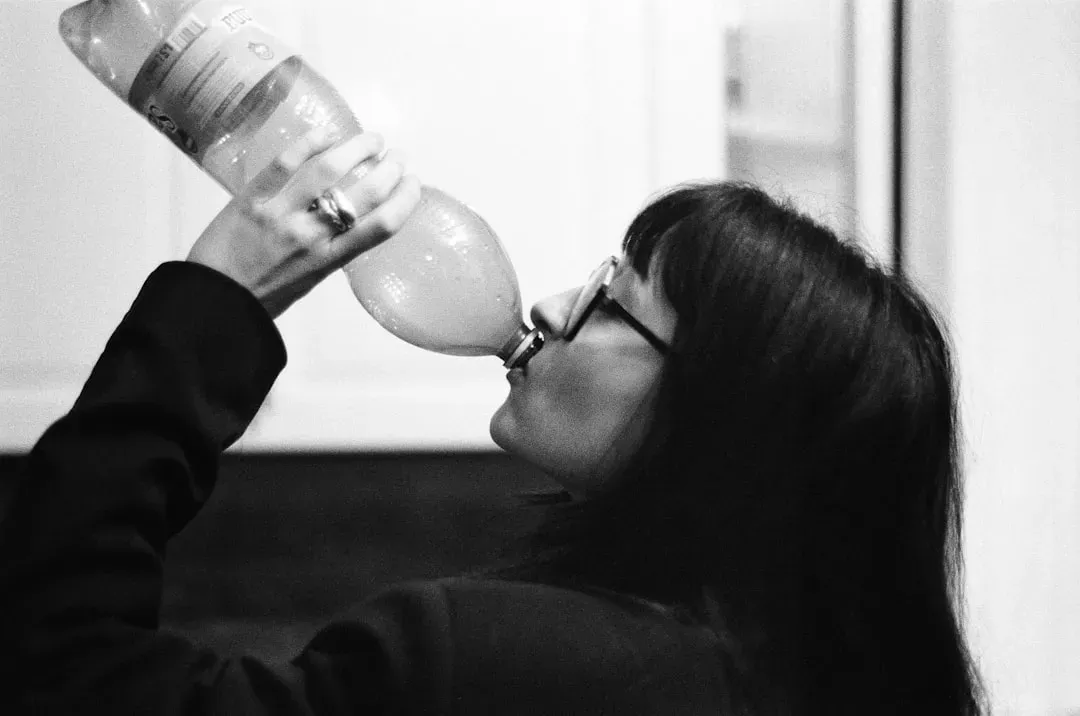
Ever finish a full meal, wait an hour, and then feel weirdly hungry again? Before you head back to the kitchen, consider when you last had a glass of water. Dehydration can cause hunger pangs because your body may mistake thirst for hunger, going back to your stomach feeling empty and sending a signal to let you know. It sounds almost too simple, but it’s one of the most common traps people fall into.
That growling sensation in your stomach is often immediately assumed to be hunger, but in reality what your body needed was a tall glass of water. Think of it like this: your body is trying to signal a need, and it reaches for the loudest, most familiar alarm it has. Food is that alarm. Water, strangely, rarely gets the spotlight it deserves.
If you feel hungry but just ate, try drinking a glass of water and waiting 15 minutes. If you’re still feeling hungry after drinking water, you may truly be hungry. If the feelings of hunger go away, then it was just thirst. Honestly, this simple test has helped a lot of people completely rethink their snacking habits.
2. Persistent Headaches You Can’t Explain

You’ve had the experience – that dull, low-grade headache that creeps in mid-morning and you automatically start wondering what you should eat. Maybe a snack will help? Maybe your blood sugar is low? Research shows that dehydration is a common trigger for headaches and migraines. When fluid levels drop, it can cause blood vessels in the brain to constrict, leading to pain and discomfort. So the food craving that follows the headache isn’t a coincidence – it’s your brain confusing two signals.
The brain is approximately 80% water. When you are dehydrated, your brain tissue loses water, causing brain shrinkage and pain surrounding the brain. Dehydration also lowers blood flow and oxygen to the brain, which can dilate blood vessels and cause swelling and inflammation. That’s not a minor effect. That’s your brain literally shrinking slightly in response to fluid loss.
Studies have found that higher daily water intake is associated with reduced migraine severity, frequency, and duration. So the next time a headache arrives and you start thinking about lunch, reach for water first. You might be surprised how quickly the urge to eat fades.
3. Sudden Fatigue and Low Energy

Here is one that almost everyone gets wrong. That mid-afternoon energy crash – the one that sends you straight to the snack drawer or coffee machine – is one of the most classic signs of dehydration masquerading as hunger. Even mild dehydration can lead to fatigue and sluggishness because your body has to work harder to keep essential processes running. If you find yourself dragging through the day, especially in the afternoon, hydration could be the missing piece.
Being dehydrated can cause fatigue as blood circulation decreases. Less circulation means less oxygen reaching your muscles and brain. The result feels almost identical to the drained, heavy sensation you get when you’ve skipped a meal. No wonder so many people eat more instead of drink more.
Research shows that as little as a one to two percent fluid loss can impair cognitive function, memory, and mood, making hydration a key player in mental clarity. That is a remarkably small deficit to cause such noticeable effects. You don’t need to be visibly sweating or dying of thirst for your energy to take a real hit.
4. Brain Fog and Difficulty Concentrating

You’re sitting at your desk, staring blankly at your screen, reaching for a biscuit because somehow food feels like it might “fix” the mental cloudiness. I think most of us have been there. Brain fog is a term describing a constellation of cognitive symptoms that can significantly impact daily functioning, typically manifesting as difficulty concentrating, memory lapses, slower thinking, mental fatigue, and confusion. While often attributed to aging, these symptoms frequently stem from addressable factors, with dehydration being among the most common yet overlooked causes.
Your brain is approximately 75% water, making it particularly sensitive to even mild dehydration. Unlike more obvious dehydration symptoms such as thirst or dry mouth, cognitive effects can manifest before these traditional warning signs appear. This is why brain fog can catch you completely off guard.
Mild dehydration without hyperthermia was shown to impair vigilance and working memory and increase anxiety and fatigue. So when your focus just won’t come together and you find yourself eyeing the snack cupboard, try hydrating first. The difference can be felt in as little as 15 minutes.
5. Sudden Sugar Cravings and Junk Food Urges

This one is sneaky. You’re not even particularly hungry, but suddenly you absolutely must have something sweet. It feels specific, urgent, almost irrational. Low hydration doesn’t just lead to thirst – it disrupts the body’s ability to regulate blood sugar and energy balance. Studies reveal that even mild dehydration can reduce energy metabolism, prompting the brain to misinterpret signals and trigger cravings for high-sugar, high-fat foods.
Your hydration status affects hormones like ghrelin and leptin, which control appetite, making the struggle to resist junk food even more intense when you’re dehydrated. These are the same hormones responsible for your sense of fullness and hunger. When hydration throws them off balance, it’s like trying to drive with a broken GPS.
Research suggests that mistaking dehydration for hunger may trigger cravings as well. When dehydrated, cortisol levels rise, intensifying urges, and creating a vicious cycle where you reach for unhealthy snacks instead of water. So if sugar cravings hit you out of nowhere, especially in the afternoon, your first move should be a glass of water, not a trip to the vending machine.
6. Irritability and Mood Swings

Feeling snappy, short-tempered, or inexplicably low without a clear reason? Most people reach for comfort food when their mood dips. It’s practically a cultural reflex. The effects of dehydration on the brain affect neurotransmitter function. When you are dehydrated, dopamine and serotonin are not released in the right way, which can lead to mood swings and cognitive impairment.
Studies from 2018 and 2024, read together, found that people who drink less water are more likely to report feeling anxious, depressed, or experiencing low mood. That is a striking association. Water is deeply tied to your emotional baseline, more than most wellness advice ever acknowledges.
Mood changes frequently accompany dehydration-related cognitive symptoms. Increased irritability, anxiety, or feeling emotionally sensitive without clear cause might signal that your brain is experiencing stress from inadequate hydration. Before reaching for emotional comfort food the next time your mood takes a nosedive, try hydrating first. It won’t always be the complete answer, but it’s an easy and often underestimated first step.
7. Muscle Cramps and Physical Weakness

Not every sign of dehydration hits you in the mind. Sometimes it hits you in the legs, the hands, even the stomach – and that dull achiness gets mistaken for hunger or low energy from not eating enough. Dehydration can cause headaches, fatigue, muscle cramps, constipation and more. The overlap with hunger symptoms is real and well-documented.
When the body doesn’t have enough fluid to expel toxins, there can be an imbalance in the electrolytes in the system, which can make you feel dizzy, confused, or have difficulty concentrating. Electrolyte imbalance from low fluid intake affects muscle function at a cellular level. It’s not just about “drinking more water” – it’s about maintaining the electrical signals your muscles need to operate properly.
Your muscles need fluids and electrolytes to contract and relax efficiently. Dehydration may lead to cramps, stiffness, or a feeling of heaviness in your limbs. If you notice leg cramps, a sudden heaviness, or general physical sluggishness that doesn’t match your activity level, consider hydration before assuming you need more calories.
8. Dark Urine and Reduced Bathroom Trips
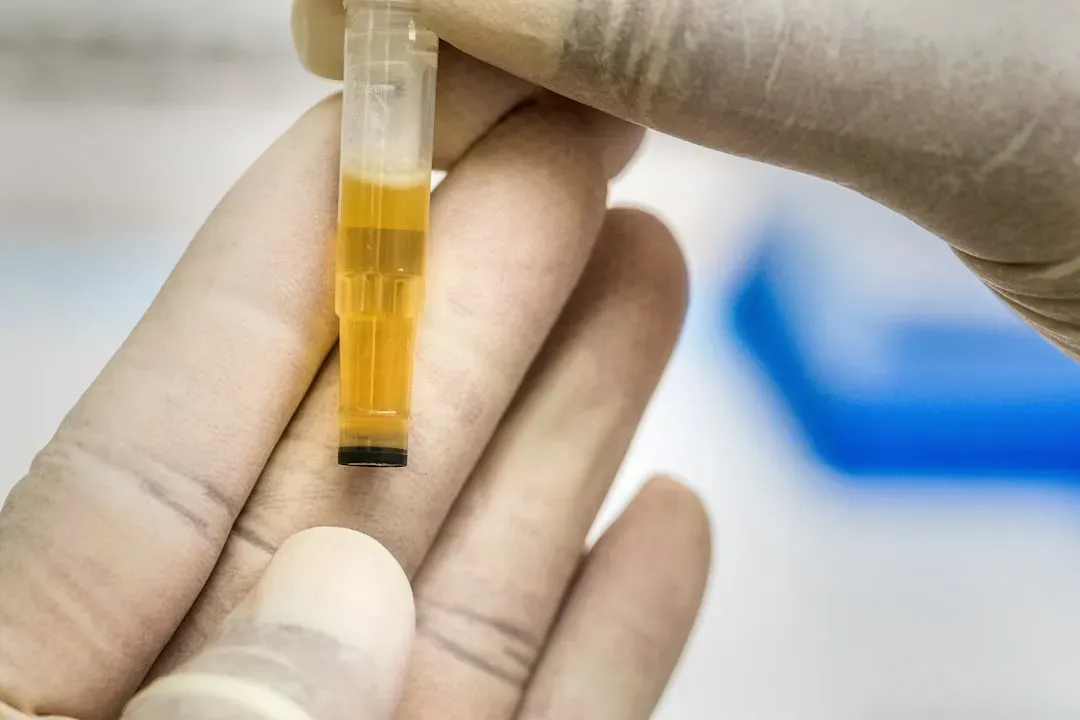
This is the one sign that requires zero guesswork, yet so many people ignore it entirely. If you are drinking enough water, your urine should be very pale yellow. It’s darker when you’re dehydrated. This is your body’s simplest, most direct signal – and it’s available every single time you visit the bathroom.
According to a 2025 systematic review and meta-analysis, the pooled sensitivity of common clinical dehydration signs such as thirst, dry mouth, and dark urine was about 85%, making urine color one of the most reliable everyday indicators available to anyone. You don’t need a lab for this. You just need to look.
Dehydration prevalence varies by age, affecting roughly between one in six and one in five individuals, with symptoms like thirst, dry mouth, decreased urination, and darkened urine indicating its presence. When urine output drops and what comes out is noticeably amber or dark yellow, your body is in conservation mode. Eating more food won’t fix that – only fluids will. And yet, many people respond to the sluggishness and discomfort by eating more, not drinking more.
The Water-First Rule: A Simple Habit That Changes Everything

Here’s the uncomfortable truth about all eight of these signs – we’ve all missed them at some point. In one study, individuals responded appropriately by drinking water when they were thirsty but not hungry only about two percent of the time. They responded inappropriately roughly 62 percent of the time. That’s a staggering number. Nearly two-thirds of the time, people were getting their signals completely backwards.
Some symptoms of mild dehydration – headache, fatigue, lightheadedness, and difficulty concentrating – can resemble symptoms of hunger, which is exactly why the confusion is so easy to fall into and so hard to shake without conscious awareness. The modern environment doesn’t help either. Food is everywhere, always available, always marketed as the solution.
Health experts recommend that adult men consume approximately 3.7 liters and adult women about 2.7 liters of fluids daily. These recommendations include all fluids consumed, not just water, and may vary based on individual factors such as activity level, climate, and overall health. Adopting a simple “water first” rule before every meal and every snack can be genuinely transformative. Drink, wait 10 to 15 minutes, then decide if you’re still hungry. More often than you’d expect, the craving simply disappears.
It’s a small shift in habit, but the implications for your energy, mood, weight, and mental clarity are anything but small. How many times this week do you think you ate when your body was really just thirsty? Tell us in the comments – the answer might surprise you.