
Most people think twice before eating at a restaurant they suspect is dirty. Honestly, it is one of those things you cannot un-see once you notice a greasy counter or a floor that has not been mopped since Tuesday. But behind the scenes, behind those kitchen doors, some chains are doing something genuinely impressive. They are running kitchens that are held to standards that go far beyond what any local health inspector requires.
Since the pandemic, consumers became far more aware of the cleanliness of a restaurant, making it one of the most important qualities in a chain. The gap between the cleanest and the dirtiest is wider than most diners ever imagine. So buckle up, because what follows might make you rethink your usual lunch order.
Table of Contents
1. Chick-fil-A: The Gold Standard of Chain Cleanliness
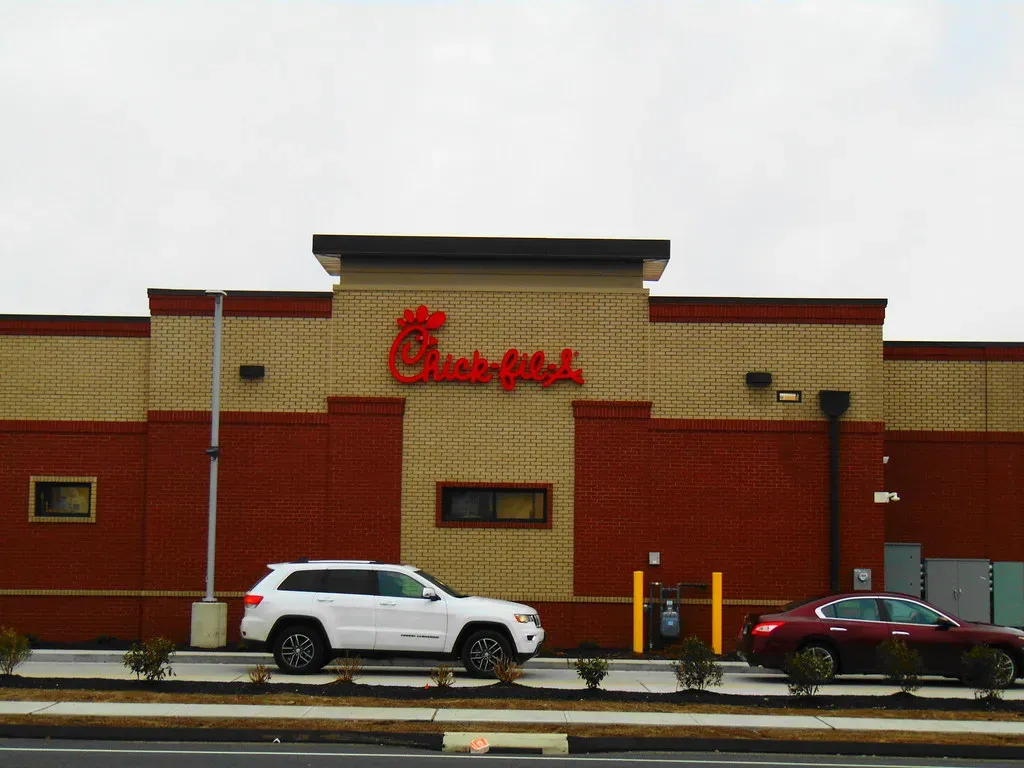
Let’s be real, if you ask almost anyone which fast food chain feels the cleanest, Chick-fil-A comes up almost immediately. Chick-fil-A won a blue ribbon for being the cleanest fast-food restaurant in America, according to a Restaurant Business survey that assessed interior cleanliness, kitchen prep areas, and even restroom conditions. That kind of recognition does not happen by accident.
Hygiene practices at Chick-fil-A are top-notch, and the chain emphasizes handwashing, glove usage, and uniform cleanliness to prevent contamination. Employees are required to wash their hands frequently, especially after touching potentially contaminated surfaces, using the restroom, or handling raw food, following a specific handwashing procedure using soap and warm water for at least 20 seconds. That level of protocol is closer to a hospital than a chicken sandwich joint.
Regular audits and inspections are conducted to ensure that hygiene standards are being met, helping identify areas for improvement and ensuring that employees follow proper procedures, all of which contributes to a culture of cleanliness and food safety throughout the organization. When a company builds cleanliness into the culture itself, rather than treating it as a checklist, the results speak for themselves.
2. Culver’s: Midwest Precision on Every Surface
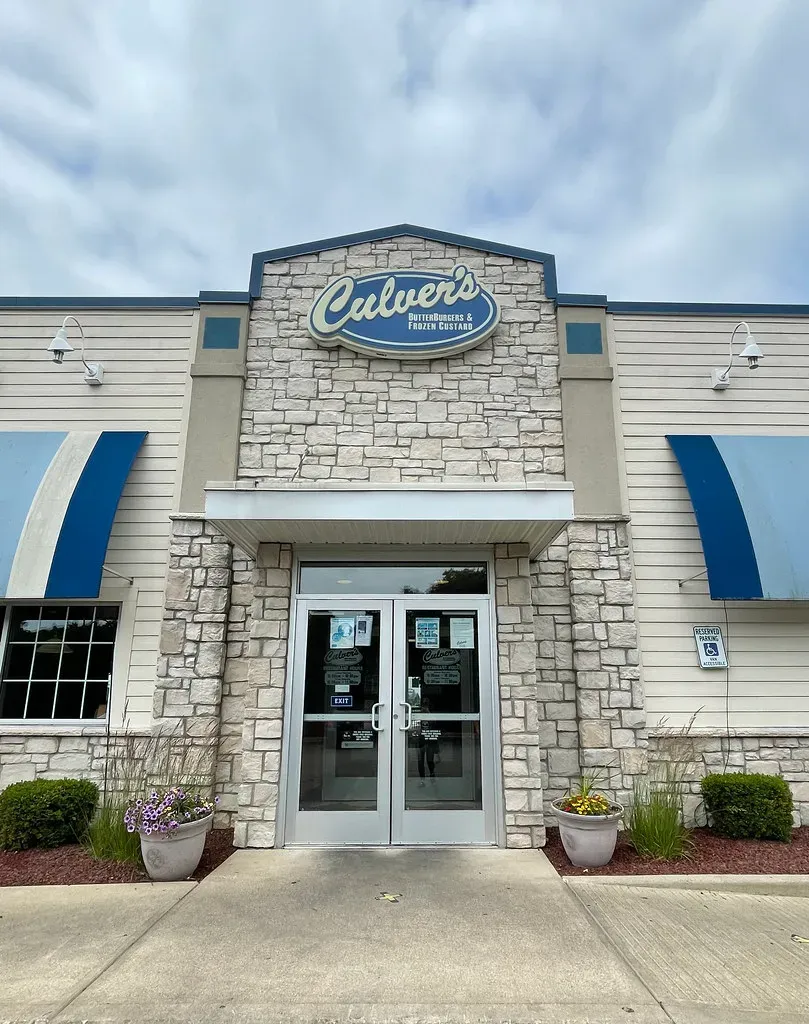
The Wisconsin-based Culver’s has been serving its famous ButterBurgers since 1984, and the company has since expanded with over 1,000 locations in 26 states. That kind of regional pride tends to translate directly into how the kitchens are run. Think of it like a family restaurant that just happened to scale up without losing the mentality.
Culver’s scored a very near second place in the Restaurant Business cleanliness survey, at 67.1% overall, with the chain scoring especially well on overall interior cleanliness and super-clean bathrooms. Culver’s feels like a step up with its spotless booths and consistently wiped counters. Those are not small details. Those are the things that signal a kitchen culture built around discipline.
The chains that consistently rank at the top all have strong corporate oversight and standardized cleaning protocols that ensure consistency across locations, meaning customers can expect similar cleanliness levels whether they are visiting a location in California or Connecticut, which builds brand trust. Culver’s is a textbook example of that consistency in action.
3. In-N-Out Burger: Open Kitchens, Zero to Hide
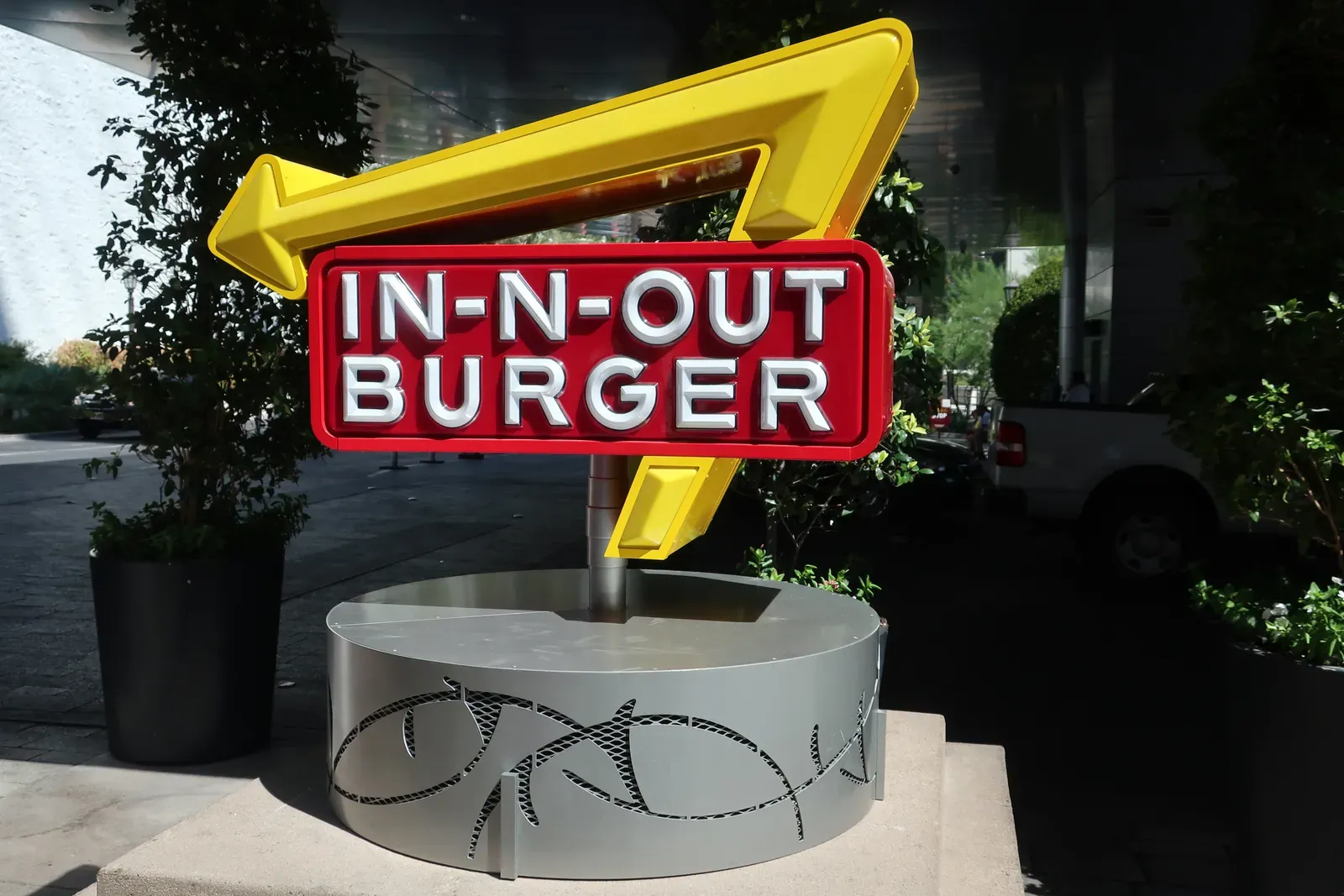
In-N-Out’s open kitchen layout is not just a design choice. It is a statement. The minimalist design makes cleanliness easy to spot, with white tiles kept pristine, counters wiped constantly, spotless trays, and an orderly condiment area, while open kitchens add confidence because surfaces look sanitized and organized. When you can see everything being prepared, there is nowhere for a dirty surface to hide.
In-N-Out locations have earned perfect health inspection scores in municipal inspections across multiple jurisdictions, including Austin, Texas, where health authorities conduct inspections twice per year. In-N-Out Burger is classified as uniformly excellent for food quality, representing the top fast-food tier. That reputation takes decades to build.
Restrooms are checked often at In-N-Out, and if you want a simple menu with a meticulously clean environment, this chain delivers every visit. The brand’s commitment to a small, focused menu also works in its favor. Fewer menu items mean fewer ingredients, fewer prep stations, and a simpler kitchen that is easier to keep immaculate.
4. Five Guys: Peanut Shells on the Floor, Spotless Everywhere Else
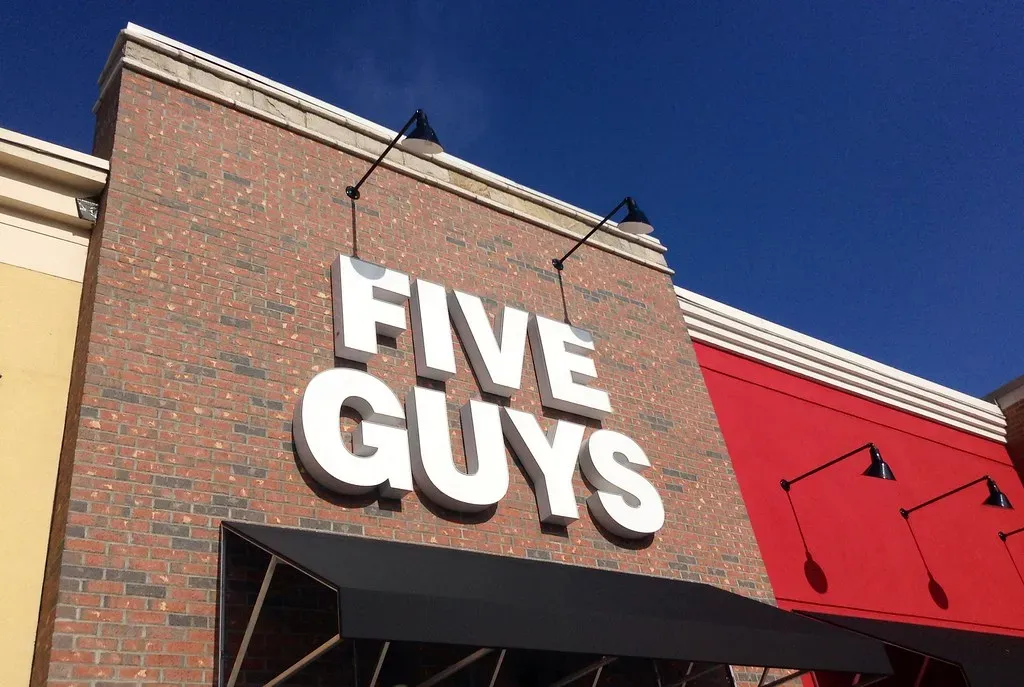
Here is the thing about Five Guys. You walk in and there are peanut shells on the floor, which might make you raise an eyebrow. But that is actually part of the branding experience. The back-of-house story is entirely different. When more than 3,000 consumers were surveyed about which characteristics they liked most in restaurants, Chick-fil-A and Five Guys finished with the most and second-most citations of friendliness and cleanliness.
Five Guys embraces a fast, affordable, fresh philosophy with streamlined offerings. That streamlined approach is key. A short menu means the kitchen team is not juggling dozens of different proteins and sauces. The fewer moving parts, the cleaner the operation. The chains that consistently rank high for cleanliness have developed robust training programs and regular inspection systems to minimize variations across locations.
Cross-contamination between raw and ready-to-eat foods remains a top concern for any kitchen, and separate cutting boards, utensils, and preparation areas for different food types are now considered mandatory in every well-run kitchen. Five Guys runs a tight, meat-focused prep environment where those principles are straightforwardly enforced, and it shows.
5. Firehouse Subs: A Methodical Approach to Kitchen Hygiene
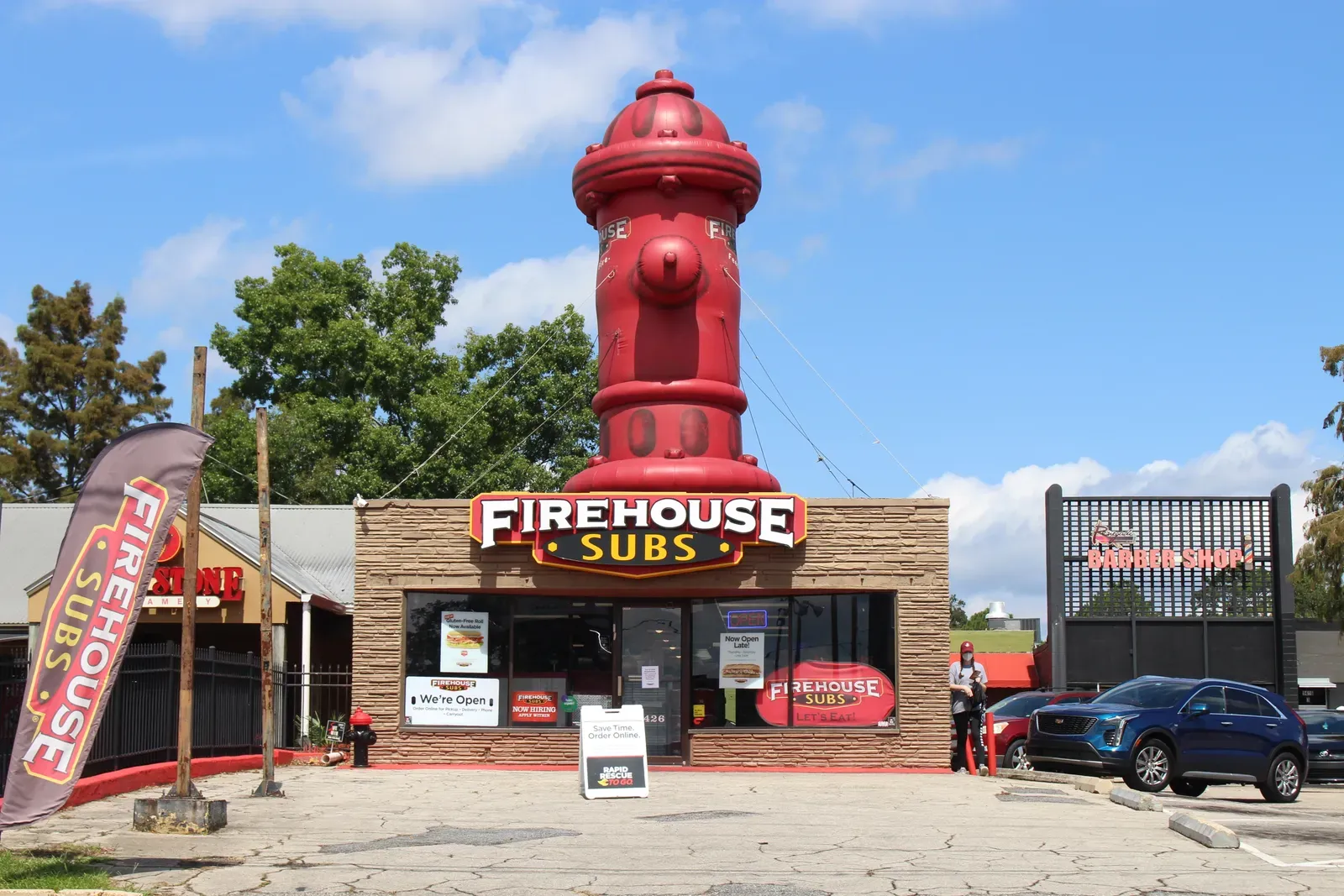
Firehouse Subs came in third place in the Restaurant Business cleanliness survey, earning a 65.8% rating. For a sandwich chain that requires hands-on, made-to-order preparation, that is a genuinely impressive achievement. I think most people underestimate how hard it is to keep a sub shop clean when you are touching ingredients constantly throughout a rush.
Consistent performance across multiple survey categories demonstrates that cleanliness at Firehouse Subs is not just an accident but part of their operational strategy, and what is particularly impressive is how they maintain these standards while serving hot, made-to-order sandwiches that require more hands-on food preparation than many competitors.
A deep cleaning schedule that includes cleaning all kitchen equipment, ventilation systems, and storage areas is a critical foundation, and this should be done regularly to prevent the buildup of grease, dirt, and bacteria. Firehouse Subs has made that kind of discipline a brand-wide expectation, which is why their kitchens consistently earn above-average marks across independent assessments.
6. Raising Cane’s: Simple Menu, Seriously Clean Kitchen
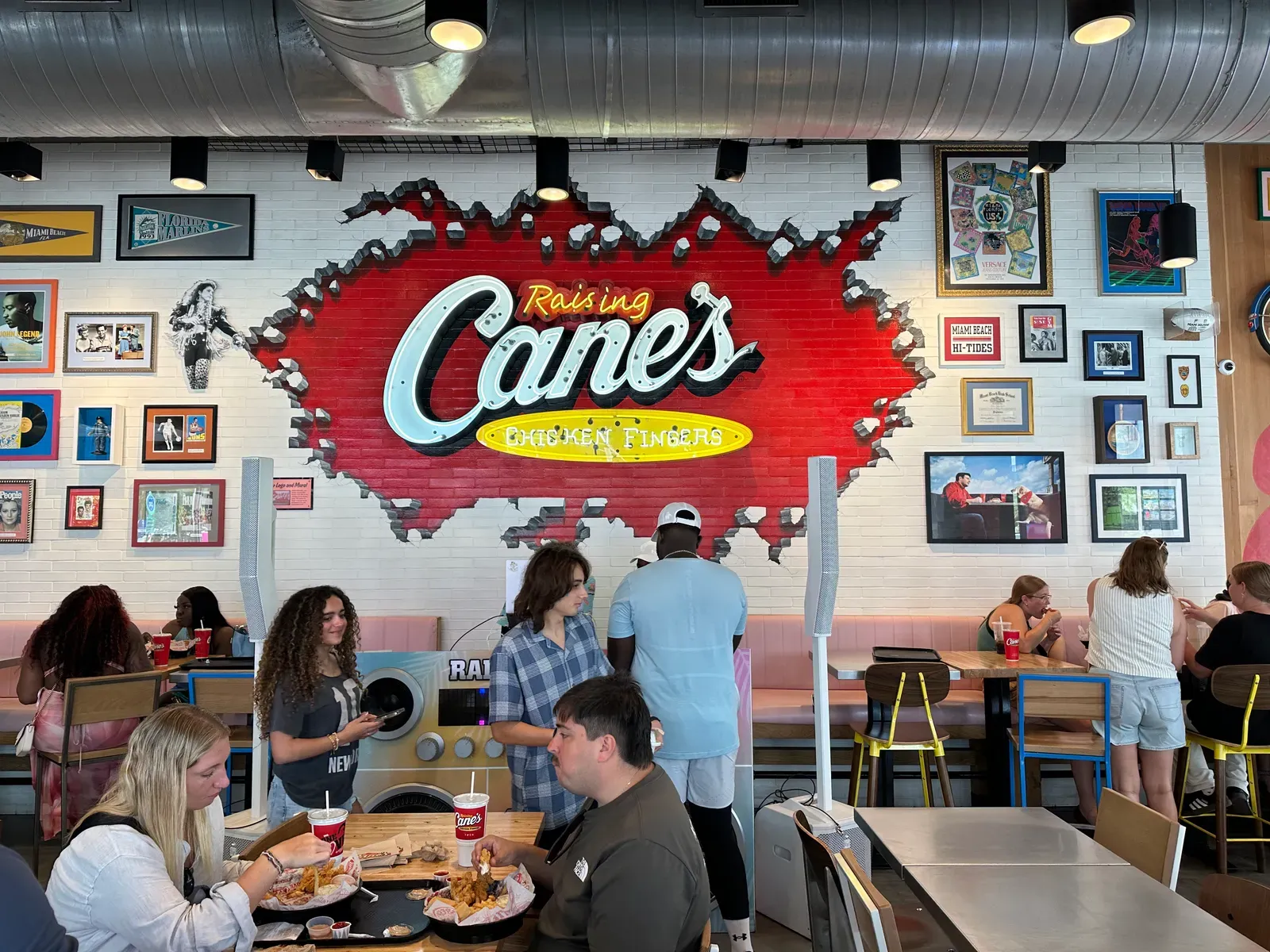
Raising Cane’s does one thing: chicken fingers. That is basically it. And while that might sound limiting from a menu perspective, it is actually the secret weapon behind why their kitchens stay so clean. Raising Cane’s keeps things simple and spotless, from gleaming counters to neatly stacked sauce cups, with staff circulating constantly, whisking away trays and wiping tables with purpose, while floors stay crumb-free despite heavy traffic.
Restrooms are checked frequently and usually smell clean rather than chemical-heavy, trash bins are emptied before they fill up, and if you want fast service with a reliably tidy setting, this chicken spot makes it easy to settle in and enjoy. That is the kind of consistent, daily execution that does not happen unless management makes it a genuine priority.
Smart restaurants are leveraging technology to maintain consistency in their cleaning programs, with digital checklists ensuring tasks are not skipped and sensors monitoring restroom supplies. Raising Cane’s is among the chains that have embraced these systems, ensuring their single-item focus stays squeaky clean no matter which location you visit across the country.
7. Whataburger: Texas-Sized Cleanliness Standards
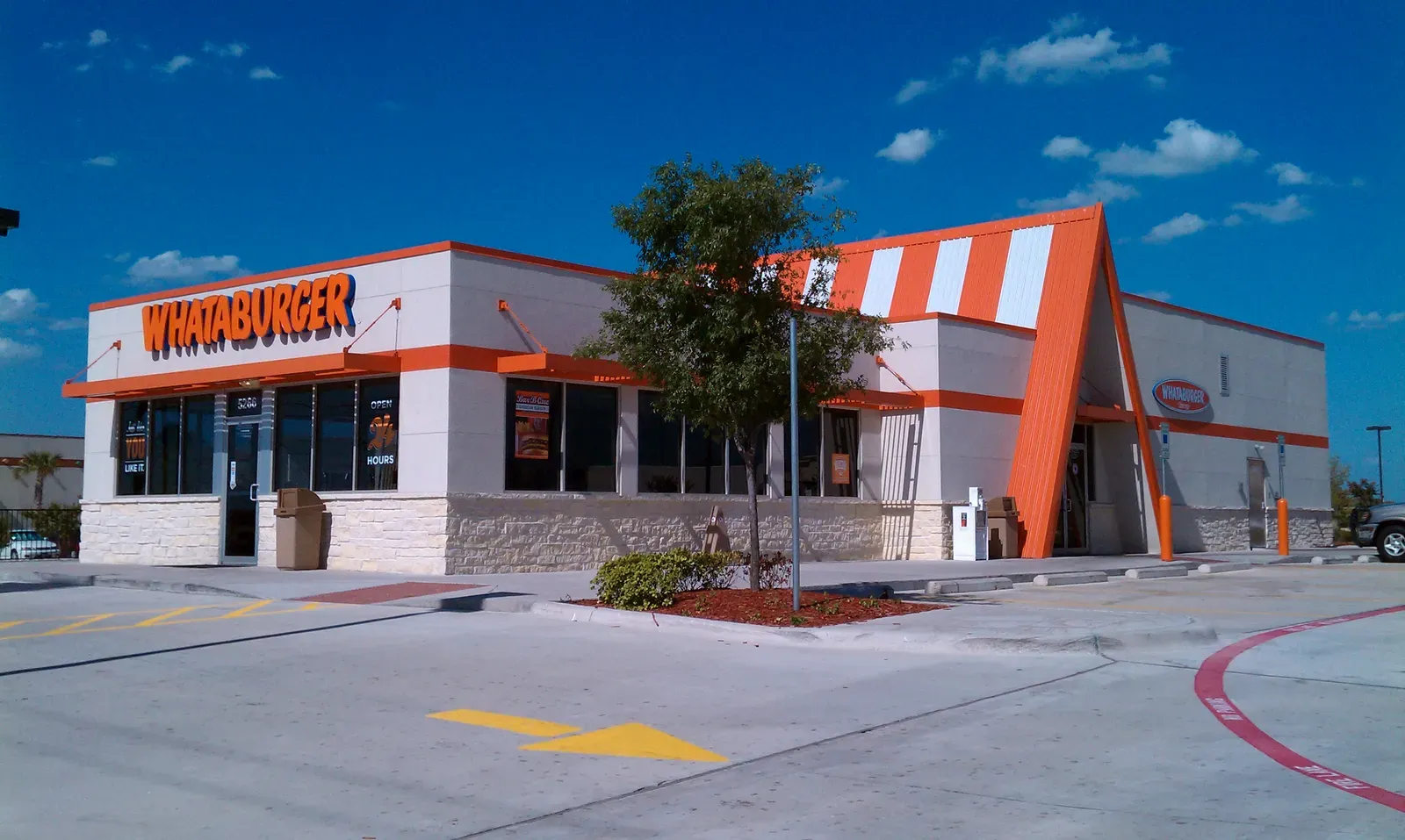
Whataburger is a Texas institution, and it runs its kitchens with a seriousness that matches its devoted fanbase. Whataburger locations often feature bright, clean dining rooms with clearly posted cleaning schedules, tables get reset quickly with condiments aligned rather than scattered, and floors stay dry despite heavy drink station use. That consistency across a 24-hour operation is particularly hard to achieve.
Restrooms are usually in good shape with stocked towels and soap, and staff respond to messes promptly, keeping the experience smooth during late-night hours. Running a clean operation at 2 a.m. is genuinely harder than doing it at noon, and Whataburger’s commitment to around-the-clock cleanliness is one of its most underappreciated qualities.
Food safety regulations are becoming more stringent as new research and technology highlight better ways to protect consumers, and temperature control is critical, with hot foods required to be kept at or above 140 degrees Fahrenheit while cold foods should be at or below 40 degrees to prevent bacterial growth. Whataburger’s kitchen protocols are built around exactly these standards, and their long track record backs that up.
8. Jersey Mike’s: The Slicer Is Always Spotless
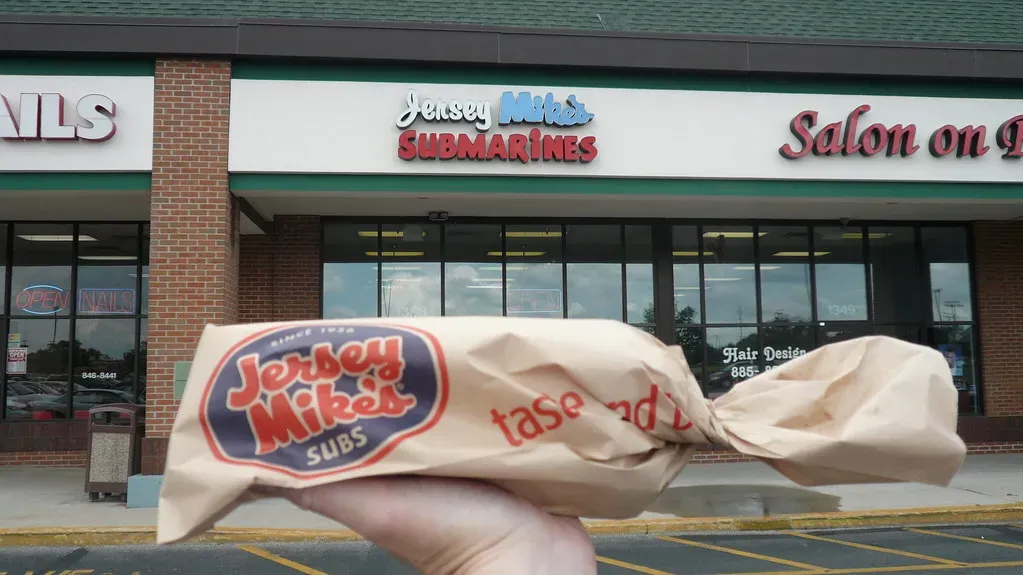
For a sandwich chain, the one piece of equipment that most defines kitchen hygiene is the meat slicer. It touches nearly every sandwich. It is also one of the most notoriously hard pieces of equipment to keep clean. At Jersey Mike’s, the prep line looks organized and sanitized, and the slicer area stays spotless, while tables are minimal but well maintained and the floor around the entrance stays dry. That kind of attention to the most critical touchpoint is what separates the clean from the merely adequate.
By 2026, customers expect visible hygiene measures to be standard practice in restaurants – from hand sanitizer stations and tables cleaned between guests to clearly sanitized menus or seamless digital ordering systems. Jersey Mike’s has leaned into that expectation. The prep area is essentially on display at most locations, which creates natural accountability and keeps the team sharp.
Every health grade tells the public how safe it is to eat at a restaurant, and when grading scales are in place they force problems out into the open, because issues like unsafe storage, dirty prep stations, and pest activity do not stay hidden, which pushes teams to take action fast. Jersey Mike’s consistently performs well in public health inspections precisely because their visible, open-prep kitchen leaves no room for shortcuts.
What Really Separates the Clean from the Rest
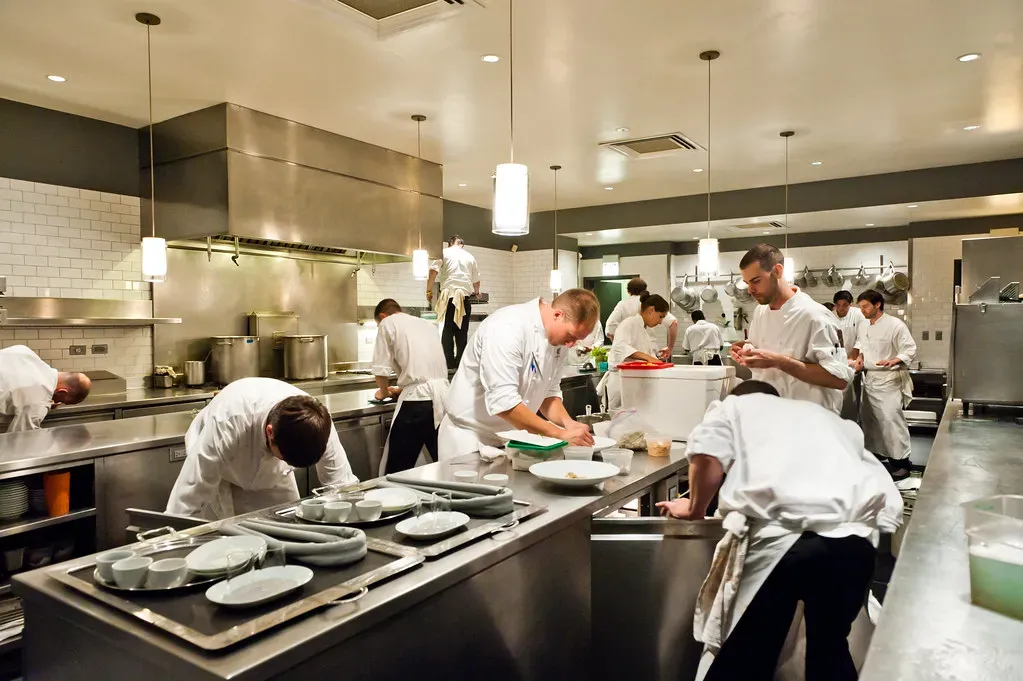
It is worth stepping back and asking what all eight of these chains actually have in common. Cleanliness is one quality that market research firm Datassential polls consumers on for its annual Consumer Picks report, and in pulling out the cleanest restaurant chains, the percentages correlate to the number of consumers rating brands as best in class or above average on cleanliness. Consumer perception and real kitchen practice tend to align more than people expect.
Many voluntary interventions, such as strict corporate policies on establishment design, equipment, and hygiene within a particular company can affect a large number of restaurants over a wide geographic area, and such policies within large multistate corporations are unlikely to be substantially affected by local inspection policies. That is the real differentiator. The cleanest chains do not wait for the inspector to knock.
Consumers have never been more concerned about restaurants meeting and even exceeding health code standards, and according to a 2021 Ecolab report, roughly nineteen out of twenty consumers wanted to see as much or more cleaning once the pandemic subsided. Chipotle, for example, incentivizes food safety as a performance measure for managers and crew members to achieve quarterly bonuses. When cleanliness is tied to compensation, you tend to get cleaner kitchens. Simple as that.
The restaurants that truly lead in kitchen hygiene are the ones that treat cleanliness as a core value rather than a compliance obligation. Which of these chains surprised you the most? Drop your thoughts in the comments below.