
There’s something almost theatrical about a modern grocery store. The moment you walk through those sliding doors, you’re stepping onto a stage that’s been carefully set to guide your behavior, your mood, and – most importantly – your spending. Every color, every aisle, every carefully placed item has a purpose. That purpose isn’t to help you find what you need. It’s to help the store sell what it wants.
Millions of shoppers are starting to catch on. With grocery prices having surged dramatically over the past few years, consumers are rethinking how they move through a store. Smarter shoppers are adopting what insiders call the “empty cart” mindset – walking past entire sections of the store without flinching. So which sections are the traps, and which are worth your time? Let’s find out.
Table of Contents
The Checkout Zone: The Last Temptation
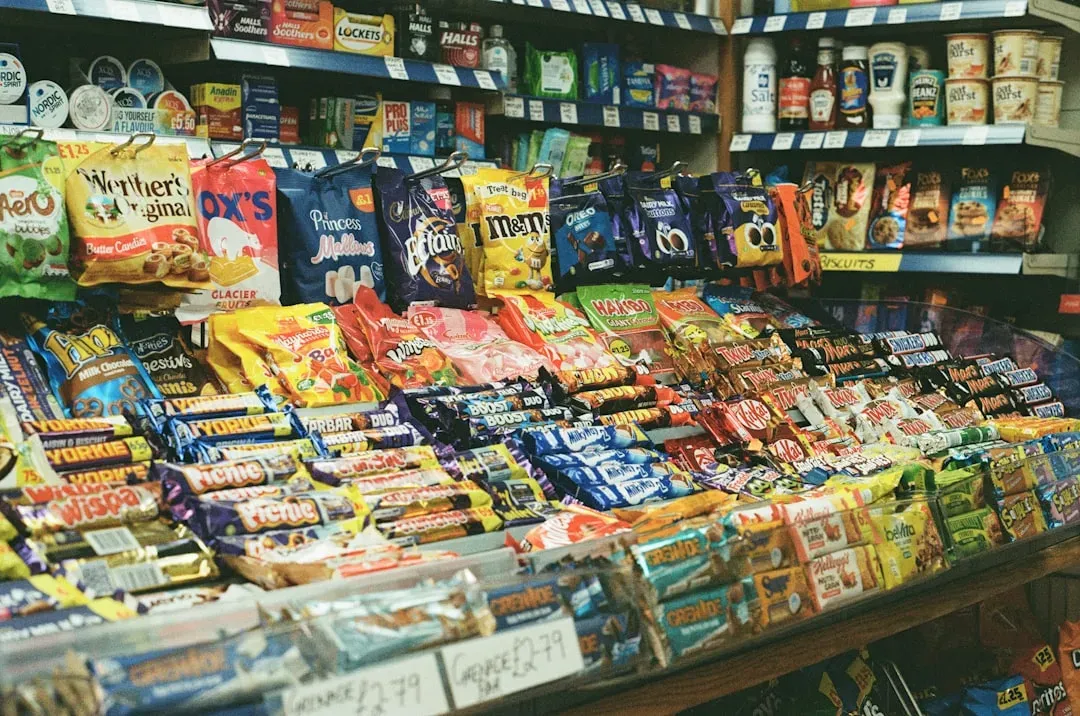
You’ve done your shopping. You’re tired. Your guard is down. That’s exactly the moment the checkout zone is designed to exploit. Checkout is almost always at the front of the store and surrounded by grab-and-go items that encourage last-minute impulse buys. It sounds simple when stated plainly, but the execution is deceptively powerful.
Grocery stores know how to tempt you, so be on the lookout – some of these tactics include BOGO snacks, end-of-aisle displays, and even mini treats at checkout meant to trigger impulse purchases. These items are almost never things you planned to buy. They are emotional purchases, not logical ones.
Impulse buying accounts for up to 62% of grocery sales revenue, and up to 80% in some product categories. That’s a staggering figure. Retailers know this, which is why the checkout lane is stocked with candy bars and single-serve drinks and novelty items priced just low enough to feel harmless. Smart shoppers treat the checkout lane like a minefield and keep their eyes on the conveyor belt.
The Snack and Chip Aisle: Engineered for Weakness
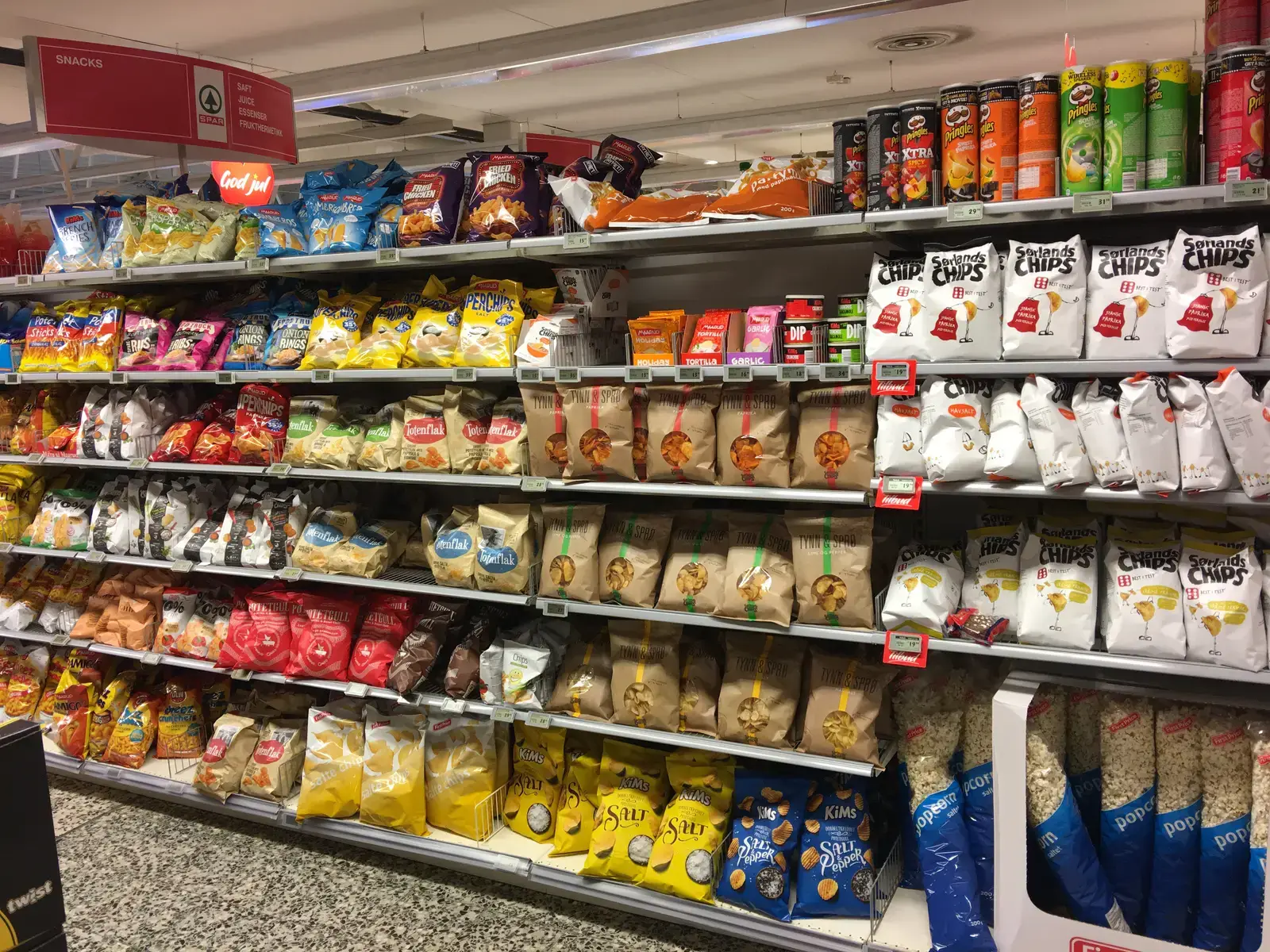
Honestly, I think the snack aisle might be the most psychologically loaded section in any grocery store. The snack and chip aisle is perhaps one of the most popular and frequented sections of a grocery store, holding irresistible treats that often cater to impulsive purchases. The variety alone is enough to make you forget you came in for bread.
The snack aisle’s unique appeal lies in its variety of flavors and brands – exotic or unusual flavors, in addition to traditional ones, provide a sense of adventure and abundance that keeps customers intrigued and coming back for more. This is by design, not accident. Stores rotate in new flavors and trend-driven products to ensure there’s always something unfamiliar to grab your attention.
Social media has made this even worse. Social media sells big even when the products are little – thanks to TikTok trends like “Girl Dinner” and “A Little Treat,” snacking has shifted beyond traditional chips and pre-packaged cookies to support a more luxurious, Instagram-worthy snacking culture. If you’ve already seen something 40 times on your phone before even walking into the store, your resistance is already half-broken before you hit the aisle.
End-Cap Displays: The Illusion of a Deal
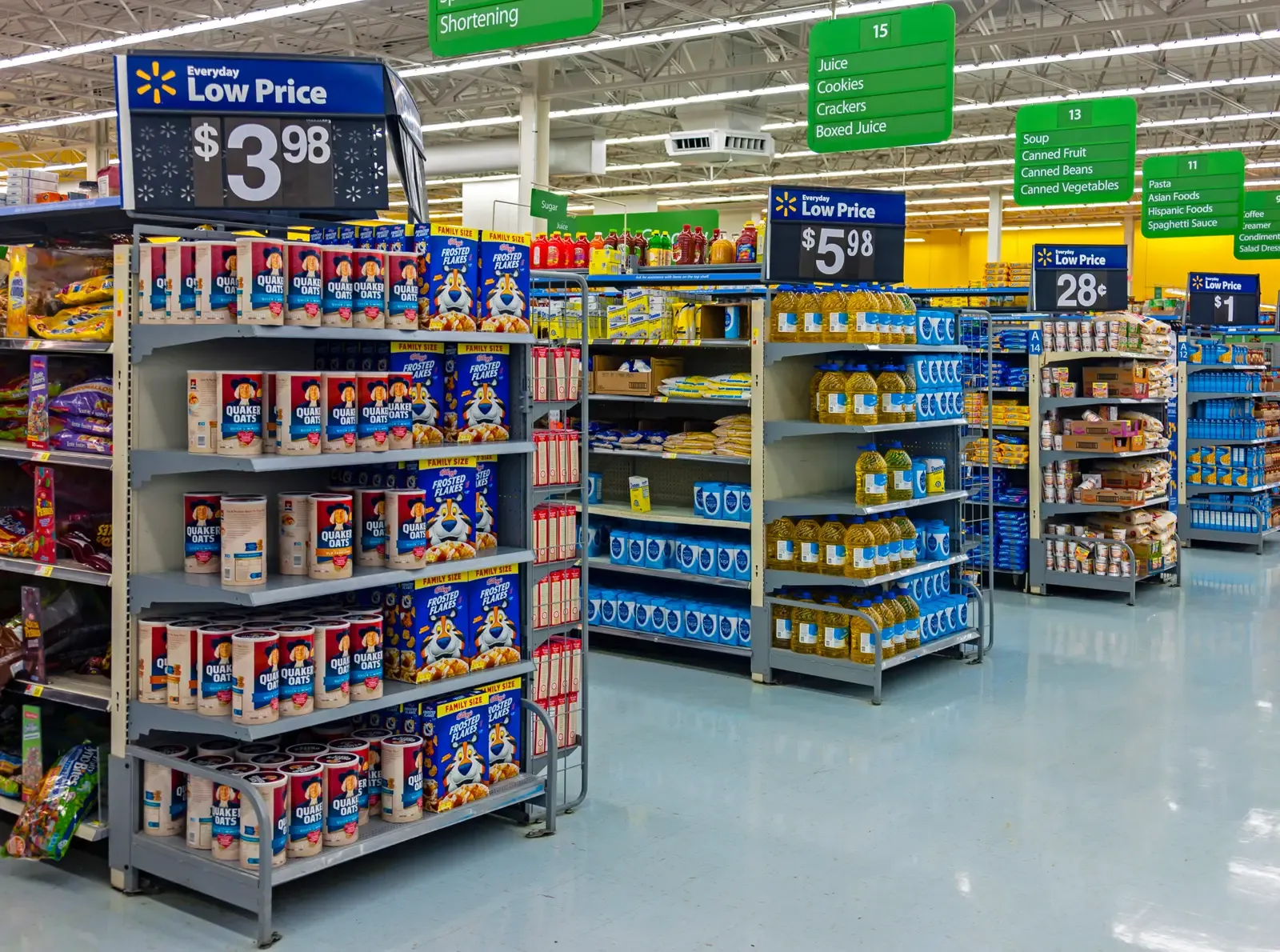
Here’s the thing most shoppers never realize: those colorful, beautifully stacked displays at the end of each aisle don’t automatically mean a sale is happening. The ends of aisles often feature single items with colorful displays, but these displays don’t necessarily signal a sale price – the store may simply be promoting a new item as part of a marketing agreement between a grocer and a brand, or it may be an overstocked item that they’re trying to clear out.
Nielsen data shows that strategic signage can increase impulse purchases by 20%, directly impacting revenue. Retailers pay significant sums to manufacturers for prominent end-cap placement. Think of it like a paid advertisement built out of actual product. You’re not stumbling upon a bargain – you’re being served a sponsored moment.
Designing a store layout is not merely about where the shelves go – it’s a sophisticated balance of psychology, data, and design that directly impacts consumer behavior, basket size, and long-term loyalty. From the moment shoppers step inside, the floor plan quietly guides them through a narrative shaped by impulse triggers, necessity-driven anchors, and sensory cues. Knowing that end caps are part of this deliberate choreography is the first step toward ignoring them.
The Pre-Cut Produce and Convenience Food Zone: Paying for Someone Else’s Labor

There’s nothing wrong with wanting convenience. Life is busy, and the appeal of grabbing pre-sliced watermelon or a ready-made stir-fry kit is completely understandable. However, this convenience comes at a steep price premium that most shoppers never pause to calculate. It’s like paying a contractor to change a lightbulb – technically helpful, but wildly expensive relative to the task.
Shoppers who are prioritizing their budgets are focusing on core items needed for meals and cutting out luxuries or experimentation with new products, while there is a noticeable trend toward making meals from scratch rather than purchasing prepared or prepackaged foods. The shift is real and data-backed. Savvy consumers are rediscovering the kitchen as the single most powerful tool against grocery inflation.
Eliminating avoidable food waste saves the average American family approximately $1,800 annually. Pre-cut produce accelerates spoilage because the protective skin or rind has been removed, meaning you’ll likely throw some of it away. You pay more, get less, and the food doesn’t even last as long. It’s a triple loss, and it’s hiding in one of the freshest-looking corners of the store.
The Premium Brand Middle-Aisle Maze: Where Loyalty Costs You
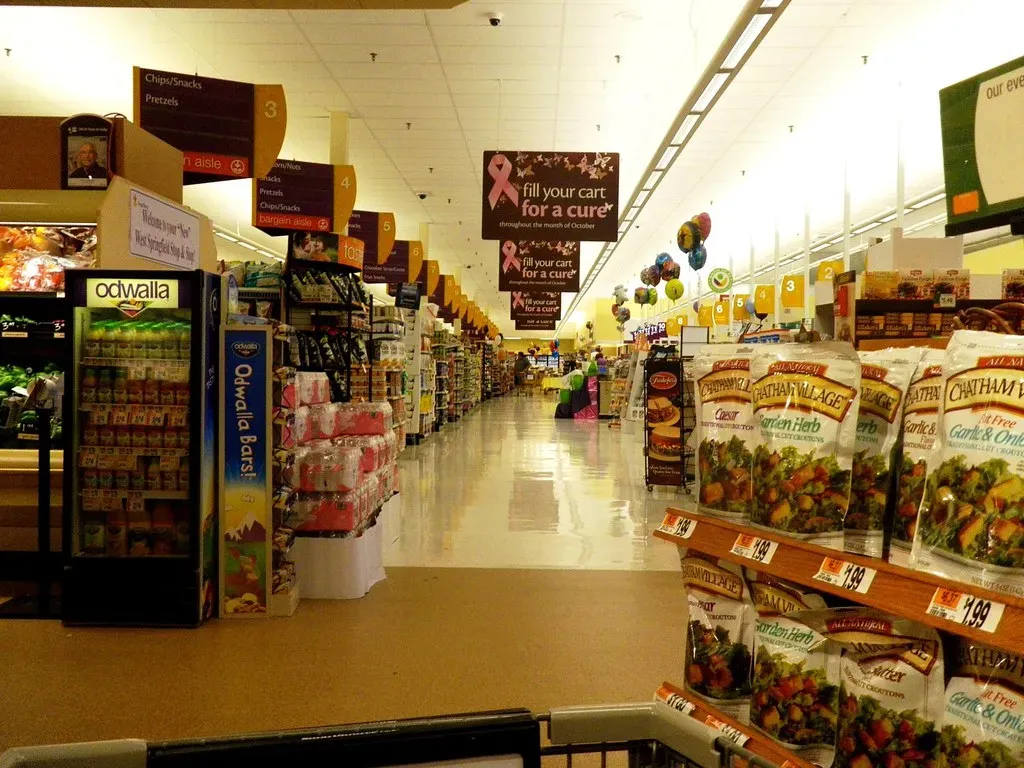
The center of the store is where the majority of packaged goods live, and it’s also where brand loyalty becomes an expensive habit. The aisles in the middle of the store contain packaged foods – a mix of nutritious pantry staples and less nutritious foods like chips and cookies – and current store design nudges shoppers to buy more of the less healthy packaged foods, which are often ultra-processed foods.
One study found that two-thirds of the products found in prominent locations, including eye-level shelves, checkout areas, and end caps, are ultra-processed foods. The study also found that fewer than 1% of foods displayed in these prominent locations were nourishing items, such as fruits or vegetables. That statistic should stop you cold. The most visible real estate in the store is almost entirely occupied by the least nutritious options.
Let’s be real about brand loyalty too. Sticking to your favorite brands may feel great, but it can cost you more – depending on the item and grocery store, generic brands may cost a fraction of more well-known national brands, and the items may come from the exact same manufacturers or have the same key ingredients. According to a LendingTree survey, 44% of shoppers have embraced generic brands as one of their top strategies for combating rising prices. The smart money has already moved.
The Entrance Zone: Where Your Mood Gets Hijacked
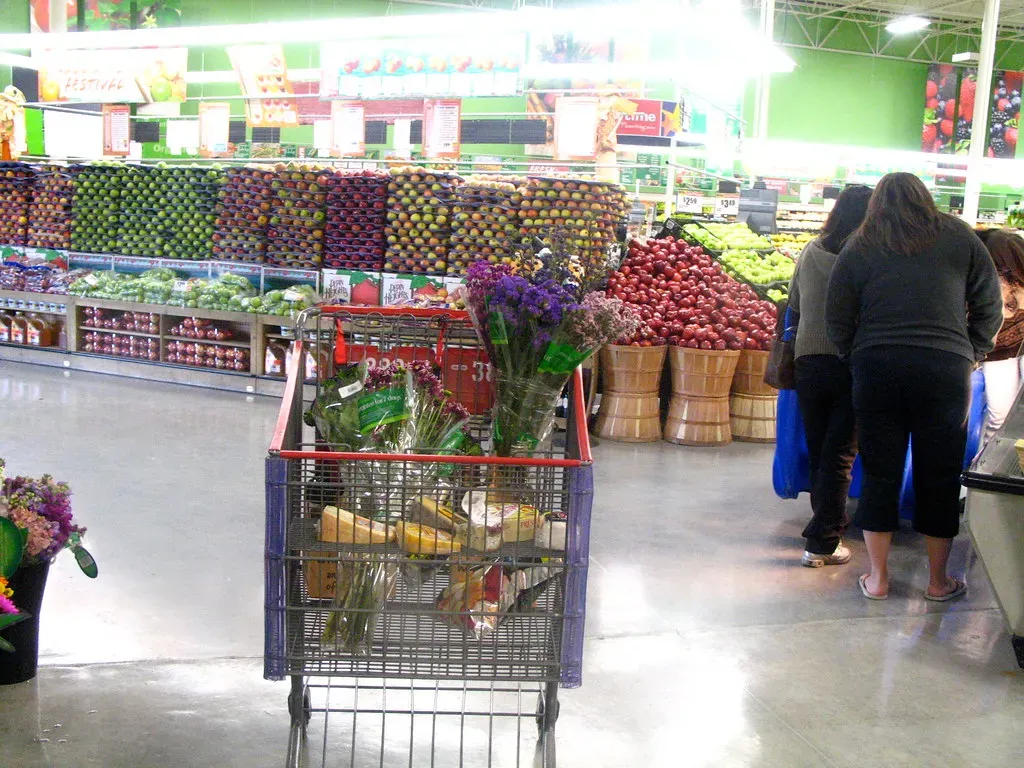
Most people think the entrance is harmless. You grab a cart, glance at the weekly ad, and head in. What you don’t realize is that the entrance zone has already started working on you before you’ve touched a single item. Fresh produce and flowers are often the first thing you see when entering a grocery store – their bright colors and fresh scents serve a couple of purposes. First, they signal that the store features fresh products. Secondly, the colors and scents lift your mood, which may make you feel like spending more money. In psychology, this is known as priming, when an experience influences something you’ll do later.
A lifted mood means a looser wallet. It’s as simple and unsettling as that. A grocery store layout plays a pivotal role in determining shopper behavior – the concept of a shopping journey is central: customers enter with a goal, but their route, pace, and decisions are largely shaped by how the space is arranged. You think you’re choosing freely. You’re not entirely.
A LendingTree survey of 2,000 people found that 88% of shoppers said they’re approaching grocery aisles differently as prices continued to grow. More people are waking up to this reality. Walking through the entrance zone with awareness – not just autopilot – is arguably the most important defensive move a budget-conscious shopper can make. The majority of survey respondents, at 77%, say they’ve adjusted their grocery habits in response to rising prices. The question is whether those adjustments are happening early enough in the shopping trip, starting right at the door.
Conclusion
The “empty cart” strategy isn’t about deprivation. It’s about being the smartest person in the store – which, honestly, isn’t that hard once you know what to look for. Every trap has a tell. The checkout candy, the end-cap “deals,” the pre-sliced fruit, the mood-lifting entrance, the brand-loyal center aisles – they all follow a predictable script.
Grocery prices may no longer make daily headlines, but they’re still well above pre-pandemic levels – prices for food at home rose nearly 29.4% from March 2020 to December 2025, and the USDA projects a further 2.3% increase in food-at-home prices in 2026, suggesting expensive groceries are here to stay. In that environment, knowing which sections of the store to simply walk past isn’t frugality. It’s survival strategy.
The most powerful cart is often the one with the fewest unplanned items in it. Next time you walk into a store, look at every section not as a destination but as a decision. What would you put back if you took a second look? That’s worth thinking about.