
Not every food that earns the “superfood” label actually deserves the title. The word gets thrown around so freely that it can be genuinely hard to tell smart nutrition from glossy marketing. With shelves now packed with exotic powders and overpriced capsules all claiming miraculous results, picking the real winners feels like looking for a needle in a very expensive haystack.
Honestly, the science is clearer than the market noise suggests. According to nutrition experts, the superfood categories with the most scientific research behind them are dark, leafy greens; berries; legumes; nuts; seeds; and cruciferous vegetables. We’ve done the heavy lifting for you, cutting through the clutter to bring you the nine that are actually worth adding to your cart. Let’s dive in.
Table of Contents
1. Blueberries: The Antioxidant Champion That Just Keeps Getting Better
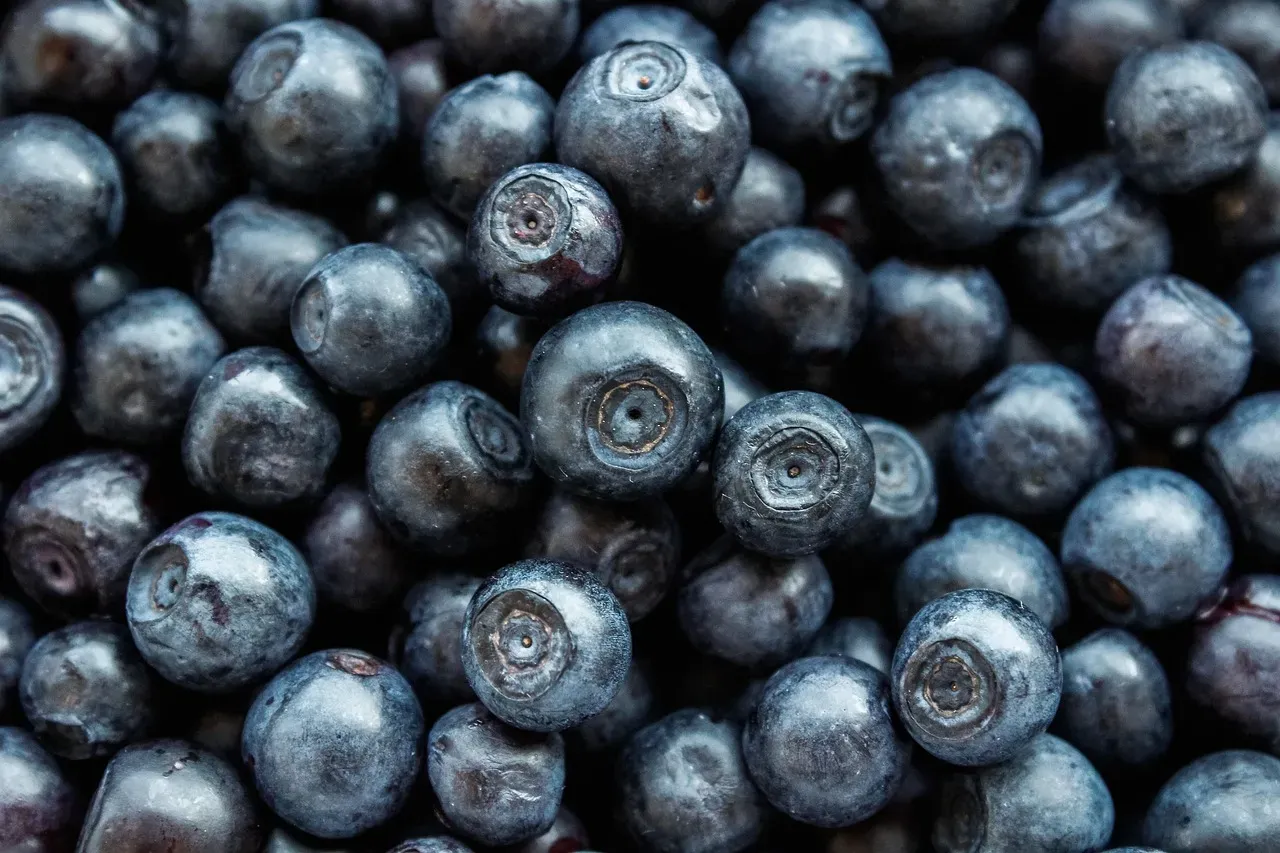
If there’s one food that has earned its superfood crown over and over again, it’s the humble blueberry. A sweeping scientific review highlights wild blueberries as a standout food for cardiometabolic health, with the strongest evidence showing improvements in blood vessel function and encouraging findings for blood pressure, cholesterol, blood sugar, gut health, and cognition. That’s a remarkable range of benefits for something you can toss into your morning yogurt without a second thought.
In a review of the latest research, nutrition scientists found that blueberry consumption led to notable improvements in insulin sensitivity and blood vessel function in people at risk for type 2 diabetes and heart disease, in just six weeks. Six weeks. That’s barely a month and a half. Epidemiological studies associate regular, moderate intake of blueberries with reduced risk of cardiovascular disease, death, type 2 diabetes, improved weight maintenance, and neuroprotection.
A 2023 study found that consuming blueberry powder equivalent to about one cup of fresh blueberries each day could help maintain brain function and improve memory in older adults. Fresh or frozen, the choice is yours. Research has shown that a daily intake of about half to two cups of blueberries can provide meaningful health benefits.
2. Kale: The Leafy Green That Science Refuses to Let Go Of
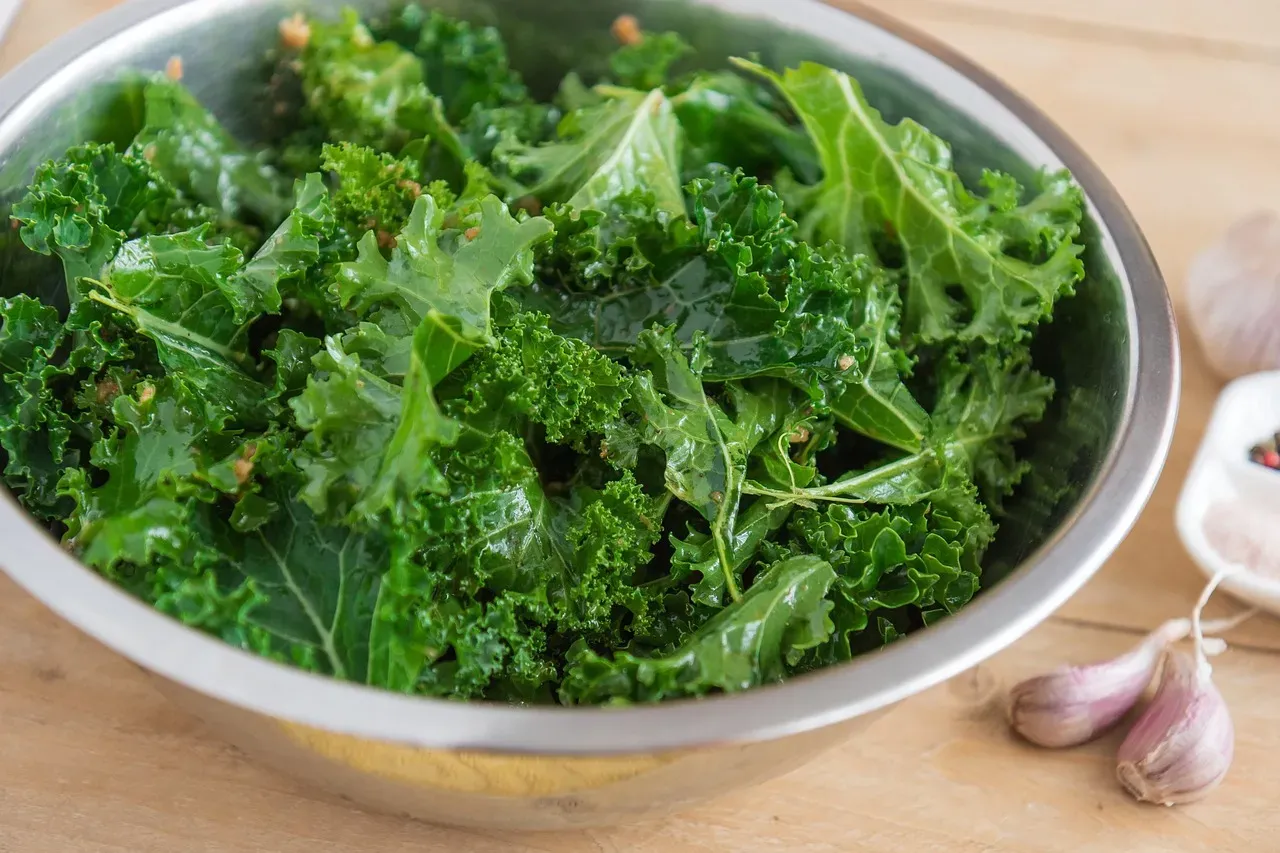
People love to joke that kale had its moment in 2015 and should probably retire already. Here’s the thing though – the science keeps proving them wrong. Kale is a superfood packed with nutrients that boost digestion and eye health, fight cancer and inflammation, and help the body remove toxins. That’s not a marketing tagline; that’s a summary from Cleveland Clinic.
Kale provides high bioavailability of calcium – better than milk – and contains good concentrations of probiotic carbohydrates, organic acids, unsaturated fatty acids, carotenoids, phenolic acids, and different vitamins. It’s essentially a multivitamin you can actually chew. In vitro and in vivo studies have reported health benefits including protection against coronary artery disease, anti-inflammatory activity, and gastro-protective activity.
Kale, once dismissed as unpalatable, became one of the hottest beverage ingredients in 2024. When a tea chain launched a drink featuring kale combined with apples, lemons, chia seeds, and green tea, the product quickly became a sensation, selling 1.6 million units in just a few days. The market has spoken – and so has the research. Kale supports eye health, weight management, and heart health, and is loaded with important micronutrients and antioxidants, making it one of the most nutritious leafy greens available.
3. Wild Salmon: The Omega-3 Protein That Earns Every Cent

Salmon sits at the intersection of serious protein and serious cardiovascular protection. The top health benefit of salmon is its high amount of omega-3 fatty acids, which can help prevent heart disease and reduce inflammation. Think of omega-3s as a kind of internal fire extinguisher – quietly putting out the low-grade inflammation that underlies so many chronic diseases.
Salmon and other oily fish are superfood proteins. Getting enough protein helps build and maintain muscle mass, especially as we age. Salmon is also full of omega-3 fatty acids that help support a healthy heart and brain, and can help lower blood pressure and cholesterol while reducing the risk of heart disease. It’s one of those rare foods that delivers on almost every front.
Wild salmon is a rich source of protein, vitamin D, selenium, and B vitamins, in addition to those all-important omega-3 fatty acids. Wild-caught varieties are generally considered the cleaner option, lower in contaminants and higher in beneficial nutrients. The FDA recommends limiting seafood consumption to a few times per week – so aim for two solid servings and let the benefits stack up over time.
4. Chia Seeds: Small Enough to Ignore, Powerful Enough to Matter
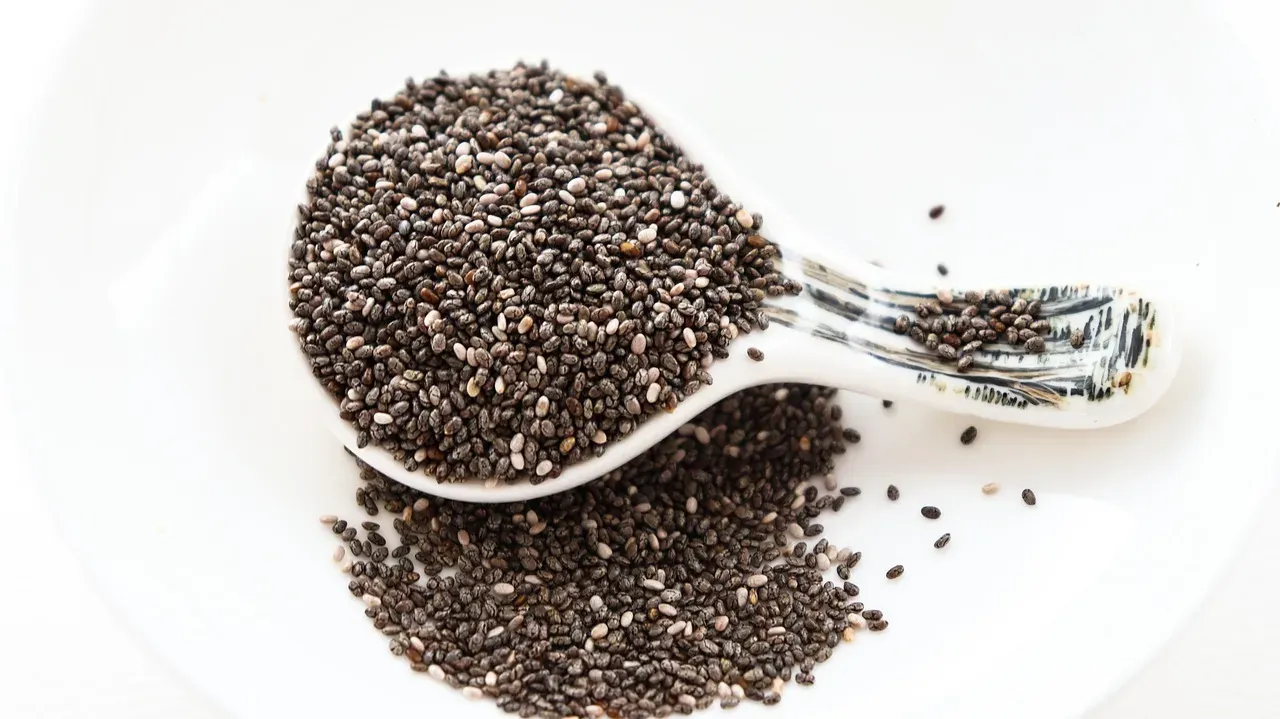
Chia seeds are genuinely one of the least glamorous foods on this list. No bright color, barely any flavor, and they look like something you’d find at the bottom of a fish tank. I know it sounds crazy, but these tiny little things might be one of the best nutritional investments you can make. Chia seeds are tiny nutritional dynamos loaded with antioxidants, protein, and minerals, plus soluble and insoluble fiber to help keep digestion moving in the right direction.
The key nutrients of chia seeds highlighted in research include protein and healthy fats, particularly linolenic acid, fiber, and minerals, especially magnesium. Magnesium is one of the most under-consumed minerals in modern diets, and chia seeds deliver it quietly without you having to think about it. Research from the Journal of Food Science and Technology highlights chia’s ability to improve digestion, stabilize blood sugar, and support weight loss.
Chia seeds provide omega-3 fatty acids essential for maintaining healthy bones, and their anti-inflammatory properties may also help alleviate joint pain. Stir them into overnight oats, blend them into a smoothie, or mix them into water for a quick gel drink. There’s almost no wrong way to eat them, and their nutritional return is hard to beat relative to their cost.
5. Avocado: The Healthy Fat That Changed How We Think About Fat
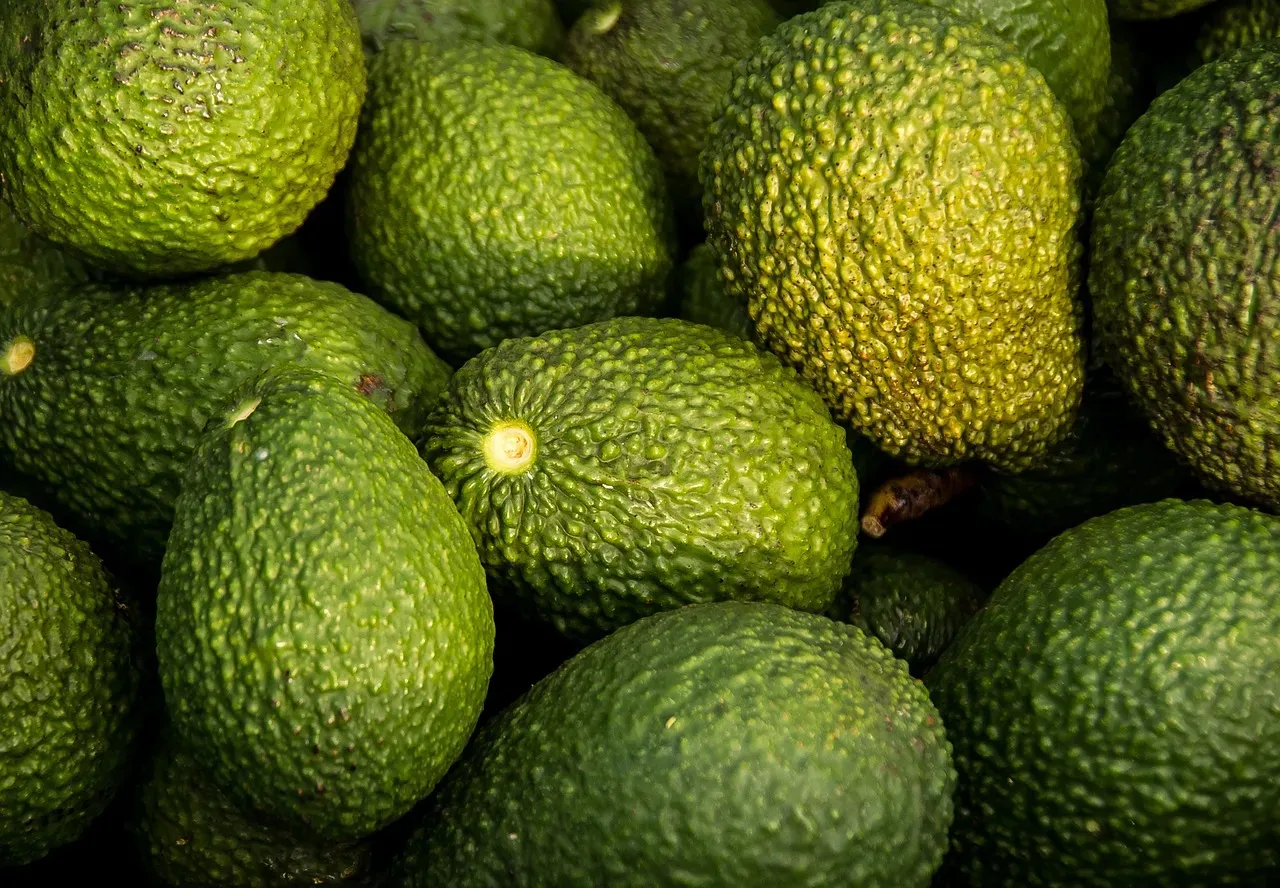
For decades, dietary fat was the villain in every health narrative. Then avocado showed up and quietly changed the conversation. Avocados are a versatile superfood, rich in healthy monounsaturated fats, potassium, and fiber. These nutrients contribute to heart health, improved digestion, and healthy skin. Honestly, it’s rare to find a food that addresses so many different bodily systems at once.
In a study reviewing 45 websites on superfoods, avocado was among the ten foods mentioned most consistently – alongside kale, spinach, salmon, blueberries, chia, walnuts, beans, fermented milks, and garlic. That level of consensus across scientific and nutritional communities is not something to dismiss lightly. The healthy fats and vitamin A in avocados can help keep skin smooth and healthy, and their fiber content helps keep digestion regular.
Avocado is rich in healthy fats and vitamins E and C, promoting skin elasticity and hydration. Add it to toast, slice it into salads, or mash it with lime and call it a day. What makes avocado especially practical is that it’s one superfood your whole family will actually eat without protest – and that, arguably, is half the battle.
6. Walnuts: The Nut That Looks Like a Brain for Good Reason
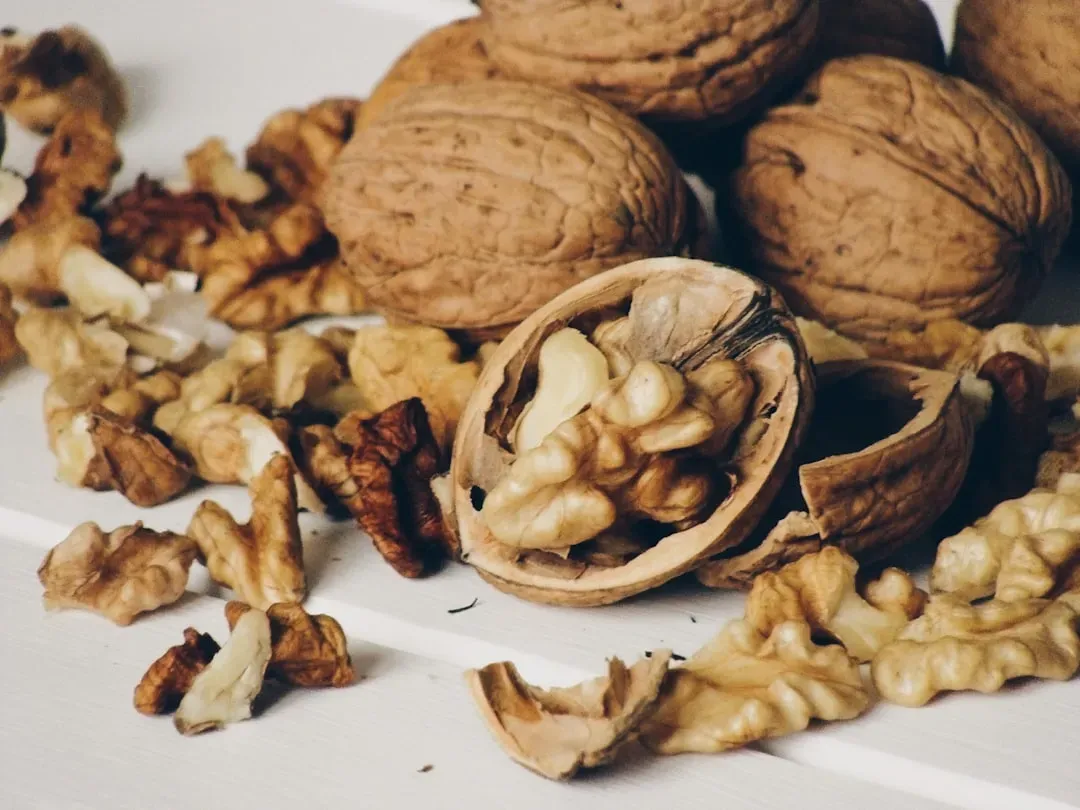
There’s something almost poetic about walnuts resembling the organ they help protect most. Let’s be real – the connection between walnut consumption and brain health is not just folk wisdom. Nuts and seeds are rich in fiber, vegetarian protein, and heart-healthy fats, and they also pack various plant compounds with anti-inflammatory and antioxidant properties, which can protect against oxidative stress.
Just a few walnuts a day will deliver a healthy dose of omega-3s, alpha-linolenic acid, melatonin, copper, manganese, and the hard-to-find gamma-tocopherol form of vitamin E, which helps protect your heart. That’s an impressive list from something you can eat by the handful in under thirty seconds. A landmark PREDIMED study showed that a Mediterranean diet rich in nuts and olive oil can reduce the risk of heart attack by roughly thirty percent.
Walnuts – alongside almonds – are consistently identified in nutrition trend reports as top recommended nuts for heart health and overall wellness. They travel well, require no preparation, and pair well with almost anything. It’s hard to say for sure whether any single food prevents disease definitively, but the consistent appearance of walnuts in peer-reviewed studies makes the case very difficult to ignore.
7. Turmeric: The Golden Spice With Decades of Evidence Behind It

Turmeric has been used in Ayurvedic medicine for centuries, and Western science has spent the last few decades trying to figure out exactly why. The answer keeps circling back to curcumin. Curcumin is the active compound in turmeric and has potent antioxidant and anti-inflammatory effects, making it the focus of most research surrounding turmeric.
Most research on turmeric is focused on its antioxidant and anti-inflammatory properties. In addition to being effective in treating and preventing health issues, turmeric can aid in pain reduction and wound healing. There is also early evidence that turmeric may reduce the risk of developing Alzheimer’s disease. That last point alone is enough to keep it on this list indefinitely. Research from Johns Hopkins Medicine notes turmeric’s potential in supporting joint health and reducing inflammation-related conditions.
Getting curcumin to actually absorb into your bloodstream is the real trick with turmeric. Studies consistently show that pairing it with black pepper dramatically increases bioavailability. Turmeric is a golden spice loaded with curcumin, considered one of the most powerful anti-inflammatory compounds in the food world. Stir it into warm milk, add it to rice, or blend it into soups – the key is simply making it a regular part of your routine rather than a one-off experiment.
8. Kefir: The Fermented Drink Your Gut Has Been Waiting For

Gut health dominated the nutrition conversation for much of 2024 and 2025, and kefir sits firmly at the center of that discussion. Kefir, a fermented probiotic drink made from milk, water, or plant-based ingredients, has gained significant attention as a dietary supplement. Originating from the Caucasus Mountains over three thousand years ago, it is believed to harbor a range of health benefits through its ability to alter the composition of microbial niches within the human body.
Kefir, as a fermented milk beverage, influences gut microbiota through its probiotic composition and bioactive compounds, exhibiting various health-promoting effects. Think of your gut as a garden – kefir is essentially the fertilizer that keeps the right things growing. Research suggests a healthy gut microbiome plays a key role in immune function, inflammation control, and even brain health, all of which affect how we age.
Gut health remains a key focus for consumers, with fermented foods like yogurt, kimchi, and kombucha – and especially kefir – ranking among the top superfoods identified by dietitians for 2025. That’s not a passing trend; that’s a consensus backed by research. Plain, unsweetened kefir is the best option – avoid the flavored versions loaded with added sugar, which would rather quickly undermine the whole point.
9. Dark Chocolate: The Superfood Nobody Ever Argues Against Adding

Here’s the one everyone was hoping to see. Dark chocolate with a high cocoa content is genuinely, verifiably good for you – not just a nice story told by candy companies. High-quality dark chocolate with at least seventy percent cocoa content provides flavonoids that can protect the cardiovascular system and improve circulation. That’s the science, full stop.
Dark chocolate with seventy percent cocoa or more delivers flavanols that boost circulation and brain health. It improves blood flow and supports memory and learning, and it also helps lower blood pressure. There’s a reason cardiologists haven’t stopped studying it. Dairy-free dark chocolate in moderation is a treat that actually does the body good – it can help elevate mood, improve blood flow, and even lower blood pressure.
The catch is portion size. A square or two a day gives you the benefits without the excess sugar and calories that would cancel them out. It’s a bit like exercise – the dose matters. Still, the fact that one of the most pleasurable foods on earth also happens to support your cardiovascular system is one of nutrition science’s best plot twists. Findings on polyphenols, found in many plant-based superfoods including dark chocolate, continue to reveal a variety of health effects that researchers are still uncovering.
The Bigger Picture: Why These Nine and Not the Others
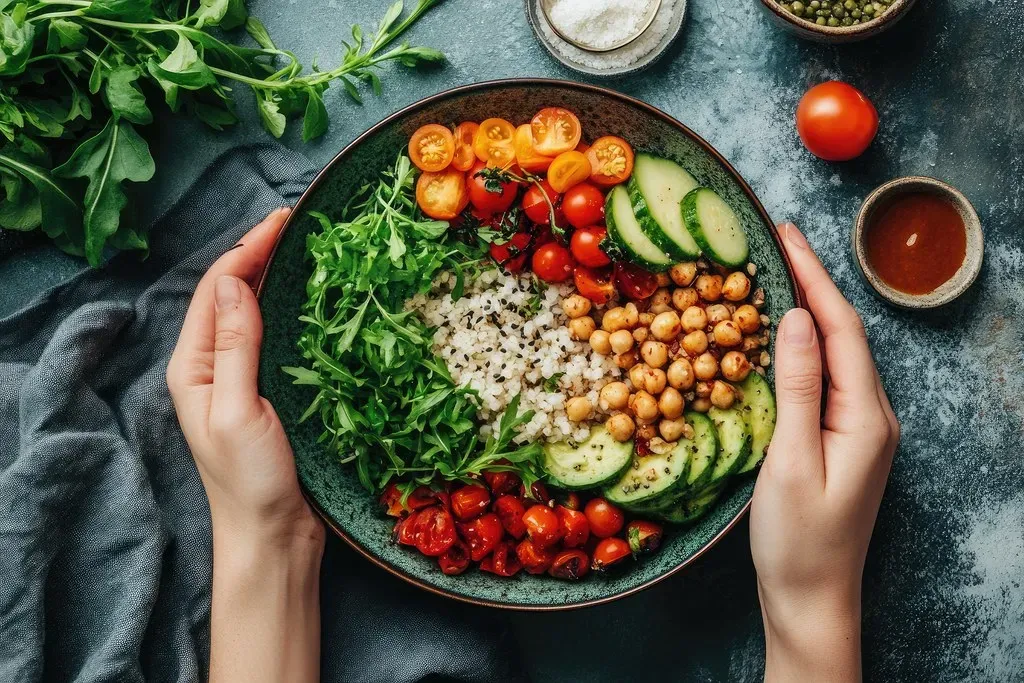
Every year, new foods get rebranded as superfoods. Moringa, spirulina, sea moss, and a dozen others fight for attention on wellness shelves. Some may well be excellent. Across a study of 45 web pages, the most consistently mentioned superfoods – appearing on at least fifteen sites – were kale, spinach, salmon, blueberries, avocado, chia seeds, walnuts, beans, fermented milks, and garlic. The nine featured in this article pull directly from that most research-supported, most expert-endorsed group.
Whole foods contain complex nutrient combinations that in isolated supplement form are often less effective. That’s worth remembering every time a new powdered extract claims to do what actual food already does – more cheaply and more deliciously. According to a 2024 report from the International Food Information Council, roughly seven in ten U.S. consumers actively seek out functional foods that support long-term health.
The truth is, the best superfood strategy isn’t about finding the perfect one. It’s about rotating a handful of evidence-backed options consistently over time. Even small changes, like switching to olive oil or adding a handful of berries, can make a big difference over time. These nine represent the foods where that investment pays off most reliably – no hype required.
Which of these nine have you already added to your weekly routine, and which surprised you most? Drop your thoughts in the comments – we’d love to hear what’s working for you.