
You grab your cart, stroll down the aisles, and everything looks normal. Same shelves. Same brands. Then you hit the checkout line and feel that familiar gut punch. Your bill is higher – again – and you can’t quite put your finger on why.
The truth is, some of the biggest price surges happening right now are happening quietly, category by category, in places most shoppers aren’t paying close attention. In 2026, overall food prices are predicted to rise roughly three percent. That sounds manageable on paper. In practice, it masks some jaw-dropping spikes in specific grocery items that are worth knowing about before you shop. Let’s dive in.
Table of Contents
1. Beef and Veal: The Most Punishing Price Surge on Your Plate
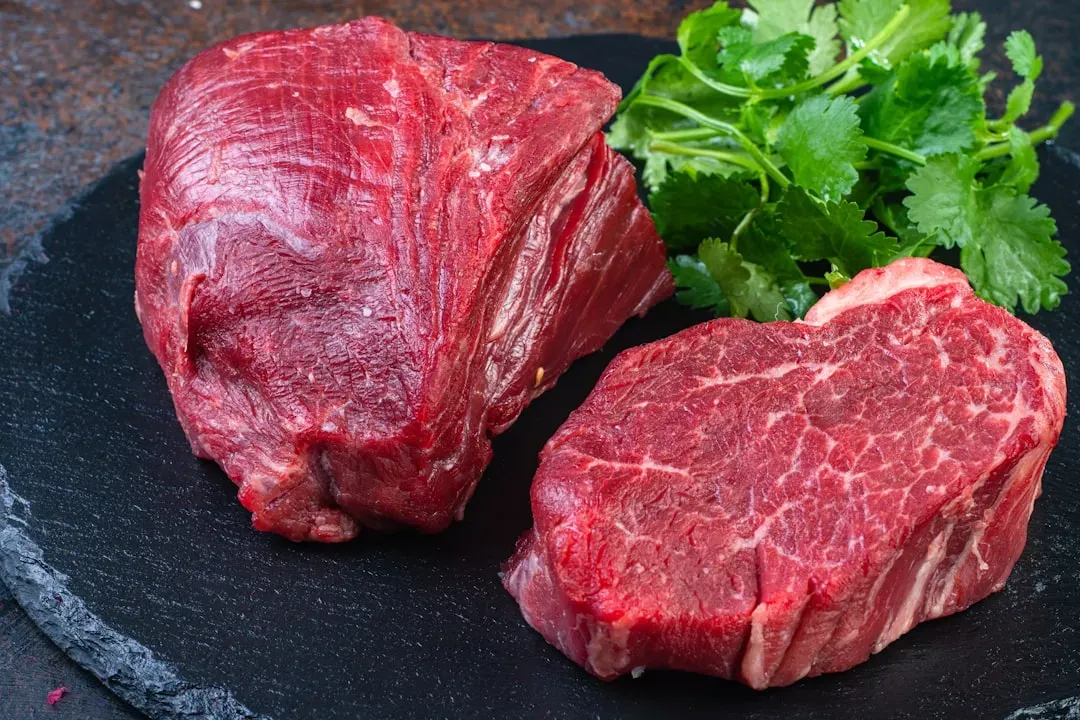
Here’s the thing – beef isn’t just getting a little more expensive. It’s one of the most dramatic grocery stories of 2026. Ground beef surged nearly twenty percent year-over-year through December 2025, reaching $6.69 per pound, and that marks a seventy-two percent increase since 2020. That’s not inflation. That’s a different world entirely.
The U.S. cattle inventory as of January 1, 2026, recorded only 86.2 million head – the lowest since 1951. The herd has been shrinking for years, driven by drought, high feed costs, and a cattle cycle that simply hasn’t had time to recover. On top of that, the U.S. border to Mexico remains closed to imported livestock, and approximately 1.2 to 1.5 million head of cattle imported annually from Mexico are now effectively unavailable.
Beef and veal prices are predicted to increase five and a half percent in 2026. Some forecasts from USDA suggest beef prices could surge as high as sixteen and a half percent under the worst-case scenario. Don’t count on the price of a ribeye coming down anytime soon.
2. Sugar and Sweets: The Sweetest Items Are Getting Painfully Expensive
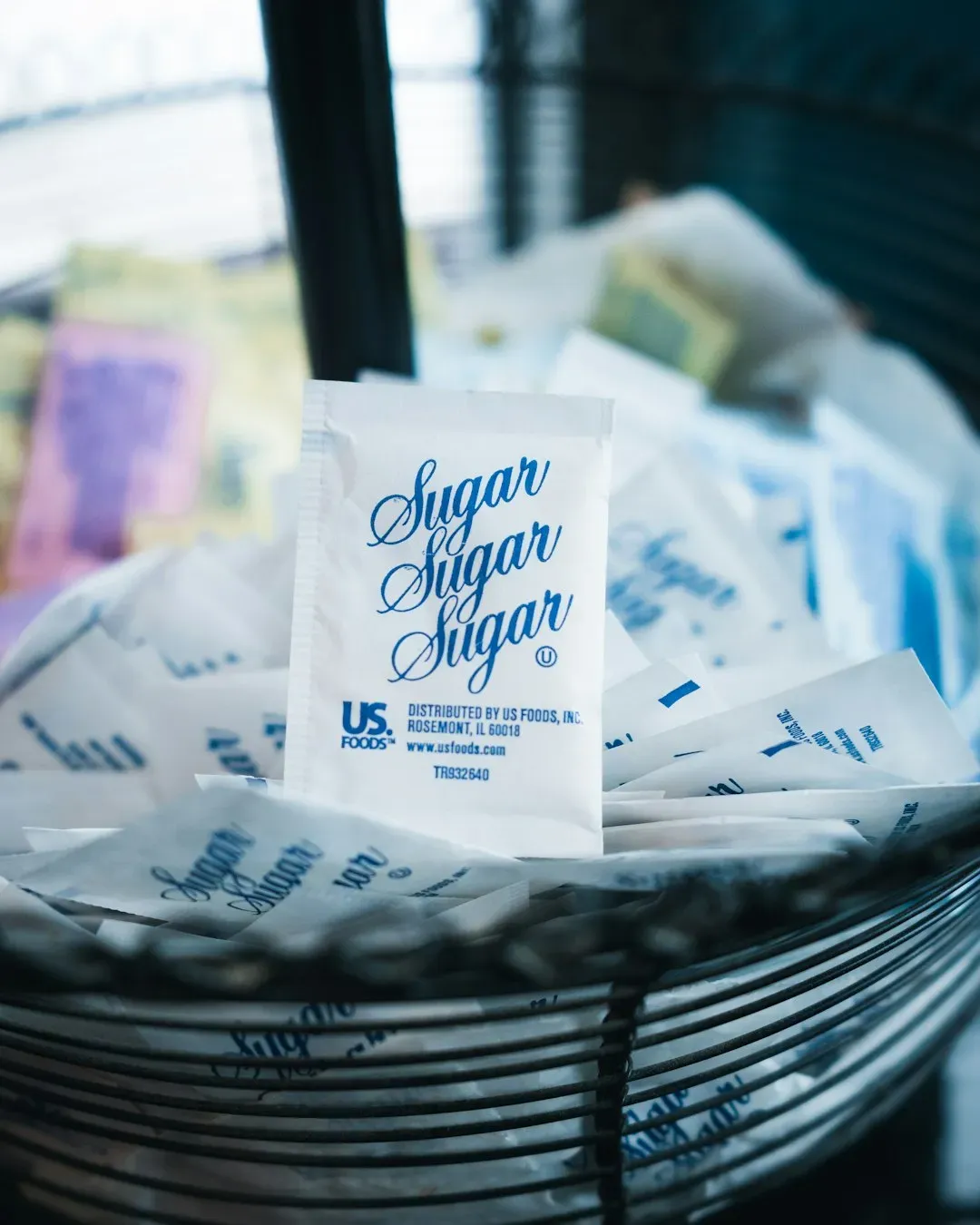
If you have a sweet tooth, brace yourself. According to the USDA, sugar and sweets are forecast to be the grocery items that rise the most in 2026, already sitting nearly six percent higher in January 2026 than they were a year earlier, with candy and chewing gum experiencing the largest price hikes.
Prices for sugar and sweets are likely to rise six and seven-tenths percent in 2026 – a figure that outpaces the twenty-year average for this category. Think about what that means for everything from a bag of Halloween candy to a box of cookies. According to the World Economic Forum, climate-change-induced droughts are affecting sugar production overseas, and at home, the U.S. maintains long-standing trade policies that restrict the amount of sugar food companies can import.
The rising price of sugar is also driving up the price of candy, and chocolate specifically could jump in 2026, as it is being affected by both weather-related supply chain issues and tariffs. Honestly, this one stings – pun intended.
3. Coffee and Non-Alcoholic Beverages: Your Morning Routine Just Got More Expensive
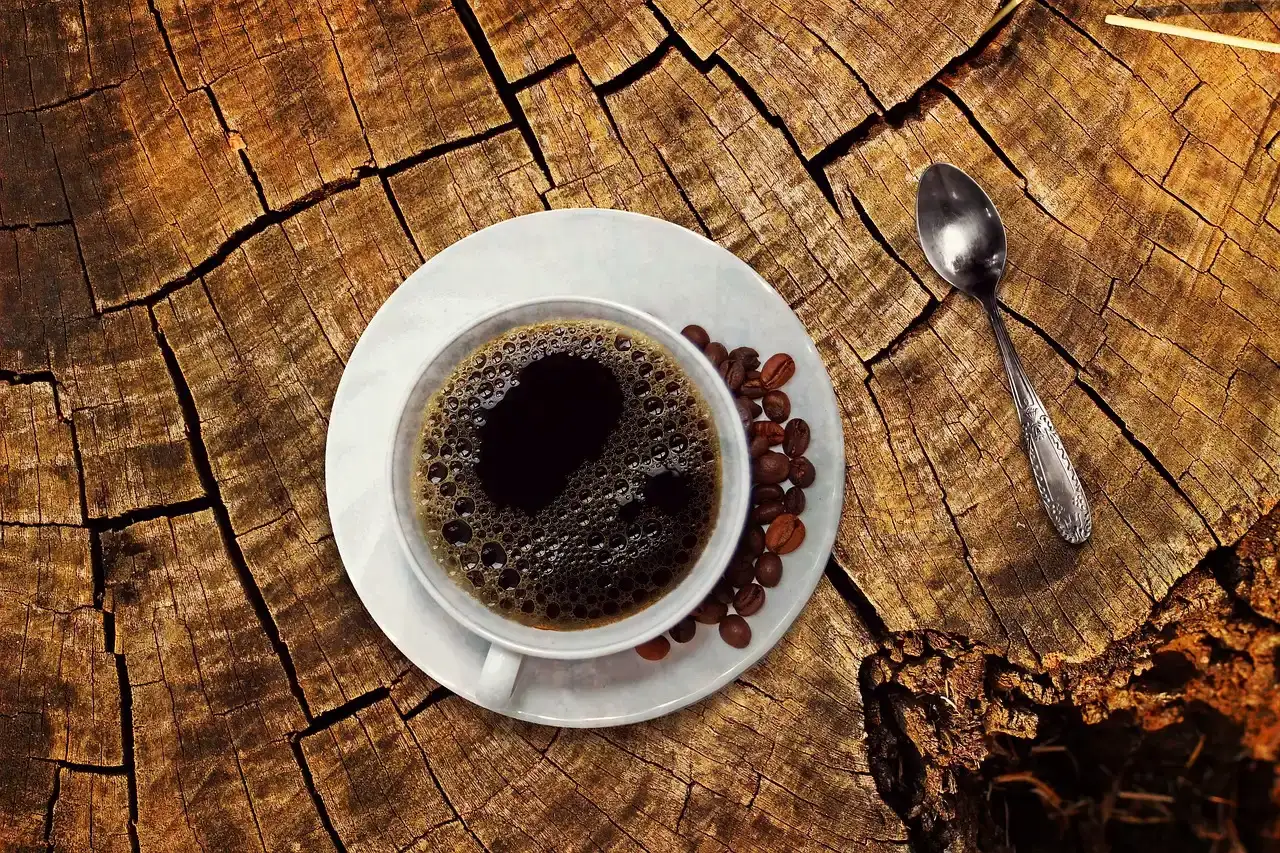
Most people don’t think of their coffee as a grocery inflation story. They should. Non-alcoholic beverage prices increased by nearly two percent from December 2025 to January 2026 alone and were nearly five percent higher than January 2025, driven in part by a significant surge in coffee prices.
Non-alcoholic beverage prices are likely to rise five and two-tenths percent in 2026, above the twenty-year average for the category, driven in part by coffee prices. Over 2025, prices for nonalcoholic beverages and beverage materials increased more than five percent overall, with beverage materials including coffee and tea jumping nearly twelve percent.
That’s a number that deserves a double take. Coffee is affected by both volatile global harvests in key producing countries and escalating shipping costs. The nonalcoholic beverages index increased four and a half percent over the twelve months ending January 2026. Your grocery budget line for drinks deserves a serious second look.
4. Fish and Seafood: The Hidden Protein Price Hike
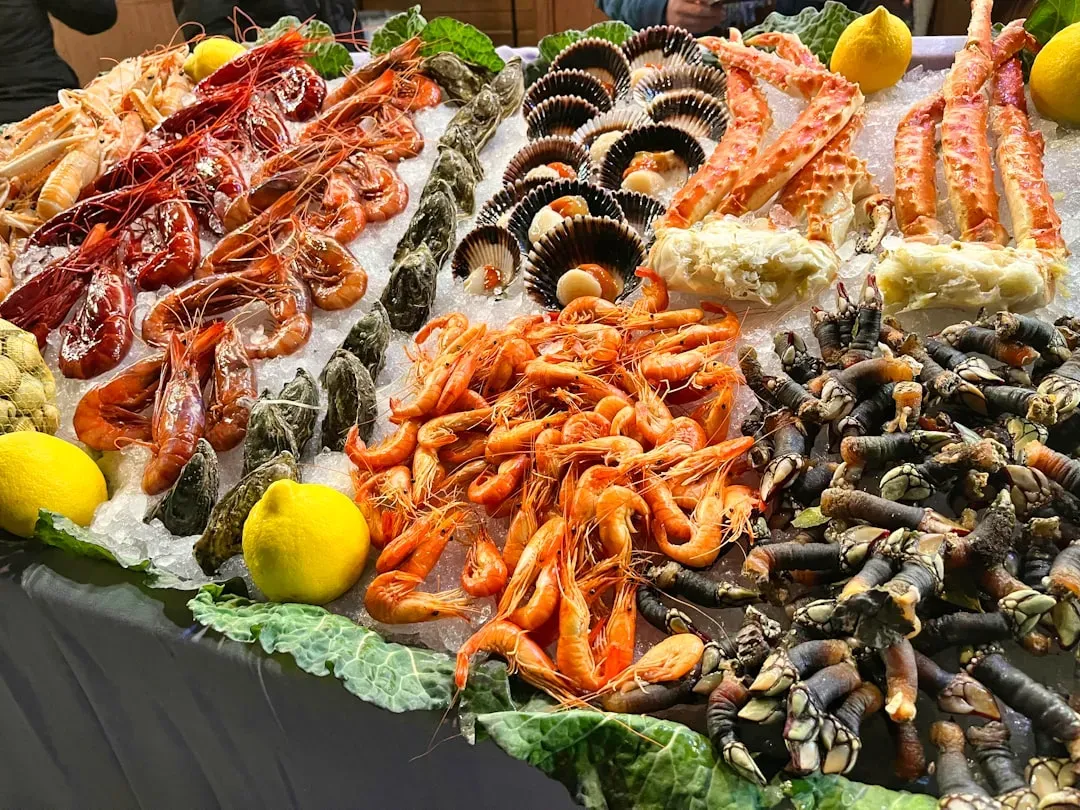
Fish and seafood tend to fly under the radar in most conversations about food inflation. Most people are watching beef prices. Seven grocery categories experienced large price increases from December 2025 to January 2026, and fish and seafood was explicitly named among them by USDA.
In 2026, among the fifteen food-at-home categories examined in the USDA Food Price Outlook, fish and seafood is predicted to grow faster than its twenty-year historical average rate of growth. This matters for households that have been leaning on seafood as a more affordable alternative to beef. That strategy is getting harder to sustain.
In the first half of 2025, fish and seafood prices were already up about one percent, compared to a twenty-year average growth rate of more than two percent – but the second half of 2025 and early 2026 have seen that trend reverse sharply upward. The old trick of swapping steak for salmon is quietly becoming less of a bargain.
5. Cereals and Bakery Products: Bread, Pasta, and Your Breakfast Staples
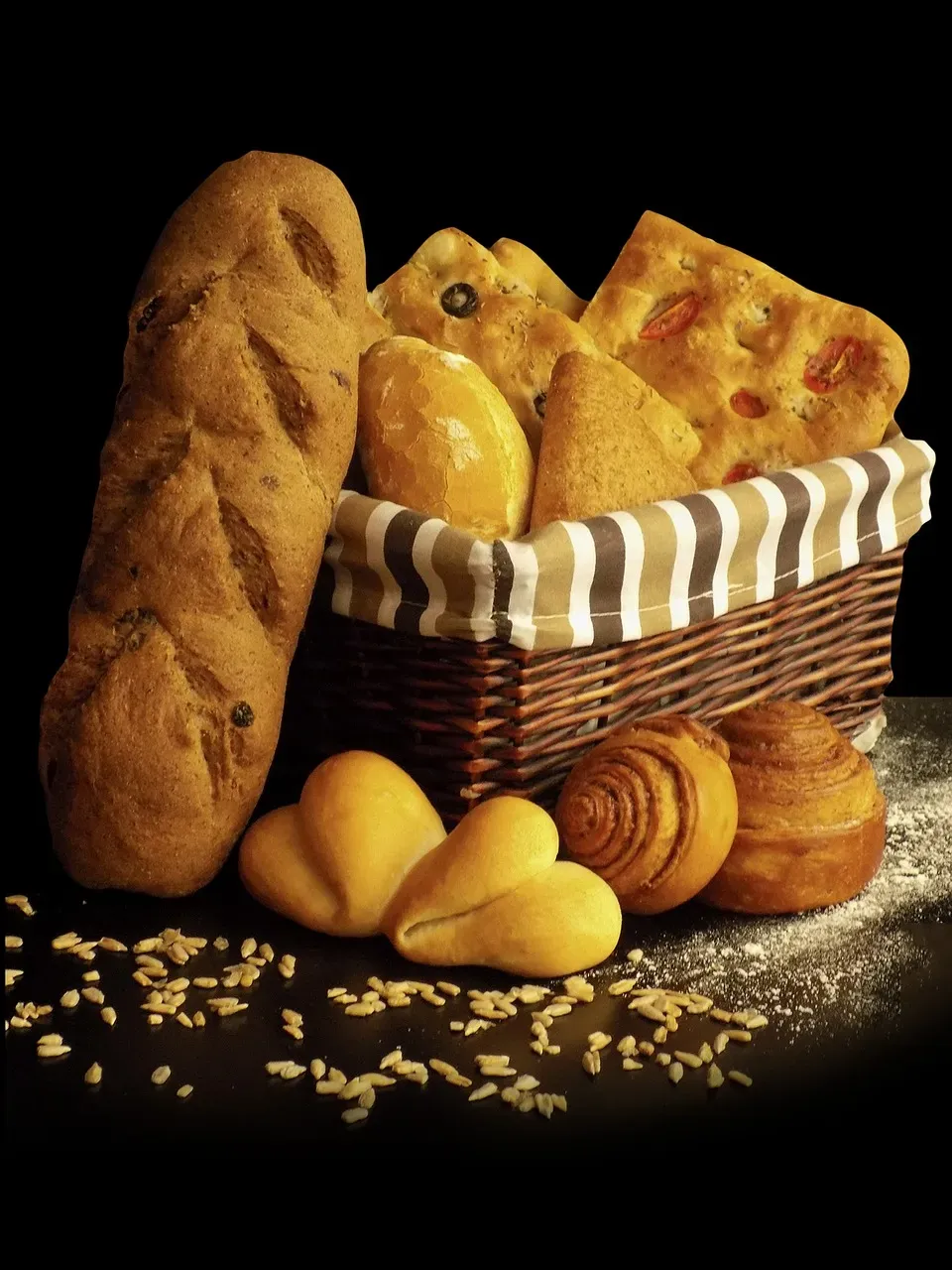
Here’s one that surprises a lot of shoppers because it’s so broad. Cereals and bakery products cover an enormous chunk of the average grocery basket – bread, crackers, cereal boxes, rolls, muffins, bagels. The index for cereals and bakery products increased three and one-tenth percent over the twelve months ending in January 2026, according to the U.S. Bureau of Labor Statistics.
Cereal and bakery prices are predicted to increase about one percent in 2026 on average, but under the upper range of the USDA forecast, they could increase by as much as five and a half percent. That’s a wide band of uncertainty, which itself tells you something about the volatility in this space. Wheat supply disruptions, labor costs, and packaging all factor in.
The USDA specifically includes cereal and bakery products among the seven categories predicted to grow faster than their twenty-year historical average rate of growth in 2026. So while the headline number looks modest, the trajectory is moving in the wrong direction for everyday staples that most families depend on.
6. Other Meats: Hot Dogs, Deli Cuts, and Cold Cuts Are Creeping Up
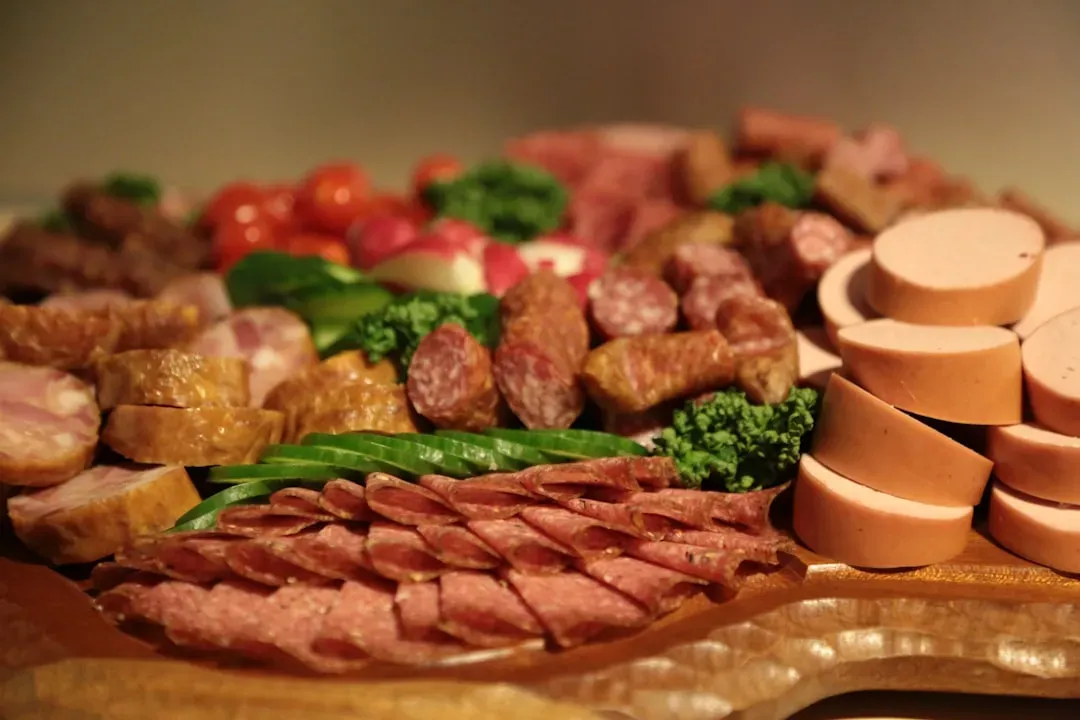
When beef becomes too expensive, many households shift toward processed meats – hot dogs, bologna, deli turkey, smoked sausages. It feels like a budget-friendly swap. Right now, though, those items are climbing too. Beef and veal prices are predicted to soar, while the cost of other meats like processed cold cuts and hot dogs will rise about four and three-tenths percent.
The USDA’s Food Price Outlook places “other meats” explicitly among the seven categories predicted to grow faster than the twenty-year historical average in 2026. The category includes everything from canned meats to packaged deli slices – the affordable protein aisle is getting squeezed from every angle.
It’s a bit like inflation playing whack-a-mole with your grocery budget. You dodge the beef prices and run straight into rising costs for the processed alternatives. Despite ample supplies of pork and poultry, the retail price gap between beef and other proteins continues to widen, which keeps broader meat category pricing under upward pressure.
7. Processed Fruits and Vegetables: Canned and Frozen Goods Under Pressure
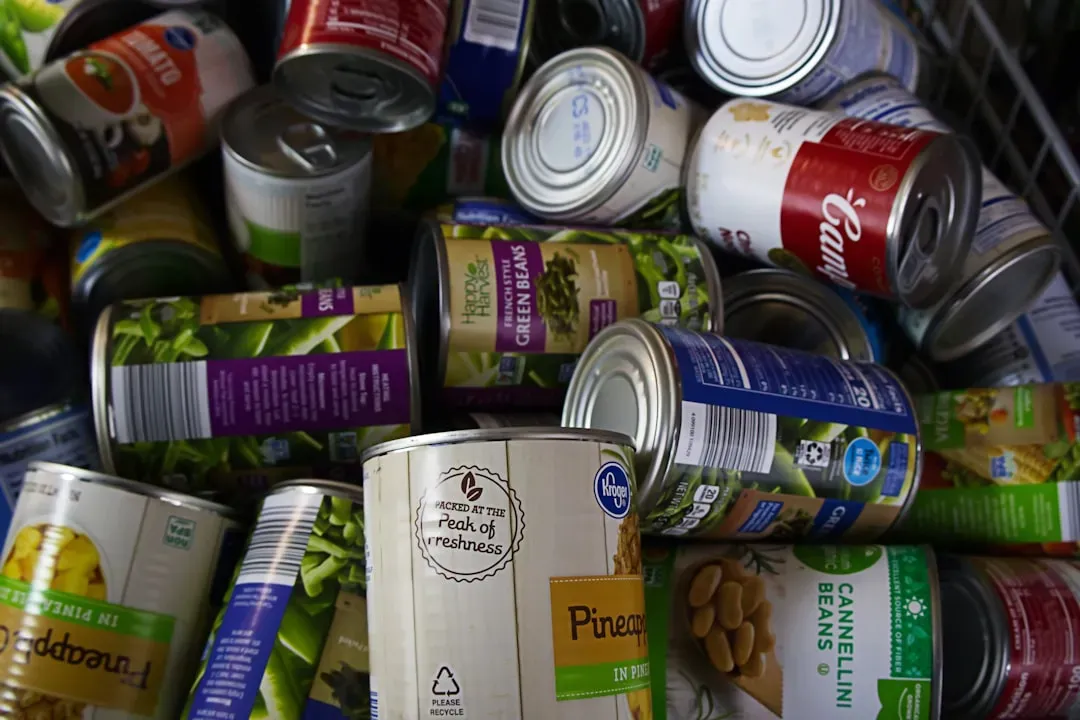
Shoppers who stock up on canned tomatoes, frozen peas, or jarred pasta sauce as part of their budget strategy are going to feel this one. Processed fruits and vegetables are among the seven grocery categories that experienced large price increases from December 2025 to January 2026.
Prices for canned fruits and vegetables rose last year as a result of tariffs on steel and aluminum, which increased the cost of cans, and they are expected to remain high in 2026. That’s an angle most consumers never consider – the cost of the container driving up the price of the food inside it. Think of it like paying more for a jar just because glass and metal got more expensive to manufacture.
In 2026, processed fruits and vegetables is one of the seven food categories predicted to grow faster than the twenty-year historical average, according to USDA’s Economic Research Service. The frozen food aisle, long a refuge for cost-conscious families, is no longer as reliable a safe harbor as it once was.
8. Dairy Products: Milk Prices Starting to Climb Again

Dairy had a relatively quiet 2024 and 2025. Prices for dairy and related products actually declined slightly in 2025 after a moderate rise the year before. Farm-level milk prices fell about five percent in 2025 as U.S. milk production increased, but they are now predicted to increase nearly seven percent in 2026. That’s a significant swing in direction.
Like beef and eggs, the U.S. dairy supply – including milk, cheese, and butter – may also suffer from rising grain prices in 2026, as farmers face higher fuel and feed costs, which are making dairy production more expensive. When it costs more to feed a cow, it eventually costs more to buy a gallon of milk. That’s just the math of the food system.
Dairy products underpin so many household purchases beyond just drinking milk – yogurt, butter, cream cheese, shredded cheese – so even a modest percentage increase ripples across multiple items in your cart at once. This category deserves more attention than it typically gets in inflation headlines.
9. Pork: Quietly Ticking Upward
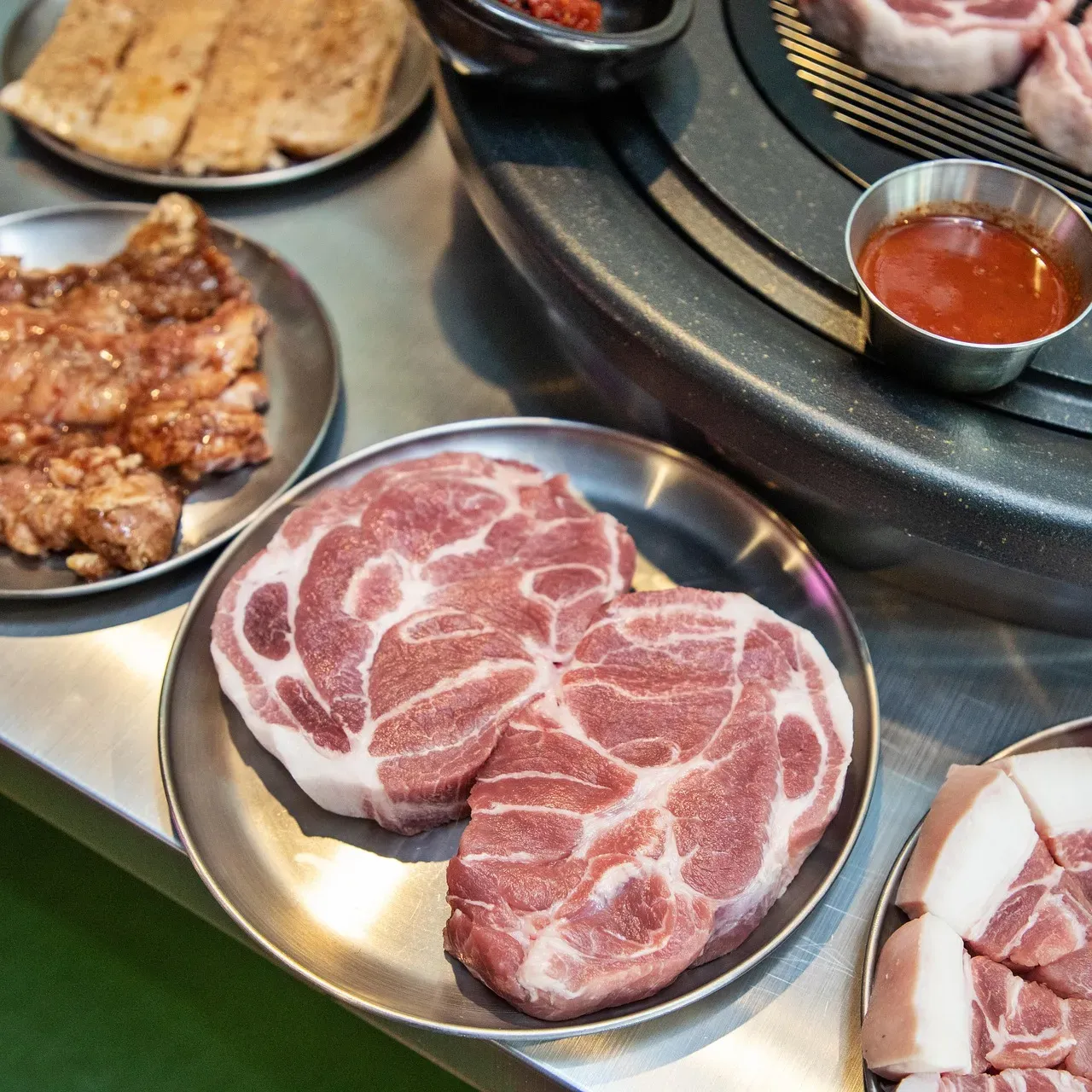
Pork has long been considered one of the most reliable and affordable proteins in the meat case. That edge is narrowing. Pork prices rose one and three-tenths percent from December 2025 to January 2026, and for the full year, pork prices are predicted to increase nearly two percent in 2026.
Pork was among the seven grocery categories that experienced notably large price increases in early 2026, according to USDA data. It’s not a dramatic single-month shock the way beef has been – it’s more of a slow, steady grind upward that most shoppers won’t notice until they compare receipts from a year ago.
I think pork is the grocery inflation sleeper story of 2026. Everyone is watching beef. Nobody is clocking the fact that bacon, pork chops, and ground pork are inching up in price month after month. The USDA expected pork prices to increase nearly two percent in 2026, with a prediction interval that could push significantly higher under certain market conditions.
10. “Other Foods” Category: Condiments, Snacks, and Sauces Hit a Multi-Year High
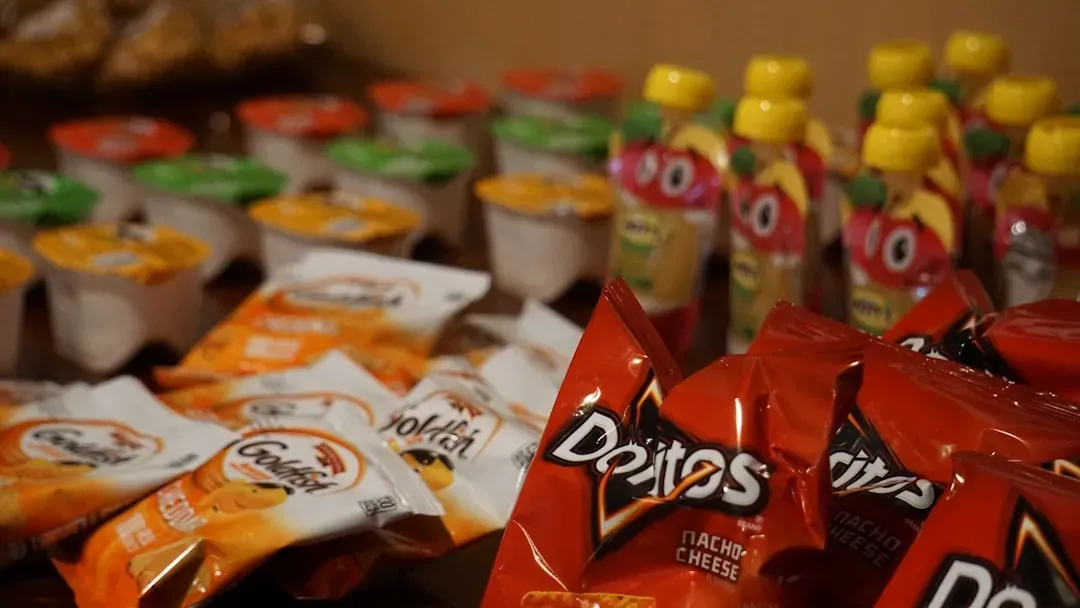
This is the catch-all category that most people never think about – condiments, spices, sauces, energy bars, snack foods, and other miscellaneous grocery items. It’s also where some of the most surprising data is landing in 2026. Combined, prices for these types of groceries – labeled simply as “other foods” by USDA – are estimated to increase roughly three percent in 2026, much higher than last year’s rise and also above the historical average.
Generational shifts are also playing a role in this category. Younger shoppers snack more, and snacks tend to be higher-margin and more expensive. This demographic also buys more energy drinks, which also tend to cost more. Demand for premium snack products is staying strong even as their prices rise, which gives brands little incentive to hold prices steady.
In January 2026, roughly sixty-two percent of consumers told the Food Industry Association in a rolling survey that they feel very or extremely concerned about rising prices – which is high, though it is six percentage points lower than a year prior. Concern is easing slightly, but the price tags in the snack and condiment aisles tell a different story. Every trip to the grocery store is a reminder that inflation isn’t just in the big-ticket items. It’s hiding in your salad dressing too.
Conclusion: The Price You Pay Without Noticing
The food-at-home CPI increased over half a percent from December 2025 to January 2026 alone, and was already more than two percent higher than a year earlier. That’s the number behind the number – and it doesn’t capture how unevenly those increases are spread across your cart.
Beef is at a historic supply low. Sugar is being squeezed by climate and trade policy. Coffee is caught in a global commodity crunch. And your can of soup is more expensive partly because the can itself costs more to make. Labor accounts for roughly half the cost of the food in a grocery cart, and the food system is especially dependent on foreign-born workers – meaning labor market shifts and immigration policy are creating shortages that drive up the cost of the entire food supply chain.
The sharpest grocery bill shocks of 2026 aren’t coming from one big headline item. They’re sneaking up through ten different aisles at once. What surprises you most about this list – and are you already changing the way you shop?