
Most of us have done it. You open the fridge, grab something, give it a quick sniff, and think – yeah, that’s probably fine. But here’s the uncomfortable truth: the foods most likely to land you in the hospital often don’t smell, look, or taste like anything’s wrong at all. That’s what makes them genuinely dangerous.
The CDC estimates that 48 million people get sick, 128,000 are hospitalized, and 3,000 die from foodborne diseases each year in the United States alone. Those aren’t abstract numbers – those are real people who ate something that seemed perfectly acceptable. According to the Food for Thought 2025 report, a total of 1,392 Americans became ill from contaminated food in 2024, and hospitalizations more than doubled from the previous year, rising to 487, with deaths climbing to 19. The scale of this problem is growing, and your refrigerator shelf might be part of it.
So which expired foods are truly worth worrying about? Let’s dive in.
Table of Contents
1. Deli Meats and Cold Cuts
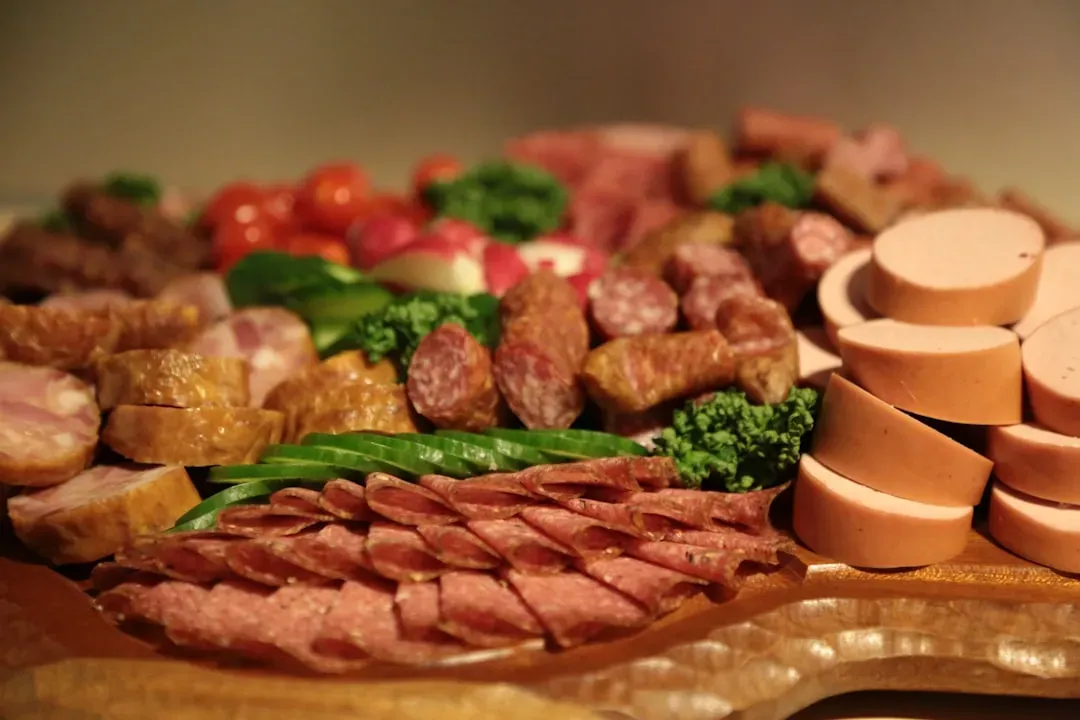
This is arguably the most dangerous item in your refrigerator right now, and it doesn’t get enough attention. Deli meats and cold cuts are susceptible to Listeria, a type of bacteria that can thrive even in refrigerated environments. That’s the part most people don’t grasp: cold doesn’t kill it. Your fridge gives you false confidence here.
A Listeria outbreak involving deli meats in 2024 hospitalized 60 people across 19 states and is suspected in the deaths of 10 people, making it the highest number of deaths in any of that year’s outbreaks. When you refrigerate deli meats, opened packages should be used within three to five days. Past that window, the risk grows considerably.
Deli meat in particular is susceptible to Listeria, which can multiply in cold environments like your refrigerator – and you can’t always see, smell, or taste the bacteria that can make you sick. If the meat feels slimy or smells off, it’s past due. If it looks perfectly normal, it still might not be safe.
2. Soft Cheeses

Soft cheeses like brie, ricotta, queso fresco, and cotija are a very different beast compared to their harder counterparts. According to the CDC, Listeria is often found in dairy such as soft cheeses, which have high moisture and low acidity – conditions that support bacterial growth. That combination of moisture and low acid is basically a welcome mat for dangerous bacteria.
In 2024, the FDA and CDC investigated a Listeria outbreak in queso fresco and cotija cheese that resulted in 26 identified illnesses, 23 hospitalizations, and two deaths across 11 states. Remarkably, that same investigation had roots going back a decade. The CDC estimates that about 1,600 people get Listeriosis every year and about 260 die.
Soft cheeses past their use-by date should go straight in the bin. Think of it this way: the potential cost of eating a few extra slices of brie is simply not worth it.
3. Raw Poultry
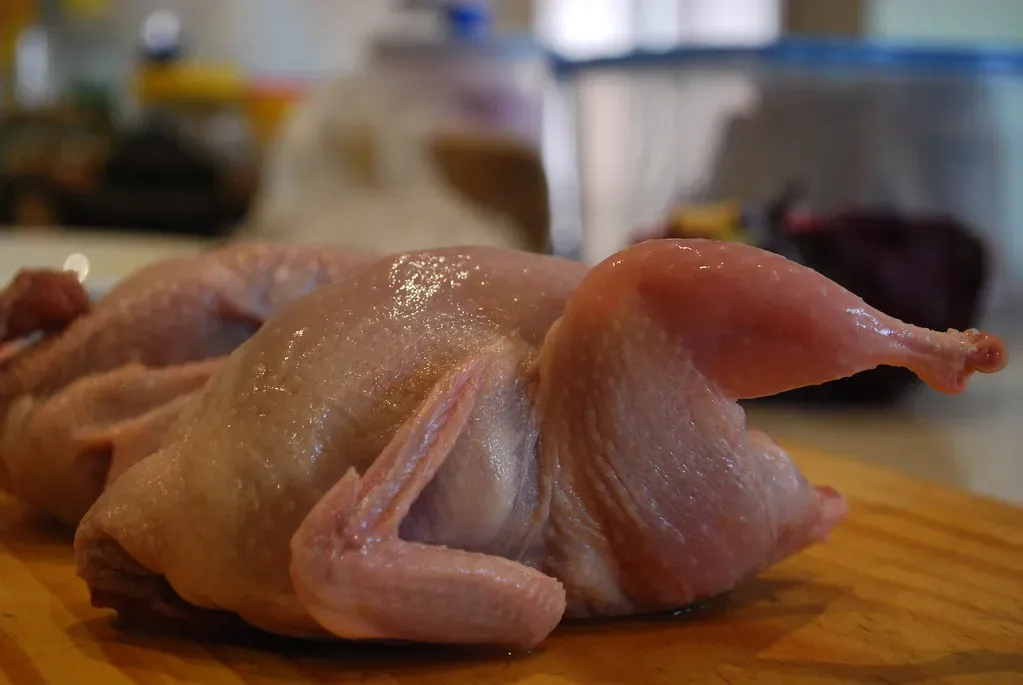
Raw chicken and turkey are some of the most bacteria-laden items in the average grocery store, and their expiration dates are not suggestions. Fresh meat like pork chops, ground meat, chicken, and turkey can harbor Salmonella, E. coli, and other harmful pathogens – and after expiration, the risk of contamination increases significantly, which can result in severe foodborne illnesses.
Nearly all the people who became ill in 2024’s major food outbreaks were sickened by either Listeria, Salmonella, or E. coli. Salmonella alone is a massive underreported problem. The CDC has estimated that foodborne Salmonella causes 29 illnesses for each case that is actually detected through laboratory testing. That means the true scale is far beyond what the headlines report.
Raw poultry should be used within one to two days of purchase or frozen immediately. Honestly, there’s no grey area here – this is one of the most clear-cut cases for strict expiration compliance.
4. Canned Goods (Especially Bulging or Dented Cans)
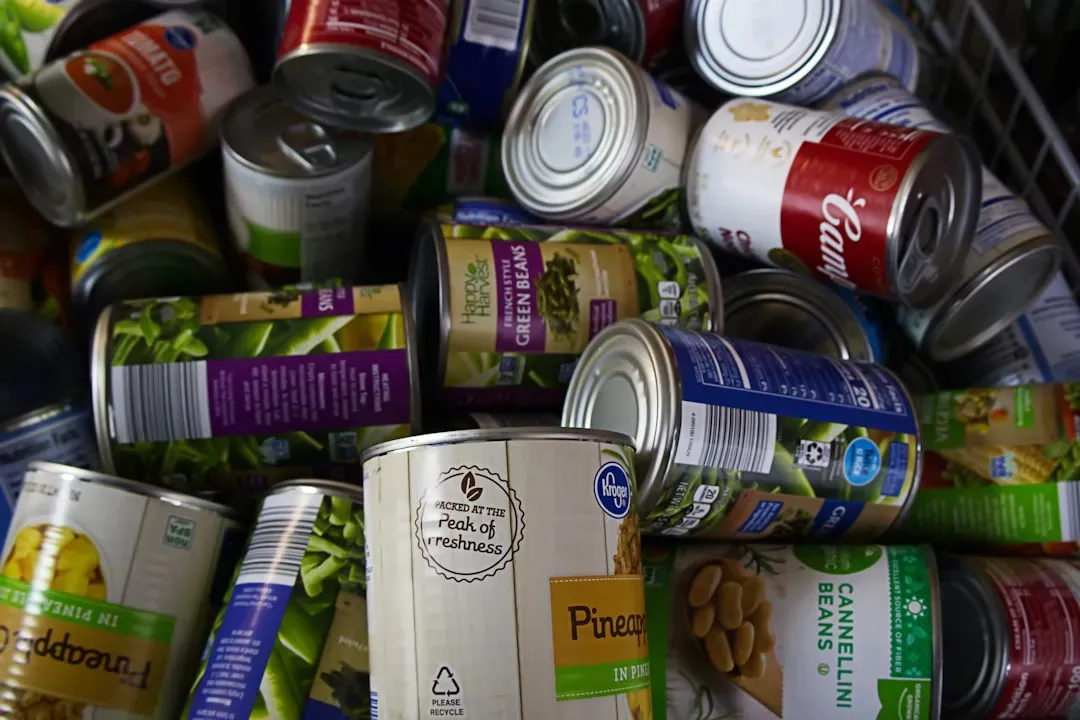
Canned goods last a long time, sure. But expired or damaged cans open up a very specific and serious risk: botulism. Botulism is a rare but serious illness caused by a toxin that attacks the body’s nerves and causes difficulty breathing, muscle paralysis, and even death. What makes it particularly sinister is what the CDC also confirms: you cannot see, smell, or taste the toxin that causes botulism – but taking even a small taste of food containing it can be deadly.
The USDA advises to discard all swollen, gassy, or spoiled canned foods. The bacteria C. botulinum can survive in low-oxygen conditions for years, and canned goods are ideal breeding grounds – the toxin it produces is extremely rare, but even a tiny amount can cause sickness or death.
Home-canned vegetables, which are low-acid foods, are the most common cause of botulism outbreaks in the United States. Store-bought cans with visible damage are not safe either. The rule is simple: when in doubt, throw it out.
5. Eggs
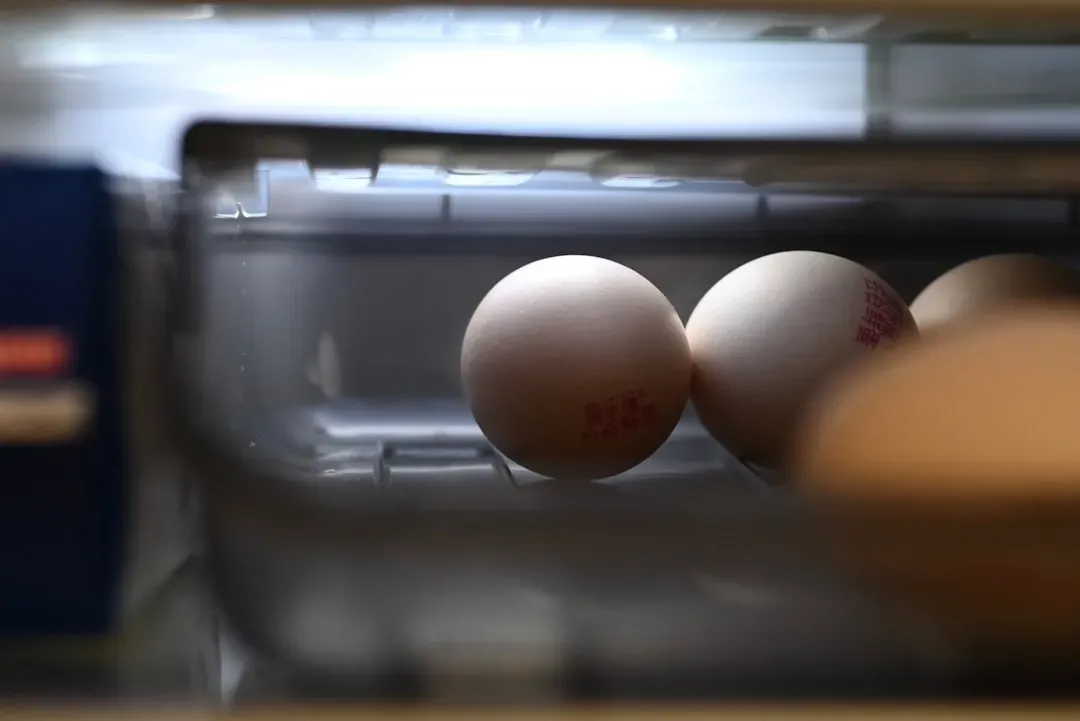
Eggs are one of those foods where the confusion around dates is particularly widespread. Many eggs reach stores only a few days after the hen lays them, and egg cartons with the USDA grade shield must display the pack date – the day eggs were washed, graded, and placed in the carton. But that date tells you when they were packed, not necessarily when they’ll go bad.
A large 2024 outbreak was traced to Salmonella in eggs, with 93 confirmed patients, 34 of whom required hospitalization. Salmonella in eggs is not a relic of the past – it is very much a present-day threat. The risk intensifies significantly once eggs are past their expiration date, especially when eaten raw or undercooked, as in soft-boiled preparations or homemade dressings.
Refrigerate eggs in the coldest part of the fridge, not in the door. Eggs should be placed in the coldest part of the refrigerator, not the door. That one small habit can meaningfully extend their safety window.
6. Raw Ground Beef
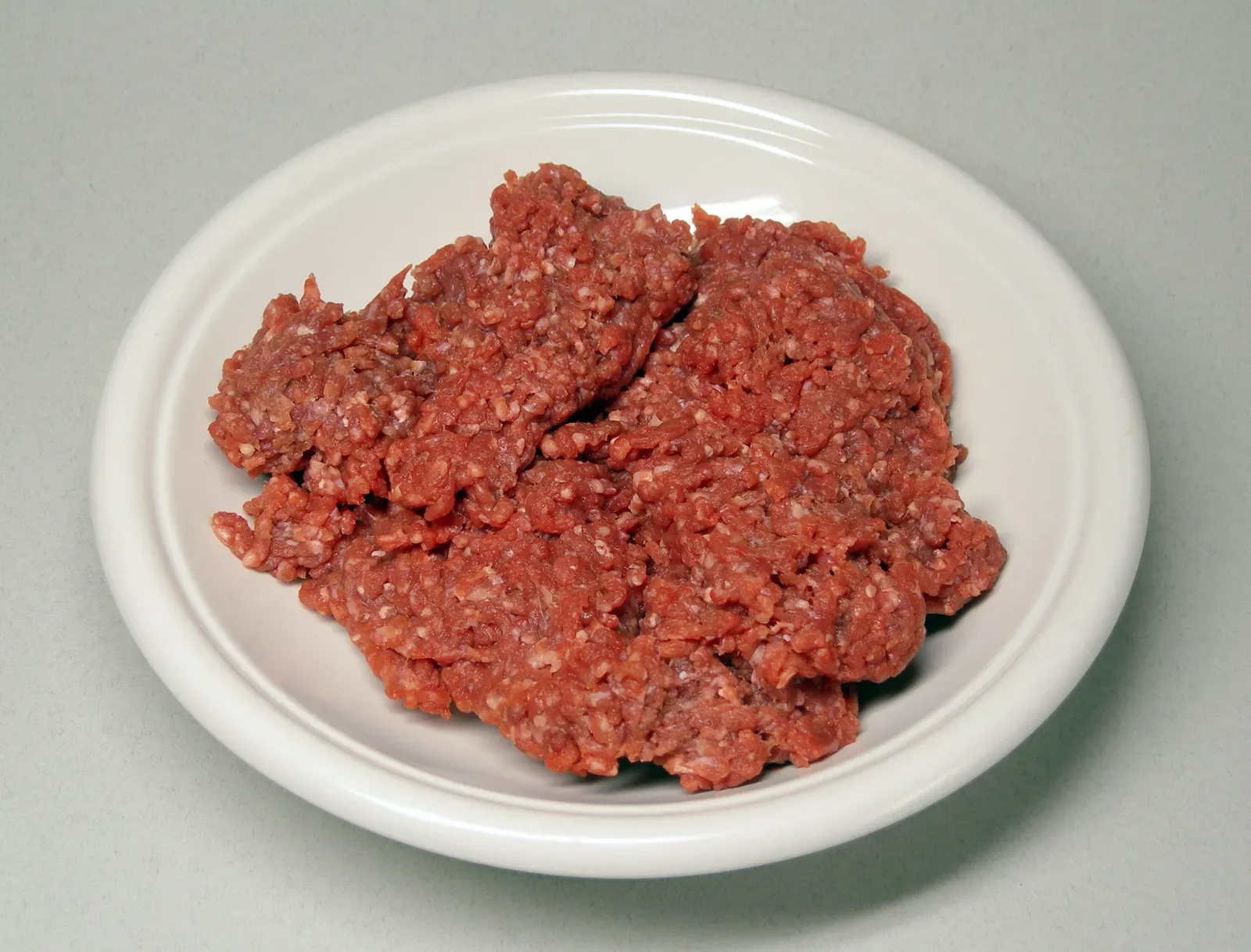
Ground beef has a larger surface area than whole cuts of meat, which means bacteria have far more opportunity to establish themselves throughout the entire product. If foods are mishandled before or after the date on the package, bacteria including pathogenic bacteria that can cause foodborne illness can quickly multiply. Ground beef past its sell-by date is particularly vulnerable to this.
In 2024, two Salmonella outbreaks, one attributed to cucumbers and one to charcuterie meats, collectively caused 650 confirmed illnesses and about 180 hospitalizations. Ground beef and ready-to-eat meats were also flagged in separate 2024 investigations. E. coli O157:H7 in particular – which can cause life-threatening kidney failure – is a known risk in underprocessed or expired ground beef.
Cook ground beef to a full internal temperature of 160°F and never stretch it past its use-by date, even by a day. The risk simply isn’t proportional to the savings.
7. Pre-Packaged Salads and Deli Salads
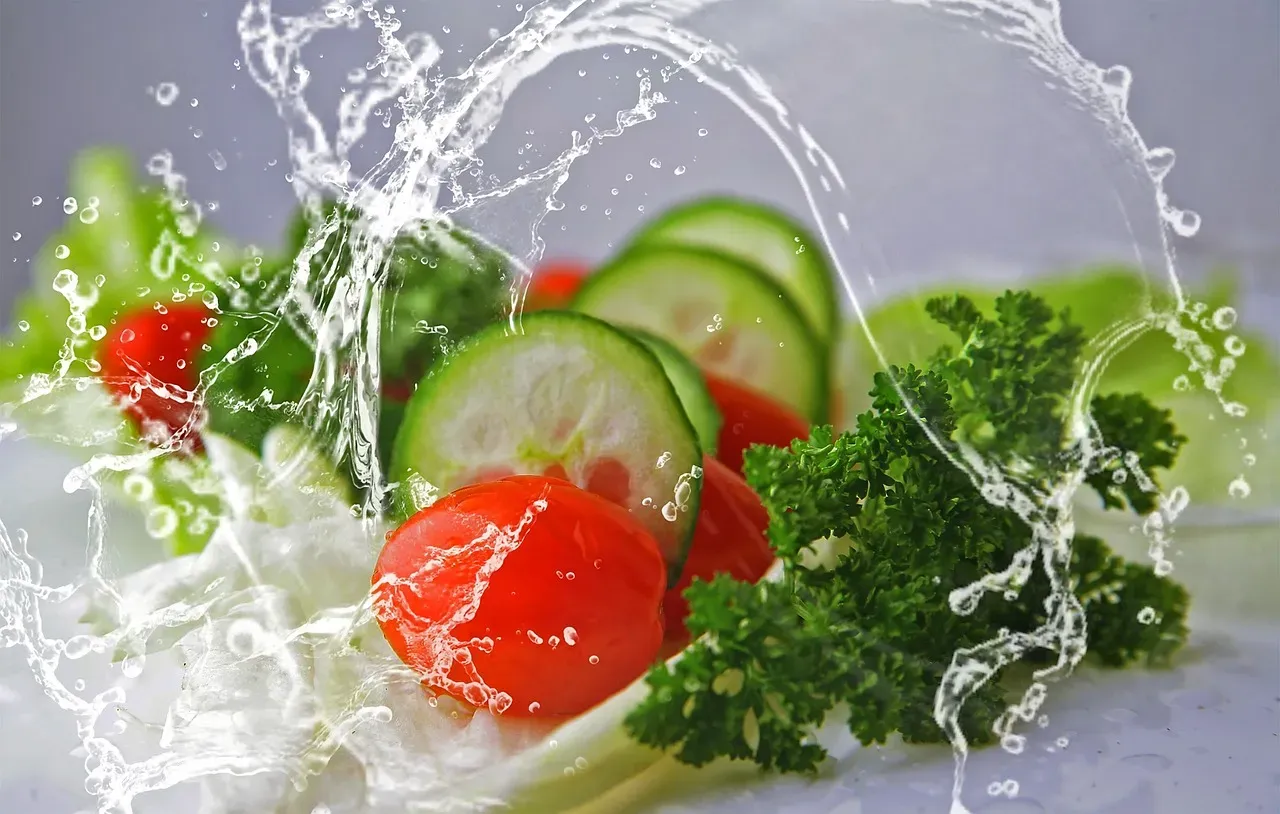
That bag of pre-washed spinach mix or the container of pasta salad from the deli section looks harmless. It’s really not, especially past its date. Pre-packaged salads, especially those containing perishable products like tuna, eggs, and sliced chicken, can become a hotbed for bacteria – these salads often also contain perishable dairy ingredients like mayonnaise and ranch, which can make them even more susceptible to bacterial growth when stored improperly or kept at room temperature.
The USDA warns to toss deli or homemade salads after three to five days. Studies have shown that prepackaged and bakery products nearing their expiration dates often harbor increased bacterial communities, many of which are resistant to common antibiotics, thus posing a serious health threat. Antibiotic-resistant bacteria from a container of old coleslaw – I know it sounds crazy, but that’s the science.
Leafy greens in particular were flagged repeatedly in 2024 outbreak investigations. Once those greens start to wilt and the edges brown, bacteria are multiplying rapidly. Toss them – no second-guessing.
8. Raw Fish and Shellfish
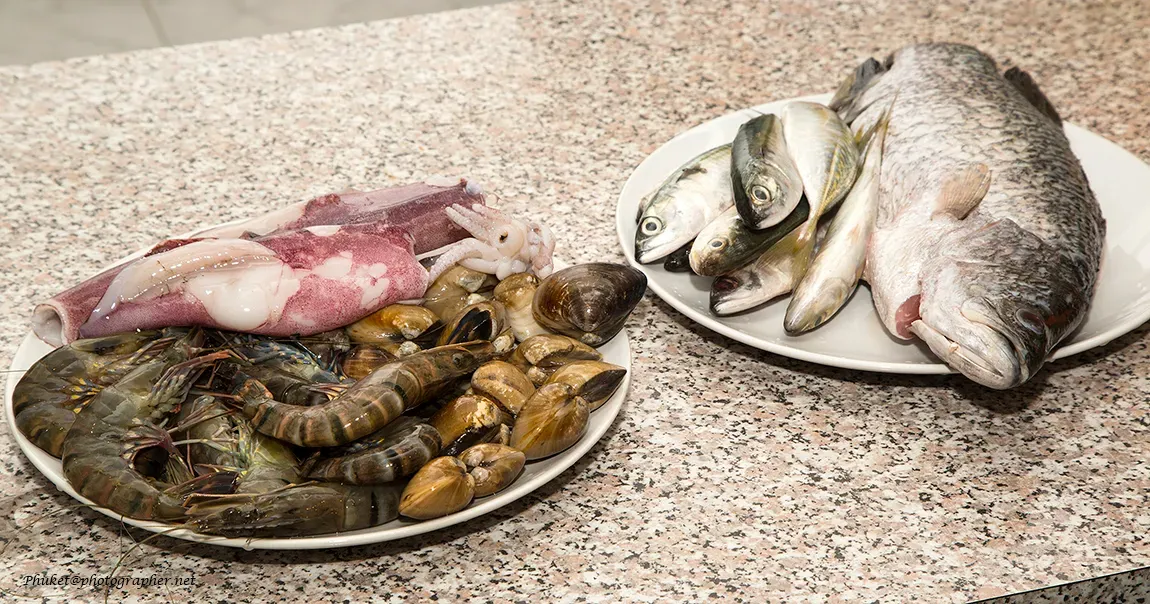
Few foods deteriorate as quickly as raw fish and shellfish. Sushi, particularly those containing raw fish, are highly perishable and susceptible to bacterial growth and harmful parasites. The margin between fresh and dangerous is measured in hours, not days. Shellfish carry their own additional category of risk.
On February 7, 2025, the FDA issued an alert about norovirus in oysters after the Louisiana Department of Health issued a recall for certain oysters from Louisiana because of norovirus. The CDC says norovirus is the number one cause of contaminated food outbreaks in the country, responsible for about 58% of food-related illness outbreaks. Shellfish filter enormous volumes of water and can concentrate pathogens rapidly.
Expired raw fish or shellfish should never get the benefit of the doubt. A good rule of thumb is to throw out a perishable item after two hours at room temperature, or half that time in high heat. With seafood, that window is even less forgiving.
9. Fresh Juices (Unpasteurized)
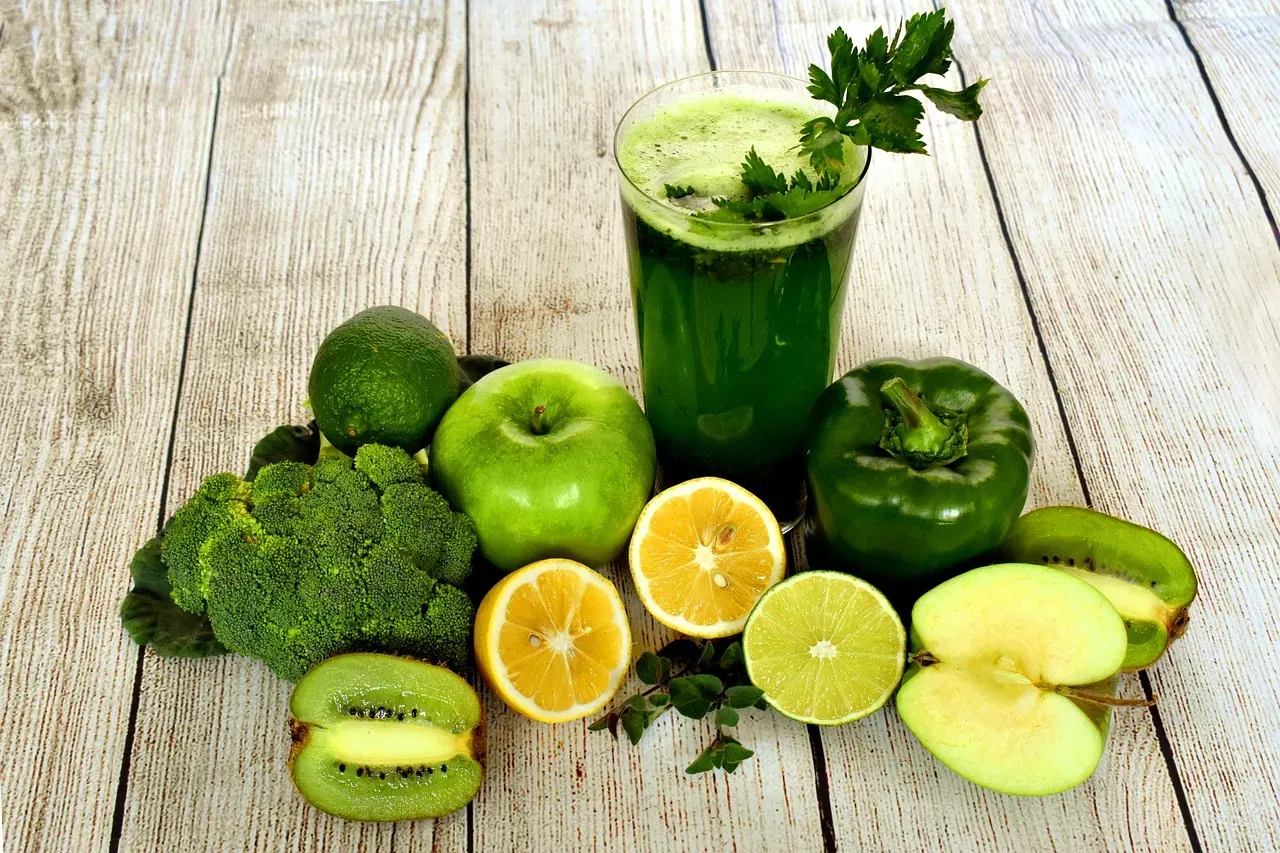
The cold-pressed juice craze isn’t going away, but it comes with real risk if those bottles sit past their expiration date. Many fresh vegetable or fruit juices like freshly-squeezed orange juice are made without the use of preservatives, so they can quickly spoil and become unsafe to drink – consuming expired juices can lead to foodborne illnesses with symptoms including vomiting, diarrhea, and abdominal pain.
Raw, untreated juices are popular among the health-conscious because they’re nutrient-dense, but it’s important to consume them very soon after buying. Unpasteurized juices bypass the heat treatment that kills bacteria like E. coli and Salmonella – which means any contamination from the source produce passes straight through to your glass.
The FDA requires that unpasteurized juices carry a warning label for exactly this reason. It’s one of those foods where the healthy reputation can genuinely mask a serious food safety issue once the expiration date has passed.
10. Mayonnaise
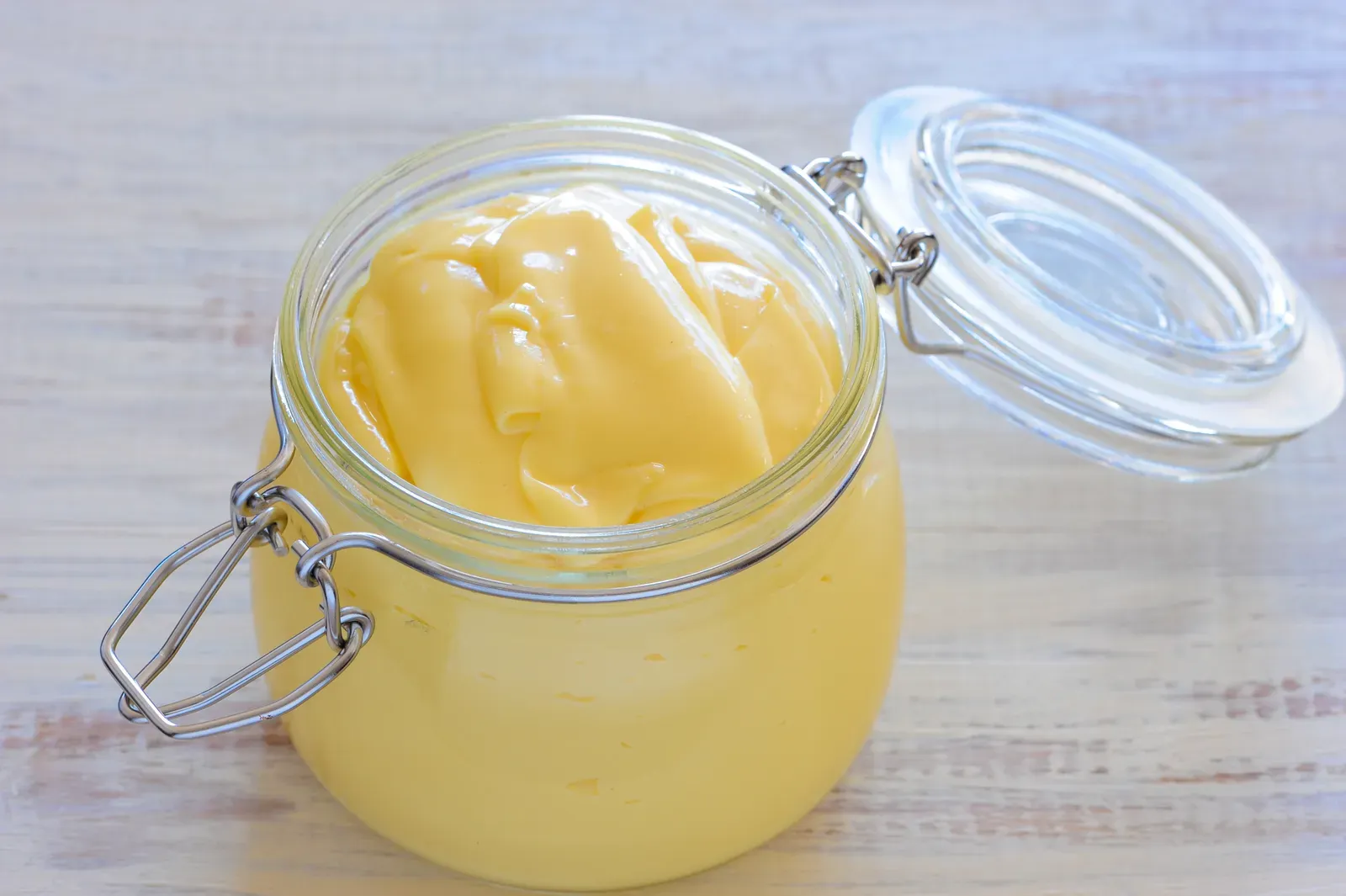
Mayonnaise has a reputation for being dangerous in the heat, and that reputation is earned. The advice from Johns Hopkins Medicine is explicit: refrigerate mayonnaise, salad dressings, and any foods that contain them. Once expired, the emulsified egg yolks that form the base of mayo become an ideal environment for bacterial growth.
Harmful bacteria, mold, or toxins formed in expired foods can cause food poisoning, digestive problems, and even serious illnesses that may lead to death. Expired mayonnaise used in sandwiches, potato salads, or dips and left at room temperature even briefly compounds this danger dramatically. A homemade tuna sandwich left out on a hot day is a near-perfect recipe for a Staphylococcus aureus situation.
Check your jar. If it’s past the use-by date or has been open in the fridge for more than two months, let it go. The risk is not proportional to the cost of a new jar.
11. Infant Formula
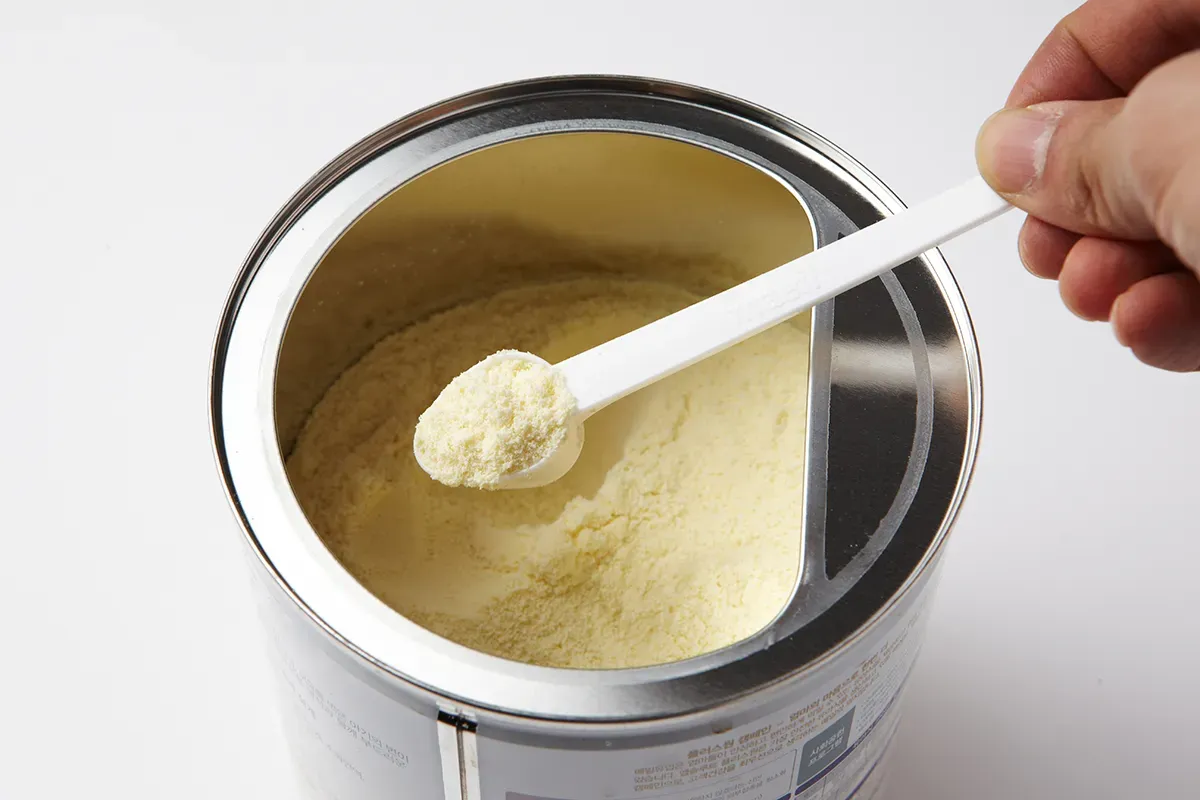
This one is different from everything else on this list, and it deserves its own serious mention. Federal regulations require a use-by date on the product label of infant formula – and using formula by this date ensures that it contains each nutrient in the quantity listed on the label. After expiration, the nutritional integrity degrades in ways you simply can’t detect visually.
An expiration date is required only on certain foods that have strict compositional and nutritional specifications which might not be met after the given date, such as infant formula, meal replacements, and nutritional supplements – and consumption past the expiration date could be dangerous, as the food may not have the same nutrient content as declared on the label.
For infants, who depend entirely on formula for their nutrition during critical developmental windows, even subtle nutrient degradation matters. This is non-negotiable – expired infant formula should never be used under any circumstances, regardless of the financial pressures involved.
12. Leftovers
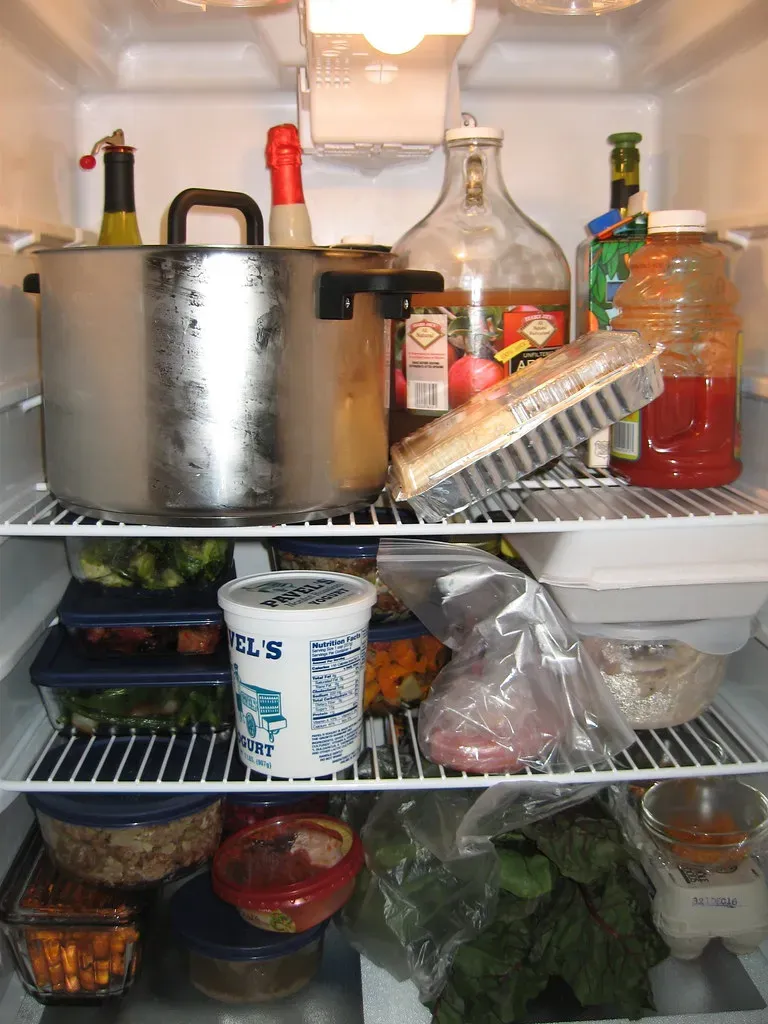
Let’s be real: most of us push leftovers further than we should. That container of rice or pasta sitting in the fridge since last Wednesday feels fine until it very much isn’t. The USDA recommends refrigerating all leftovers and cooked foods within two hours after cooking – and within one hour if the temperature is above 90 degrees Fahrenheit.
The digestive system reacts to harmful pathogens through inflammation, which causes pain and can lead to long-term gastrointestinal problems. Cooked rice, in particular, carries a specific risk from a bacteria called Bacillus cereus, which can form heat-resistant spores. Reheating old rice doesn’t necessarily kill these toxins once they’ve already formed.
The general food safety guidance is to consume refrigerated leftovers within three to four days. After that, regardless of how the food looks, the bacterial load may be dangerously elevated. Throw out food if you don’t know how long it’s been left out of the fridge – and throw it out if you’re not sure whether it is bad.
13. Hard-Boiled Eggs
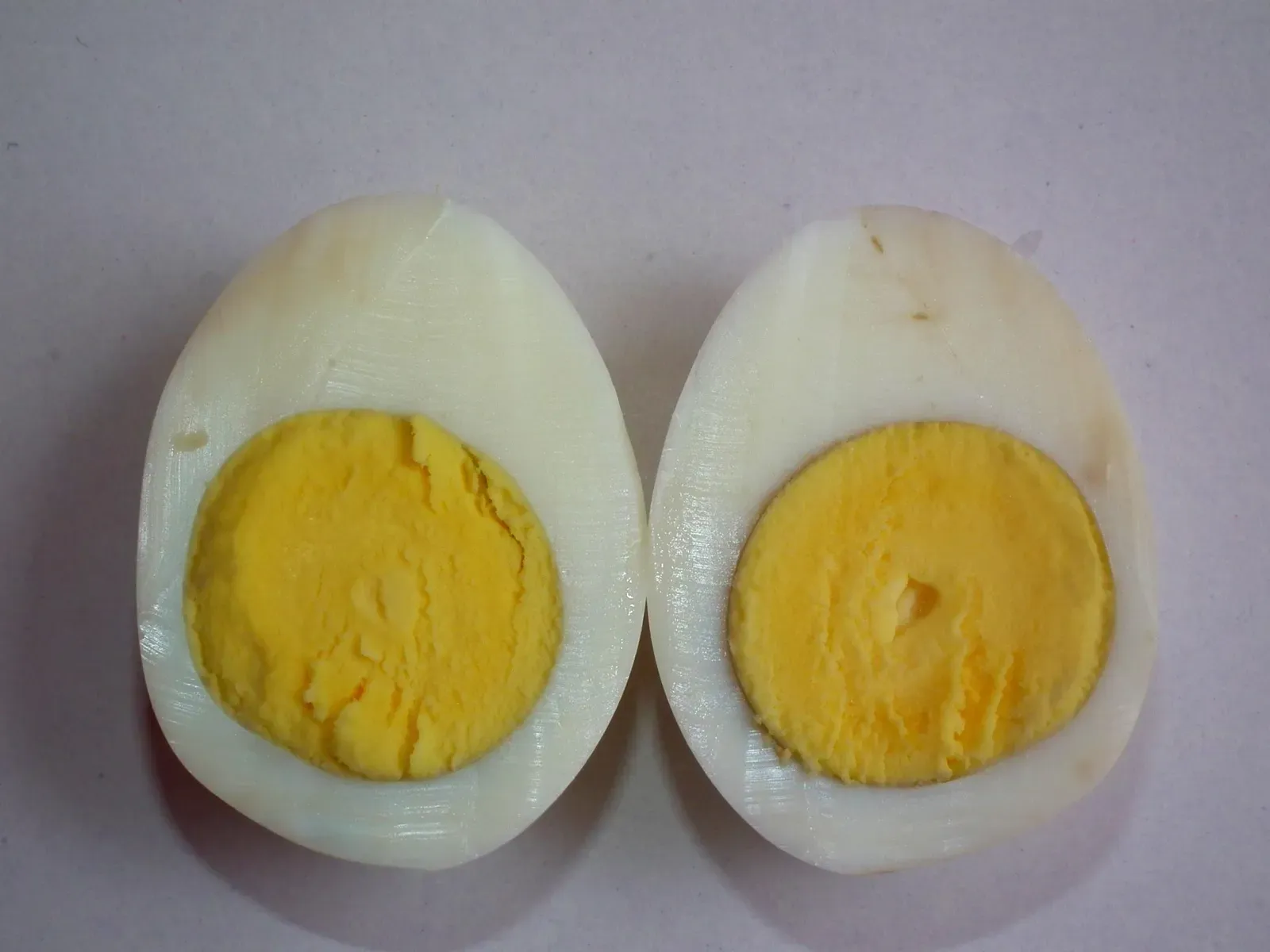
Once you remove the protective coating from a boiled egg, its shelf life drops sharply compared to its raw counterpart. Hard-boiled eggs in the shell last about one week in the refrigerator, and peeled versions should be consumed even sooner. Past that window, the risk of Salmonella contamination becomes increasingly real.
There are two types of bacteria that can be found on food: pathogenic bacteria that cause foodborne illness, and spoilage bacteria that cause foods to deteriorate and lose wholesomeness, creating off tastes or bad odors. Hard-boiled eggs are vulnerable to both. The problem is that spoilage bacteria can give you a warning sign, but pathogenic bacteria often do not.
Microorganisms such as molds, yeasts, and bacteria can multiply and cause food to spoil, while viruses are not capable of growing in food. Hard-boiled eggs stored past their safe window, especially in egg salads mixed with mayonnaise, become high-risk very quickly. Label your containers with dates – it takes two seconds and could save you days of misery.
14. Unpasteurized Milk
Regular pasteurized milk gone past its date is one thing. Unpasteurized, or raw, milk is another category entirely. Bacteria like Listeria thrive in warmer temperatures, so it’s important to always keep perishables refrigerated at the proper temperature. With raw milk, that risk is compounded because the pasteurization step that kills many dangerous organisms was never applied in the first place.
Unpasteurized milk, yogurt, and soft cheeses are among the foods most closely associated with Listeria contamination. Research shows that as foods approach their expiration dates, the number of harmful bacteria present increases significantly – and these bacteria can cause foodborne illnesses that are often resistant to common antibiotics, making infections harder to treat.
For vulnerable groups including pregnant women, the elderly, and those with compromised immune systems, expired raw milk is genuinely life-threatening. While most people recover completely from foodborne illness, some groups are at higher risk of more serious health effects, such as older adults, young children, pregnant women, and people with weakened immune systems.
15. Ready-to-Eat Meat and Poultry Products

Packaged ready-to-eat products – think pre-sliced chicken, turkey slices, hot dogs, liverwurst, and smoked sausages – carry a unique risk because they require no further cooking before eating. Whatever bacteria are present when you open the package go directly into your body. Unheated deli meat, hot dogs, fermented or dry sausage, and premade deli salads such as coleslaw and potato, tuna, or chicken salad all carry Listeria risk.
The number of recalls because of Listeria, Salmonella, and E. coli increased by 41% in 2024, accounting for 39% of all recalls that year. In 2024, ready-to-eat meats in delis across the country were recalled for Salmonella and Listeria contamination. These weren’t obscure corner-store brands – they were household names, which should tell us something sobering about how widespread the issue is.
Listeria is a hardy germ that can remain on surfaces like meat slicers and foods even at refrigerated temperatures – and it can take up to 10 weeks for some people to have symptoms of Listeriosis. That delay makes it especially difficult to trace back to a specific food. The bottom line: never push ready-to-eat meat products past their expiration date.
Final Thoughts: The Date on the Label Isn’t Just a Suggestion
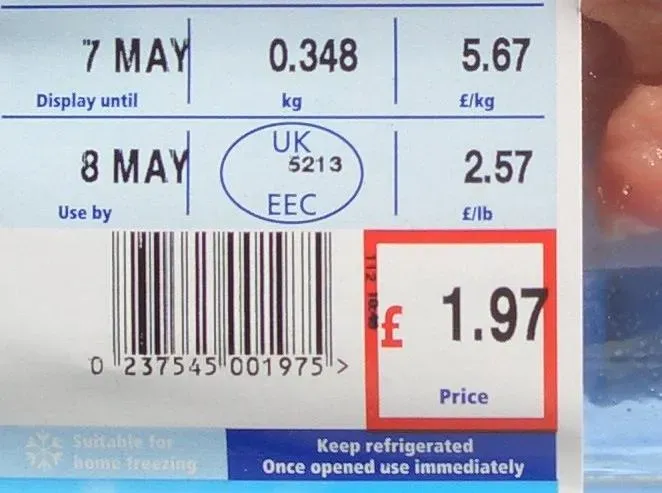
Here’s what ties all 15 of these foods together: the danger isn’t always visible, and it’s rarely obvious. Consuming expired foods is a risk that should not be taken lightly – expiry dates are not arbitrary, they are based on scientific testing to ensure food safety. Your nose and your eyes are not reliable safety detectors, no matter how much experience you have in the kitchen.
Despite the legal requirement for manufacturers to print expiration dates, many consumers disregard these warnings – and there is a general misunderstanding about the difference between “use by” and “best before” dates, which can lead to increased health risks, particularly with perishable items. Understanding that distinction is genuinely protective knowledge. The cost of foodborne illness in the United States was estimated at $74.7 billion in recent years. That’s an enormous human and economic toll, much of it preventable.
Food safety isn’t about being obsessive or wasteful – it’s about being informed. A few seconds of checking dates, a clear fridge organization habit, and a willingness to throw something out when it’s borderline can protect you and everyone in your household. What’s in your fridge right now that you’ve been ignoring? It might be worth a second look.