
Most of us think of our pantries as pretty boring places. A bag of rice here, a bottle of olive oil there. Nothing too exciting. But over the past few years, some of the most ordinary kitchen staples have quietly transformed into some of the most volatile commodities on the planet, spiking dramatically in price during shortages and supply disruptions.
Even as overall inflation has cooled in 2024 and 2025, grocery prices remain elevated, and for many items, these increases have not subsided. The trend is reshaping how people think about their pantries, not just as a convenience, but as a financial hedge. If you’ve ever wondered which everyday items are worth stockpiling before the next wave of scarcity hits, read on. You might be surprised by what’s already sitting in your kitchen cabinet.
Table of Contents
1. Olive Oil: The Pantry Item That Became Liquid Gold
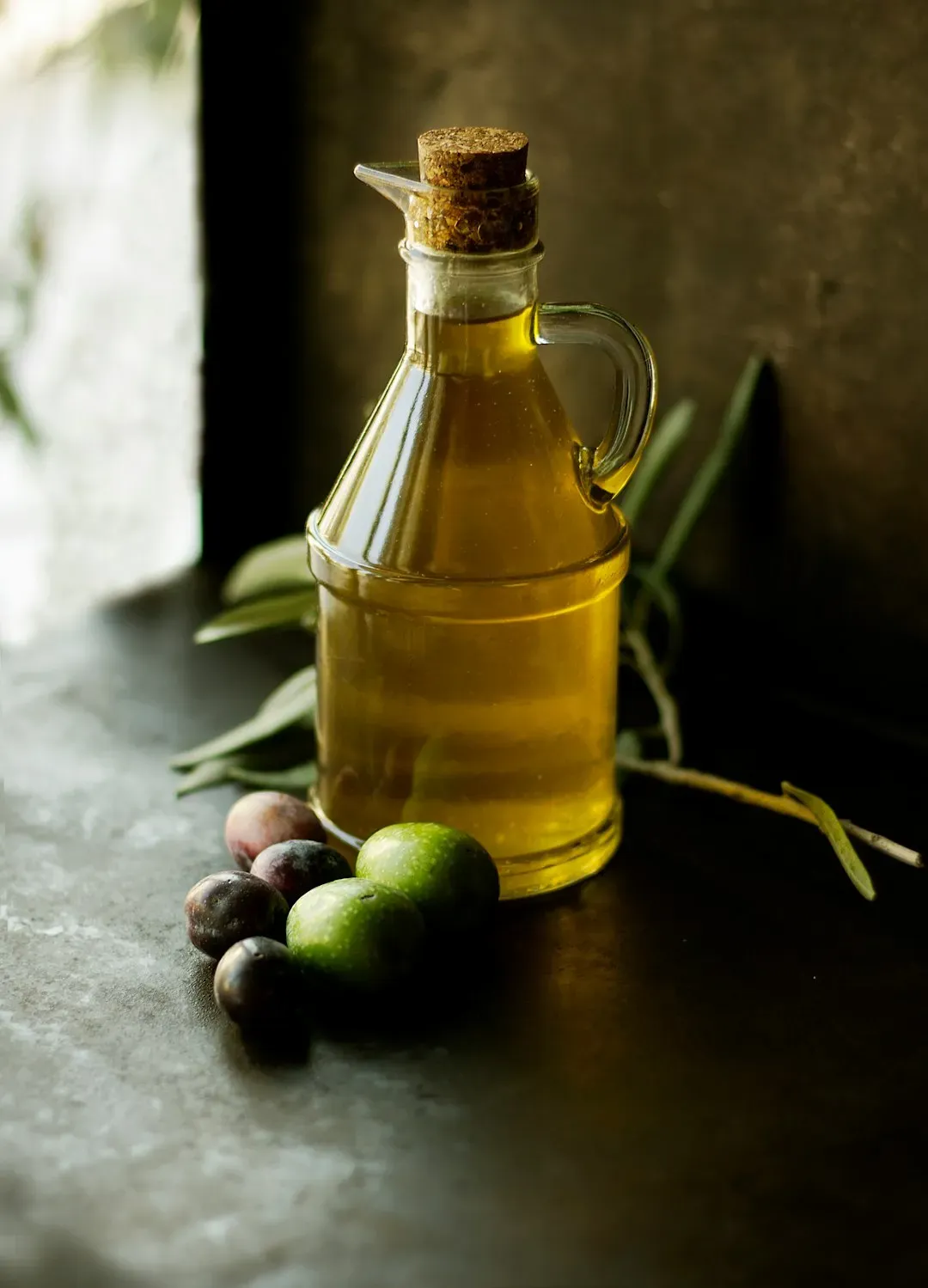
There’s a reason people started calling it “liquid gold.” A shortage of olive oil drove prices to record highs, fueled a crime surge, and pushed the industry into crisis mode. It was one of the most shocking price stories of the past two years. The stuff you casually drizzled over salads was suddenly being stolen off supermarket shelves in Spain.
The price of olive oil nearly doubled between October 2023 and October 2024, according to the Federal Reserve. The root cause was climate devastation in southern Europe. Spain, which supplies more than 40% of the world’s production, might typically produce somewhere between 1.3 million and 1.5 million metric tons of olive oil each harvest. However, official figures showed Spain only cultivated around 666,000 metric tons for the 2022 to 2023 campaign.
The Guardian documented how price hikes made olive oil the most stolen supermarket product in 2024. Think about that for a second. Cooking oil was being stolen like jewelry. Growing conditions for olives continued to worsen, with a drought declared across the Mediterranean region in spring 2024, and concerns rose about its impacts on agriculture, ecosystems, and drinking water availability.
While Spain usually produces between 1.3 and 1.5 metric tons of olive oil, Spanish production fell to as low as 666,000 metric tons during the 2022 to 2023 campaign, a 51% decrease directly related to global climate change. Anyone who stocked up on a few extra bottles of quality extra virgin olive oil in early 2022 was sitting on an asset worth roughly twice what they paid at peak shortage.
2. Eggs: A Breakfast Staple That Broke the Bank

Eggs are about as basic as pantry items get. Cheap protein. Fast to cook. Easy to store. Yet over the past few years, eggs have turned into one of the most price-volatile food items in American households. Due to a resurgence of a highly pathogenic avian influenza outbreak that began in 2022, egg prices rose the most, climbing 8.5%, across all food products in 2024.
Since 2022, bird flu has led to the loss of nearly 185 million birds across the U.S. That’s an almost incomprehensible number. Think of it this way: if you removed nearly every single chicken from a country the size of Australia, you’d start to understand the supply vacuum that was created. Eggs experienced extreme price volatility, rising 51.4% since March 2020, though they declined by 13.2% from December 2024 to December 2025, reflecting recent corrections after earlier spikes.
The avian flu outbreak required culling more than 100 million birds, and the egg industry could take several seasons to right itself. It’s not a quick fix like restocking shelves after a storm. Rebuilding egg-laying flocks takes time, coordination, and investment. Retail egg prices have risen due to an outbreak of Highly Pathogenic Avian Influenza that began in 2022, which reduces egg-layer flocks and egg production.
3. Coffee: Your Morning Habit, Now a Luxury Item
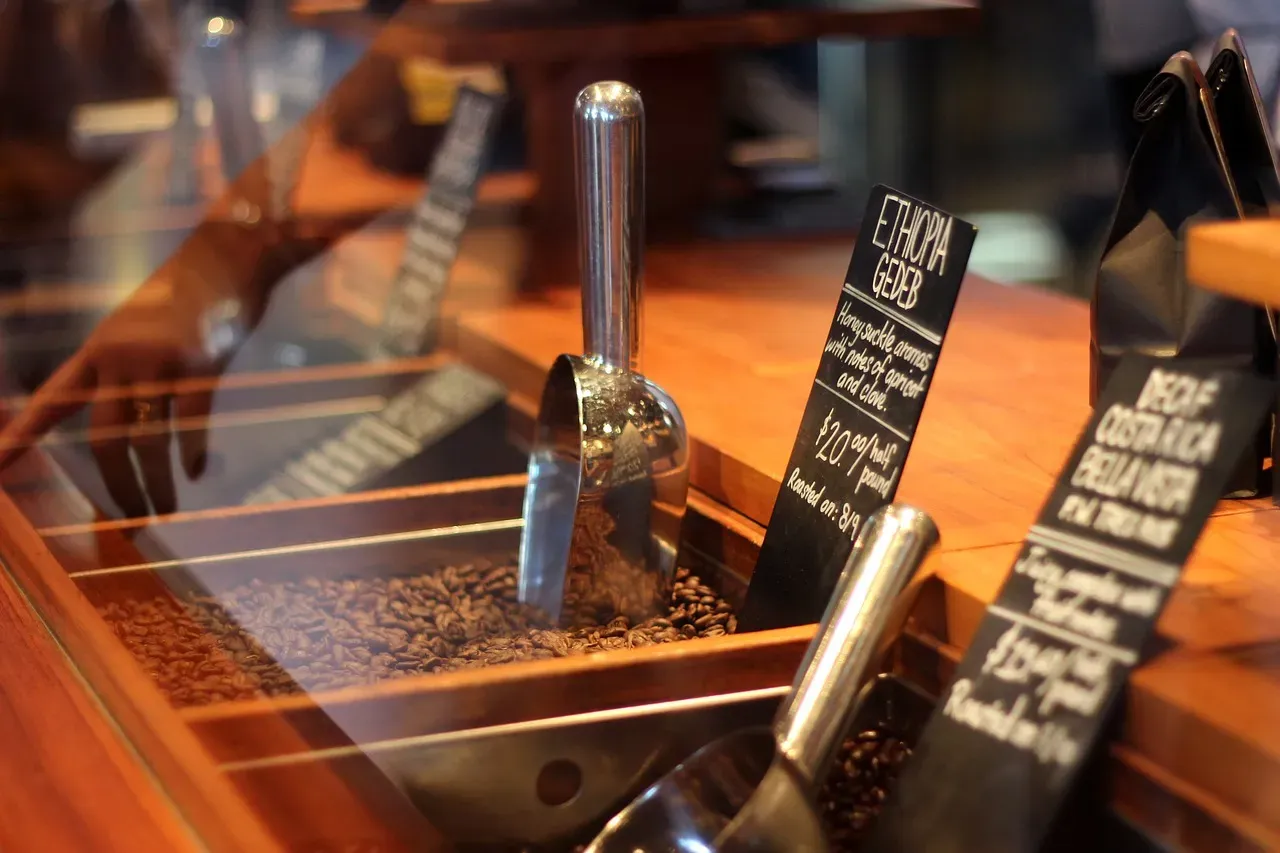
Here’s something that stings if you’re a daily coffee drinker. Coffee has been one of the single biggest grocery price stories of the past year. Over the past year, coffee prices outpaced all other major grocery items, rising 18.8% from December 2024 to December 2025. According to a Food and Agriculture Organization report, adverse climatic conditions and reduced coffee exports drove coffee prices to multi-year highs.
Arabica coffee prices surged by 13% in December month-on-month, marking a year-over-year increase of over 60%. Robusta prices also rose, with prices more than doubling compared to the same period the previous year. That’s not a typo. Robusta, which is in nearly every grocery store brand of coffee, more than doubled in price within a year.
Brazil, the largest coffee supplier, faced drought, heat waves, and irregular rainfall, with some regions producing 40% less coffee. Vietnam, Colombia, and Ethiopia also faced production challenges. When the top producers all struggle at the same time, the ripple effect hits every shelf in every supermarket. Since the final quarter of 2024, Arabica coffee prices surged by 26%, setting off continued volatility across global markets. That upward momentum carried through 2025, and as 2026 unfolds, analysts say price instability remains a defining feature of the coffee trade, with supply constraints, climate pressures, and shifting global demand continuing to influence costs.
4. Rice: The World’s Most Important Staple Under Pressure
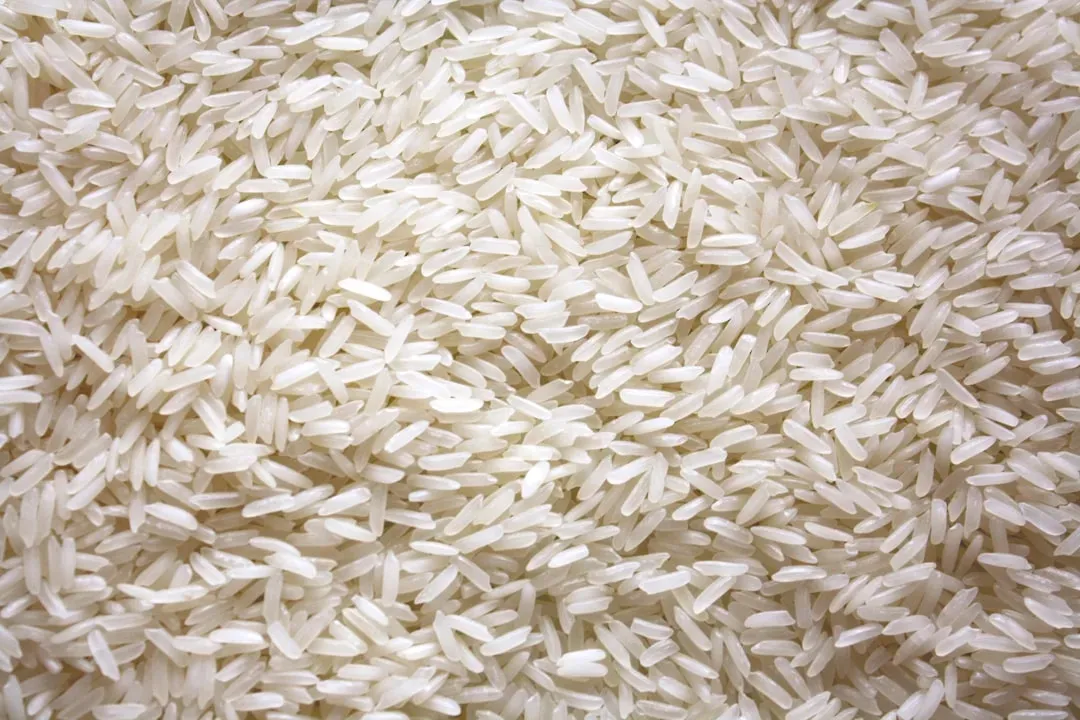
Rice feeds roughly half the world’s population. It’s so fundamental to global nutrition that shortages don’t just affect grocery budgets, they affect geopolitical stability. And yes, rice has had a very rough few years. U.S. rice production faces ongoing strain from drought conditions in California and Arkansas, two of the country’s primary rice-producing regions. Internationally, prices hit 15-year highs in mid-2024 after El Niño reduced harvests across Asia and India imposed export restrictions, tightening global supply significantly.
Rice supply faces challenges from droughts and extreme weather conditions, and India’s government enacted rice export restrictions, decreasing the rice supply to the U.S. The combination of domestic drought stress and international export bans created a powerful squeeze. A combination of flooding and drought in East Asia, as well as increases in shipping costs, has led to price inflation in rice.
Production was collapsing in Thailand, India, and Vietnam due to catastrophic harvest failures. Thailand saw extreme flooding destroy 30% of rice fields. India extended its rice export ban for another year. Vietnam suffered the worst saltwater intrusion in decades. That’s a lot of dominoes falling at once. A 25-pound bag of rice bought before these disruptions was worth considerably more by the time shelves ran thin.
5. Cocoa and Chocolate: West Africa’s Climate Crisis Hits Your Pantry
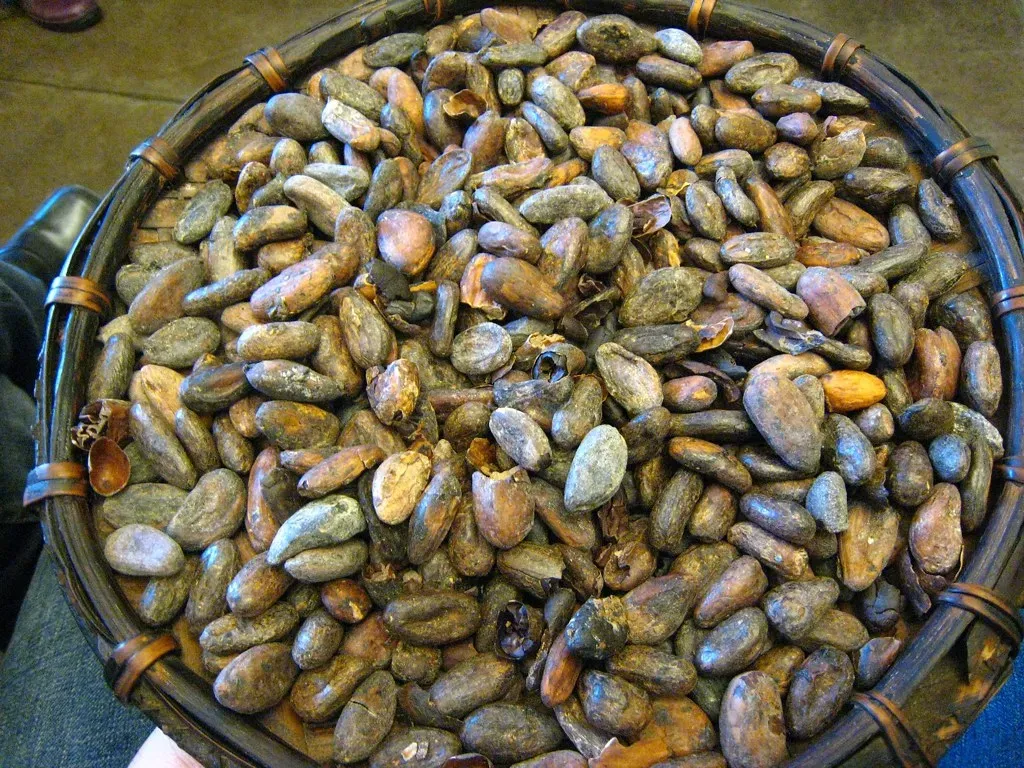
Cocoa powder, chocolate chips, baking chocolate. These are the items most of us grab without a second thought during the holidays. But let’s be real, cocoa has been in serious trouble. Weather conditions in West Africa, which produces roughly 70% of the world’s chocolate, have had negative effects on the harvest, causing higher prices for chocolate products.
Cocoa prices surged by 30% in December, averaging more than $10 per kilogram and capping off a year of historic volatility. After nearly doubling in 2024, prices were expected to ease in 2025 as additional supply came online. However, as 2026 unfolds, the market remains tight, with weather disruptions, disease pressures, and ongoing supply chain challenges preventing a full return to pre-spike pricing levels. Doubling. In one year. That’s the kind of price move you’d expect from a tech stock, not a baking ingredient. Swiss chocolate brand Lindt predicted a global slowdown in the chocolate market due to high prices caused by increasingly expensive cocoa beans, with prices of cocoa beans nearly doubling in one year as West Africa experienced poor harvests from erratic rainfall and high temperatures.
Major cocoa producers in West Africa experienced the worst drought in 30 years. Labor shortages were also critical. Chocolate prices were expected to jump by roughly 60%. If you had a stockpile of quality cocoa powder going into 2023, it was practically a commodity investment. Cocoa prices continued their upward climb, gaining 26% in one month alone, building on a 13% gain from the previous quarter. The surge was fueled by lower-than-expected production in Côte d’Ivoire, the world’s largest supplier, attributed to heavy rains linked to El Niño.
6. Flour: The Quiet Crisis in Your Baking Cabinet
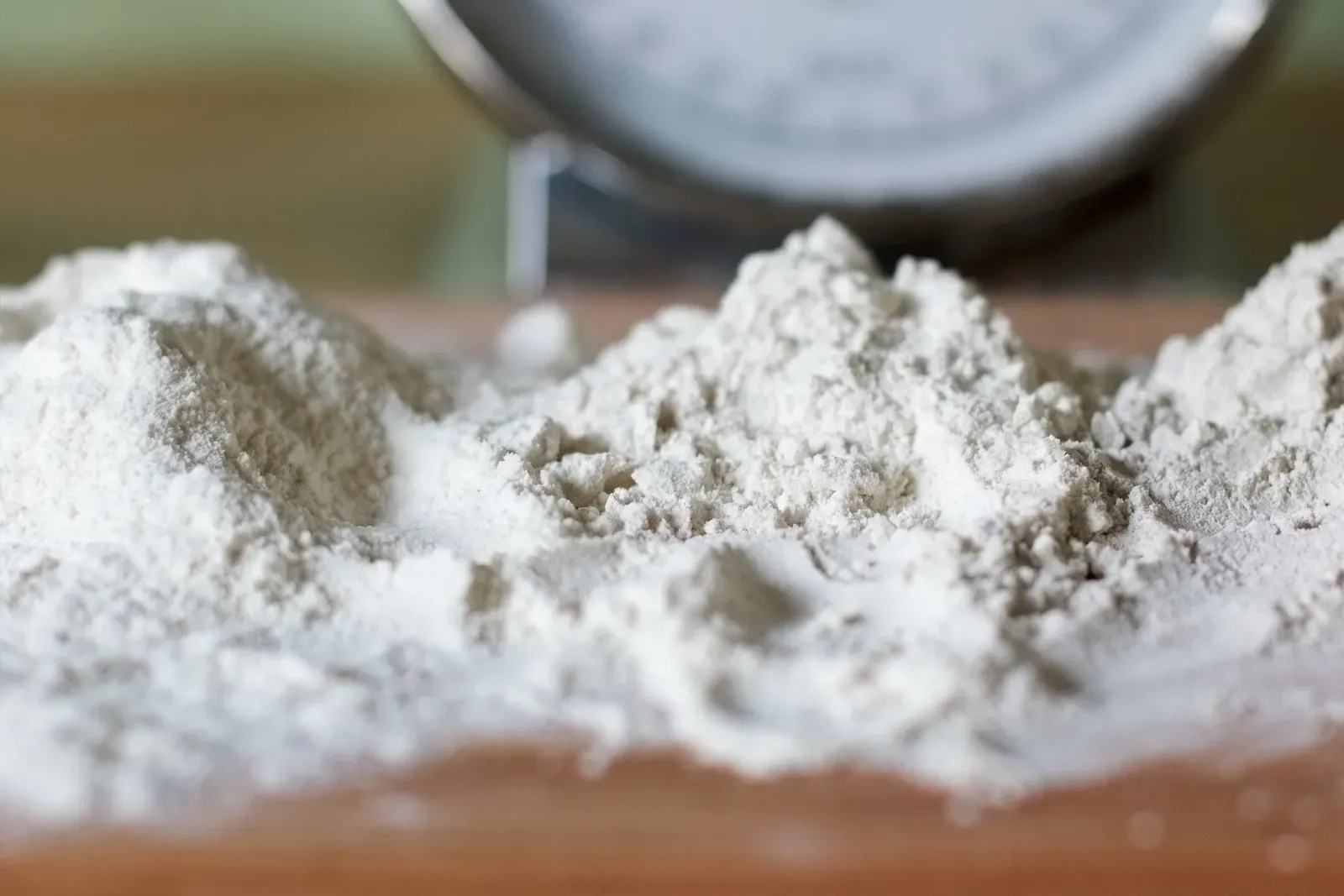
During the early pandemic lockdowns, flour was one of the first items to vanish from store shelves. It made sense then, everyone suddenly wanted to bake sourdough. But flour’s vulnerability goes much deeper than a baking trend. Hard red winter and hard red spring are the two largest classes of wheat grown in the U.S., and a year of extreme drought resulted in a lower yield, so much lower that analysts anticipated wide-scale supply chain shortages and price gouging.
Ukraine is such a major exporter of wheat and corn that the country’s flag has a yellow stripe symbolizing wheat fields beneath a blue sky. These crops and the ability to export them were severely impacted since 2022 by the Russian invasion of Ukraine, leading to steeper prices on domestic bread products. One conflict, thousands of miles away, and flour prices here moved immediately. When Russia invaded in late February 2022, global wheat prices saw a 55% jump by early March.
Retail prices for all-purpose white flour rose for a third year in a row in 2024, albeit at a slower rate than they rose in 2022 and 2023. This ascent began in 2022 as global wheat prices increased with the outbreak of the Russia-Ukraine war. Historically, flour is so cheap it feels almost disposable. But that’s precisely what makes it such a dramatic story when its price multiplies. Retail flour prices rose nearly 22.3% to 49.4 cents per pound in 2022, up from 40.4 cents per pound in 2021.
7. Beef: The Pantry Protein With the Steepest Climb
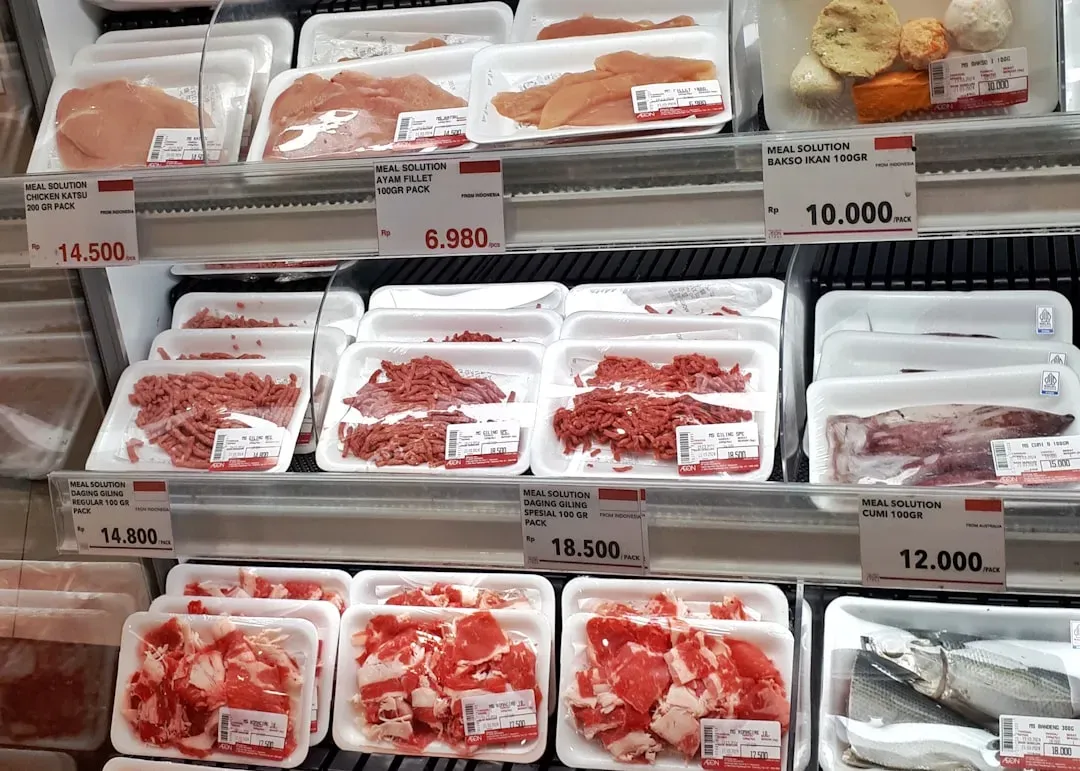
Canned beef, dried beef, frozen ground beef. If you keep any form of beef product in your pantry or freezer, you’ve almost certainly noticed something alarming over the past few years. Beef prices have climbed more than almost any other food category. Beef products have seen the sharpest price increases since the pandemic began. Beef roasts increased 73.8%, beef steaks climbed 57%, and ground beef rose 52.5%, ranking as the top three items with the largest price gains since the pandemic.
The surge in beef prices is largely due to a historically low U.S. cattle inventory, driven by prolonged drought, high feed costs, and herd liquidation, which has tightened supply and pushed retail prices higher. The cattle herd doesn’t rebuild overnight. It’s not like a factory restarting a production line. Rebuilding takes 18 to 30 months minimum, which means this supply crunch isn’t resolving anytime soon. Beef prices hit record highs in 2025 and are expected to stay elevated well into 2026.
Beef and veal prices were 16.4% higher in December 2025 than in December 2024. The USDA reports that the U.S. cattle herd has decreased in size since 2019. That’s a consistent, years-long decline. Beef and veal prices are predicted to increase an additional 9.4% in 2026. Ground beef bought two years ago would already be worth dramatically more today, making it one of the most striking examples of pantry value appreciation during sustained shortages.
8. Sugar: The Sweetener That Turned Bittersweet

Sugar might be the most understated item on this list. It’s used in almost everything, from baking to preserving food, to the vast majority of packaged goods on store shelves. When sugar prices move, the entire food industry feels it. The price of sugar on the world market climbed due to poor harvests in major producing countries like India and Thailand. This increase in the cost of the raw ingredient was passed on to consumers, who paid more for a bag of sugar as well as for any processed food containing sugar as a primary ingredient.
The second largest price increase in 2024 was in beef and veal prices at 5.4%, followed by sugar and sweets at 3.0%. It’s worth noting that sugar and sweets consistently outpaced historical averages that year. Climate change continues to affect the yield of many crops that comprise grocery staples, like sugar and coffee. The two items most people reach for every single morning are now both facing long-term supply pressure from the same root cause.
With supply pressures lingering and climate-related disruptions continuing to strain agricultural output, food price inflation climbed by nearly 5% in 2025, contributing to a staggering 40% cumulative increase over the past five years. As 2026 progresses, elevated input costs, geopolitical tensions, and shifting trade patterns suggest that price stability remains uncertain, keeping both consumers and policymakers on alert. Meanwhile, roughly seven in ten shoppers are concerned with rising prices at the grocery store, according to a 2024 report from the Food Industry Association. Sugar, bought in bulk before a major shortage hits, can multiply in practical value several times over, particularly for households that bake, preserve fruit, or simply want to avoid paying premium prices during a crisis. Panic buying and stockpiling behaviors have contributed to empty supermarket shelves. As news of potential shortages spreads, consumers rush to buy and hoard essential items, creating a cycle of scarcity and further driving up prices.
The Bigger Picture: A Pantry Is Now a Financial Strategy
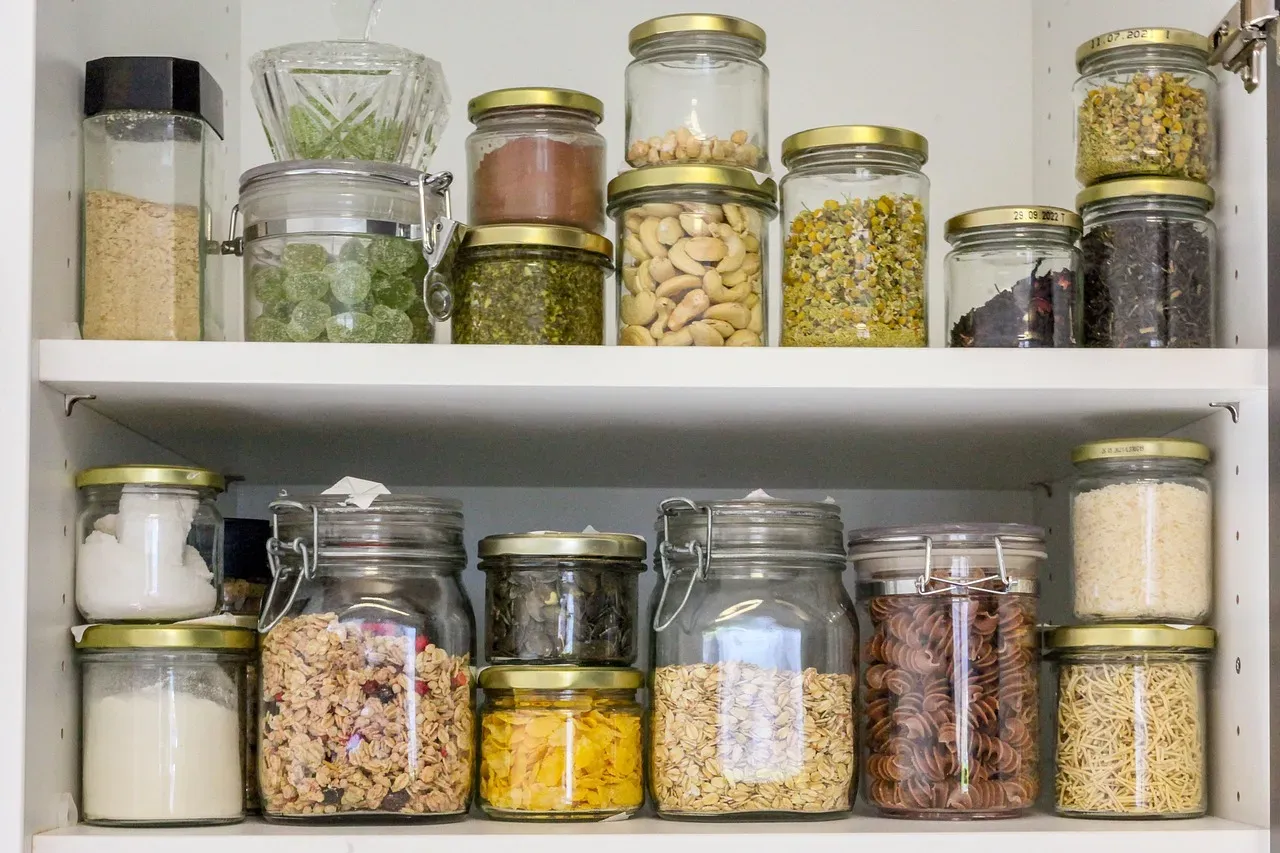
Grocery inflation has outpaced broader inflation since the pandemic began. From March 2020 to December 2025, the Consumer Price Index for food at home rose 29.4%, compared to 25.6% for all other items excluding food. That gap matters. It means that every dollar sitting in a well-stocked pantry has been quietly outperforming a significant portion of everyday spending categories.
Beyond specific foods, the underlying structure of the U.S. food supply chain carries real vulnerability. Most grocery stores hold only 72 hours of inventory. Deliveries run on just-in-time logistics, meaning a trucking delay, a port backup, or a weather event can empty shelves quickly, even when the broader supply is fine. That’s a razor-thin margin. Think of it like a city with only three days’ worth of water in its reservoir.
According to the Global Report on Food Crises, more than 295 million people across 53 countries were facing acute food insecurity – a 5% increase from the previous year and one of the highest levels ever recorded. As 2026 unfolds, humanitarian agencies warn that persistent conflict, economic shocks, and climate extremes continue to push vulnerable populations deeper into crisis, with little immediate relief in sight. The global food system is under real strain, and those pressures eventually trickle down to local grocery store shelves. In 2026, overall food prices are predicted to rise 3.0%, continuing a multiyear trend that shows no signs of fully reversing.
The items on this list are not exotic investments. They are olive oil, eggs, coffee, rice, chocolate, flour, beef, and sugar. Things you probably already buy every week. The difference now is that understanding when and why to stock up on them could mean the difference between paying today’s price and paying two, three, or five times more during the next shortage. What would you have guessed was the most valuable item sitting in your pantry right now?