
Your Pan’s Scratches Could Be Leaching Millions of Particles Into Your Food
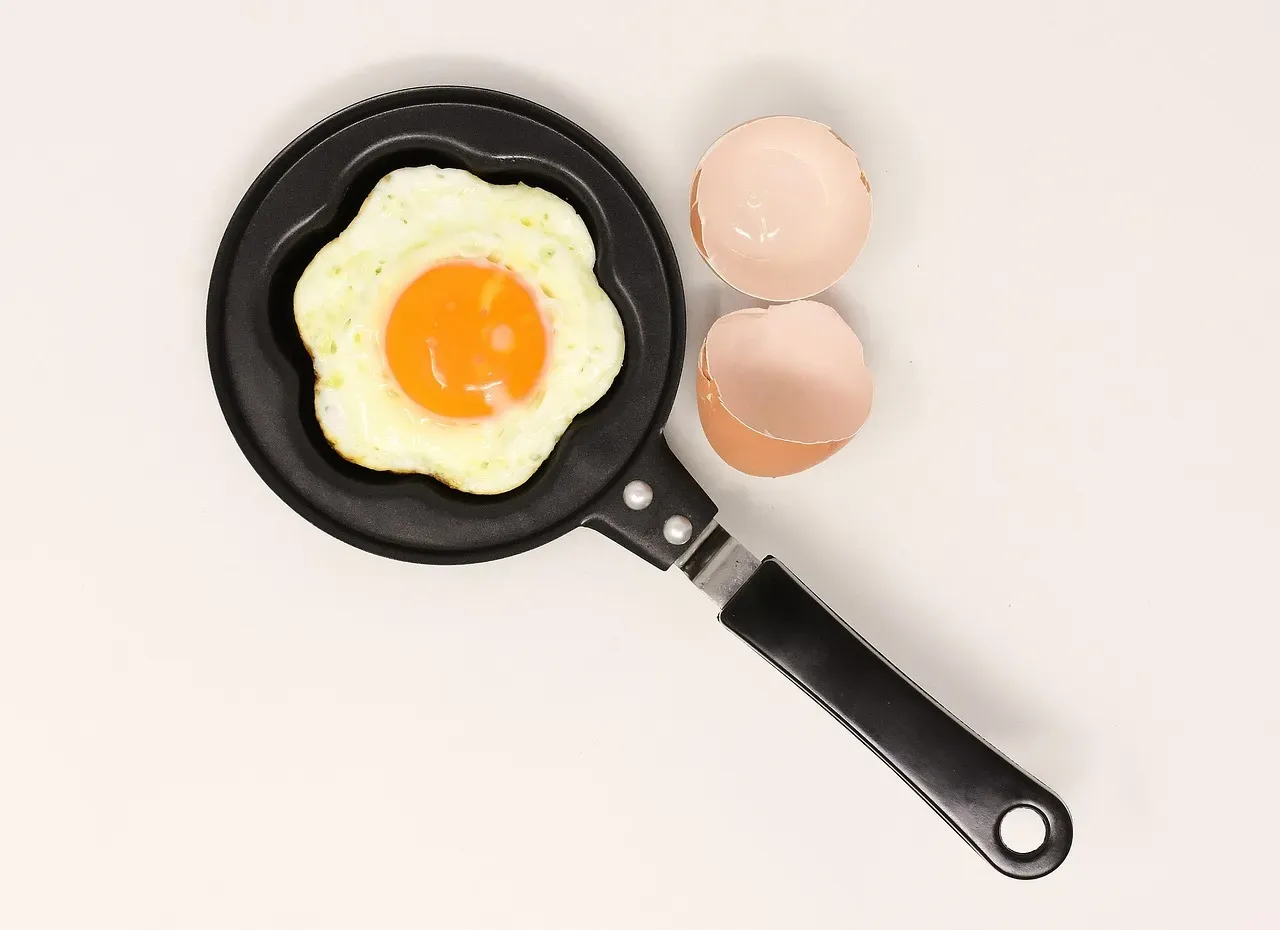
Research reveals that a single scratched nonstick pan can release up to 2.3 million toxic micro and nanoplastic particles, with even a single surface crack causing the release of over 9,000 plastic particles that could end up in your food. This isn’t just unappetizing. Studies have found that using damaged nonstick cookware can release these particles into food, and PTFE microplastic exposure has been linked to reproductive harm, including low sperm quality.
Let’s be real here. According to Consumer Reports, if a nonstick pan has any chips or scratches, it should be thrown away, as the nonstick coating could be flaking off into any food being cooked in the pan. That old faithful skillet hanging by your stove? It may have served you well, but once compromised, it becomes a silent health concern.
The “Forever Chemicals” in Your Kitchen Aren’t Going Anywhere
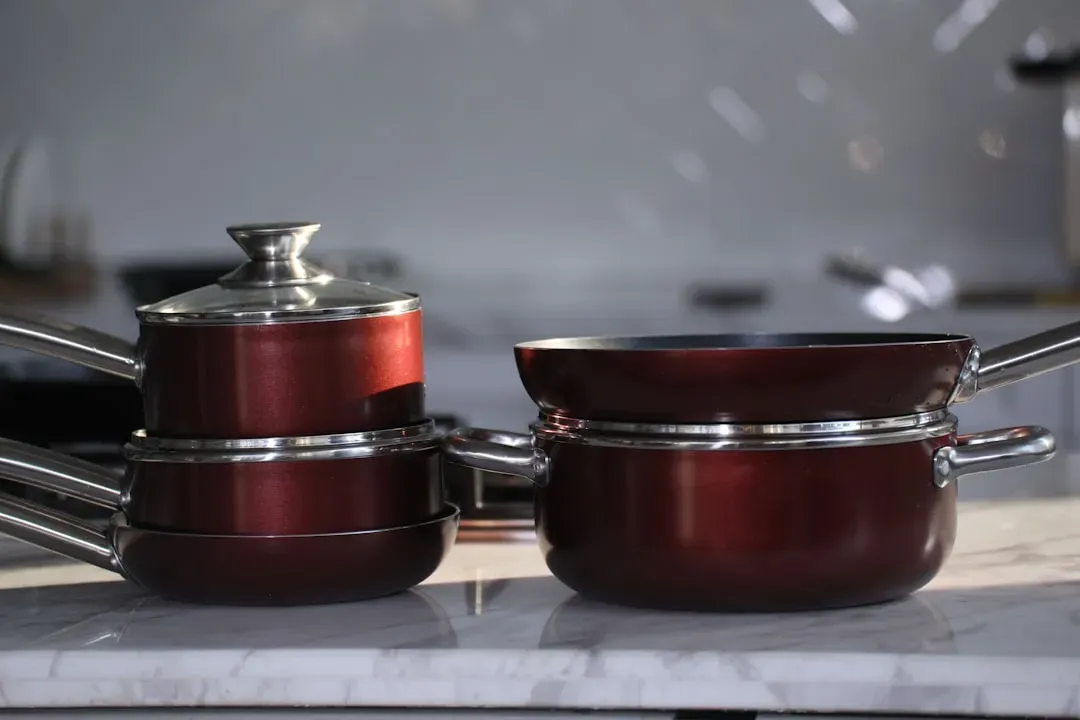
When Consumer Reports surveyed over 2,000 U.S. adults in April 2025, 65 percent said they were at least somewhat concerned about chemicals such as PFAS, PFOA, or PTFE in nonstick cookware and bakeware. The worry is justified.
A 2025 analysis by the Environmental Working Group estimates that over 143 million Americans have detectable levels of PFAS in their tap water, making it one of the most widespread environmental exposures in the country. A growing body of evidence indicates some PFAS contribute to liver disease, increased cholesterol, impaired response to vaccines, thyroid disease, asthma, lowered fertility, and high blood pressure in pregnant women. Some studies have suggested an increased risk of testicular cancer and kidney cancer with increased PFOA exposure, along with a possible link to thyroid cancer. These compounds don’t just disappear after you toss that pan. They persist in the environment, in water supplies, in soil, and yes, in your body.
Even “PFOA-Free” Labels Can Be Misleading
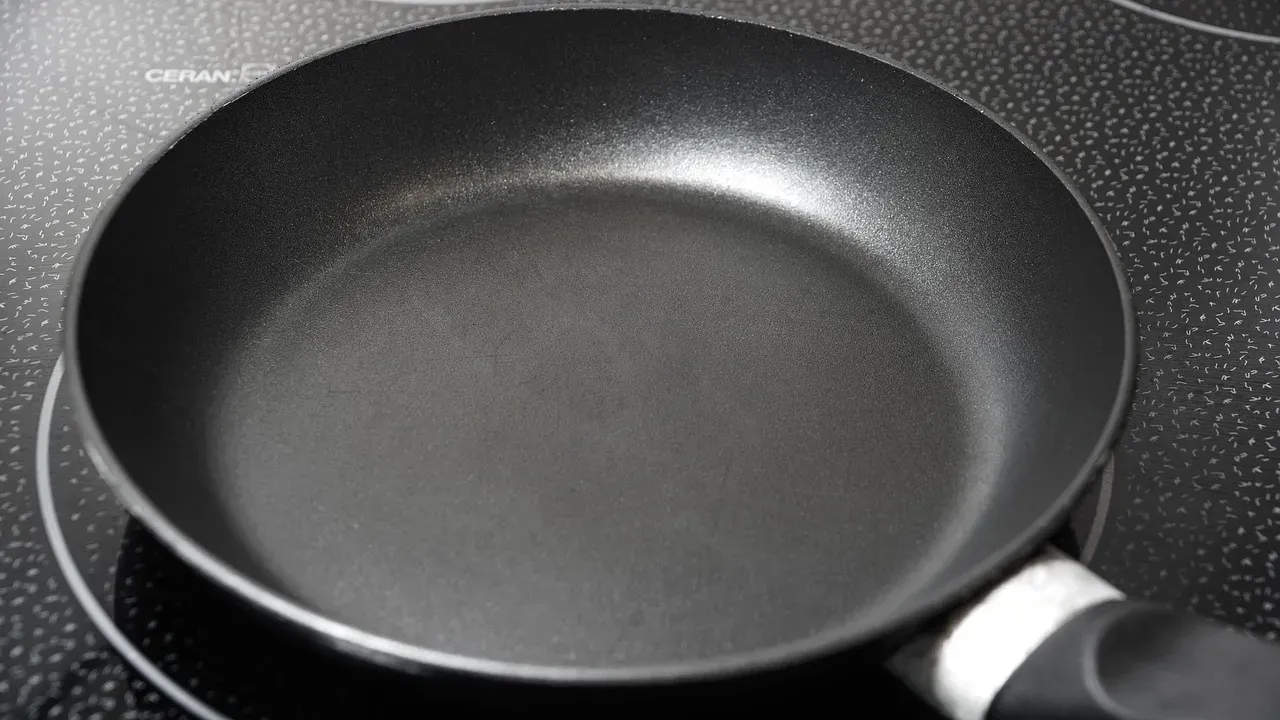
Consumer Reports tested a PTFE-coated pan that claimed to be PFOA-free and found it contained measurable amounts of PFOA and several other PFAS. Here’s the thing about marketing claims: companies got clever after certain chemicals were banned.
Label claims such as “PFOA-free” did not mean PFAS-free, and most pans labeled “PFOA-free” were actually coated with PTFE without disclosing that. Consumer Reports decided to no longer display “PFOA-free” in their ratings of nonstick cookware because such claims may not be reliable for PTFE-coated products. It’s honestly frustrating how confusing the labels can be.
When Exactly Should You Toss That Old Pan
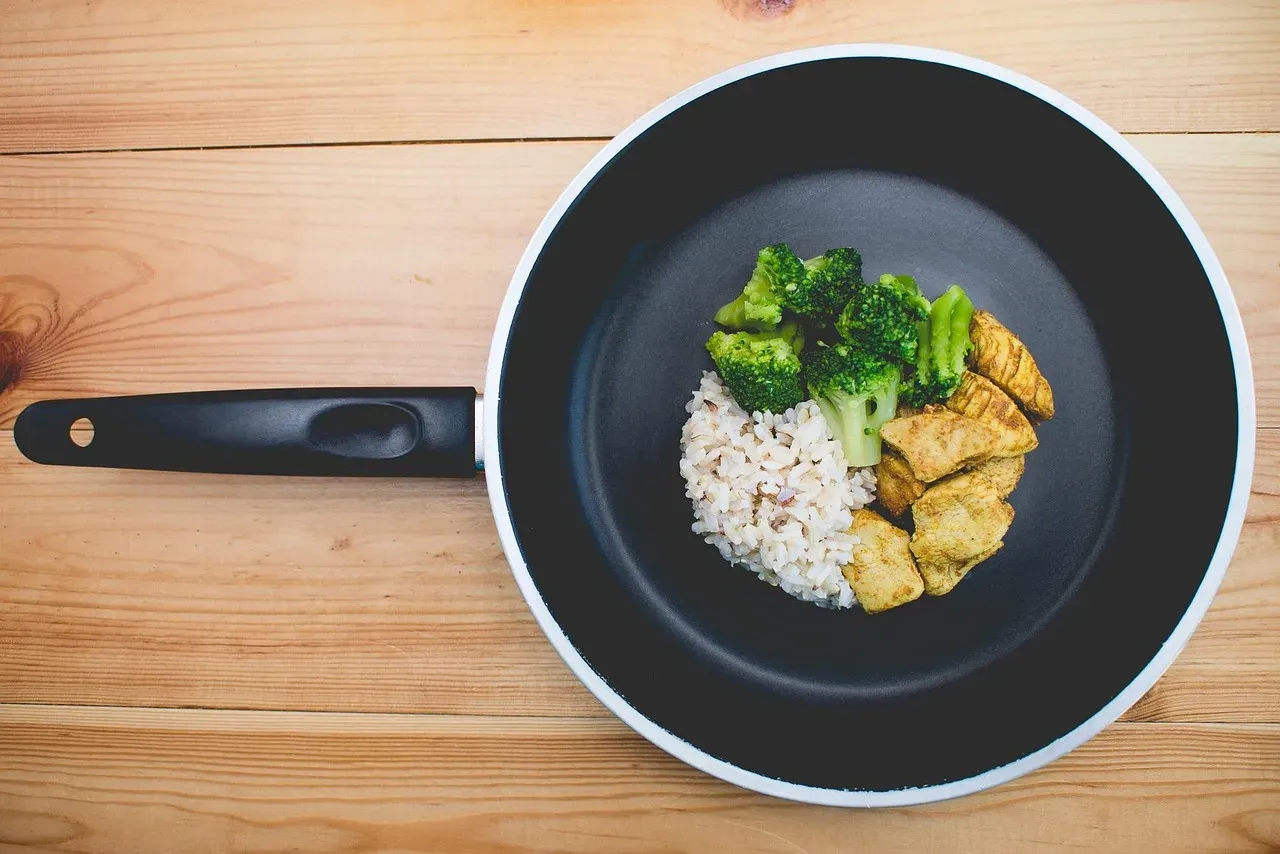
A good rule of thumb is to replace nonstick pans approximately every five years. That said, timing isn’t everything. Deep, dark discoloration is a sure sign that your pan’s coating is wearing out.
Deep scratches on the surface of a nonstick pan likely means the coating has been compromised, and scratches that cut through the coating down to the metal beneath can be hazardous to cook on and can harbor harmful bacteria. It is safest to replace any nonstick cookware when the coating is damaged, particularly if it was made before 2015. Honestly, if you can’t remember when you bought your nonstick pan, that might be all the answer you need.
High Heat Cooking Can Release Dangerous Fumes

PTFE begins to break down and release toxic fumes at temperatures higher than 500 degrees Fahrenheit, which can happen anytime you broil a pan in the oven, and these fumes are known to kill pet birds and can lead to polymer fume fever in humans with symptoms including chills, headaches, fevers, chest tightness, or coughing.
Based on research results, researchers recommended using aluminum-based nonstick cookware below 250°C (482°F) for a maximum of 45 minutes. Ceramic-coated cookware showed fewer signs of wear, suggesting that it is more resistant to wear than PTFE-coated cookware. I know it sounds crazy, but your cooking temperature matters more than you might think.
Ceramic Coated Alternatives Offer a Safer Nonstick Option
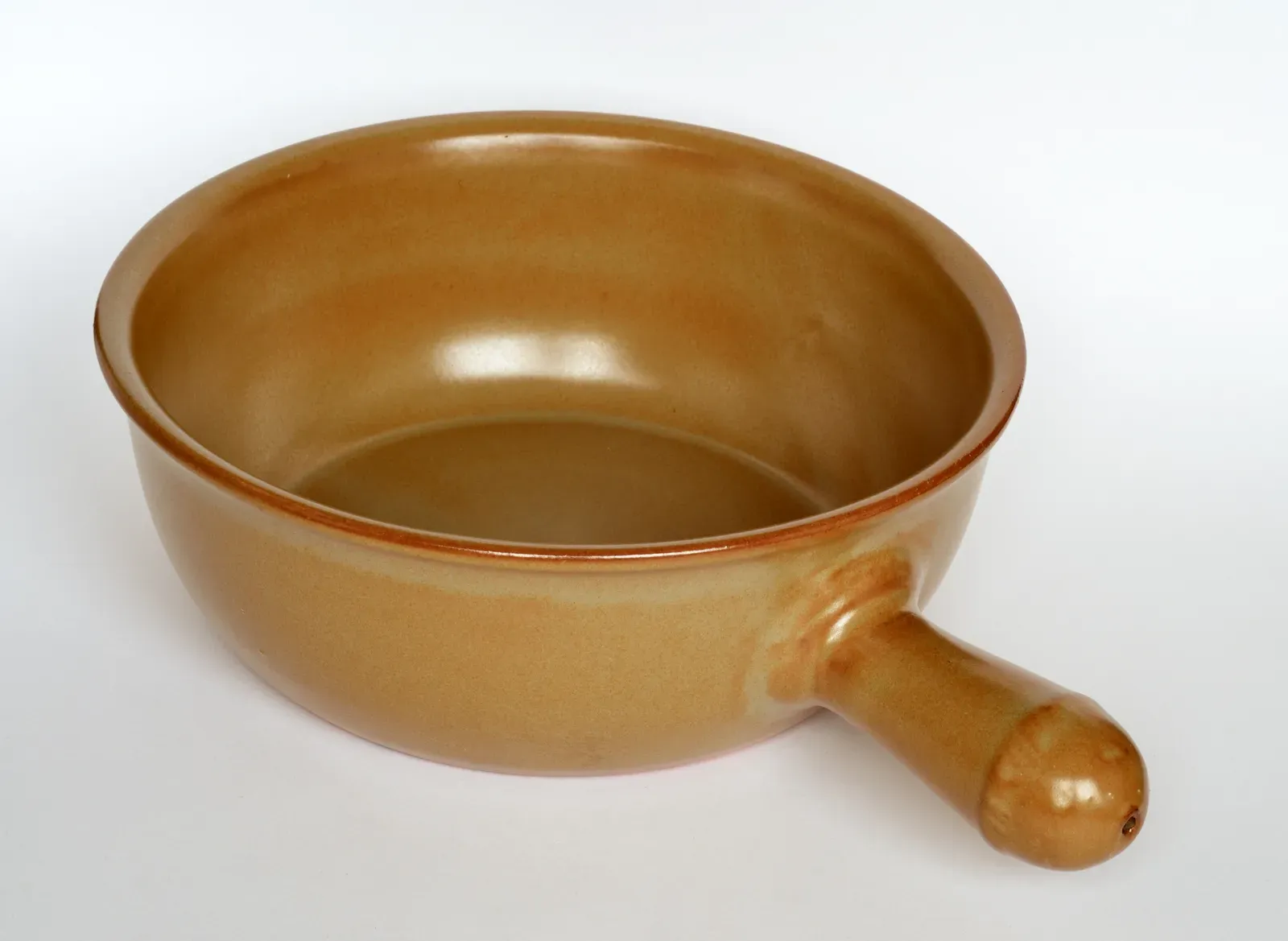
Consumer Reports found that the Caraway nonstick pan was impressive, with the surface heating evenly with no hot spots, fried eggs sliding out with ease, and the ceramic coating made without PTFE standing up well in durability tests. The two ceramic pans tested didn’t contain any of the 96 PFAS Consumer Reports looked for.
Ceramic cookware, whether fully ceramic options like the Xtrema Versa Skillet or ceramic-coated cookware from brands like Caraway and Our Place, has become one of the most popular nontoxic alternatives to nonstick cookware thanks to extra-slick surfaces that generally don’t require oil when cooking. Still, ceramic coatings won’t last forever. They may lose their nonstick properties over time, but at least they won’t contaminate your dinner with forever chemicals.
Cast Iron and Stainless Steel Are Time-Tested Safe Choices
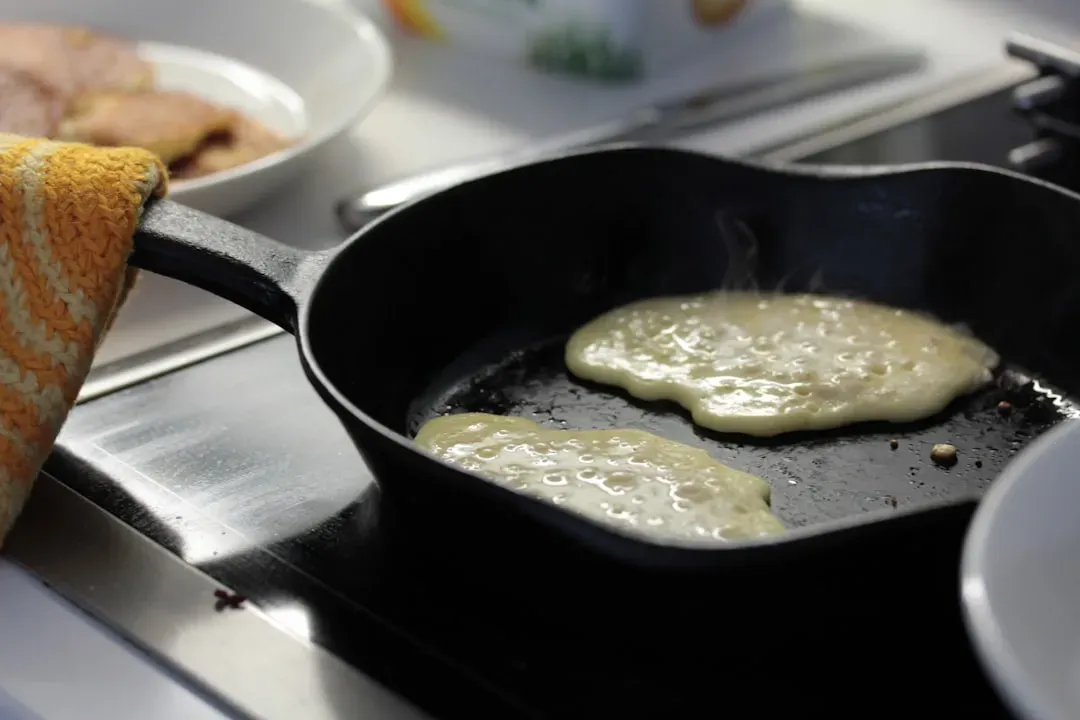
Properly seasoned and maintained, an uncoated cast-iron pan can rival traditional nonstick options when it comes to releasing food without making a mess, and the Calphalon Pre-Seasoned Cast Iron pan comes ready for use. Stainless steel and cast iron pans are durable, PFAS-free alternatives that can last for decades with proper care.
The most nontoxic cookware you can buy is stainless steel, cast iron or carbon steel – things that don’t have a coating on them. Yes, there’s a learning curve. With cast iron or steel, the key is to preheat the pan thoroughly, as preheating makes the molecules heat up and essentially seals the surface so that food can’t stick. The effort pays off in cookware that will outlive you.
What to Look for When Shopping for New Cookware
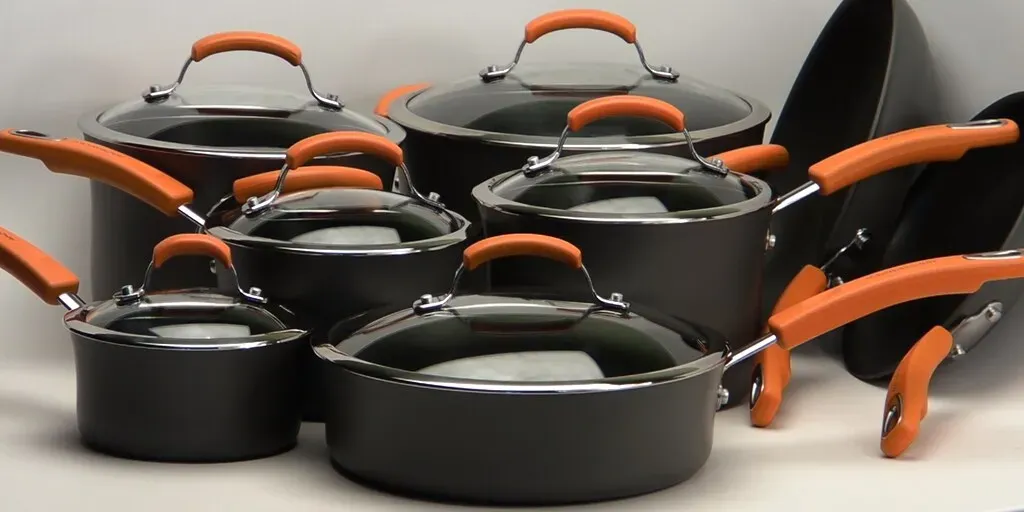
Consumers who want to avoid PFAS in their nonstick cookware may want to focus on products that claim to be PTFE-free, and nonstick pans made with a ceramic coating that carry a PTFE-free claim are far less likely to have forever chemicals. Look for pans that are third-party tested and made without PFAS, PFOA, PTFE, lead, cadmium or BPA.
REI has confirmed that all its cookware and textile products are now PFAS-free, and Target is on track to eliminate intentionally added PFAS from its own-brand products, including cookware, by the end of 2025. Major retailers are getting the message. Take your time reading labels, ask questions, and don’t fall for vague “nontoxic” claims without specifics. It’s hard to say for sure what every brand uses, so doing your homework really matters here.