
Table of Contents
The Fermentation Factor Makes the Difference

When you bite into a slice of sourdough, you’re tasting something that goes far beyond regular bread. Unlike conventional breads that rely on commercial yeast, sourdough is made through a natural fermentation process involving wild yeast and lactic acid bacteria. This isn’t just about flavor, though. The fermentation transforms the bread at a molecular level in ways that honestly surprise even seasoned nutritionists.
Here’s the thing: during those long hours of fermentation, something remarkable happens. The lactic acid bacteria found in sourdough bread lower the bread’s pH, which helps deactivate phytate. Phytates are compounds that normally bind to minerals and prevent your body from absorbing them. So basically, sourdough fermentation unlocks nutrients that would otherwise pass right through you.
Blood Sugar Control That Actually Works
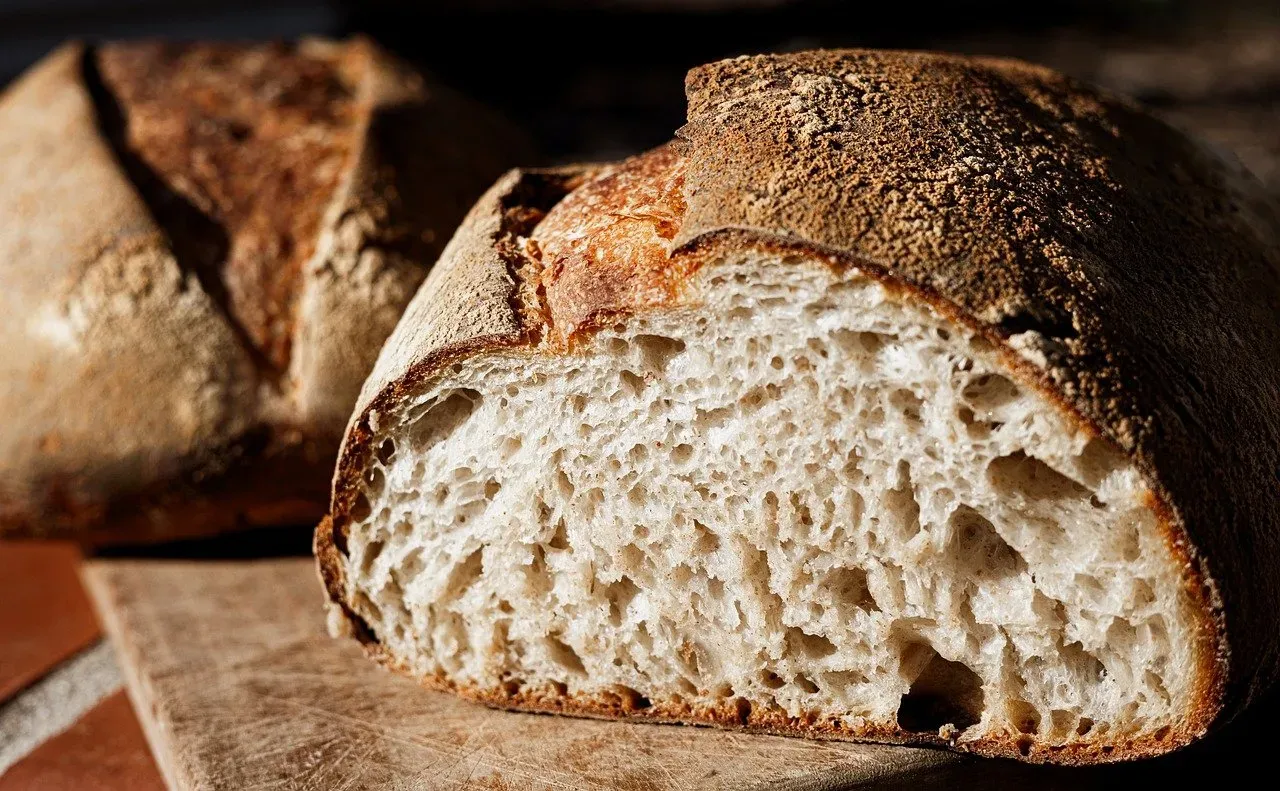
According to research in Aging Clinical and Experimental Research, sourdough has a glycemic index of 54; by comparison, both white bread and wheat bread have a glycemic index of 71. That’s a substantial difference when you consider how foods affect your daily energy levels. Most people don’t realize how much bread choice impacts their afternoon slump.
The results showed that sourdough is effective in reducing the increment of postprandial glycemia, especially when prepared with whole wheat flour, although it does not reduce fasting serum insulin, according to a systematic review of clinical trials published in 2022. The bacteria that helps form sourdough also have a unique effect on the starch in the bread – it changes the structure of the bread molecules, making your body absorb them slower, which lowers the bread’s glycemic index. Think of it as a slow-release energy source rather than a sugar bomb.
Gut Health Benefits You Can Actually Feel

Let’s be real: gut health has become a buzzword, but sourdough genuinely delivers on this front. The daily consumption of sourdough bread may promote the healthy microbiota metabolism at colon level, according to research using advanced fermentation models published in 2021. Furthermore, some beneficial gut bacteria, including Akkermansia, Bifidobacterium, and Lactobacillus, were increased in studies examining sourdough consumption.
A 2018 research review found that sourdough fermentation can significantly lower FODMAP levels in wheat bread, helping reduce gastrointestinal symptoms in people with IBS. FODMAPs are carbohydrates that ferment rapidly in the gut and cause discomfort for many people. While sourdough isn’t a miracle cure, many individuals with sensitive digestion report feeling noticeably better after switching from regular bread.
Enhanced Mineral Absorption Changes Everything

Research suggests that sourdough fermentation could reduce the phytate content of bread by more than 70%, with the lowest levels found in breads made from doughs with pH levels optimized during fermentation. Atomic absorption spectrophotometric analysis revealed that the higher phytase activity resulted in an increased availability of free Ca2+, Zn2+, and Mg2+ in sourdough bread compared to conventional bread.
Sourdough bread provides vitamins and minerals, including vitamin B, iron and calcium, and is a great source of antioxidants and prebiotics. These bacteria destroy certain types of acid commonly found in other types of bread, which increases the availability of nutrients like folate, potassium, and magnesium. It’s like getting a nutritional upgrade without changing what’s actually on your plate.
Protein Digestibility Gets a Serious Boost

Recent empirical and scientific studies have highlighted the ability of sourdough fermentation to enhance protein digestibility – in vitro research has demonstrated that sourdough fermentation improves the digestibility of protein, measured as the percentage of total protein dissolved after enzyme hydrolysis. One study monitored roughly a 16% increase in digestibility compared to regular baker’s yeast bread.
Contrary to yeasts, sourdough lactic acid bacteria have a more intense proteolytic activity because of an efficient proteolytic system – the progressive hydrolysis of wheat naive proteins, including gluten, led to a consistent increase of peptides and free amino acids during sourdough fermentation. Think of it as a pre-digestion process that your stomach doesn’t have to work as hard to complete.
The Gluten Question Needs Honest Answers

Here’s where things get tricky, and it’s important to be completely clear. While sourdough bread is usually lower in gluten, it is not gluten-free – people with a gluten intolerance may find that sourdough is easier to digest, but people with celiac disease will likely still experience symptoms if they eat sourdough bread. I know it sounds promising when you hear about gluten breakdown, but safety comes first.
Despite promising research on mitigating gluten immunogenicity, sourdough bread remains unsafe for individuals with celiac disease for general consumption outside of tightly controlled clinical studies – current technology, while capable of targeted epitope degradation, cannot consistently reduce gluten below the 20 ppm ‘gluten-free’ threshold. Certain LAB strains showed significant gluten degradation, however, residual gluten often remained above the 20 ppm safe threshold for celiacs.
Market Growth Reflects Rising Health Awareness

The sourdough market is estimated to reach a valuation of USD 2.45 billion in 2024 – it is projected to expand to USD 3.30 billion by 2029, marking a CAGR of 6.13% from 2024 to 2029. That’s not just random growth. People are actively seeking healthier bread options, and they’re putting their money where their mouths are.
In developed countries such as the United States, Canada, the UK, and France, consumer awareness of sourdough benefits has been on the rise, bolstering the demand for sourdough products. Still, not all store-bought sourdough is created equal. Many commercial loaves use shortcuts that skip the extended fermentation time, which means they miss out on the health benefits entirely.
What the Latest Research Actually Shows
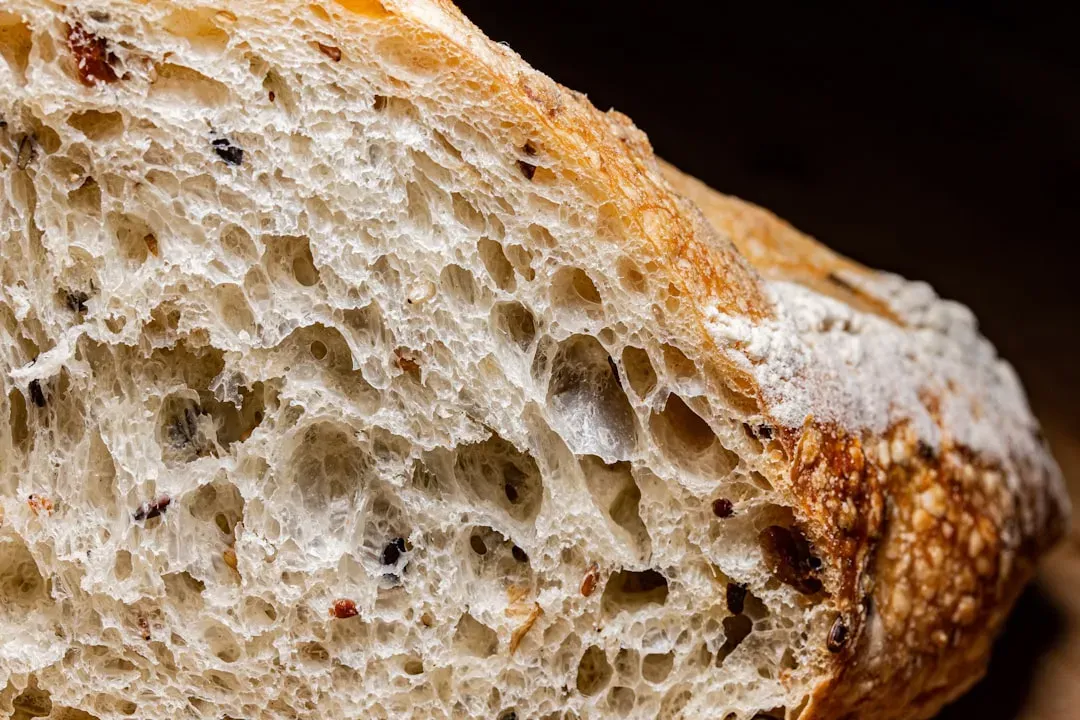
A total of 573 articles were retrieved and investigated, of which 25 clinical trials met the inclusion criteria – the 25 clinical trials included a total of 542 individuals, according to a 2023 systematic review published in Frontiers in Nutrition. In studies using specific strains and fermentation conditions, significant improvements were observed in parameters related to glycemic response, satiety, or gastrointestinal comfort after bread ingestion.
Yet it is currently difficult to establish a clear consensus with regards to the beneficial effects of sourdough per se on health when compared with other types of bread because a variety of factors, such as the microbial composition of sourdough, fermentation parameters, cereals, and flour types potentially influence the nutritional properties of bread. Individual responses vary considerably, which explains why some people notice dramatic differences while others see modest changes.
The Bottom Line on Sourdough Health Claims

Based on the latest research from 2023 through 2025, it’s clear that sourdough bread provides real health benefits compared to regular bread. The fermentation process genuinely improves mineral absorption, moderates blood sugar response, enhances protein digestibility, and supports gut health. These aren’t marketing claims – they’re backed by clinical studies and systematic reviews.
That said, sourdough isn’t a superfood that erases all dietary concerns. It’s still bread, it still contains carbohydrates, and it’s absolutely not safe for people with celiac disease. Choose whole-grain sourdough when possible, look for traditionally fermented loaves with extended fermentation times, and pay attention to how your own body responds. What do you think – has switching to sourdough made a noticeable difference for you?