
Table of Contents
Leafy Greens Pack a Powerful Punch
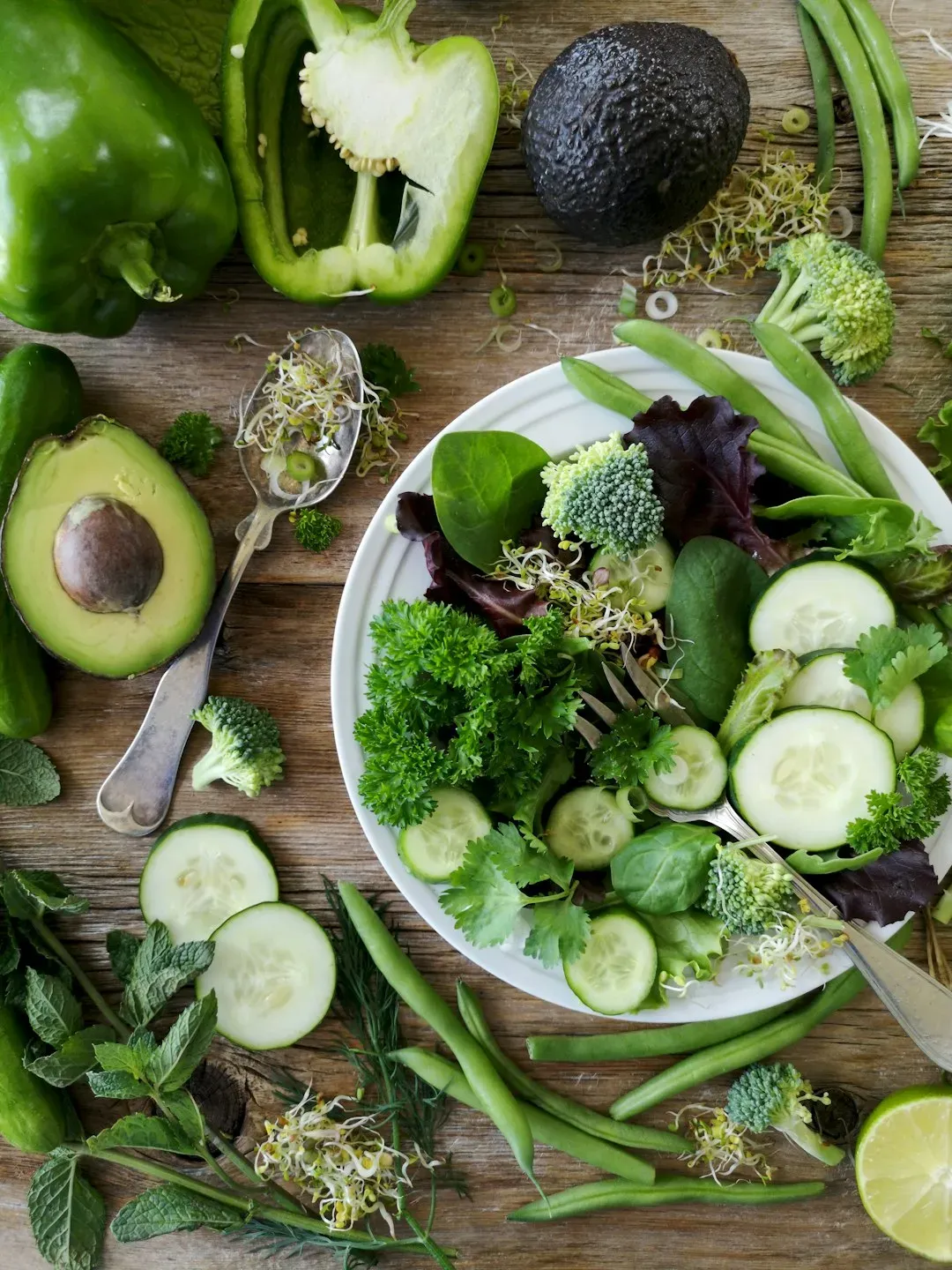
Think spinach, kale, Swiss chard, and collard greens are just trendy salad ingredients? Think again. Dark leafy vegetables are a powerful tool for managing blood pressure, packed with nutrients that support heart health and help keep blood pressure in a healthy range. Leafy greens contain potassium and magnesium which are key minerals to control blood pressure. Natural nitrates found in greens like spinach and arugula are converted into nitric oxide in the body, a molecule that helps blood vessels relax and expand, reducing resistance in the blood vessels and lowering blood pressure. A higher vegetable nitrate intake was associated with a lower baseline blood pressure, and research suggests that ensuring the consumption of nitrate-rich vegetables, corresponding to roughly one cup of green leafy vegetables, may lower the risk of cardiovascular disease.
Berries Bring Sweetness and Science
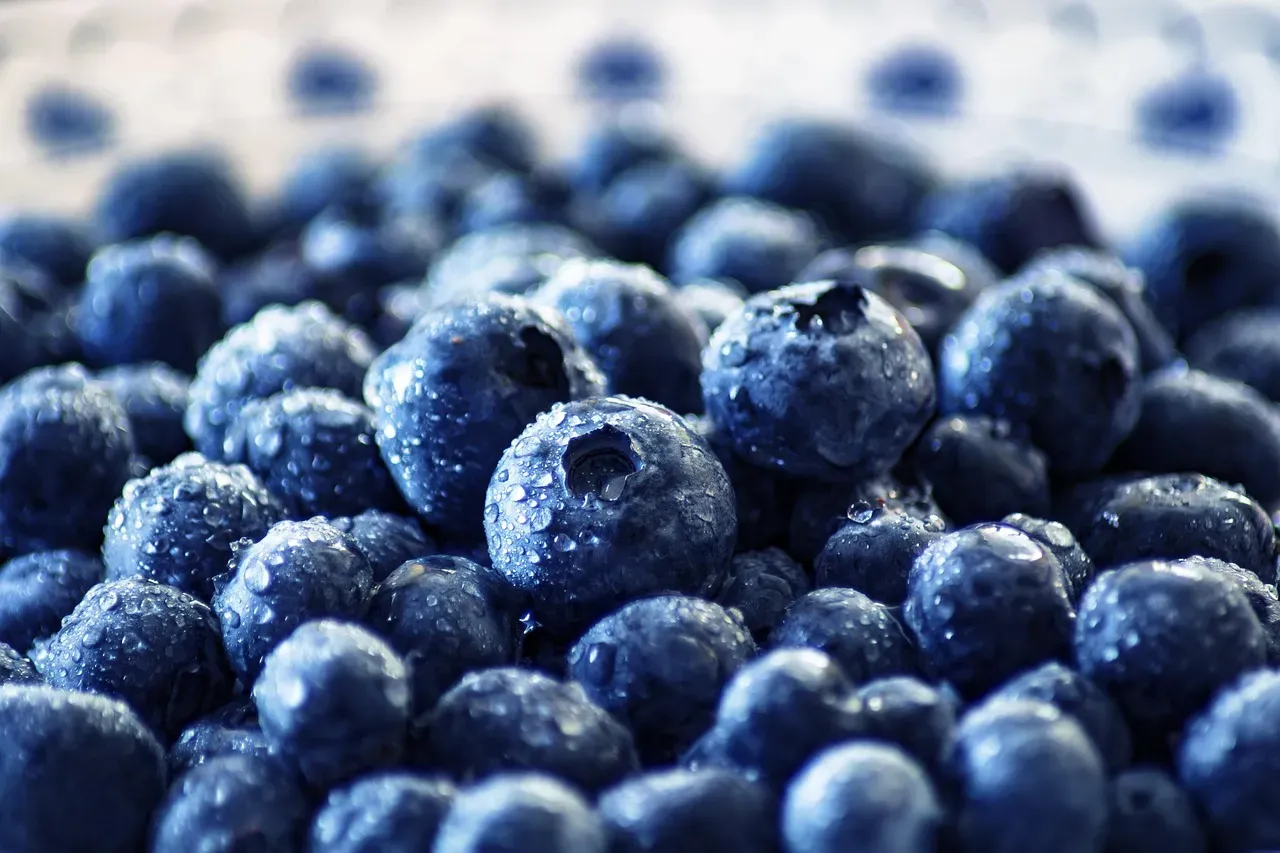
Here’s the thing about blueberries, strawberries, and raspberries: they taste incredible, yet they’re doing serious work behind the scenes. Berries are rich in antioxidant compounds called anthocyanins, and research has linked anthocyanins to a reduction in blood pressure in people with hypertension. Consuming 200 grams of blueberries (one cup) every day can improve blood vessel function and decrease systolic blood pressure, with systolic blood pressure falling by an average of five millimeters of mercury, an effect similar to that from common blood pressure drugs. The majority of the effects can be explained by anthocyanins, and if the changes in blood vessel function after eating blueberries every day could be sustained for a person’s whole life, it could reduce their risk of developing cardiovascular disease by up to 20%.
Bananas Are More Than a Convenient Snack
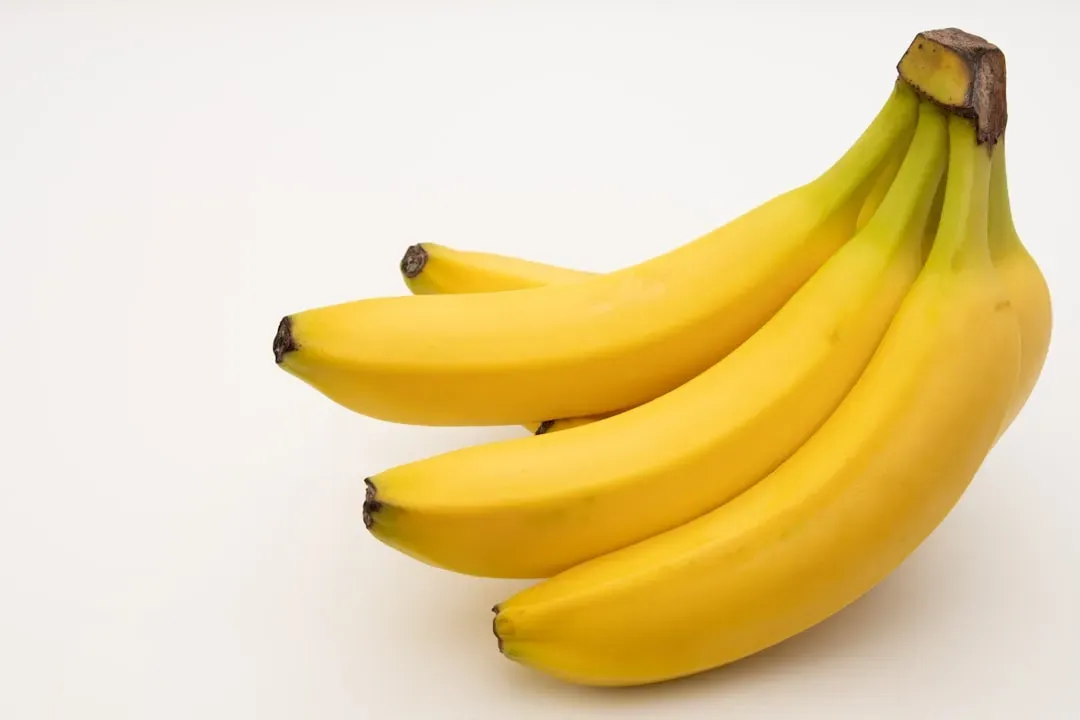
Honestly, bananas might be one of the most underrated players in blood pressure management. New research suggests increasing the ratio of dietary potassium to sodium intake may be more effective for lowering blood pressure than simply reducing sodium intake. Eating just an extra gram of potassium, the equivalent of two medium bananas, a cup of spinach, or a large sweet potato, per day could be enough to tackle high blood pressure. Increasing potassium intake could help to lower blood pressure up to three times more than cutting sodium intake. Our body’s regulatory systems may have evolved to work best with a high potassium, low sodium diet, and today’s western diets tend to be much higher in sodium and lower in potassium, which may explain why high blood pressure is found mainly in industrialized societies.
Beets Work Wonders Through Nitric Oxide
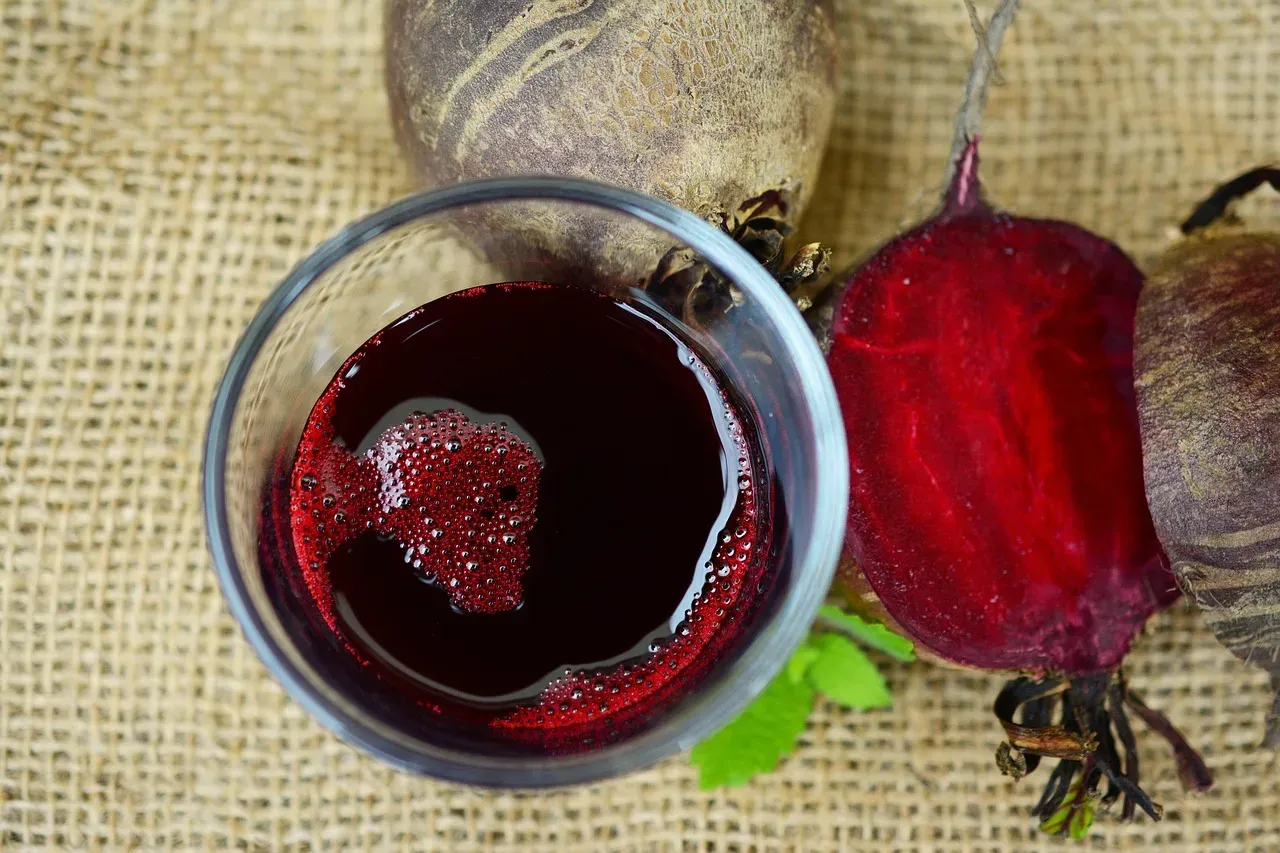
Beets have this deep, earthy quality that some people love and others avoid, but the science is pretty undeniable. Beets are high in nitrates, which the body converts into nitrous oxide, a molecule that’s been shown to reduce systolic blood pressure. A 2017 meta-analysis reported that regularly drinking beet juice helped lower both systolic and diastolic blood pressure in studies that included individuals with and without high blood pressure. Drinking nitrate-rich beetroot juice lowered blood pressure in older adults by reshaping their oral microbiome. Another analysis published in 2024 found that there was a significant effect on systolic blood pressure up to 90 days after participants had a daily dose of beet juice.
Yogurt Delivers Essential Minerals
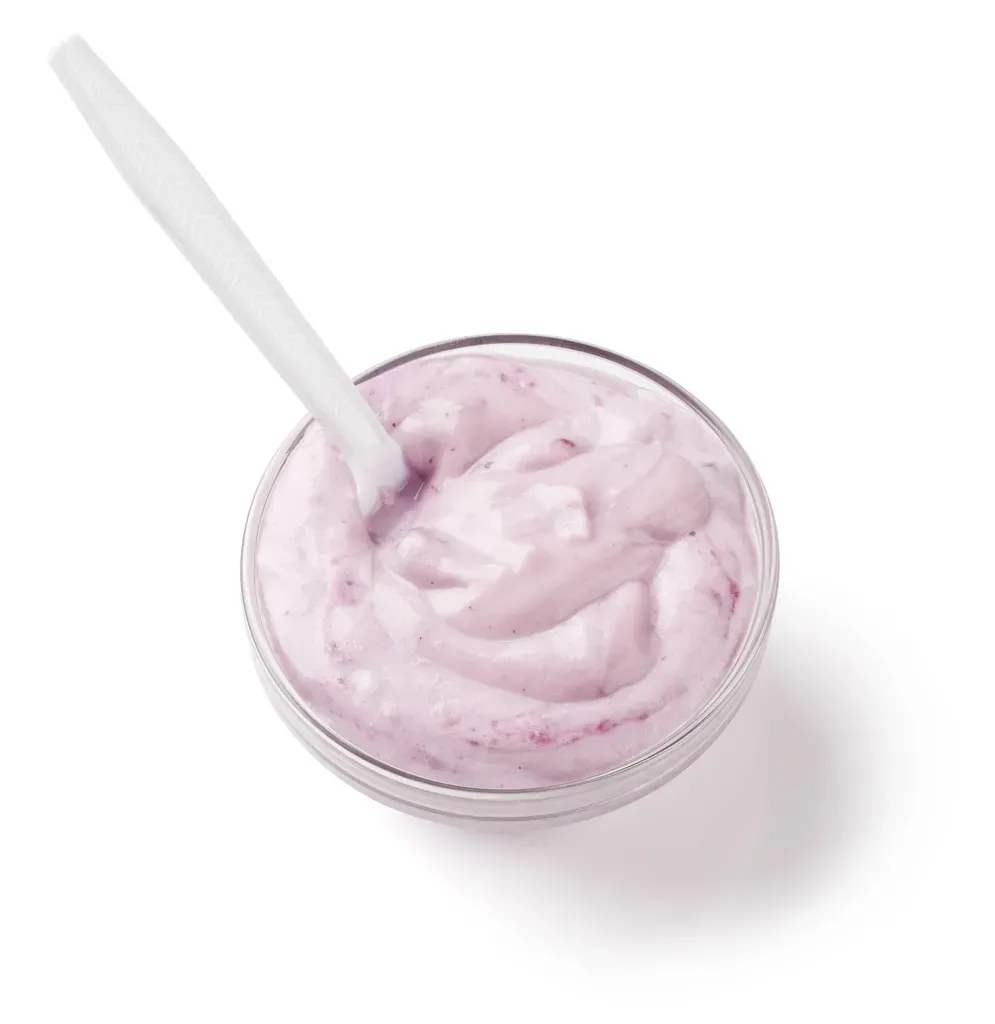
Let’s be real, not every food that’s good for you tastes bland or boring. Yogurt proves that point beautifully. A 2021 study showed that yogurt may produce positive blood pressure outcomes for those with hypertension, attributed to its high amounts of the minerals calcium, potassium, and magnesium, all thought to help regulate blood pressure. Yogurt is a nutrient-dense dairy product packed with minerals that may help regulate blood pressure, and a 2017 review found that consuming three servings of dairy per day was linked with a 13% lower possibility of high blood pressure. The unsweetened varieties work best, particularly natural and Greek yogurts.
Oats Offer Beta-Glucan Benefits
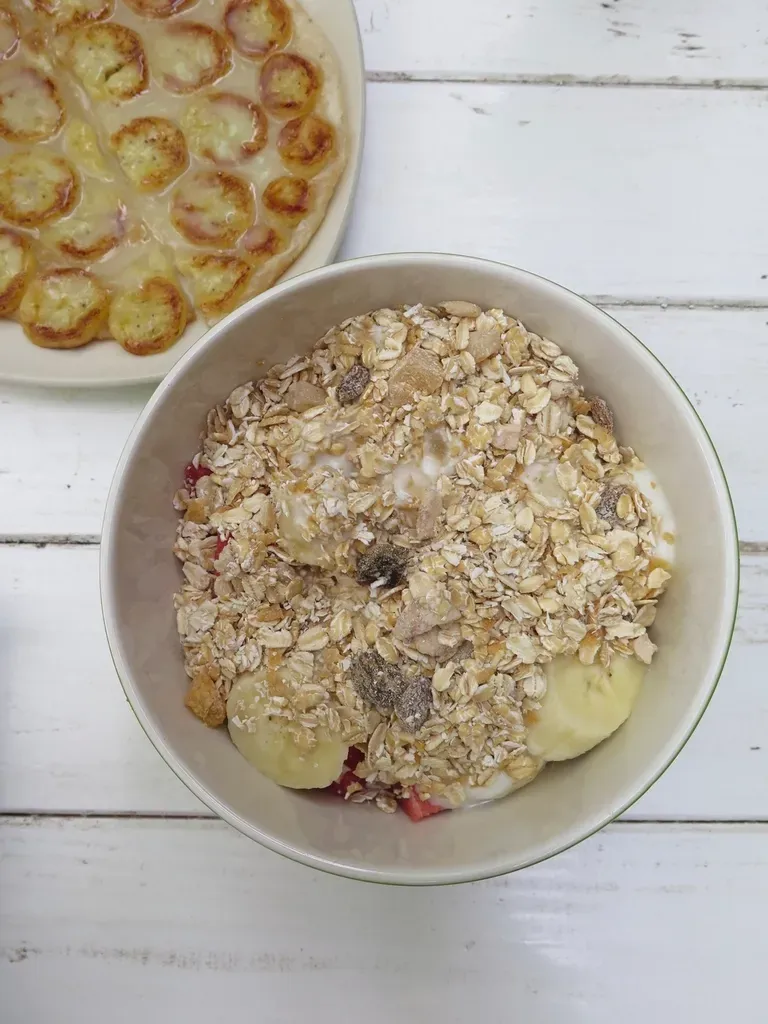
Starting your morning with a bowl of oatmeal might seem simple, even mundane. Yet there’s compelling research showing this breakfast staple can actually move the needle on blood pressure readings. A wide body of research has shown that eating oatmeal can lower systolic and diastolic blood pressure, with studies finding that eating beta-glucan (a special fiber found in oats) every day lowered blood pressure in men and women who had elevated blood pressure, and daily consumption of 5.5 grams of beta-glucan from oats for six weeks reduced systolic and diastolic blood pressure by 7.5 and 5.5 points in people with mild or borderline hypertension.
Fatty Fish Supply Omega-3 Power
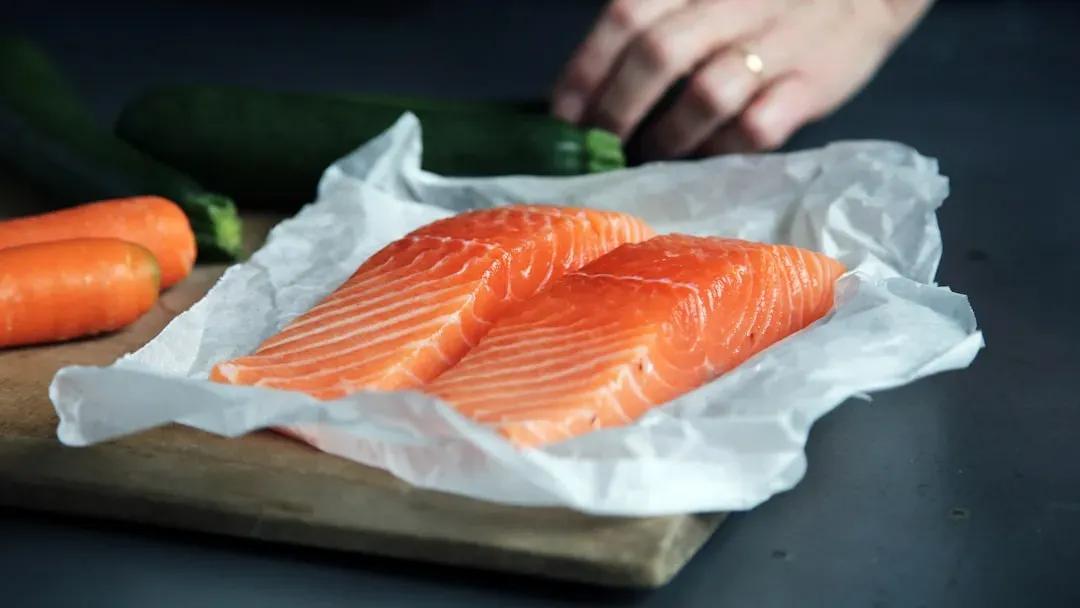
Salmon, mackerel, sardines, and tuna aren’t just delicious options for dinner. An extensive body of research, including a meta-analysis of 70 randomized controlled trials, shows that consuming fish that has a high omega-3 content can help lower blood pressure, with fatty fish such as salmon, lake trout, mackerel, herring, sardines, and tuna containing the most omega-3 fatty acids, and the American Heart Association recommends eating fatty fish at least twice per week. Omega-3 fatty acids can be found naturally in fatty fish like salmon, tuna, herring, and mackerel. These essential fats support blood vessel health and help reduce inflammation throughout the cardiovascular system.
Broccoli Enhances Vascular Function
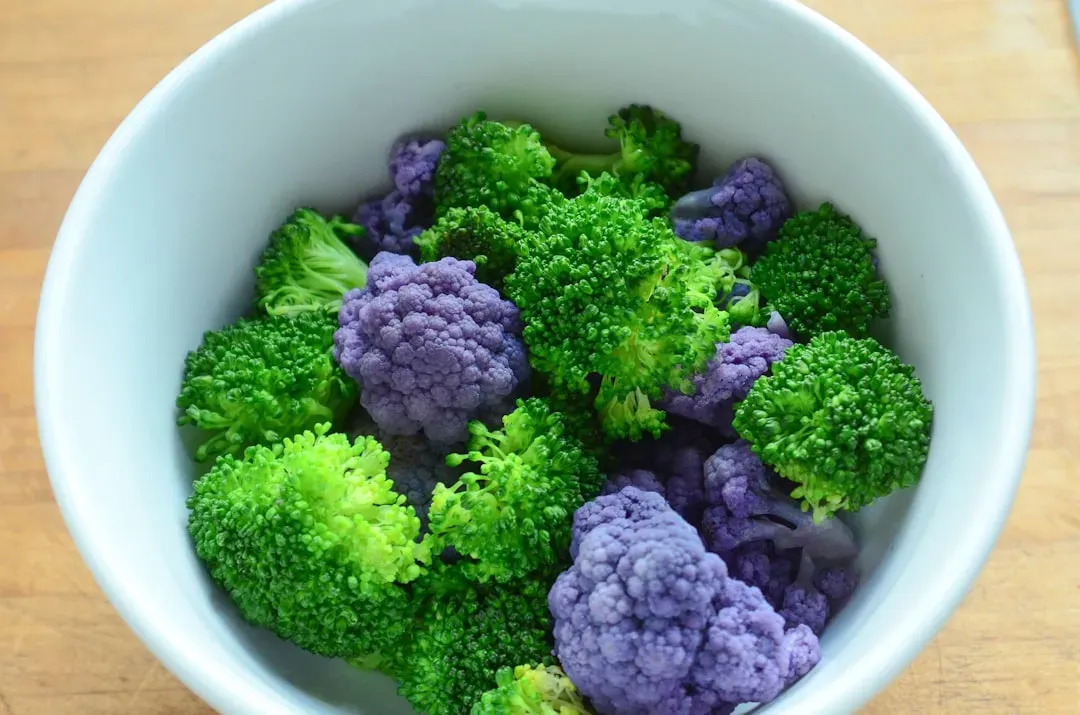
It’s hard to say for sure, but broccoli might be one of the most versatile vegetables when it comes to heart health. Broccoli is loaded with flavonoid antioxidants, which may help lower blood pressure by enhancing blood vessel function and increasing nitric oxide levels in the body, and a 2024 study with 8,010 participants found a significant negative association between hypertension and total flavan-3-ol intake. An older study from 2015 that included data from 187,453 people found that those who consumed four broccoli servings or more per week had a lower likelihood of high blood pressure than those who consumed broccoli once a month or less.
Garlic Acts as a Natural Vasodilator
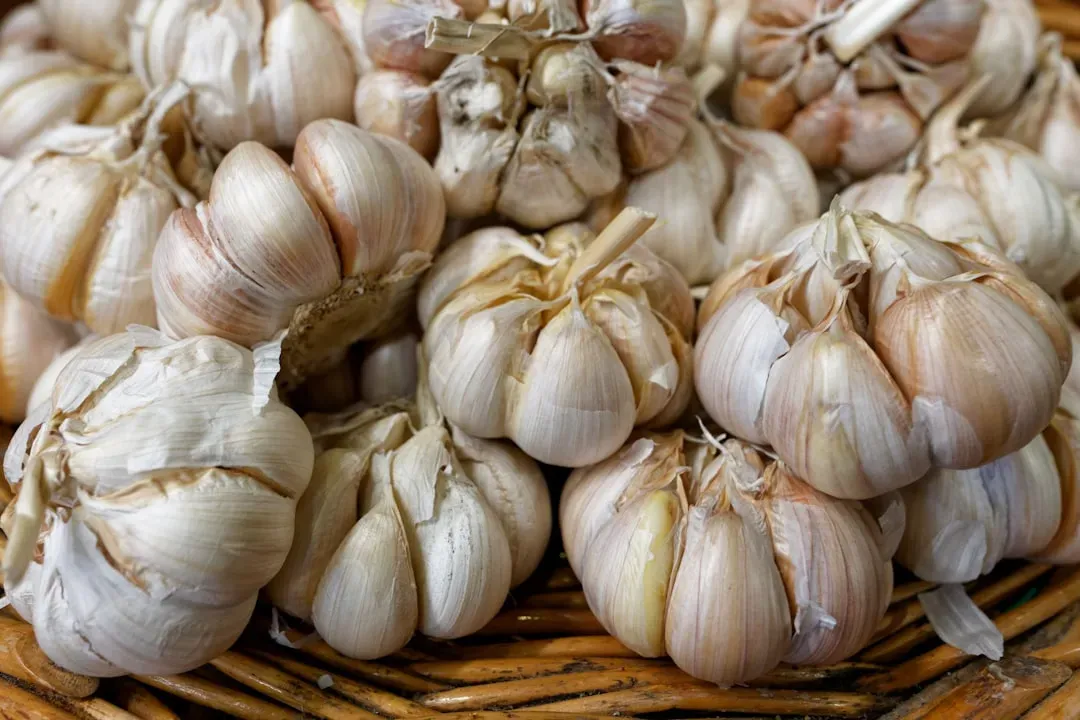
Garlic has been used medicinally for thousands of years, and modern science keeps finding new reasons to validate that ancient wisdom. Garlic contains compounds that help produce nitric oxide and relax blood vessels, which can lead to lower blood pressure readings. Research has shown that garlic supplements can reduce both systolic and diastolic blood pressure in people with hypertension. The active compound allicin appears to be responsible for many of these cardiovascular benefits. Whether you eat it raw, cooked, or in supplement form, garlic offers genuine heart-protecting properties that shouldn’t be overlooked.
Pomegranate Juice Reduces Blood Pressure
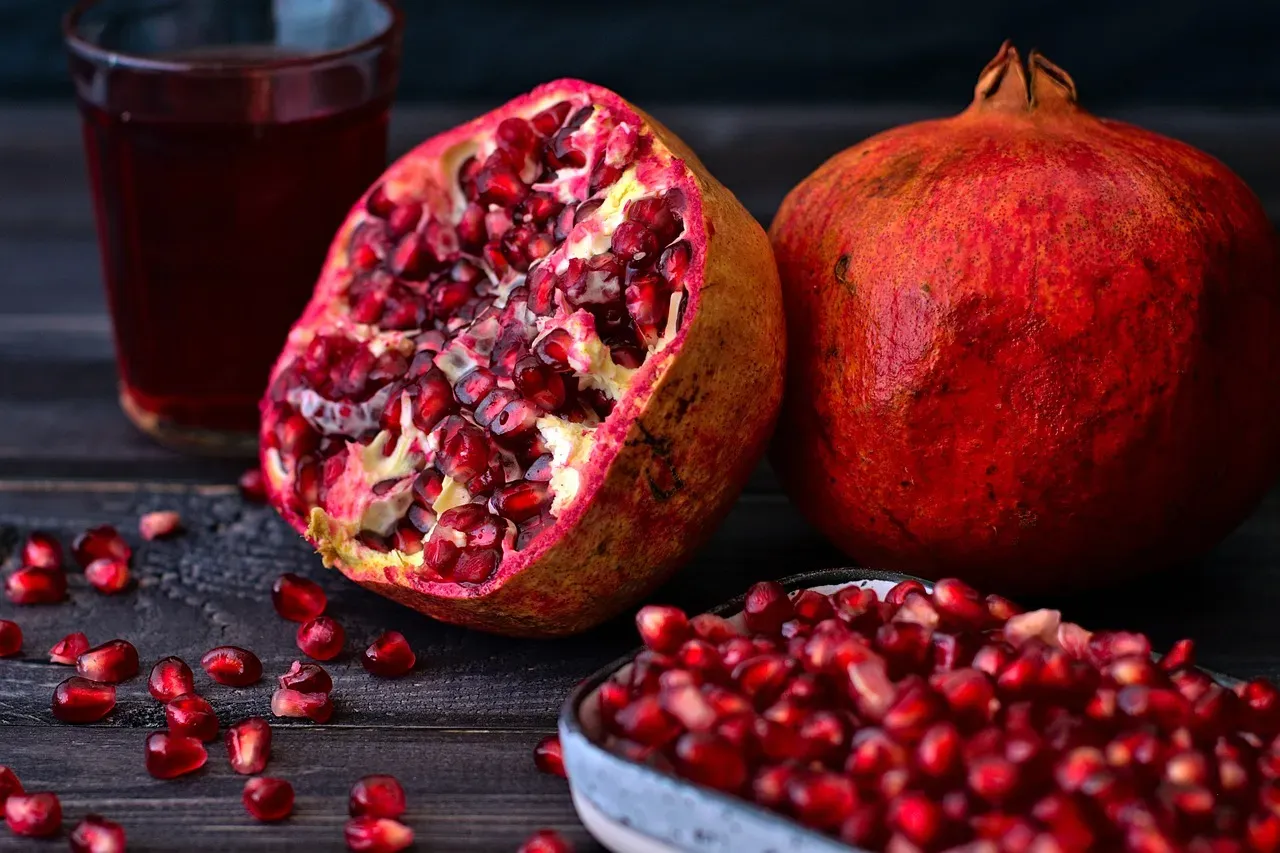
Pomegranate juice has this rich, slightly tart flavor that makes it stand out from other fruit juices. A review of studies in Pharmacology Research found that drinking pomegranate juice reduced both systolic and diastolic blood pressure, and the evidence suggests it may be prudent to include this fruit juice in a heart-healthy diet. The polyphenols and antioxidants in pomegranate appear to have protective effects on the cardiovascular system, particularly on blood vessel function. Around one and a half cups daily seems to provide meaningful benefits.
Dark Chocolate Provides Flavanol Richness

Foods that lower blood pressure and taste great? Dark chocolate is at the top of the list, rich in antioxidants called flavanols, which make blood vessels more elastic and have been shown in numerous studies to lower blood pressure and improve blood flow to the heart. Stick to an ounce of dark chocolate per day, and make sure it contains at least 70 per cent cocoa. A study in the Journal of the American Heart Association found that combining dark chocolate with almonds may reduce the risk of heart disease. The key here is moderation and choosing quality over quantity.