
Table of Contents
The Thursday Delivery Schedule That Haunts Monday Diners

Here’s something you probably didn’t know: chefs order seafood on Thursday night to sell over the weekend, when the restaurant is busiest. That beautiful salmon special advertised on Monday evening? There’s a decent chance it’s been sitting around since Friday morning. However, if the order isn’t used up over the weekend, the fish that diners get with their Monday meal is left over from that original Thursday order. Think about it. Four days is a long time for something as delicate as fish.
Most restaurants aim to move through their weekend seafood stock efficiently. The chef’s goal is to complete that entire seafood order by Sunday night, since there are no weekend fish deliveries. When they fall short of that goal, Monday becomes cleanup day.
Why Refrigeration Standards Aren’t What You Think
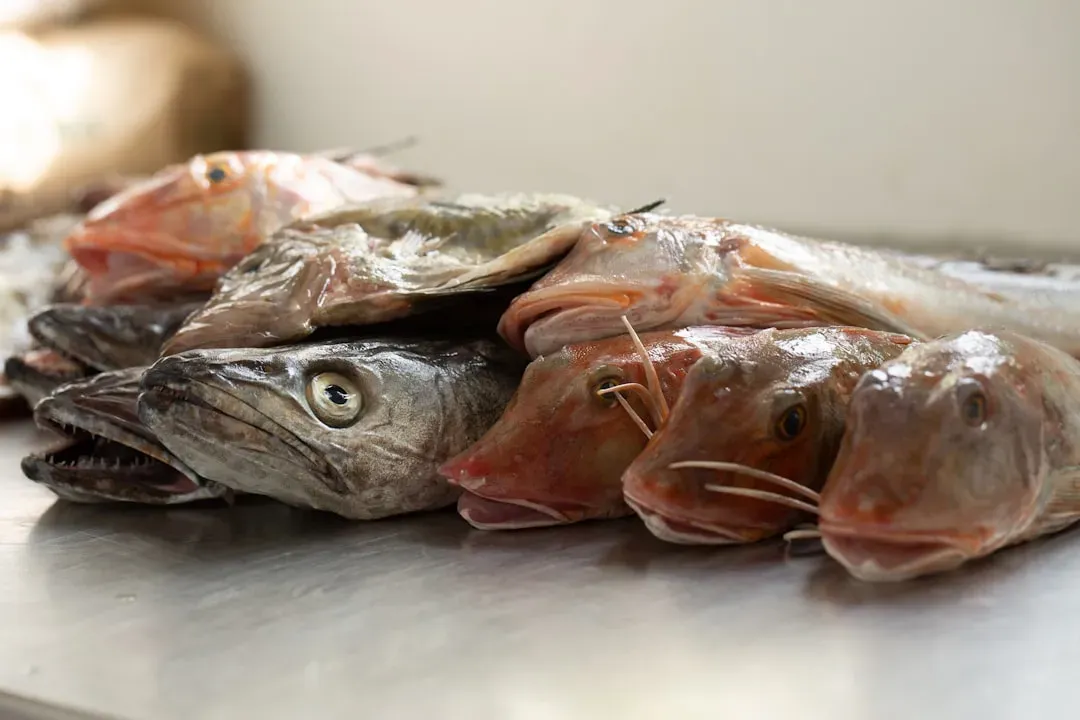
Let’s be real about what happens in a busy kitchen. When a kitchen is in full swing, proper refrigeration is almost nonexistent, with cooks constantly opening and closing the refrigerator door to access other items. Temperature fluctuations can seriously mess with fish quality. Fresh seafood is incredibly temperamental, demanding consistent cold storage to maintain its integrity.
Fresh fish typically have a short shelf-life, even when stored carefully in appropriately cold conditions. A decrease in quality can occur in about two days, at which point you may notice the aroma and taste are slightly off, even if the fish is still safe to eat. That fishy smell everyone dreads? It’s a telltale sign of degradation.
The Monday Special Is Really a Leftover Special
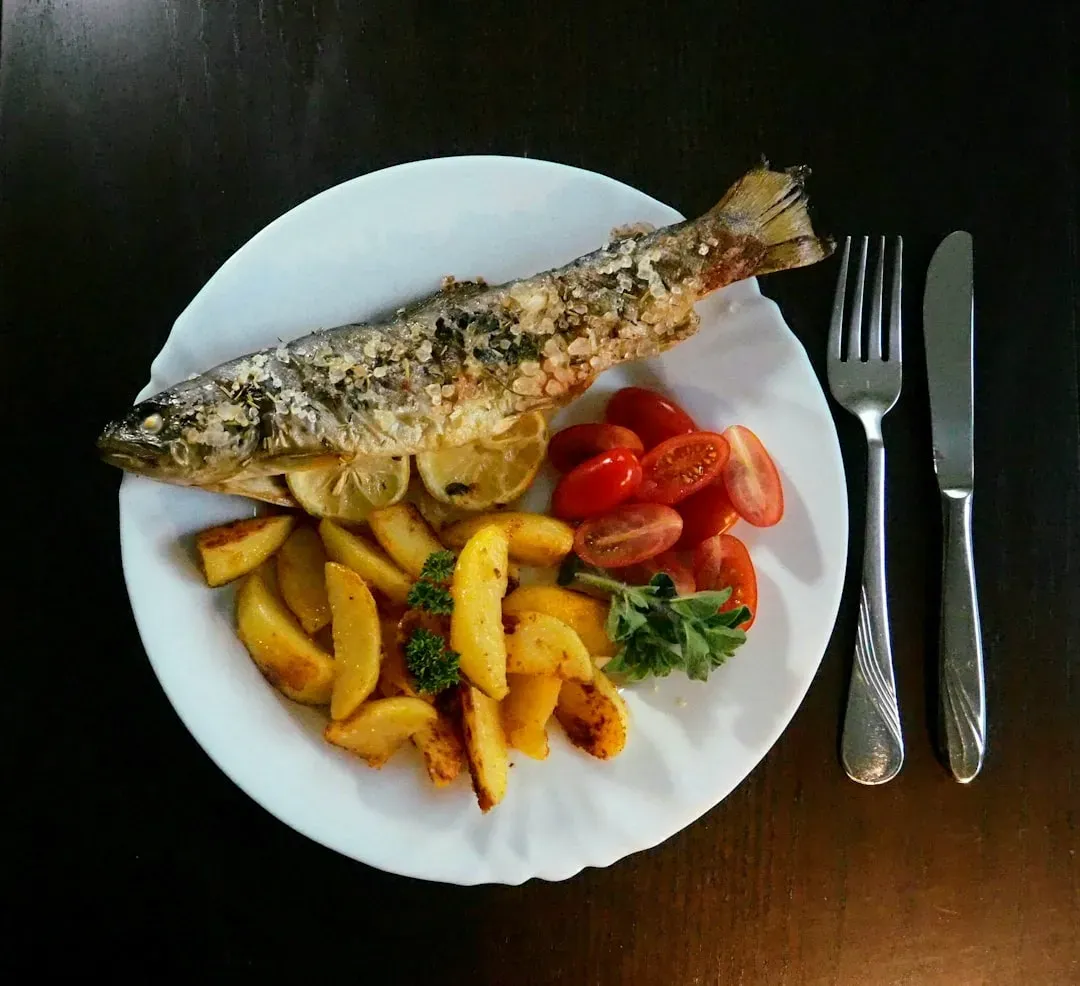
The No Fish on Mondays adage came from a time when most restaurants were closed on Sundays, meaning that any specials running on Monday were designed to move old product out before new deliveries arrived on Tuesday. Honestly, it makes perfect business sense from a restaurant’s perspective. Why throw away perfectly edible fish when you can dress it up with a fancy sauce and sell it as a special?
On Sundays and Mondays in particular, if you notice a promoted fish dish drowning in a heavy sauce, steer clear. The sauce may be a flavorful mask for the stronger fishy taste that seafood acquires as it ages. Heavy sauces aren’t always a red flag, but paired with a Monday fish special, they’re worth noticing.
What Food Safety Data Actually Reveals
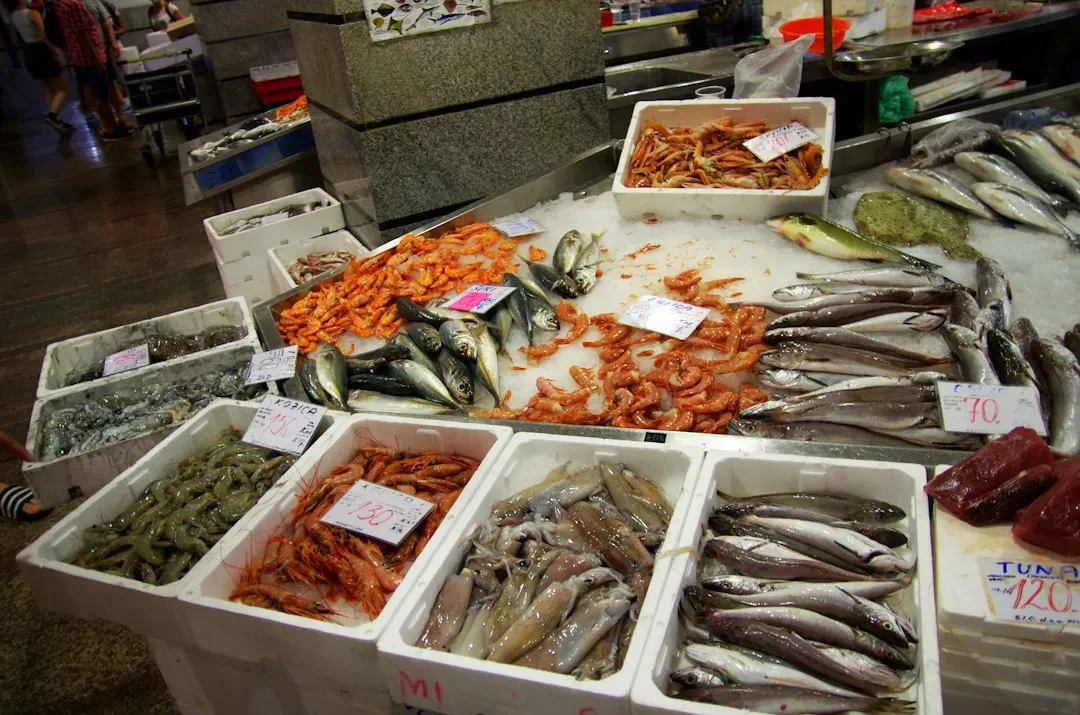
The numbers are sobering when you look at seafood-related illness. Seafood has been associated with numerous outbreaks of Salmonellosis, resulting in thousands of illnesses, hospitalizations, and deaths in the United States. That’s a staggering figure that doesn’t even account for unreported cases.
Fresh fish and seafood are highly perishable, and microbiological spoilage is one of the important factors that limit their shelf life and safety. Fresh seafood can be contaminated at any point from rearing or harvesting to processing to transport or due to cross-contamination by consumer mishandling at home. When fish sits around longer than it should, the risk multiplies. Seafood is associated with around 10% of foodborne illnesses in the United States.
When Vendors Dump Their Aging Stock
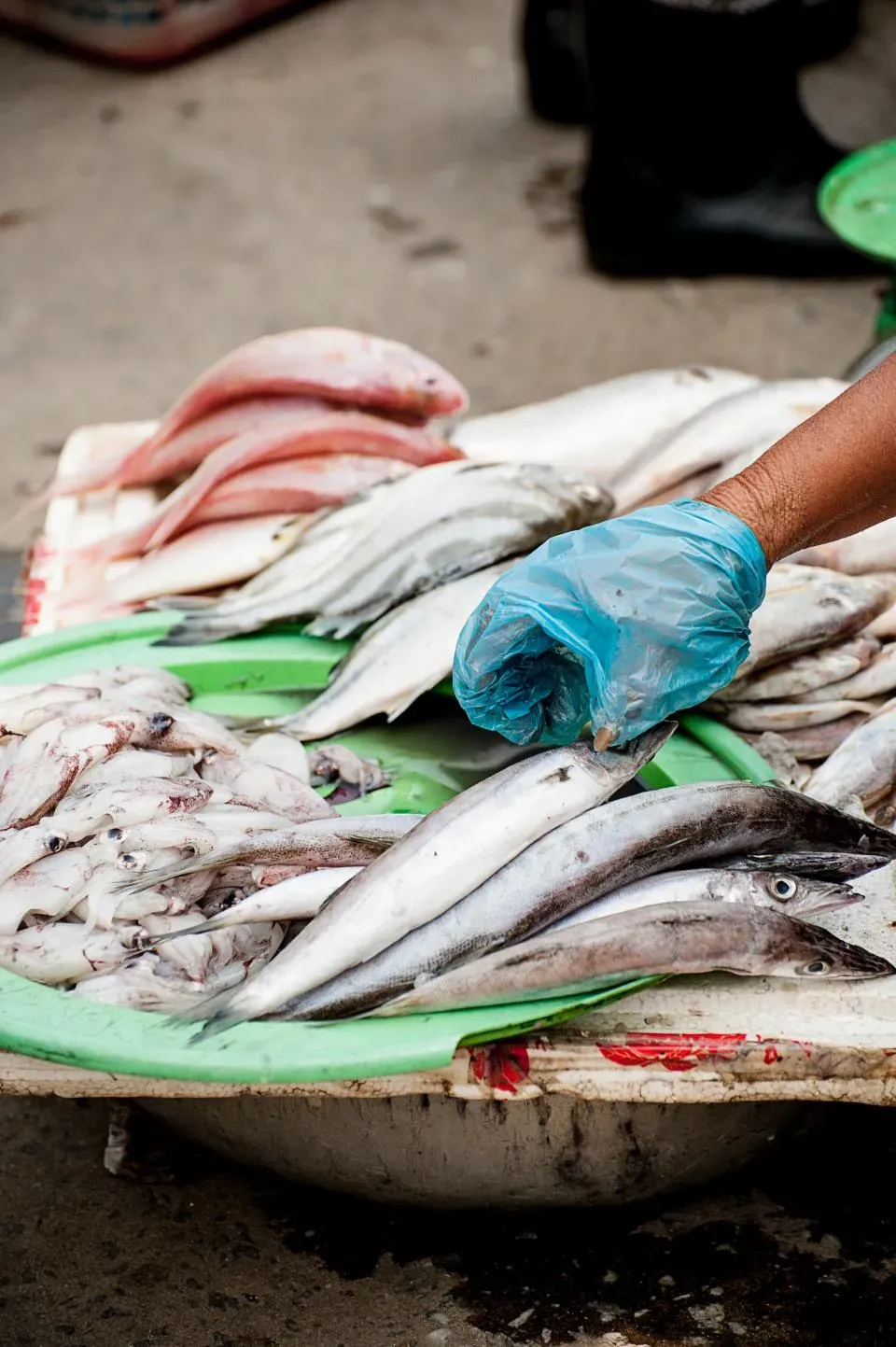
Even the deliveries from seafood vendors were less fresh on Mondays, as these vendors rid themselves of their older items. It’s a double whammy situation. Not only might restaurants be using up weekend leftovers, but the suppliers themselves are pushing out their older inventory on Monday mornings. The whole supply chain works against freshness at the start of the week.
I know it sounds crazy, but this is basic inventory management. Vendors want to clear out stock before midweek deliveries arrive. Restaurants operating on tight margins can’t afford to waste product.
Why Tuesday and Friday Are Your Best Bets
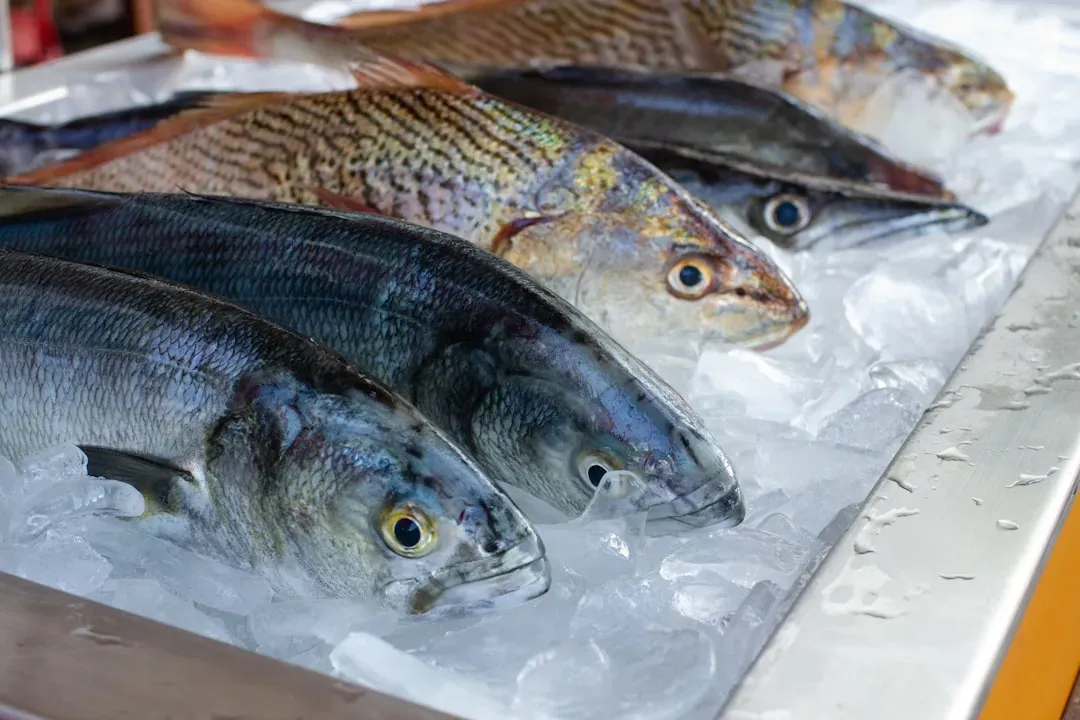
Many restaurants receive fish deliveries twice per week, which means you have the best chance at scoring a fresh catch when you order seafood dishes Tuesday through Friday. Tuesday makes sense because it represents the first major delivery day after the weekend rush. Friday delivers peak freshness ahead of the busy weekend dinner crowds.
Tuesdays and Fridays, according to industry insiders, are when the stock is freshest and any kinks in the recipes are worked out. Chefs are motivated to showcase their best work heading into high-volume service periods. The fish is fresher, the preparation is dialed in, and honestly, the kitchen staff is probably more energized early in the week.
The Rule Still Applies to Certain Restaurants
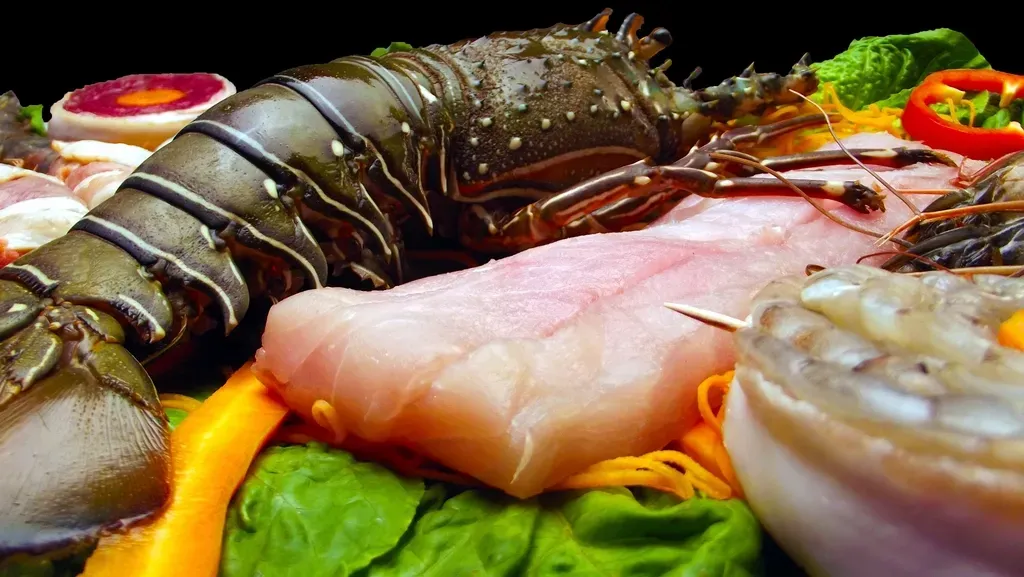
Now here’s the thing. Not all restaurants operate the same way. Today, restaurants are far more likely to be open on Sundays, and orders don’t necessarily come on a fixed day of the week anymore. Product availability is a seven-day-a-week world now. If a restaurant cares about a good product, they’re going to have good product no matter what day of the week it is. High-end seafood establishments with rapid turnover and direct sourcing relationships operate differently than your average chain restaurant.
Still, the cautionary tale holds water for lower-tier establishments. If you’re at a casual dining chain or a place where seafood isn’t the main focus, Monday fish is riskier. The higher the restaurant’s standards and turnover, the safer your Monday seafood becomes.
Why Modern Standards Have Improved
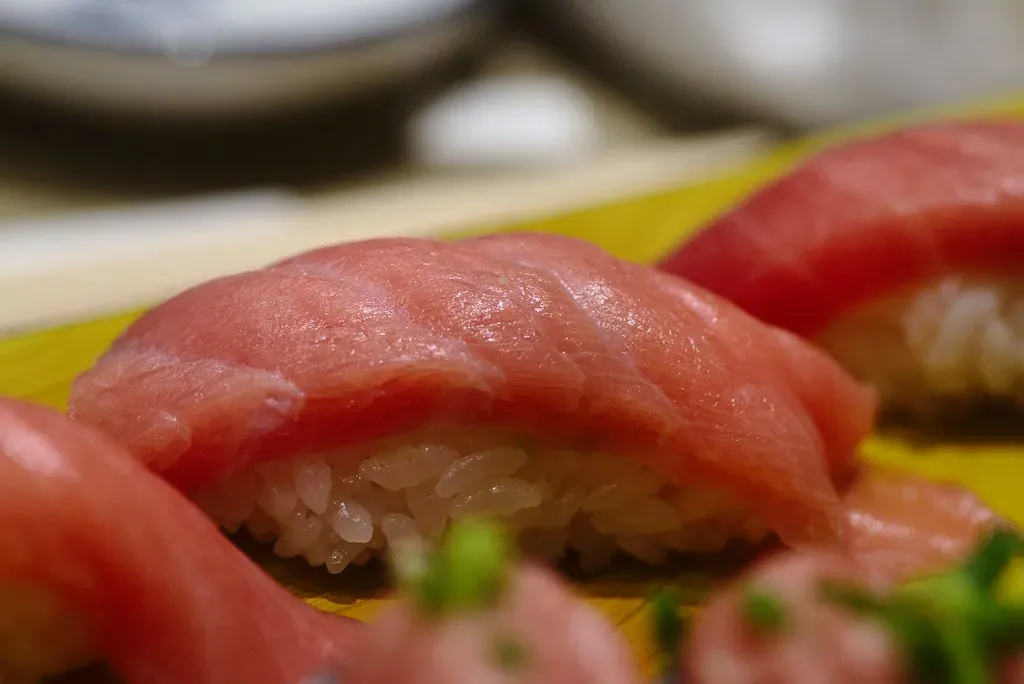
Things have gotten better since this advice first circulated. The restaurant landscape had transformed, and food standards had risen dramatically, with diners expecting much higher quality across the board. Consumer awareness about seafood quality has skyrocketed, partly due to the explosion of sushi culture in America.
We have higher standards, we know more about food, we expect more of our food, particularly fish. Everybody eats sushi now. That was a really important point in the development of American gastronomy, because consumers learned to identify and appreciate high-quality fish. Restaurants can’t get away with serving mediocre seafood like they once could. Diners know what fresh fish should look, smell, and taste like.
How to Protect Yourself When Ordering Fish

Trust your instincts and your senses. Fish should smell fresh and mild, not fishy, sour, or ammonia-like. A fish’s eyes should be clear and shiny. Whole fish should have firm flesh and red gills with no odor. If something seems off, send it back without hesitation.
Pay attention to the restaurant’s overall quality and reputation. You have to trust the restaurant you’re going to. If they have lousy waitstaff, lousy busboys, lousy this, their food is probably lousy, too. A restaurant that cuts corners in visible areas likely cuts corners in the kitchen. Choose establishments known for seafood excellence, especially if you’re dining on a Monday. Ask your server when the fish was delivered. A reputable restaurant will have that answer ready.
The Monday fish rule isn’t absolute anymore, but it remains a useful guideline depending on where you’re eating. High-volume seafood restaurants with daily deliveries and rigorous standards can safely serve excellent fish any day of the week. For everyone else, though, Tuesday through Friday remains the sweet spot for maximum freshness. What’s your take on this? Have you ever had a questionable Monday fish experience?