
Picture this. You’re standing in your grandmother’s kitchen back in 1965, watching her prepare dinner without batting an eye at practices that would make any modern health inspector shudder. Kitchen habits in the 1960s reflected a time when food safety research was limited, regulations were minimal, and home cooking relied heavily on tradition, with many practices that felt normal back then now considered unsafe due to what we know about bacteria, contamination, and proper handling.
The truth is, what seemed perfectly normal back then would get you in serious trouble today. From temperature control to handwashing practices, the kitchen standards of the 1960s were shockingly lax compared to what we follow now. Let’s dive into four common kitchen habits from that era that would never fly in 2025.
Table of Contents
Leaving Raw Meat on the Counter for Hours
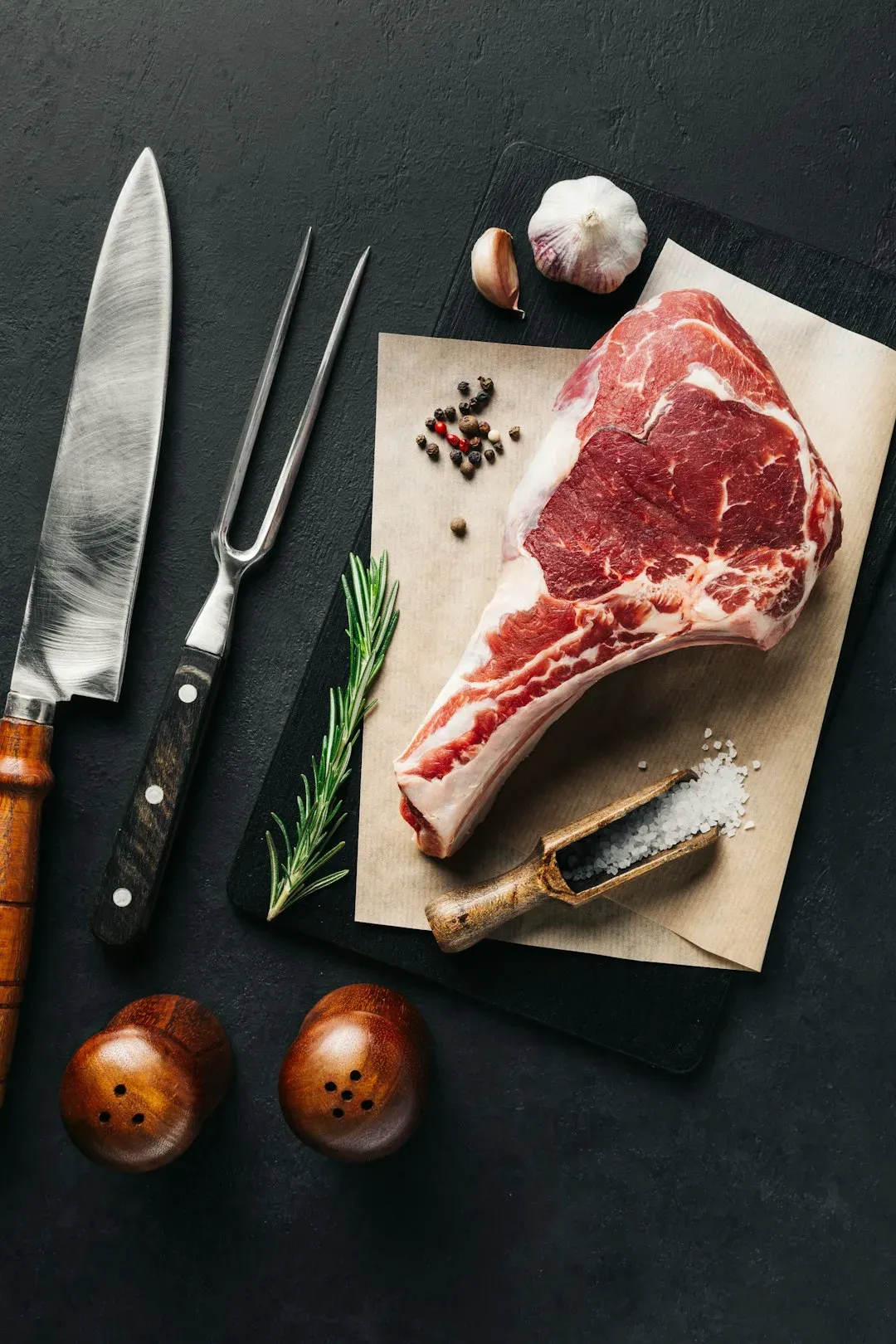
One of the most common kitchen practices of the 1960s involved leaving raw meat on the counter for extended periods to “take the chill off” or “settle” before cooking, a habit that developed during a time when foodborne illness was less understood, refrigerators were less efficient, and home cooks relied on traditional methods passed down through families. It was just what everyone did. Your mother did it, her mother did it, and nobody really questioned whether it was safe.
Today, we know that harmful bacteria multiply rapidly between 40°F and 140°F, turning hours at room temperature into a high-risk situation, and modern food safety guidelines emphasize the importance of strict temperature control and immediate refrigeration for raw proteins. The science is clear. What once seemed like a harmless kitchen routine is now understood to be a fast track to food poisoning.
Using One Cutting Board for Everything
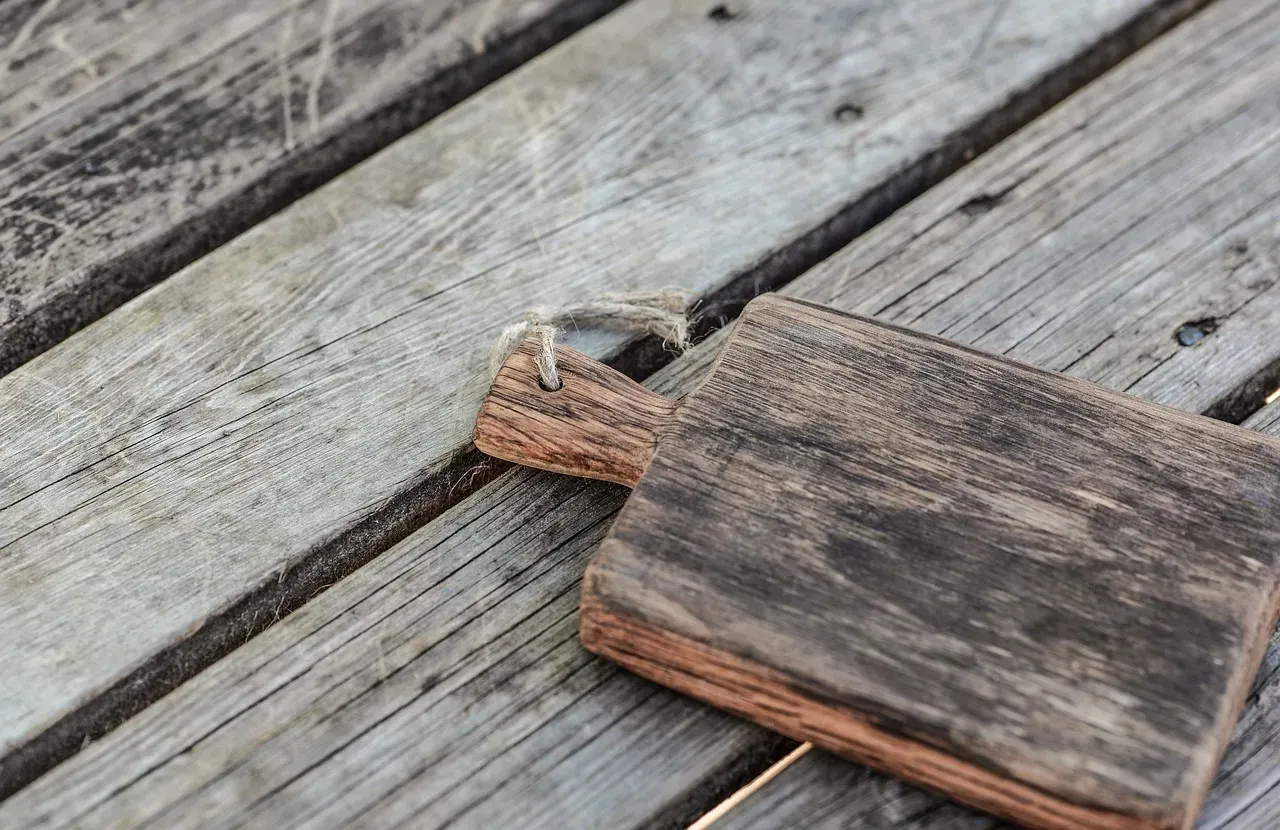
In the 1960s, many households used a single wooden cutting board for nearly every task in the kitchen, and it was common to chop raw meat, wipe the board with a cloth, and then slice bread or vegetables on the same surface, because cross-contamination was not a widely understood concept. Nobody thought twice about it. The board got a quick wipe, maybe a rinse, and you moved on to chopping vegetables for the salad.
Today, this behavior would violate basic hygiene protocols because raw meat carries pathogens that can transfer to foods eaten without further cooking, and modern regulations require proper sanitization between tasks, separate cutting boards, and strict prevention of contact between raw and ready-to-eat items. Modern kitchens can use up to seven different types of color-coded cutting boards and kitchen knives for different foods to avoid cross-contamination, while back in the ’70s, you’d be lucky if a restaurant had two separate boards for raw meat and “everything else.”
Skipping Hand Washing Between Tasks
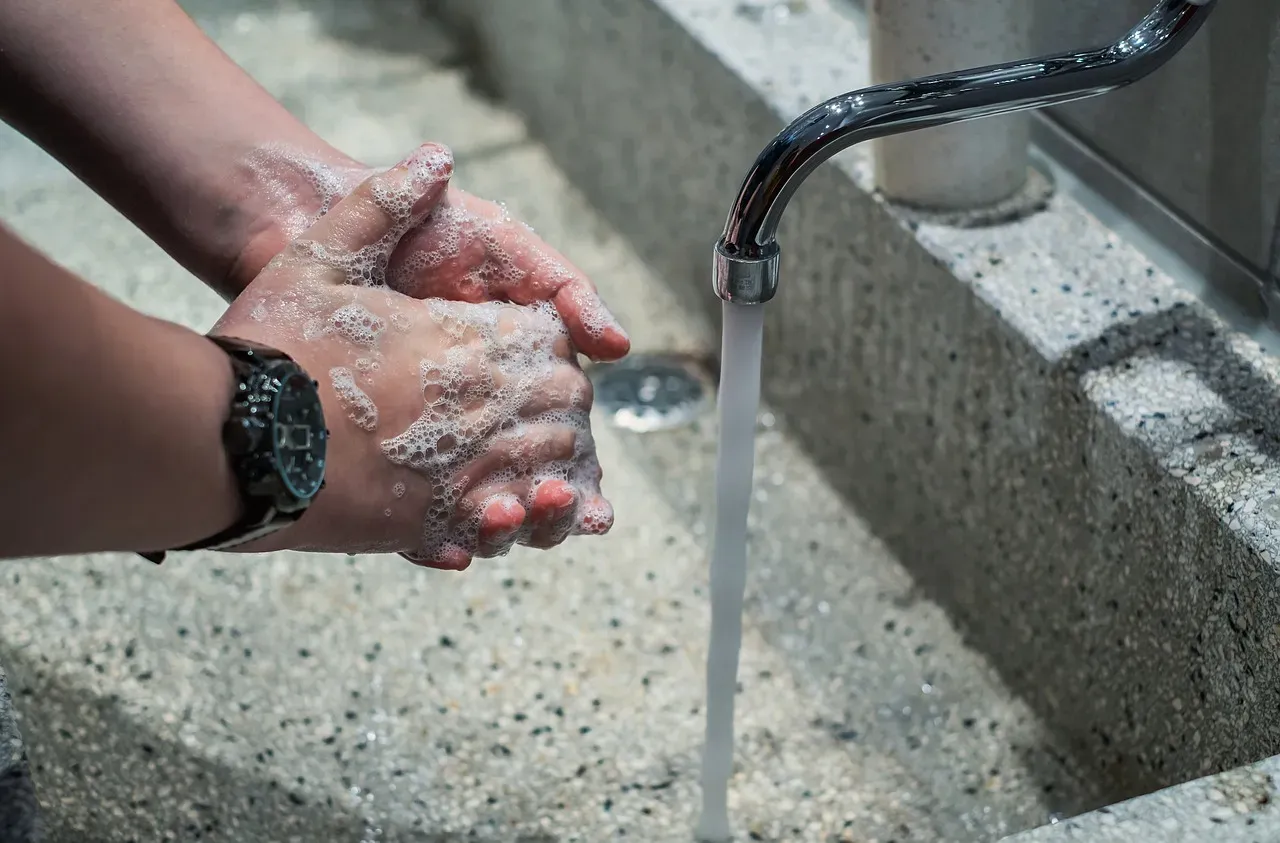
Hand washing was far less emphasized in the 1960s, and many home cooks moved directly from shaping ground beef or seasoning raw chicken to preparing salads or sandwiches without stopping to wash thoroughly, because at the time, the link between unwashed hands and foodborne illness was not clearly understood outside scientific circles. People just didn’t make the connection. Germs weren’t visible, so they didn’t seem real.
Today, strict hygiene expectations are embedded in both home and commercial food environments, with modern standards requiring washing with soap and warm water for at least 20 seconds after handling raw meat, poultry, or eggs. In a 2014 study, the Centers for Disease Control and Prevention examined three years of data and found that 70% of U.S. norovirus outbreaks could be traced back to food workers, with over 50% of those outbreaks resulting from improper hand-washing procedures. That’s a staggering number that proves we still have work to do, but at least the standards exist now.
Reusing Cooking Oil Indefinitely
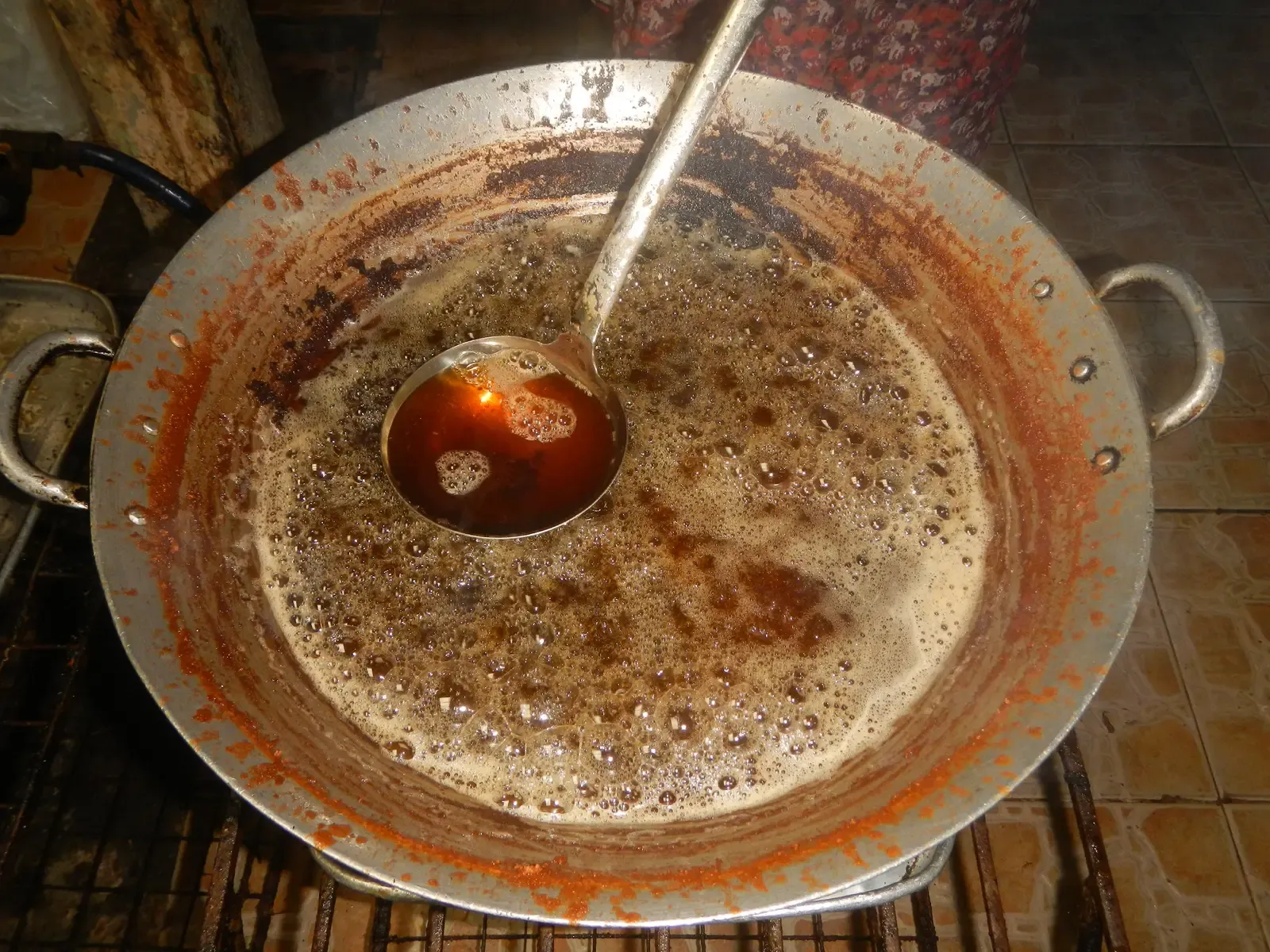
For many families in the 1960s, frying oil was a precious resource that was reused repeatedly until it became dark or foamy, with households often keeping a pot or coffee can filled with old oil near the stove, adding more only when the level dropped. It made sense from a frugality standpoint. Oil was expensive, and wasting it felt wrong to people who had lived through the Depression or wartime rationing.
While this practice made sense during periods of frugality, we now understand that oil breaks down with repeated heating, creating compounds that affect both flavor and health, because old oil can reach smoke points more easily, release harmful byproducts, and hold onto food particles that encourage bacterial growth, making what once symbolized thrift now violate standards for safe food preparation. The science has caught up with tradition, and it turns out that saving a few dollars on oil wasn’t worth the health risks after all.
Looking back at these habits feels almost surreal, doesn’t it? The 1960s marked the emergence of the scientific foundation for food safety and hygiene, with this era seeing the introduction of Hazard Analysis and Critical Control Points (HACCP) principles, initially developed by NASA to ensure food safety for astronauts. We’ve come a long way since then, with regulations and research that protect us from dangers our grandparents never even knew existed. What do you think your grandchildren will find shocking about our kitchen habits today?