
All-you-can-eat buffets once defined American dining culture. Families gathered around endless trays of comfort food, kids ran wild near the chocolate fountain, and the promise of unlimited refills made Sunday afternoons special. Yet something fundamental has shifted in recent years. Walk through any major city today and you’ll notice fewer buffet chains than a decade ago. Garden Fresh Restaurants, the company behind popular buffet chains Souplantation and Sweet Tomatoes, permanently closed all restaurant locations in 2020, with parent company Garden Fresh Restaurants subsequently filing for bankruptcy, opting to liquidate all of the sister chains’ 97 locations.
The decline isn’t just about one pandemic hitting pause on shared serving spoons. It’s deeper than that, honestly. As of 2023, there are only around 80 Sizzler locations, the majority of which stand in Sizzler’s birth state of California. This represents a massive contraction for what was once a dining empire. The buffet model itself faces existential questions about sustainability, profitability, and relevance in 2025. So let’s dig into what’s really happening behind those sneeze guards.
Waste Mountains That Can’t Be Ignored
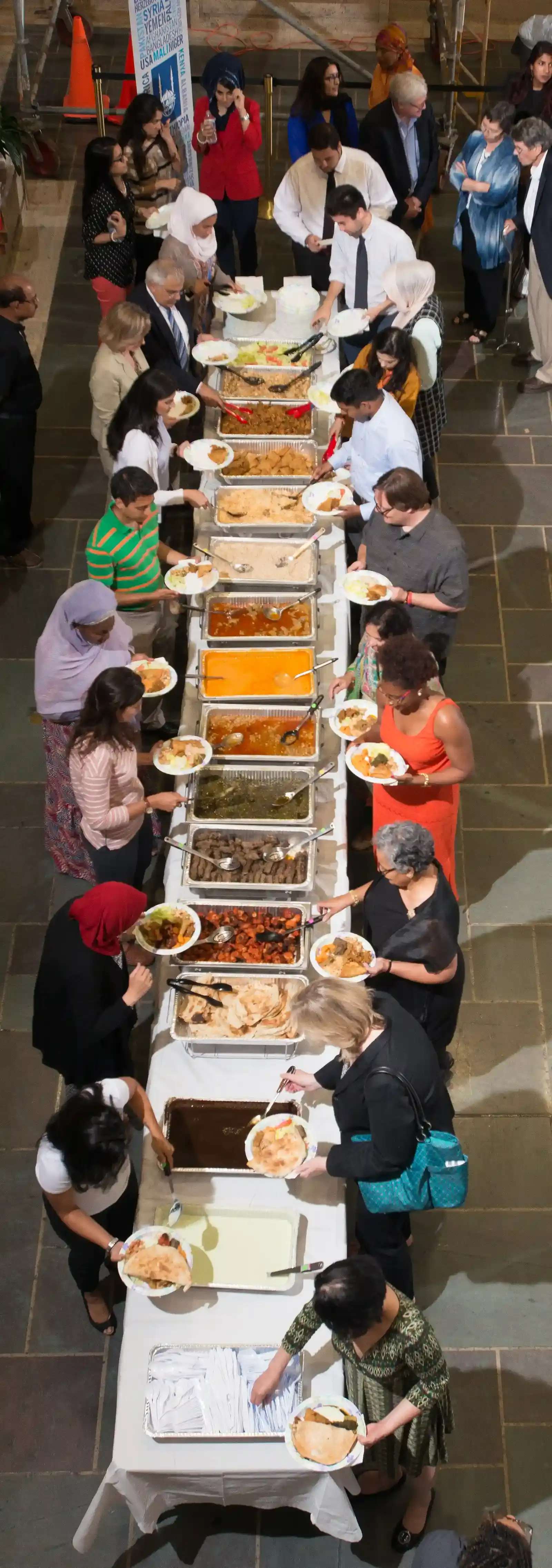
All-you-can-eat buffets generate more food waste than any other restaurant format and bring in $8 billion annually in the U.S., with over 70% of this waste being plate waste – food diners serve themselves but leave uneaten. Think about that for a second. Nearly three-quarters of buffet waste comes from customers’ eyes being bigger than their stomachs. Since excess food can not be reused or donated according to food regulations, all you can eat buffets are forced to throw a lot of food out as well as keep extra food on hand to meet demand which makes these types of restaurants as one of the highest food waster in the industry.
This creates a brutal economic reality. According to food industry waste statistics from RTS, restaurants spend around $162 billion yearly on waste-related costs, not just the food itself, but also the packaging, despite efforts to invest in more eco-friendly packaging. Buffets can’t operate lean when they must constantly replenish trays to maintain that abundant appearance customers expect. The business model demands overproduction.
The Pandemic Changed Everything
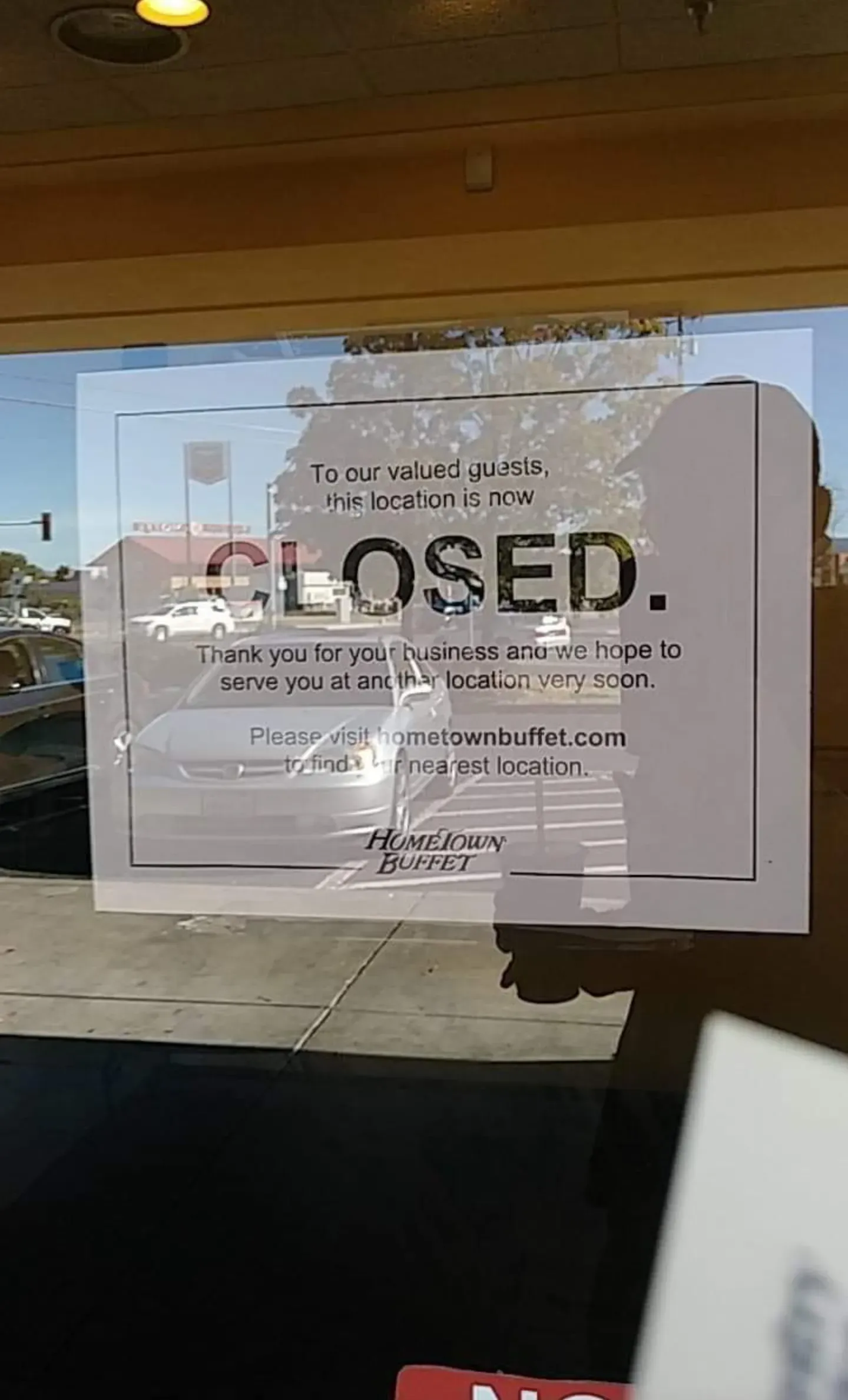
Golden Corral currently operates 305 restaurants, down from 490 it was operating prior to 2020. That’s nearly a forty percent drop for one of America’s most recognizable buffet brands. K&W cafeteria buffet declared bankruptcy in September 2020, and loyal patrons have far fewer locations where they can chow down on Southern comfort staples, with the chain’s website showing six open locations, a stark decline from the 28 that K&W had before the pandemic.
The shared-serving model became radioactive overnight when health concerns dominated public consciousness. People weren’t ready to stand shoulder-to-shoulder at buffet lines or trust communal tongs. All 13 Country Cookin’ locations closed permanently in late 2020, with company officials attributing the decision to rising food and operational costs even once restaurants had reopened from their initial COVID-19 shutdowns. Some chains tried pivoting to cafeteria-style service with staff serving food, yet that eliminated the core appeal while adding labor costs.
Food Costs Spiraling Out of Control
In the last 5 years, food and labor costs for the average restaurant have each gone up 35%. This inflation hits buffets particularly hard because their pricing model locks them into fixed customer costs while ingredient expenses fluctuate wildly. In June, food costs overall were up about 21% compared to the same month four years earlier, according to the Producer Price Index, which tracks the prices that businesses, including restaurants, pay their suppliers.
Buffet operators face an impossible calculation. They must price their all-you-can-eat offering low enough to attract customers yet high enough to cover skyrocketing beef, chicken, and produce costs. Restaurant owners generally try to keep menu prices as low as possible – making an average of 3-5% pre-tax margin. Buffets operate on even thinner margins when customers can literally eat their profits. One particularly hungry family can wipe out the profitability of an entire seating.
Labor Shortages Making Service Impossible
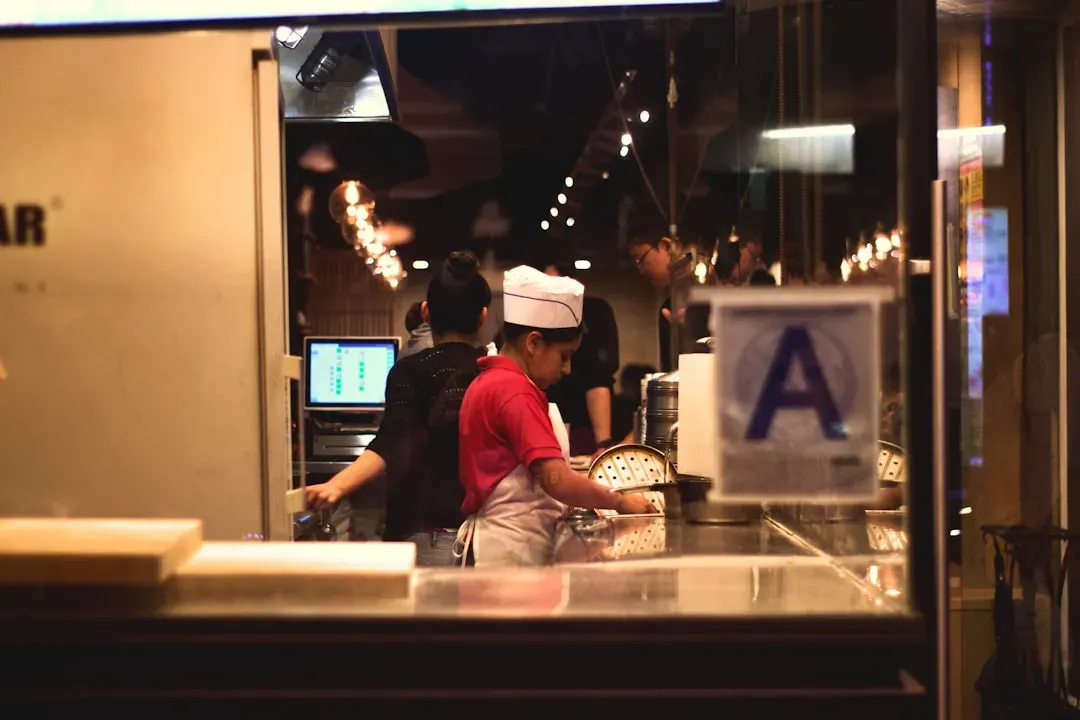
The restaurant industry currently needs about 200,000 more workers to meet demand, creating fierce competition for staff. Buffets require substantial labor for constant food preparation, monitoring, and replenishment. The cost of labor has risen significantly in recent years, adding to the overall cost of running a restaurant, with restaurant operators expecting up to a 5% increase in labor costs in 2024 alone.
About 70 employees at Golden Corral in Twin Falls were given zero notice about the news of closure, and a former employee said they found out via text. These abrupt shutdowns reveal the financial desperation many buffet operators face. When you can’t staff adequately, food quality suffers, customer complaints rise, and the downward spiral accelerates. Buffets need more kitchen staff than traditional restaurants because they’re essentially running multiple restaurant concepts under one roof.
The Pizza Buffet Collapse
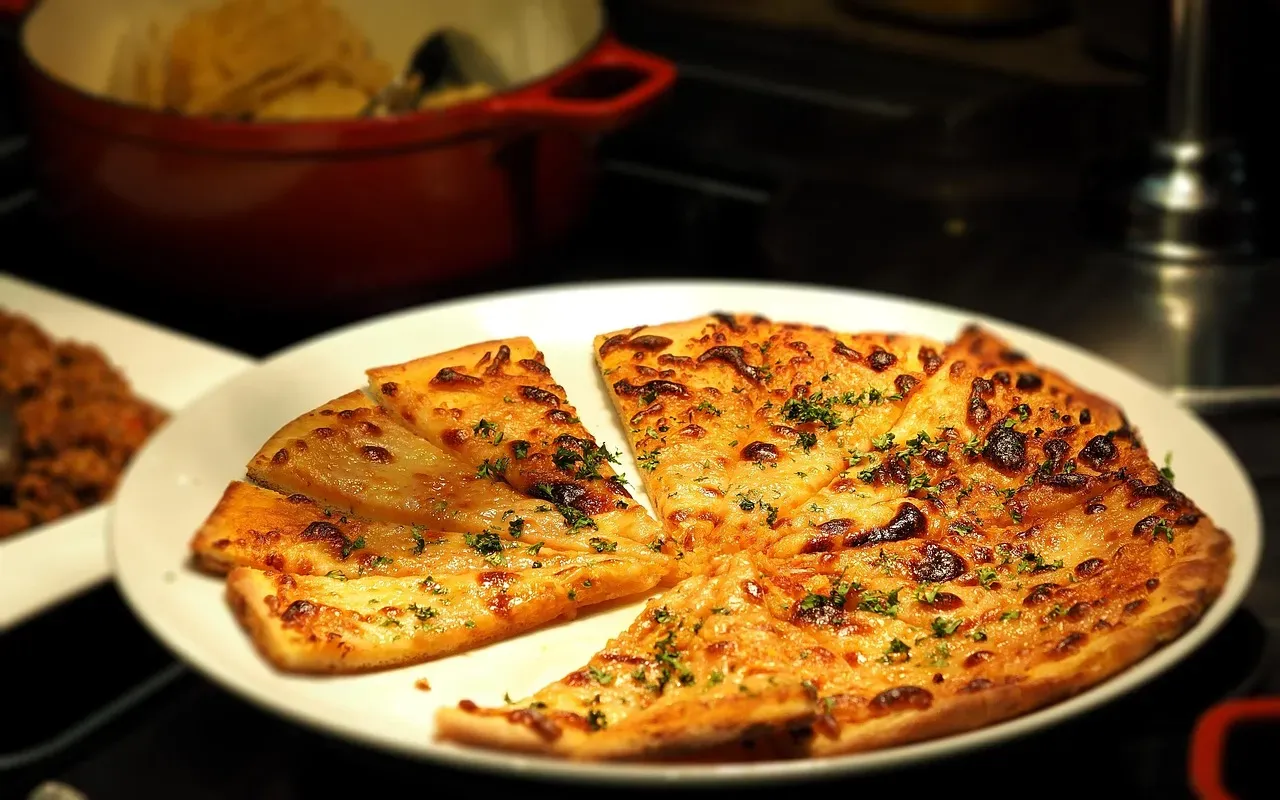
You may not think “buffet” when you think Pizza Hut, and that’s exactly what the company wants, as Pizza Hut’s dine-in restaurants, most of which feature menu service and an all-you-can eat buffet, used to be the cornerstone of the chain, but they’re quickly fading into oblivion. Hundreds of dine-in Pizza Huts closed from 2019 through 2020, continuing a renewed focus on takeout and delivery.
The pizza buffet represented an entire dining era that no longer fits consumer behavior. Why sit in a restaurant for an hour when you can get delivery in twenty minutes? In 2024, the pizza segment struggled significantly, with Technomic’s Top 500 Restaurants data showing 61% of pizza chains experienced declining sales, with only one pizza brand – Fort Worth-based pizza buffet chain, Mr. Gatti’s Pizza – managing to achieve double-digit growth. The exception proves how challenging this space has become.
Changing Customer Expectations

A CivicScience study from June 2024 found that 57% of consumers were dining in more often, up from 51% in 2019, likely as a way to save money, with more than one-third of people reallocating their dining-out budgets to spend more at the grocery store. Customers increasingly view restaurant meals through a value calculation that buffets struggle to win.
Modern diners prioritize quality over quantity more than previous generations. They want Instagram-worthy presentations, locally-sourced ingredients, and customized meals. Buffets offer the opposite: mass-produced food sitting under heat lamps, zero customization, and absolutely nothing photogenic about a crowded buffet line. Younger consumers especially gravitate toward fast-casual concepts with fresh ingredients and transparent preparation. The buffet aesthetic feels dated, reminiscent of a different era’s eating habits.
A Few Survivors Finding New Models
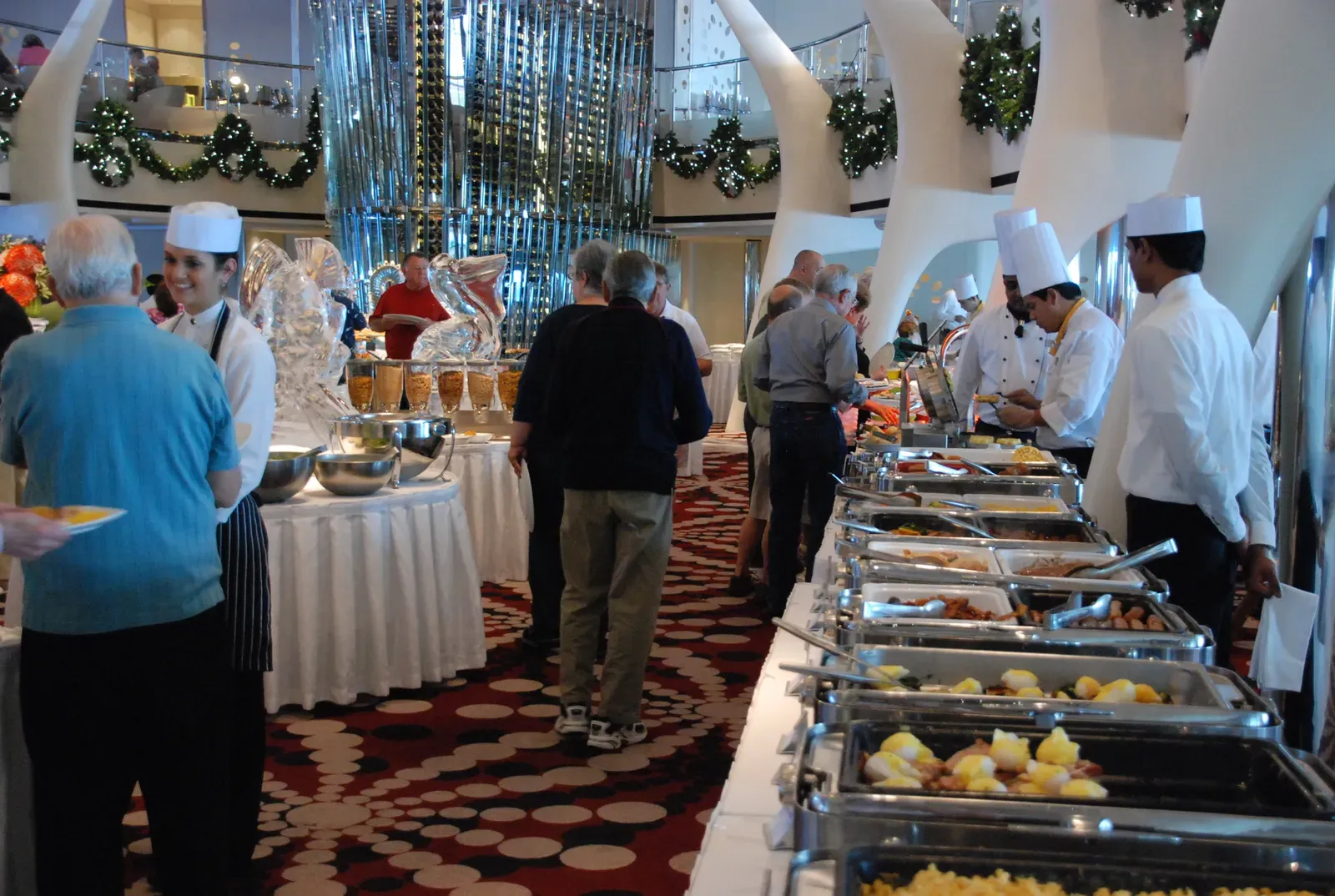
Combined visits to the country’s three biggest buffet chains – Golden Corral, Cicis and Pizza Ranch – were up 125% this spring, according to industry observer Placer.ai. Some buffet operators are actually thriving by adapting aggressively. According to IBISWorld, buffets were a $5.5 billion industry in 2022 – up 9% from 2021, with Golden Corral’s sales up 14% amid record inflation while at-home food prices rose more than 11% in the same period.
The survivors understand they’re selling value in an inflation-squeezed economy. If you’re really hungry and aren’t sure exactly what you want to eat, or you have a family unable to agree on which type of food to get for a meal, a buffet for under $15 or $20 per person seems like a godsend. Golden Corral is even planning expansion, betting that budget-conscious families will keep coming back. They’ve introduced technology, improved food quality, and modernized dining rooms.
High-End Buffets Thriving in Vegas

Interestingly, luxury buffets tell a completely different story. High-end options, like those in Las Vegas, are focused on luxury dining. These upscale buffets charge premium prices sometimes exceeding fifty dollars per person and offer chef stations, premium seafood, and extensive variety that justifies the cost.
The Vegas model works because it positions buffets as experiences rather than just meals. Customers expect abundance and quality simultaneously. These operations invest heavily in presentation, premium ingredients, and atmospheric dining rooms. They’re not competing on price but on the spectacle of endless culinary options. It’s a niche that insulates them from the struggles plaguing mid-tier chains. The bifurcation is striking: either go ultra-premium or ultra-budget, but the middle ground has largely collapsed.
Bankruptcy Wave Sweeping the Industry
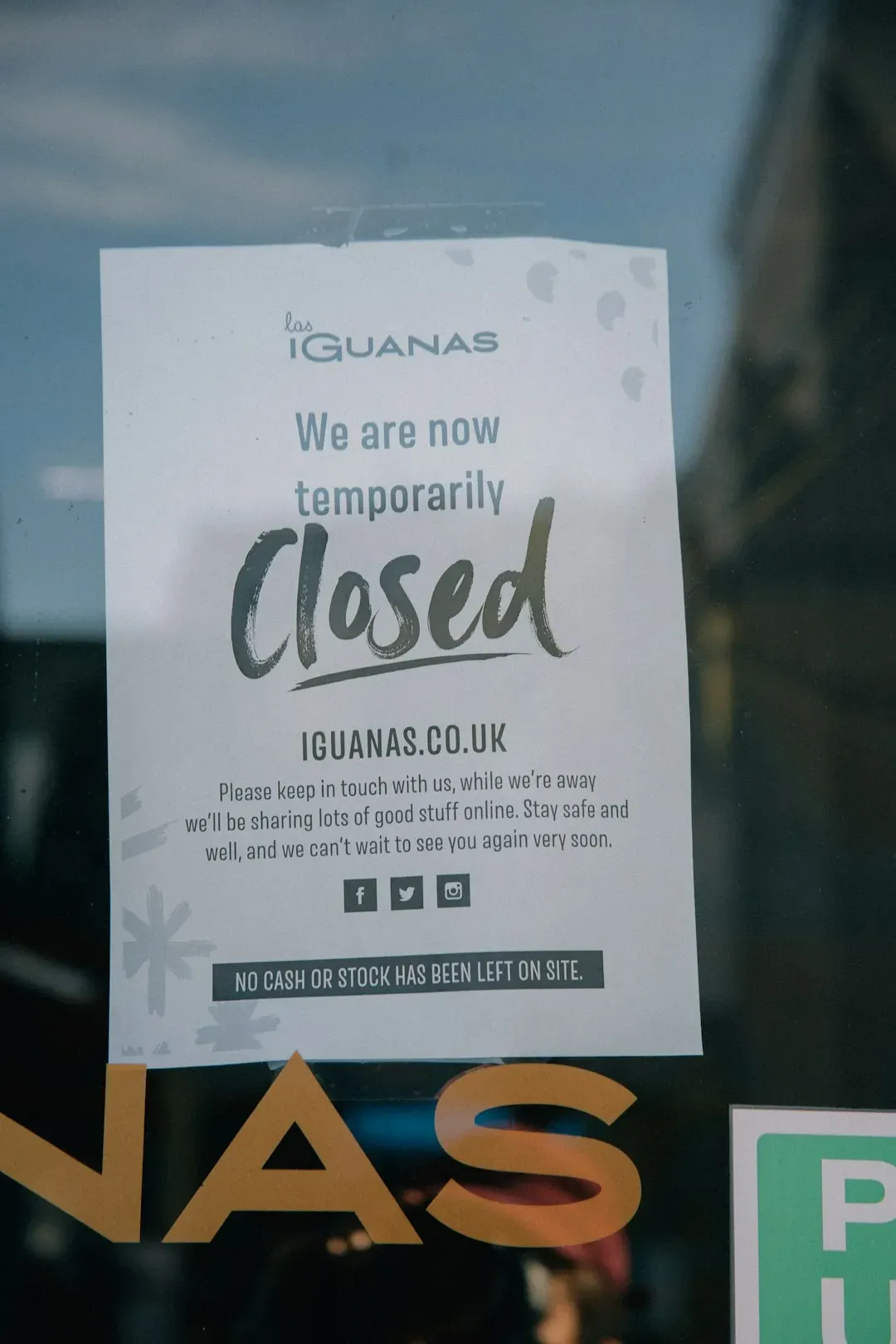
In 2021, Fresh Acquisitions, the parent company that owned Old Country Buffet, filed for bankruptcy. Old Country Buffet, at its peak with over 600 locations, has shuttered all its remaining stores, largely due to repeated bankruptcy filings. This represents the complete extinction of what was once a buffet powerhouse.
Platinum Corral, Golden Corral’s second-largest franchisee which operates stores in North Carolina and Virginia, recently declared bankruptcy, revealing it has permanently shut down 16 of its 28 restaurants, while the chain’s largest operator which had 33 restaurants across Florida and Georgia declared bankruptcy and reported a debt of $49.7 million. These aren’t small operators failing; these are major franchise groups collapsing under financial pressure. The bankruptcy contagion reveals systemic issues with the buffet business model in 2025’s economic environment.
The Future Looks Smaller and More Specialized
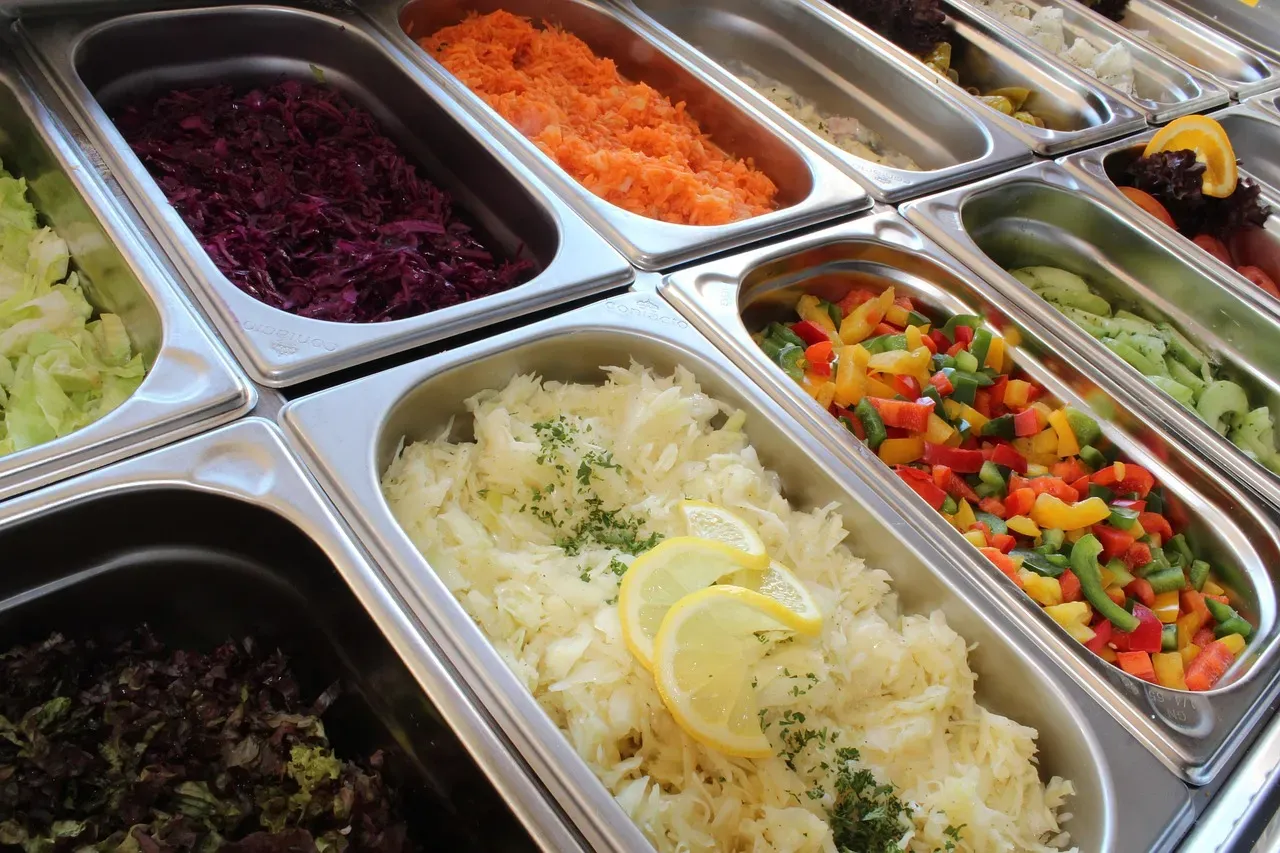
A renewed focus on health-conscious, allergy-friendly, and customizable meals is helping some buffet brands find their footing again, with reimagined self-serve setups and a family-friendly vibe, attracting fresh interest in 2025. The buffets that survive will look fundamentally different. They’ll be smaller, more focused, and likely supplemented with technology like order-ahead options and hybrid service models.
Pizza Inn has managed to spark new growth, with its “$8 buffet” promotion driving a 21% surge in same-store sales and more than 13% higher customer traffic – marking six straight quarters of double-digit gains for the decades-old chain. Value pricing combined with operational discipline can still work. The winning formula seems to involve aggressive cost control, strategic menu limitations, and pricing that clearly undercuts alternative dining options. Honestly, the buffet concept isn’t dying entirely; it’s transforming into something leaner and more purposeful than the excessive spreads of decades past.
The slow decline of all-you-can-eat buffets reflects broader shifts in American dining culture, economic pressures, and evolving consumer priorities. What once symbolized abundance and family togetherness now struggles against waste concerns, labor shortages, and razor-thin profit margins. Some buffets will endure by adapting, but the golden age of unlimited mashed potatoes and soft-serve ice cream seems definitively behind us. What do you think – will you miss the classic buffet experience, or has its time truly passed?