
Table of Contents
A Booming Market Worth Billions
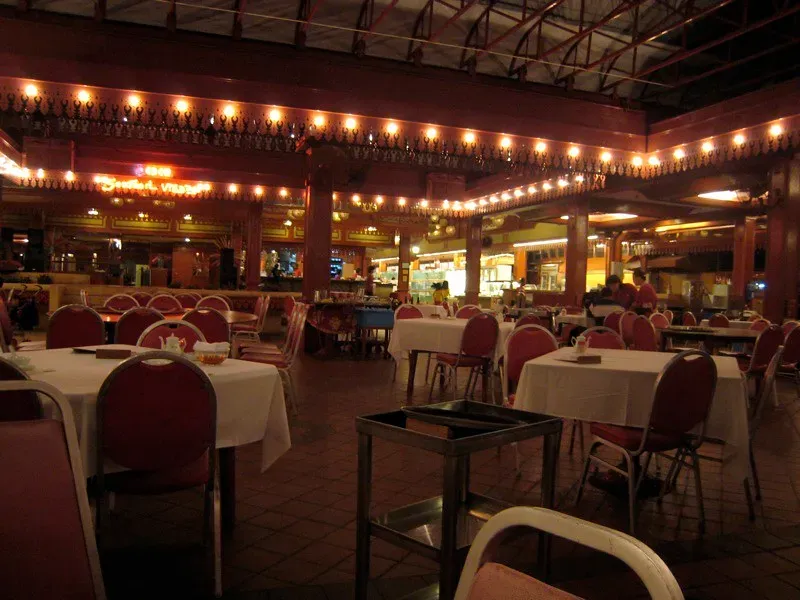
The market size of the Chinese Restaurants industry in the United States is $28.4bn in 2025. That’s not pocket change. As of 2023, the United States had around 37,000 Chinese restaurants, with businesses growing at a CAGR of 1.8% between 2020 and 2025. When you consider that number, it’s pretty clear American Chinese takeout has carved out serious economic territory. According to the Chinese American Restaurant Association, there are over 45,000 Chinese restaurants currently in operation across the United States, which is greater than all the McDonald’s, KFCs, Pizza Huts, Taco Bells and Wendy’s combined. Talk about ubiquitous.
The Historical Roots of Adaptation
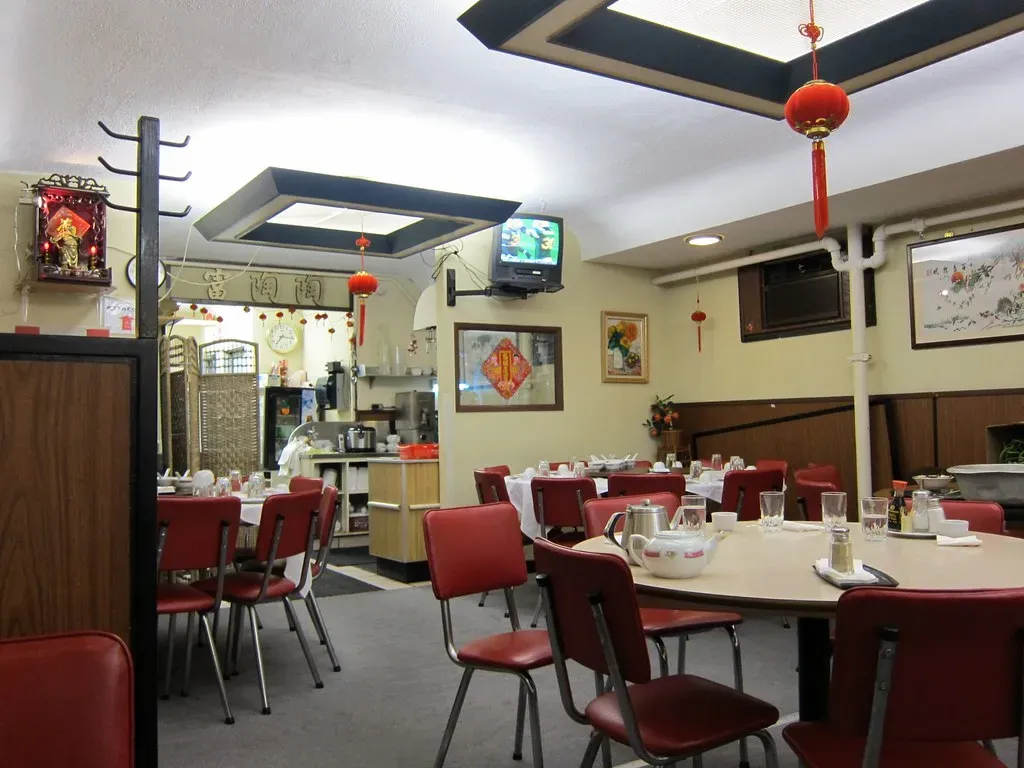
By 1850, there were five Chinese restaurants in San Francisco, and soon after, significant amounts of food were being imported from China to America’s west coast. The trend spread steadily eastward with the development of the American railways, particularly to New York City. These early establishments weren’t just serving food. They became cultural gathering places for Chinese immigrants who faced intense discrimination and isolation. Let’s be real, the road was anything but smooth for those early restaurant owners. American Chinese cuisine has its roots in the culinary traditions of Chinese immigrants from Guangdong province, particularly the Toisan (Taishan) district, the origin of most Chinese immigration before the closure of immigration in 1924, and these Chinese immigrants developed new cooking styles and used readily available ingredients.
Invention Born from Necessity
Many of the dishes that are commonly recognized as “Chinese food” were actually developed in America and bear little resemblance to traditional Chinese cuisine; examples include fortune cookies, crab rangoon, and General Tso’s chicken, none of which originated in China. Instead, these dishes were crafted to suit American palates, often characterized by sweetness, bold sauces, and deep-fried dishes. Honestly, this makes total sense when you think about survival and economic reality. In order to make Chinese food acceptable and liked in America, chefs made these dishes “sweeter, boneless, and more heavily deep-fried”: three defining characteristics of General Tso’s chicken. Americans fell in love with Chinese food not because of its gastronomic excellence, but because of its affordability and convenience.
Pioneering Takeout Culture
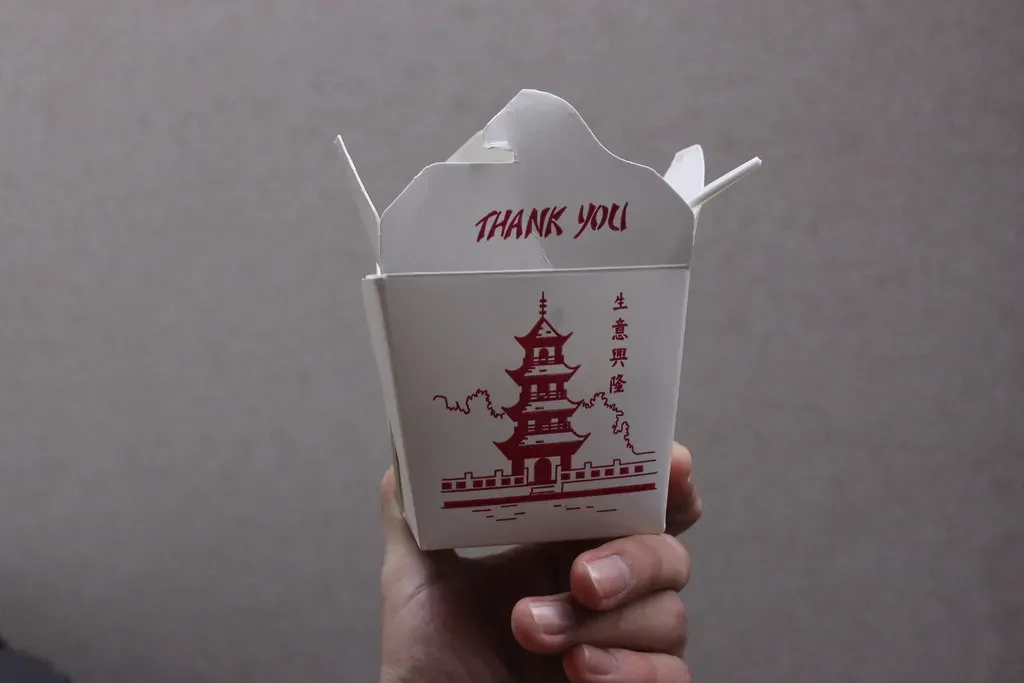
Chinese-American restaurants played a key role in ushering in the era of take-out and delivery food in the United States. In New York City, delivery was pioneered in the 1970s by Empire Szechuan Gourmet Franchise, which hired Taiwanese students studying at Columbia University to do the work. Before DoorDash and Uber Eats, there were Chinese restaurants making house calls. American Chinese food was a precursor to ubiquitous chain restaurants, democratizing the once-exclusive dining-out experience for working-class whites, African Americans and Jews. This wasn’t just food delivery. It was social access wrapped in wax paper containers.
Economic Lifeline for Immigrants
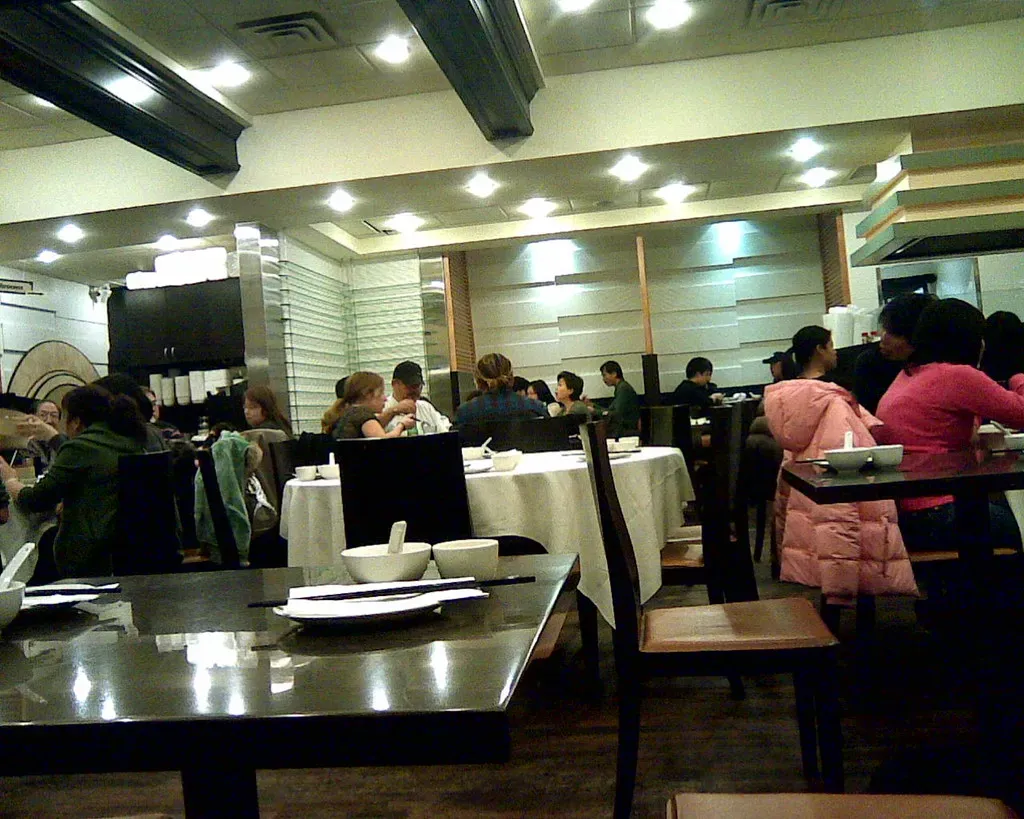
By running their own restaurants or eateries, first-generation Chinese immigrants reduced discrimination against them and gained sufficient income to send the next generations to universities or colleges. Think about that for a second. The restaurant industry became an economic engine that helped entire families climb into the middle class. The growth of the Chinese takeout market creates employment opportunities in various roles, including chefs, delivery personnel, customer service representatives, and kitchen staff, benefiting local economies and contributing to job creation. It’s hard to overstate how significant this pathway has been for immigrant communities over the past century and a half.
Cultural Bridge Between Two Worlds
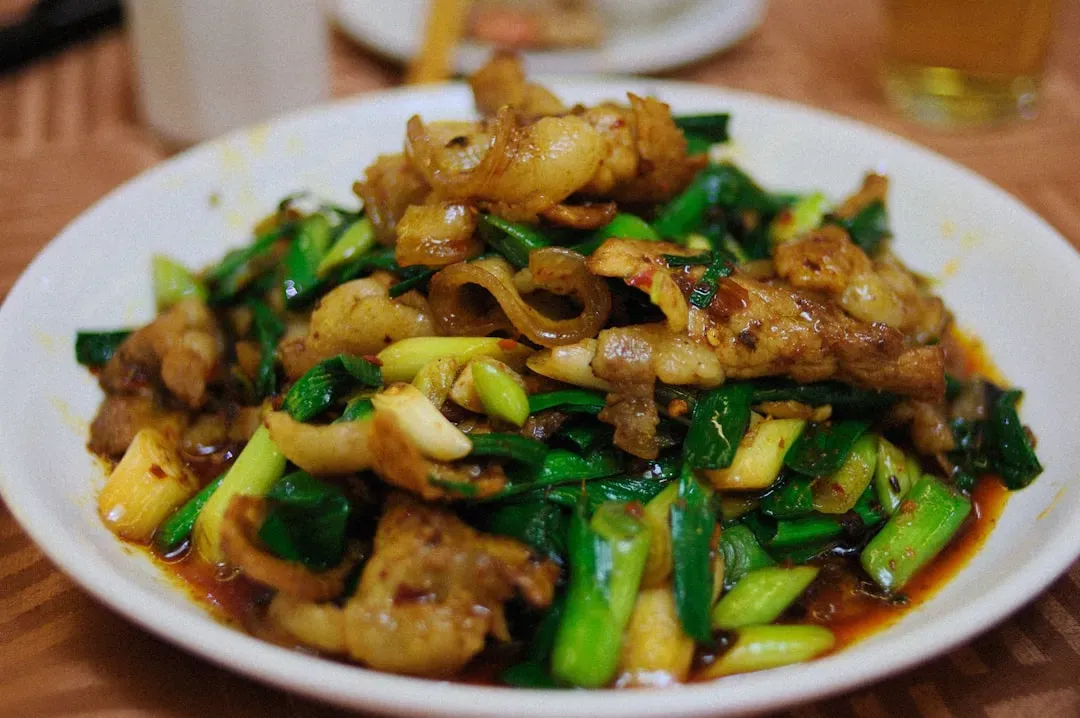
Chinese American cuisine provides an option for Americans to taste Chinese food that is adapted to both Chinese and American flavors, allowing people in America to learn more about Chinese traditional culture. During this process, Chinese Americans have developed a new cuisine which is different from traditional Chinese food, contributing to the food diversity in America. Here’s the thing: authenticity debates miss the point sometimes. Authenticity is about paying respects to the origins of the food, the culture of the food; food should be enjoyed by everyone, and American businesses serving Chinese food in New York City are very authentic as well. For Chinese Americans, American Chinese cuisine has already become part of their childhood memories and life, which also would be a bridge between Chinese and American cultural communications and interactions.
Regional Diversity and Innovation
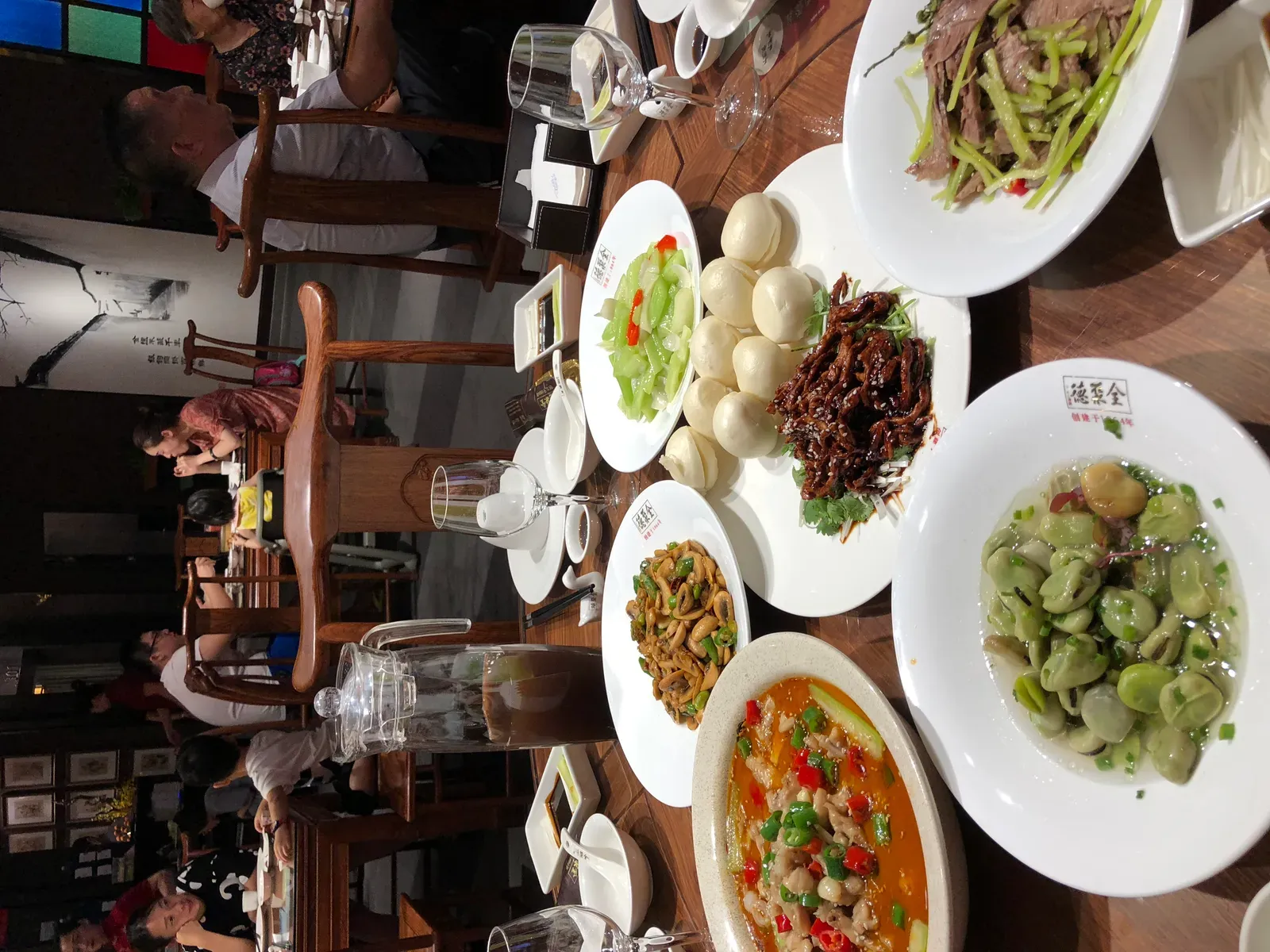
An influx of 419,373 Chinese in the U.S. between 1965 and 1984 brought a massive increase in regional cuisines from Sichuan, northern China, Peking, Hunan, and Shanghai seen in Chinese restaurants, which meant a diversification of menu options and an increase in the relative frequency of unique Chinese dishes. Nixon’s 1972 visit to China opened American palates in ways nobody expected. Not long after the peppercorn ban went into effect, Richard Nixon made his historic 1972 visit to China, and the trip sparked a new fascination with Chinese culture in the States. The American public was suddenly interested in trying Chinese cuisine beyond the westernized Cantonese food they knew, and Sichuan fare rose in popularity. It’s kind of wild how geopolitics can shape what you order for dinner.
Continued Growth and Future Outlook
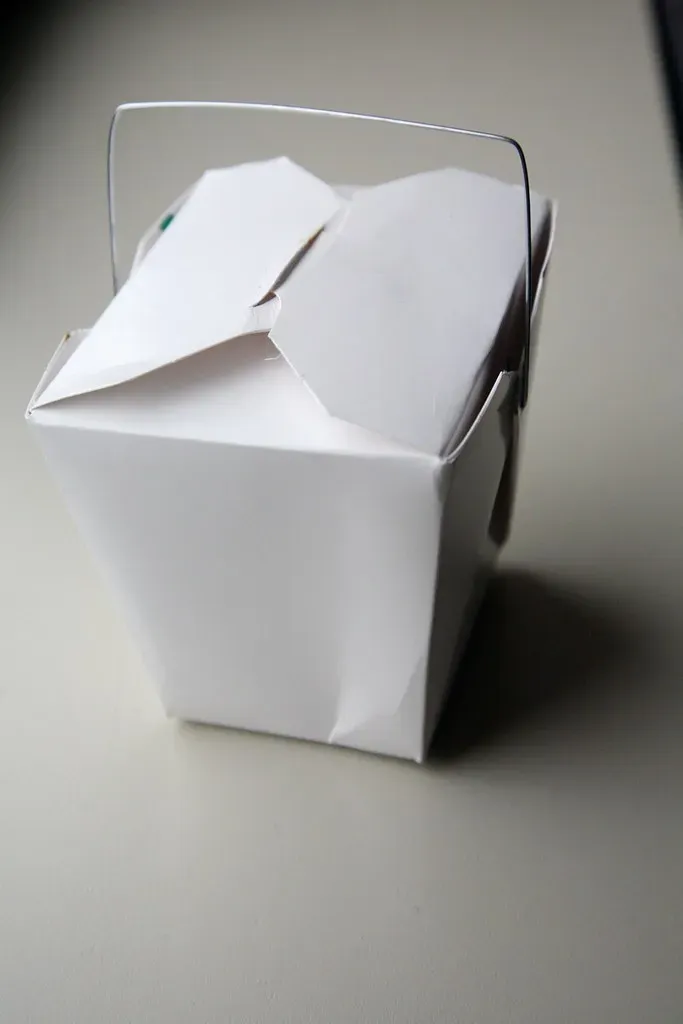
The chinese takeout market size is forecast to increase by USD 23.52 billion, at a CAGR of 6.4% between 2024 and 2029, experiencing significant growth driven by the increasing popularity of Chinese cuisine and the rising adoption of food platform-to-consumer delivery services. This trend is fueled by consumers’ growing appreciation for diverse culinary experiences and the convenience of having meals delivered directly to their doors. Demand for Chinese takeout would reach USD 76.5 billion in 2025, with global sales expected to attain a rate of 7.2% CAGR over the forecast period, eventually tallying a sales value of USD 152.9 billion at the end of 2035. Despite health concerns and competition, the market keeps evolving. The image of Chinese takeout has an evolution as health-minded eating and authenticity become important motifs, with restaurants now serving low-sodium, organic and gluten free menu items, and the trend of utilizing fresh, local ingredients has also started to become popular. What would you have guessed the next chapter looks like?