
Table of Contents
The Meat Divide: Pork vs. Beef
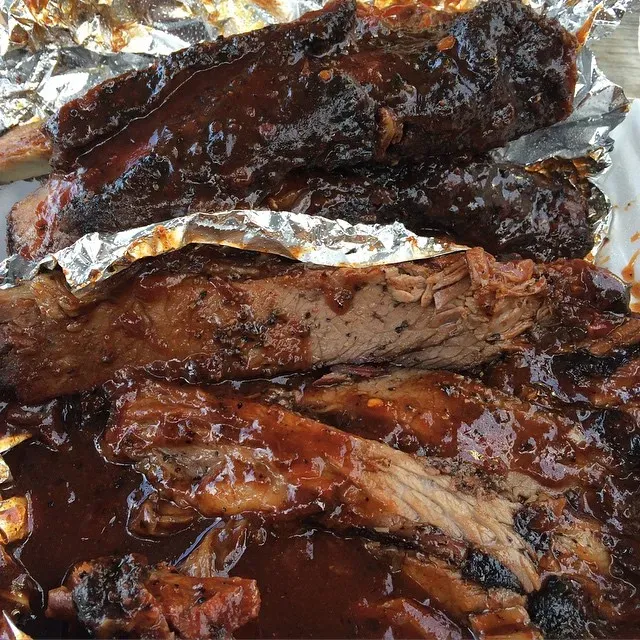
Southern barbecue is mostly pork while Texas barbecue is mostly beef, and this fundamental split creates the biggest point of contention among pitmasters. Texas barbecue is all about the beef, with Texans preferring beef brisket, a cut that can take up to 20 hours to prepare in order to achieve that melt-in-your-mouth tenderness. The cultural roots run deep here. The United States has a rich tradition of barbecue deeply ingrained in its cultural fabric, with regional barbecue styles such as Texas, Kansas City, and Carolina barbecue showcasing the diversity and passion for outdoor cooking.
The Sauce Wars: Vinegar vs. No Sauce At All
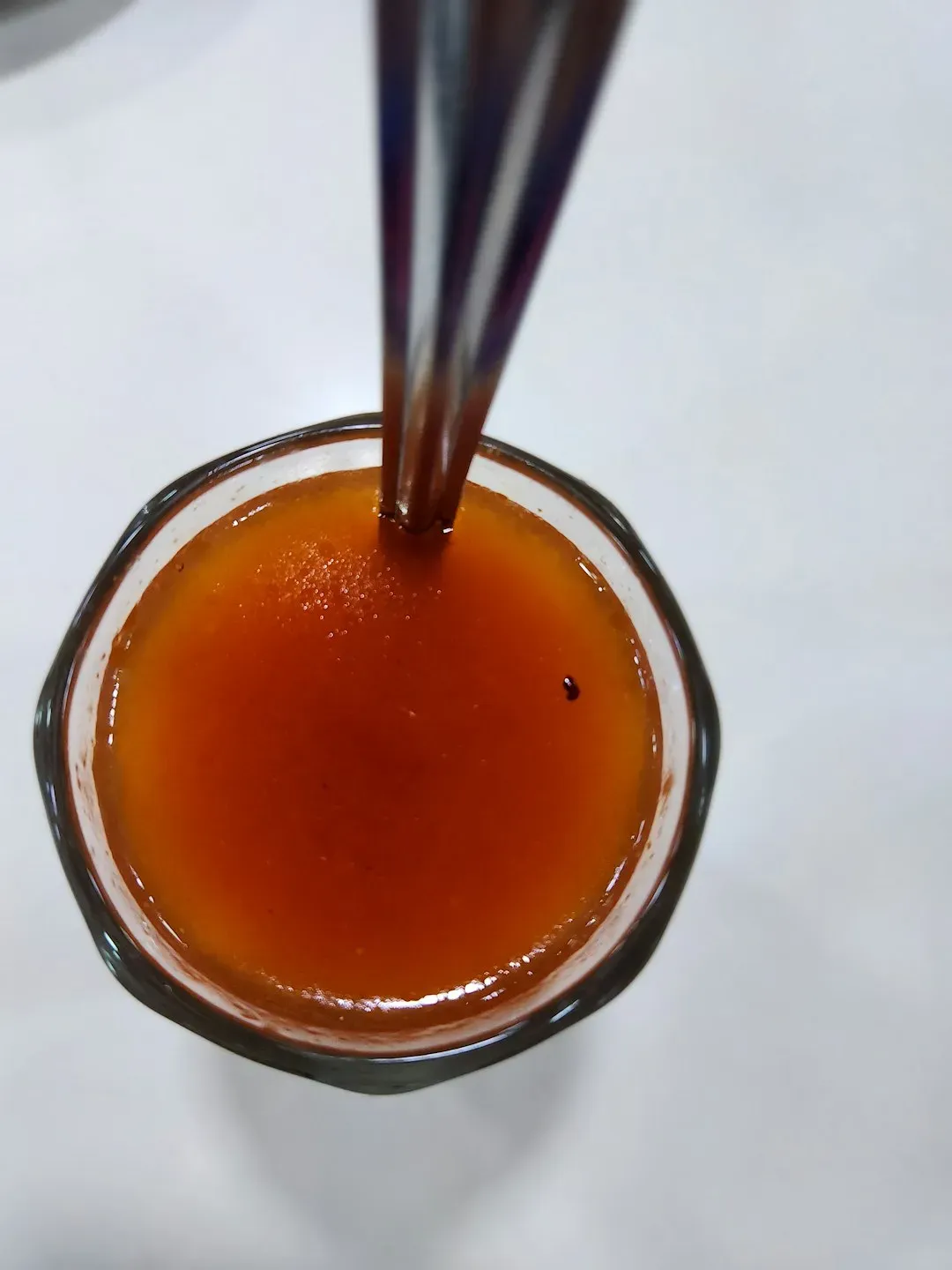
This is where things get really heated between the two camps. Eastern North Carolina Vinegar Sauce doesn’t use tomato as its base, instead it combines apple cider vinegar with spices to create a sharp, tangy condiment that cuts through fatty pork. Carolina vinegar sauce is often considered the mother of American BBQ sauce, dating back generations when meat was soaked with acidic sauce while cooking over an open flame, and unlike other popular sauces, it is thin and has an acidic and spicy bite rather than thick sweetness. Meanwhile, Texas pitmasters take pride in letting the meat speak for itself. The smoky slices of meat from smoked brisket lounge on thick Texas Toast with only a few spoons of thin, tart, tomato-soup like sauce, none of that thick sweet Kansas City stuff. Many Central Texas joints serve sauce strictly on the side, if at all.
Wood Selection and Smoking Techniques
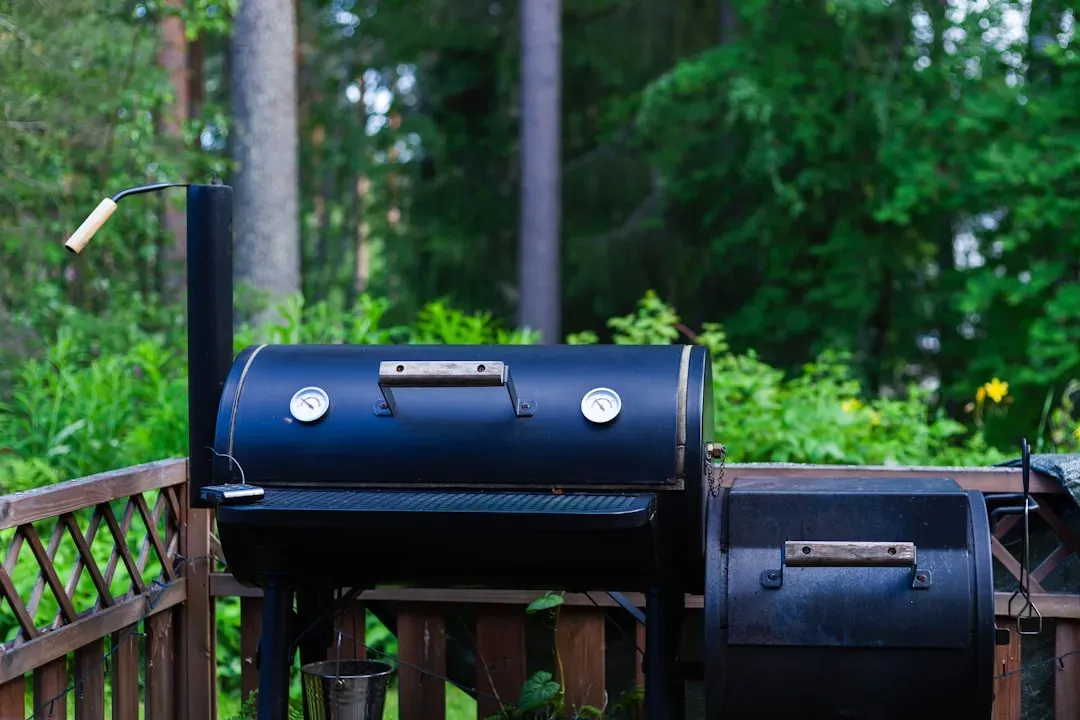
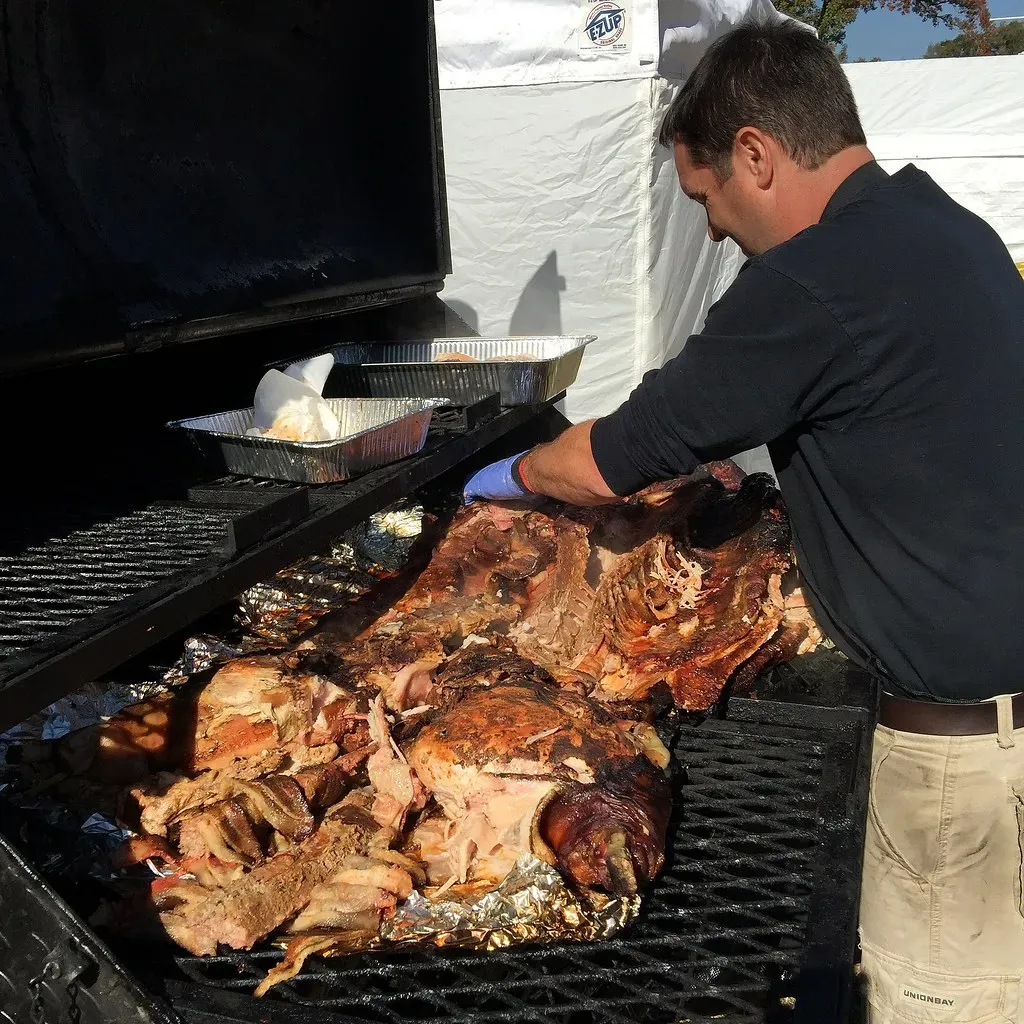
Pitmasters use post oak for Texas barbecue on offset smokers, though mesquite, hickory or pecan wood can also be used. The wood choice matters deeply to flavor profiles. East Texas barbecue features drawn out low-heat cooking, and spices and tomato-based marinades impart much of the flavor rather than exclusively smoking, showing how even within Texas there’s disagreement. Southern pitmasters traditionally favor hickory for whole hog preparations, creating a different smoke character entirely. Texas style brisket is seasoned with only coarse salt and coarse black pepper, representing a minimalist philosophy that many southern pitmasters would never embrace.
The Industry’s Growth and Regional Pride
Barbecue restaurant industry revenue has grown at a CAGR of 1.5% over the past five years to reach an estimated 4.9 billion dollars in 2025, with 15,450 businesses in the United States. The market continues expanding as Americans embrace regional barbecue traditions. Southern Living magazine’s list of the South’s Best New Barbecue Joints of 2024 includes five restaurants in Texas: Reese Bros Barbecue, LeRoy & Lewis, Brisket & Rice, Dayne’s Craft BBQ, and Barbs B Q, demonstrating how Texas continues dominating the national conversation. Yet Carolinas hold their ground fiercely. In Texas many pitmasters pride themselves on doing things different to gain recognition around the state and nation, practicing their craft for years and learning from legends in what some would call a sacred art.
Cooking Times and Commitment
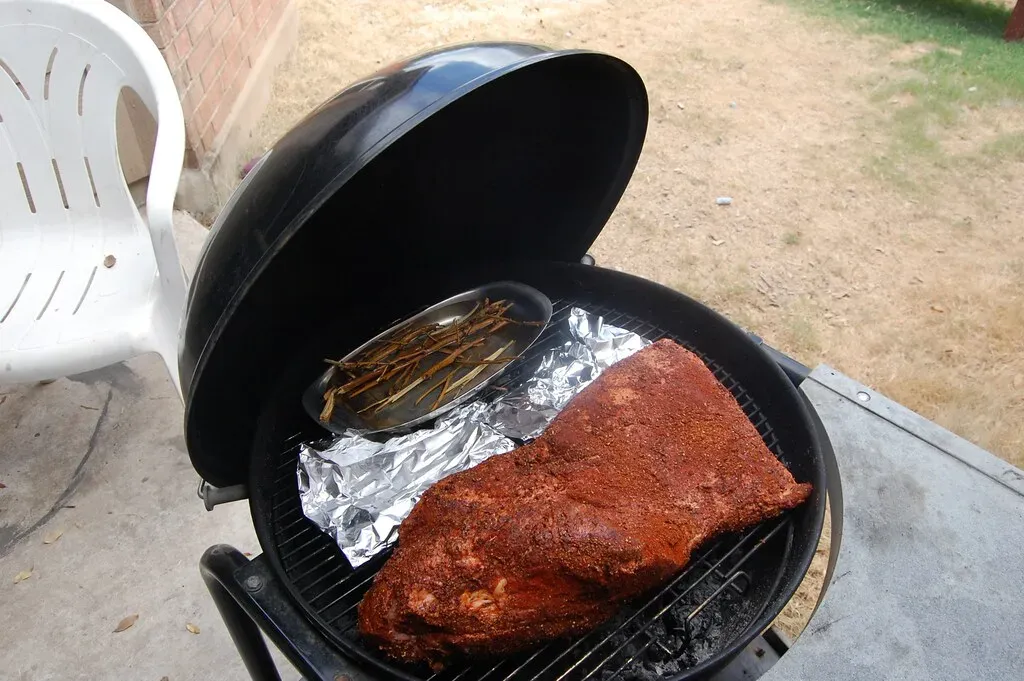
Let’s be real here, both approaches demand serious dedication. For the initial smoke phase pitmasters plan about 8 hours at 225 degrees F for 12-13 pound briskets to reach 165 degrees F, however the brisket enters a phase called “the stall” between 145 and 165 degrees F where liquid evaporating from the surface cools it, and this time frame differs for every single brisket. The southern part of Texas favors a molasses-based BBQ sauce and smokes brisket low and slow for 12 hours minimum. Southern whole hog preparations often require overnight smoking sessions. The rivalry extends beyond technique to sheer stubborn endurance.
Competition Circuits and Bragging Rights
BBQ Pitmasters new season on Destination America showcases 15 of the country’s top competition and restaurant barbecue experts, with each episode featuring three cooks working side-by-side in stand-alone battles. Several dozen of the world’s top pitmasters go head-to-head for barbecue supremacy, with competition fierce but offering more than just bragging rights at major festivals nationwide. The competitive scene reveals how seriously both sides take their craft. Four teams compete in regional BBQ championships around the nation for prizes and bragging rights to be named the master of BBQ, often pitting Southern traditions directly against Texas techniques in front of judges who must navigate these deeply held regional preferences.
Side Dishes and Complete Meals
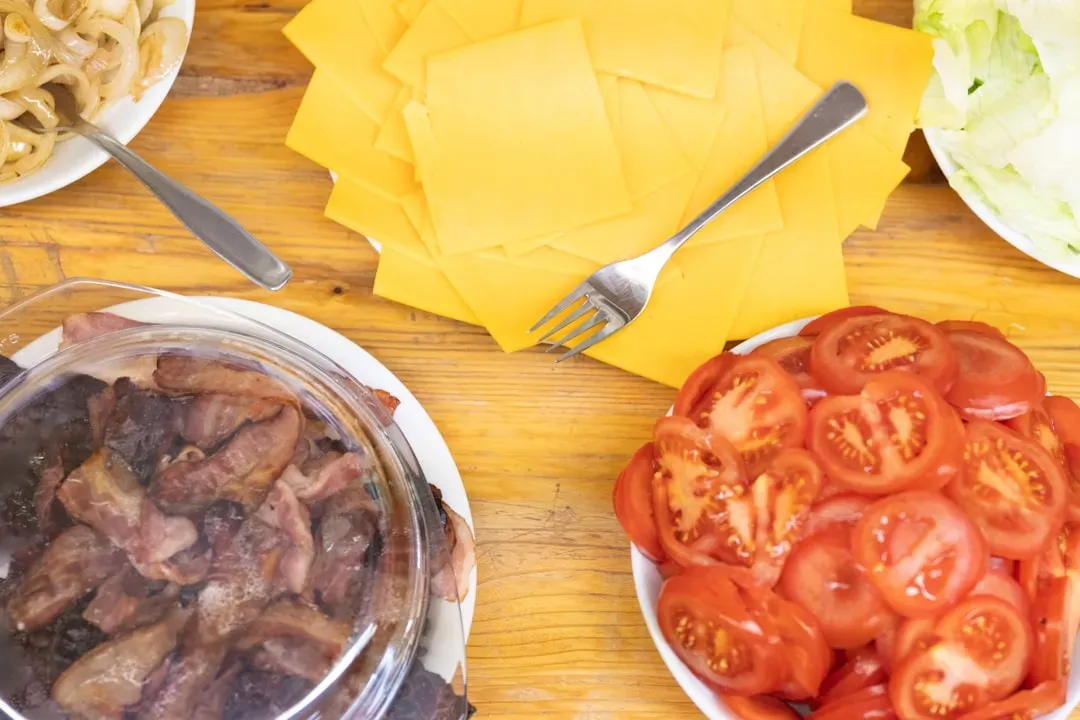
The rivalry extends beyond the main protein to everything surrounding it. Honoring the Mexican heritage of Texan cuisine, pitmasters serve frijoles with fatback or bacon and chopped tomatoes, alongside German potato salad warm with vinegar and celery seed, plus fresh crunchy sauerkraut from the fridge. This reflects Texas’s diverse cultural influences. In East Texas numerous sides get the Southern comfort treatment including delicious pan-fried okra and classic regional desserts like banana pudding, with classics like pulled pork and brisket served with collard greens, mac and cheese, and even BBQ-style gumbo at places like Gatlin’s BBQ in Houston. The meal presentation philosophies differ dramatically.
The Future: Innovation Meets Tradition
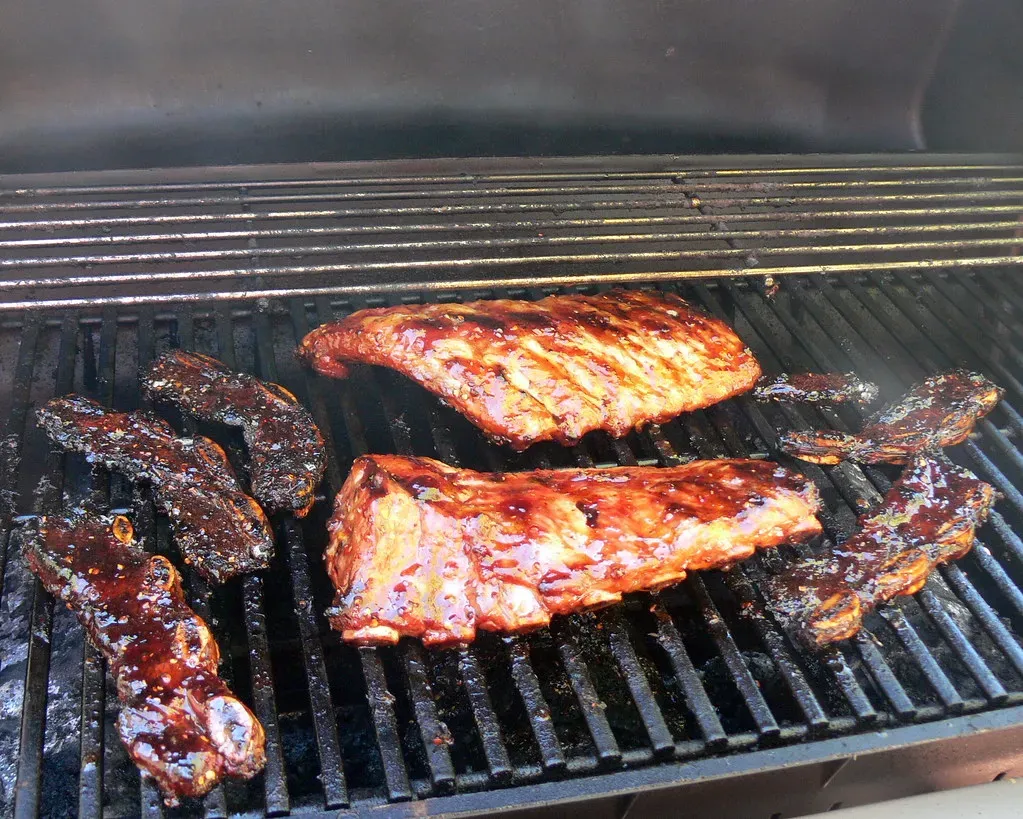
While each restaurant approaches barbecue from a slightly different perspective, most are traditionalists in at least some sense cooking on wood-fired pits, yet at the same time each is doing their own thing, experimenting with new flavors and techniques. In 2024-2025 the BBQ business is evolving to meet the needs of health-conscious diners, with more operators offering lean protein options like turkey or grilled chicken breast, incorporating sides like smoked vegetables or quinoa salad, and introducing plant-based BBQ options that help attract health-aware diners. The rivalry continues evolving as both traditions face pressure to modernize while maintaining authenticity. Here’s the thing: both camps fiercely protect their methods while quietly borrowing from each other. Maybe that’s what makes American barbecue so fascinating. What do you think makes better barbecue – the vinegar-soaked pork of the Carolinas or the smoke-ringed beef of Texas? Tell us in the comments.