
Think your suitcase is packed with harmless souvenirs? Think again. That innocent-looking wedge of cheese or jar of homemade delicacy could land you in serious trouble at customs. We’re living in a world where food travels faster than ever, yet certain culinary treasures remain stubbornly off-limits when crossing borders. From living maggots wriggling through Italian cheese wheels to smoked primate meat hidden in luggage, customs agents have seen it all.
The rules around food importation aren’t arbitrary bureaucratic nonsense. They exist to protect public health, agriculture, and ecosystems from invasive pests and deadly diseases. Still, it’s hard not to feel a pang of sympathy for travelers who just wanted to bring home a taste of their journey, only to watch it get confiscated and destroyed at the airport.
Casu Marzu: The Living Cheese That’s Too Dangerous to Cross Borders
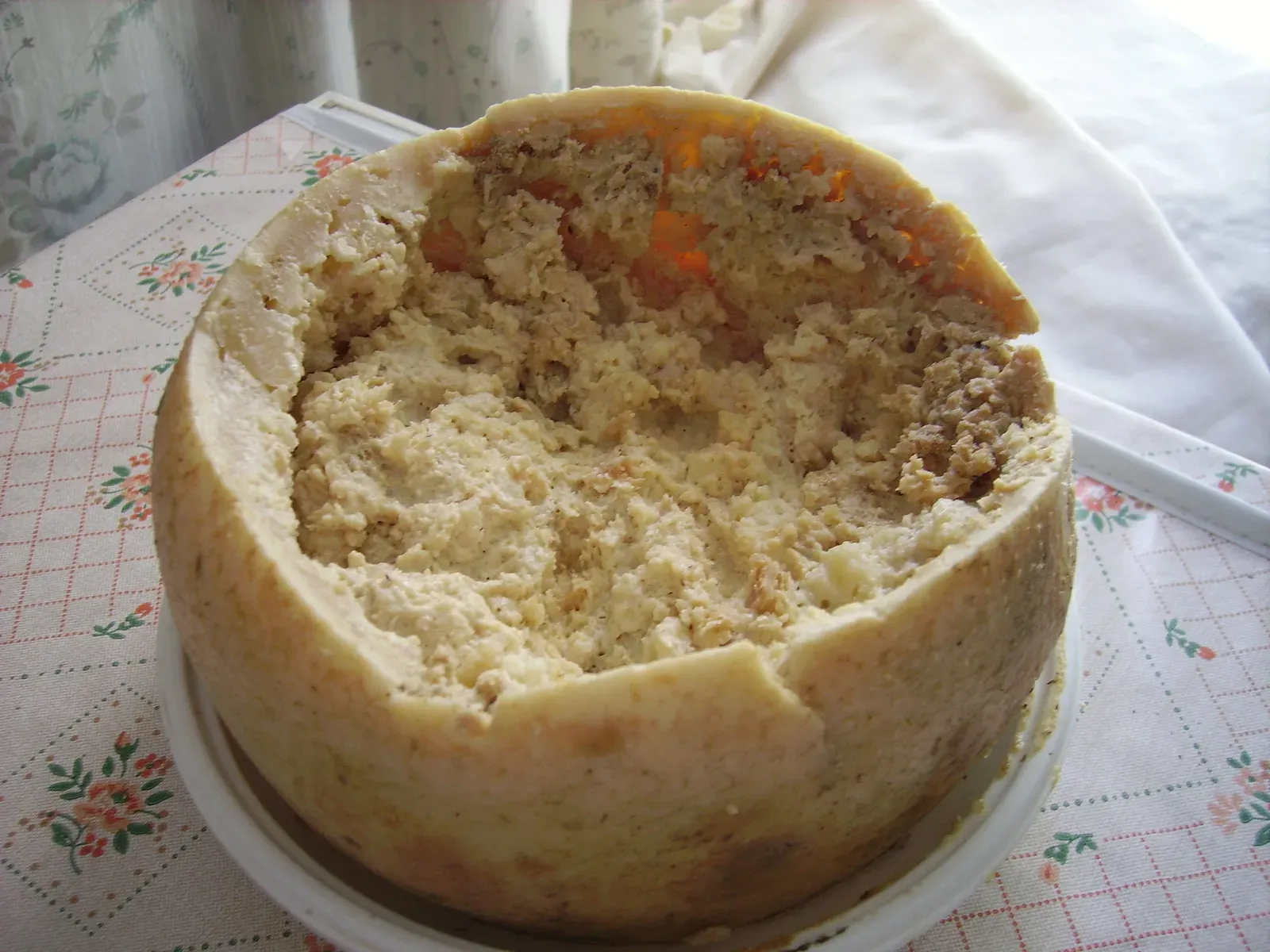
Sardinia’s infamous casu marzu has been banned by the European Food Safety Authority, making it illegal to buy or sell. Let’s be real, when a cheese earns the title “world’s most dangerous,” you know there’s a story behind it. The Guinness World Records proclaimed this Sardinian delicacy the world’s most dangerous cheese in 2009, and the reason is stomach-churning: it’s deliberately infested with live fly larvae. By the time it’s ready for consumption, a typical casu marzu contains thousands of maggots, all squirming through the fermented sheep’s milk. The production process involves leaving pecorino cheese outside so cheese skipper flies can lay eggs inside. Diners hold their hands above the sandwich to prevent the maggots from leaping, as the larvae can launch themselves distances up to 15 centimeters when disturbed.
Bushmeat: The Hidden Epidemic Risk in Travelers’ Luggage
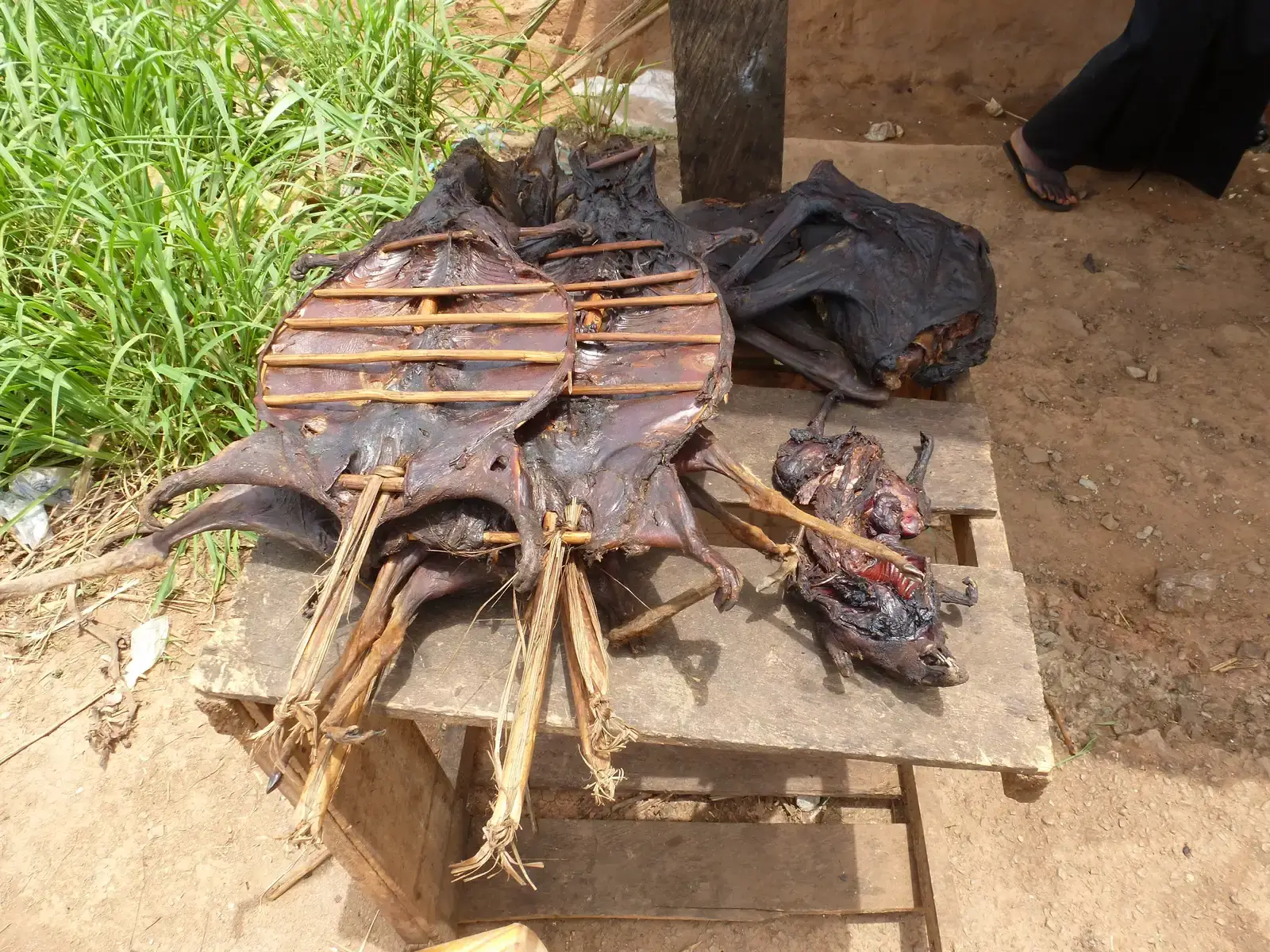
It’s illegal to bring bushmeat into the United States, and any amount found at U.S. ports of entry will be destroyed along with personal items that may have come in contact with it. What exactly qualifies as bushmeat? It’s meat from wild animals like rodents, monkeys or apes, and bats, including nonhuman primates, cane rats, and duiker antelope. Here’s the thing: there’s a $250,000 fine for bringing bushmeat into the United States. These regulations exist because Ebola, mpox, and other emerging diseases can have catastrophic consequences if they enter human populations.
Young Raw Milk Cheeses: Europe’s Pride, America’s Prohibition
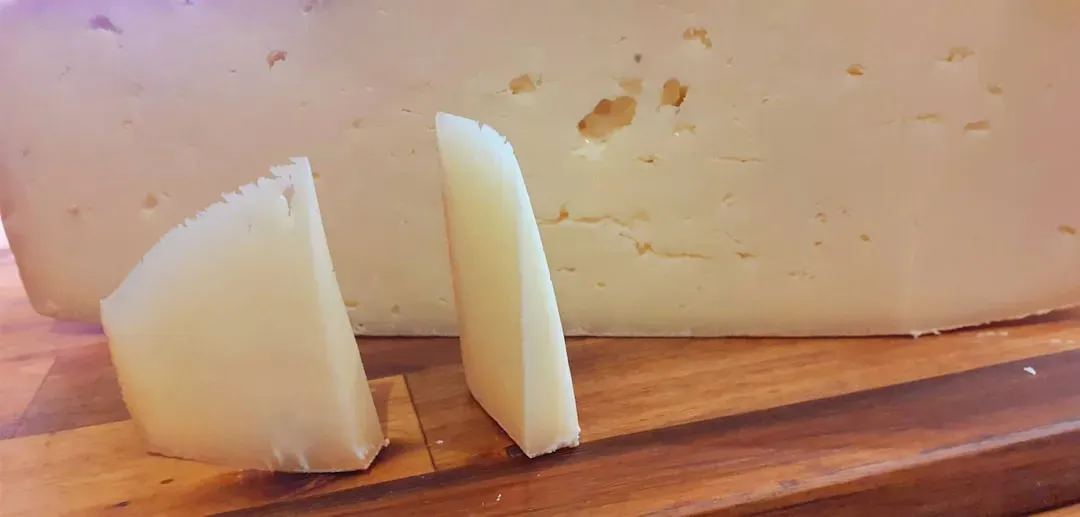
The cheese divide between Europe and North America reveals a fascinating cultural clash. Many of Europe’s most iconic raw milk cheeses cannot be sold legally in U.S. stores because they’re aged for less than 60 days, the FDA’s minimum requirement for raw milk cheese sales. This means beloved varieties like Brie de Meaux, Camembert de Normandie, Torta del Casar, and Reblochon are banned or restricted. Raw milk cheeses make up about 18 percent of France’s total cheese production and are considered far superior to cheeses made from pasteurized milk. Meanwhile, it’s legally permitted to sell raw milk in all European Union countries except Scotland, with all raw milk products considered legal and safe for human consumption without price, variety, or quantity restrictions. The irony? American travelers fall in love with these cheeses abroad, then discover they’re contraband at home.
Fresh Produce and Meat: The Agricultural Time Bombs
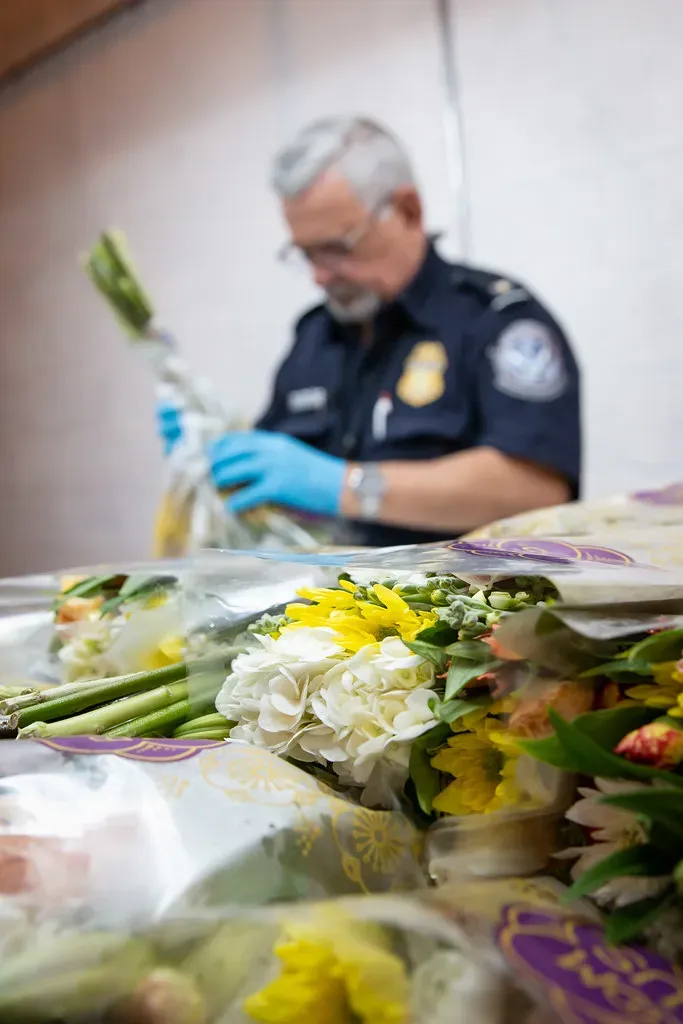
Many agriculture products are prohibited entry into the United States from certain countries because they may carry plant pests and foreign animal diseases. It sounds simple enough until you realize how complicated the rules actually get. Food that’s okay coming from some countries is prohibited if coming from others, and the green-light and red-light lists change frequently. Fresh fruits, vegetables, and certain meats top the forbidden list. Bush meat made from African wildlife and almost anything containing meat products, such as bouillon or soup mixes, is not admissible. Even rice can be problematic. You need to declare all food items to Customs and Border Control when entering the U.S., and although civil fines can run up to $10,000, it’s usually $300 for first-time offenders, though most times CBP staff simply confiscate the contraband.
Enforcement Statistics: The Hidden Battle at Borders
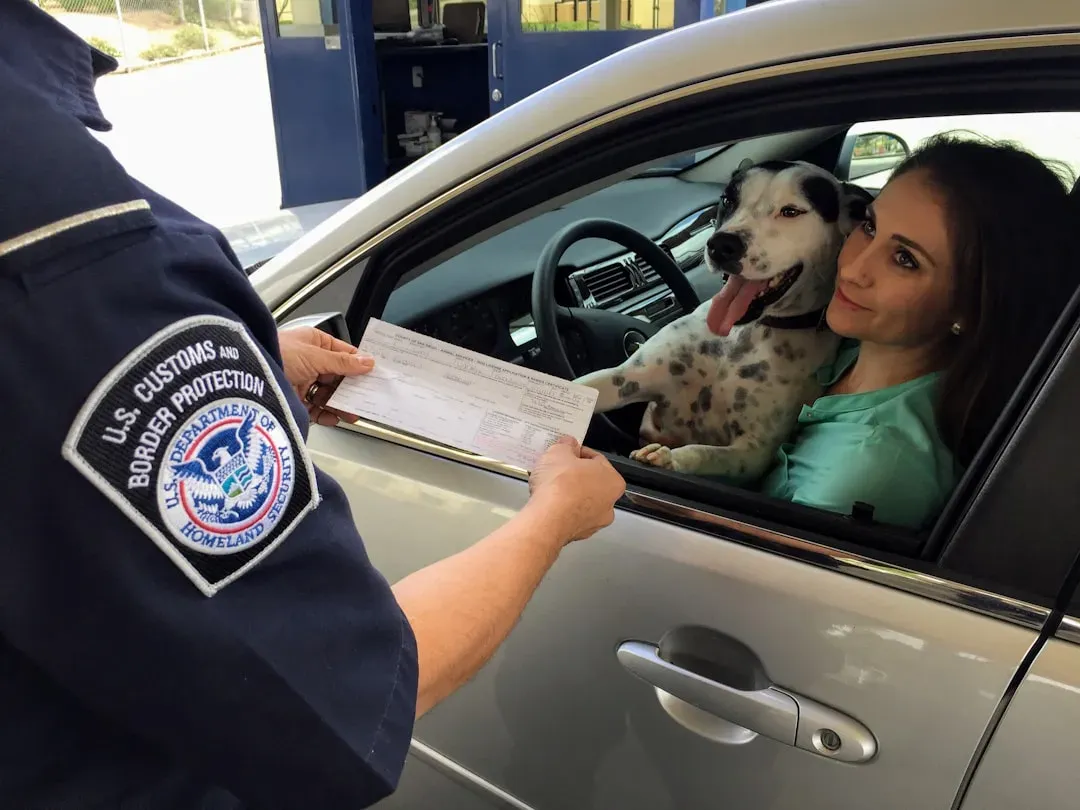
The numbers tell a sobering story about what customs agents actually encounter. In Fiscal Year 2024, CBP seized 26,718 pounds of fentanyl, showing the massive scale of enforcement operations. While specific agricultural seizure statistics aren’t always publicly detailed in the same way as drug seizures, in November 2023, nationwide seizures of cocaine, methamphetamine, heroin, fentanyl, and marijuana increased 35% from October. The agency processes millions of travelers annually, each potentially carrying prohibited items. First-time offenders typically face $300 fines for undeclared agriculture items, though the penalties escalate dramatically for repeat violations or intentional smuggling attempts.
The Absinthe Myth: Green Fairy’s Complicated Status

Examples of prohibited items include illegal substances like absinthe, though the reality is more nuanced than a blanket ban. The importation of absinthe is subject to U.S. Food and Drug Administration regulations and the Department of the Treasury’s Alcohol and Tobacco Tax and Trade Bureau regulations. The notorious “green fairy” that drove artists mad in 19th century Paris isn’t categorically forbidden anymore. Modern formulations that meet specific thujone content requirements can legally cross borders. Still, travelers often discover their vintage bottle from a Parisian flea market doesn’t meet current standards. The confusion around absinthe’s legal status reflects broader misunderstandings about what actually constitutes a prohibited substance versus a regulated one.
Kinder Surprise Eggs: The Candy That Breaks American Law

Yes, you read that correctly. Those beloved chocolate eggs with toys inside that delight children across Europe are contraband in America. The ban stems from a 1938 Federal Food, Drug, and Cosmetic Act provision prohibiting confectionery products with non-nutritive objects embedded inside them. The concern centers on choking hazards for small children. It sounds absurd to seasoned travelers who’ve watched European kids safely enjoy these treats for decades. The manufacturer eventually created Kinder Joy for the American market, with the toy and chocolate separated into different compartments. Yet the original Kinder Surprise remains forbidden, and customs agents do confiscate them. It’s become something of a running joke among international travelers, proof that food regulations don’t always align with common sense.
Haggis: Scotland’s National Dish Banned Since 1971
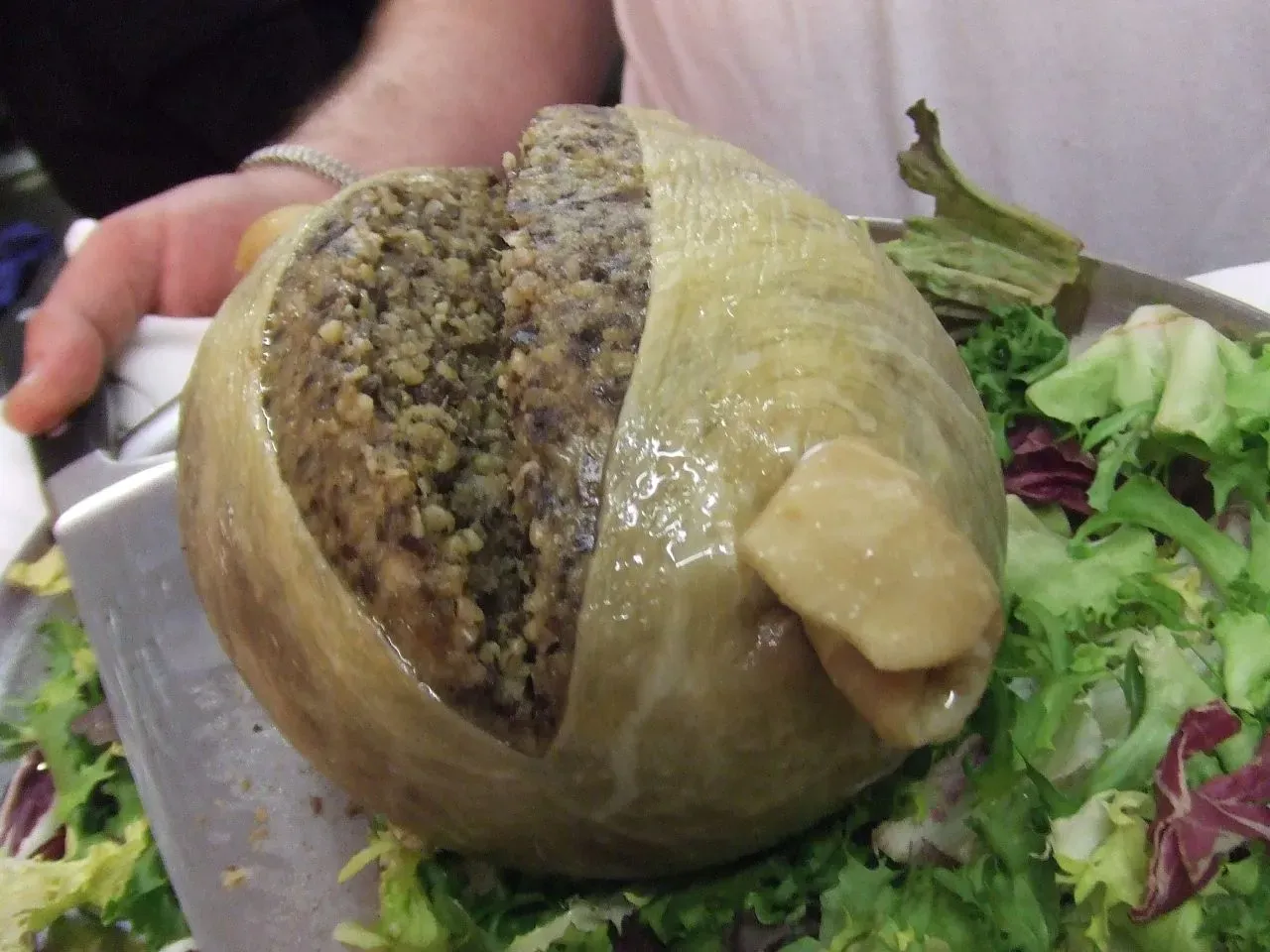
Scotland’s beloved haggis has been banned from U.S. imports since 1971 due to restrictions on sheep lung, a key ingredient in the traditional recipe. The ban stems from USDA regulations prohibiting lung in food products intended for human consumption, based on concerns about stomach contents potentially contaminating the lungs during slaughter. Scottish producers have long argued their preparation methods eliminate any risk, pointing out that haggis has been consumed safely for centuries. Some American butchers create “haggis-style” products using compliant ingredients, but purists insist it’s not the same. The prohibition frustrates Scottish Americans and Burns Night celebrants who want authentic haggis for their January 25th festivities. It’s become a minor diplomatic irritation, with periodic calls for regulatory review that never seem to gain traction.
Real-World Consequences: Fines, Delays, and Destroyed Delicacies
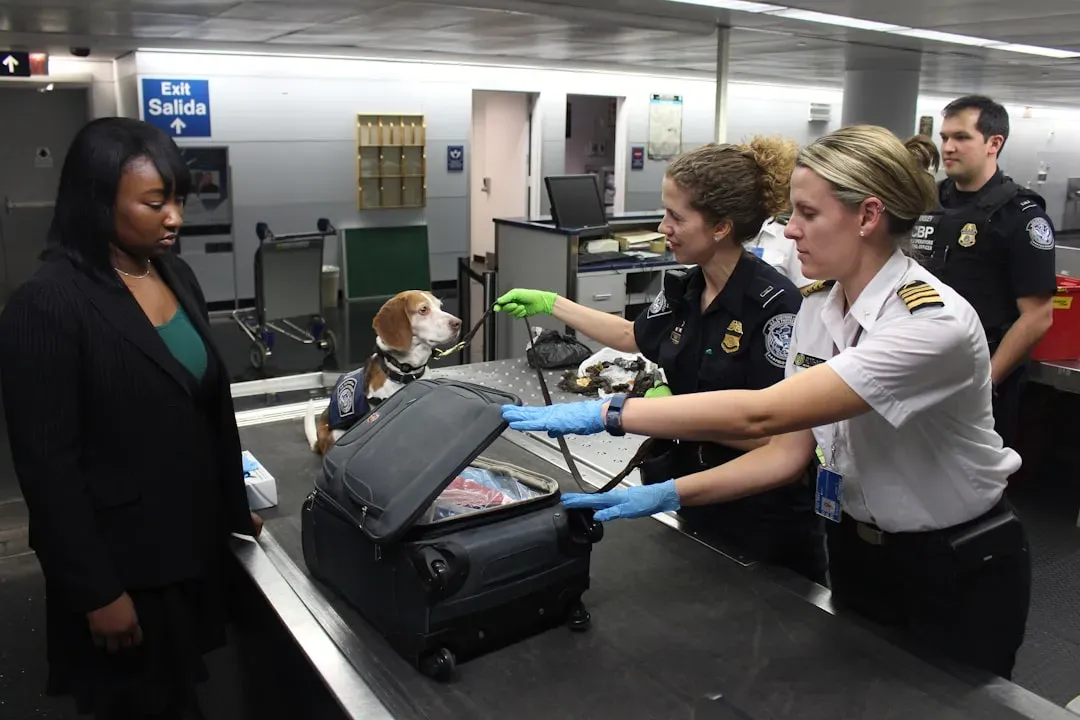
Failure to claim what you’re bringing in can result in up to $10,000 in fines and penalties. The consequences extend beyond money. Travelers caught with bushmeat at Detroit Metro Airport have been fined $300 for undeclared agriculture items, and the bushmeat was seized and turned over to the Centers for Disease Control and Prevention for final disposition. Your carefully packed cheese gets destroyed. Your grandmother’s homemade sausage ends up in a biohazard container. That exotic fruit you thought would make a perfect gift? Gone. CBP agents have total discretion to allow food to enter the country or to keep it out. The system relies heavily on honesty, with those luggage-sniffing beagles serving as backup. When travelers try to hide prohibited items or declare them dishonestly, the penalties multiply. You might even face criminal charges for particularly egregious violations involving endangered species or significant disease risks.
What started as innocent food souvenirs can quickly spiral into legal nightmares, confiscated luggage, and hefty fines. The lesson? Research before you pack. That artisanal cheese wheel or jar of homemade preserves might seem harmless, but customs regulations exist for reasons beyond bureaucratic tedium. Disease outbreaks, invasive species, and public health crises have all been traced back to illegally imported food products. Next time you’re tempted to smuggle that delicious contraband through customs, ask yourself: is it really worth the risk?