
Think about every dinner party trend that’s come and gone over the years. Some stick around because they’re genuinely good, while others vanish faster than you can say “pass the dip.” Let’s be honest, certain dishes have become more than just food. They’ve turned into cultural artifacts, representing entire eras of American entertaining and social life. The choices people made for their dinner tables tell us so much about what they valued, what they aspired to, and how they wanted to be seen by their guests.
So what made a dish worthy of your table back then? Was it convenience, showmanship, or just pure novelty?
Table of Contents
Jell-O Salads: The Shimmering Centerpiece
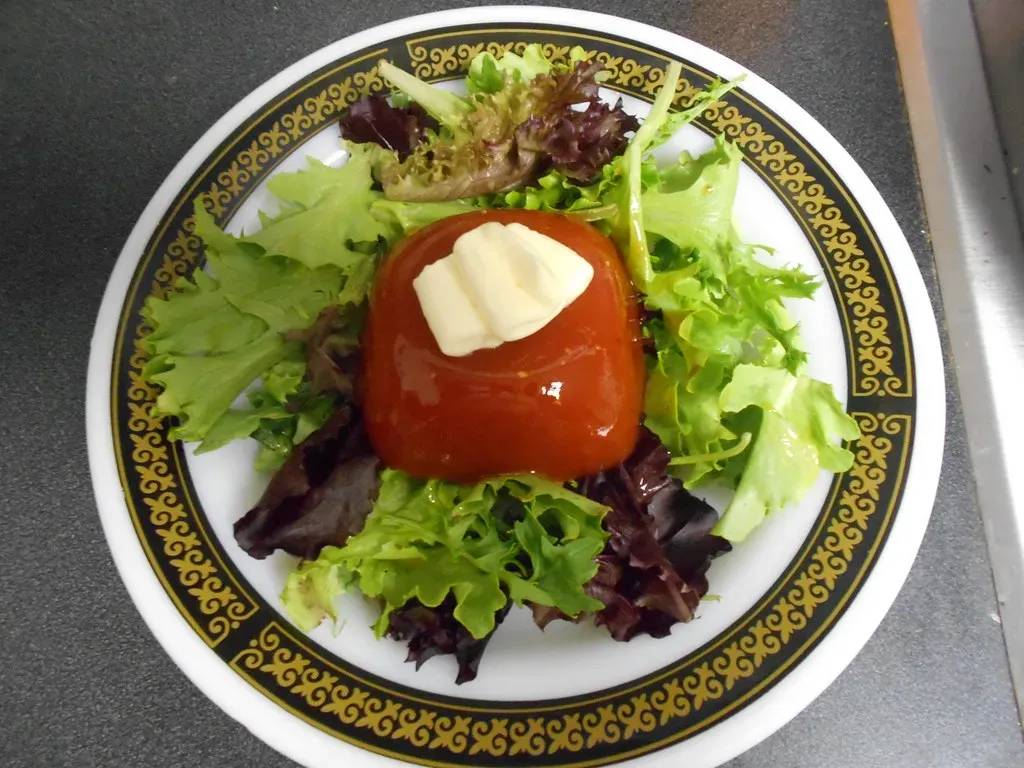
Jello salads were especially fashionable in the suburbs in the 1950s, seen as a marker of sophistication, elegance and status, indicating that a housewife had time to prepare jello molds and that her family could afford a refrigerator. The Jell-O craze reached its zenith in the 1950s. These jiggly creations came in wild combinations you probably wouldn’t imagine today. One Jell-O ad from the 1950s called for grated onion, cottage cheese, and fish salad in a lime gelatin mold. That’s right, fish in lime Jell-O.
Honestly, I think the appeal had more to do with convenience meeting ambition than actual taste. Popping previously cooked meat and vegetables into a Jell-O mold was a clever way to both preserve leftovers and repurpose them into new dishes. Celery, seasoned tomato, and Italian salad Jell-O mixes were introduced in the 1960s, but the flavors were short-lived, and by the mid-1970s, Jell-O salads had fallen out of fashion. The demise came swiftly once people realized they actually preferred food that didn’t wobble.
Fondue: The Communal Pot of Melted Magic
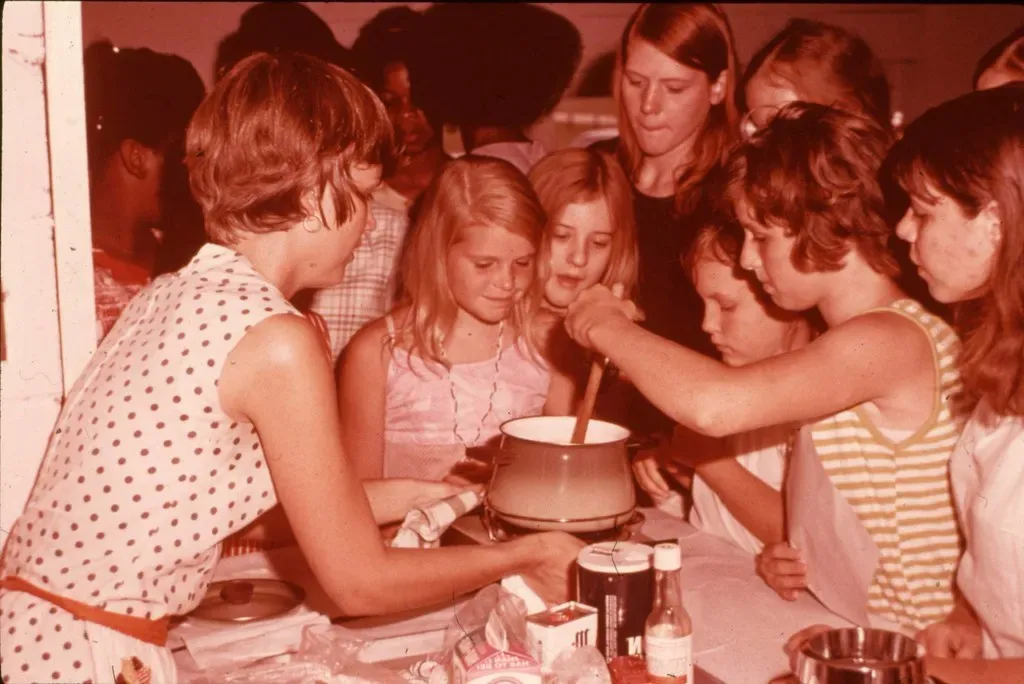
The Swiss began a campaign in the 1930s to market fondue abroad and finally, in the 1960s, it became popular in the U.S. after the 1964 World’s Fair in New York, with the 1970s being the decade that fondue really hit its stride. When fondue pots were at the height of their popularity in the 1970s, everyone would gather around the table in their house clogs and bell bottoms with skewers ready to dip into melty cheese, smooth chocolate, and even piping-hot oil.
The genius of fondue wasn’t just the food itself. It is thought that one of the reasons that fondue parties were so popular in the sixties and seventies is that they reflected the country’s changing mores and embraced the sense of informality and community that was growing during that era. As more women joined the workforce, fondue became an easy way to throw a dinner party together after a day at the office. You could prep everything ahead, set out the pot, and let guests do the actual cooking themselves. Pretty brilliant, if you ask me.
Shrimp Cocktail: Cold Elegance in a Glass
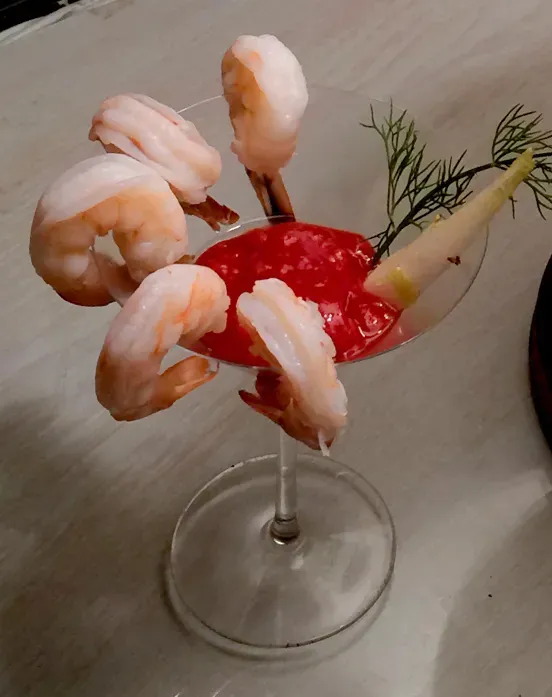
Cocktail shrimp became the main appetizer at every party towards the beginning of the 1960s in the United States. It would be rare to rock up to a 1970s dinner party and not be served shrimp cocktail. Picture this: plump shrimp arranged around the rim of a fancy glass, with that bright red cocktail sauce pooled at the bottom. The presentation alone screamed sophistication.
From the 1960s to the 1980s there was only one starter you could serve to get your dinner party off with a swing: the prawn cocktail, served in a wine glass, this gloopy mix of defrosted prawns and sweet Marie Rose sauce balanced on a nest of iceberg lettuce. For 30 years the prawn cocktail reigned supreme, and while its glamour may have faded, the prawn cocktail still has plenty of appeal. Let’s be real, though. Most versions involved frozen shrimp that had been thawed too quickly, resulting in that slightly rubbery texture we all tried to politely ignore.
Aspic: The Savory Jelly Experiment
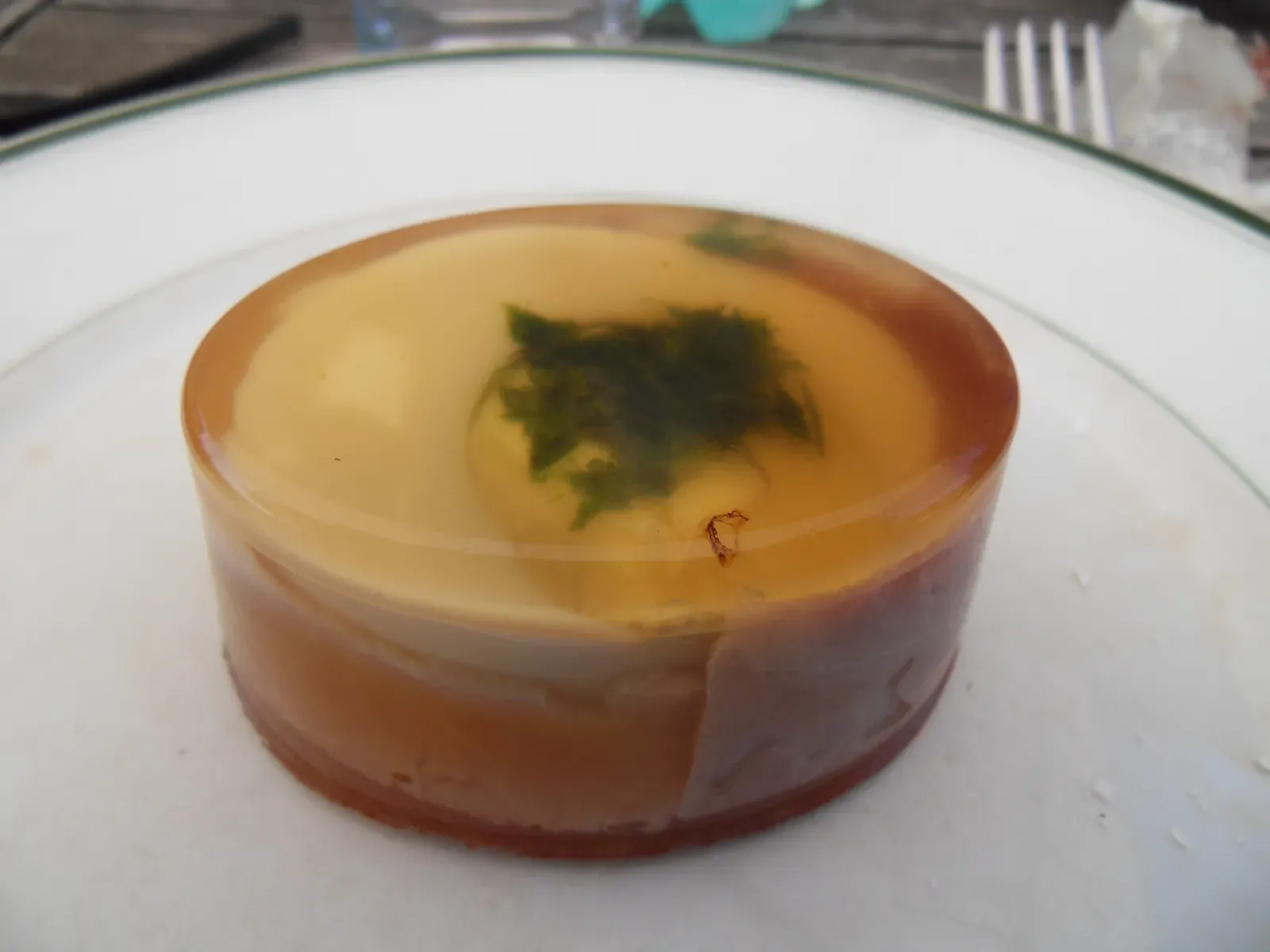
Now this one takes some courage. Aspic is quite simply savory meat Jell-O. Aspic can be used as a glaze, garnish, or prepared in a mold with foods such as meat, fruits, or vegetables set into the stock before it congeals, and it was quite popular in the U.S. up to the 1950s, but later fell out of favor. These glistening molds featured everything from hard-boiled eggs to vegetables to chunks of meat, all suspended in a gelatinous broth.
During the mid-20th century, savory aspics gained favor at potlucks, family dinners, and even high-society luncheons. The “Tomato Aspic,” a vibrant ruby-red creation, combines the bright acidity of tomato juice with the delicate crunch of celery and onions, suspended in a shimmering gelatin canvas, serving as a true centerpiece of any vintage luncheon. Here’s the thing: aspic looked absolutely stunning on the table. Whether it tasted stunning is another conversation entirely. The texture alone divided people into fierce camps of love or hate.
Cheese Balls: The Nutty Showstopper
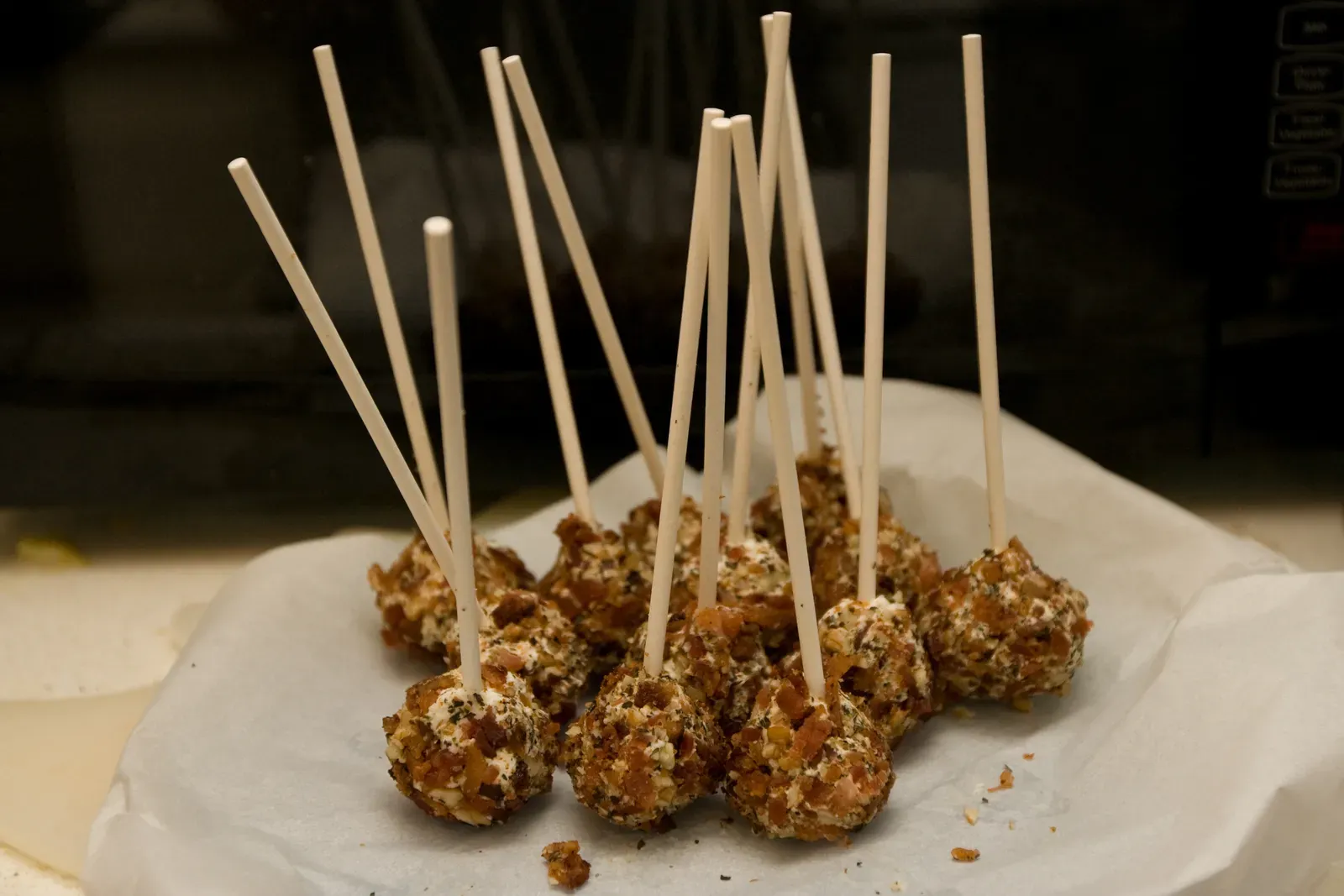
In the 1970s, no party spread was complete without at least one cheese ball rolled in chopped nuts and served with crackers on the side, with cheese balls hitting peak popularity during the decade. These spheres of cream cheese mixed with cheddar, rolled in pecans or walnuts, and served with a butter knife stuck right in the middle became the unofficial mascot of casual entertaining.
The beauty of the cheese ball was its flexibility. You could add anything to the mixture – bacon bits, chives, pimientos, even dried beef. Everyone had their own “secret recipe” that was basically the same as everyone else’s. Dinner parties have been making a comeback in general, with potlucks being particularly popular, as event experts at Giggster analyzed dinner party searches and found the old everyone-brings-a-dish practice was the most popular theme, with a 319 percent increase in searches year over year. Still, there’s something undeniably charming about a cheese ball sitting proudly on a platter, waiting to be demolished by hungry guests armed with Ritz crackers.
These dishes defined more than just menus. They captured the aspirations, anxieties, and social dynamics of their time. From the refrigerator-owning pride of Jell-O salads to the communal warmth of fondue pots, each trend reflected what people wanted their dinner parties to say about them. Some of these classics have faded into culinary history, while others are experiencing surprising revivals as nostalgia meets modern entertaining. What do you think – would you dare serve a tomato aspic at your next gathering, or are some trends better left in the past?