
You walk into an Italian restaurant, order your favorite fettuccine Alfredo, and feel confident you’re experiencing genuine Italian cuisine. Here’s the kicker: walk into a restaurant in Rome and ask for that same dish, and you’ll likely get confused looks. The truth is, many dishes we associate with Italy are about as authentically Italian as a pineapple pizza.
Let’s be real here. The world of Italian food is packed with impostors. From creamy carbonaras drowning in heavy cream to massive meatballs perched atop spaghetti, what many of us think of as Italian traditions are actually American inventions. These culinary myths have become so deeply ingrained in our dining culture that distinguishing fact from fiction feels nearly impossible.
Table of Contents
Spaghetti and Meatballs: The American Giant
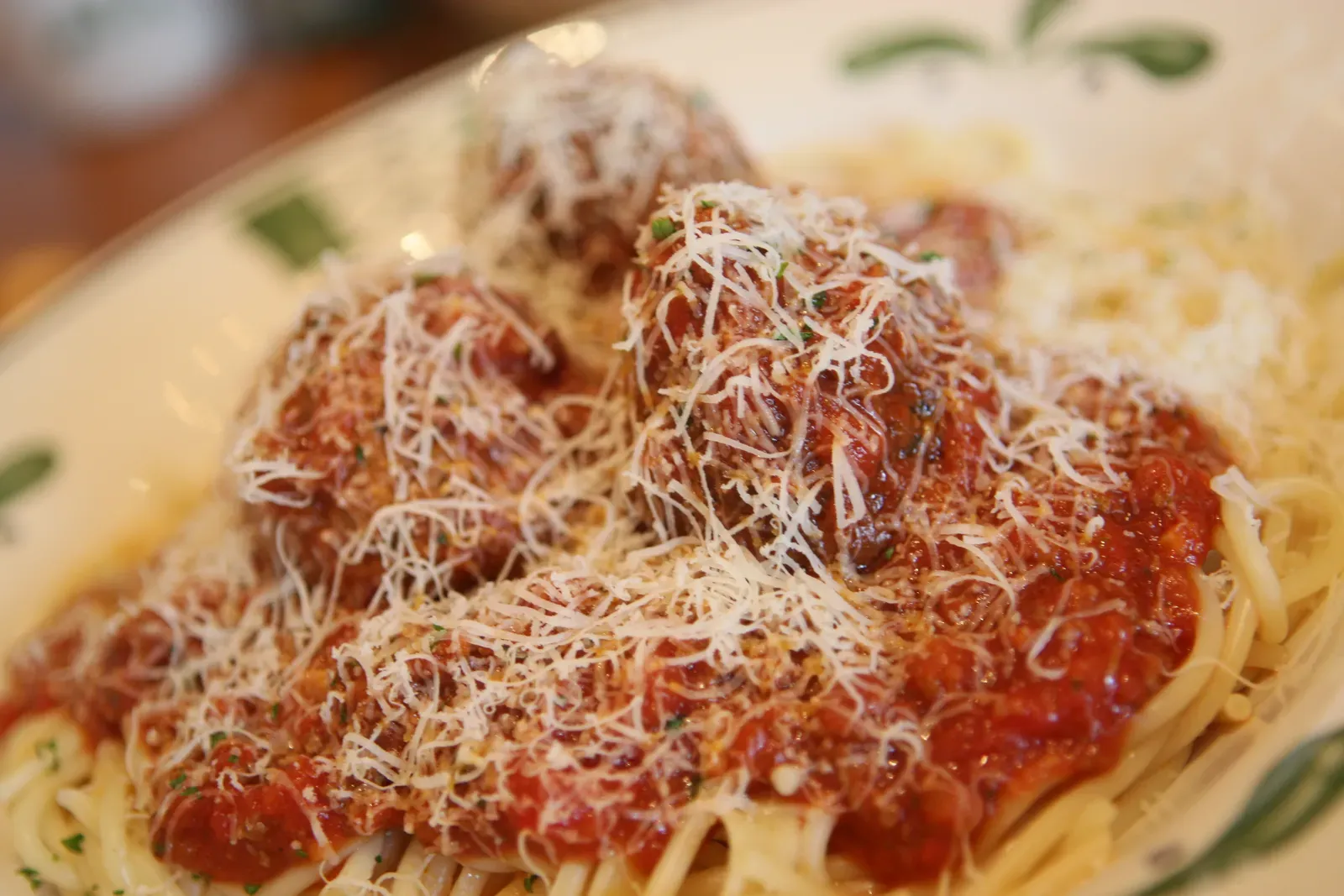
The modern version of spaghetti and meatballs was developed by Italian immigrants in New York City, growing in popularity during the first half of the 20th century. The dish is widely popular in the United States albeit practically unheard of in Italy. In Italy, meatballs are used in various regional recipes, but they are never served with spaghetti. When Italian immigrants arrived in America, they suddenly had access to affordable meat, a luxury back home.
Arriving in America, Italian immigrants brought their food traditions with them, but the availability of new ingredients and a better economy meant that traditional peasant foods from southern Italy evolved, often including the addition of more expensive ingredients and a higher meat content. In Italy, meatballs (polpette) are smaller, often made with leftover bread, and served on their own – not piled on top of a plate of spaghetti.
Chicken Parmesan: The Italian-American Fusion
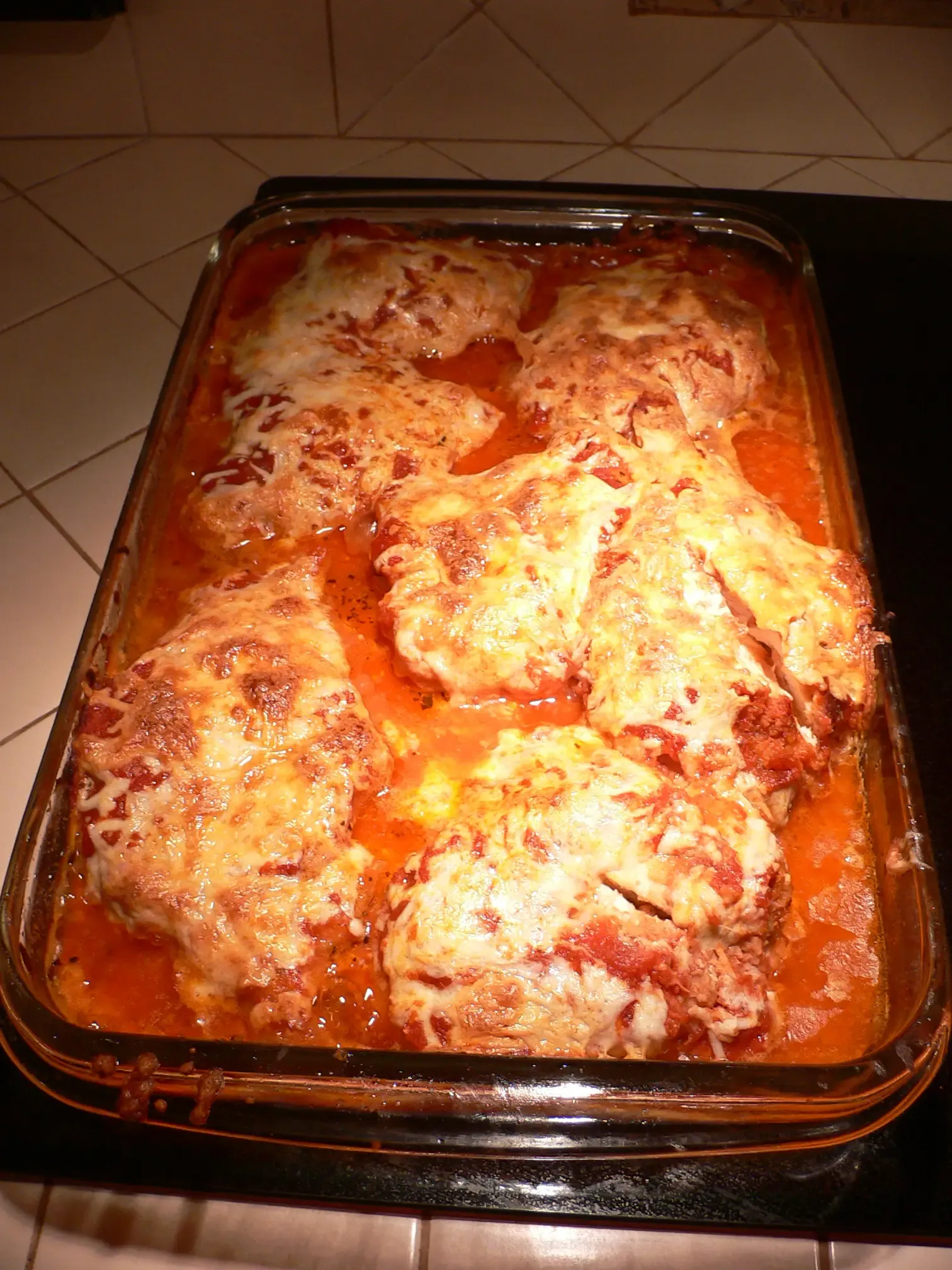
Think chicken parm is straight from the streets of Naples? Think again. The dish originated in the Italian diaspora in the United States during the early 20th century and has been speculated to be based on a combination of the Italian parmigiana, a dish using fried eggplant slices and tomato sauce, with a cotoletta, a breaded veal cutlet generally served without sauce or cheese in Italy. The dish, also known as “chicken parm”, originated in the northeast United States from Italian immigrants, and became a popular staple in restaurants serving Italian-American cuisine by the 1950s.
You’ll be more likely to find eggplant parmesan and other variations of the dish in Italy, but the same dish with chicken is more of a rarity, largely due to the scarcity of chicken within Italy at the time of its creation, which led to eggplant replacing it as the protein of choice.
Fettuccine Alfredo: Rome’s Forgotten Dish
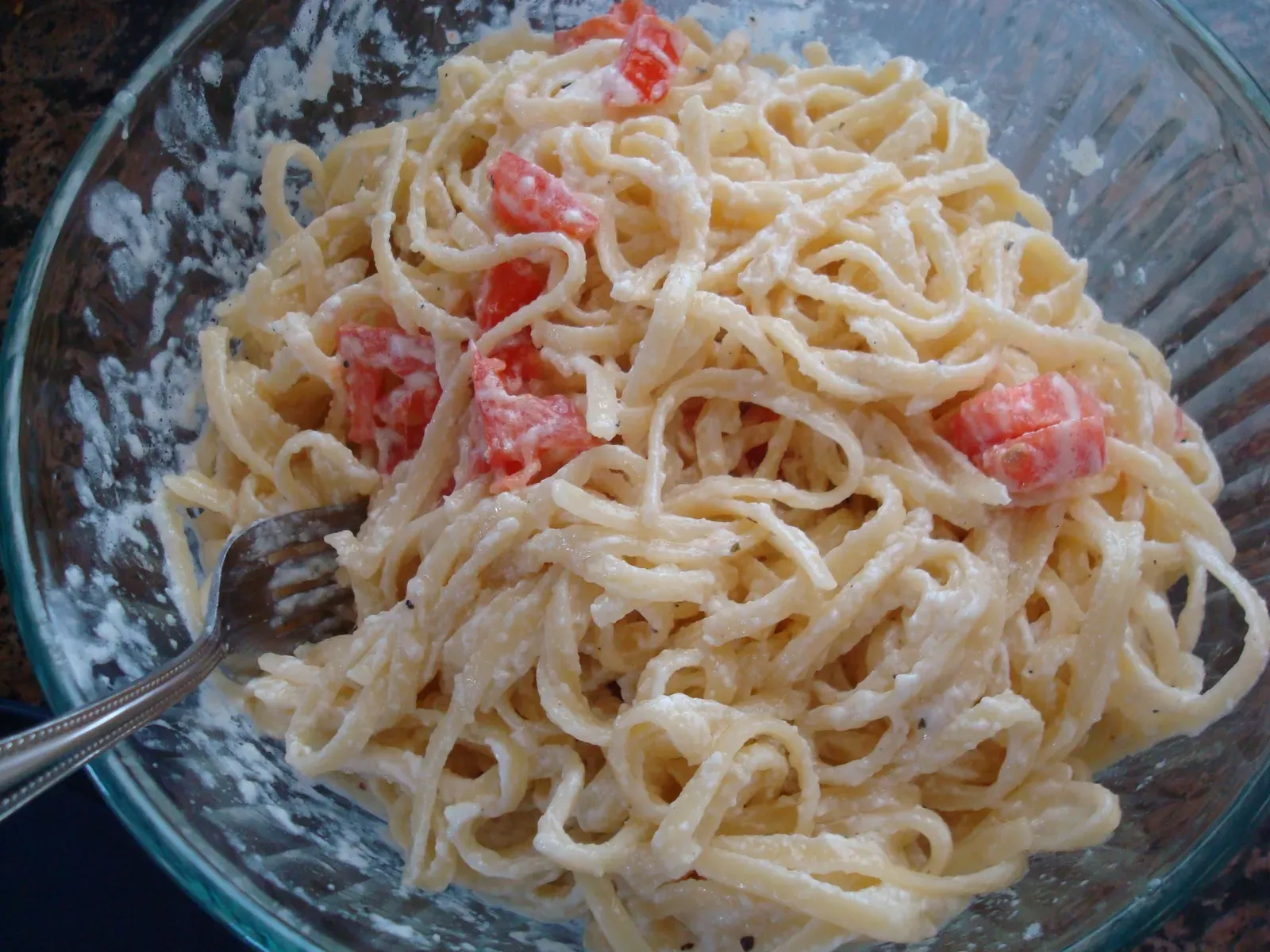
Here’s where it gets interesting. Fettuccine Alfredo, it turns out, is 100% Italian. Italians have been eating Fettuccine Alfredo for over a century… They just didn’t know that’s what it was called! Originally the Alfredo sauce was invented in a restaurant in Rome by Alfredo di Lelio around 1892.
The problem? The original recipe is quite different from whatever you may find in the States. The original version of fettuccine alfredo has just two ingredients: butter and parmigiano. That thick, cream-laden sauce Americans adore never existed in the authentic version. Brought to the USA and branded “Fettuccine Alfredo”, it will go through countless interpretations and commercial success.
Caesar Salad: The Mexican Surprise
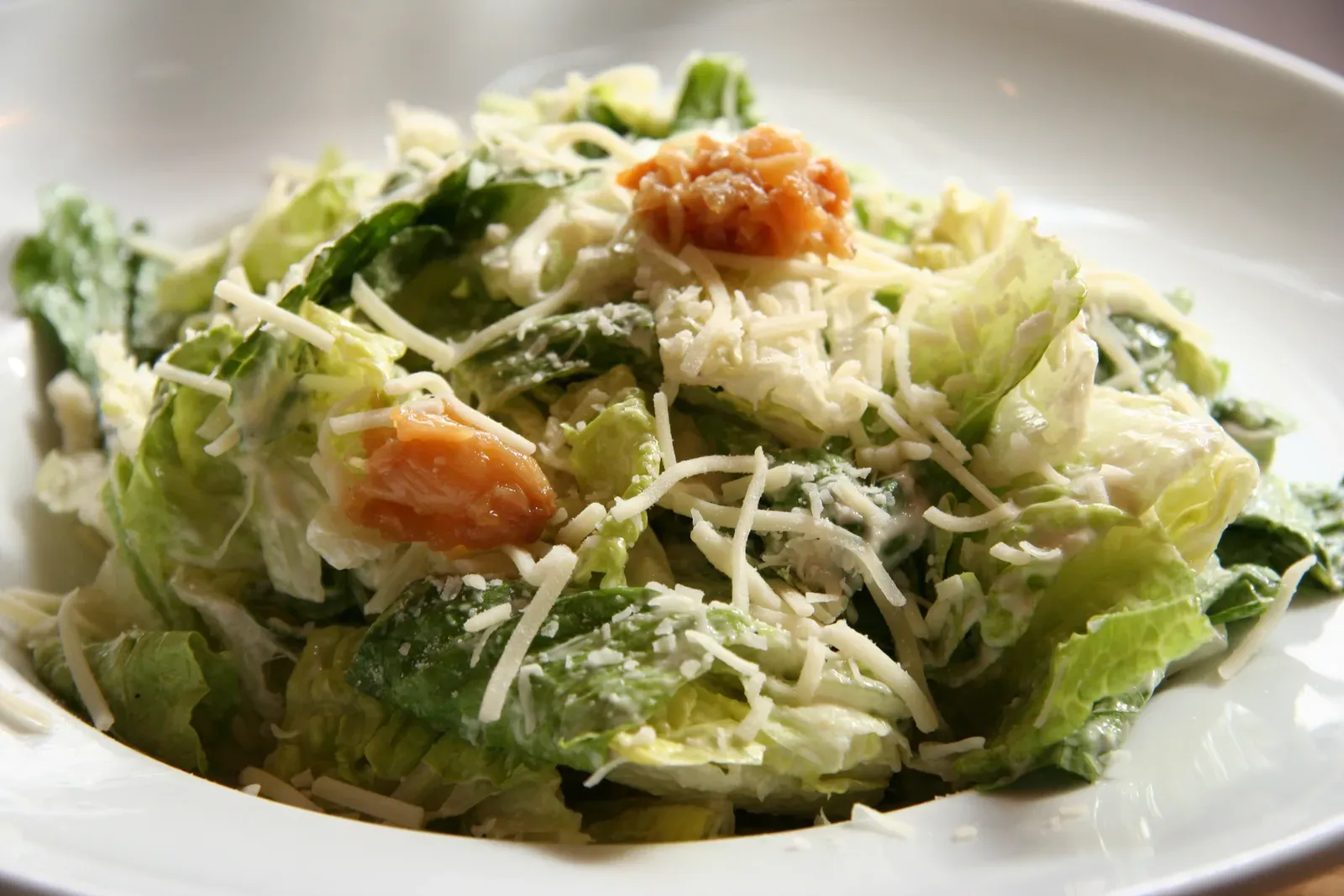
This one surprises everyone. The salad’s creation is generally attributed to the restaurateur Caesar Cardini, an Italian immigrant who operated restaurants in Mexico and the United States. Cardini lived in San Diego, but ran one of his restaurants, Caesar’s, in Tijuana, Mexico, to attract American customers seeking to circumvent the restrictions of Prohibition. His daughter, Rosa, recounted that her father invented the salad at the Tijuana restaurant when a Fourth of July rush in 1924 depleted the kitchen’s supplies.
In fact, this salad was invented by Italian-American chef Cesar Cardini, and in Italy itself it is not very popular. So this salad is much more popular in other countries around the world compared to Italy. The dish that graces countless Italian restaurant menus worldwide? Born in Mexico.
Italian Dressing: The American Invention
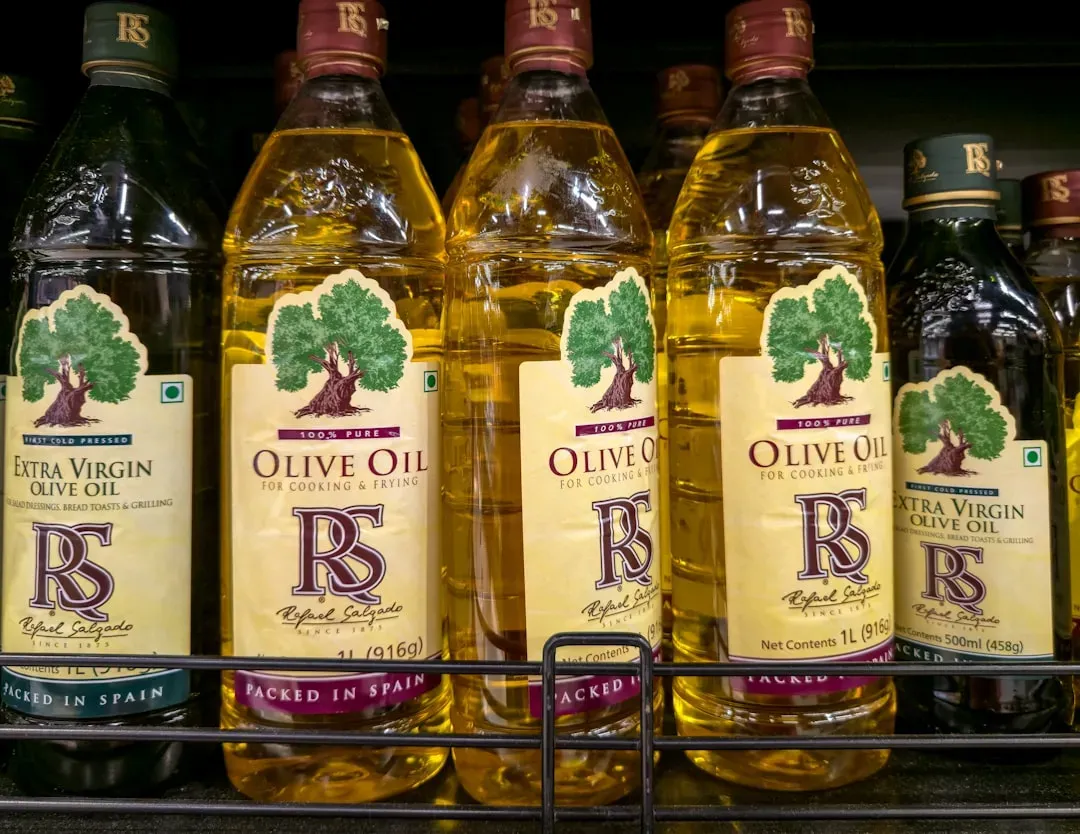
In Italy, such a thing as Italian dressing doesn’t exist. If you’re asking for dressing in Italy, you will get extra virgin Olive Oil, lemon juice, or balsamic vinegar, depending on what you’ve ordered it for. This dressing is a North American invention, not directly derived from Italian tradition.
In Italy, the traditional condiment for salads is simply olive oil, salt, and sometimes vinegar or lemon juice. What’s known as “Italian dressing” abroad is actually a type of salad vinaigrette, made with vinegar or lemon juice, vegetable oil, chopped peppers, sugar or corn syrup, and a blend of herbs and spices.
Carbonara with Cream: The Italian Nightmare
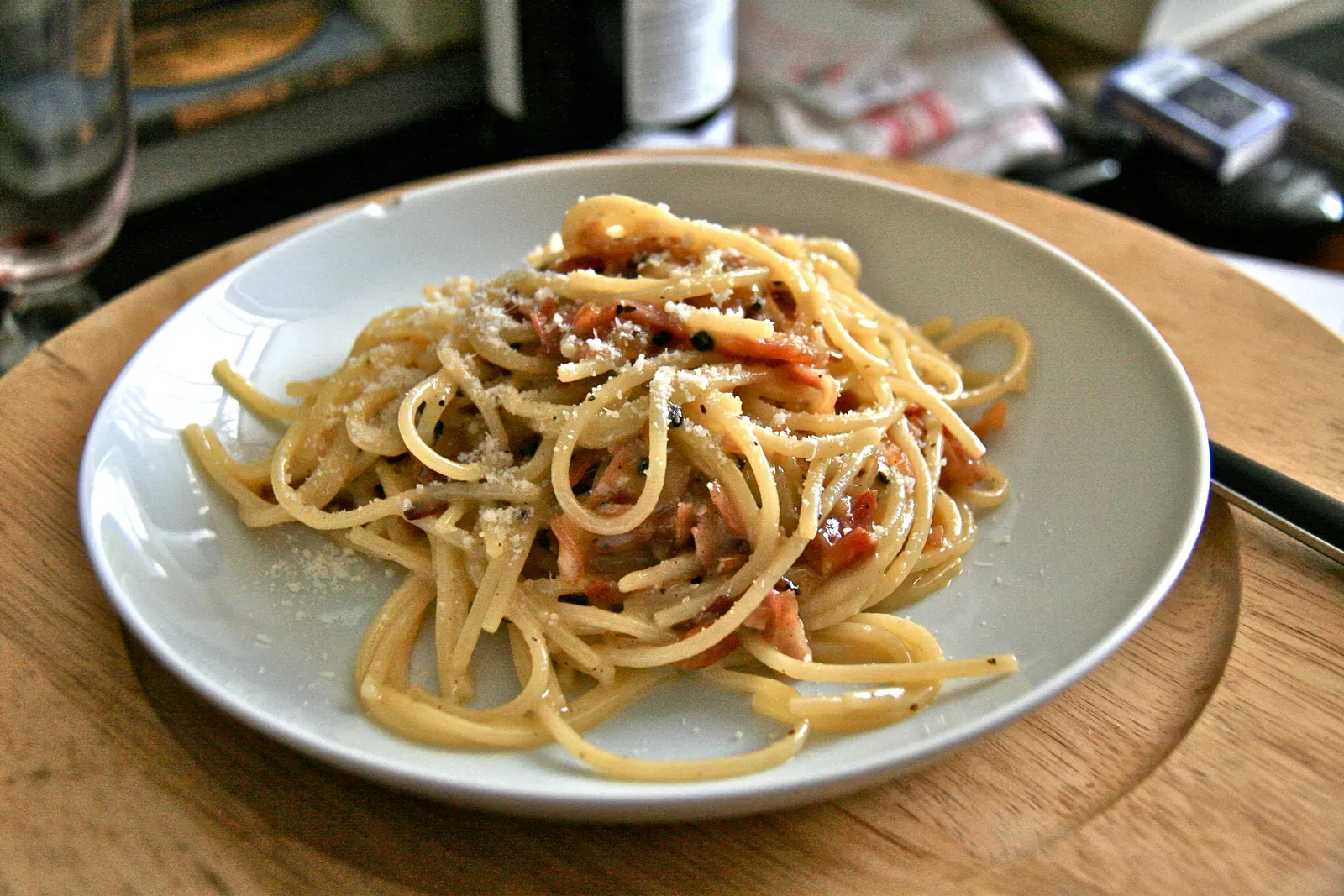
Italy is pushing to ban “Italian-sounding” foods abroad amid a scandal over the appearance of a Belgian-made carbonara sauce found on the shelves of a store in the European Parliament. This iconic Roman recipe, Carbonara, has suffered some creative interpretations in America. The addition of cream, peas, vegetables, or alternative proteins strays from the original recipe, which uses just eggs, cheese, cured pork (guanciale or pancetta), and black pepper.
Last year, Heinz introduced a canned version of “spaghetti carbonara,” again with pancetta instead of guanciale, which drew comparisons to cat food and elicited a barrage of colorful comments. Italians take their carbonara so seriously that news outlets report cream additions like criminal acts. Carbonara, now considered a staple of Roman cuisine, was probably invented to serve Americans during World War II.
Pepperoni Pizza: The American Spicy Creation
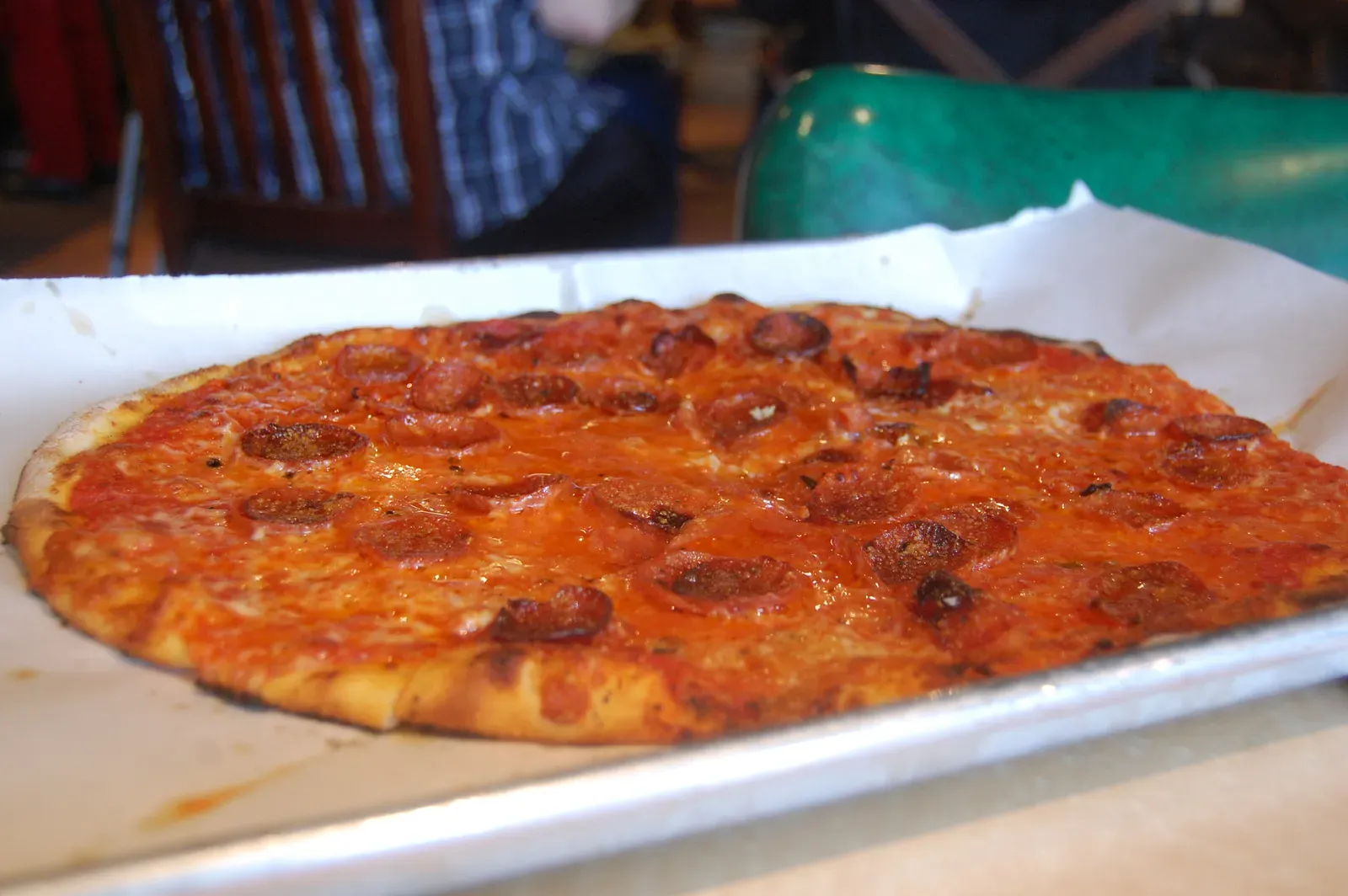
In America, “pepperoni” refers to a spicy salami, quite different from the red bell peppers the term translates to. This popular pizza topping originated in the US around 1919, showcasing the cultural adaptation of Italian cuisine in America. You won’t find pepperoni on pizzas in Italy because the spicy sausage Americans know simply doesn’t exist there. The word itself means something entirely different.
Before the war, pizza was only found in a few southern Italian cities, where it was made and eaten in the streets by the lower classes. His research suggests that the first fully fledged restaurant exclusively serving pizza opened not in Italy but in New York in 1911.
Garlic Bread: The Bruschetta Betrayal
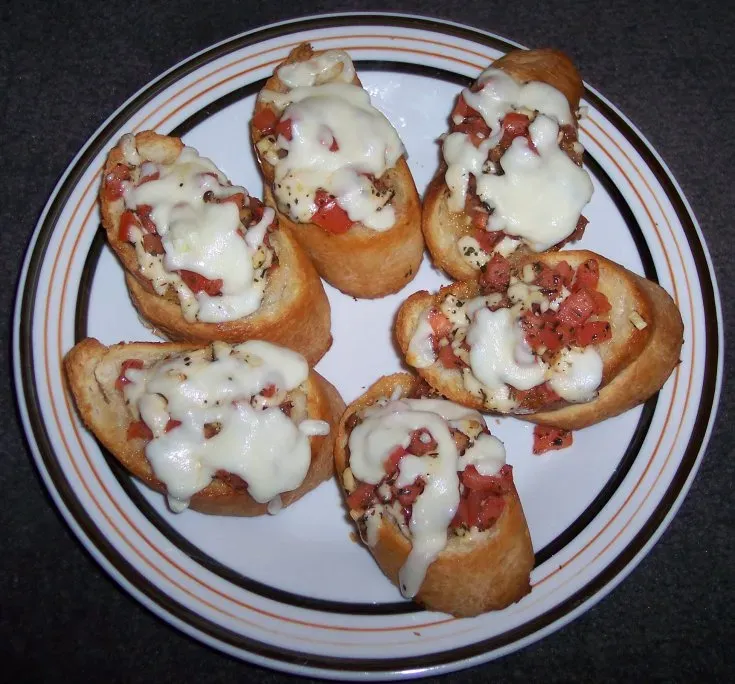
This is a simple American preparation made with bread, fresh garlic, and parsley that, despite its simplicity, has nothing to do with classic Italian bruschetta. What you will find is bruschetta: toasted bread drizzled with olive oil, topped with chopped cherry tomatoes or other seasonal ingredients, and sometimes (just sometimes) rubbed with raw garlic. It’s a world away from the buttery loaves served in many restaurants abroad.
Italians don’t make breadsticks. They have bread, obviously, and they use said bread to clean the sauce leftover on their pasta plates sometimes, but it isn’t shaped like a stick.
The Reality Behind Italian Food Myths
Controversial food history professor Alberto Grandi told the Financial Times that Italians’ obsession with their cuisine stems from an insecurity, stating “Italian cuisine really is more American than it is Italian,” which is hard to swallow for Italians who often mock America’s fast-food culture. Italy’s National Confederation of Direct Farmers, known as Coldiretti, told CNN that global agro-piracy, or the theft of traditional Italian recipes produced abroad with substandard ingredients, has reached 120 billion euros ($130 billion) a year.
The fascinating part? These dishes aren’t inherently bad. They’re delicious comfort foods that millions adore. They just aren’t what they claim to be. Italian-American cuisine represents a beautiful evolution of immigrant cooking, adapting to new ingredients and tastes. It’s a legitimate cuisine in its own right.
What’s your take on these culinary revelations? Does it change how you think about your favorite “Italian” meal?