
Casu marzu has earned recognition from Guinness World Records as the world’s most dangerous cheese. This notorious Sardinian delicacy contains thousands of live maggots that wriggle through decomposing sheep’s milk cheese. It’s been banned by the European Food Safety Authority which means it’s illegal to buy or sell. Yet it’s just one of many seemingly harmless foods that can get you in serious trouble at international borders. From African bushmeat to Scottish haggis, customs officials worldwide confiscate thousands of pounds of prohibited products every year, often with hefty fines attached. Let’s explore the fascinating world of banned foods that travelers can’t bring home, no matter how badly they want to.
Table of Contents
Casu Marzu: The Maggot Cheese That Defies Safety Rules
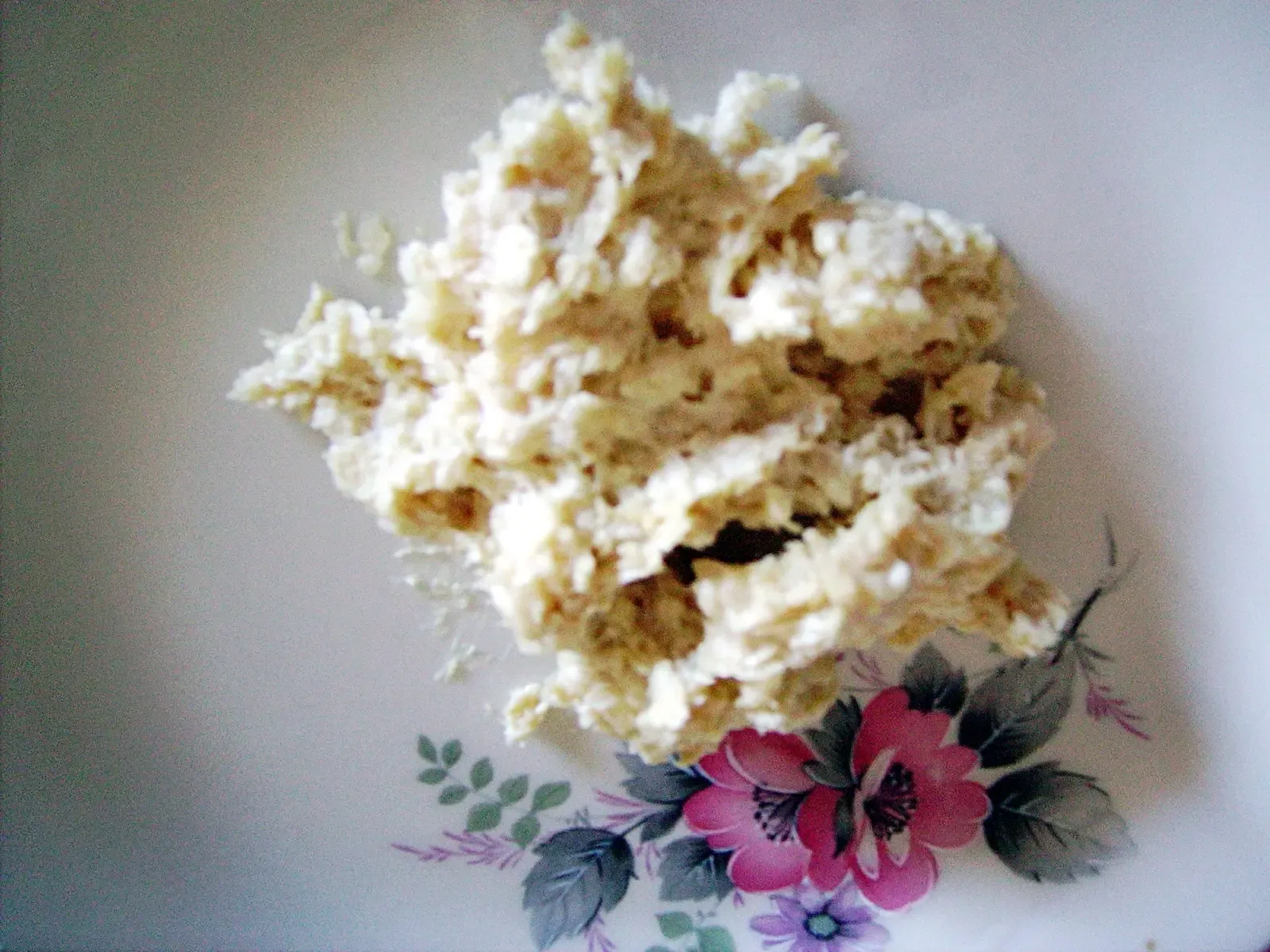
On the island of Sardinia, rural cheesemakers actively encourage maggots to worm their way through their products. The process is deliberately orchestrated. The cheese itself is made from sheep’s milk like a standard pecorino, but once it is formed into a solid wheel the top is cut off and it’s left out in the open, with cheese flies laying their eggs on the softer paste inside. By the time it is ready for consumption, a typical casu martzu will contain thousands of maggots. The Italian government declared casu marzu illegal in 1962, citing laws prohibiting citizens from eating foods infested with parasites. Despite this, it’s still possible to find on the black market in Sardinia, and you’ll often need to know the right people to get close to what is often referred to as ‘the most dangerous food in the world’. Despite the health warning production of casu marzu is still thriving, with 100 tonnes of the risky cheese being made per year.
How Casu Marzu Is Actually Consumed
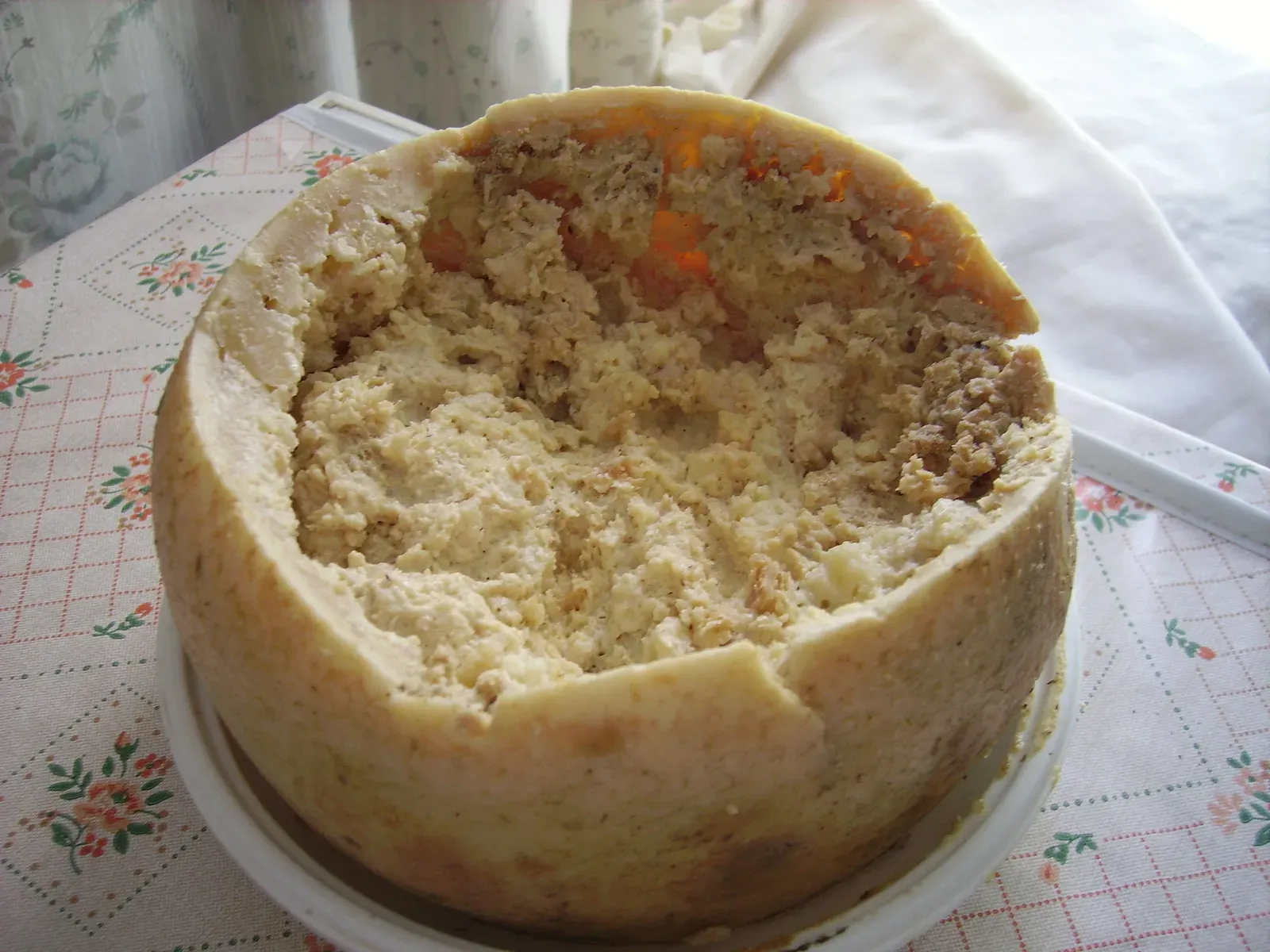
You need to close your eyes as you bring the cheese to your mouth – not just to protect yourself from the sight of dozens of wriggling maggots, but because they like to jump when disturbed. The larvae in the cheese can launch themselves distances up to 15 centimetres when disturbed, diners hold their hands above the sandwich to prevent the maggots from leaping. Connoisseurs of authenticity swallow the worms whole, but it’s acceptable to remove them before biting into the cheese. It apparently tastes like a very strong Gorgonzola, with plenty of black pepper notes, and the creamy texture is perfect for spreading on one of Sardinia’s many famous breads. Honestly, it’s hard to imagine anyone voluntarily doing this more than once.
Bushmeat: The Health Threat Hidden in Luggage
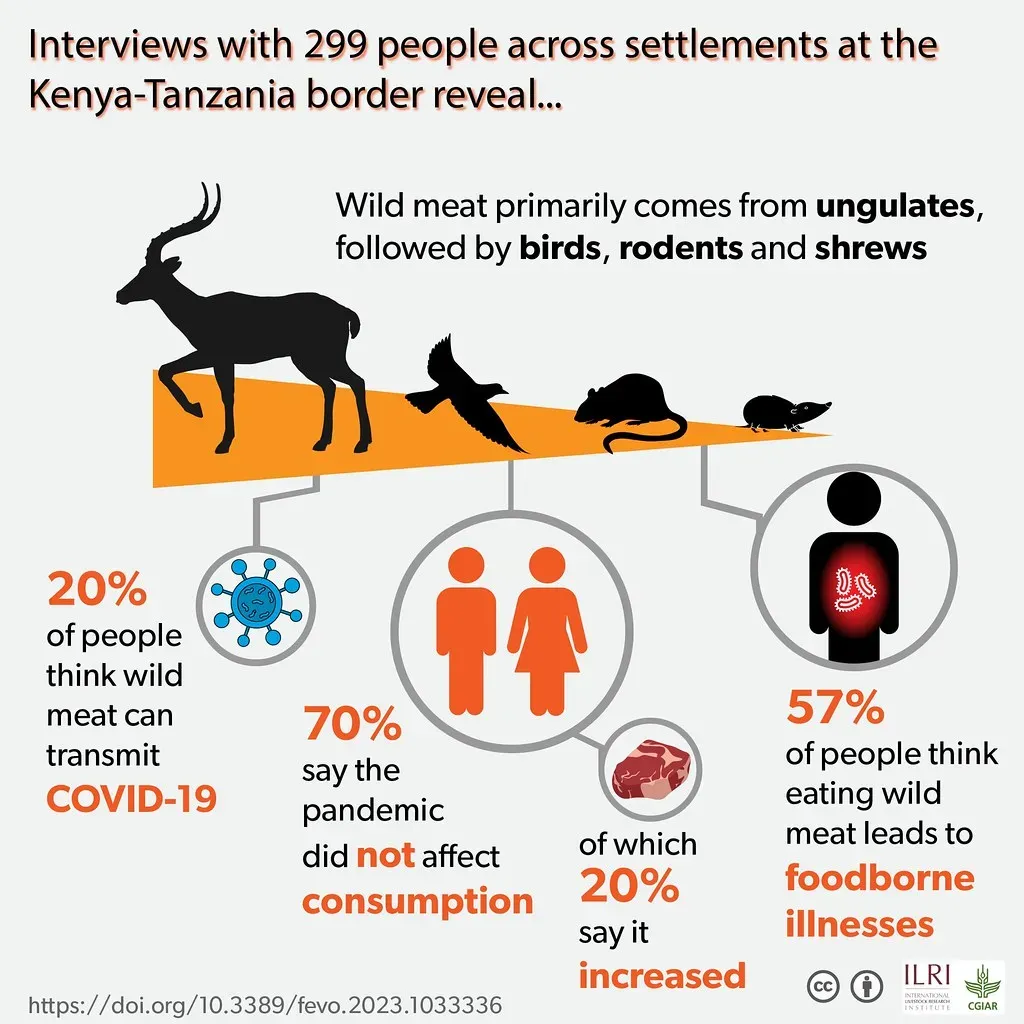
Bringing bushmeat (meat from wild animals) to the United States is prohibited. Individuals importing bushmeat face confiscation and destruction of the product at U.S. borders, along with potential fines. There is a $250,000 fine for bringing bushmeat into the United States. Bushmeat refers to meat from wild animals – bats, non-human primates, and cane rats – from certain regions of the world that poses a significant communicable disease risk. Although U.S. Customs confiscates hundreds of pounds of bushmeat annually, an estimated 180,000 pounds is smuggled into the U.S undetected every year, most of it in cargo shipments that are not inspected. An estimated 15,000 pounds is smuggled in every month.
Why Bushmeat Is So Dangerous
Bushmeat has been linked to Ebola. A number of human Ebola outbreaks in Africa have been caused by people butchering and eating ape meat, and the first human case of HIV was likely contracted in the same way. The trafficking of wild animal meat from Africa can trigger outbreaks of Ebola and other lethal diseases in the United States and throughout the world which kill thousands of people. A baggage examination yielded 11 pounds of rodent meat from Togo, while another just days later resulted in the discovery of 52 pounds of primate meat, which was declared as antelope, from the Central African nation of Gabon. Both travelers were fined $300 for the undeclared agriculture items.
Scottish Haggis: Banned for Over Fifty Years
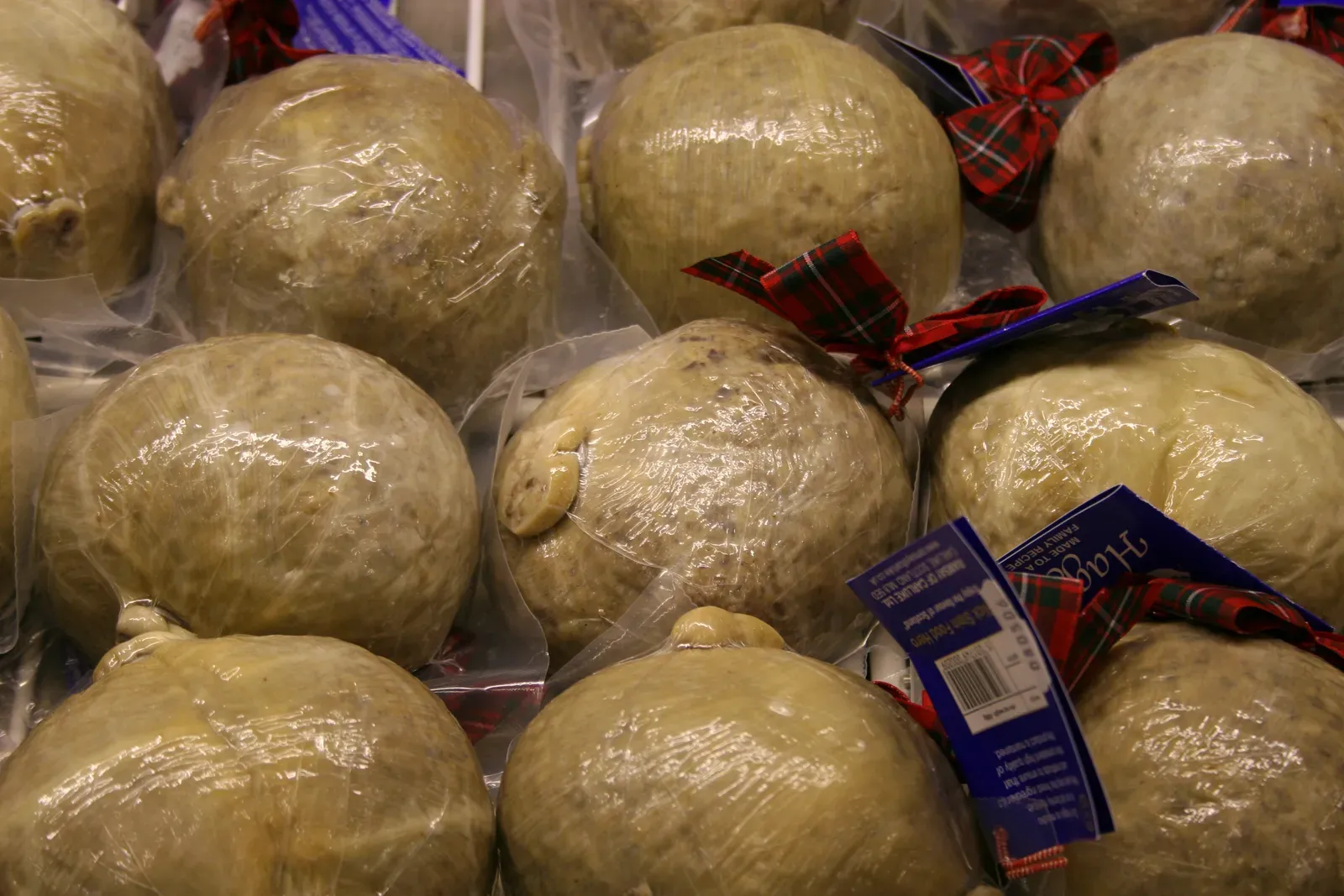
These regulations, specifically concerning the import of meat and poultry products, have effectively prohibited haggis containing sheep lungs since 1971. Haggis contains sheep lungs, which are illegal to eat in the U.S. According to the Federal Code of Regulations, “Livestock lungs shall not be saved for use in human food.” Fluids from other parts of the body, like stomach acids, end up trapped in the lungs, due to an acid-reflux-like reaction. A team of USDA scientists found pollen and fungal spores deep in the porous lung tissue and decided that this made lungs unfit for human consumption. Although representatives from Great Britain have been urging U.S. officials to lift the import ban on haggis since at least 2014, it was only rather recently (December 2021) that the Biden Administration actually did so.
Fresh Meats From Most Countries
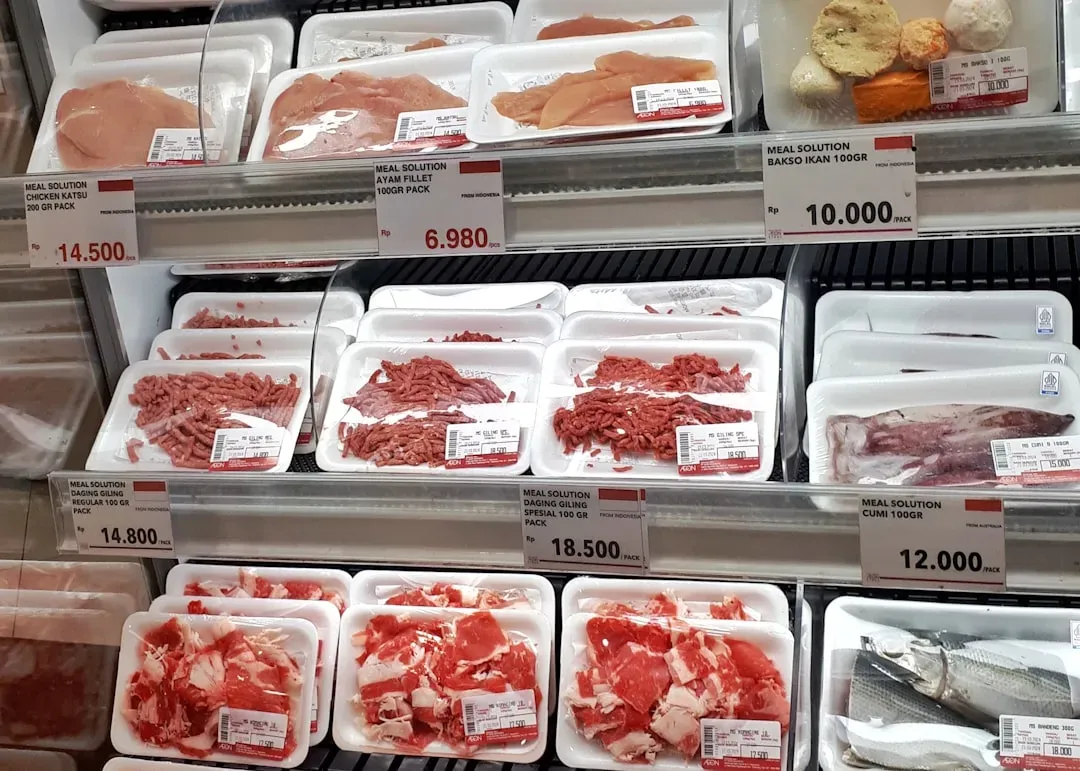
The regulations governing meat and meat products are stringent. You may not import fresh, dried or canned meats or meat products from most foreign countries into the United States. Cured hams (prosciutto, Serrano ham, Iberian ham) and salami from areas within France, Germany, Italy and Spain may not be brought into the United States by travelers. These items may only enter in commercial shipments because there are special restrictions that require additional certification and documentation. Many agriculture products are prohibited entry into the United States from certain countries because they may carry plant pests and foreign animal diseases. The regulations on importing meat and meat products change frequently because they are based on disease outbreaks in different areas of the world.
Fresh Fruits and Vegetables: Surprisingly Risky
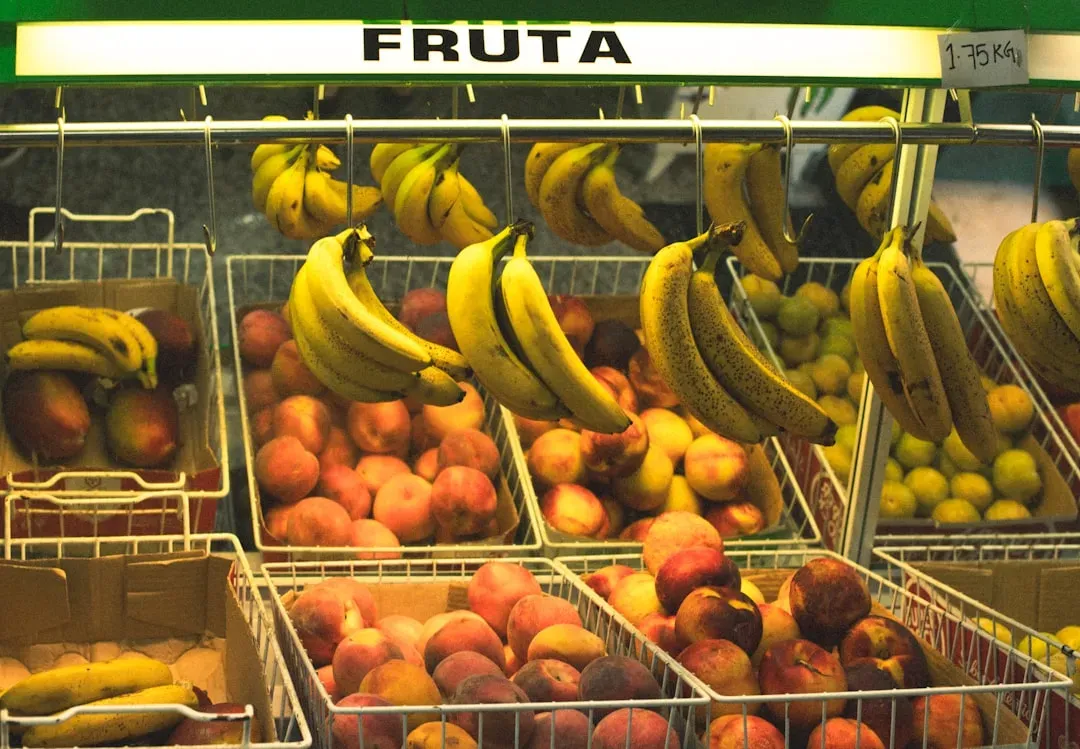
Fresh fruits and vegetables are also banned. The logic is that they can harbor insects, fungi, and bacteria that attack plants grown stateside. The mid-1980s horror show of a Mediterranean fruitfly infestation resulting from one traveler’s illicit orange is cited as the reason for the bans. The feds and California authorities spent more than $100 million to get the Medfly under control. In 2018, a woman had an apple in her bag when she reached US border control. She ended up with a $500 fine. Two passengers recently made headlines after receiving fines of more than $1800 for bringing a Subway sandwich and, separately, McMuffins into Australia. The only major exceptions are citrus leaves, since they can harbor fungus that could be detrimental to American crops.
Unpasteurized and Soft Cheeses
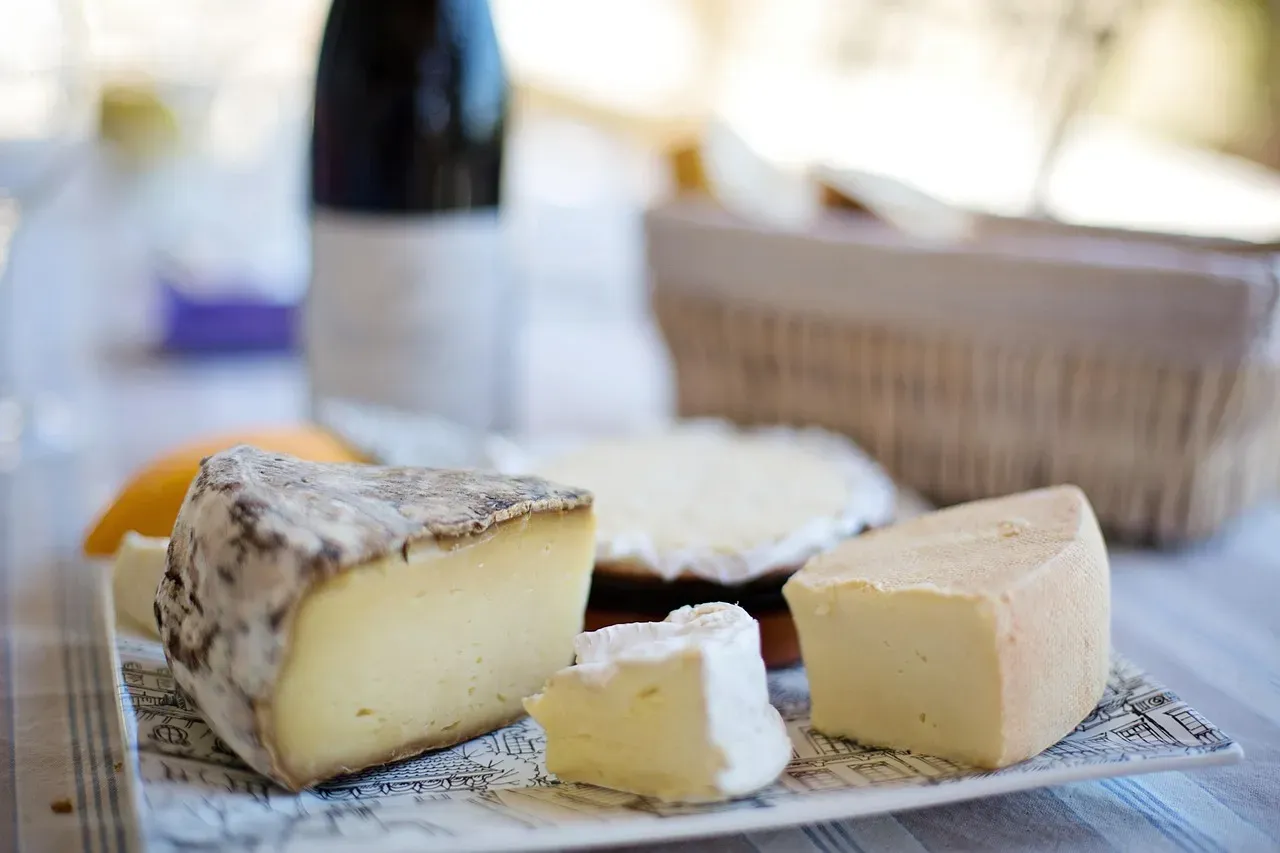
Solid cheese is allowed as long as it does not contain meat. Soft cheeses like Brie and mozzarella are permitted, while liquid options including cottage and ricotta are not allowed from certain countries. You cannot bring soft cheeses and certain fruits and vegetables to the U.S. from France. You may bring bakery items and certain cheeses into the United States. Certain cubes of cooking stock (bouillon) and pre-made soups will find themselves in the trash can at airport customs if they contain meat, in particular beef or any other animal that “ruminates”. The rules around dairy products remain confusing even for experienced travelers who make the same trip multiple times.
Kinder Surprise Eggs and Other Candy Confiscations
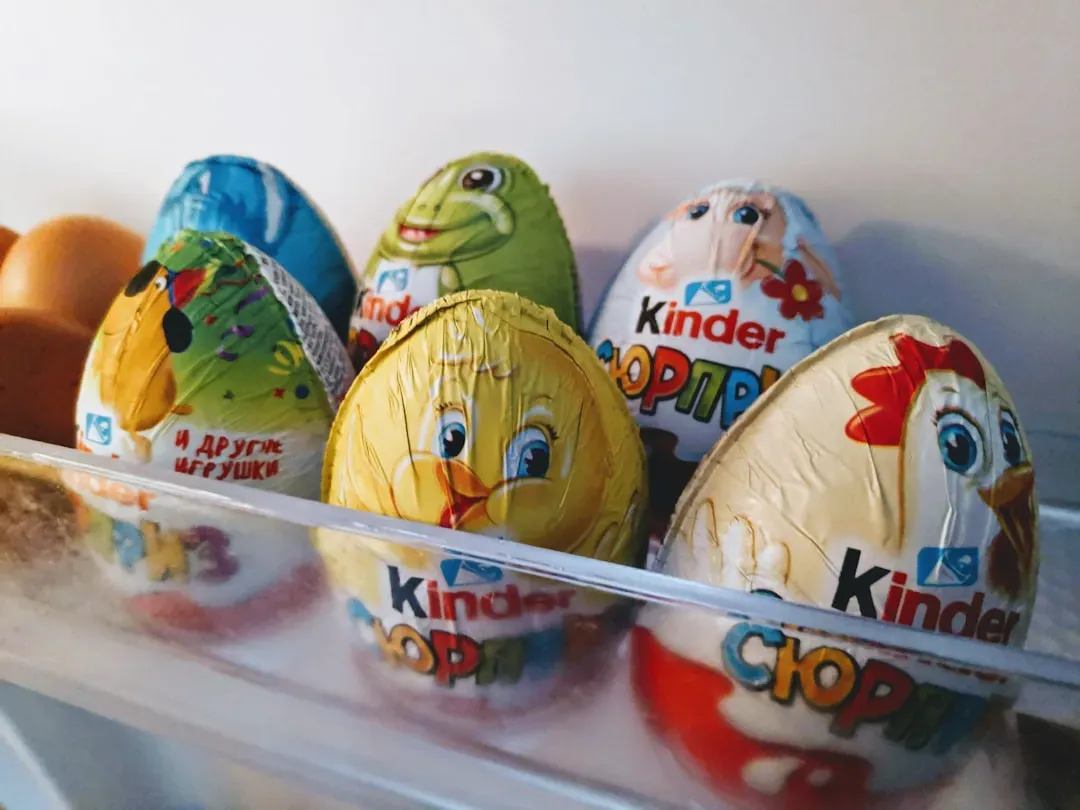
Kinder Surprise chocolates are prohibited because they contain small toys that are a choking hazard for children. This ban might seem excessive, especially considering Americans consume plenty of other foods with small parts. The U.S. Consumer Product Safety Commission enforces strict rules about non-edible items embedded in food products. Travelers often forget about these candies tucked into their bags, only to have them confiscated at customs. Some specialty stores in the U.S. now sell Kinder Joy, a modified version that separates the toy from the chocolate in two different compartments.