
Ever accidentally offended someone at dinner without even knowing it? Dining customs vary wildly around the world, and what’s perfectly polite in one place might be shockingly rude somewhere else. From slurping your noodles to never touching your fork with your mouth, these cultural quirks can make or break your dining experience abroad. Let’s be real, no one wants to be that tourist who commits a major faux pas at the dinner table. Here’s a deep dive into eight countries where dining etiquette takes some truly unexpected turns.
Table of Contents
Japan: Slurp Your Noodles Loudly
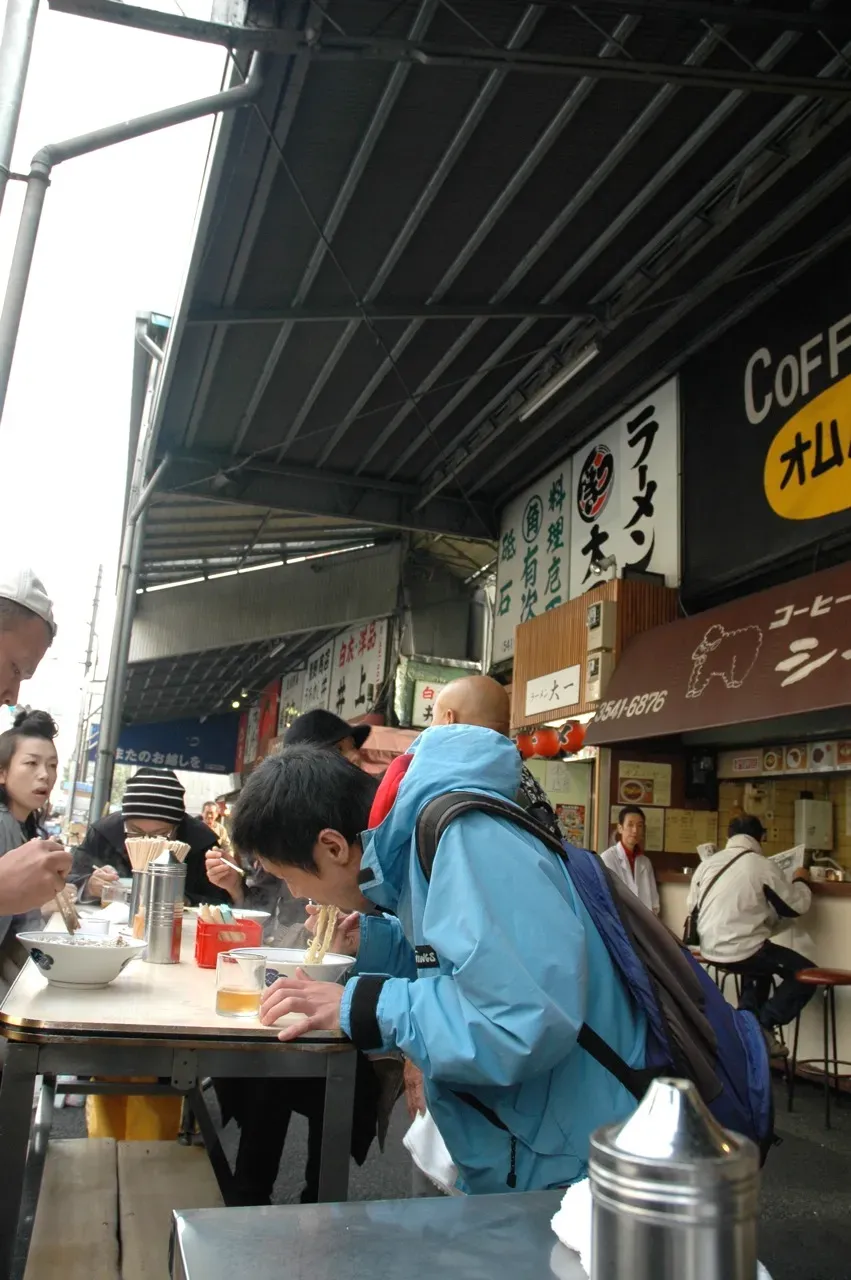
In Japanese culture slurping your noodles shows how MUCH you are enjoying your meal. Slurping noodles in Japan doesn’t equate to bad table and social manners, in fact, the sounds of slurps tell the host that you’re enjoying your meal. While Western culture teaches us to eat quietly, this Japanese tradition goes back centuries. The tradition of slurping began during the Edo period, when noodles were sold as quick street food. By slurping, you’re essentially cooling the food down as it enters your mouth. The practice is especially common with ramen, udon, and soba noodles, though you wouldn’t dare slurp Western-style pasta in a Japanese restaurant.
France: Bread Goes Directly On The Table
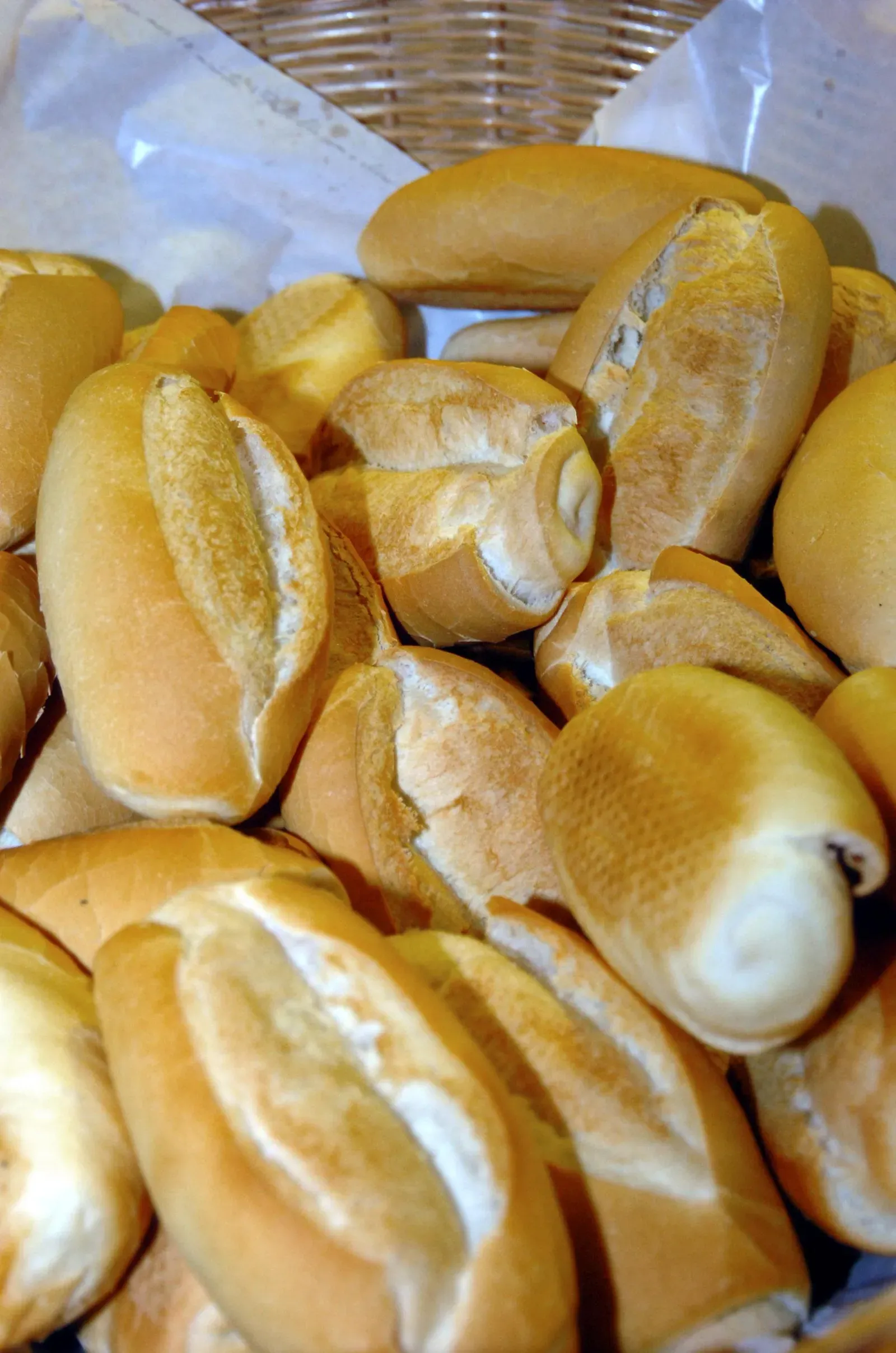
Place your bread on the left side of your plate, but not on your plate. It’s supposed to sit directly on the table, where the bread plate would be in a more formal setting. Honestly, this might seem unhygienic to outsiders, but it’s deeply rooted in French dining tradition. Don’t cut your bread with a knife, use your hands to tear it. In English, we often hear “keep your elbows off the table,” however in France it’s considered polite to keep your hands on the table. This tradition dates back to historical times, where swords, poison and meals with enemies were a regular occurrence. Keeping your hands visible above the table proved you weren’t concealing any weapons.
United Arab Emirates and Saudi Arabia: Only Use Your Right Hand
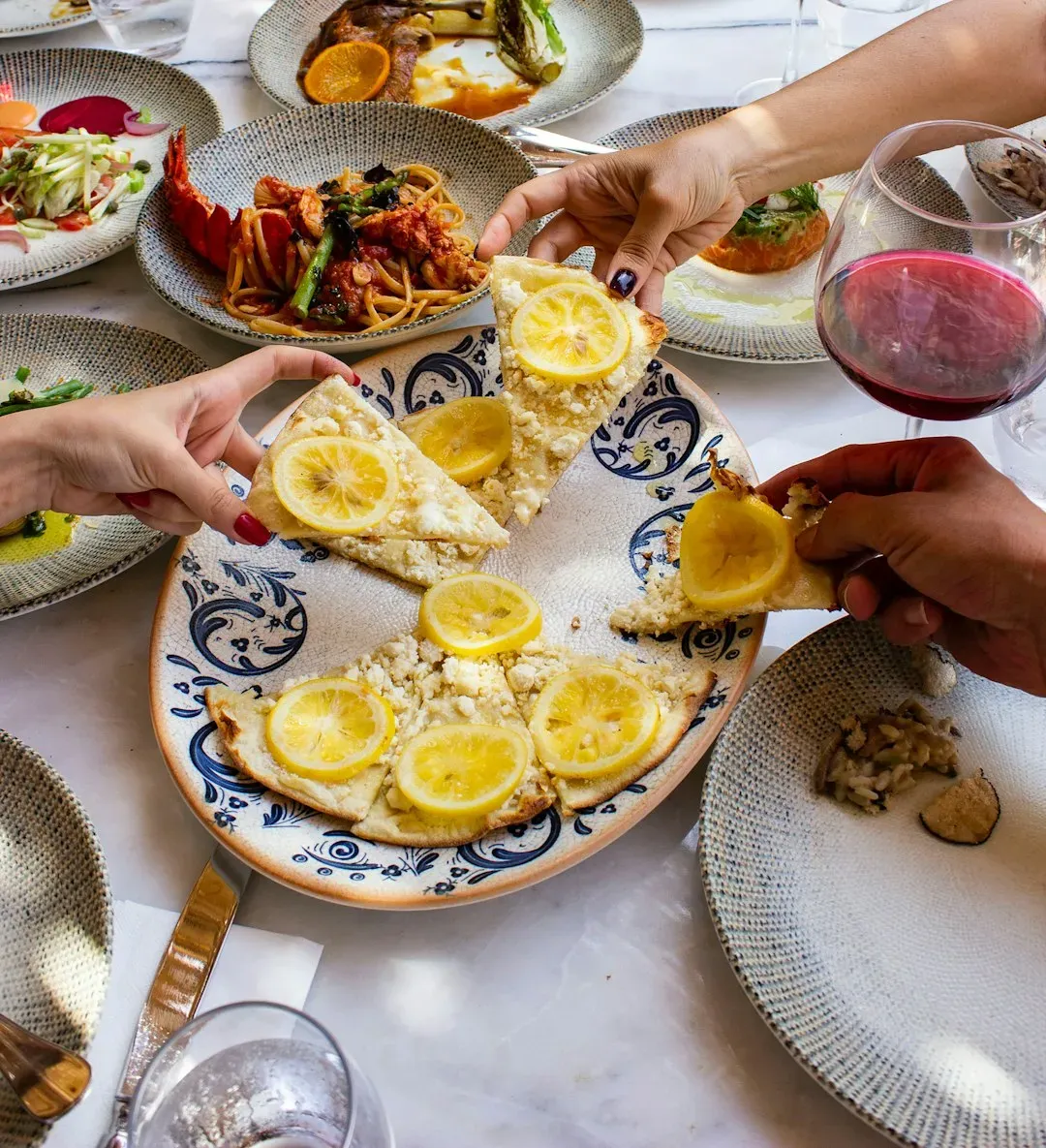
In Arab culture, the right hand is reserved for eating meals and greeting people. Use your right hand when picking up and eating food: never your left hand. Keep your left hand at your side. The left hand is typically used to clean one’s self after going to the bathroom. In much of the Middle East, as in a good portion of the world, eating with your left hand is seen as offensive or unclean, and there’s a very good reason why. This custom is observed throughout the Middle East and is deeply rooted in Islamic traditions and cleanliness practices that date back centuries.
Thailand: Never Put Your Fork In Your Mouth
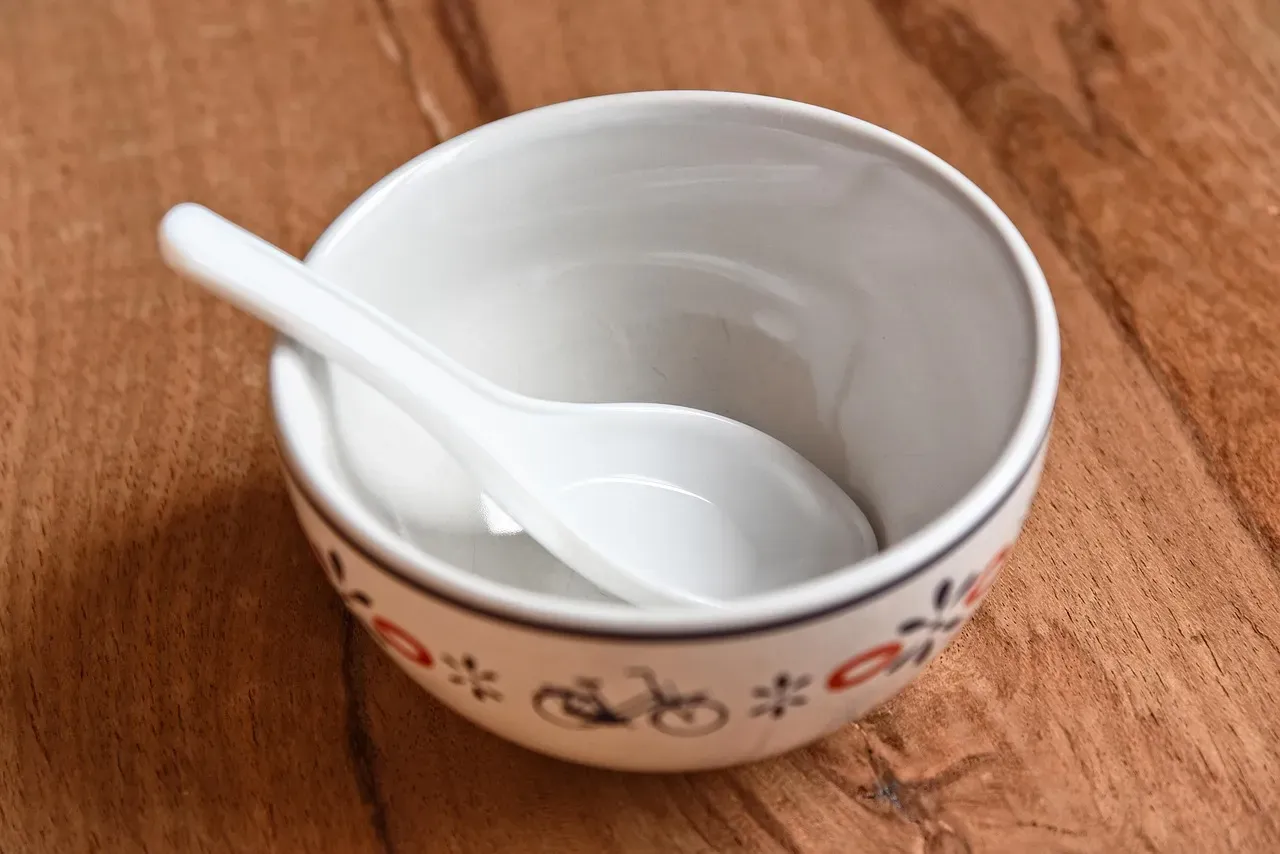
Thailand: Never use a fork to put food in your mouth; forks are for pushing food onto a spoon. In Thailand, people eat with a spoon in the right hand and fork in the left. The spoon is used to put food into the mouth, while the fork is used to scoop and arrange rice and food onto the spoon so it doesn’t fall off on its way to your mouth. Here’s the crucial detail that transforms this from awkward fumbling to graceful dining: the fork does not go into your mouth. The spoon is your primary eating utensil in Thai culture, and using it properly captures all those delicious runny sauces that Thai cuisine is famous for.
China: Never Stick Chopsticks Upright In Rice
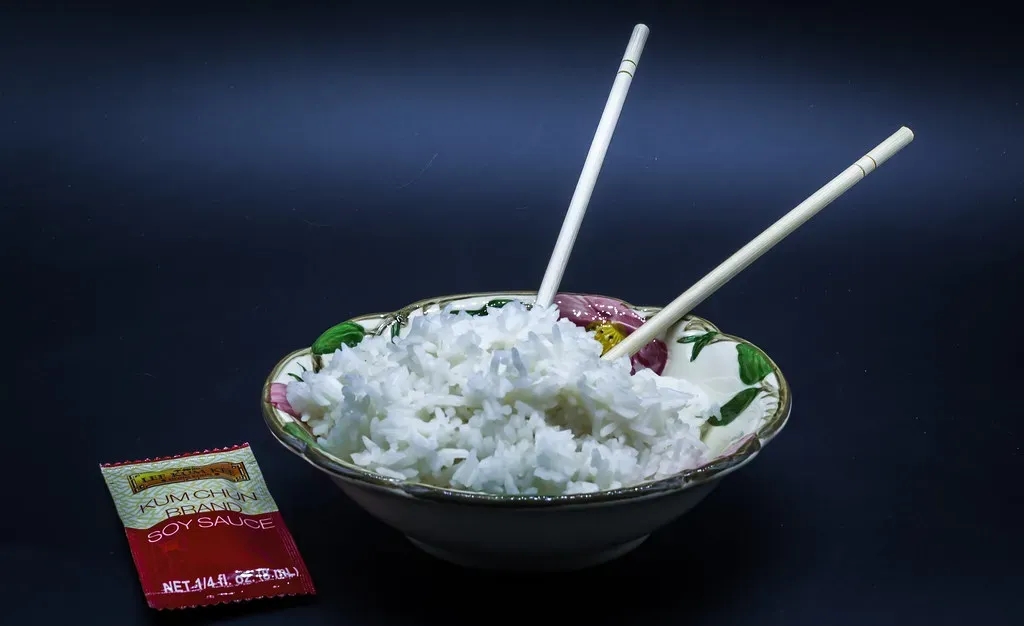
Diners often use chopsticks, but pointing them at others or sticking them upright in rice is taboo because it resembles incense used at funerals. This is one of the most serious dining taboos in Chinese culture. The visual similarity to incense sticks burning at funeral ceremonies makes this gesture deeply offensive and associated with death. Slurping and lip-smacking is a good thing. They convey your enjoyment of the meal. Interestingly, in China, showing your appreciation through sound is welcomed, though this applies mainly to noodle dishes rather than all foods.
Italy: No Cappuccino After 11 AM

Italians take pride in their food, so ordering a cappuccino after noon might raise eyebrows – it’s considered a breakfast drink. The last Italian food etiquette rules to remember are: never drink a cappuccino after a meal (the milk halts your digestion), never ask for ketchup (save it for French fries elsewhere) and do not request chicken with pasta (the textures are too similar). Italians view milk-based coffee drinks as morning fuel, not afternoon or evening beverages. It’s hard to say for sure, but locals believe the milk interferes with digestion, especially after a big meal. Violating this rule won’t get you kicked out, though you might get some puzzled looks from the barista.
South Korea: Age and Hierarchy Matter At The Table
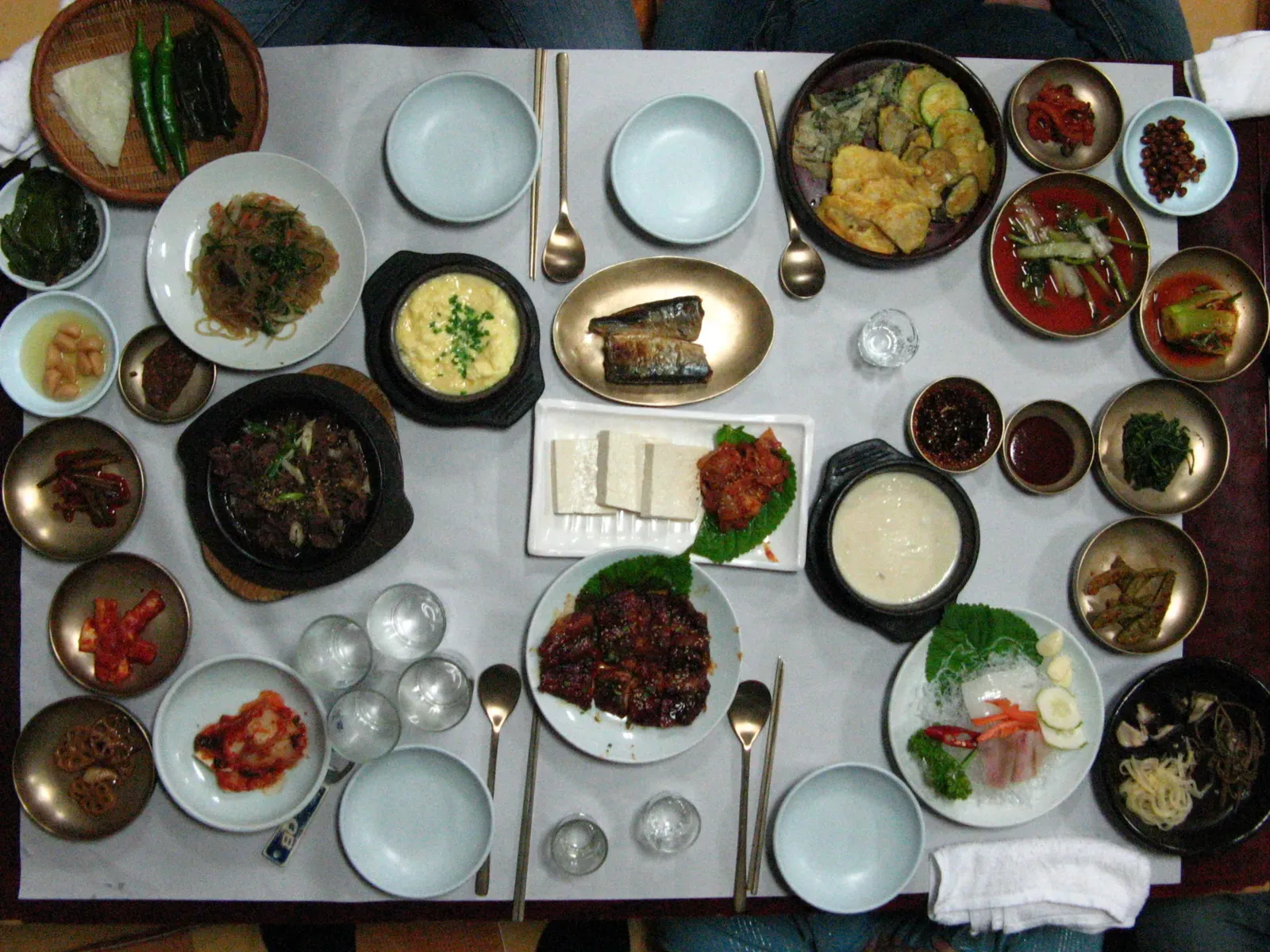
South Korean culture cares about age. Put simply: the eldest deserve more respect as they have higher social rank. You must take your eat only after the eldest has sat down; pass dishes and pour drinks with both hands to the eldest first; and – you guessed it – the you must wait for the eldest to start eating before you begin. When someone else is filling your cup in South Korea, make sure to hold the container with both hands. This is a sign of respect, as is turning away from another person when you drink the liquid. The emphasis on respecting elders permeates every aspect of Korean dining culture.
Ethiopia: Communal Hand Eating With Injera
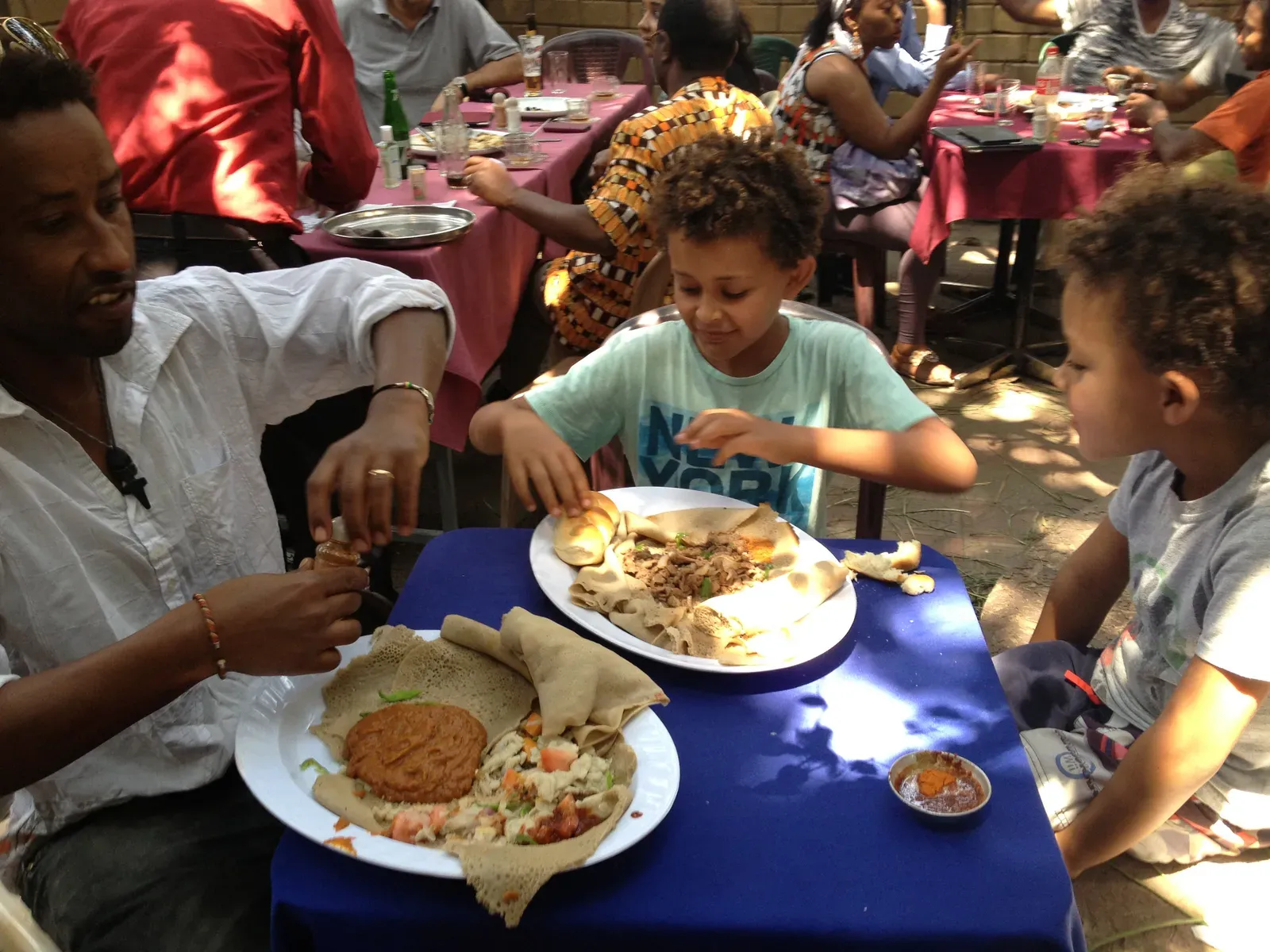
Many African and some Arab cultures use pieces of flatbread to scoop up food from a communal pot in the center of the table, or the host serves the food onto the flatbread on the plate. Popular African flatbreads include Injera from Ethiopia and Eritrea, and khobza medfouna from Morocco’s Atlas Mountains; Khobz f’tir is a traditional Algerian flatbread commonly used. Ethiopian dining revolves around injera, a spongy sourdough flatbread used both as a plate and eating utensil. Meals are typically communal, with everyone eating from the same large platter using only their right hands. The tactile experience of tearing off pieces of injera and scooping up stews creates a deeply social dining atmosphere that emphasizes sharing and connection.
Think you could navigate all these rules without slipping up? What surprised you most about these dining customs?