
Something peculiar happens when you bite into a perfectly grilled American burger halfway across the world. The juice runs down your chin in Tokyo or Dubai or Sydney, and for a moment, you’re eating something unmistakably familiar yet somehow transformed. It’s hard to say for sure, but the classic American burger has traveled farther and adapted more thoroughly than perhaps any other fast food item on Earth. These patties of ground beef, melted cheese, crispy lettuce, and soft buns have sparked something like devotion in certain countries, creating local obsessions that rival even America’s own burger culture. What started as simple fast food has evolved into a cultural phenomenon that tells us something interesting about globalization, taste, and what people crave when life moves too fast to sit down for a proper meal. Let’s dive in.
Table of Contents
Japan: Where American Burgers Meet Precision and Innovation
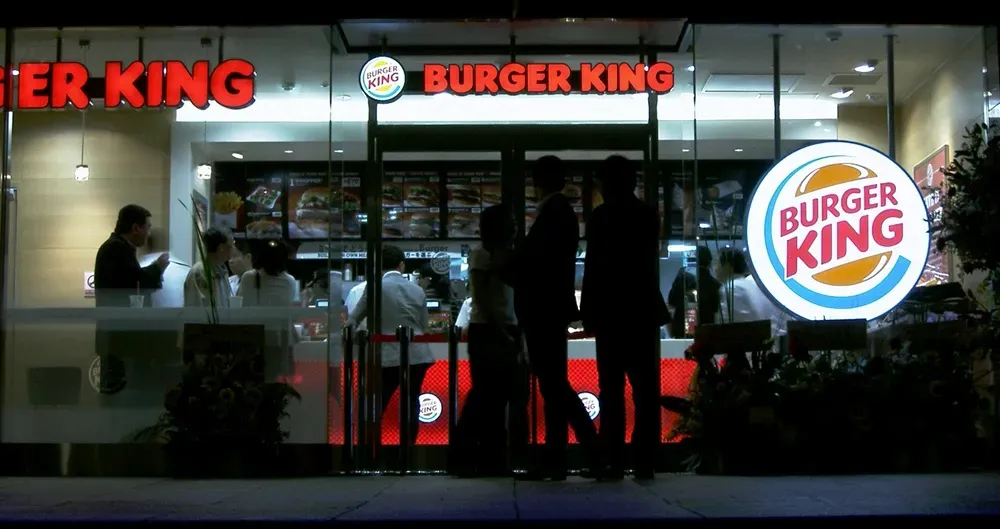
Japan ranks among countries with some of the highest fast food consumption globally, with McDonald’s Corporation operating 2,959 facilities as of January 2023. The Japanese have turned their affection for American-style burgers into an art form that balances tradition with innovation. Japan’s fast food market reached USD 58.6 Billion in 2024 and is expected to reach USD 104.1 Billion by 2033, exhibiting a growth rate of 6.2% during 2025-2033.
What makes Japan’s burger obsession remarkable isn’t just the numbers. Quick service restaurants dominate the foodservice industry in Japan, holding approximately 46% market share in 2024, driven by Japan’s fast-paced urban lifestyle and growing demand for convenient, quick meal options. McDonald’s leads with roughly 2,900 outlets, followed by MOS Burger with around 1,480 locations and KFC with about 1,350 stores. Honestly, walking through Tokyo’s Shibuya district, you’ll find burger joints packed at nearly every hour, serving everything from classic cheeseburgers to uniquely Japanese creations like teriyaki burgers and shrimp patties.
Fusion cuisine is quite popular in the Kanto region, where chains like Lotteria have produced products like shrimp burgers with teriyaki sauce, combining Japanese and Western cuisines. Meanwhile, the focus on quality remains paramount. Burger and pizza dishes are priced at USD 4.2 and 9 per 300 g in the country, reflecting a market willing to pay for premium ingredients and meticulous preparation. The Japanese don’t just eat burgers; they refine them, experiment with them, and make them their own while maintaining that core American identity.
Australia: The Land Down Under Goes All In on American Beef
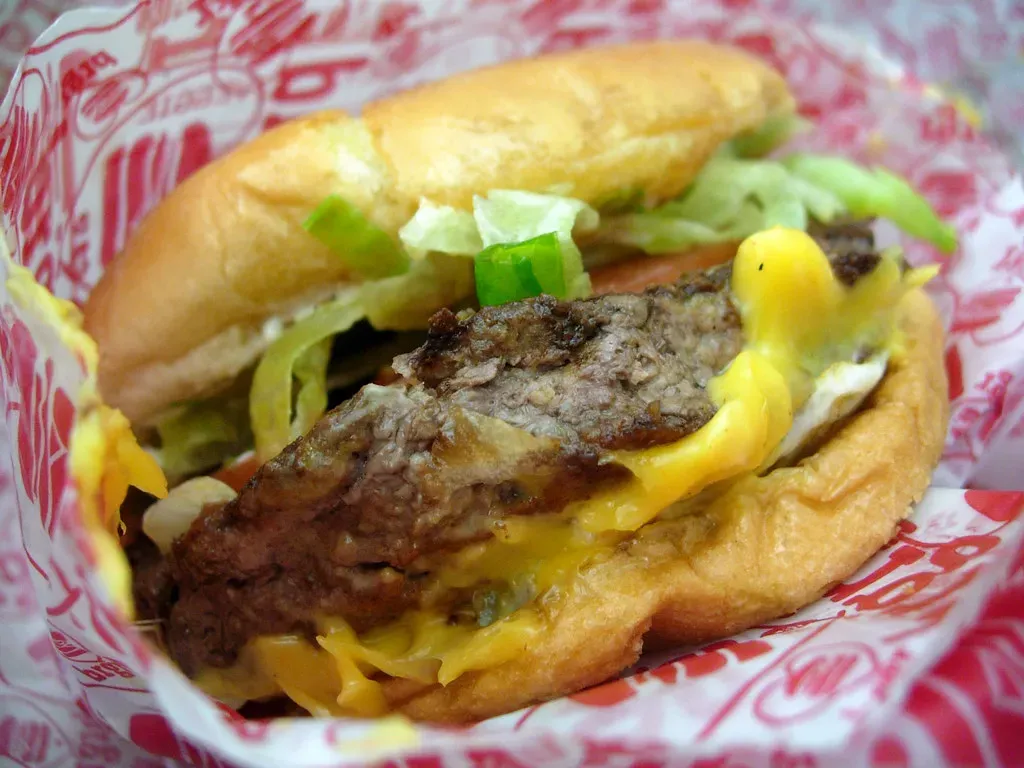
As of January 2024, there are 3,996 fast food restaurants in Australia, with most market share from popular American fast food chains like McDonald’s, KFC, Hungry Jack, and Domino’s Pizza. Australians have embraced American burger culture with an enthusiasm that’s genuinely surprising. Subway and McDonald’s were the quick service restaurant brands with the highest number of locations across Australia, with over 1,230 Subway locations and over 1,040 McDonald’s locations recorded as of 2024.
Here’s the thing: Aussies aren’t just passive consumers of American fast food. Growing demand for premium products and the continued entry of gourmet burger shops have benefited the industry, with the Fast Food Burger Shops industry recording robust growth as Australian consumers proved that demand for fast food is relatively inelastic to price pressures, with revenue climbing at an annualized 2.5% over five years to reach $11.5 billion. The gourmet burger scene has exploded in cities like Melbourne and Sydney, where independent shops compete fiercely with global chains.
Social media is a contemporary power that has driven the rise of American style burgers in Australia, as consumers document, photograph, post, tag, and share their favourite food spots and meals. Instagram accounts dedicated solely to reviewing Melbourne’s best burgers have thousands of followers. For decades, Australians have grown up watching American TV shows and movies where iconic fast-food brands like McDonald’s, KFC and Burger King are heavily featured, creating a sense of familiarity and nostalgia for American food. That cultural connection, combined with Australia’s own love for quality beef and casual dining, has created a burger market that’s both massive and constantly evolving. Still, it’s worth mentioning that local chains and independent venues maintain strong positions, giving the market a distinctly Australian flavor despite the American roots.
South Korea: Burger Mania Meets K-Culture
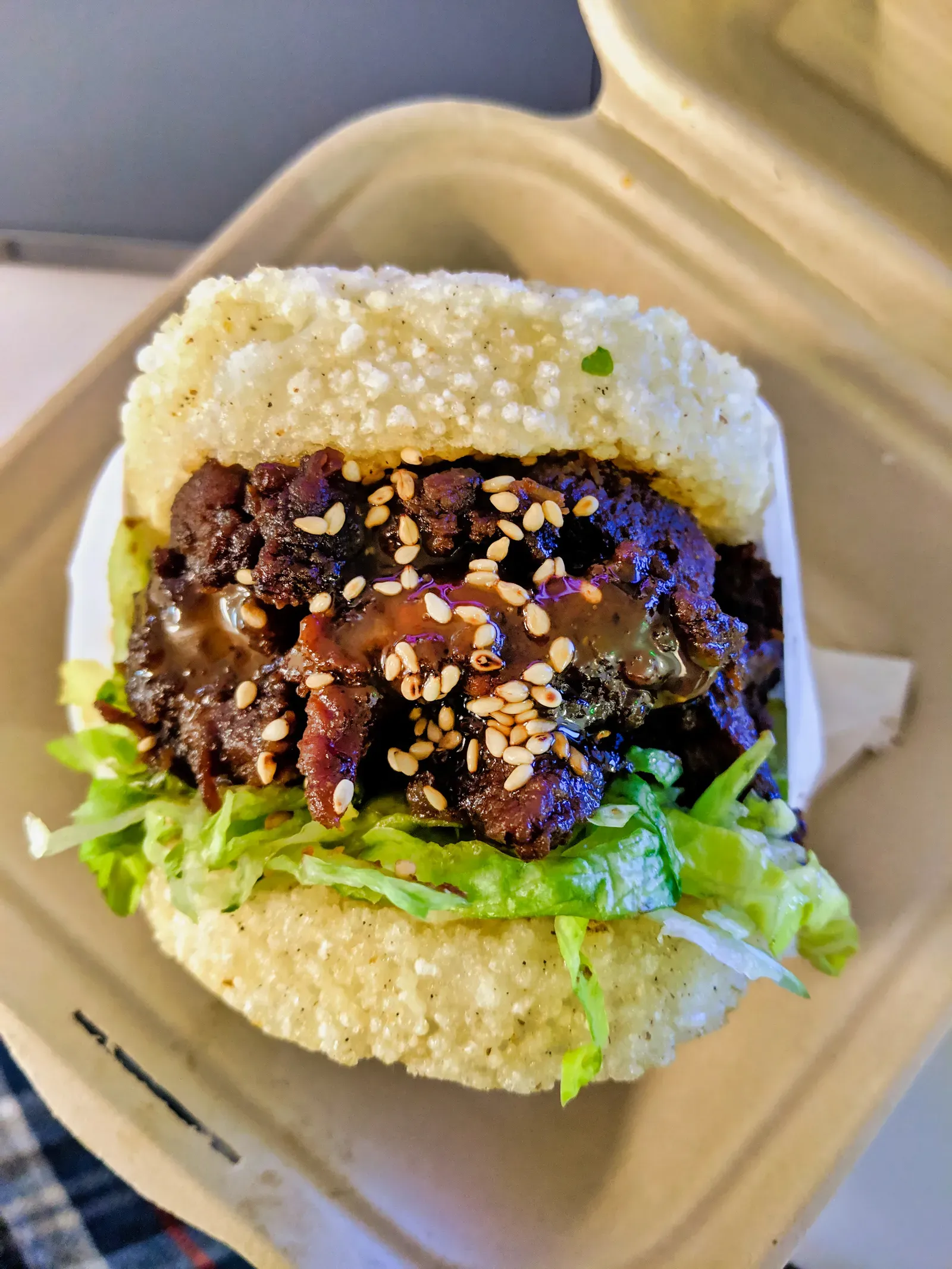
In 2024, the South Korea fast food market reached an approximate value of USD 18.05 Billion and is estimated to grow to about USD 28.30 Billion by 2034. South Korea’s fixation on American burgers has become intertwined with the country’s own cultural exports and innovations. Lotteria became the number-one fast food restaurant chain in South Korea, achieving a 45% market share in 2001 by introducing lines of Koreanized fast food including its signature kimchi burger.
The burger scene in Seoul is absolutely electric right now. Korea’s burger market has climbed steadily from 2.1 trillion won in 2014 to a projected 5 trillion won, up from 4.2 trillion won in 2024. What’s fascinating is how Korean chains like Mom’s Touch have risen to challenge American giants. Mom’s Touch posted record highs with revenue of 417.9 billion won and operating profit of 73.4 billion won, becoming the nation’s largest burger franchise by store count with 1,450 locations nationwide as of January.
McDonald’s announced plans to expand its footprint in South Korea by 25%, with HanGook McDonald’s setting an ambitious goal of operating 500 restaurants in the country by 2030. Meanwhile, in 2024, Lotteria ranked among fast food restaurants in terms of brand competitiveness with a score of 78 out of 100, followed by Mom’s Touch with a score of 77. Korean consumers have turned burger consumption into something uniquely their own, blending Western convenience with Korean flavors and presentation styles. The result? A market that’s growing faster than nearly anywhere else on the planet.
United Arab Emirates: Luxury Burgers in the Desert
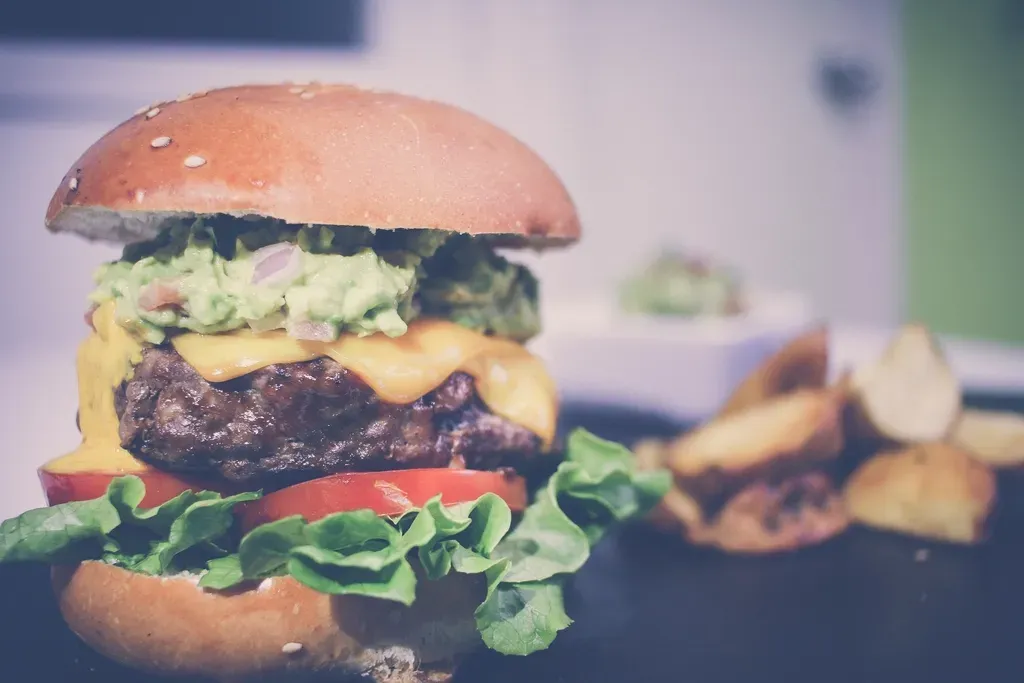
The United Arab Emirates Quick Service Restaurant market was valued at US$ 5.25 Billion in 2024 and is anticipated to reach US$ 25.36 Billion by 2033, growing at a compound annual growth rate of 19.2% during 2025-2033, fueled by urbanization, growth in consumer demand for convenience food, and expansion of international and regional QSR brands. The UAE, particularly Dubai, has transformed itself into a burger paradise that rivals any American city.
Ranked second only to Paris as the world’s leading gastronomy capital, Dubai issued almost 1,200 new restaurant licences to operators in 2024, with the food and beverage sector experiencing remarkable growth. Dubai set a new record for tourism with 18.72 million international overnight visitors in 2024, representing a 9% increase over the previous year, meaning restaurants have a consistent stream of potential customers seeking high-quality dining experiences. This massive tourism influx creates constant demand for familiar American-style fast food, especially burgers.
There are nearly 3,100 restaurants in the United Arab Emirates, with popular fast food chains in the country including Burger King, McDonald’s, Kentucky Fried Chicken, Pizza Hut, and local fast food marketers. Yet what distinguishes the UAE market is the premium positioning. QSRs have gained immense popularity due to the fast-paced lifestyle, rising disposable incomes, and growing tourism industry, with the country’s diverse expatriate population leading to demand for various cuisines from American fast food to Middle Eastern flavors. Burgers in Dubai aren’t just fast food; they’re often gourmet experiences with truffle oil, wagyu beef, and gold leaf, served in gleaming malls and upscale food courts. The UAE has taken the American burger and elevated it to match the country’s taste for luxury and excess, creating a market that’s both massive and growing at a rate that honestly seems almost unreal.
Did you expect that? Four countries, four different continents, yet all united by a serious craving for that classic American burger. From Tokyo’s precision to Sydney’s gourmet scene, from Seoul’s cultural fusion to Dubai’s luxury spin, the humble hamburger has conquered the world in ways that tell us as much about these countries as they do about America itself. What do you think drives this global burger obsession?