
The fast food landscape has shifted dramatically, with the United States firmly claiming the title as the world’s most fast food obsessed country in 2024. Individuals in America indulge between one and three times per week, with roughly one third of American adults consuming fast food daily and a staggering four out of five households doing so weekly. Yet America isn’t alone in this craving for quick meals.
From bustling streets in the United Kingdom to sun soaked Australian suburbs, the global appetite for burgers, fries, and fried chicken shows no signs of slowing down. What drives millions to grab takeout several times a week? Honestly, it’s hard to say for sure, but modern life seems to demand convenience above almost everything else.
Table of Contents
United States
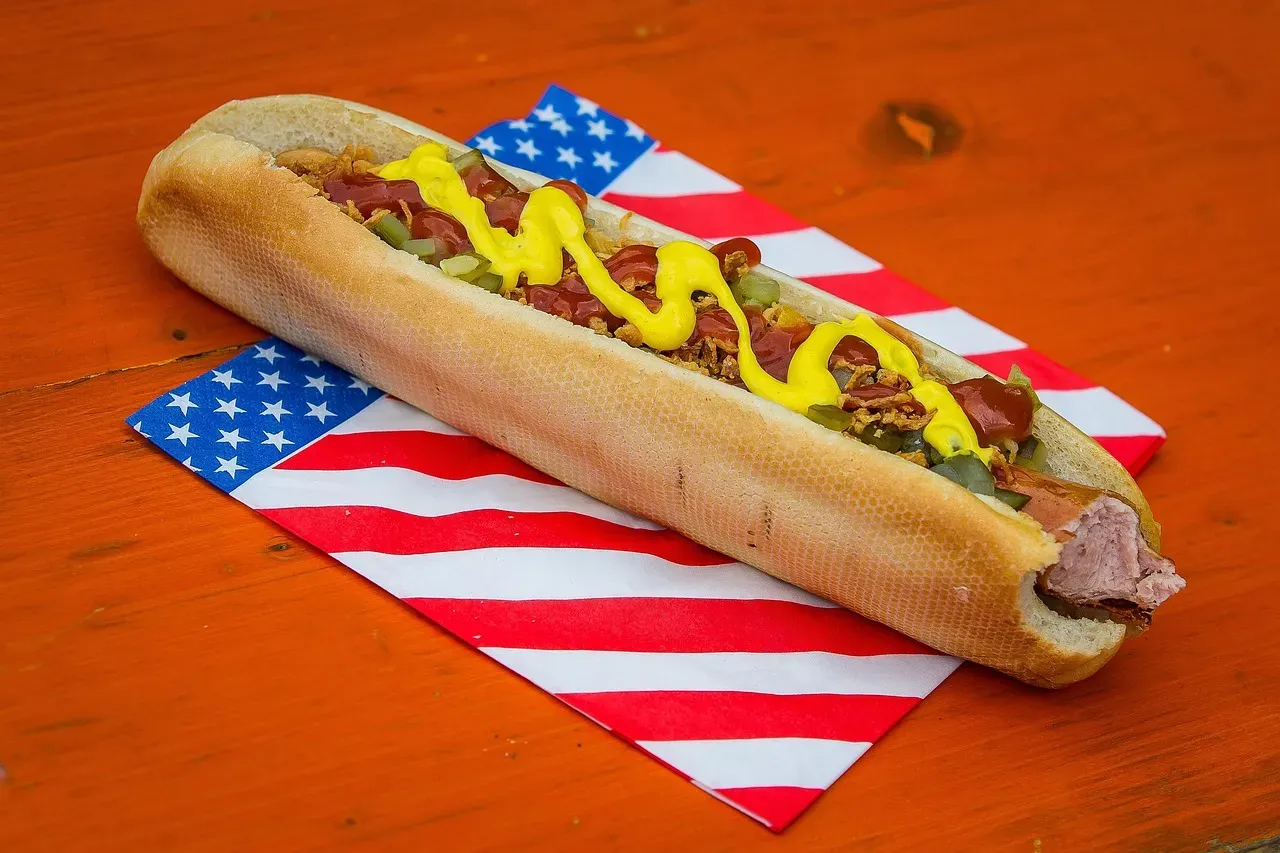
According to the National Restaurant Association, America spends more than 240 billion dollars annually on fast food restaurants, and on average Americans eat fast food three to four times a week. McDonald’s alone serves 69 million customers every day across more than 13,500 outlets in the US. The drive thru culture has become so integrated into American lives that roughly 70 percent of fast food sales come from car service windows.
A remarkable 83 percent of American households consume fast food weekly, making it a staple rather than an occasional treat. The numbers tell a striking story of a nation shaped by speed and accessibility. As of June 2024, America’s fast food industry was worth around 331.4 billion dollars, representing a little over one third of the global fast food market.
United Kingdom

According to a report by the UK Food Standards Agency in 2024, the average British citizen spends around 1,800 pounds per year on takeaway food. There are more than 45 thousand fast food outlets across the UK, with London alone having more than 8,000 fast food restaurants. The British fast food scene blends traditional fish and chips with international chains, creating a unique culinary landscape.
The United Kingdom holds the second spot with 46,200 fast food chains, while France occupies third place where more than half of households regularly enjoy fast food. Interestingly, the supply chain crisis actually encouraged people to switch to cheaper fast foods rather than traditional restaurants, demonstrating how economic pressures reshape eating habits almost overnight.
Australia

Based on UberEats 2024 consumer reports, an average Australian spends around 2,400 Australian dollars per year on takeaway food. Australians eat fast food twice per week on average, with American style fast food culture warmly accepted yet combined with local touches like meat pies and fish and chips. The country has one of the largest numbers of McDonald’s outlets per capita outside the United States, and Sydney and Melbourne rank among the top 10 cities globally with the most delivery food orders per capita.
Driven by increasingly hectic lifestyles, Australians make approximately 51.5 million monthly visits to fast food chains, accounting for nearly one third of their household food budget dedicated to dining out. The convenience factor cannot be overstated in a nation where time poor professionals prioritize quick meal solutions.
Canada

The Canadian fast food industry is worth 36.4 billion dollars in 2023, with 20,592 fast food restaurants operating in Canada by 2024. Roughly 60 percent of Canadians say they buy food from restaurants at least once a week, while 16 percent purchase food or snacks from restaurants every day. Tim Hortons dominates the Canadian landscape as the homegrown favorite.
Younger people aged 18 to 34 are likely to buy a meal or snack two times per week on average, while older age groups consume restaurant meals about 1.7 times per week, and regional variations show Ontarians and Atlantic provinces eat restaurant food twice weekly. Let’s be real, the Canadian appetite for convenience mirrors its southern neighbor remarkably closely.
Germany

Germany ranks among the countries with the highest fast food consumption, with German citizens eating fast food twice per week on average according to a study from the German Nutrition Society in 2024. An efficient and practical lifestyle makes fast food a time saving solution for busy Germans juggling work and personal commitments.
Traditional German street food like currywurst and döner kebab compete fiercely with international brands, creating a diverse fast food ecosystem. The German market reflects broader European trends where convenience increasingly trumps traditional meal preparation, especially among younger urban populations navigating demanding schedules.
France
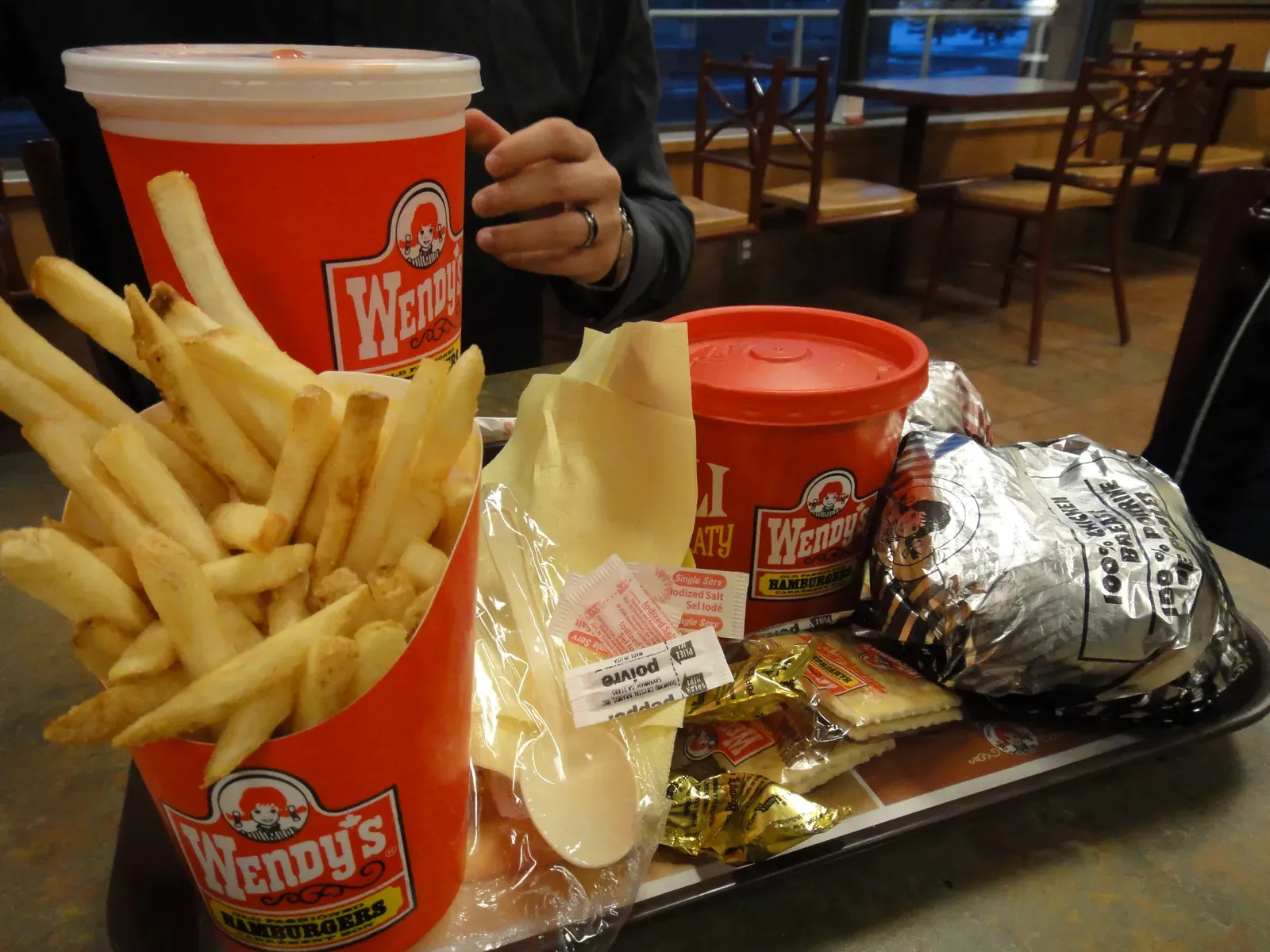
France ranks second in the list of top countries with the highest number of fast food consumers around the world, with residents preferring to eat from Subway, while Canada and the United Kingdom rank third and fourth respectively. More than half of French households regularly enjoy fast food, a striking statistic for a nation globally celebrated for its fine dining culture and culinary traditions.
The French embrace of fast food demonstrates how even countries with deep rooted food traditions adapt to modern pressures. Time constraints, urbanization, and shifting cultural attitudes have transformed the French relationship with quick meals. Honestly, it’s fascinating how global convenience culture has reshaped even the most gastronomically proud nations.
The global fast food phenomenon reveals more than just dietary preferences. These six countries showcase how modern life, economic pressures, and cultural shifts converge around convenience. Weekly fast food consumption has become normalized across continents, reshaping traditional eating patterns in ways previous generations could barely imagine. What surprises you most about these eating habits?