
Let’s be real, we’ve all been there. You’re ready to whip up a delicious meal, you reach for that trusty jar of paprika sitting in your cabinet, and suddenly wonder: how long has this been here? The answer is probably longer than you’d like to admit. Spices might not spoil in the traditional sense, but here’s the thing most of us ignore: they quietly lose their magic over time.
The spices sitting in your pantry right now are probably shadows of what they once were. While they won’t make you sick, using them is like trying to add color with a dried-up marker. The dish might look okay, but something’s definitely missing.
Table of Contents
Ground Paprika: The Fading Star of Your Spice Rack
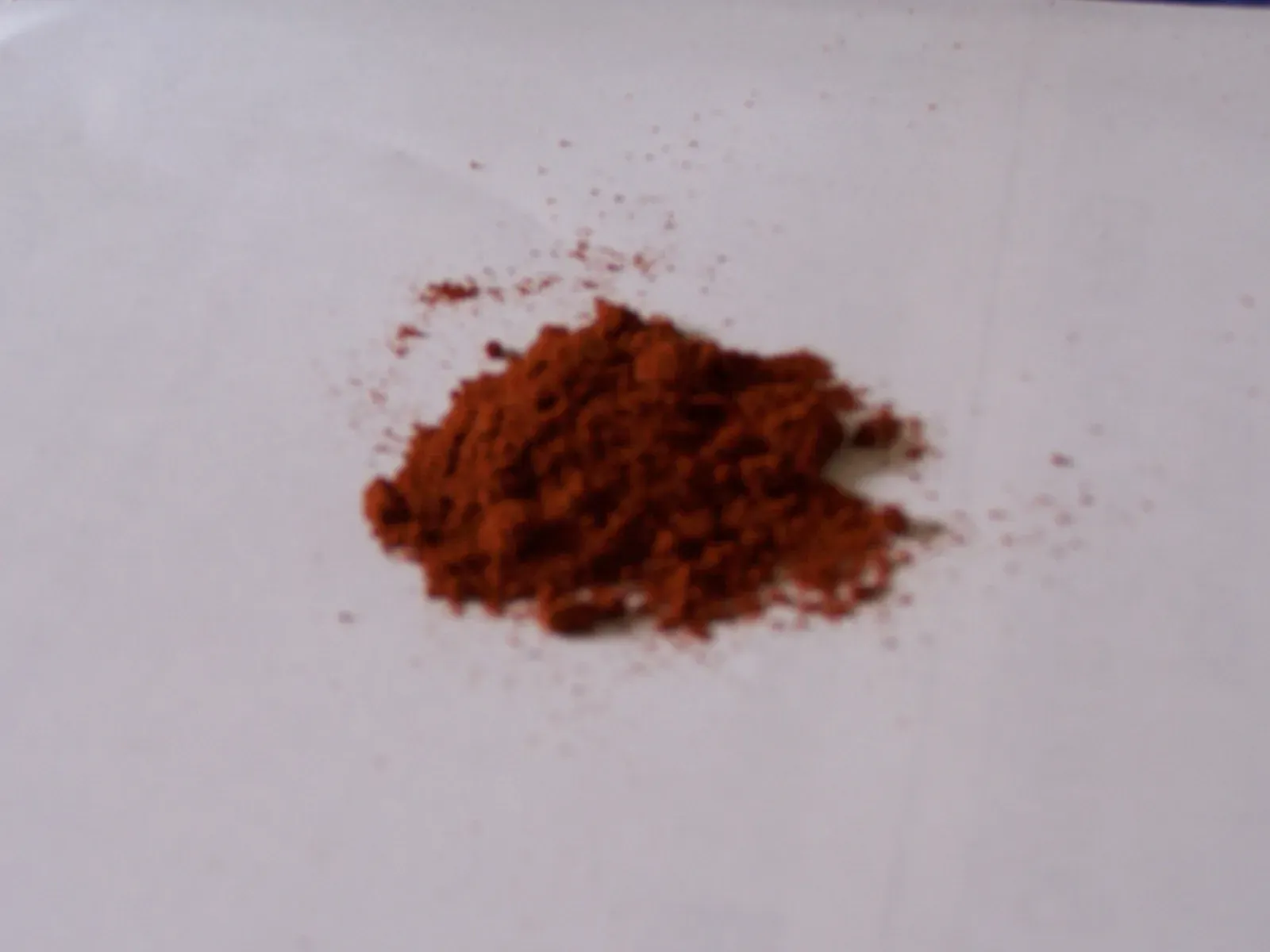
Paprika turns from vibrant red to pale orange indicating roughly about seventy to eighty percent flavor loss, yet many home cooks keep using it for years. The visual change is your first clue, and honestly, it’s hard to miss if you’re paying attention. Ground spices like paprika typically last about four to eight months when properly stored, losing flavor faster because they have more surface area exposed to air.
The problem gets worse if you store paprika in clear containers near your stove. Heat and light accelerate the deterioration process dramatically. Some people store ground chili peppers like paprika in the refrigerator or freezer to preserve color, though this doesn’t actually preserve the flavor, which defeats the whole purpose.
Cayenne Pepper: When the Heat Disappears
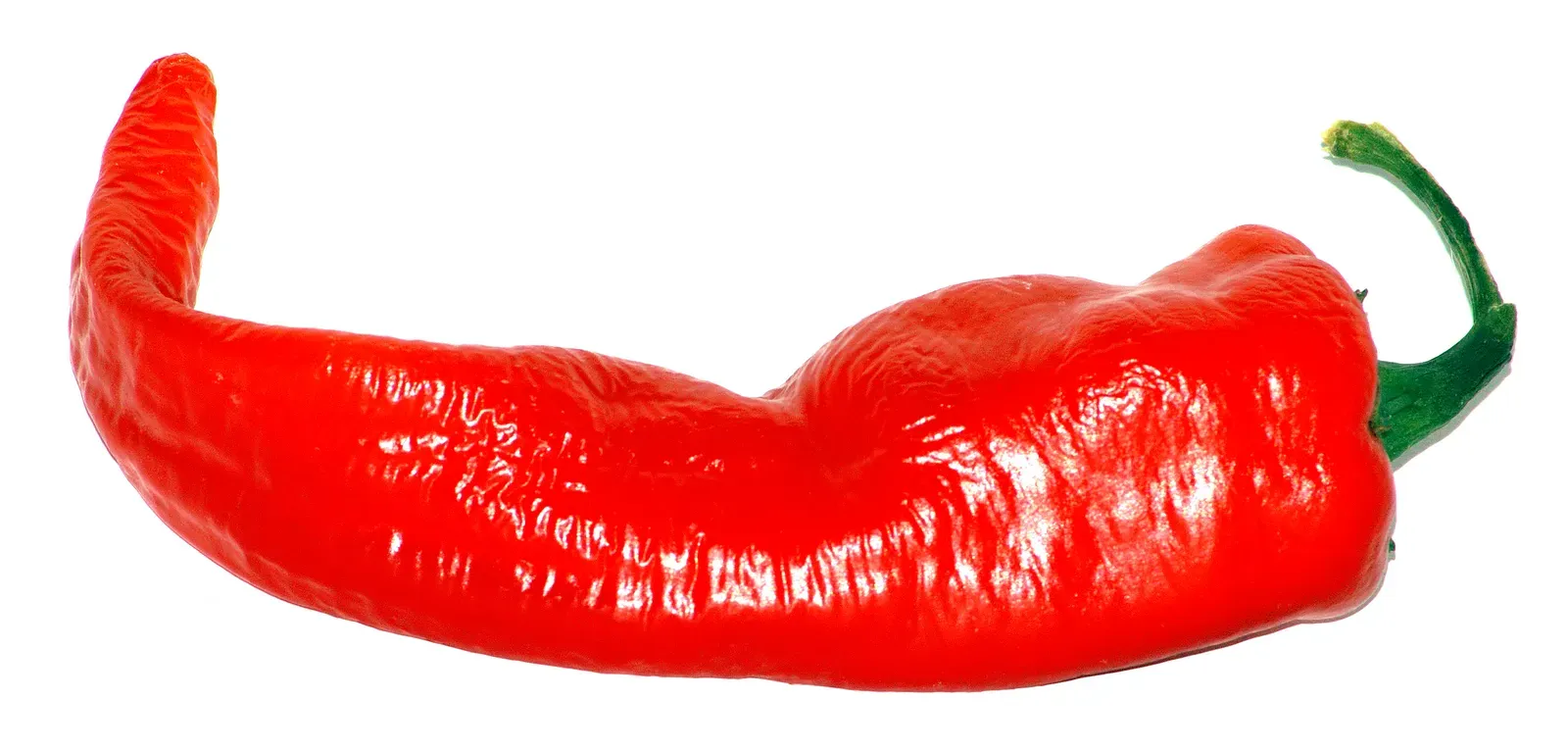
Ground cayenne pepper typically retains its potency for about three to four years when kept in a cool, dark place, while whole cayenne peppers can last even longer. The catch? Most people never replace it until it’s basically flavored dust. I’ve seen home cooks double or triple their cayenne amounts in recipes, wondering why dishes lack that signature kick.
USDA research shows properly frozen ground cayenne retains more than ninety-five percent potency after two years versus sixty percent at room temperature. The science is clear, but how many of us actually freeze our spices? Not many. Changes in color, loss of aroma, and clumping are signs that its quality has declined, yet these warning signs often go ignored in busy kitchens.
Ground Cinnamon: Sweet Nostalgia That’s Lost Its Edge
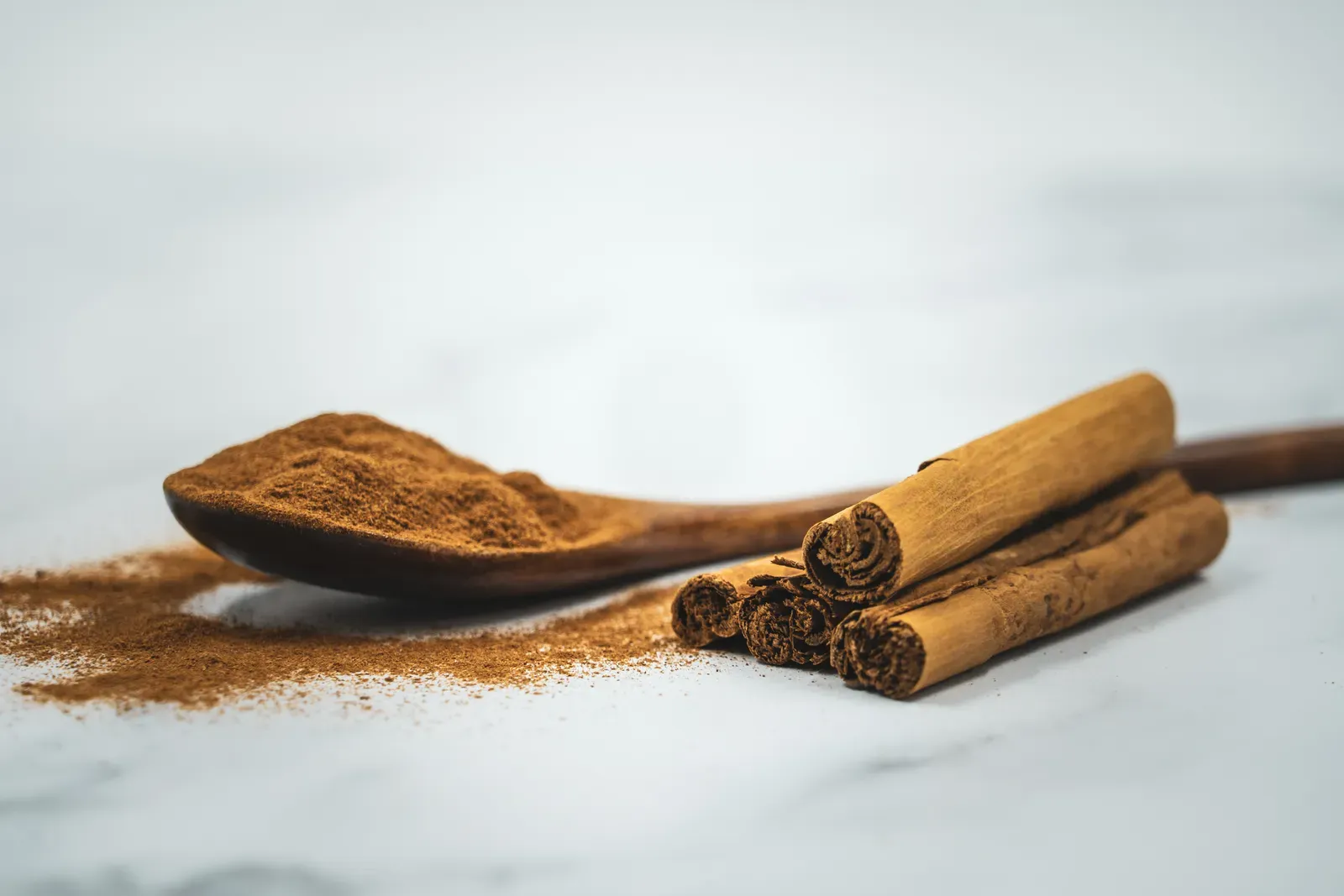
Here’s a wild fact: Different types of cinnamon contain varying amounts of volatile oils, with Korintje containing three percent while Saigon cinnamon contains between four and six percent volatile oil. Those oils are responsible for the warm, spicy aroma we associate with cinnamon. Ground cinnamon typically retains its best flavor for six to twelve months, though it may remain usable up to two years if stored properly.
The reality? Most people have ground cinnamon that’s been lounging in their cabinet for far longer than two years. Cinnamon doesn’t spoil but loses flavor over time, with ground lasting one to two years and sticks lasting three to four years. That jar you bought for holiday baking three years ago? It’s probably contributing nothing but brown dust to your recipes now.
Chili Powder: The Blend That Becomes Bland
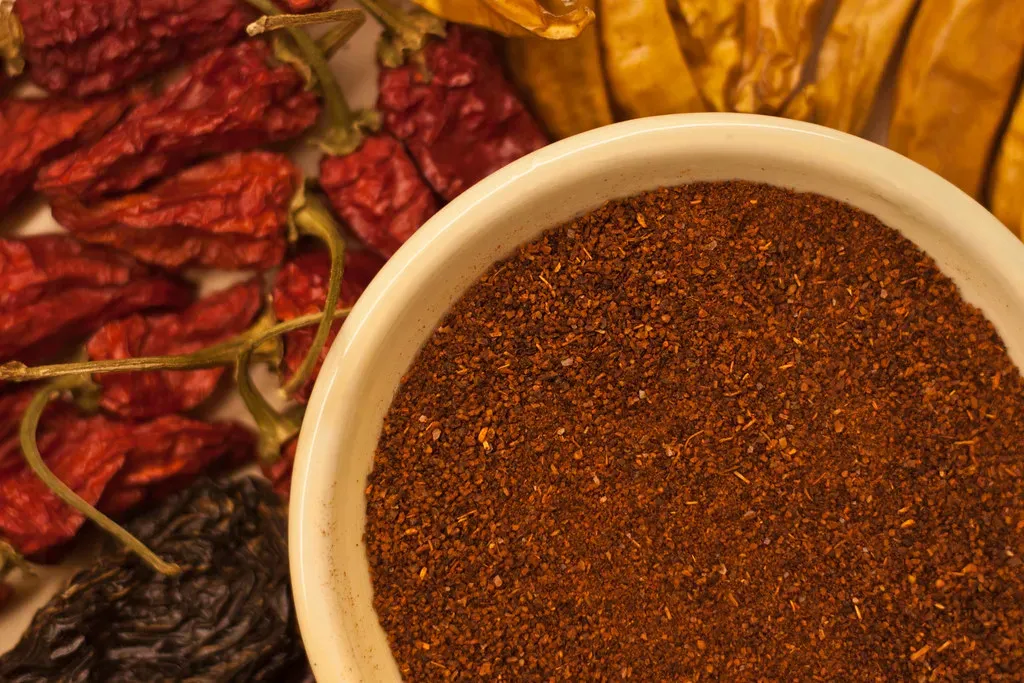
According to the USDA Food Safety and Inspection Service, dried spices like chili powder are low-risk for bacterial growth, and expired chili powder is generally safe to consume if it shows no visible mold, clumping from moisture, or off-odors, with the primary concern being reduced flavor quality. Safe? Yes. Flavorful? Absolutely not.
Most store-bought chili powder is actually a blend of several spices, including cumin, garlic powder, and oregano. Commercial blends maintain good quality for roughly twelve to eighteen months past the best-by date, while pure chilies last up to two years. The problem is these different components degrade at different rates, leaving you with an unbalanced, lackluster seasoning that can’t deliver the complexity your dish deserves.
Garlic Powder: The Clumping Culprit
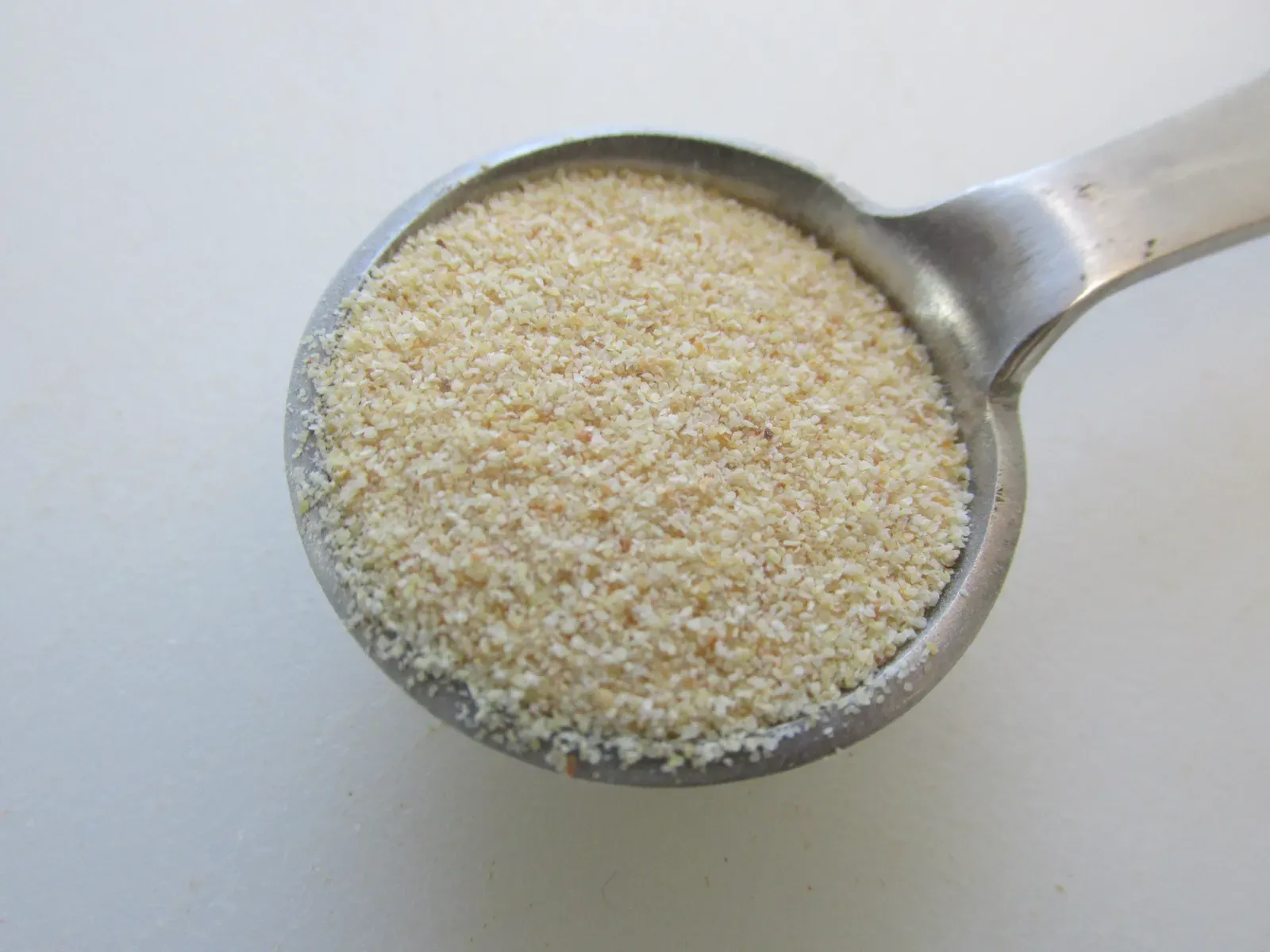
Exposure to moisture, light, and oxygen causes flavor degradation through oxidation of sulfur compounds, and research shows that improperly stored powders can lose up to forty percent of their flavor compounds within six months. That’s a staggering loss in just half a year. Generally, garlic powder has a shelf life of about three to four years when stored properly, but proper storage is where most of us fail.
The telltale sign of trouble? Clumping. The spice powder clumps together because it has been exposed to moisture, where carbohydrates or proteins in the spice dissolve slightly, becoming sticky and causing granules to stick together. Once you’re dealing with a hardened brick of garlic powder, you’ve already lost much of its pungent aroma and sharp bite. Yet people still try to break it apart and use it, expecting restaurant-quality results.
Onion Powder: Losing Sweetness Silently
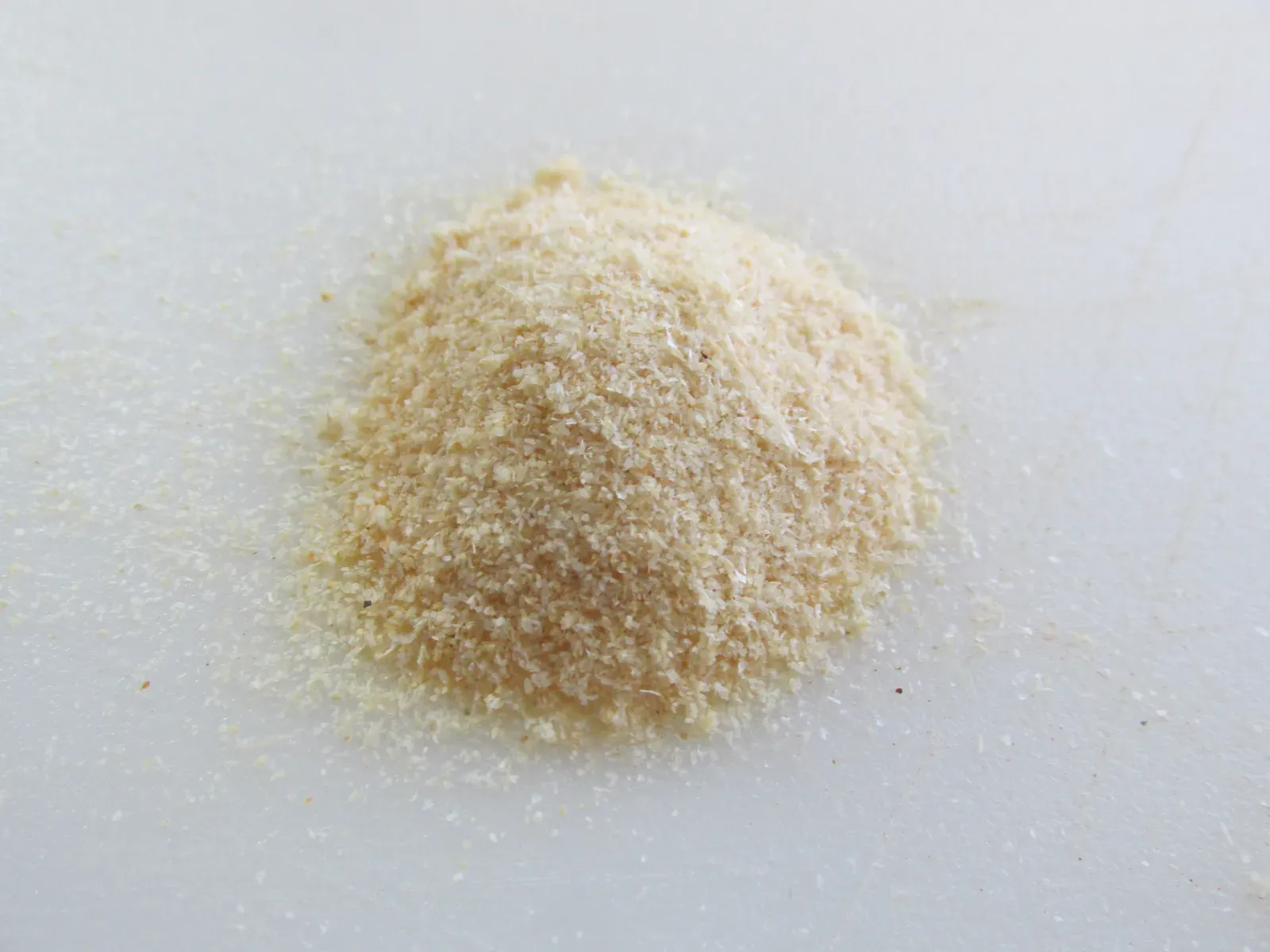
When stored properly, garlic powder maintains peak quality for two to three years, while onion powder lasts three to four years. Interestingly, onion powder actually outlasts its garlic counterpart slightly, but that doesn’t mean it’s invincible. Most onion powder loses potency after eighteen to twenty-four months, so tracking freshness is essential.
The problem with onion powder is subtle. Unlike paprika, which visibly fades, onion powder’s decline is harder to detect until you taste your finished dish and realize something’s off. Exposure to moisture, light, and oxygen causes flavor degradation through oxidation of the sulfur compounds responsible for their characteristic tastes. That sweet, savory depth you expect simply vanishes, replaced by a faint, almost cardboard-like presence.
Ground Nutmeg: A Rare Treasure Turned Common Dust
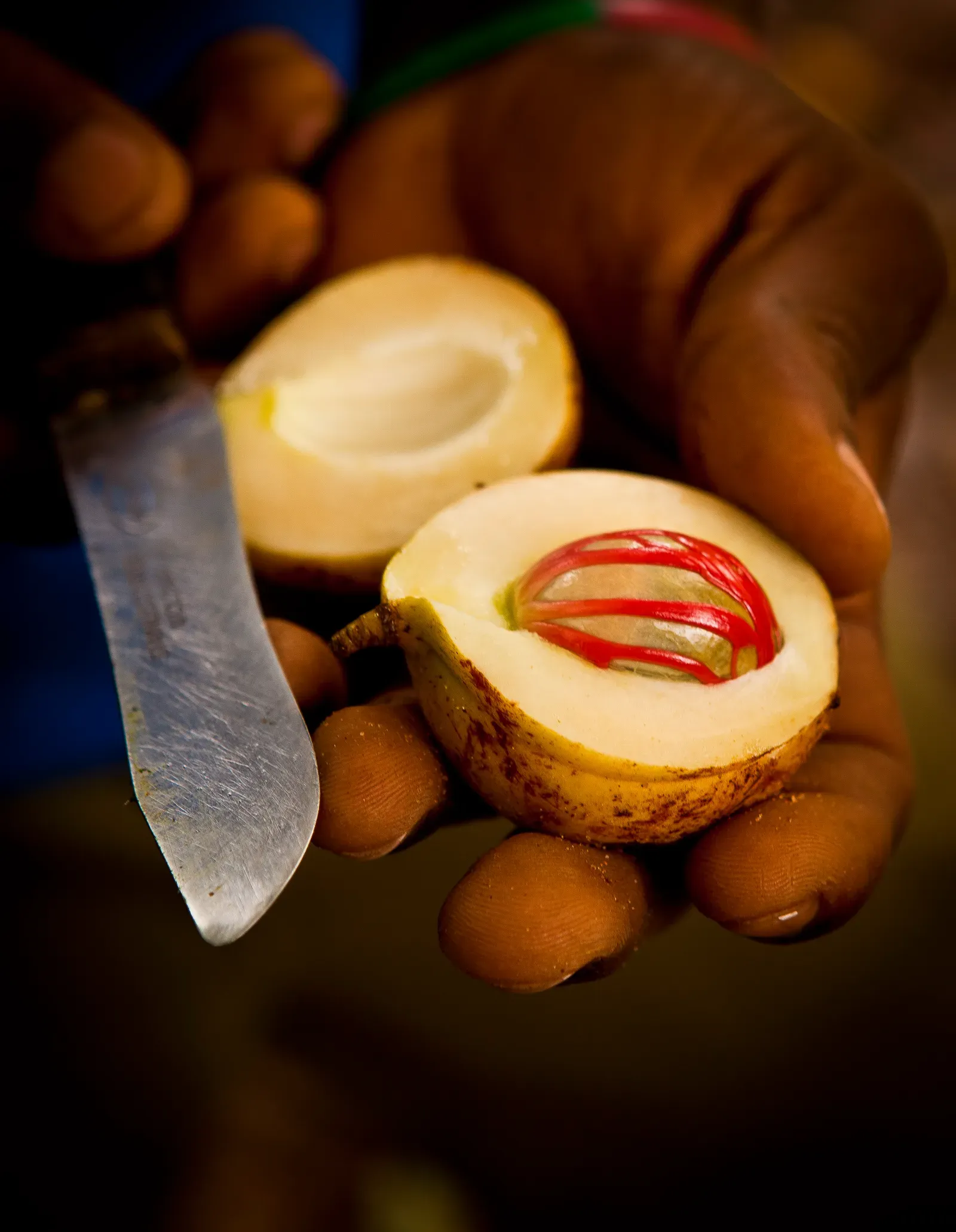
The grinding process breaks open cells, allowing flavors to degrade over time with exposure to oxygen, which explains why whole nutmeg stays potent so much longer than the pre-ground version. Ground nutmeg can last about two to three years, while whole nutmegs can actually last four to five years without losing much flavor.
Nutmeg is expensive and special, which makes it particularly frustrating when people waste it by keeping ground versions for years. The majority of volatile oils are stored in the whole form of spices, where they slowly break down over time, and volatile oils are released when a whole spice is broken or ground, which is why freshly ground peppercorns and cumin smell and taste much stronger when recently ground. The same principle applies to nutmeg. Freshly grated nutmeg delivers an aromatic complexity that pre-ground versions simply can’t match, especially after sitting for months or years.
Why We Hold On (And Why We Shouldn’t)
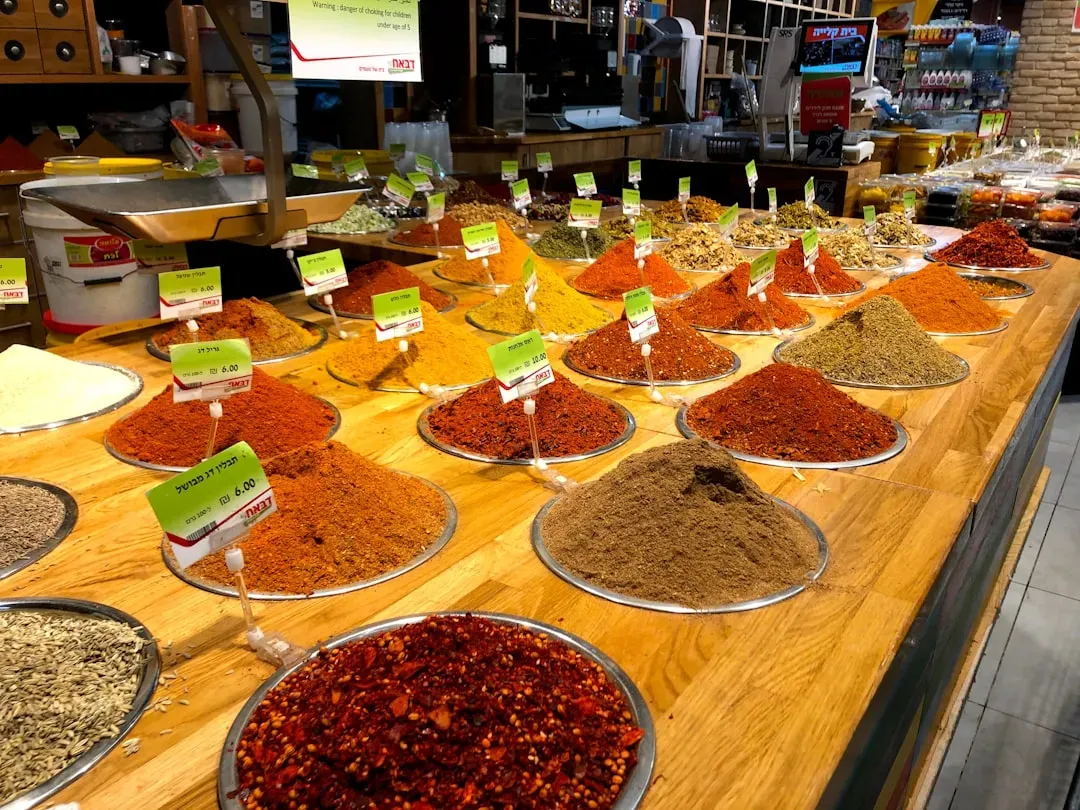
Let’s be honest about why we keep old spices. It feels wasteful to throw them away, especially when they “technically” don’t go bad. Consuming expired spices is very unlikely to make you sick, with the worst that may happen being a bland meal. But here’s the paradox: keeping them is actually more wasteful than tossing them.
You’re wasting the fresh ingredients you cook with, the time you spend preparing meals, and the money you spent on those ingredients. All because you’re trying to extract flavor from spices that have nothing left to give. Grinding increases surface area exposure to oxygen by roughly three hundred to five hundred percent, accelerating oxidation and volatile compound evaporation. The science tells us these spices are living on borrowed time from the moment they’re ground.
Think about it this way: would you use year-old coffee grounds expecting a great cup of coffee? Probably not. Your spices deserve the same consideration. What’s the point of having a full spice rack if nothing in it actually adds flavor anymore?