
Table of Contents
Extra Virgin Olive Oil: The Mediterranean Staple
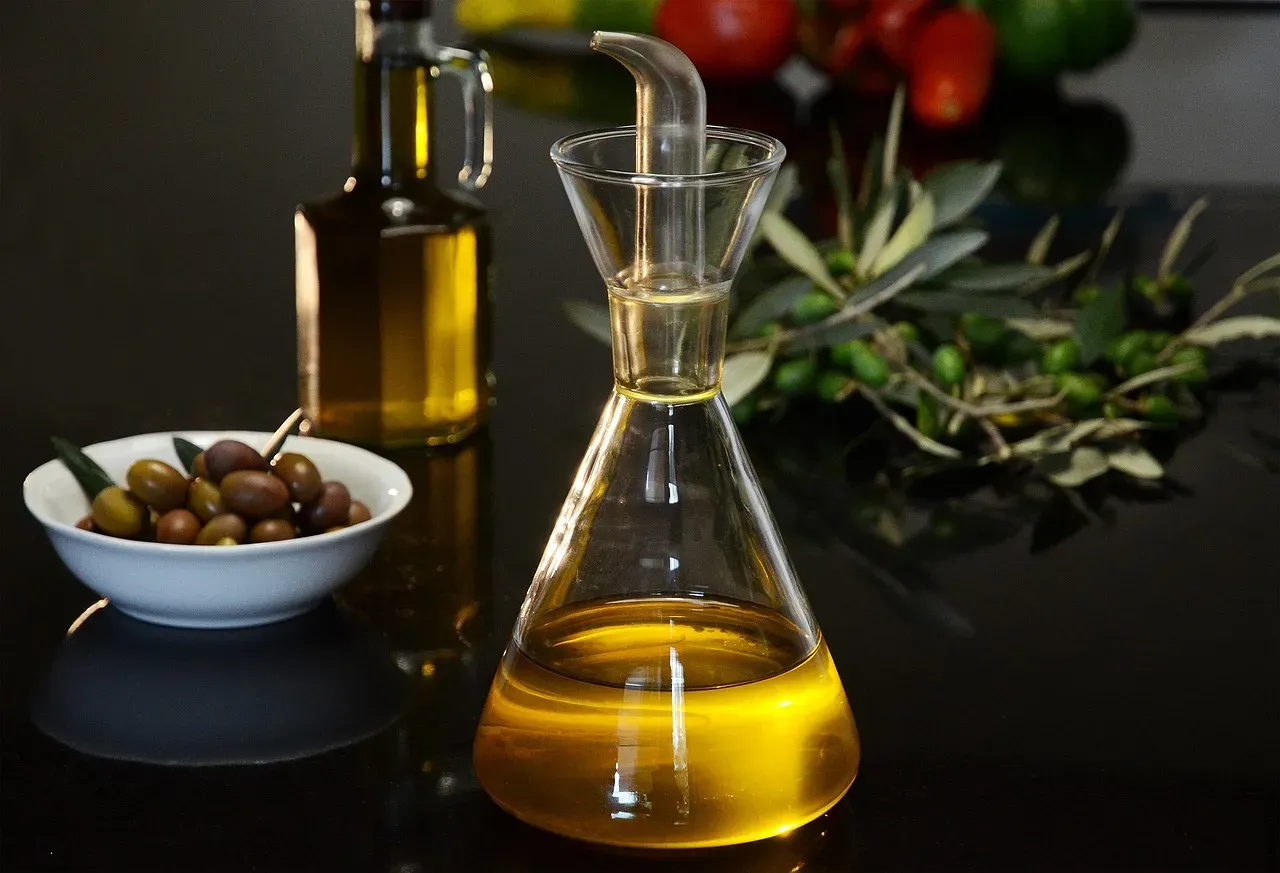
Extra virgin olive oil is a versatile source of heart-healthy monounsaturated fats and antioxidants used daily in many nutritionists’ homes. Research published in the Journal of the American Heart Association found that consuming extra virgin olive oil, regardless of the amount, decreased LDL or bad cholesterol, which has been linked to heart disease. By reducing inflammation, olive oil can help protect the heart and improve cardiovascular health, and may also affect other inflammation-driven conditions, including Alzheimer’s disease, arthritis, and dementia. A 2023 study found that olive oil was linked with lower inflammatory markers and disease severity in people with rheumatoid arthritis, and the researchers also found that olive oil helped decrease CRP levels.
Olive oil can be used for sautéing, roasting foods, salad dressings and more. Keep it stored in a cool, dark place to preserve its beneficial properties.
Canned or Dried Beans: Budget-Friendly Protein Powerhouses
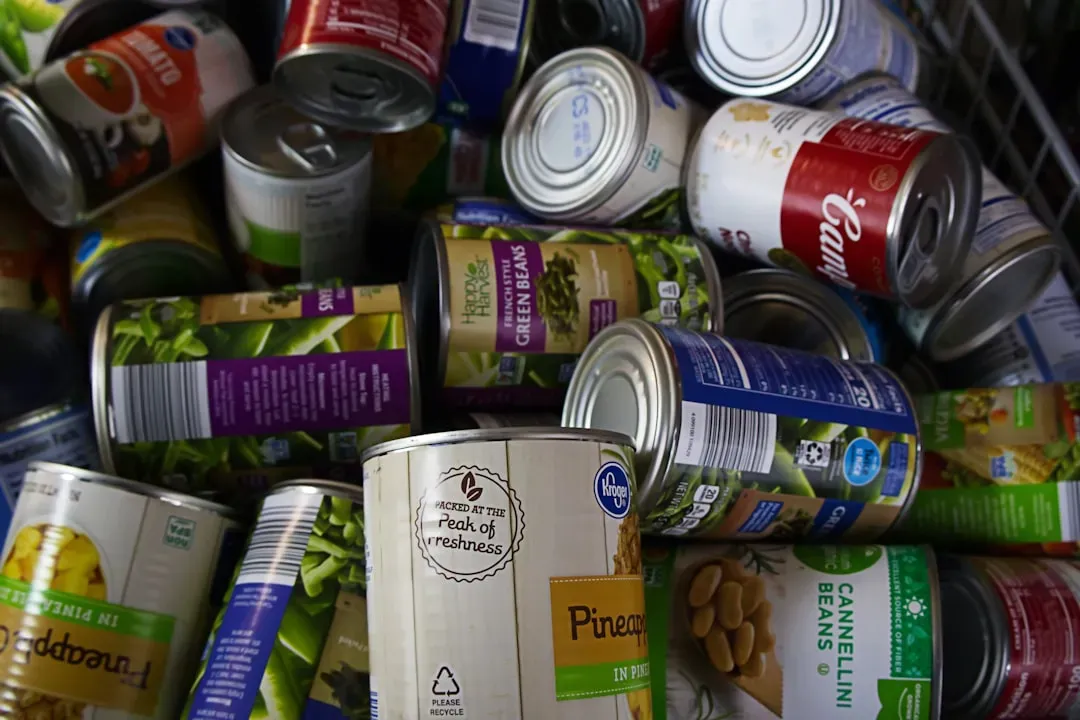
Canned beans are an amazing source of plant-based protein, fiber, iron, antioxidants and many other vitamins and minerals, and offer an unbeatable combination of nutrients, affordability and convenience. A modeling analysis using data from the United States National Health and Nutrition Examination Survey found that the isocaloric substitution of protein foods with one serving of canned beans daily significantly improved shortfall nutrient intakes, with dietary fiber increasing by roughly one third. Canned beans can be stored in the pantry at room temperature for two to five years, while dried beans can last ten or more years.
Canned beans are fiber-rich plant protein ready in minutes for soups, salads, tacos, or grain bowls. They provide an economical way to boost the nutritional content of countless dishes without breaking your budget.
Whole Grain Oats: Heart-Healthy Breakfast Champion
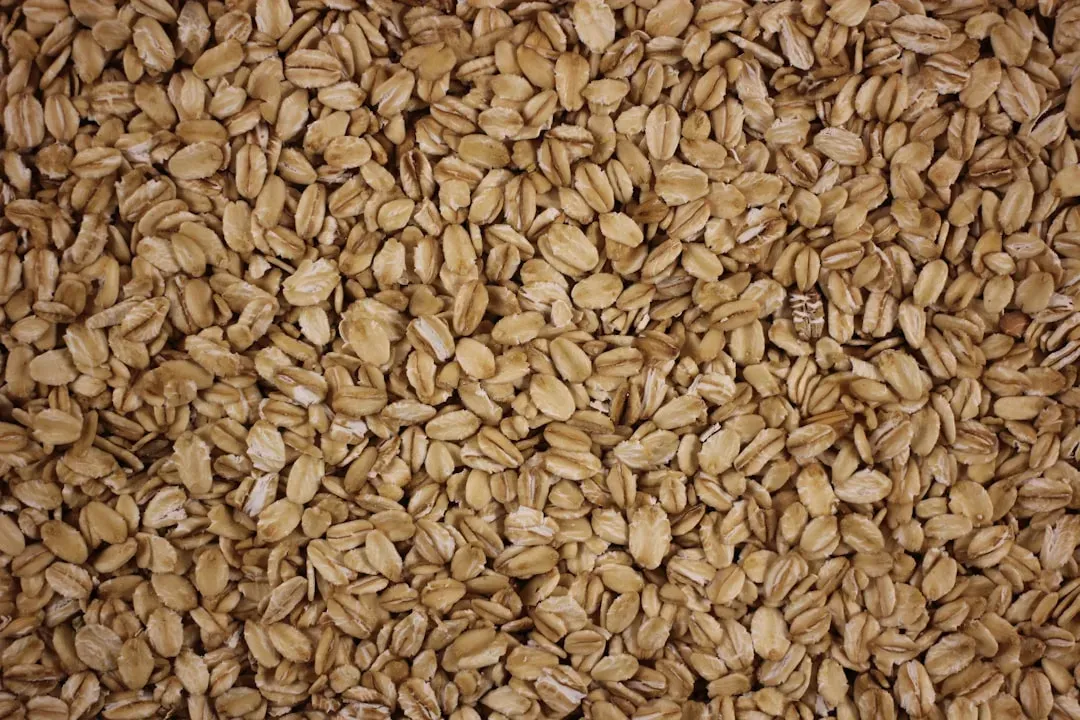
Oats are always a pantry essential, as this shelf-stable whole grain is rich in heart-healthy fibers, plus it is so economical and versatile. Oats are known to have cardiovascular benefits, especially in terms of lowering cholesterol, with much of the LDL cholesterol and total cholesterol-lowering power coming from oat phytochemicals and a viscous fiber, called beta-glucan. Quinoa and oats contain similar kilojoule and protein content per 100g, but oats contain just over four times more fiber. Let’s be real, that fiber boost matters when you’re looking at long-term heart health and digestive wellness.
You can enjoy oats not just for breakfast but also use them in baking, homemade granola, or even savory dishes. Their mild flavor profile makes them incredibly adaptable to whatever mood strikes you.
Canned Tomatoes: Antioxidant-Rich Cooking Essential
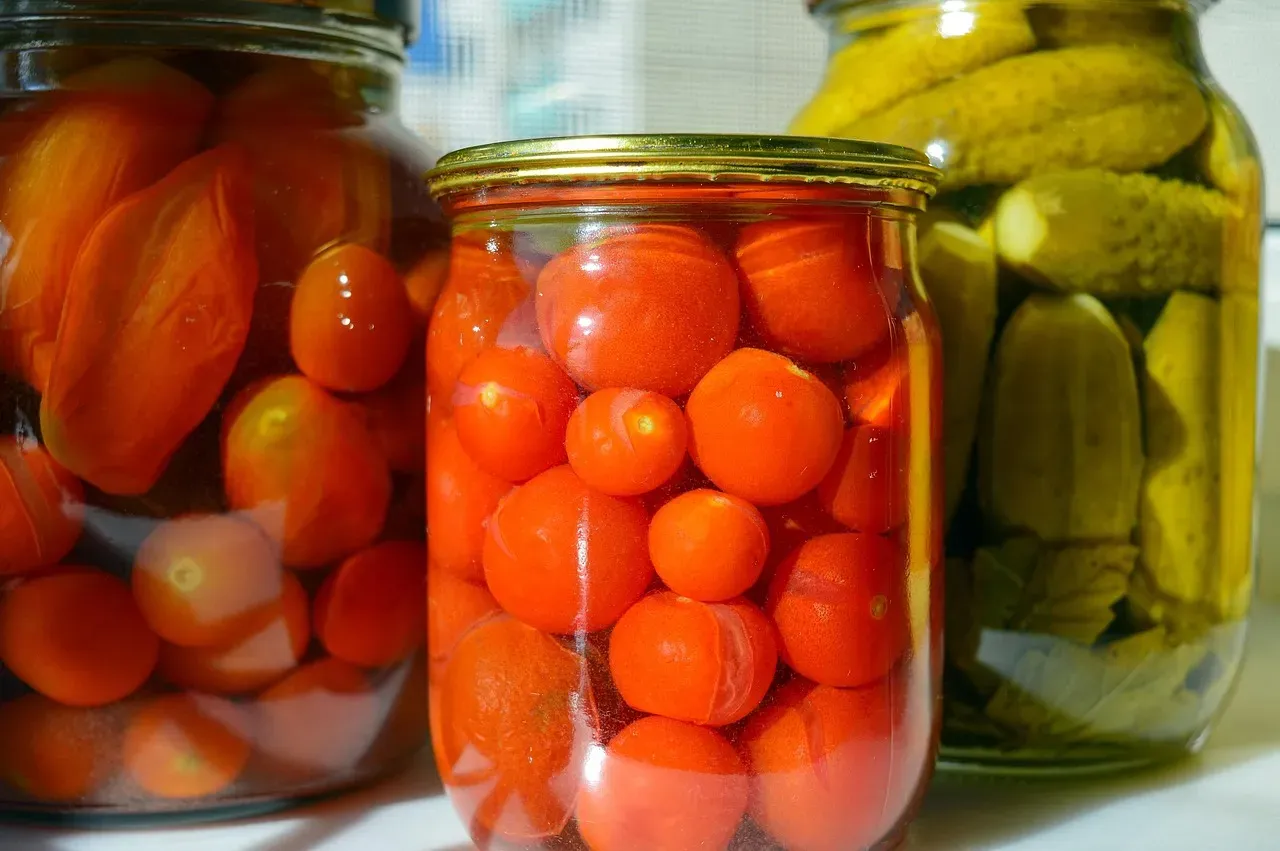
Packed at the height of freshness, canned tomatoes are an excellent source of vitamin C and other important antioxidants like lycopene, a heart-healthy plant nutrient that may help protect against certain types of cancer and sunburn, plus canned tomatoes provide fiber and potassium for gut and heart health. Diced tomatoes are an inexpensive and versatile ingredient in soups, pasta dishes, baked entrees or use them to make a homemade marinara sauce.
Honestly, there’s something incredibly satisfying about opening a can of tomatoes and smelling that bright, fresh aroma. They’re the backbone of so many comfort foods, from hearty chili to quick weeknight pasta sauces that taste like you spent hours in the kitchen.
Quinoa: The Complete Protein Grain
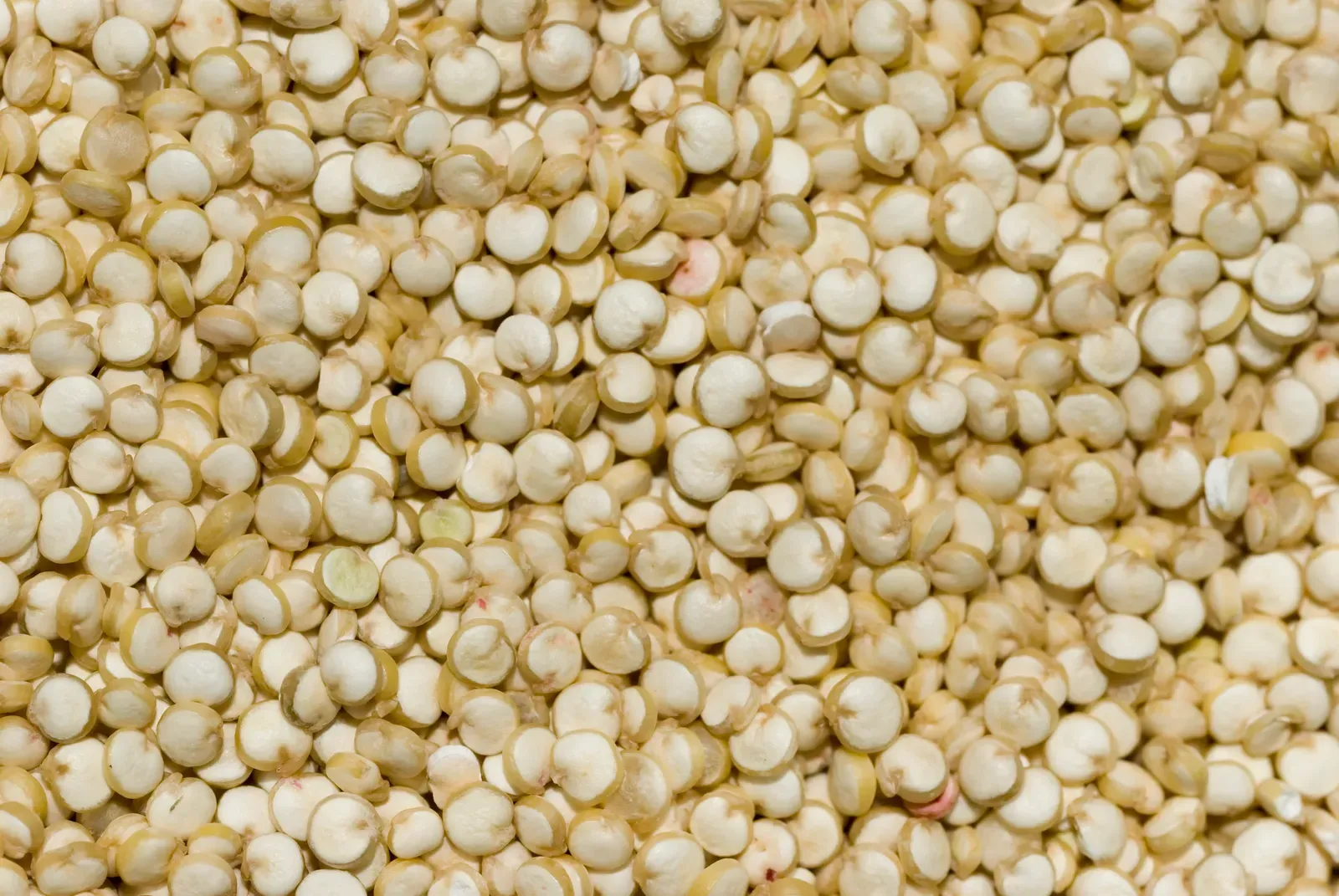
Plant-based and diabetes experts always have versatile and nutritious quinoa in their pantries, as quinoa offers a complete protein profile especially helpful for those on a plant-based diet, and it’s also high in fiber and minerals, which can help with digestion and blood sugar management. Scientists at the Universidade de São Paulo in Brazil studied ten traditional Peruvian grains and legumes and found that quinoa was especially rich in an antioxidant called quercetin and had the highest overall antioxidant activity at 86% of all ten foods studied.
Here’s the thing about quinoa: it cooks in roughly 15 minutes, making it perfect for those evenings when you need something nutritious fast. Use it as a base for grain bowls, toss it into salads, or mix it into soups for added texture and nutrition.
Nuts and Nut Butters: Satisfying Healthy Fats
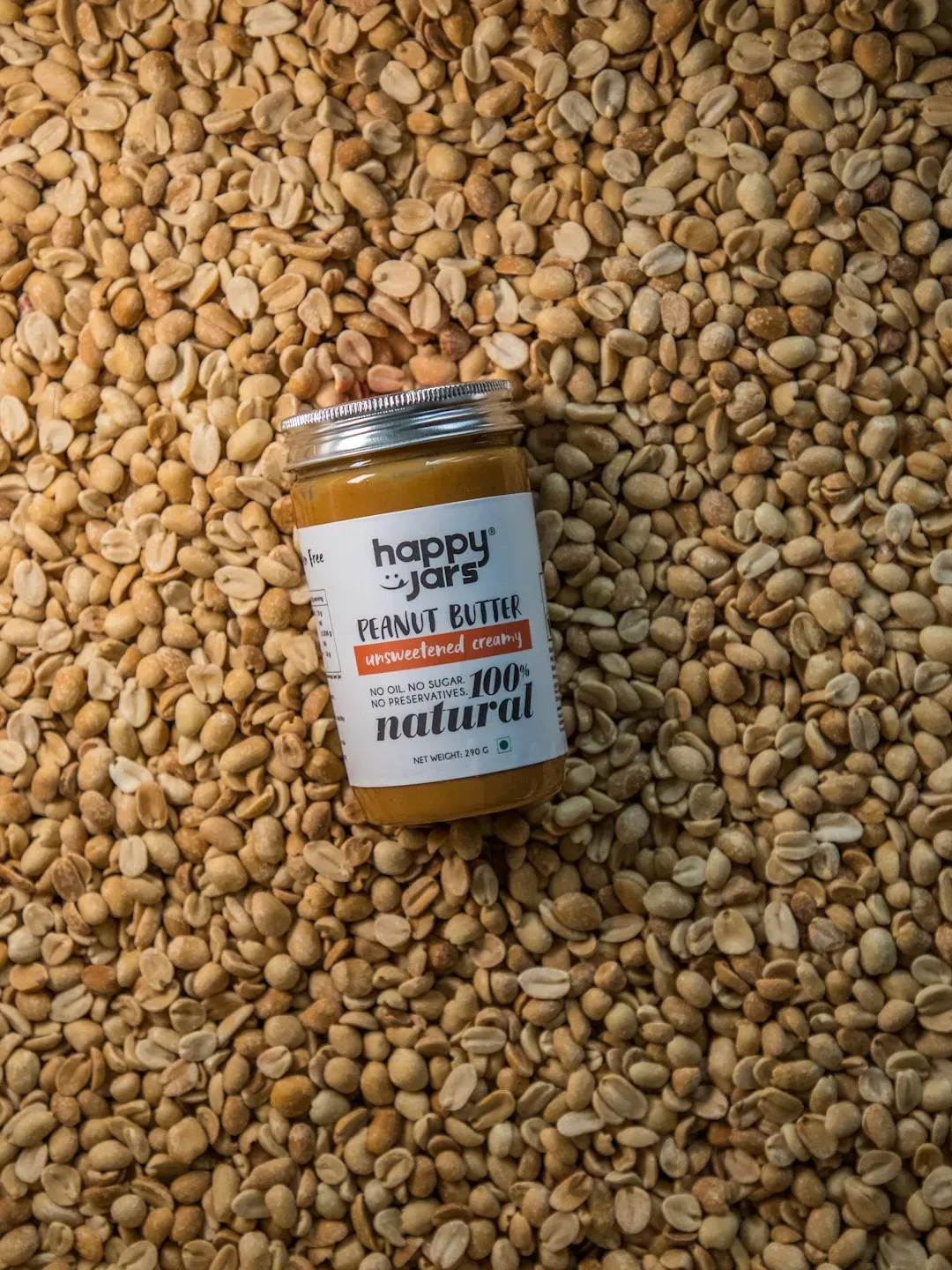
Nuts and seeds are nutritional powerhouses, providing healthy fats, filling protein, fiber, and an array of vitamins and minerals. Nut butter is a delicious source of protein, healthy fats, fiber, and essential nutrients like vitamin E and magnesium. It’s a must-have because of its versatility, with options from peanut to almond butter available on grocery store shelves, each with its own nutrient profile and flavor.
Depending on the type, nuts and seeds can be kept at room temperature for one to four months, making them a smart ingredient to store in your pantry. Spread them on toast, blend them into smoothies, stir them into sauces, or simply grab a handful when hunger strikes between meals.
Canned Fish: Omega-3 Convenience

Canned fish is a nutrient-rich and inexpensive protein source, with options such as salmon and sardines providing heart-healthy omega-3 fatty acids. Canned tuna is incredibly versatile and packed with nutrients your body needs, offering both omega-3 fatty acids key for cognitive and heart health and protein for muscle recovery and helping you stay full longer. Tinned fish is an affordable protein that lasts for years and beats fresh meat prices during periods of inflation.
The tinned fish trend might seem new, but nutritionists have been singing its praises for decades. Mix it with Greek yogurt for sandwich fillings, top your salads, or make fish patties for a quick weeknight dinner.
Whole Grain Pasta and Brown Rice: Versatile Carb Foundations
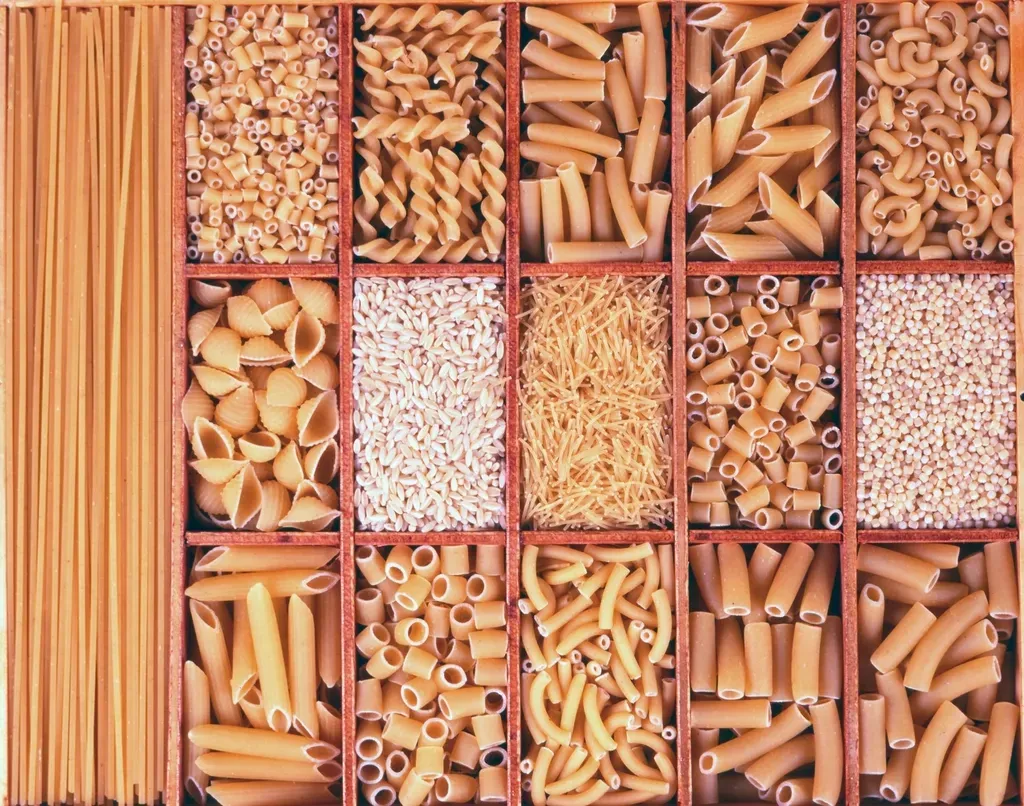
Whole grains are rich in fiber, which supports gut health, and provide long-lasting energy. Grain-based dishes like salads, grain bowls, soups, and pilafs make a great choice due to their versatility and convenience, with grains like brown rice, oats, and quinoa able to be kept safely at room temperature for months to years. Recent research shows that eating whole grains can reduce heart disease, prevent some types of cancer and help with weight management.
Stock both whole grain pasta and brown rice to give yourself options. Some nights you’ll crave a comforting bowl of pasta, while other times you’ll want the nutty flavor of brown rice alongside roasted vegetables.
Spices and Dried Herbs: Flavor Without Calories
Building a well-stocked spice collection transforms ordinary pantry meals into something special without adding sodium or calories. To create flavorful recipes, it’s essential to have a well-stocked spice rack. You don’t need dozens of exotic options right away, though. Start with basics like cumin, paprika, garlic powder, dried oregano, and black pepper.
What surprises many people is how much flavor impact spices deliver for such a small investment. A pinch of cumin can transport a simple bean dish into something restaurant-worthy, while dried herbs brighten up canned tomato sauces instantly.
Canned or Jarred Low-Sodium Broth: Flavor Base Essential
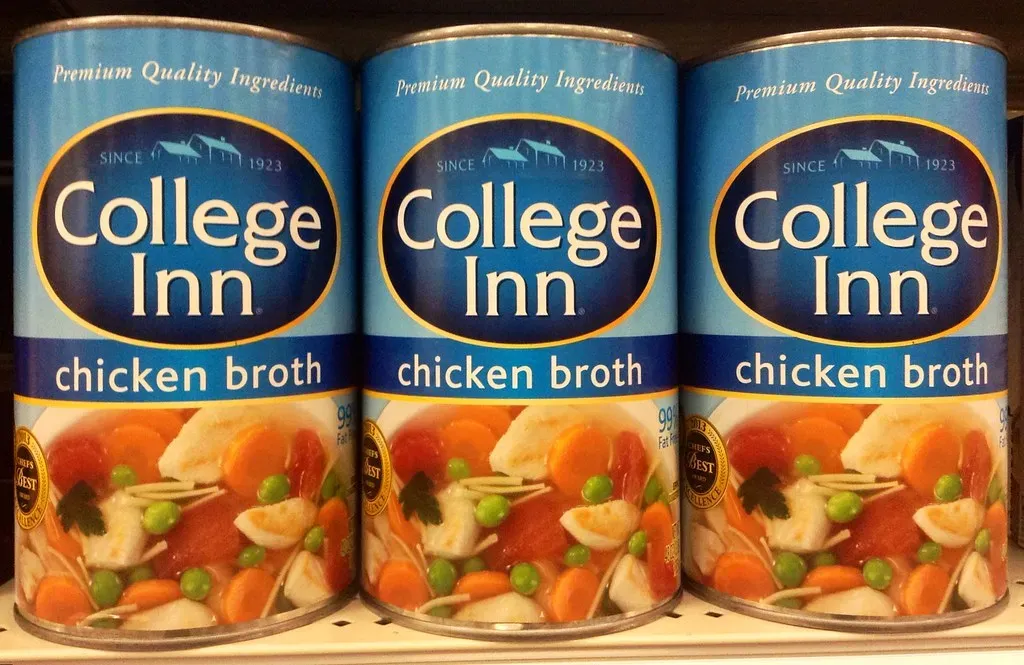
Dehydrated broth products can add a hit of savory, rich umami to so many dishes, and a spoonful can transform plain rice, grains or beans into flavorful meals while taking up way less space in your pantry than cartons of broth. Whether you choose canned broth or concentrated paste versions, having this on hand opens up quick cooking possibilities.
Use broth as a base for homemade soups, cook your grains in it instead of water for added flavor, or add a splash to sauces when they need more depth. It’s one of those ingredients that quietly elevates everything it touches, making home cooking feel more professional without requiring any special skills.
Conclusion
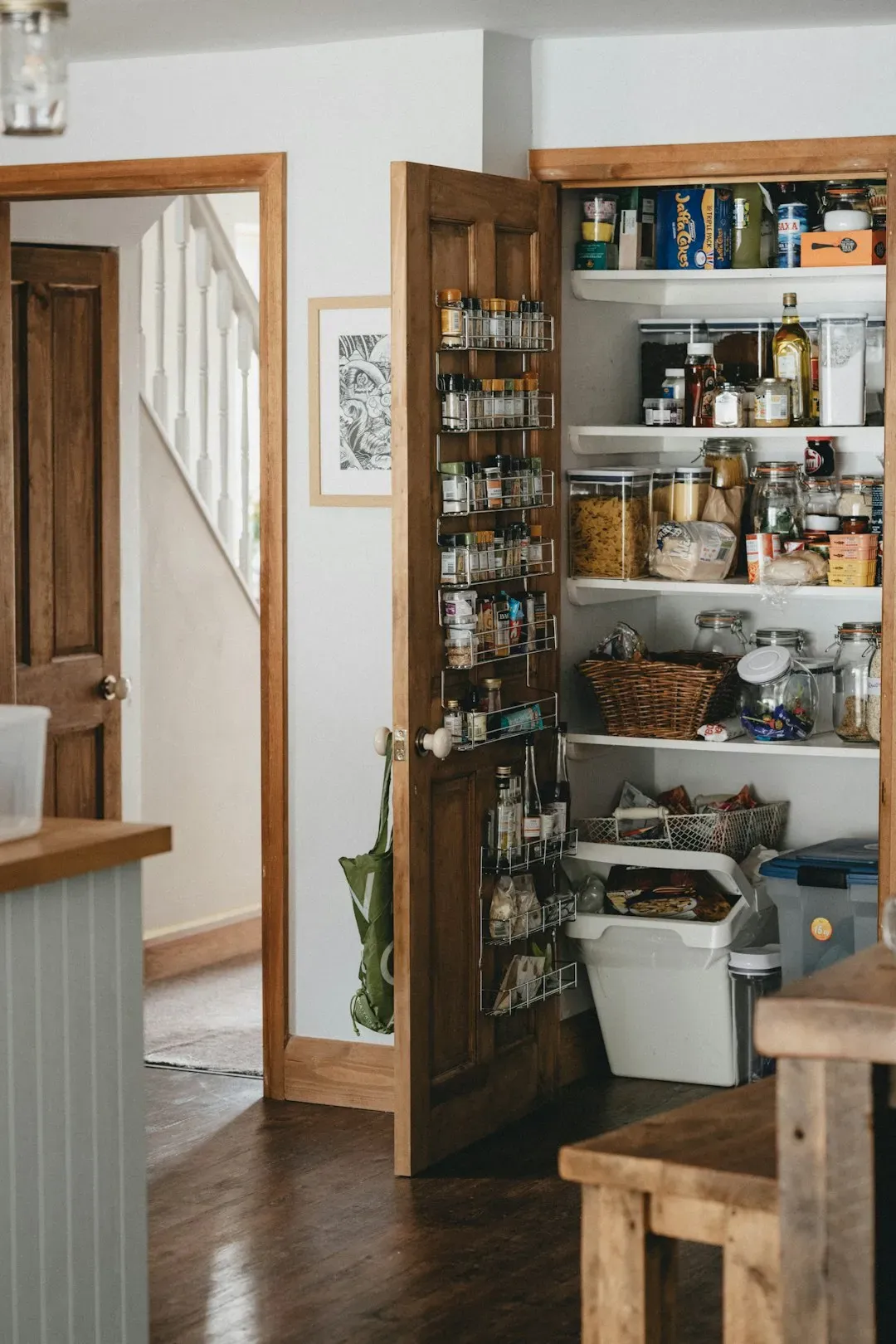
Having your fridge, pantry, and freezer stocked with healthy foods can ensure that you always have ingredients on hand to prepare a healthy, home-cooked meal, and by purchasing a few of these foods during your next few grocery outings, your kitchen will be fully stocked with healthy staples before you know it. These ten pantry staples give you the foundation for countless nutritious meals without requiring constant trips to the grocery store or breaking your budget.
The beauty of these items lies not just in their individual nutritional benefits but in how they work together. Combine beans with brown rice and spices for a satisfying bowl. Toss quinoa with canned tomatoes and olive oil for a Mediterranean-inspired dish. Mix nut butter into your morning oats for sustained energy.
What’s your favorite way to use these pantry staples? Which ones are you most excited to add to your kitchen?