
Your daily beverage choices might be doing more than just quenching your thirst. Scientists studying aging have uncovered compelling evidence that certain drinks we reach for every day could actually be accelerating how fast our bodies age at the cellular level. From that morning energy drink to your evening cocktail, research from the past few years reveals some surprising connections between what’s in your glass and how quickly you’re growing older.
Table of Contents
Sugar-Sweetened Sodas
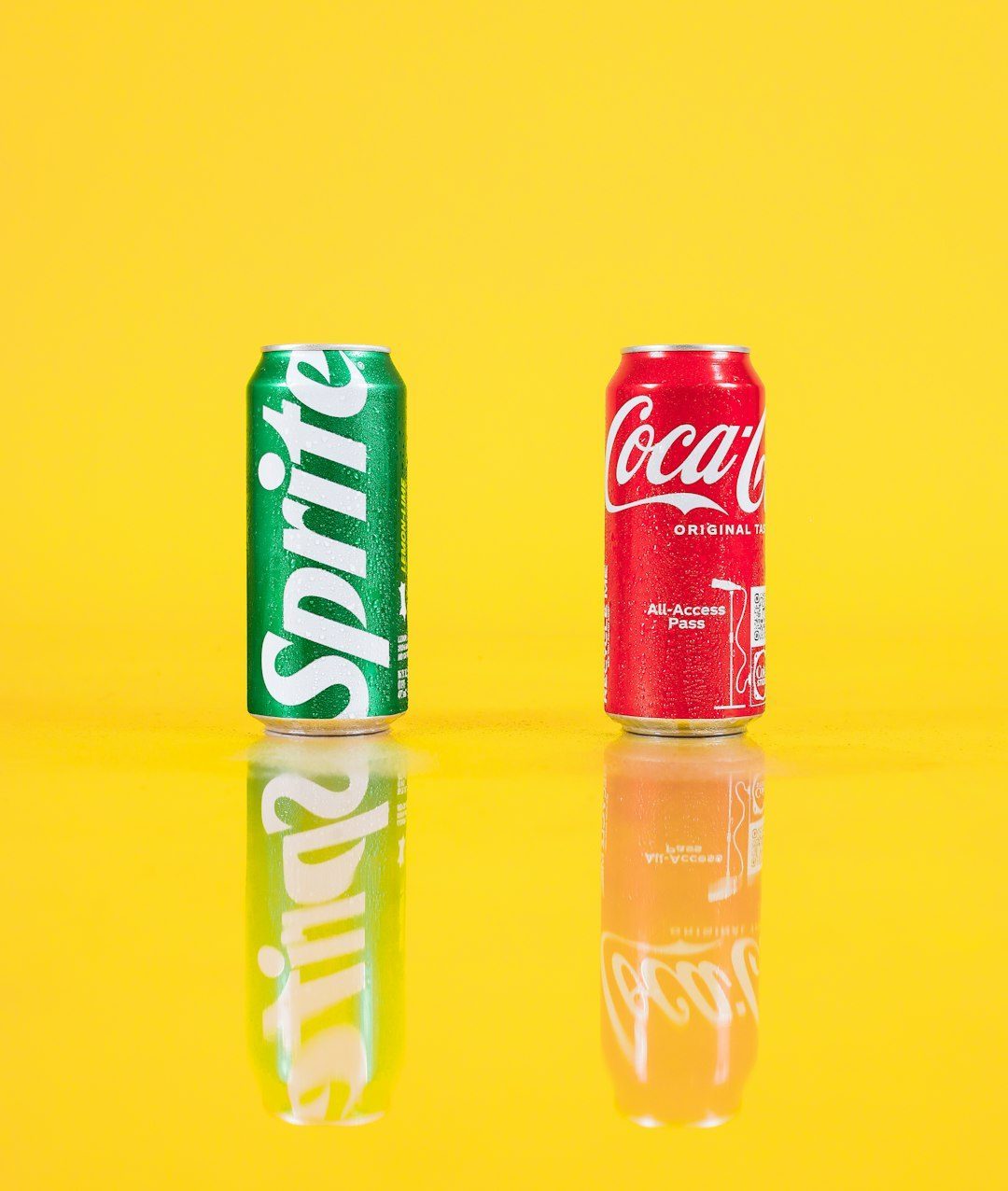
Consuming roughly five ounces of soda every day was associated with around 4.6 years of additional biological aging, according to research examining telomere length in immune cells. Think about that for a second. Your daily soda habit could be aging you nearly as much as smoking does.
The amount of sugar-sweetened soda participants consumed was associated with the length of their telomeres, those protective caps on our chromosomes that shorten as we age. Regular consumption of sugar-sweetened sodas might influence metabolic disease development through accelerated cell aging, creating a cascade effect throughout your body that goes far beyond just weight gain.
Honestly, I think the most alarming part is how common these drinks are. Nearly half of Americans consume sugary beverages daily, often without realizing the biological toll they’re taking.
Alcoholic Beverages
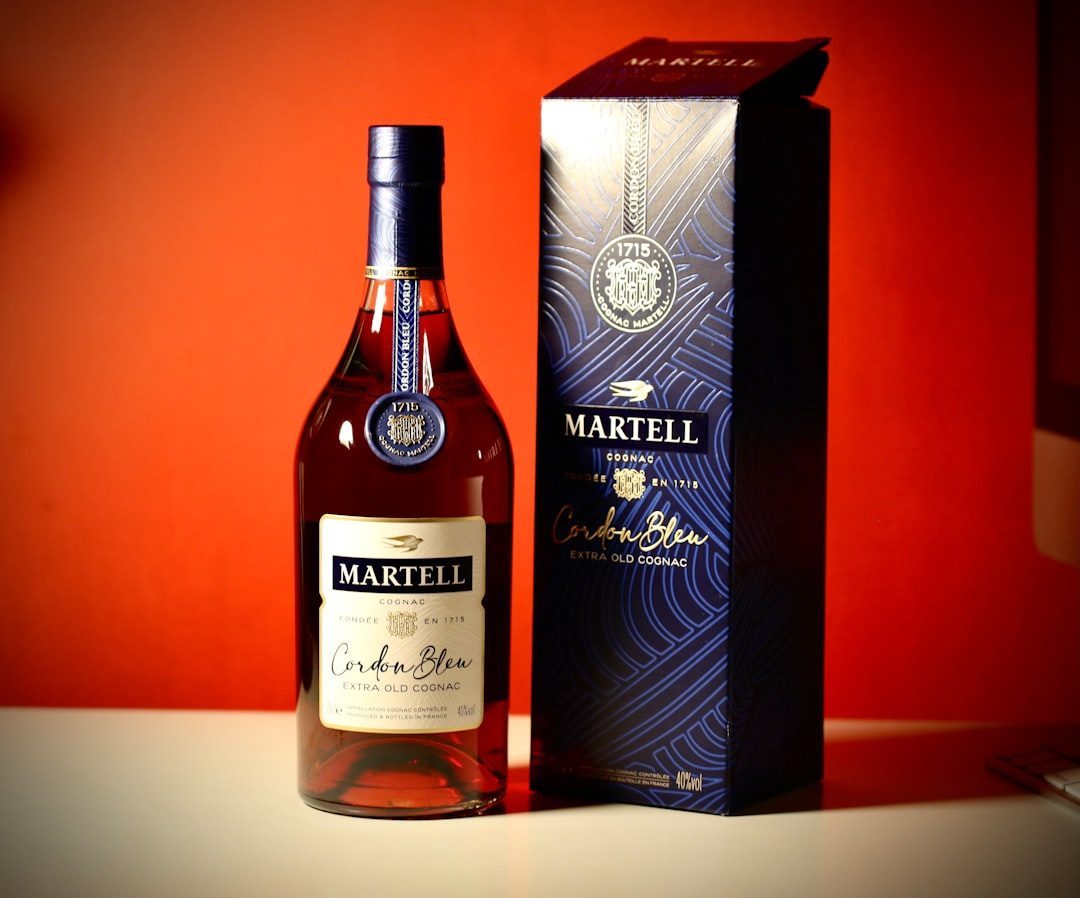
Individuals who had been diagnosed with an alcohol-use disorder had significantly shorter telomere lengths compared with controls, equivalent to between 3 and 6 years of age-related change. A 2022 study from Oxford Population Health found that alcohol literally damages the DNA sequences that protect our chromosomes.
Higher levels of alcohol consumption increase the severity of facial aging, with heavy drinkers showing seven facial features significantly associated with more severe aging. Alcohol also ages your skin by interfering with collagen production, causing skin to sag and wrinkle faster than it naturally would.
The damage isn’t limited to appearance. The alcohol-induced impairment of intestinal barrier integrity and increased systemic inflammation mirrors inflammatory aging in older adults. Your liver, brain, heart, and immune system all take hits that compound over time.
Energy Drinks (With Important Caveats)
Here’s where things get interesting. Energy drinks contain taurine, an amino acid that research shows might actually slow aging in animals. Yet that doesn’t mean you should start chugging them.
The analysis shows a significant prevalence of adverse effects, particularly on the cardiovascular and neurovegetative systems, including nine cases of cardiac arrest documented in studies. Energy drink consumption has been linked to high blood pressure and irregular heart rate, problems that certainly don’t support healthy longevity.
The caffeine and other stimulant ingredients can last up to eight hours after drinking, reducing overall sleep time. Poor sleep itself accelerates aging, so any short-term energy boost comes at a steep biological price.
Diet Sodas with Artificial Sweeteners
You might think switching to diet soda solves the problem. Recent research from Brazil suggests otherwise. Those consuming the most artificial sweeteners experienced significantly faster declines in memory and thinking skills, equivalent to about 1.6 years of extra brain aging.
The study tracked over twelve thousand middle-aged adults for eight years. People who consumed the highest amount of sweeteners showed faster declines in overall thinking and memory skills, with a decline that was 62% faster. That’s roughly equivalent to aging your brain by more than eighteen months.
People under the age of 60 who consumed the highest amounts of sweeteners showed faster declines, meaning midlife consumption might carry lifelong consequences. The sweeteners examined included aspartame, saccharin, acesulfame-K, erythritol, xylitol, and sorbitol – basically what’s in most diet beverages.
Fruit-Flavored Drinks with Added Sugars
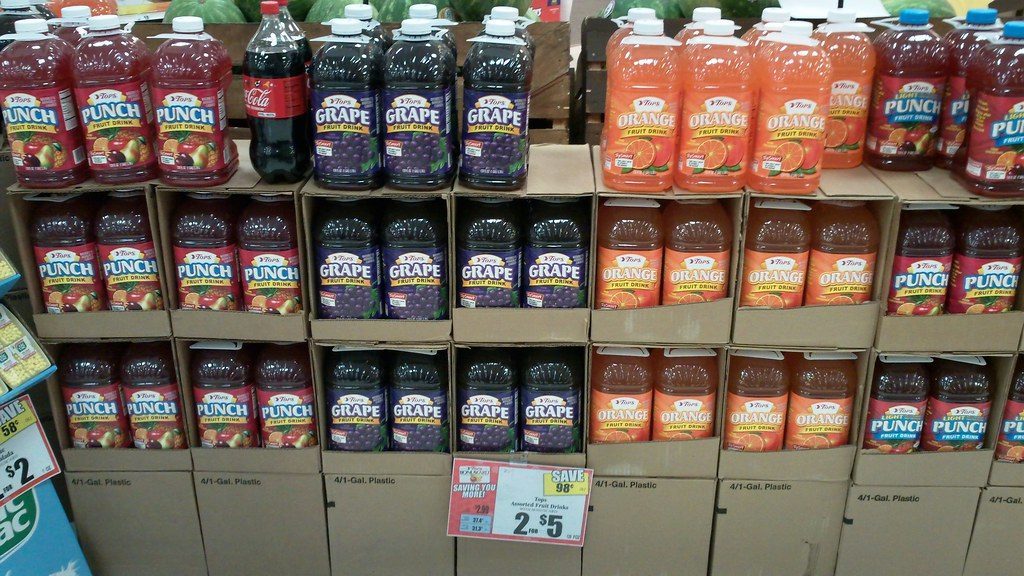
Children who drank fizzy drinks such as cola or sugar-sweetened fruit cordials before the age of two gained more weight when they were 24 years old. Early exposure sets patterns that last decades, according to research from Swansea University published in 2024.
These drinks often masquerade as healthier options because they mention fruit. Let’s be real though – there’s typically very little actual fruit juice involved. Instead, they’re loaded with high fructose corn syrup and artificial flavoring.
Consuming more than two sugary beverages per day was associated with greater brain white matter hyperintensity volume, a marker of vascular brain injury that increases Alzheimer’s risk. The sugar content matters more than the specific type of beverage.
Sweetened Coffee Drinks

Your grande caramel macchiato might be more problematic than you realize. Sweetened coffee beverages fall into the same category as other sugar-sweetened drinks when it comes to aging effects.
Metabolism slows around age 40, impacting how the body processes fats, caffeine, and alcohol. That means your tolerance for these sugar-loaded coffee concoctions decreases as you age, even though you might be consuming more of them to fight fatigue.
The combination of high sugar content with caffeine can create blood sugar spikes and crashes that strain your metabolic system. Over years, this repeated stress accelerates cellular aging and increases inflammation throughout your body.
Sports Drinks Consumed Outside Exercise
Sports drinks were designed for athletes losing electrolytes through intense physical activity. Drinking them while sitting at your desk is basically consuming liquid sugar with some added sodium.
A review of 85 prospective cohort studies published from 2013 to 2022 included more than 500,000 participants, and confirmed a strong connection between higher intakes of sugar-sweetened beverages and weight gain. Sports drinks absolutely count as sugar-sweetened beverages.
The marketing has convinced many people these are “healthy” hydration options. Unless you’re genuinely engaging in prolonged, sweaty exercise, water serves you far better without the aging consequences.
Sweetened Tea Beverages

Bottled sweet tea contains staggering amounts of sugar, often matching or exceeding soda. A single bottle can contain more than fifty grams of added sugar – well over the daily recommended limit.
Habitual intake of sugar-sweetened beverages has been linked with weight gain and a higher risk of type 2 diabetes mellitus, cardiovascular diseases and some cancers. The fact that it’s tea doesn’t protect you from these effects if it’s loaded with sugar.
Interestingly, unsweetened tea might actually have anti-aging properties due to polyphenols and antioxidants. It’s the added sugar that transforms it from potentially beneficial to potentially harmful.
Flavored Waters with Sweeteners
These seem innocent enough, right? Just water with a hint of flavor. Yet many contain either sugar or artificial sweeteners that carry their own aging risks.
Artificial sweeteners are mainly found in ultra-processed foods like flavored water, soda, energy drinks, yogurt and low-calorie desserts. That “zero calorie” flavored water might still be affecting your brain aging.
People under the age of 60 who consumed the highest amounts of sweeteners showed faster declines in verbal fluency and overall cognition, suggesting that midlife dietary exposures may carry life-long consequences. Even drinks marketed as “healthy” alternatives need scrutiny.
Alcoholic Mixed Drinks with Sugary Components
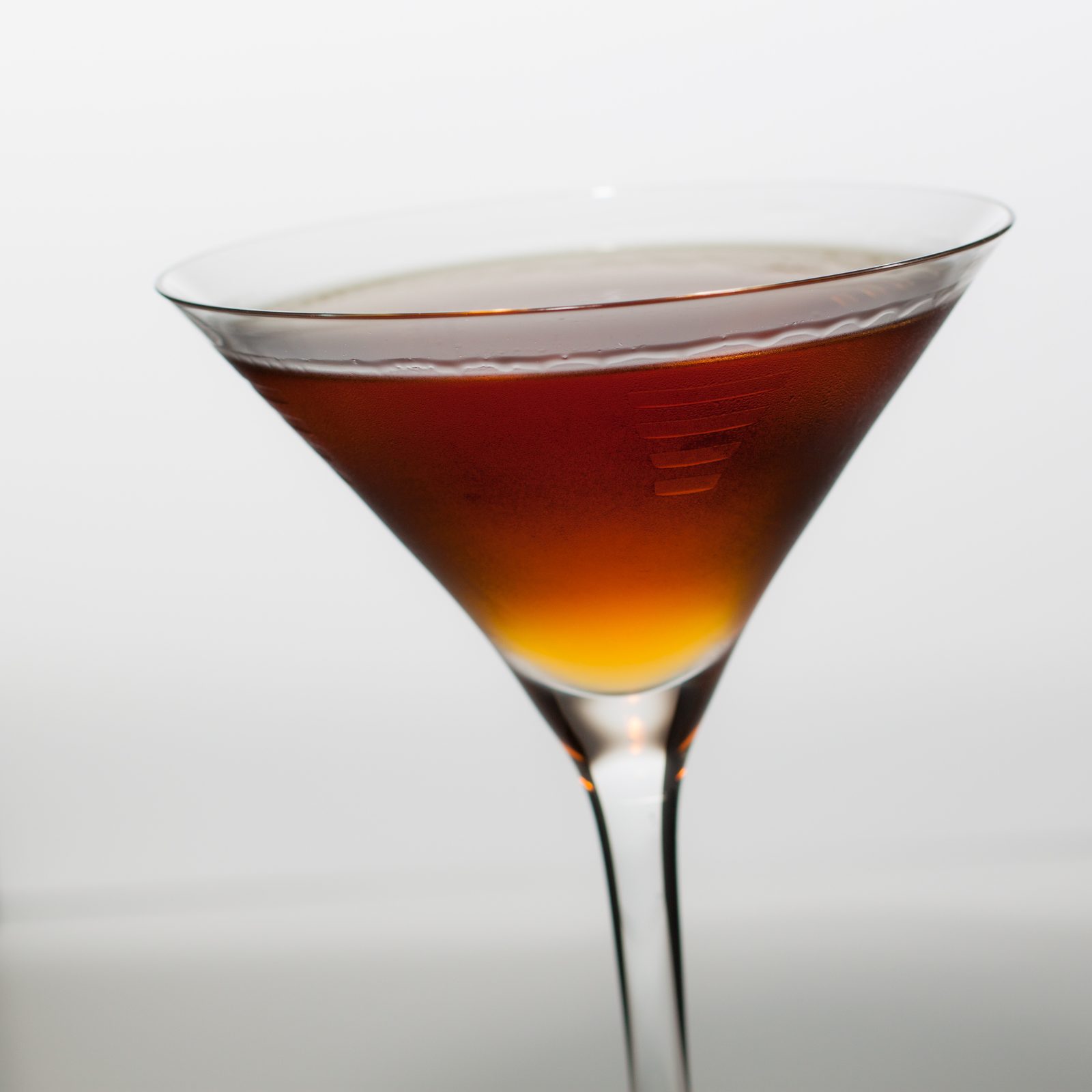
Combining alcohol with sugar mixers creates a double threat for aging. You’re getting the DNA-damaging effects of alcohol plus the metabolic stress of high sugar content.
Drinking more than 29 units weekly was associated with between one and two years of age-related change on telomere length. Adding sugar-laden mixers to that alcohol compounds the cellular damage.
Alcohol consumption impairs the skin’s antioxidant defense system by decreasing dermal carotenoid concentrations, while the sugar triggers inflammation. It’s a combination that accelerates visible aging faster than either component alone. Your liver works overtime processing both substances, creating oxidative stress that damages cells throughout your body.
What This Means for Your Daily Choices
The research published between 2023 and 2025 paints a clear picture: what you drink matters as much as what you eat when it comes to aging. Our biological age may be malleable, and the hope is that we can slow down our rate of aging by making changes to lifestyle.
Water remains the gold standard for hydration. Unsweetened tea and coffee offer antioxidants without the aging risks. If you’re craving something sweet, whole fruit provides natural sugars along with fiber and nutrients that buffer their metabolic impact.
The fascinating thing is that these changes don’t require dramatic overhauls. Simply swapping your daily soda for sparkling water with lemon could potentially give you back years of biological age. The dose of alcohol is important – even reducing drinking could have benefits. Small, consistent changes accumulate over time, just like the cellular damage these drinks can cause.
What will you choose to drink today? Your cells are listening.