
Let’s be real, cooking from scratch is supposed to save you money, right? Everyone tells you to stop eating out if you want to stick to a budget. Make it yourself, they say, and watch your wallet thank you.
Here’s the twist that nobody talks about. Some restaurant meals actually cost less than their homemade versions when you factor in everything. Think about it. You need to buy ingredients in quantities larger than you’ll use for a single meal, spend time prepping and cooking, and deal with the energy costs too. Sometimes grabbing that ready-made meal is the smarter financial move, even if it sounds backwards.
Table of Contents
Rotisserie Chicken From The Grocery Store
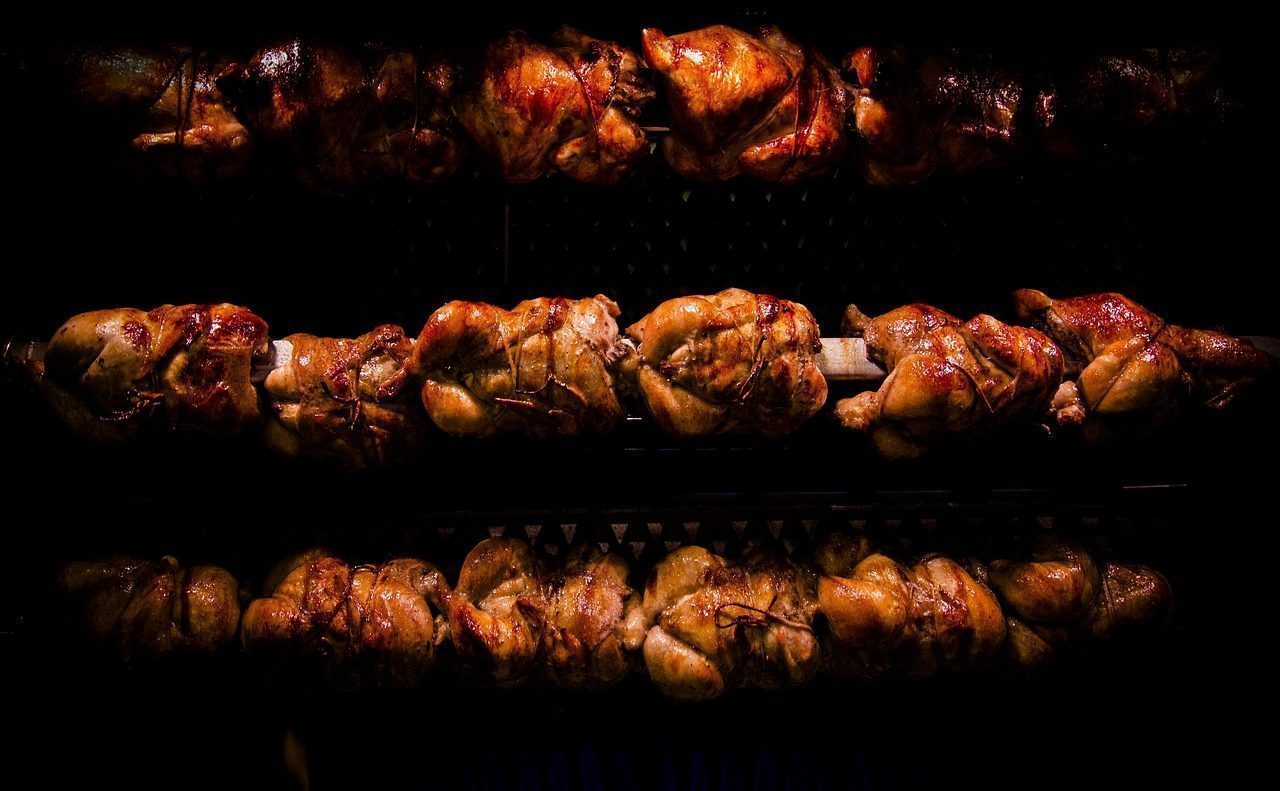
A fully cooked grocery store rotisserie chicken is actually cheaper than a whole, fresh chicken from the meat department. At a Safeway in Portland by the end of 2024, a hot rotisserie chicken cost about ten dollars, while a whole raw chicken cost between thirteen and eighteen dollars. Honestly, this one shocked me when I first noticed it.
The lower price of rotisserie chickens compared to raw at many stores exists despite the additional cost of spices, packaging, labour and energy for the convenient meal. At around five dollars, the chicken becomes a loss leader for companies like Costco, luring shoppers in the door where they’ll likely fill up their cart with other items. That strategy works brilliantly because who goes to Costco for just one thing?
Dollar Menu Breakfast Sandwiches
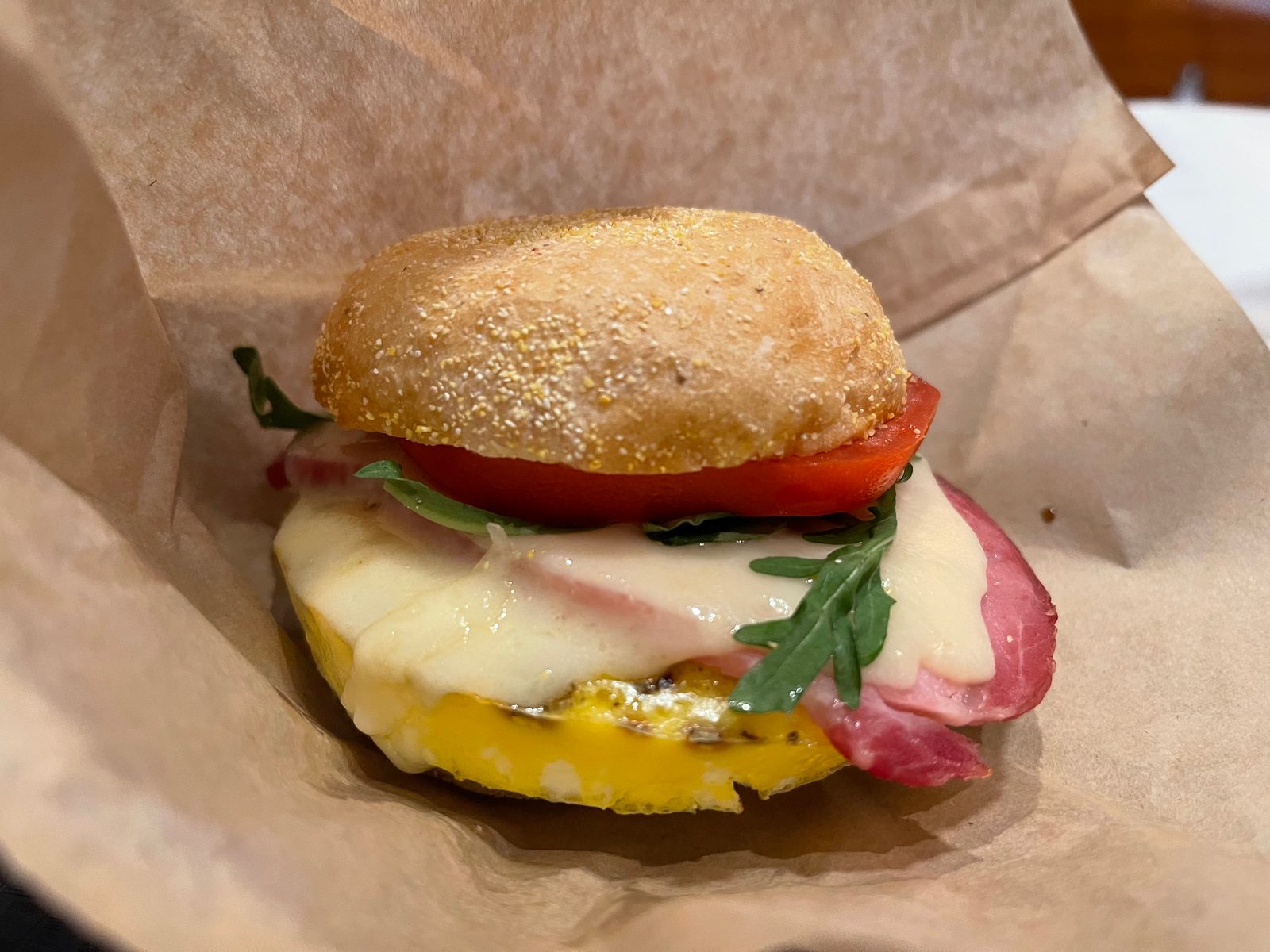
The best breakfast deal at Burger King gets you a breakfast biscuit sandwich along with medium hash browns for four dollars. When you compare that to making the same meal at home, buying eggs, sausage or bacon, biscuit ingredients, and potatoes in quantities you can actually use before they spoil, the math doesn’t always work in your favor.
At Chick-fil-A, the plain chicken biscuit will only set you back four dollars, and you can upgrade it to spicy chicken for only a quarter more. Making fried chicken at home requires oil, flour, spices, buttermilk, and the right technique. For a single sandwich? The drive-thru wins this round.
Fast Food Pizza At Promotional Prices
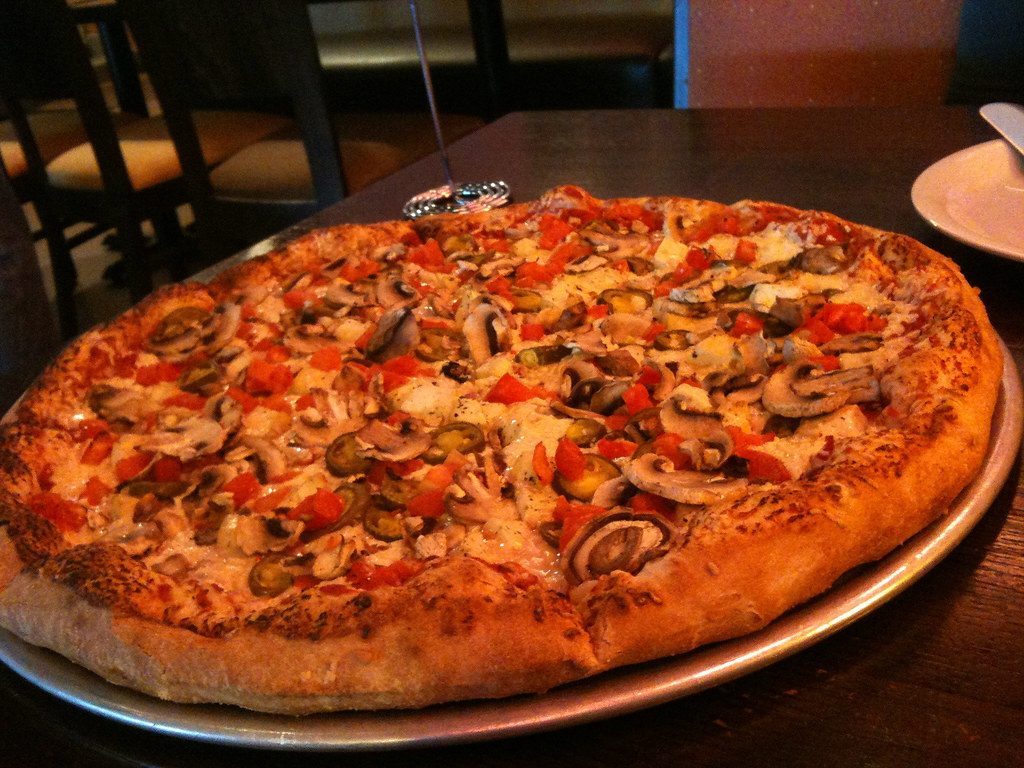
Making homemade pizza is cheaper than buying frozen pizza or ordering restaurant delivered pizza, costing roughly five dollars and forty-one cents to make pepperoni pizza or four dollars and seventy-five cents for Margherita pizza. Yet here’s where it gets interesting. When chains run their promotional deals, the equation flips completely.
Fifty-five percent of respondents saved money just by switching to frozen pizza from the grocery store versus pizza from a restaurant. The trick is timing. Those five-dollar pizza deals that pop up regularly make dining out cheaper than gathering flour, yeast, sauce ingredients, cheese, and toppings. I’ve done the math on busy weeknights, and sometimes convenience wins both the time battle and the cost battle.
Value Menu Tacos And Burritos

The Cheesy Toasted Breakfast Burritos at Taco Bell cost only two dollars. Building burritos from scratch means buying tortillas, eggs, cheese, meat, and fillings. Most packages contain far more than you’d use for one or two people.
Fast food chains benefit from bulk purchasing power that home cooks simply can’t match. They buy ingredients by the ton, not the pound. When you’re feeding just yourself or a small family, their economies of scale work in your favor at the drive-thru window.
Coffee Shop Drinks With Refill Deals
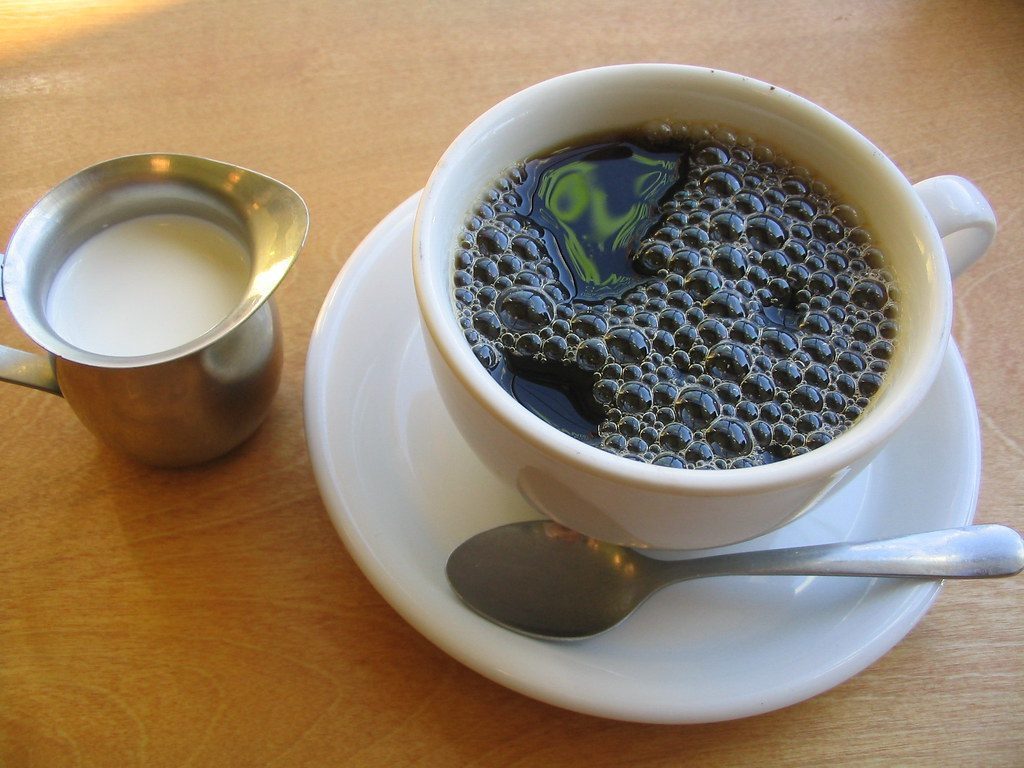
Panera has an unlimited beverages deal where for twelve dollars a month, you can get unlimited hot tea, hot or iced coffee, iced tea, soda, and lemonade in any size or flavor. If you drink even two coffees a day from that subscription, you’re paying roughly twenty cents per beverage.
Making coffee at home costs more than you’d think when you add up filters, decent beans or grounds, creamer, and the electricity to brew it. For heavy coffee drinkers, these subscription models beat home brewing by a mile. Plus, you’re not responsible for cleaning the equipment.
Fast Food Sliders And Mini Burgers
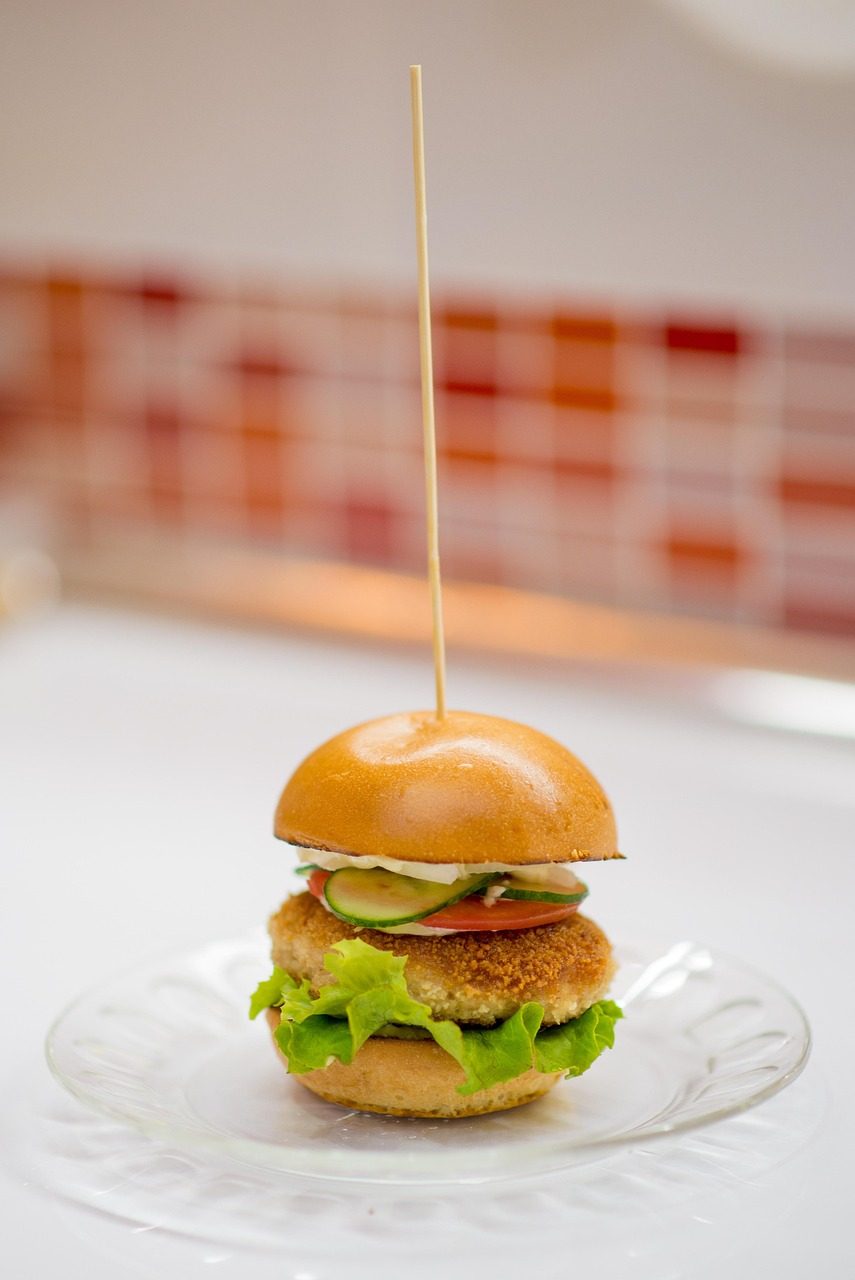
At less than eighty cents per slider at White Castle, that’s an incredible deal in 2024, and their classic burgers haven’t been that cheap since 2011. Ground beef prices at grocery stores often hover around four to six dollars per pound, plus you need buns, condiments, pickles, onions, and cheese.
The four ninety-nine Krystal Meal Deal includes two sliders, a small fries, and a drink. Replicating that at home requires buying potatoes or frozen fries, cooking oil, and beverages. When you’re craving just a few small burgers, the restaurant option makes more financial sense.
Discounted Grocery Store Prepared Foods
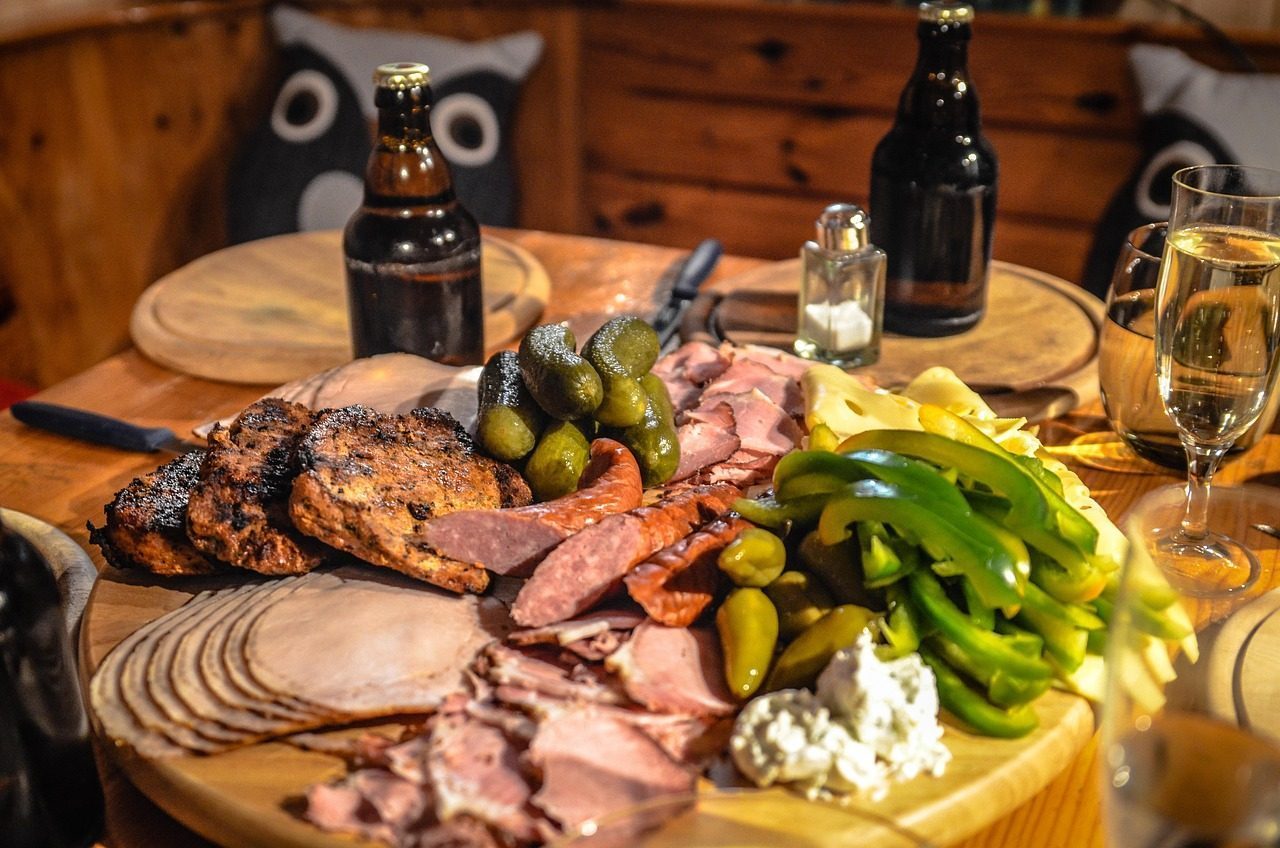
Supermarket deli sections slash prices on prepared meals near closing time. Roasted vegetables, seasoned chicken breasts, pasta dishes, and salads often get marked down by roughly half or more. Produce past its prime is chopped up for the salad bar, and meat that’s overdue for sale is cooked up and sold hot.
These end-of-day deals beat cooking from scratch because stores would rather recoup some costs than throw food away entirely. I’ve snagged complete dinners for less than the raw ingredients would have cost. The quality remains solid, it’s just approaching its sell-by date.
Chain Restaurant Kid’s Meals

Many family restaurants price children’s meals as loss leaders to attract parents who’ll order full-priced adult entrees. These meals typically include a protein, side, drink, and sometimes dessert for roughly four to six dollars. Creating the same variety at home means preparing multiple components.
The portion sizes work perfectly for young children without generating waste. You’re not stuck with half a package of chicken nuggets going stale or fries getting soggy in the freezer. For families with picky eaters, this removes the risk of rejected homemade meals ending up in the trash.
Sub Shop Promotional Deals
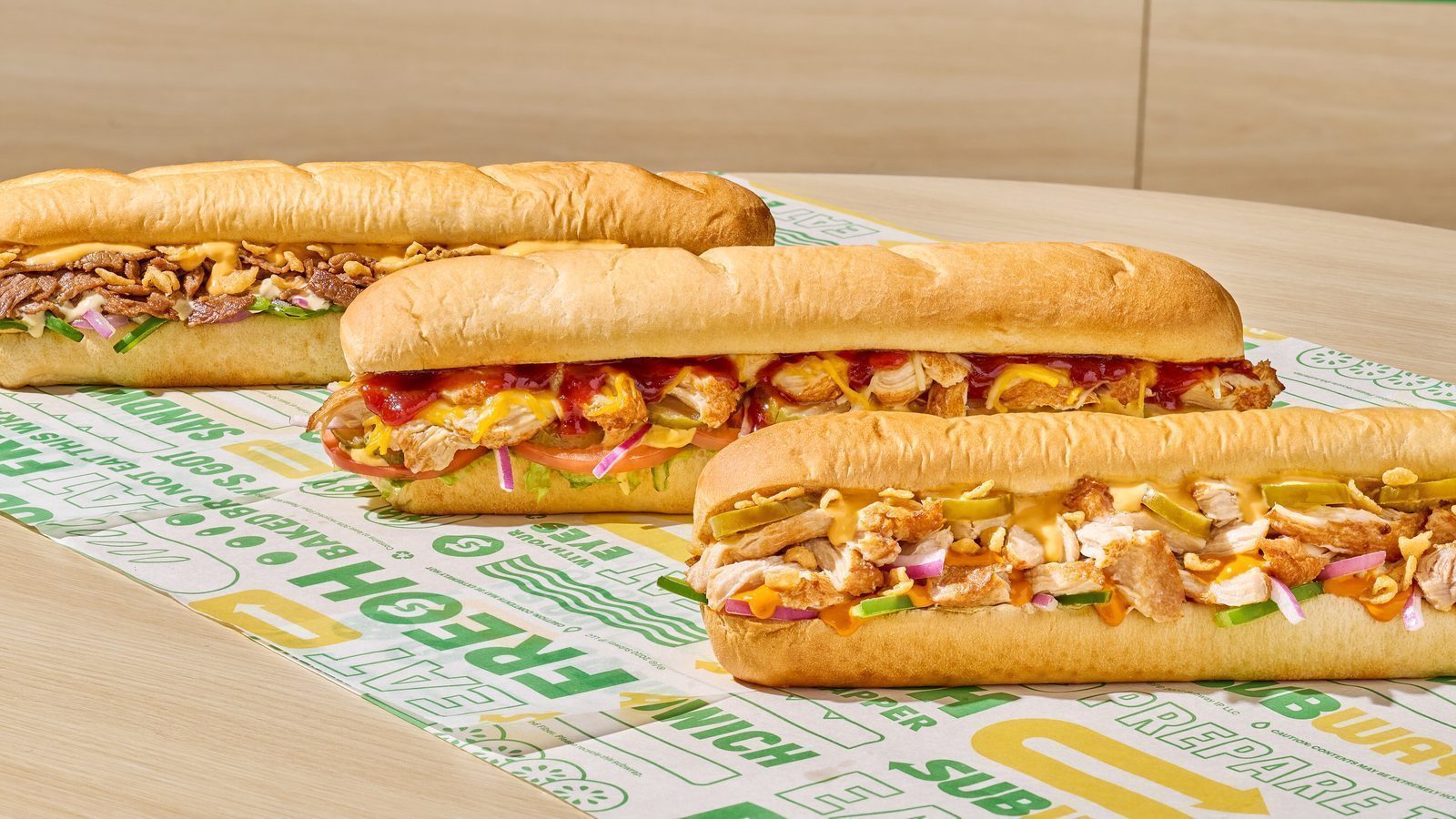
Sandwich chains regularly run promotions where footlong subs cost around six to eight dollars. Building an equivalent sub at home requires buying deli meat, cheese, bread, lettuce, tomatoes, onions, pickles, peppers, and various condiments. Most of these items come in quantities that serve many more than one meal.
The math gets worse if you prefer variety. Want three different types of meat on your sandwich? That means buying three separate packages of cold cuts that’ll likely spoil before you finish them. Restaurant portions give you exactly what you want without the waste factor.
Buffet Restaurants For Groups
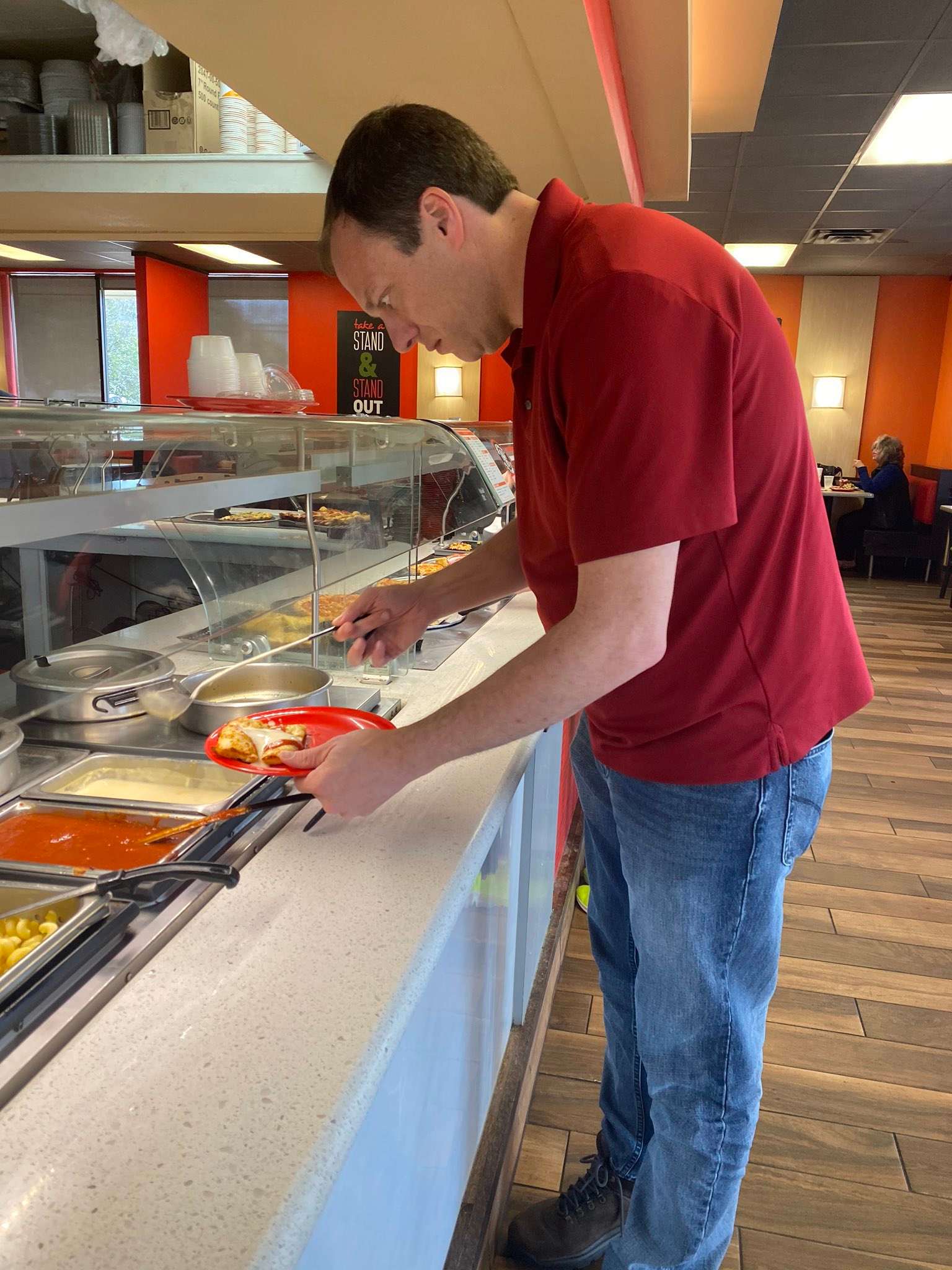
Restaurant prices climb much higher and faster than groceries, averaging five point one percent annually versus one point two percent. Yet buffets buck this trend. All-you-can-eat restaurants charge roughly ten to fifteen dollars per person for unlimited food variety.
Hosting a dinner party at home where you provide similar variety costs significantly more per person once you account for appetizers, multiple main dishes, sides, desserts, and beverages. The labor savings alone make buffets attractive for large gatherings. No cooking, no cleaning, no leftovers cluttering your fridge for days.
Fast Food Chicken Nuggets With App Deals
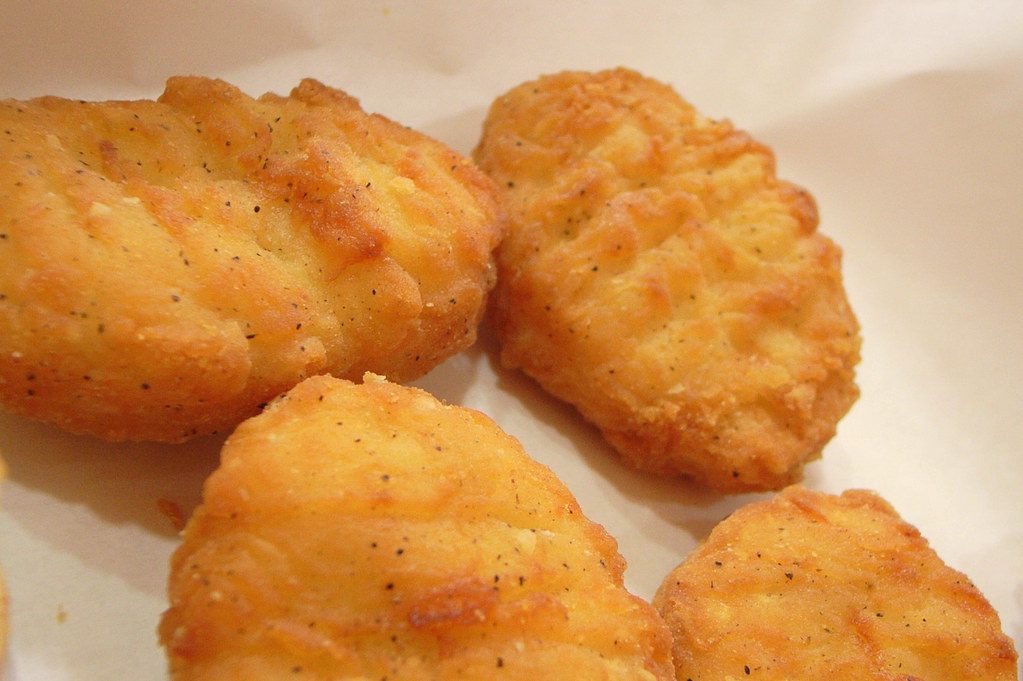
Mobile apps represent a viable hack when it comes to fast food prices, with users urged to use fast food apps and offers and coupons to get big discounts. Nugget deals through restaurant apps often price twenty-piece orders at around six to eight dollars.
Making nuggets from scratch involves buying chicken breast, bread crumbs or flour, eggs for coating, oil for frying, and various seasonings. The prep work alone takes serious time, and you’ll use far more oil than seems economical for a single batch. App-exclusive deals make this a clear win for restaurants.
Senior Discount Early Bird Specials

Countless restaurants offer early bird dinner specials with full meals priced between seven and twelve dollars. These typically include an entree, two sides, bread, and sometimes soup or salad. The catch is timing, usually between four and six in the evening.
According to recent research from October 2025, the average meal at an inexpensive restaurant costs nearly two hundred eighty-five percent more than eating at home, at sixteen dollars and twenty-eight cents versus four dollars and twenty-three cents per meal. Early bird specials completely flip this statistic for those who can dine during off-peak hours. The variety and portions beat what most people would prepare for themselves at that price point.
The restaurant industry isn’t stupid. They understand consumer psychology and pricing strategies better than most of us realize. While home cooking generally saves money over time, smart restaurant choices can actually beat your grocery bill on specific meals. It’s all about knowing when to cook and when to let someone else handle it.
What surprised you most about these cost comparisons? Have you discovered any restaurant deals in your area that beat cooking at home?
Key Takeaway
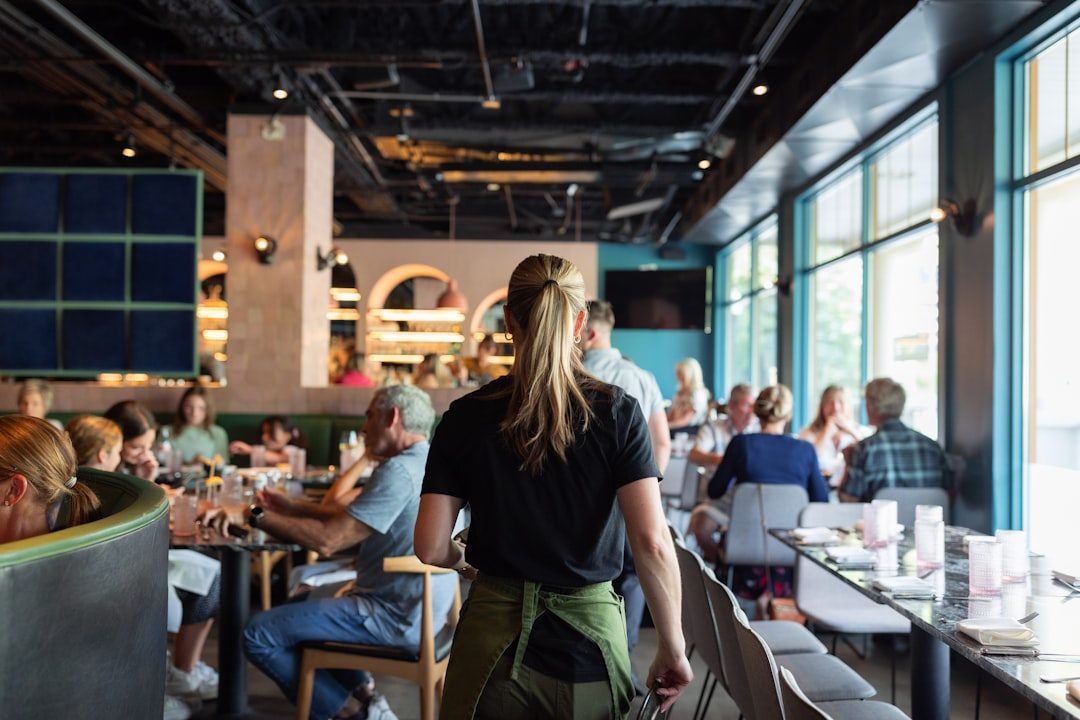
Former restaurant workers reveal that some dishes actually cost less to order out than to make yourself. Bulk ingredient purchasing, specialized equipment, and efficient prep allow restaurants to produce items like pizzas, stir-fries, and certain seafood dishes at a lower per-portion cost than home cooks can manage. When you factor in time, waste, and the price of buying full-sized ingredients you may only use once, dining out can sometimes deliver better value than cooking the same meal at home.
Why Restaurant Math Works Better Than You Think
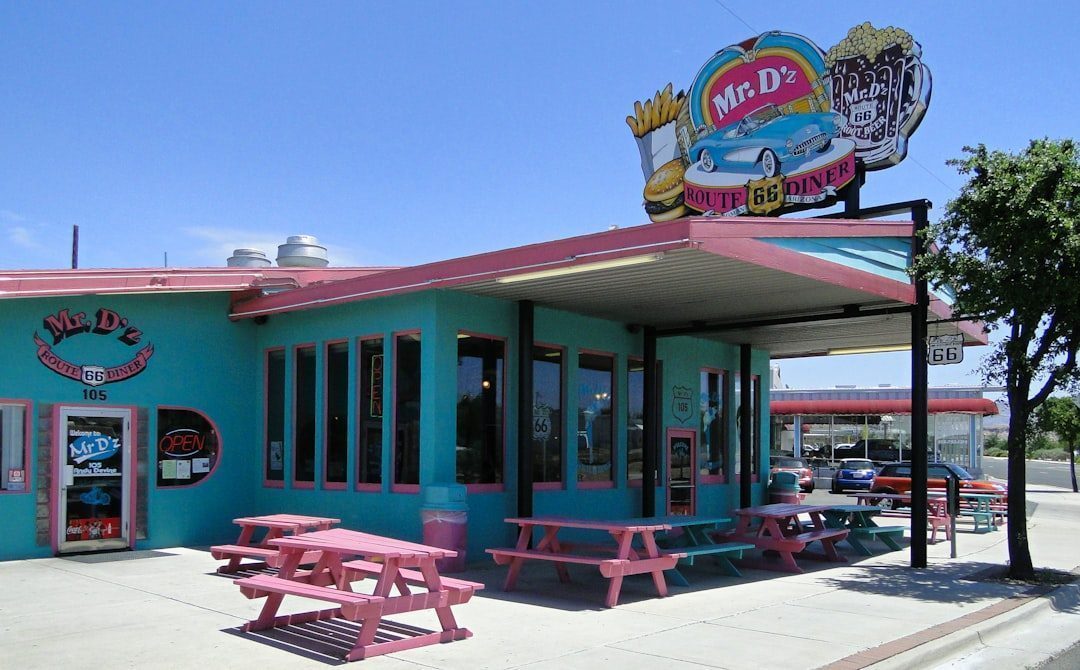
Here’s the thing most people don’t realize when they’re comparing prices: restaurants don’t pay what you pay. That gallon of cooking oil you might use twice before it goes rancid? They buy it in 35-pound containers at a fraction of the per-ounce cost. The same goes for spices, sauces, and specialty ingredients that sit in your pantry collecting dust after you make pad thai once. Restaurant suppliers deliver industrial quantities at wholesale prices that would shock you – we’re talking 60-70% less than retail in many cases. Plus, they’ve got the economy of scale working overtime. When a pizza chain makes 500 pies a day, every ingredient gets used efficiently with almost zero waste, while your homemade attempt might leave you with half a bag of mozzarella going moldy and three-quarters of a jar of sauce you’ll never finish. The real kicker? Labor costs are already baked into their business model, so you’re essentially getting professional prep work, cooking expertise, and cleanup thrown in for free when you order out.
The Hidden Costs of Cooking That Nobody Talks About
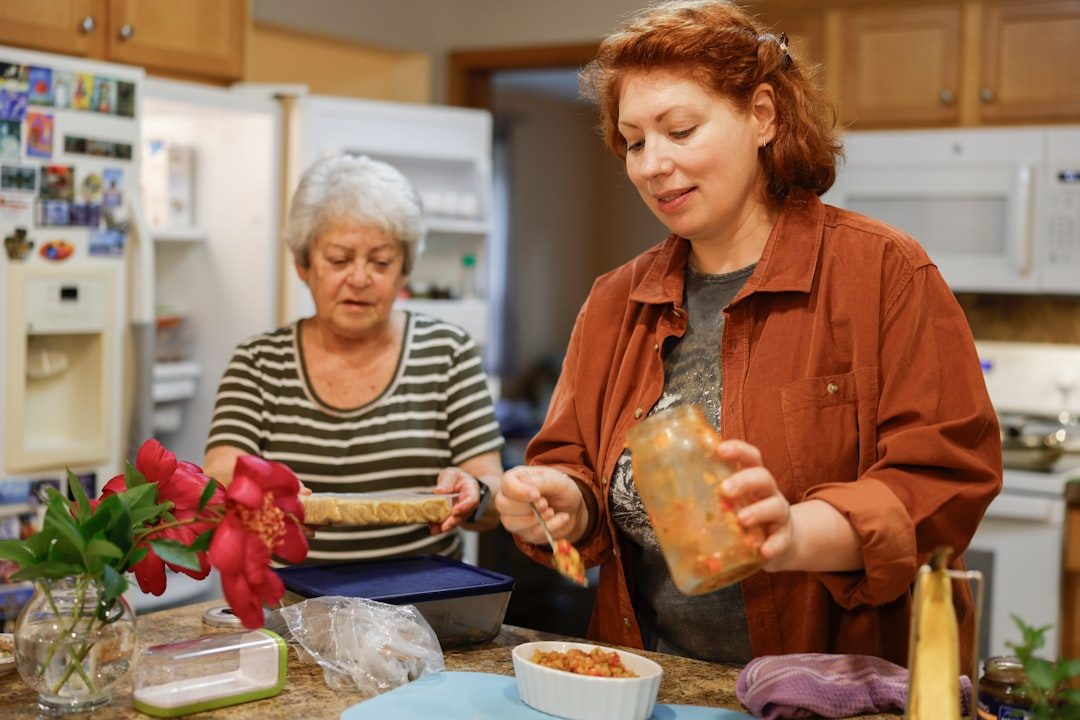
Let’s get real about what cooking at home actually costs beyond just ingredients. You’re paying for electricity or gas every time you crank that oven to 425 degrees for an hour, and depending on where you live, that’s anywhere from 50 cents to two bucks per cooking session. Then there’s the equipment depreciation nobody factors in – that $200 stand mixer, the $80 knife set, the pots and pans that need replacing every few years. Your time has value too, even if you’re not tracking it on a spreadsheet. Spending ninety minutes prepping, cooking, and scrubbing dishes after a long workday isn’t free, especially when you could’ve grabbed something for eight bucks and had your evening back. And honestly, failed cooking experiments are expensive disasters we all pretend don’t happen. That Thai curry that turned into inedible slop? That’s twelve dollars of groceries straight into the trash, plus you still need to order takeout because everyone’s hungry and cranky. Restaurants absorb those failures as part of their learning curve, but at home, every flop comes directly out of your wallet.