
There’s an entire universe of restaurant operations happening around you while you eat, yet most diners remain completely unaware of these carefully orchestrated details. While strategically placed windows and primped servers may give guests a glimpse into how a restaurant kitchen runs, there is a whole world behind those swinging doors. Professional chefs observe countless subtleties that escape the notice of even regular restaurant-goers. Let’s explore the hidden intricacies that industry insiders notice but guests typically miss entirely.
Table of Contents
The Science Behind Perfectly Timed Salt
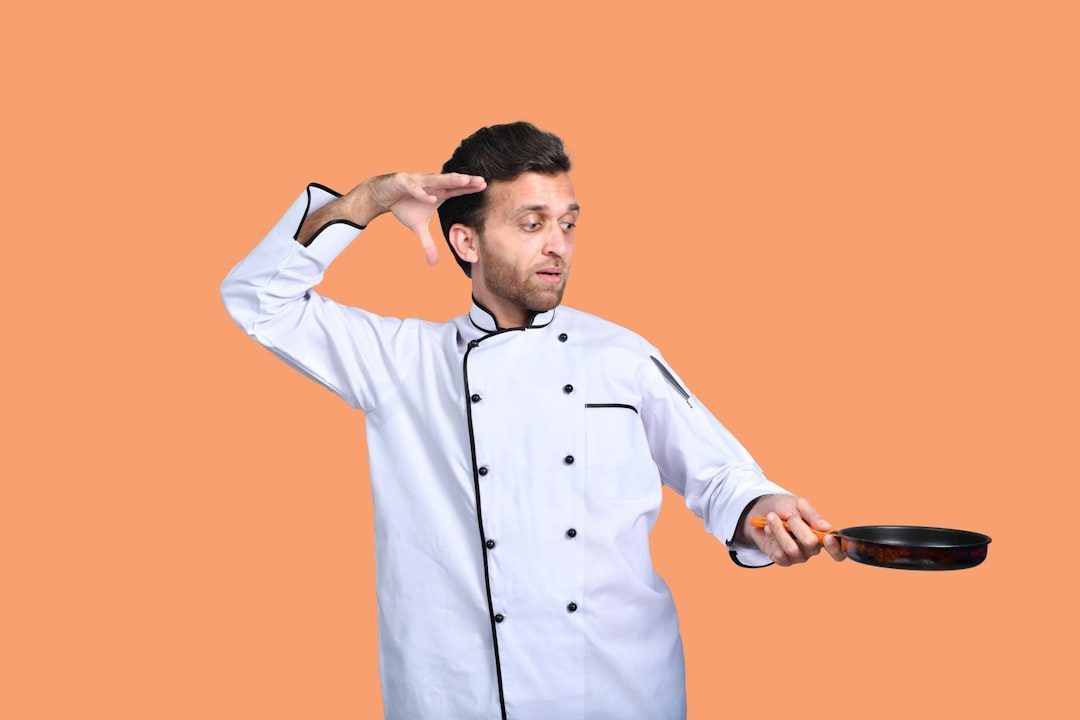
Most diners assume salt simply makes food taste salty, though chefs know the timing of seasoning transforms entire dishes. If you wait until the end to add salt, your food will taste salty instead of seasoned. Instead, salt as you go. When you’re sweating onions, add a small pinch of salt. Season your meat before you cook it, and add another tiny pinch after you deglaze. By the end of the cooking time, you’ll create a set of nuanced layers of flavor that will make your food stand out. Guests rarely notice this layered seasoning approach, yet it’s the difference between amateur and professional cooking. Every pinch serves a specific purpose in building complex flavor profiles that develop throughout the cooking process.
The Hidden World of Mise En Place
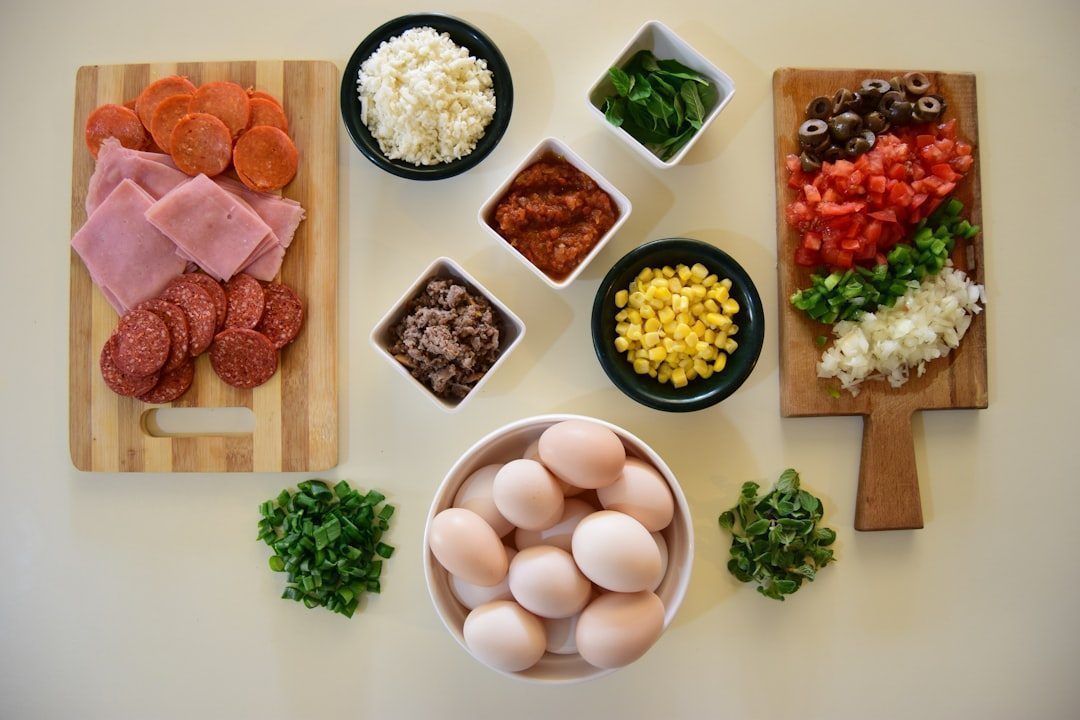
This French phrase sounds fancy, but the translation is simple: “put in place.” Mise en place (abbreviated by chefs as MEP or just mise) refers to doing all of your necessary ingredient prep ahead of time – from washing to measuring to chopping. Guests witness only the final plating, missing the hours of meticulous preparation that occur before service begins. Professional kitchens operate like well-oiled machines because everything has been prepped, portioned, and organized beforehand. The seamless flow you observe during dinner service results from this invisible foundation of preparation. Donatella Arpaia, celebrity chef, restaurateur and owner of NOMA Beach, Miami, also argues that mise en place should extend to your entire kitchen, not just prepping a recipe. “A clean, organized kitchen, fridge, and pantry will set you up for an easier, more enjoyable cooking experience,” she says.
The FIFO System That Prevents Waste
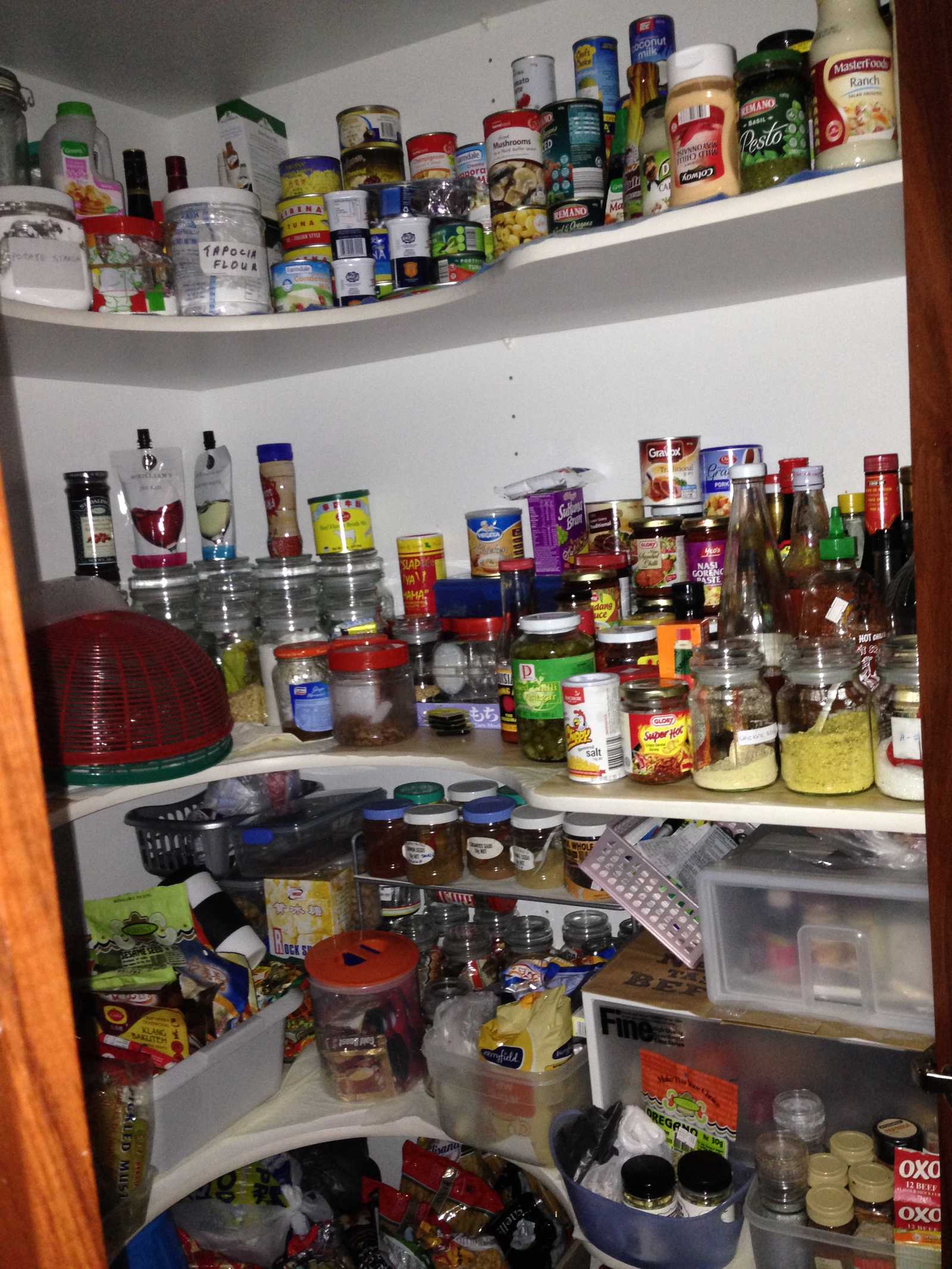
If you step foot into any professional kitchen (one not featured in Kitchen Nightmares, at least), the team will live by a firm rule. First in, first out – also known as FIFO – refers to how a kitchen moves through its inventory by using up the older ingredients first. This inventory rotation system remains completely invisible to diners, though it directly impacts food quality and safety. Chef Abishek Sharma, chef and owner of Madam Ji, recommends “labeling to clearly date leftovers and pantry items for easy tracking of how old they are.” With FIFO, you can end up with less food waste and eventually save money at the supermarket. Every dish you receive benefits from this systematic approach to ingredient management. Restaurants implementing FIFO serve fresher ingredients while reducing costly waste that would otherwise impact menu pricing.
Temperature Control Throughout Service
When you’re frying food for a crowd, it’s impossible to finish everything at the same time. Adding all the ingredients to the pot at once would lower the oil’s temperature, making the food sad and soggy. Instead, hot-hold the finished food in a low oven (typically maintaining food at 140°F or above) while you continue frying. This tip works also works for things like pancakes, waffles and fritters. Diners experience perfectly heated dishes without realizing the complex temperature management happening behind the scenes. Professional kitchens maintain multiple temperature zones to ensure every component reaches your table at optimal heat. The crispy textures and proper doneness you enjoy result from chefs constantly monitoring and adjusting temperatures throughout the cooking process. This temperature precision extends beyond cooking to holding, plating, and serving temperatures that maintain food quality.
The Knife Skills That Shape Every Bite
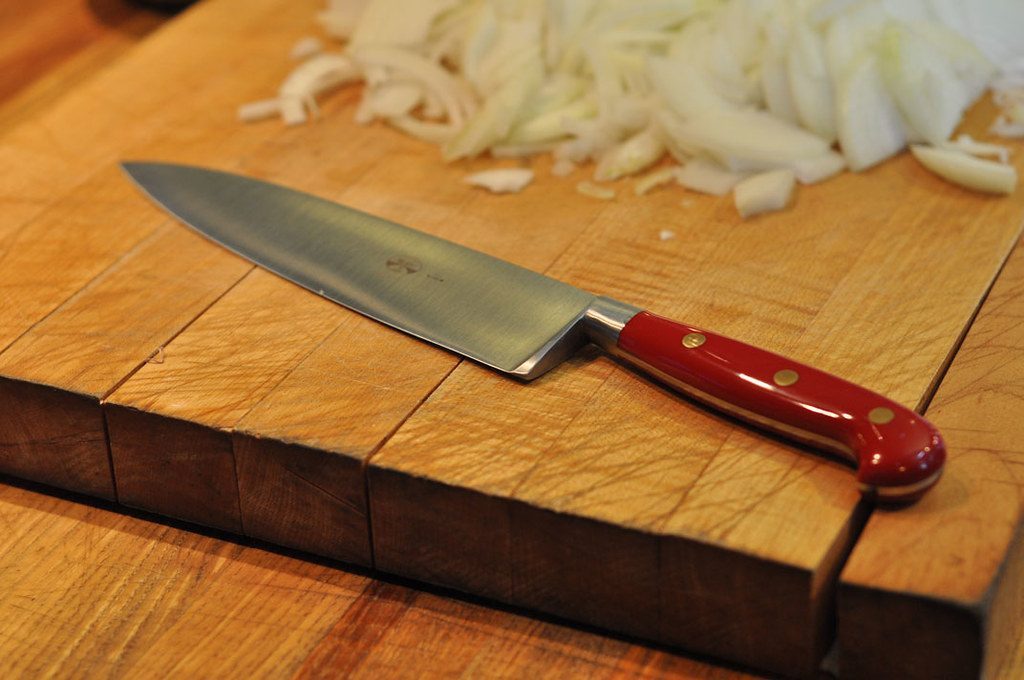
Professional chefs spend a lot of time chopping, mincing, slicing and dicing. Part of it is to make everything look nice on the plate, but it’s really all about how the food cooks. Uniform cuts ensure even cooking times and consistent textures throughout each dish. Guests notice beautiful presentations but miss how precise knife work affects cooking chemistry and flavor development. Different cutting techniques create varying surface areas that impact seasoning absorption and heat penetration. The consistency you experience in restaurant dishes stems from standardized knife skills that create predictable cooking results. These techniques require years to master and distinguish professional cooking from home preparation.
Early Morning Prep That Starts Before Dawn
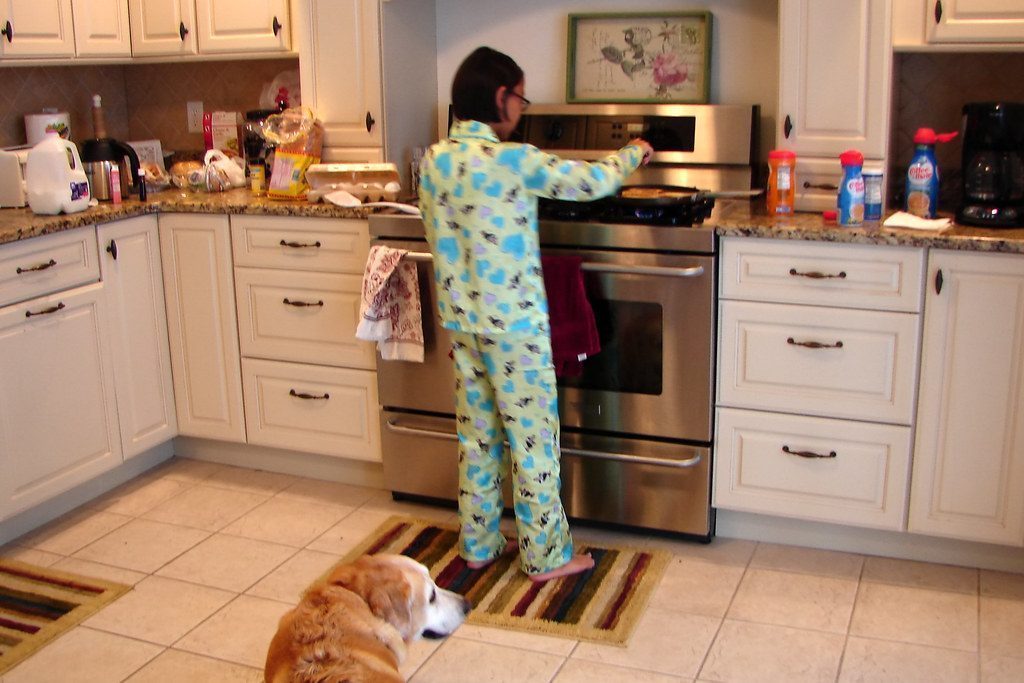
As a line cook in a small cafe in college, I arrived at 7 a.m. to open our two lines – one hot and one cold – and start prepping for service at 8:30 a.m. Later, while working as a baker in New York City, my days started at 4:30 a.m., and I always knew service was about to begin when the sun rose through the bakery windows. Restaurant teams begin their day hours before the first customer arrives, creating the foundation for every meal served. “A typical day starts before the sun’s even up,” she says, “We’re in the kitchen by 5:30 a.m., roasting chiles, simmering sauces, and making tortillas by hand.” This invisible morning preparation shapes every aspect of your dining experience. The freshly made sauces, perfectly cooked proteins, and artisanal breads you enjoy required hours of predawn labor.
The Daily Special Strategy
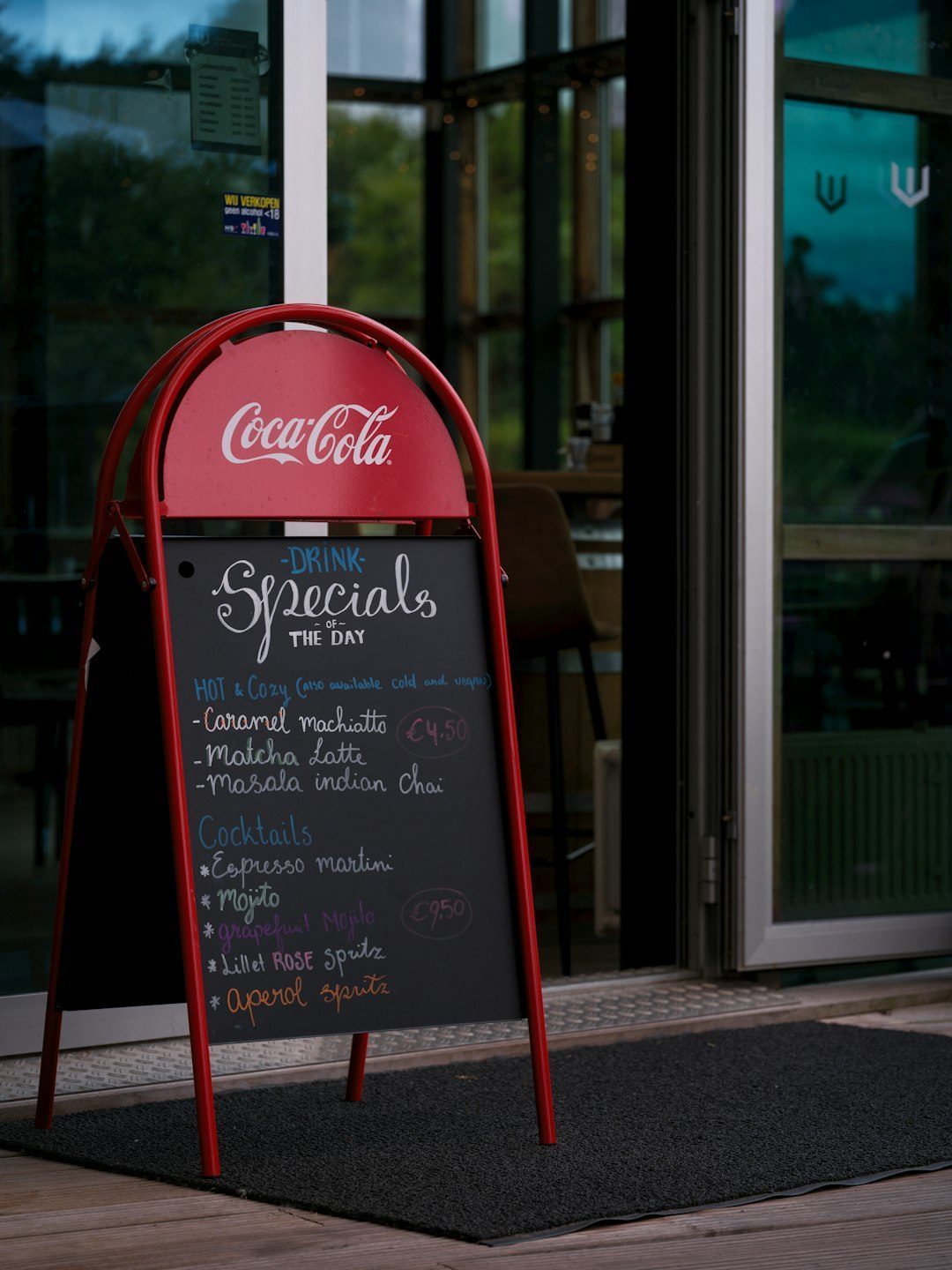
Ever notice how restaurant servers push the special of the day? Their reasons may be more economic than culinary. “When I go out to eat at other restaurants, I never order the specials,” says executive chef and owner Alberto Morreale of Farmer’s Bottega, in San Diego. “Some restaurants put together their specials for the day based on what’s about to expire or what they’re trying to get rid of faster.” This economic reality operates entirely behind the scenes while servers present specials as exciting culinary features. Smart diners might ask about ingredient freshness rather than assuming specials represent the kitchen’s best offerings. The business side of restaurant operations influences menu decisions in ways that remain hidden from most guests. Understanding these motivations helps diners make more informed ordering decisions.
Storage Container Systems and Organization
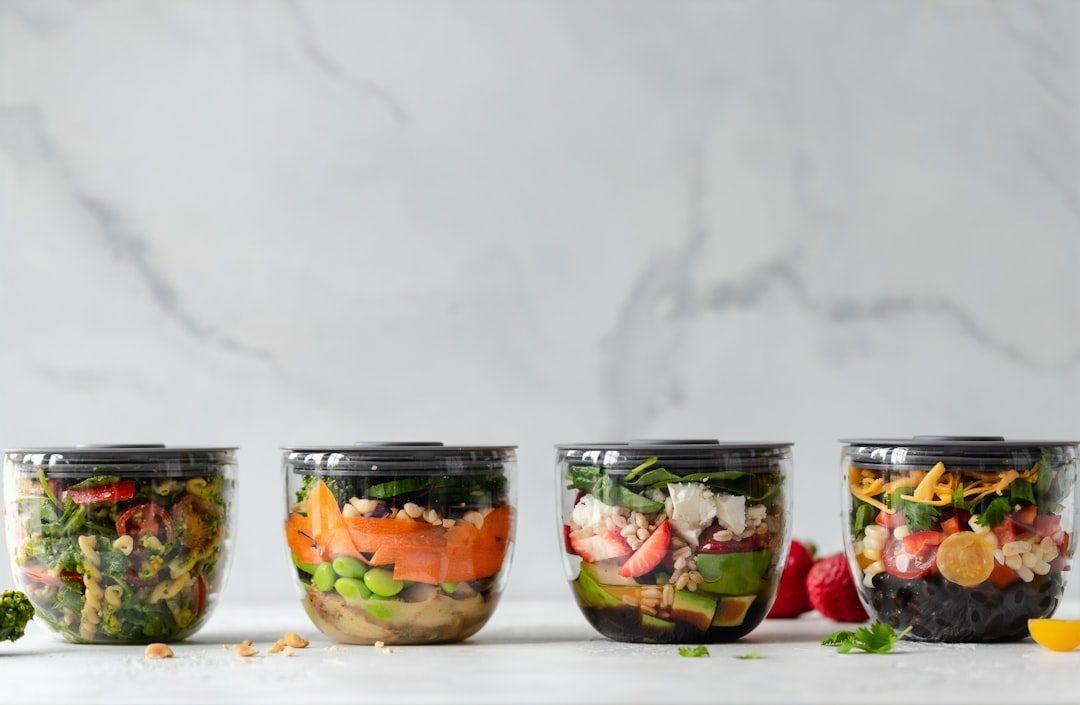
The preferred storage containers of virtually every kitchen are plastic deli containers. They come in several different sizes but all use the same lid. They’re dishwasher, microwave, and freezer safe. They’re also really affordable, so it’s not a big deal if they get broken or lost. Whether you’re storing or organizing, deli containers are no-brainers. “I can label them with tape and a Sharpie or write directly on the lid for easy identification,” says Nicholas Wilkins, Culinary Specialist at Eat Clean Bro. This standardized storage system creates the organization that enables quick service and consistent quality. Professional kitchens rely on these uniform containers to maintain ingredient freshness and streamline operations. The speed and efficiency you experience during busy service depends heavily on these invisible organizational systems. Everything has its designated place and proper labeling to ensure smooth kitchen operations.
Strategic Equipment Placement and Workflow
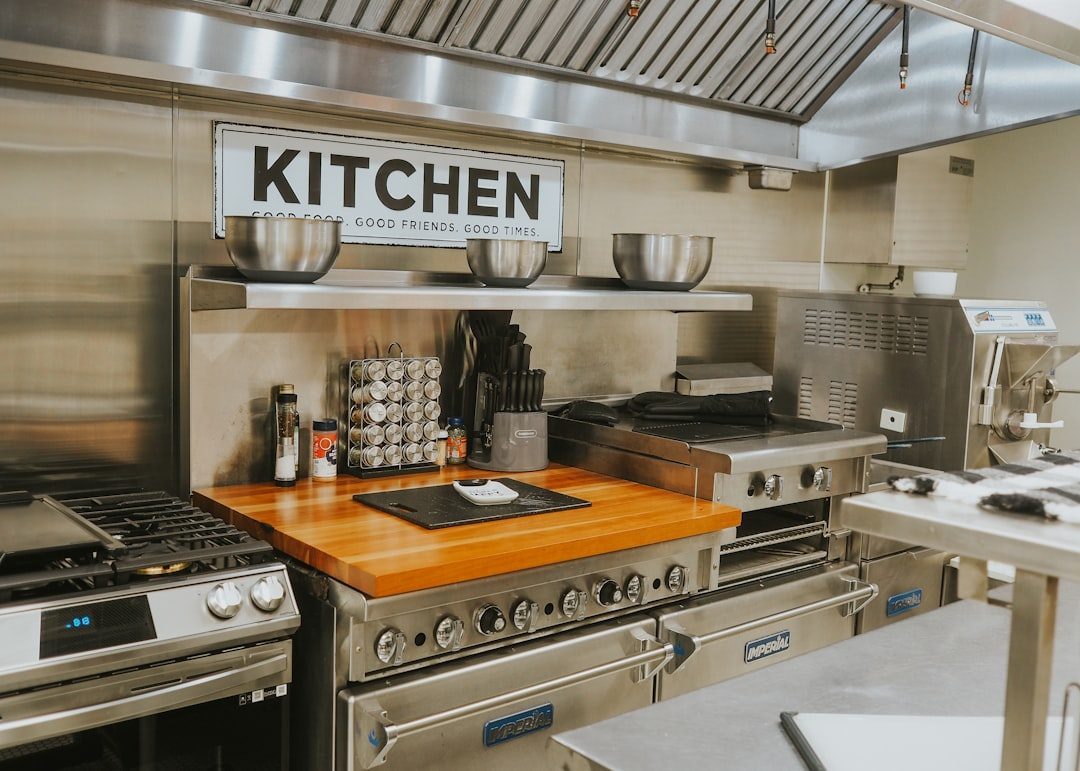
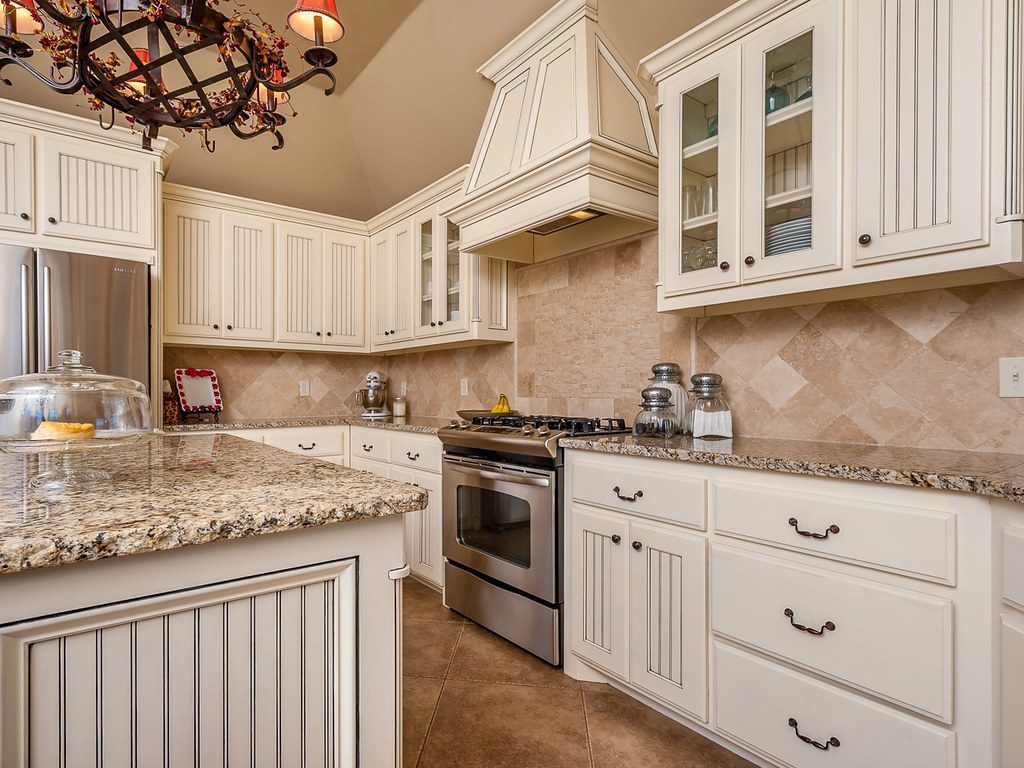
A simple trick is to place a damp paper towel or cloth underneath your cutting board,” Kreuther says. “The weight of the board will keep it in place.” Another alternative method is using a non-slip pad (like the ones you use under a rug). Every piece of equipment in professional kitchens occupies a strategically chosen location to maximize efficiency and safety. The smooth service you observe results from carefully planned workflows that minimize unnecessary movement and maximize productivity. Professional kitchens design their layouts to support specific cooking sequences and staff movements. These workflow optimizations happen entirely behind the scenes but directly impact service speed and food quality. The seemingly effortless coordination you witness stems from thoughtful kitchen design and equipment placement.
The Art of Hot-Holding Without Compromising Quality
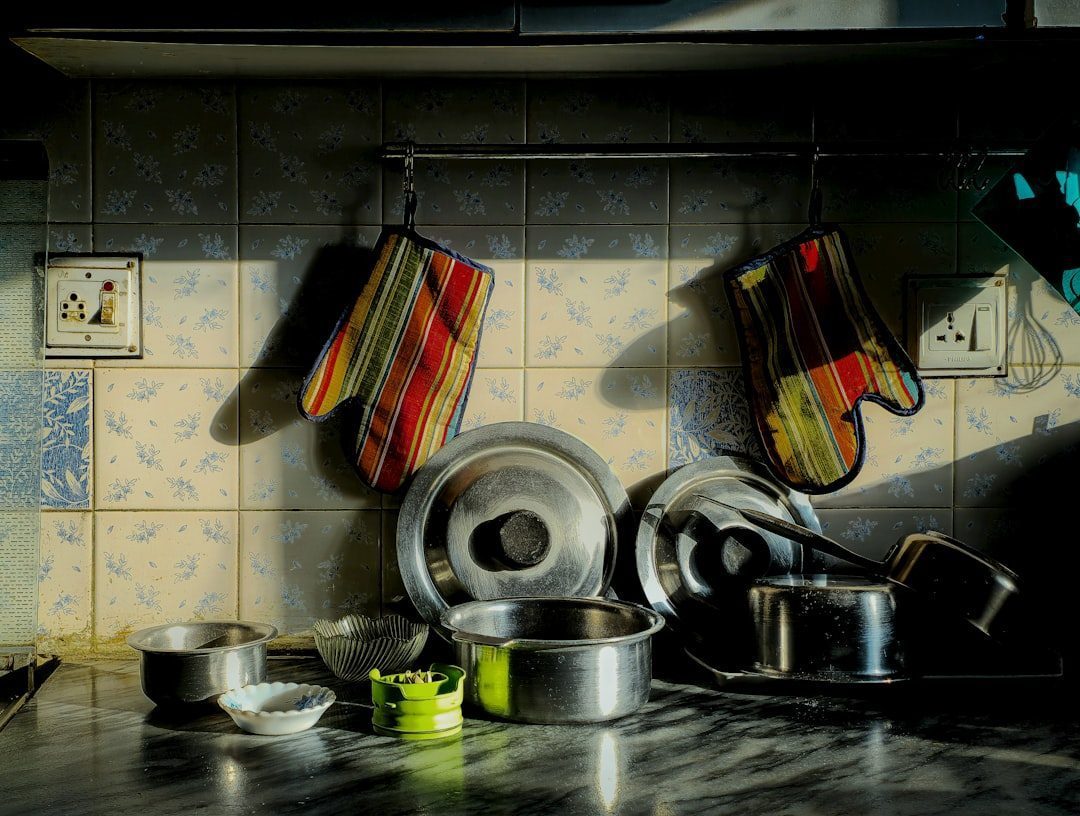
Whether you’re hot-holding food in the oven or cooking bacon, a baking sheet lined with an oven-proof cooling rack is a game-changer. It keeps the food elevated, preventing condensation from forming and promoting air circulation, ensuring your food turns out crispy. Professional kitchens maintain food quality during service through sophisticated holding techniques that preserve textures and temperatures. The crispy foods and properly heated dishes you receive benefit from these invisible temperature management systems. Multiple orders cook simultaneously while maintaining individual quality standards through strategic holding methods. These techniques ensure consistent quality regardless of order timing or kitchen volume. The difference between soggy and crispy, hot and lukewarm, often depends on proper holding techniques that guests never observe.
What fascinates me most about these hidden details is how they collectively create the restaurant experience we take for granted. Every perfectly seasoned dish, efficiently served meal, and consistent quality standard results from countless invisible processes that trained professionals execute flawlessly. The next time you dine out, remember there’s an entire world of expertise working behind the scenes to make your meal memorable. What details have you noticed during your restaurant visits that others might miss?