
When it comes to protecting your heart, the oil you choose for cooking matters more than you might think. Research shows that dietary intake of olive oil, particularly the virgin type, has been shown to improve several cardiovascular risk factors including obesity, hypertension, diabetes, dyslipidemia, and endothelial dysfunction, while poor diet quality is strongly associated with elevated risk of cardiovascular disease morbidity and mortality. Choosing an oil rich in unsaturated fats is essential in supporting your heart health, as cooking with these oils can help lower your risk of heart attack and death from heart disease.
The science is clear about which oils deserve a spot in your kitchen. Cardiologists generally recommend using oils that are high in monounsaturated and polyunsaturated fats, such as olive oil, canola oil, and avocado oil, as these types of oils can help reduce bad cholesterol levels and lower the risk of heart disease.
Table of Contents
Extra Virgin Olive Oil: The Gold Standard
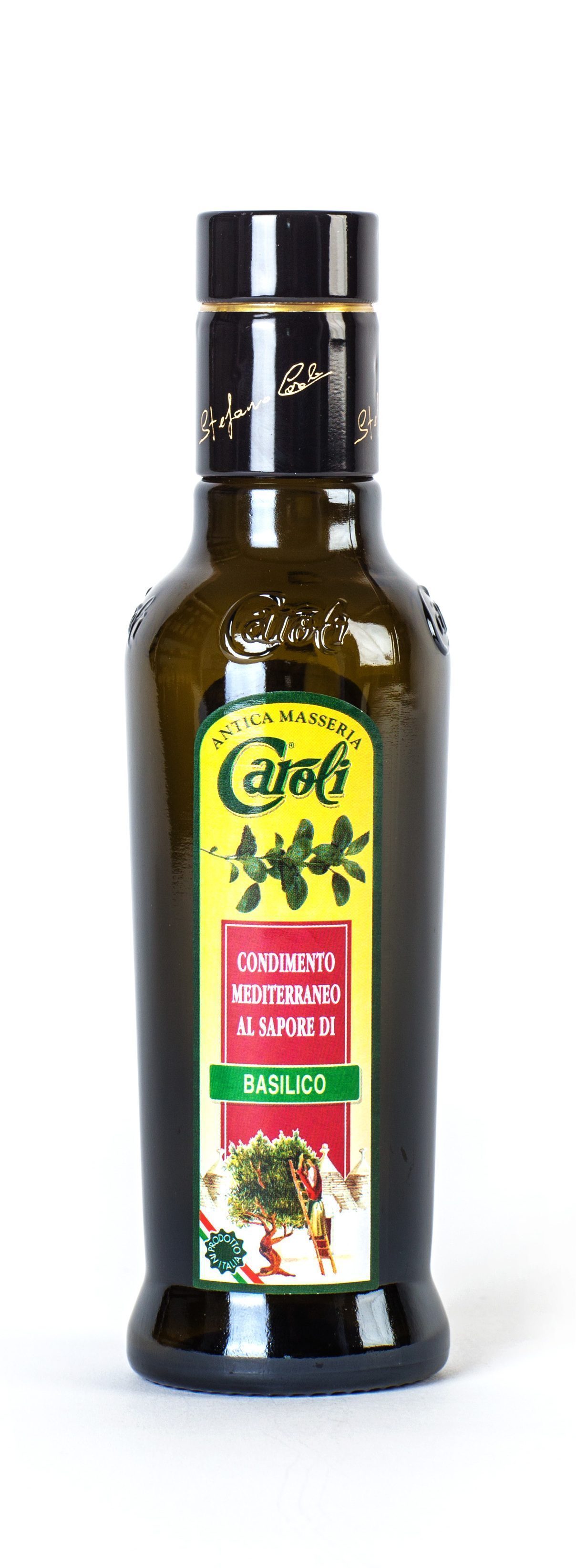
Olive oil is the healthiest all-around cooking oil, with extra virgin olive oil still reigning supreme. Cardiologists recommend switching to high-phenolic olive oil because it’s rich in monounsaturated fats, loaded with antioxidants and backed by decades of research on its heart-protective and anti-inflammatory benefits. Extra virgin olive oil contains polyphenols, powerful antioxidants with anti-inflammatory properties that offer extensive health benefits, from cardiovascular protection to optimizing the gut microbiome to improved cognitive function. In the PREDIMED trial, a Mediterranean diet complemented with extra-virgin olive oil could lower the risk of major cardiovascular events by approximately 30% as compared to a control diet.
Avocado Oil: The High-Heat Champion
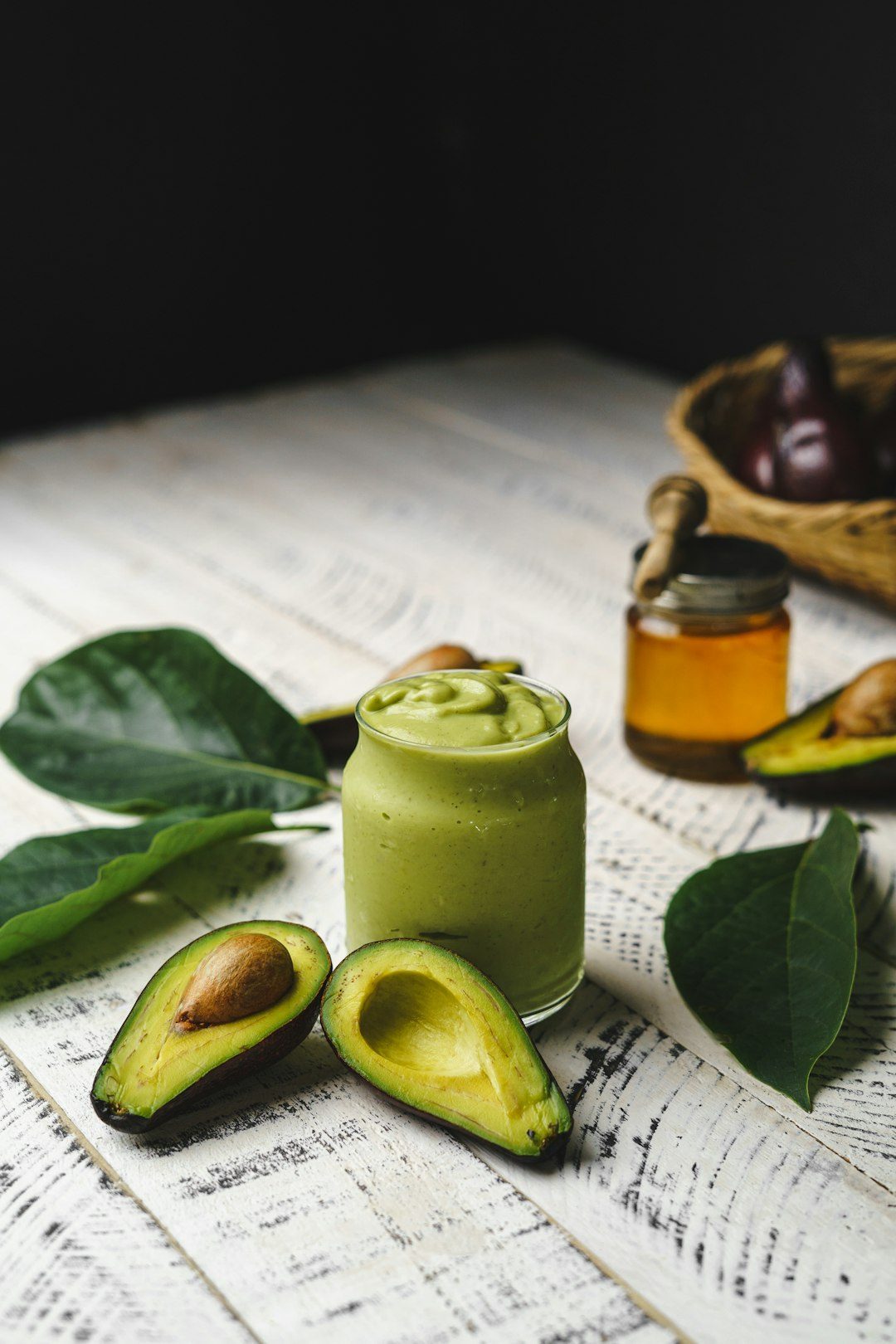
If you’re looking for a heart-healthy cooking oil, both cardiologists and nutritionists recommend avocado oil as it’s rich in good fats and has a higher smoke point than most plant-based cooking oils, which makes it perfect for sautéing. Avocado oil is unrefined like extra virgin olive oil, but it has a higher smoking point, which means it can be used to cook at higher heat and is great for stir-frys. It contains both monounsaturated and polyunsaturated fatty acids with one of the highest monounsaturated fat contents among cooking oils. This culinary powerhouse is prized for its high smoke point and rich nutritional profile, loaded with monounsaturated fats, vitamins, and antioxidants.
Canola Oil: The Versatile All-Purpose Choice
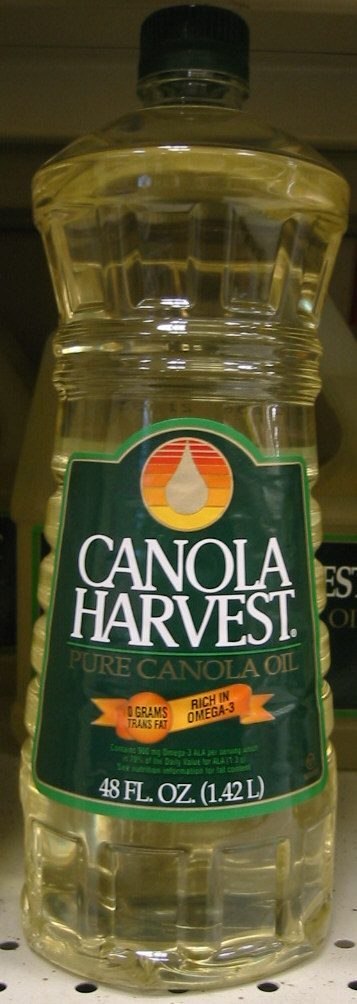
Stick with oils that contain mostly unsaturated fats, such as olive oil, canola oil and avocado oil, making canola a solid everyday choice. Many dietitians use canola oil regularly, especially for roasting vegetables at high temperatures or baking. Seed oils like canola are rich in unsaturated fatty acids, which are linked to a lower risk of heart disease when substituted for saturated fats found mainly in animal-based foods such as butter, cheese, and meat. Though often overlooked, canola oil provides heart-healthy benefits without the stronger flavor profile of olive oil.
Safflower Oil: The Clean-Burning Option

Safflower oil presents a neutral taste great for marinades, dips and sauces as well as lightly searing and sautéing on the stovetop, with a high smoke point and high levels of unsaturated fatty acids. A recent study found that incorporating this healthy oil into your diet can help reduce the risk of coronary heart disease and improve inflammation, blood sugar management and cholesterol. It ranks among the healthiest cooking oils for its heart-friendly unsaturated fats, impressive vitamin E content and rare ability to retain nutrients even when exposed to high temperatures. Safflower oil is healthier because of its high smoke point while making it a good choice for clean air quality whilst cooking.
Sesame Oil: The Antioxidant Powerhouse
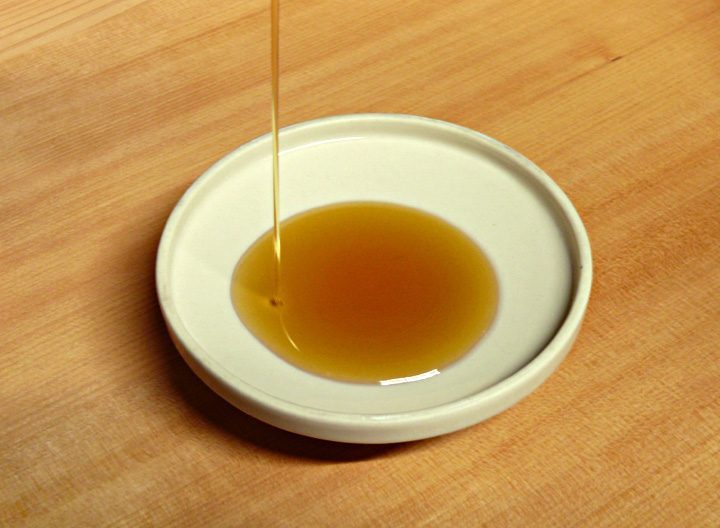
Sesame oil has a lower smoke point than the others but it still should be added to your list of heart-healthy oils, as it’s high in sesamol and sesaminol, which are antioxidants shown to reduce heart cell damage. Sesame oil contains sesamol, a key natural phenol known to have antioxidant and anti-inflammatory properties. Studies suggest regularly consuming sesame oil might improve blood sugar balance in those with type 2 diabetes and can significantly lower blood pressure in those with non-alcoholic fatty liver disease, more so than sunflower oil. Cold-pressed sesame oil has a light, neutral flavor and holds up well for sautéing and stir-frying, while toasted sesame oil is darker and more fragrant, better suited for finishing dishes.
Sunflower Oil: The Budget-Friendly Heart Helper

Sunflower oil is high in vitamin E with one tablespoon containing 28% of a person’s daily recommended intake of the nutrient, and it has a high smoke point and doesn’t have a strong flavor. Like other seed oils, sunflower seed oil is high in beneficial omega-6, and contrary to social media reports, omega-6 in these oils isn’t thought to increase inflammation or cause other harm. It has an unassuming taste, and its high smoke point is a match for stir-frying, grilling, and deep-frying. While not as extensively studied as olive oil, sunflower oil provides affordable heart-healthy benefits for everyday cooking needs.
The evidence consistently points to one clear winner. The intake of olive oil may be associated with reduced risk of cardiovascular disease, type 2 diabetes, and total mortality in prospective cohort studies, with a 10g increase of olive oil daily intake associated with 9% lower risk. When shopping for healthy oils, choose those with less than 4 grams of saturated fat per tablespoon, and no partially hydrogenated oils or trans fats. Whether you reach for the Mediterranean gold standard of extra virgin olive oil or the versatile heat tolerance of avocado oil, these heart-healthy choices can make a meaningful difference in your cardiovascular wellness.