
Picture this: you’re strolling through the grocery store, feeling good about your healthy choices. That granola bar with “whole grains” on the package? Perfect for your afternoon snack. The fruit juice promising vitamins? Great for the kids. The protein-packed yogurt? Exactly what your fitness goals need.
We are all “cognitive misers,” said marketing expert Dipayan Biswas, PhD, a professor at the University of South Florida Muma College of Business. “We only use our brain as much as we have to. It’s too much work to process and figure out if something is healthy or unhealthy.” So when you see that picture of fruits and vegetables on the package, your brain automatically associates the food with being healthy, even if you don’t realize it.
The harsh truth is that many foods marketed as healthy are anything but. Companies spend millions of dollars to figure out which buzzwords suit the dietary zeitgeist. Research on packaged foods with “healthy” front-of-package claims has found that many are considered unhealthful because products often do not meet nutrient criteria for total sugars, fat, saturated fat, sodium, or fiber.
So let’s dive into the most deceptive foods hiding behind clever marketing claims.
Table of Contents
1. Granola Bars
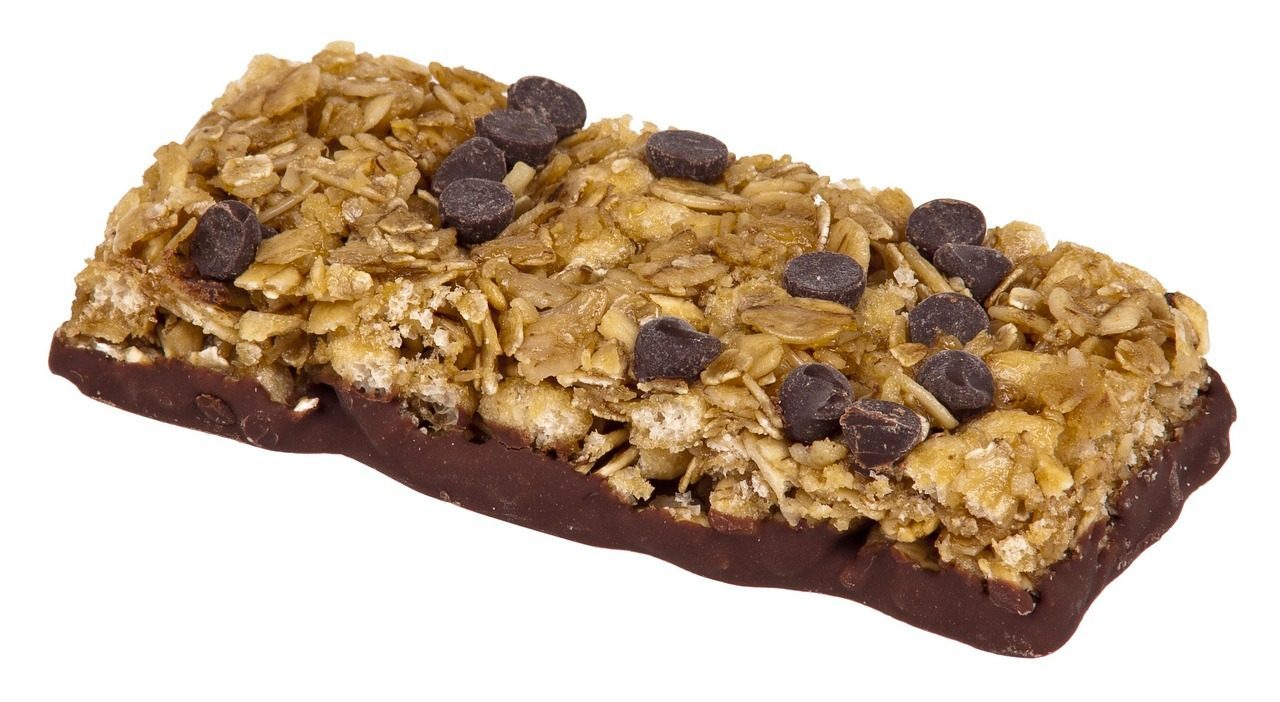
Those convenient granola bars marketed as wholesome snacks often tell a very different story on their nutrition labels. However, some contain as much sugar, carbs, and calories as candy bars. Many popular brands pack in roughly the same amount of sugar as a chocolate bar, sometimes reaching nearly half your daily recommended sugar intake in a single bar.
Nature Valley granola bars, whose packaging promotes their whole grain content, would get a red label to indicate “high” levels of added sugars and two yellow labels for “medium” levels of saturated fat and sodium, under one of the FDA proposals. In Chile, the granola bars get two warning labels for high levels of sugar and calories. Be wary of misleading marketing claims that can obscure the true nutritional profile of a granola bar. Terms like “all-natural,” “healthy,” or “wholesome” don’t necessarily guarantee a healthy product. These terms are often used loosely and can be misleading. Always check the nutrition facts label and ingredient list to verify the claims made on the packaging.
2. Fruit Drinks and Juice Cocktails

Fruit drinks, which usually contain some kind of added sweetener, are another minefield of misleading statements. Research has analyzed labeling on fruit drinks bought by parents of young children, finding that the vast majority included nutrition-related health claims on the front, like “natural flavors” or “good source of vitamin C.”
“From a nutrition point of view, we don’t need these drinks,” Grummon said. “They’re basically sugar water, and they’re often marketed with claims that we have shown in research can deceive people.” These beverages often contain less than ten percent actual fruit juice while loading up on high fructose corn syrup and artificial flavors.
3. High-Protein Packaged Foods
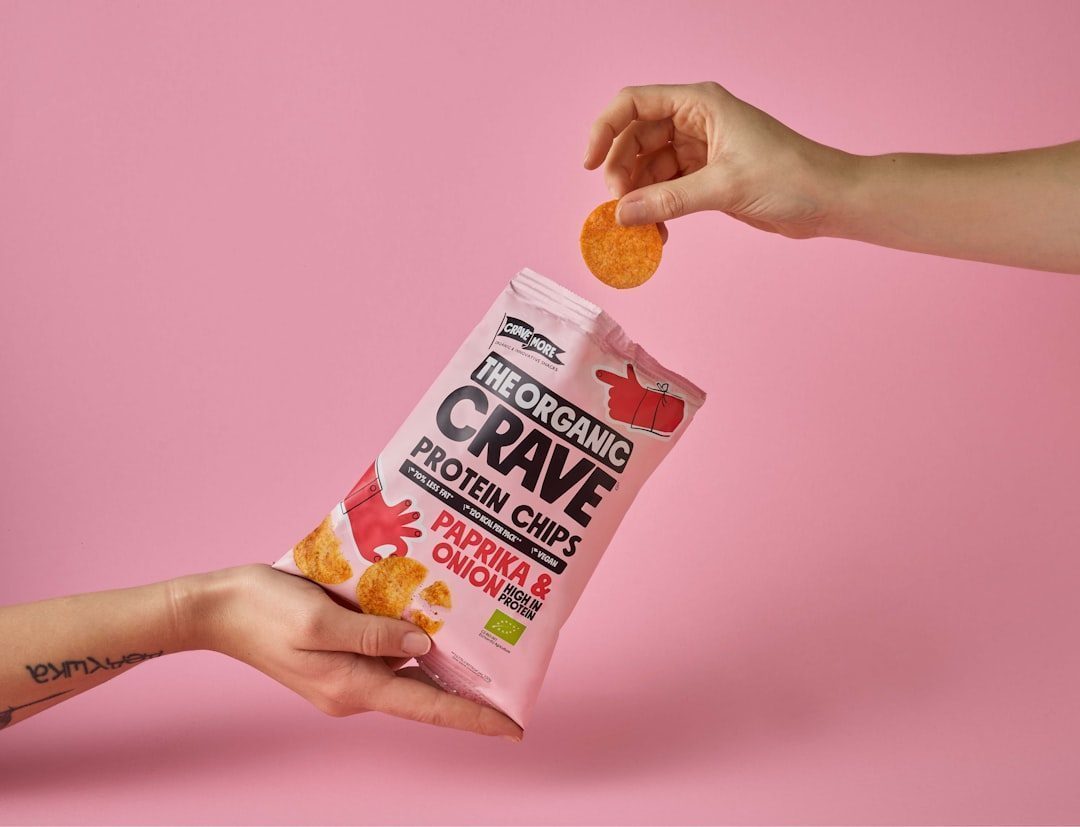
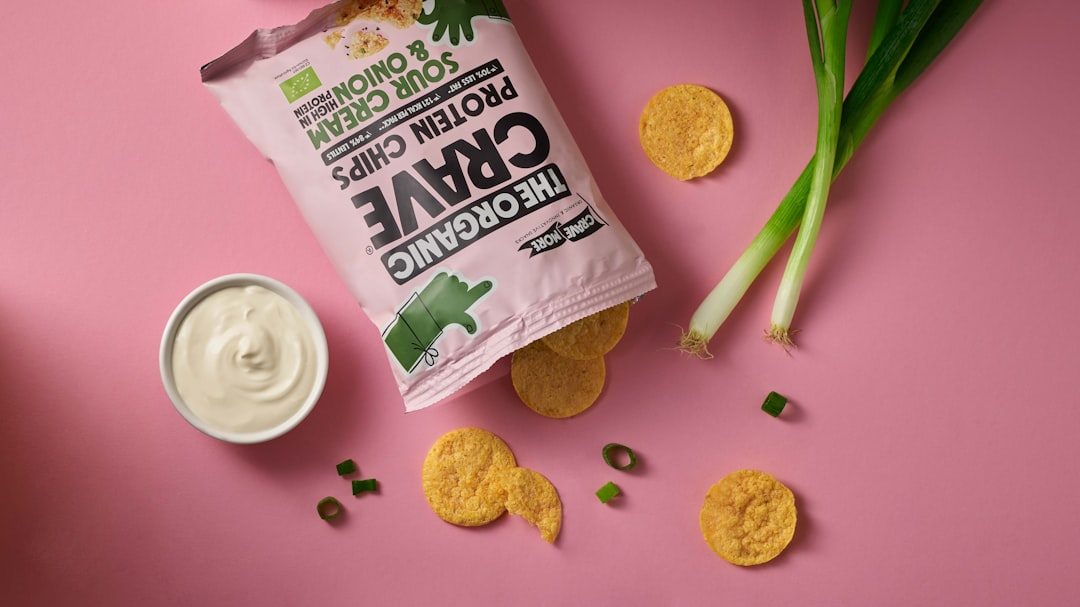
High protein has become synonymous with “healthy” but some products, like certain high-protein bars, may contain a significant amount of sugar and other less healthy ingredients. Our fascination with protein has led to the development of a vast array of protein-rich foods from granola to water. “High in protein” means that at least 20% of the energy per 100g of the product must come from protein. “Source of protein” stipulates a slightly lower requirement of 12% energy per 100g. Since it is based on energy, some energy dense foods such as peanut butter fail to meet the threshold for ‘high protein,’ despite containing 27g protein per 100g.
From protein brownies to collagen cookie dough, this space is growing fast. Social media helped fuel the craze, with creators sharing healthified versions of favorite treats that still satisfy a sweet tooth. Though she cautions followers of this trend to be mindful of added sugars and how much protein is actually in any “high protein” dessert.
4. “Veggie” Pasta and Chips
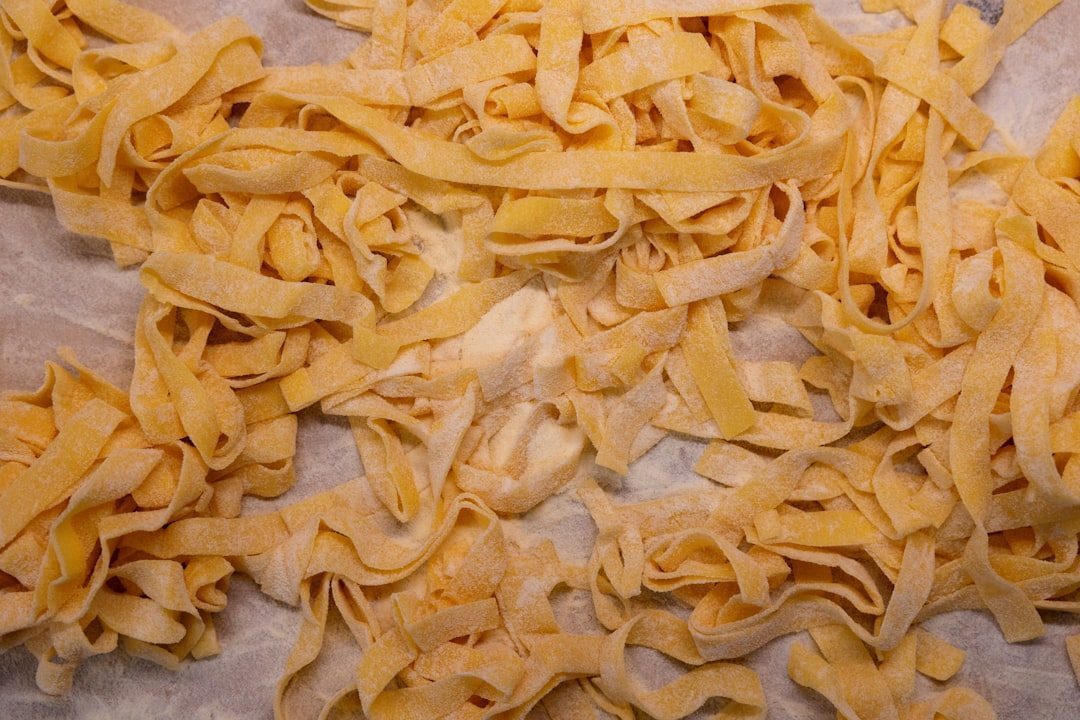
A licensed nutritionist compares ‘veggie’ pasta to pasta made with real veggies and finds the pasta made with real veggies a better option. A registered dietitian finds that some ‘veggie’ pastas that say they have a full serving of vegetables actually represent a larger serving than typical. One brand uses dried veggies, another, puréed. One suggestion…veggie or spiralized noodles in place of pasta.
The same deception applies to vegetable chips. That bag of “beet chips” or “sweet potato crisps” often contains more oil and salt than actual vegetables. The tiny amount of vegetable powder used barely contributes any meaningful nutrition compared to eating actual vegetables.
5. Gluten-Free Products
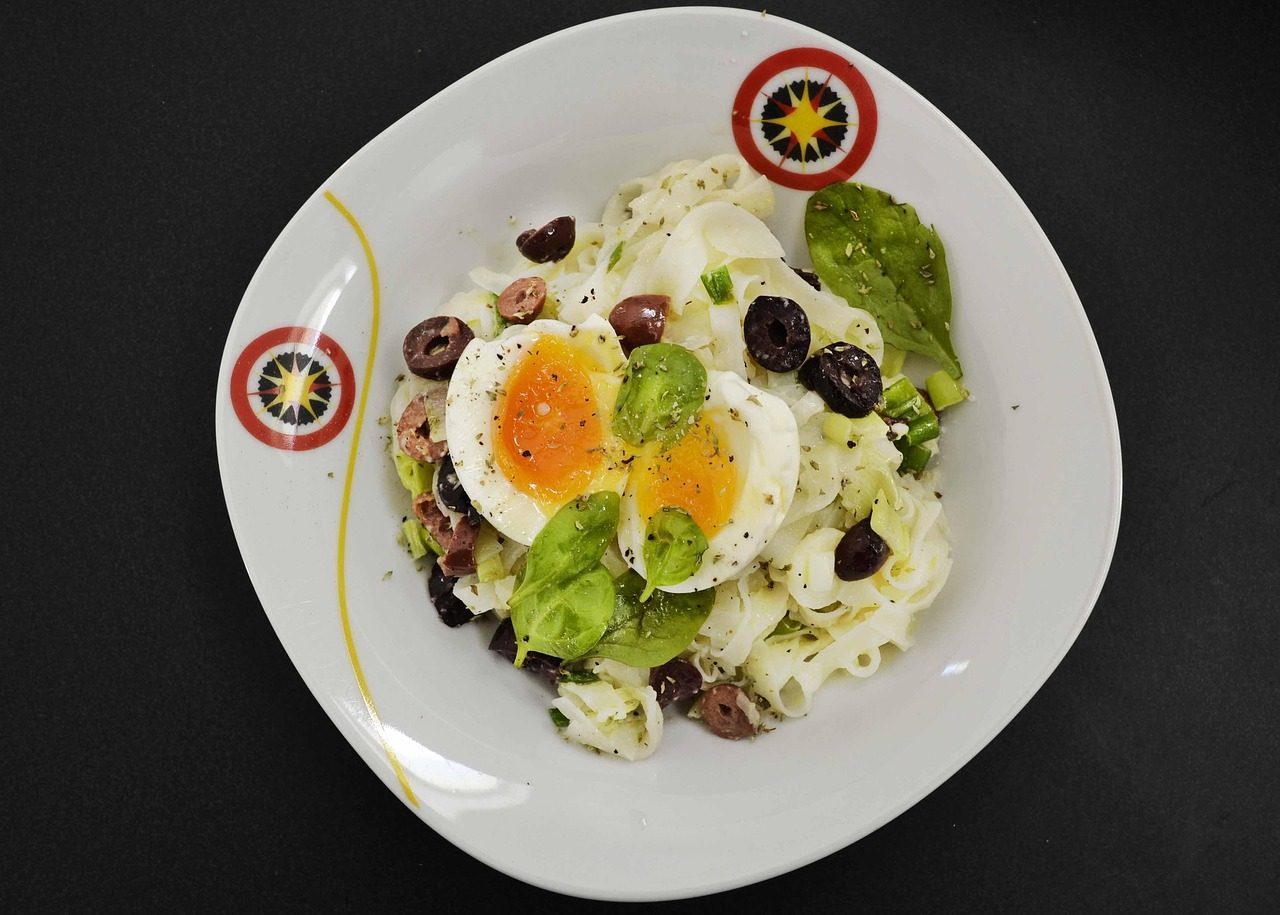
Same goes for labels that tout the lack of a nutrient, like gluten. “That’s an issue that doesn’t affect over 90% of people, but people see gluten-free and think, ‘It’s healthy for me,'” Biswas said. Unless you have celiac disease or a gluten sensitivity, there’s no health reason to avoid gluten. In fact, some gluten-free versions of breads, pasta, and tortillas can be a less healthy choice. They may be lower in fiber than whole-grain products (Toufayan Bakeries Gluten Free Tortilla Wraps, for example, have zero grams of fiber), and can contain gums and other additives that push them into the ultraprocessed food category.
6. Low-Fat and Fat-Free Products

Boasting about specific nutrients – think “high protein” or “low-sodium” – is another way companies can mislead while still being honest. That one nutrient doesn’t necessarily mean a product is good for you. “Companies are happy to tout the healthy aspects of their product, to say, ‘This is high in fiber, low in saturated fat,'” Grummon said. “They don’t want to disclose less healthy aspects of their product. Maybe their breakfast cereal is low in saturated fat but quite high in sugar.”
‘Products labelled as low in fat or high in protein are not always necessarily healthy, as sometimes they can be highly processed foods packed with stabilisers, emulsifiers and fillers,’ she explains. When manufacturers remove fat, they often replace it with sugar, artificial flavors, and chemical thickeners to maintain taste and texture.
7. Plant-Based and Vegan Products
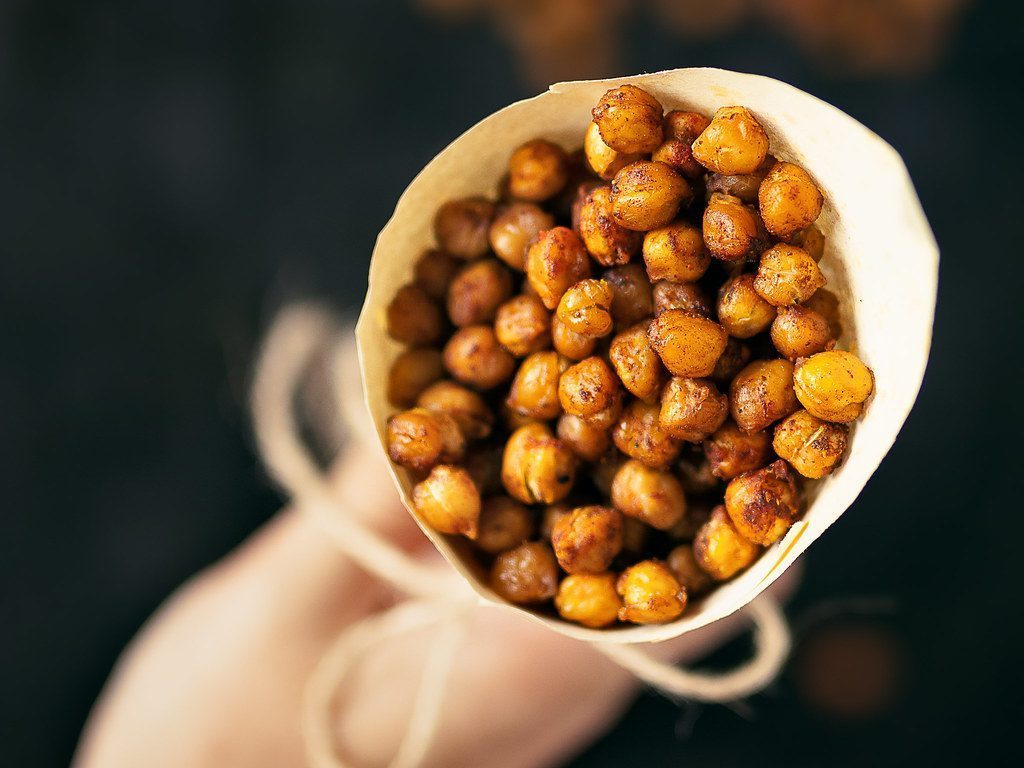
The same can be true for vegan and plant-based foods, which are often perceived as healthy but may be highly processed and contain high levels of fat, salt and sugar alongside many additives used to create the right texture, flavour, and mouthfeel. These products often require extensive processing to mimic the taste and texture of animal products, resulting in foods that are far from their natural state.
Then there are toddler-specific, ultra-processed snacks, like Gerber’s Organic Lil’ Crunchies White Cheddar Broccoli. The label features multiple nutrition-oriented phrases like “made with real veggies,” “baked snack,” “made with beans,” and “2 g of plant protein per serving.” Other positive messages include “baby-led friendly,” “non-GMO ingredients,” and a USDA organic seal. It’s enough to make you think this highly processed food is better for your toddler than actual broccoli.
8. Breakfast Cereals with Health Claims
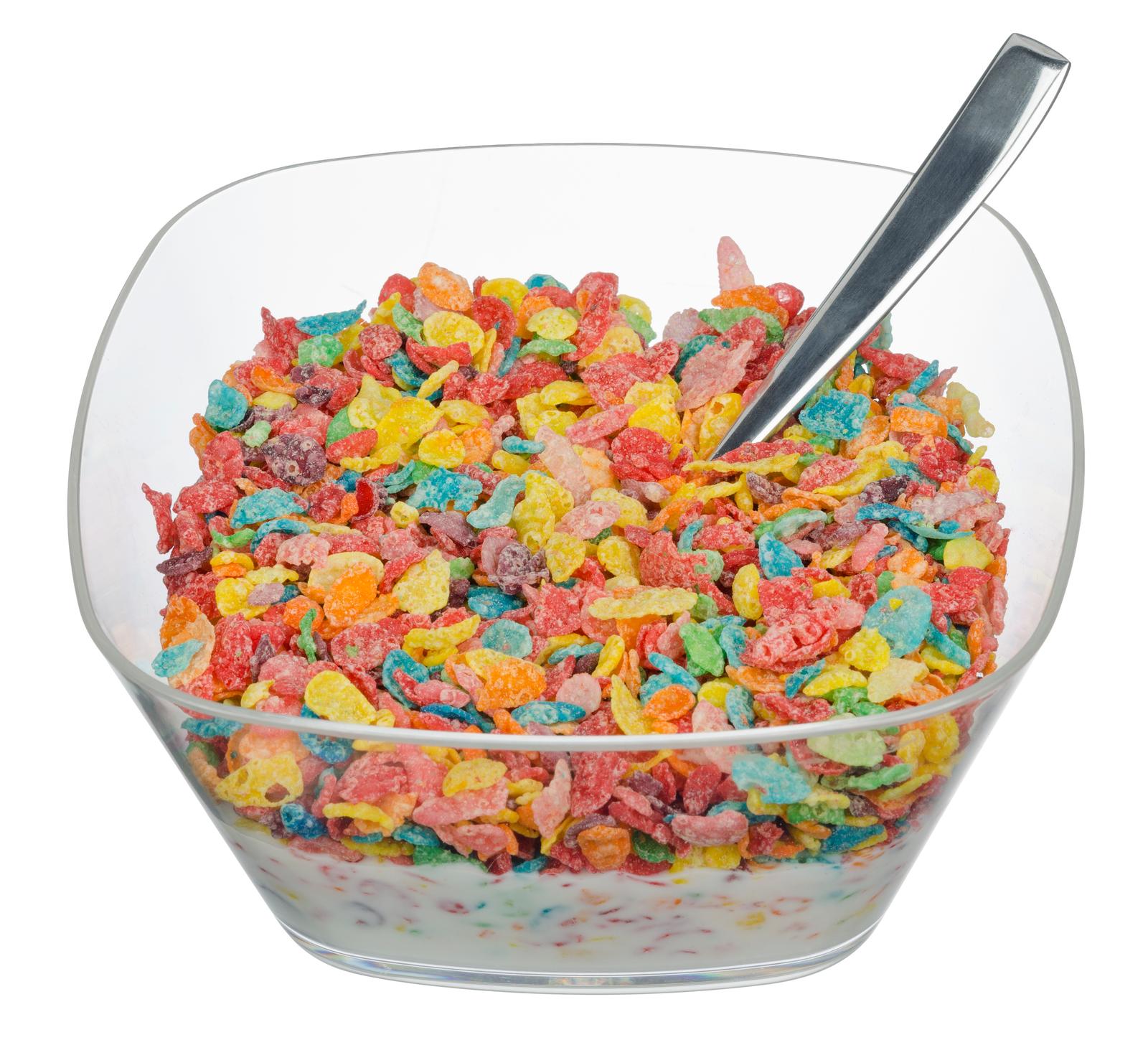
Examples include many high sugar breakfast cereals and granola brands that, despite front-of-package claims, are not actually healthy. Examples include many high sugar breakfast cereals and granola brands that, despite front-of-package claims, are not actually healthy. Many cereals boast about being fortified with vitamins while containing more sugar per serving than a glazed donut.
The colorful boxes featuring athletes or health messages can’t hide the fact that some popular cereals contain nearly thirty percent sugar by weight. Sugar goes by countless names, many of which you may not recognize. Food manufacturers may use this to their advantage by adding many different types of sugar to their products to hide the actual amount. In doing so, they can list a healthier ingredient at the top and mention sugar further down. So, even though a product may be loaded with sugar, it doesn’t necessarily appear as one of the first three ingredients.
10. “Made With Real Fruit” Snacks
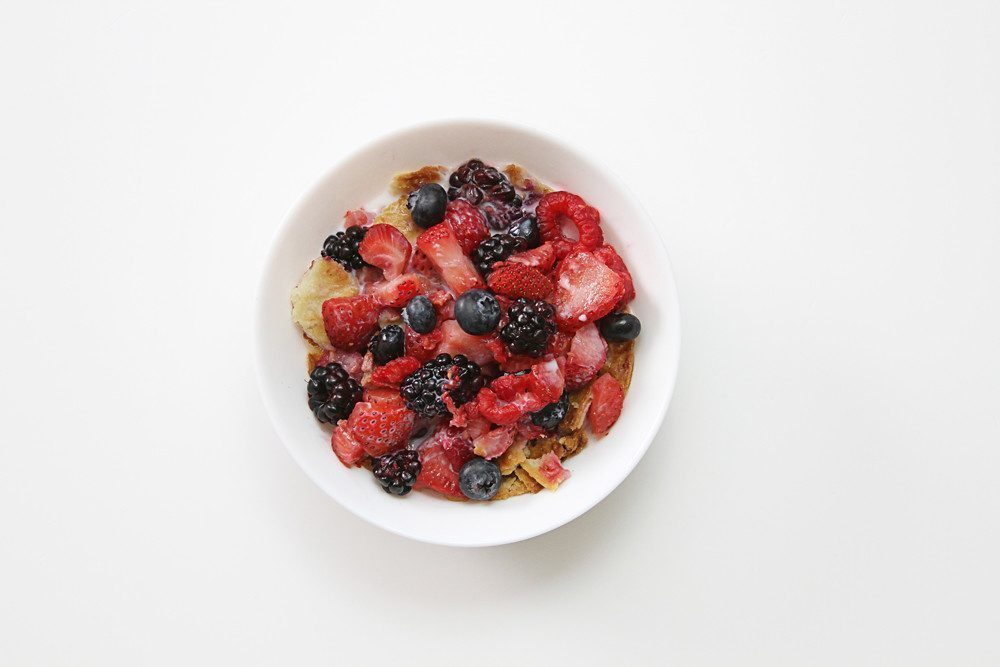
‘Made with’ claims Fruits and veggies are good for us, right? So if a food is ‘made with real fruit’ or ‘made with spinach’ it’s a healthful choice. However, these claims are often misleading when you examine the actual ingredient list.
It is also important to take note of the advertised front of pack nutritional information which may be calculated based on a different portion size to the way it is packaged and sold. This has been observed in some cakes[v] and chocolate bars[vi] which are sold as twin bars or slices, but the nutritional information is for one stick or one piece of cake. If manufacturers want us to eat one piece of chocolate or cake it should surely be sold as one. That fruit snack “made with real strawberries” might contain less than two percent actual strawberries alongside corn syrup and artificial colors.
11. Organic Junk Food
The organic label creates a powerful health halo effect, making consumers believe organic versions of processed foods are automatically healthier choices. “Words like organic, antioxidant, natural and gluten-free imply some sort of healthy benefit,” Northup said. “When people stop to think about it, there’s nothing healthy about Antioxidant Cherry 7-Up — it’s mostly filled with high fructose syrup or sugar.
Organic cookies, chips, and candy are still cookies, chips, and candy. They may be free from synthetic pesticides, but they’re often just as high in calories, sugar, and unhealthy fats as their conventional counterparts. The organic label doesn’t magically transform junk food into health food.
How to Spot Marketing Hype
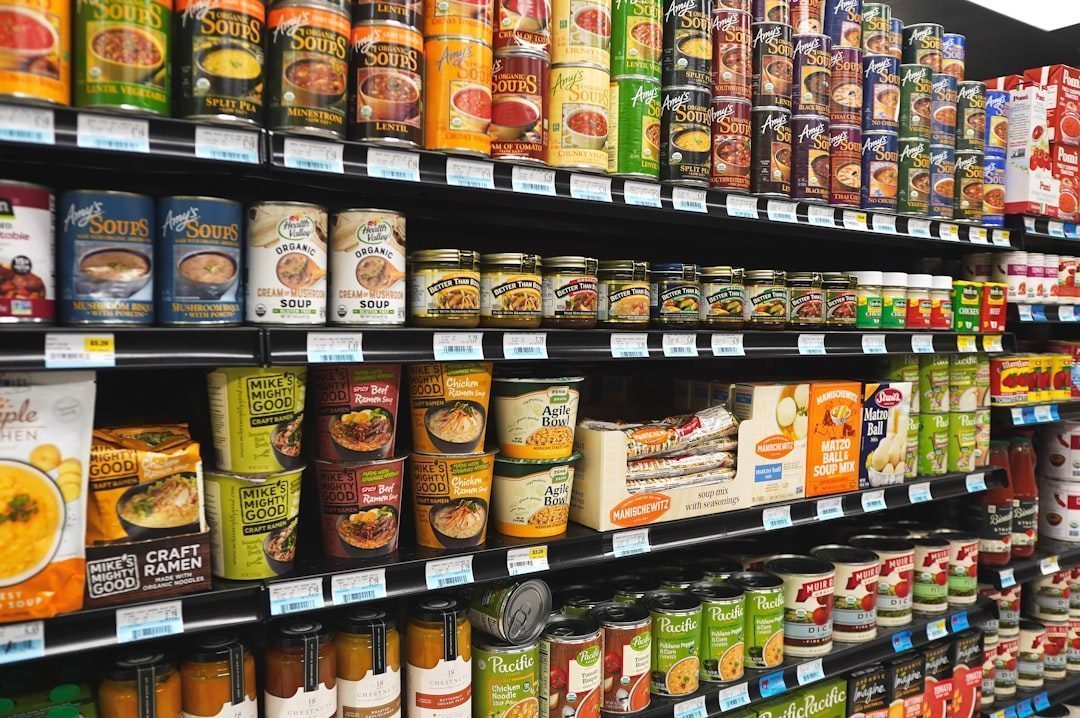
One of the best tips may be to completely ignore claims on the front of the packaging. Front labels are often designed to attract buyers by highlighting health-related claims, which may not always accurately reflect the product’s overall nutritional value. With consumers becoming more health-conscious in their everyday lives, food manufacturers often use misleading nutrition claims to persuade individuals to buy their products, making them believe they are getting the healthier option. When in reality, consumers may be purchasing highly processed, empty calorie foods that could lead to unwanted health outcomes. Therefore, it is important for the consumer to learn about the tips and tricks food marketing companies use in their products, as well as becoming aware of what to look for and what the food claims really mean.
Product ingredients are listed by quantity, from the highest to the lowest amount. This means the manufacturer used the most of the first ingredient. A good rule of thumb is to scan the first three ingredients, as they make up the largest part of what you’re eating. Focus on choosing foods with ingredient lists you can actually pronounce and recognize.
The reality is that truly healthy foods rarely need to shout about their benefits on flashy packaging. Research on consumer understanding of whole grains on food labels has found that people seriously struggle to decode these labels, with studies showing that many adults mistake less healthy options for better ones. The next time you’re grocery shopping, remember that the loudest health claims often hide the biggest nutritional disappointments. What surprised you most about these misleading health foods?