
The candy aisle of the past was filled with revolutionary treats that sparked joy, laughter, and intense cravings among millions of people. These weren’t just ordinary sweets; they were cultural phenomena that defined entire decades. Yet despite their massive popularity and devoted fan bases, many of these beloved brands have vanished from store shelves, leaving behind only nostalgic memories and the occasional desperate search on eBay.
Table of Contents
PB Max: The $50 Million Mistake Mars Never Should Have Made
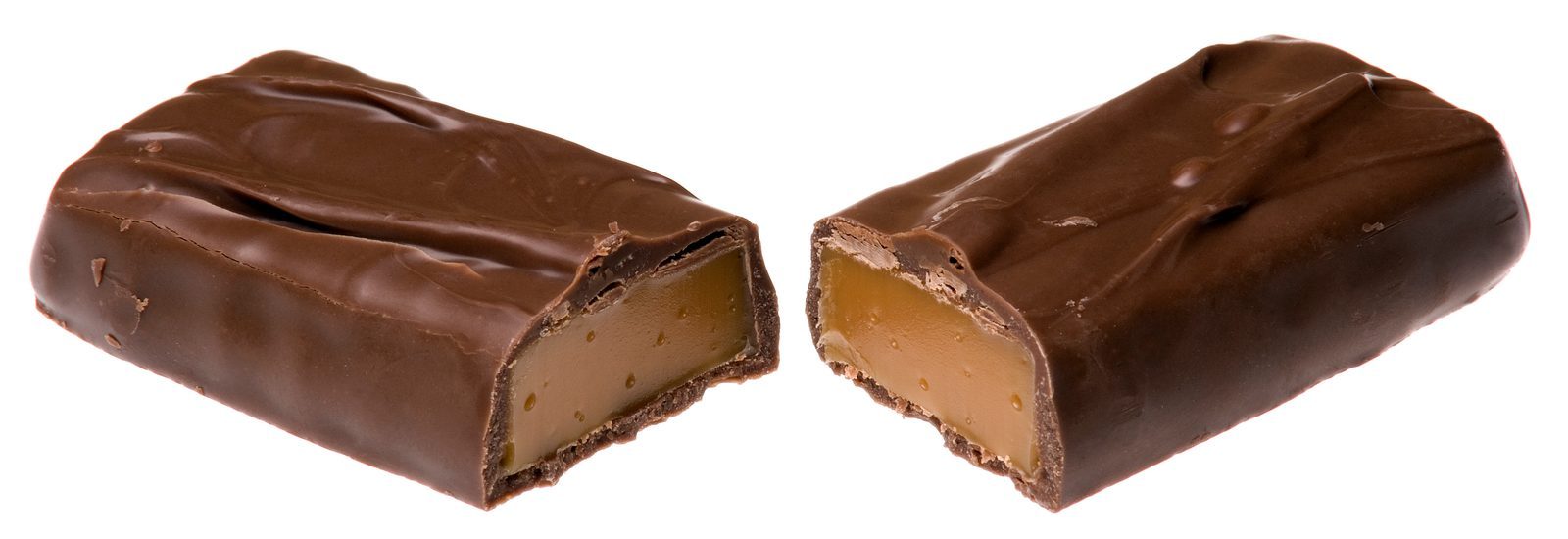
PB Max was launched by Mars in 1989 or 1990, featuring a combination that seemed destined for success. The candy bar consisted of creamy peanut butter over a square-shaped whole grain cookie, enrobed in milk chocolate with crunchy round cookie pieces. What made this candy bar particularly special was its genuine peanut butter filling, not the artificial substitutes found in many competitors. The PB Max candy bar achieved notable commercial success during its brief lifespan, generating approximately $50 million in sales from its 1990 nationwide launch through its discontinuation in 1994. According to former Mars executive Alfred Poe, PB Max was discontinued due to the Mars family’s distaste for peanut butter despite $50 million in sales. The irony remains staggering: a candy company choosing personal preferences over massive profits.
Bonkers: The Fruit Candy That Lost Its “Bonk”
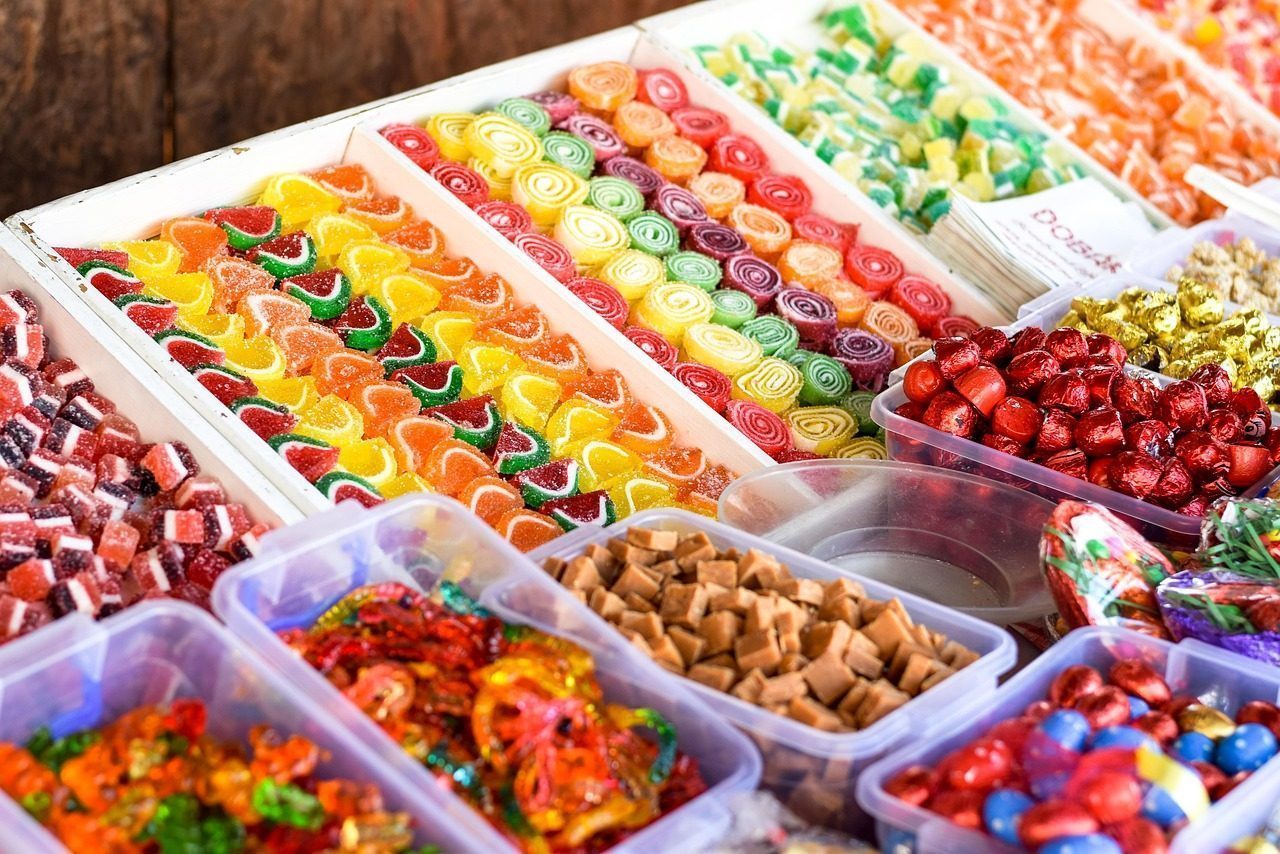
Bonkers was a candy offering from Nabisco in the mid-1980s, consisting of chewable rectangular-shaped candies with tangy filling. Common flavors included grape, orange, strawberry, watermelon and chocolate. The candy became legendary not just for its intense fruit flavors, but for its unforgettable advertising campaign. The product is perhaps most memorable for a series of television commercials in which one or more apparently uptight characters would take one bite of a Bonkers candy, and a giant fruit such as a bunch of grapes would fall from above and knock them into hysterical laughter. When Nabisco no longer ran the commercials, the sales of the candy decreased dramatically. It was almost like people forgot about Bonkers candy without the commercials to attract them. By the early 1990s, Nabisco made the decision that would break millions of hearts: Bonkers was discontinued.
Atomic Fireballs: The Heat That Couldn’t Last
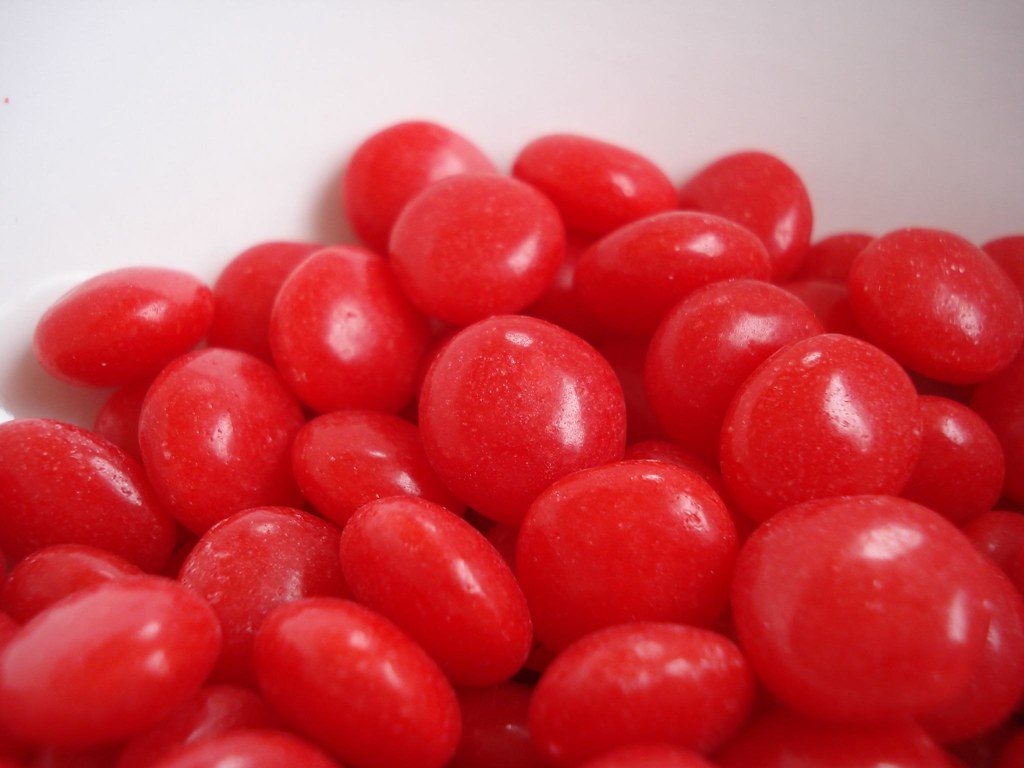
Unleashed in 1954, the cinnamon spheres were once one of the hottest candies on the market. For decades, Atomic Fireballs held their position as the go-to candy for anyone seeking an intense cinnamon burn. These small red spheres were a rite of passage for many children, testing their tolerance for heat while delivering a surprisingly sweet reward to those who could endure the initial fire. Despite rumors of discontinuation, Atomic Fireballs continue to be produced by Ferrara Candy Company and remain available through various retailers and online stores.
Brach’s Maple Nut Goodies: A Sweet Tradition Lost
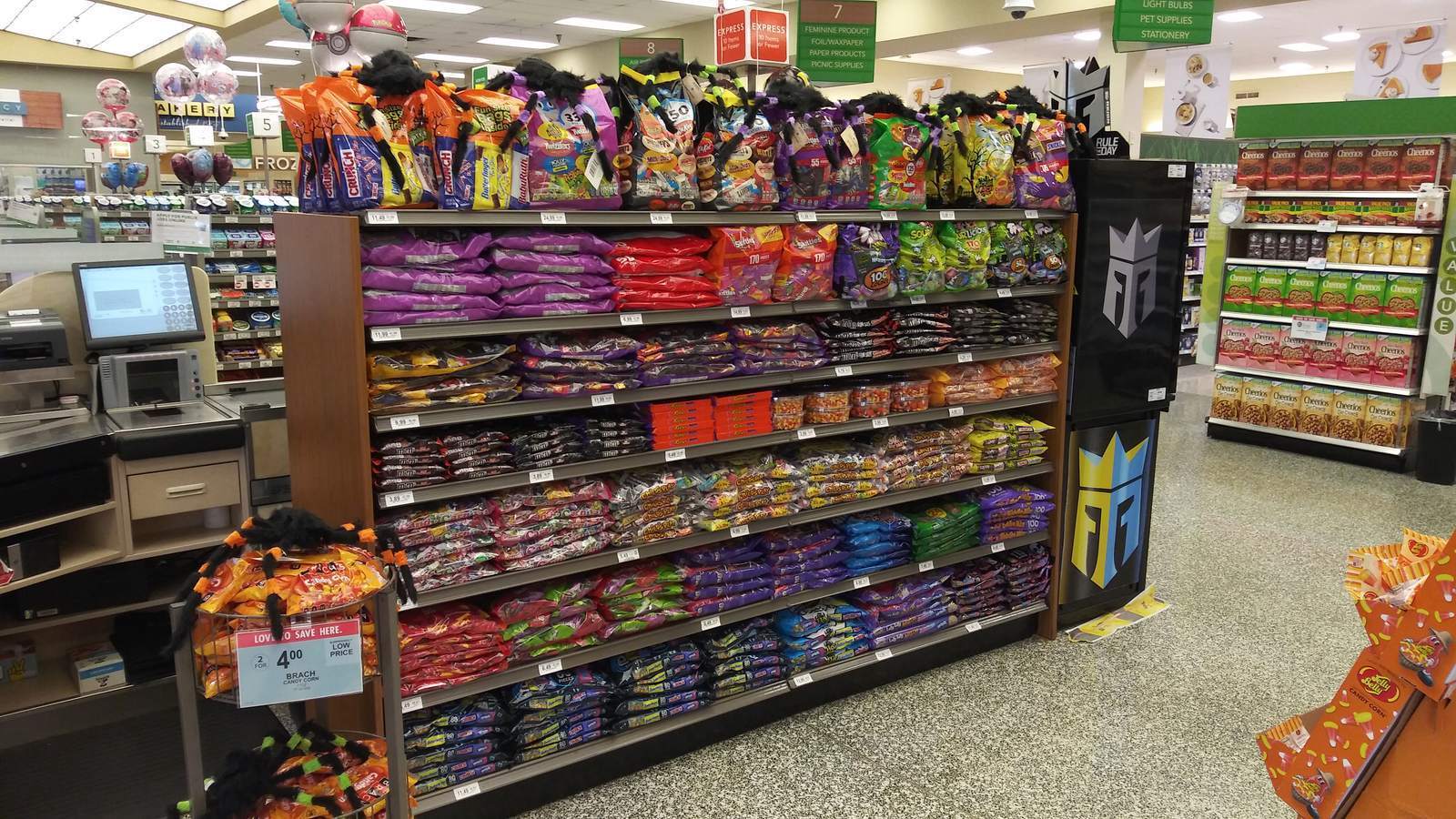
For generations, Brach’s Maple Nut Goodies represented the perfect combination of creamy maple flavor and satisfying crunch. These distinctive candies featured a maple-flavored nougat center loaded with real nuts, all covered in rich milk chocolate. They were a staple in candy dishes across America, particularly popular during autumn months when their maple flavor seemed most appropriate. After customers couldn’t find any of this candy on store shelves, Brach’s confirmed on FaceBook in February 2024 that the Maple Nut Goodies had been discontinued. Lifelong fans of the candies weren’t ready to let it go, though, and the number of people who’ve signed a Change.org petition urging for the candy’s return seems to have steadily increased. At least one online retailer still appeared to have a few bags left in stock for sale in early 2025, though most appeared to be completely sold out.
Hershey’s Kissables: The Colorful Kiss That Couldn’t Keep Its Shape
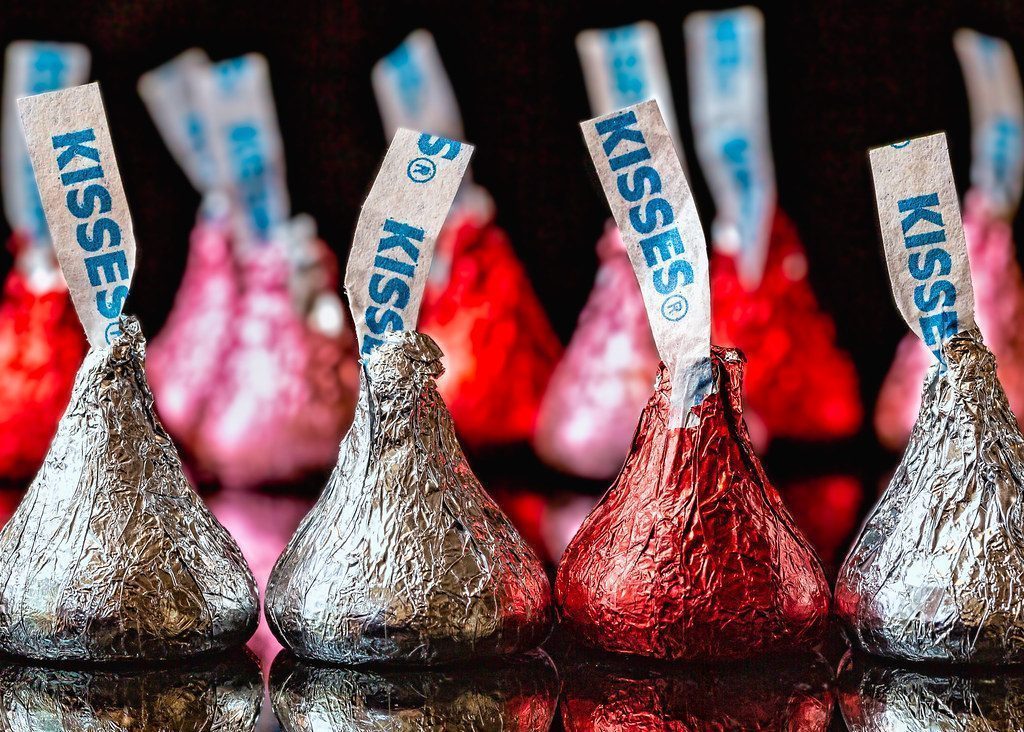
Kissables were candy-coated mini Hershey’s Kisses that came in the same colors as M&Ms and looked a little like game tokens. The candies reportedly had harder shells than M&Ms, though, allowing them to keep their shape even when they got warm. This innovation seemed like a brilliant solution to the age-old problem of chocolate melting in warm conditions. Kissables came out in 2005 and were discontinued in 2009 after a decline in popularity. The problem seemed to be that the recipe changed during that span, making fans of the candy less inclined to buy them. Despite the fan love for this mid-2000s candy line, Hershey has not announced any plans to bring Kissables back. The candy’s brief four-year run serves as a reminder that even innovative products from major brands can fail if they don’t maintain consistent quality.
Conclusion
These five candy brands represent more than just discontinued sweets; they embody the dreams, innovations, and sometimes puzzling business decisions of their respective eras. From Mars sacrificing $50 million in sales over a family preference to Nabisco’s Bonkers losing its magic when the commercials stopped, each story reveals how fragile success can be in the candy industry. While some brands like Leaf’s attempt to revive Bonkers offer hope for nostalgic fans, others remain permanently lost to time, living on only in the memories of those who experienced their unique flavors firsthand.
What makes these discontinued treats so fascinating isn’t just their taste, but the passionate communities of fans who still seek them out decades later. Did you expect that candy companies would choose personal preferences over profits, or that advertising campaigns could be so crucial to a product’s survival?