
The 1970s marked a transformative decade for American home cooking, shaped by busy working mothers, rising food costs, and the emergence of convenience products. Historians and food researchers point to this era as one where practicality met innovation in kitchens across middle-class America. These meals weren’t just about feeding families – they represented survival strategies wrapped in comfort food traditions.
Table of Contents
Tuna Noodle Casserole
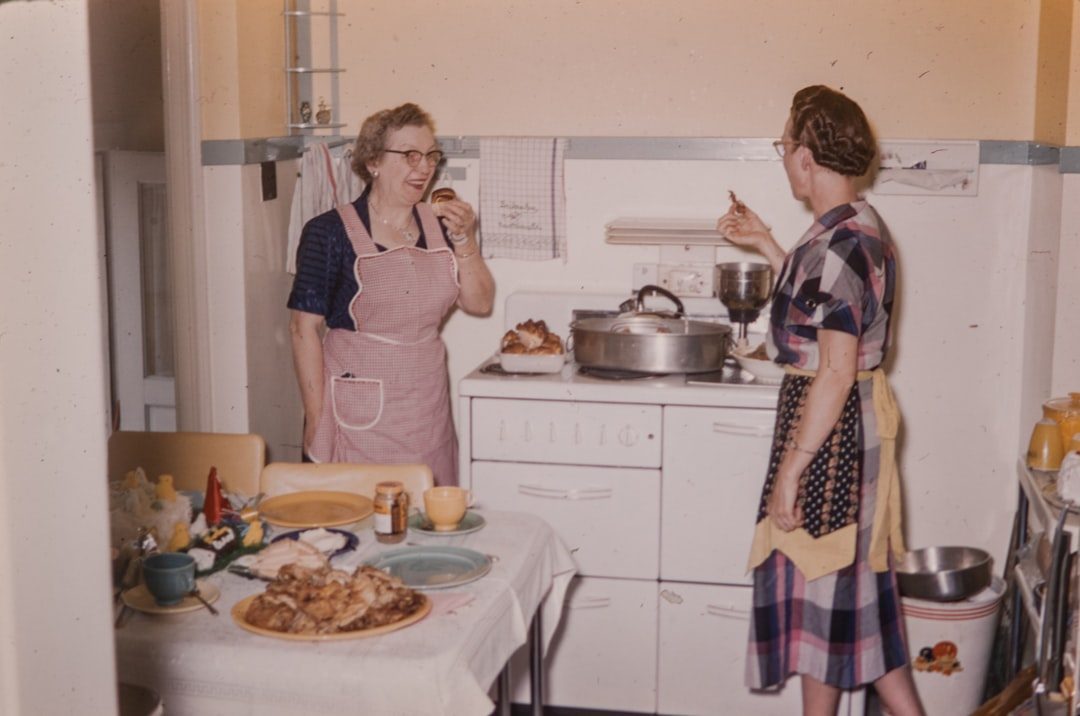
Tuna noodle casserole had worked its way so deeply into the middle-class kitchen that by the 1970s it barely needed an introduction, relying on ingredients that could survive in a suburban cabinet for months – egg noodles, cream of mushroom soup, and canned tuna, as well as a topping of crumbs, cornflakes, or potato chips gave it crunch as it baked. The 1950s was the heyday for this casserole but it is still made quite a bit today, with canned tuna becoming a popular household staple and tuna casseroles among the most frequently prepared dishes. If your mom could open a can of tuna, a can of mushroom soup, and a bag of egg noodles, she could make dinner, and that was the beauty of the classic tuna casserole – cheap, filling, and miraculously adaptable. Today, it’s still one of those recipes that every family makes the way their mom did.
Hamburger Helper Variations
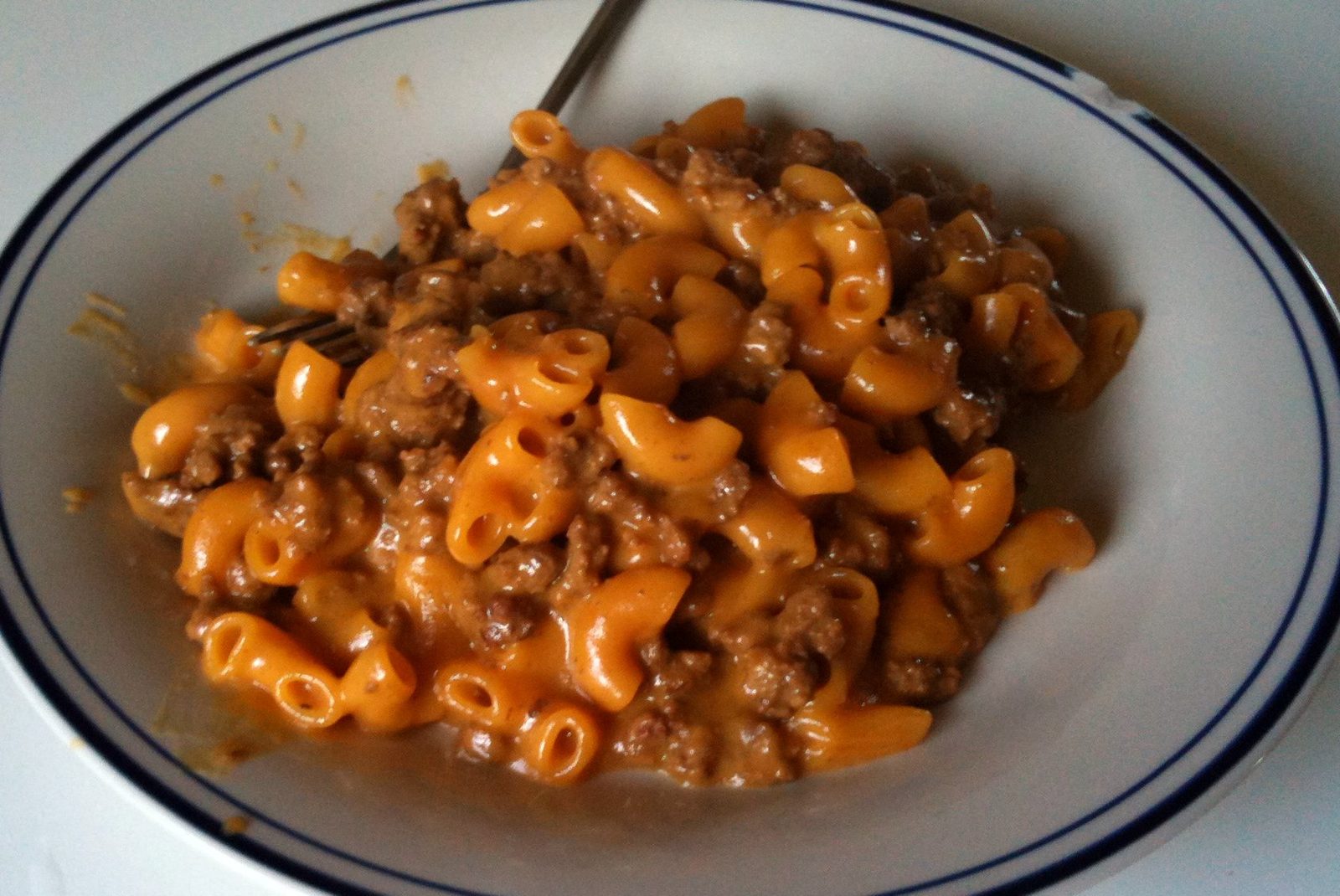
When General Mills launched Hamburger Helper in 1971, it was pitched as a stovetop solution for stretching a single pound of ground beef, but it didn’t take long for home cooks to realize the mix worked just as well in the oven. By the mid-’70s, families were turning stroganoff, cheeseburger, and beef noodle versions into full-blown casseroles – baked in a 9×13 dish, topped with extra cheese, and made to feed a crowd. The formula was simple but revolutionary: one pan, one pound of ground beef, and one box of macaroni and seasoning, and suddenly, dinner for five didn’t look so daunting. The product gained widespread adoption among American households, proof that the concept had struck a nerve with busy families, and for many, the bright box and cheery Betty Crocker branding became shorthand for weeknight survival. Hamburger Helper was the 80s answer to “I’m tired, we need to eat, and payday’s not until Friday,” making one pound of ground beef feel like a feast, which was a kind of culinary magic, but it taught us the art of making do.
Quiche Lorraine
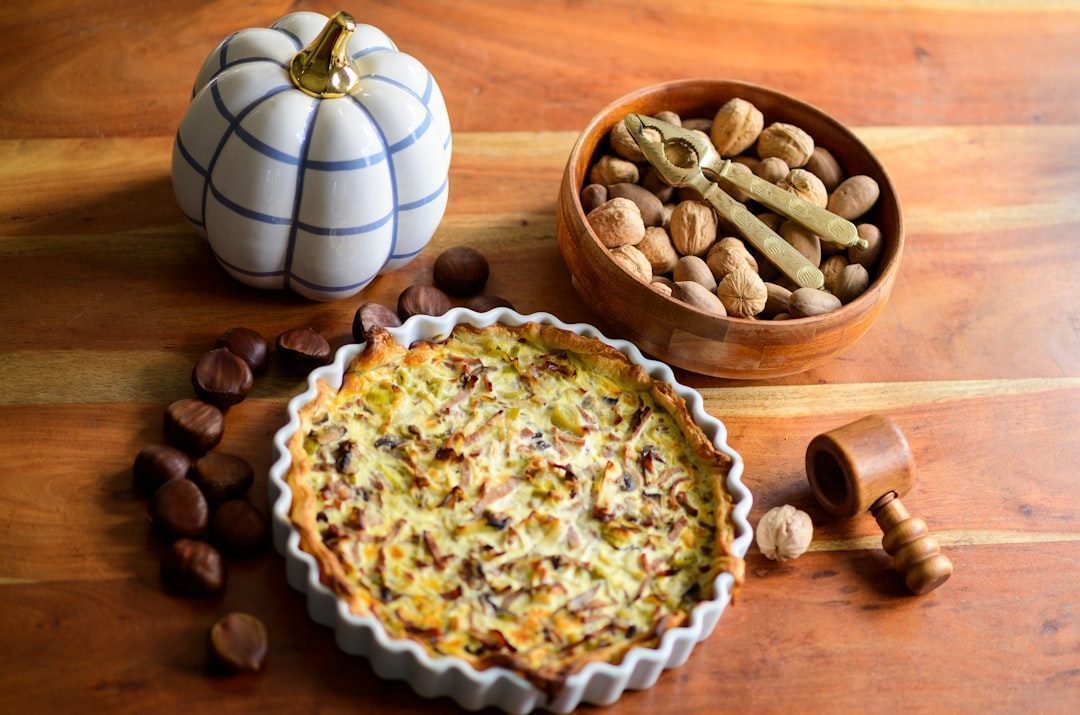
Quiche Lorraine became a fashionable dish in 1970s America, and featured a buttery crust filled with eggs, cream, cheese, and bacon, with many 70s cooks saw quiche as a sophisticated brunch option, and it was commonly served with a small side salad to “balance” the richness. By the 1970s, quiche had become a firm favorite at dinner parties across the nation, and the specific combination of smoked bacon, cheese, and egg that Quiche Lorraine offered matched the American palate. You think quiche is big now? It was huge in the 70s. This French-inspired dish represented the decade’s fascination with European cuisine while remaining accessible to home cooks. The versatility of quiche made it perfect for brunch gatherings, lunch meetings, and light dinners.
Beef Stroganoff
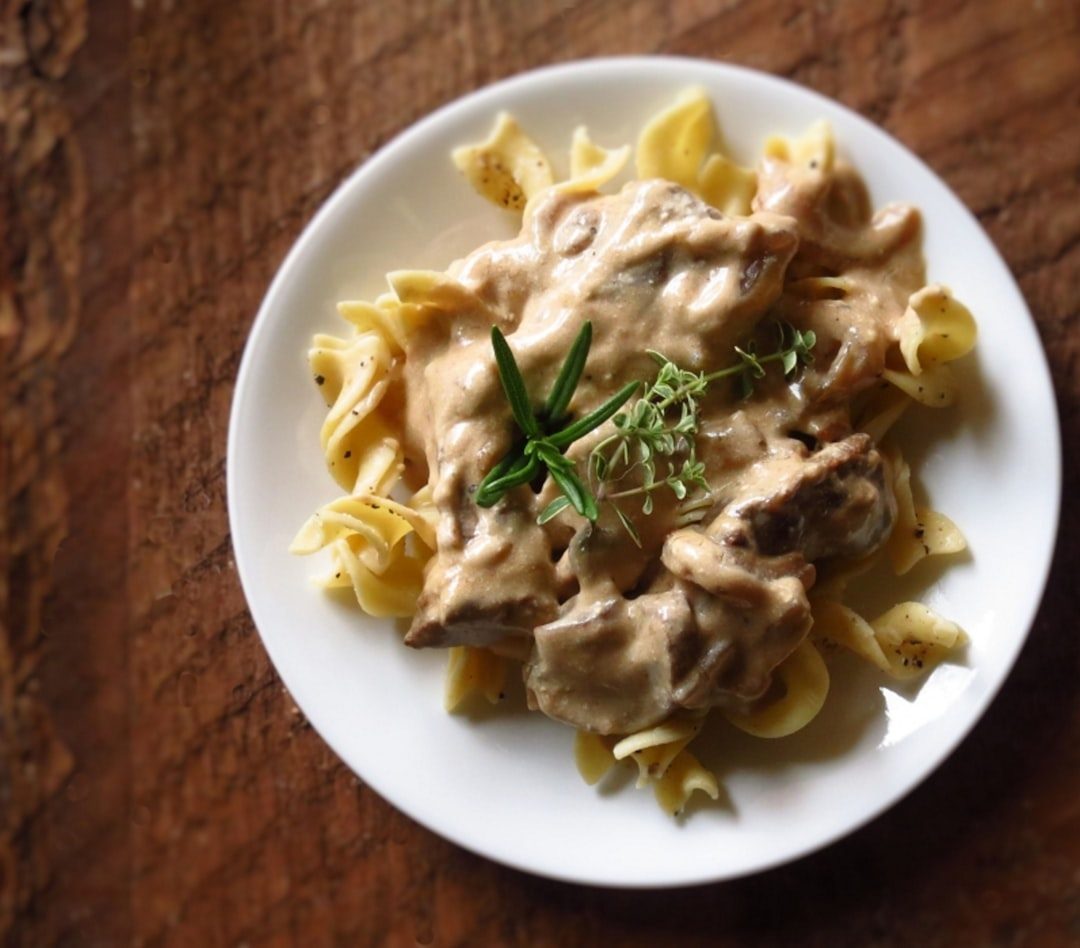
Crockpot beef stroganoff is a comforting meal of slow-cooked beef, onions and mushrooms, simmered until tender in a seasoned sauce made rich and creamy with a secret ingredient: condensed mushroom soup. Creamy sauce, tender beef, and mushrooms made it rich enough to feel special without being complicated, and the slow cooker just makes it easier now, but back then, it didn’t need dressing up to feel like something real. The dish represented the perfect balance between sophistication and practicality that defined middle-class cooking in the seventies. Families could serve beef stroganoff over egg noodles or rice, creating a meal that felt restaurant-worthy while using affordable ingredients and simple techniques. Cheeseburger macaroni, chili tomato, four cheese lasagna, chili mac, and stroganoff varieties proved particularly popular in the 1970s and 1980s with American families led by working parents who didn’t have the time or energy to make a meal from scratch.
These five meals tell the story of a generation learning to balance convenience with comfort, economy with satisfaction. They weren’t just recipes but survival strategies that brought families together around the dinner table during a time of social and economic change.
Salisbury Steak with Instant Mashed Potatoes
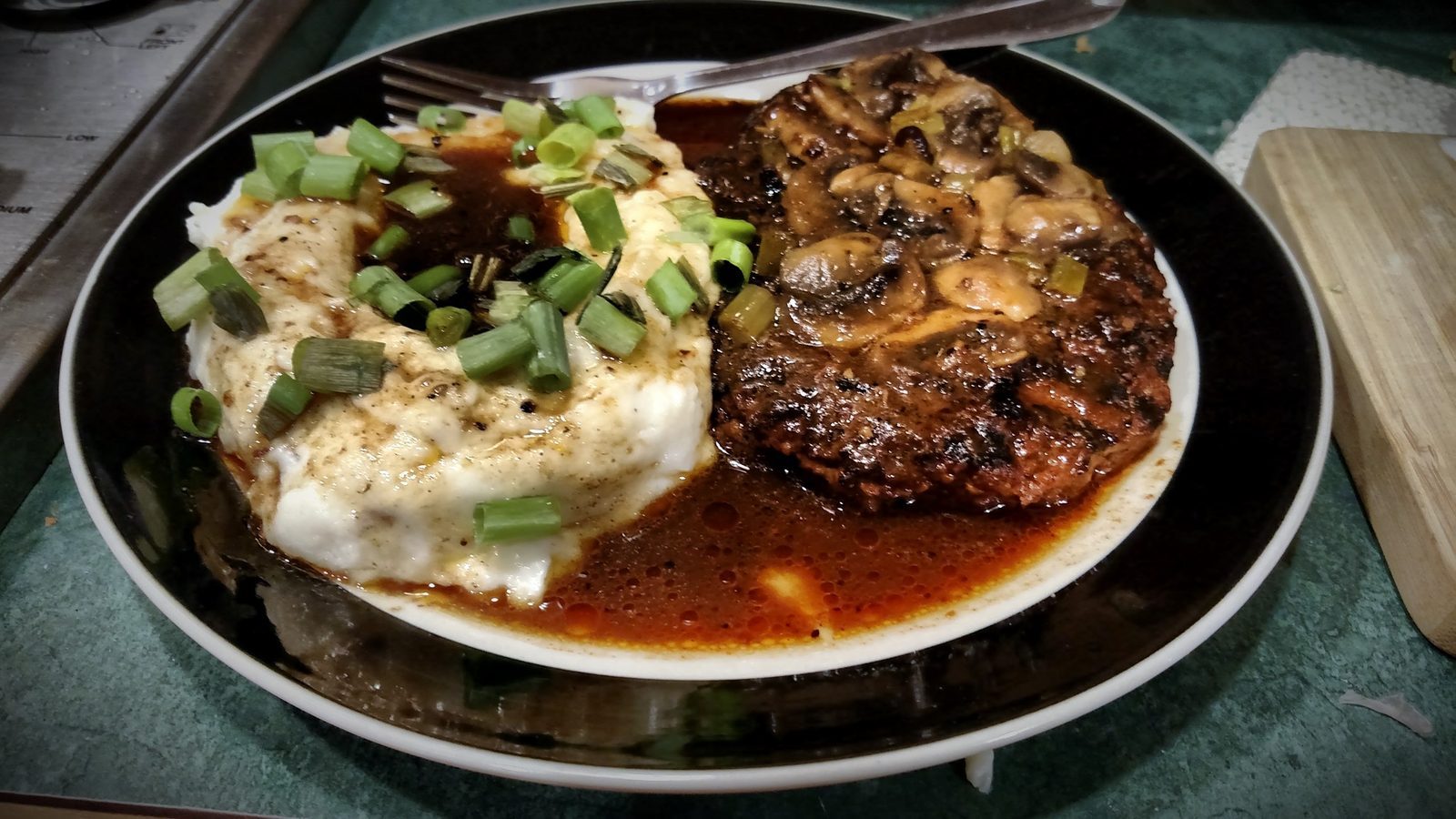
Salisbury steak wasn’t fancy, but it sure felt like it was when Mom pulled those oval patties from the oven, smothered in thick brown gravy that pooled perfectly around a mountain of instant mashed potatoes. This was comfort food at its finest, transforming humble ground beef into something that resembled a proper steak dinner without the price tag. The beauty of Salisbury steak was in its flexibility – you could stretch a pound of ground beef to feed six people by mixing in breadcrumbs, onions, and an egg, then forming those signature flat patties that cooked up quickly on busy weeknights. Many moms relied on canned or packaged gravy mix to create that signature sauce, often doctoring it up with a splash of Worcestershire sauce or a spoonful of ketchup for extra depth. Paired with instant mashed potatoes that whipped up in minutes and maybe some canned green beans on the side, this meal delivered maximum satisfaction with minimum fuss. It was the kind of dinner that made kids clean their plates without complaint, and dads felt like they’d actually eaten something substantial after a long day at work.