
Getting older comes with a lot of unexpected surprises, and not all of them are welcome. One that quietly sneaks up on millions of people past the age of 65 is the way the body starts handling blood sugar differently. What was once a perfectly harmless afternoon snack can, years later, quietly push glucose levels in the wrong direction. It is a strange shift, and honestly, most people don’t realize it’s happening until a doctor flags it.
Over 29% of people over the age of 65 have diabetes, and the numbers are climbing. For seniors, this matters a great deal. With age, insulin sensitivity tends to decrease, muscle mass shrinks, and the body processes glucose more slowly. A snack that might have been harmless at 35 can quietly push blood sugar peaks at 70. So the stakes around snack choices are genuinely higher than most people think. Let’s dive in.
Table of Contents
1. A Small Handful of Mixed Nuts
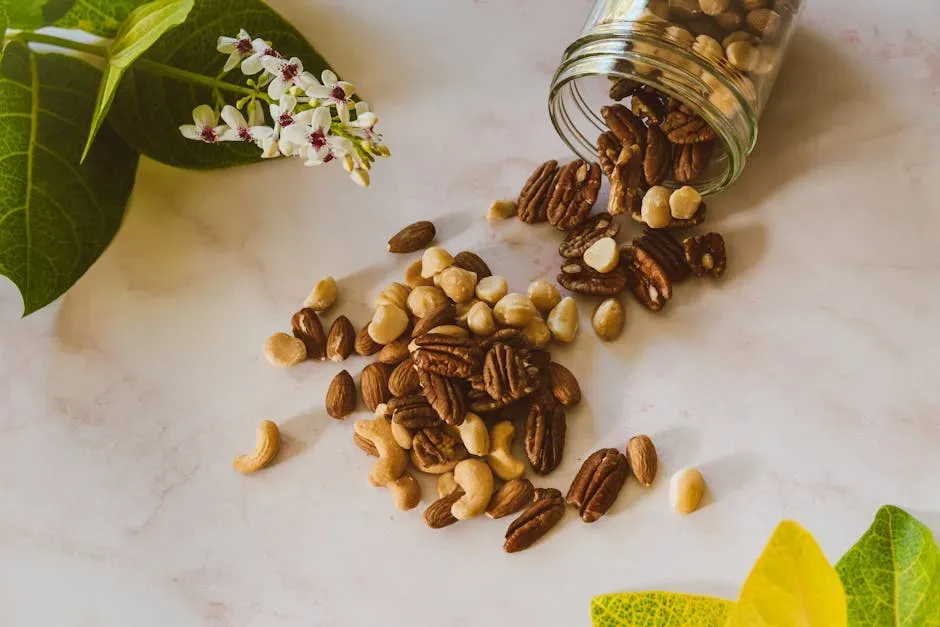
Let’s be real, few snacks are as effortlessly healthy and easy to grab as a small handful of mixed nuts. Nuts and seeds like almonds, walnuts, chia seeds, and flaxseeds are excellent snacking options. They are rich in healthy fats, fiber, and protein, which can help stabilize blood sugar levels by slowing down sugar absorption into the bloodstream. That’s a genuinely powerful trio working in your favor with every single bite.
Almonds are packed with all of the essential nutrients recommended for seniors with diabetes, including protein, fiber, and healthy fats. One ounce of almonds provides the body with over 15 essential vitamins and minerals, including magnesium, riboflavin, and potassium. Magnesium, in particular, plays a role in glucose metabolism, which is worth noting. Nuts like almonds, pecans, and macadamia nuts have fewer carbs than options like cashews or pistachios, making them a better choice for blood sugar control. Just keep portions modest, because they are calorie-dense little things.
2. Plain Greek Yogurt With Berries
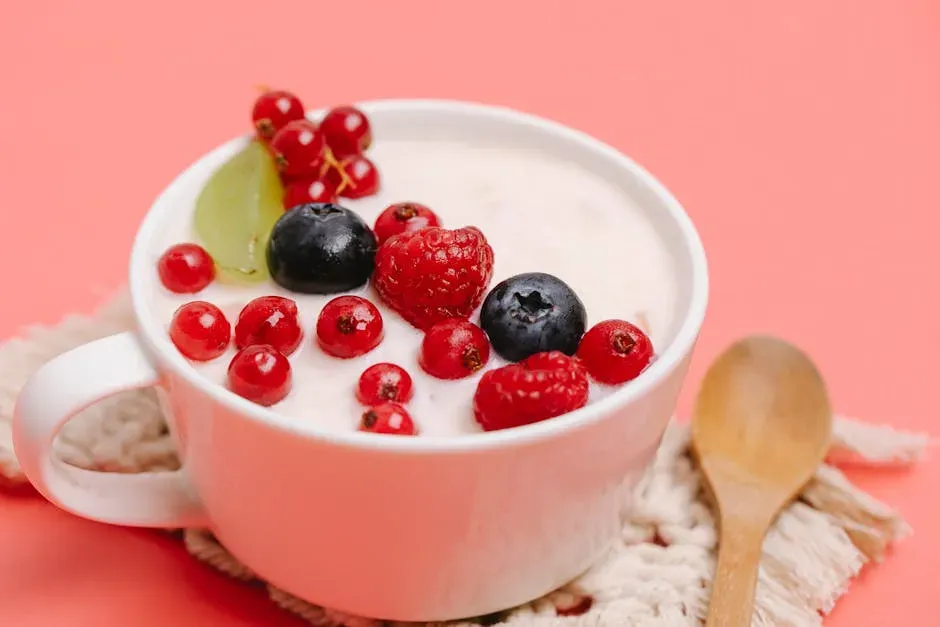
Greek yogurt is one of those foods that sounds almost too simple to be effective, and yet the research consistently backs it up. Greek yogurt is a protein-packed snack that is low in carbohydrates and contains probiotics, which can support gut health. Choose plain, unsweetened Greek yogurt to avoid added sugars. That last point really matters, because flavored varieties are often loaded with hidden sugars that quietly undo all the benefit.
Plain, unsweetened Greek yogurt has a low glycemic index, and berries like blueberries, strawberries, and raspberries add antioxidants, fiber, and natural sweetness without spiking blood sugar. Think of it like pairing a slow-burning log with kindling that doesn’t flame out instantly. Combining yogurt with berries provides a good source of fiber, which aids in stabilizing blood sugar levels, and the probiotics in yogurt may improve the body’s ability to metabolize sugars. A genuinely satisfying combination, with real science behind it.
3. Hummus With Raw Vegetables
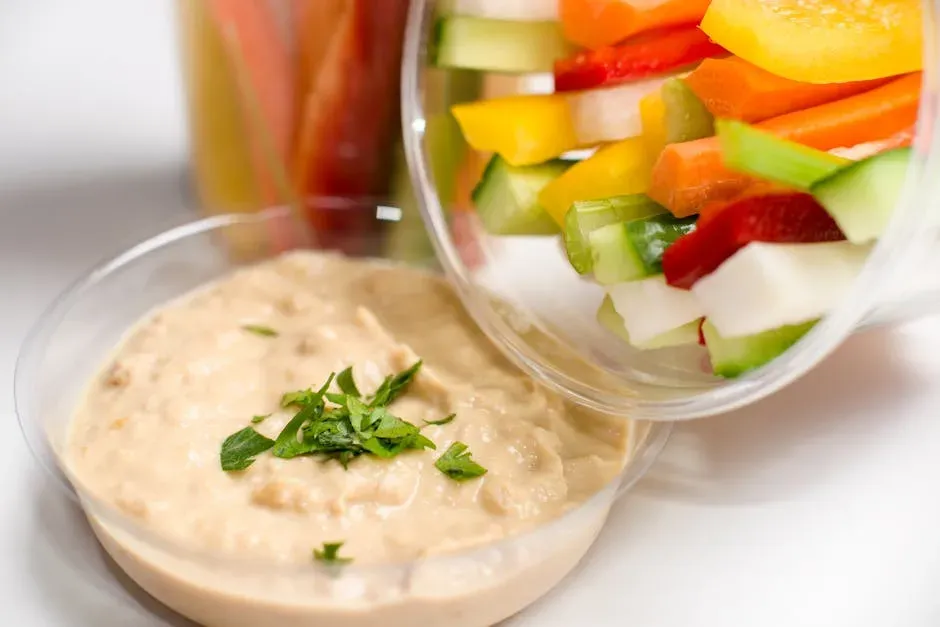
Hummus paired with crunchy vegetables is one of those snack combinations that dietitians seem to agree on almost universally, and there are solid reasons why. Hummus can have a glycemic index anywhere from about 6 to 15, so it is considered a low glycemic index food. To put that in perspective, white bread scores around 70. The difference is dramatic.
The combination of hummus and vegetables is an excellent source of fiber that regulates blood sugar levels and promotes a feeling of fullness. Fiber here is the real hero. Crunchy vegetables like carrot, celery, and bell pepper sticks paired with protein-rich hummus create a satisfying snack that is low in calories and carbohydrates. This combination helps moderate blood sugar levels by providing fiber and protein, ensuring that you stay fuller for longer without a rapid glucose rise. Easy to prepare, easy to portion. It’s hard to argue with that.
4. Hard-Boiled Eggs
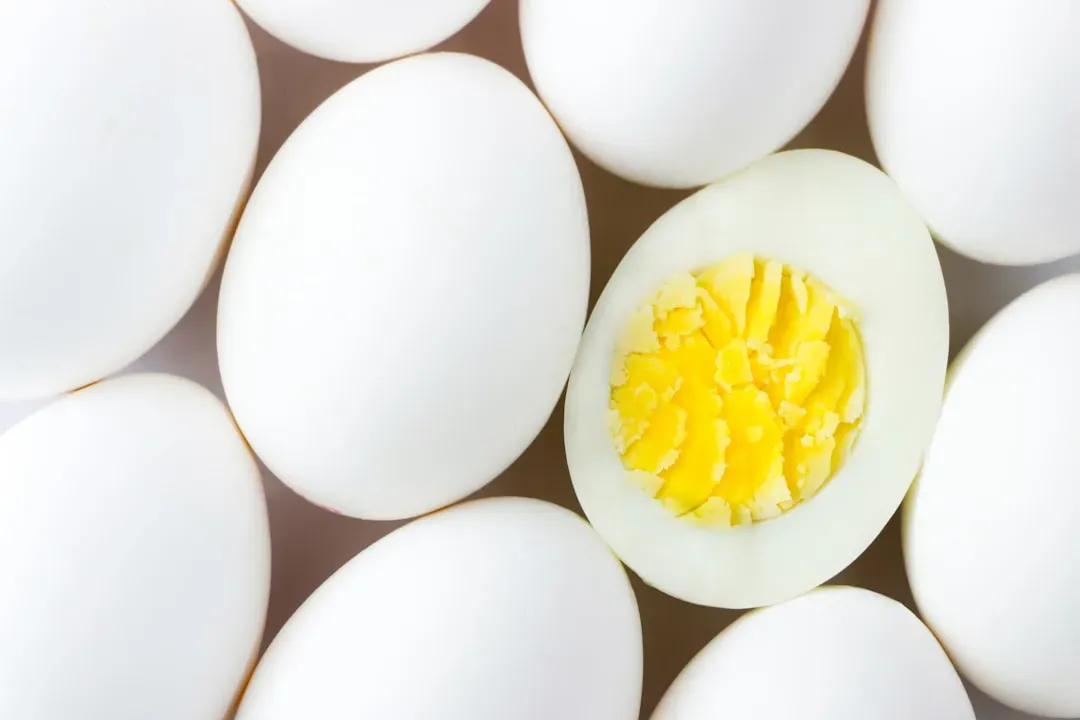
It’s hard to say for sure which snack is the single most underrated option for seniors, but hard-boiled eggs are a strong candidate. Snacking on hard-boiled eggs can help manage blood sugar levels due to their high protein content, which also promotes fullness and may assist in weight management. That matters especially for older adults, who often need to keep both blood sugar and body weight in check simultaneously.
When carbohydrates are not available, protein can also supply the body with energy. Since protein-based foods are digested much more slowly than carbs and generally don’t provide glucose, they don’t significantly impact blood sugar. Hard-boiled eggs fit that description perfectly. Eggs, with just 78 calories each, are a nutrient-dense source of protein, carotenoids, lecithin, vitamins, and minerals. They are a gluten-free, low-GI food that may improve glycemic control in those with diabetes or prediabetes. Prepare a batch at the start of the week and they are ready whenever hunger strikes.
5. Apple Slices With Nut Butter
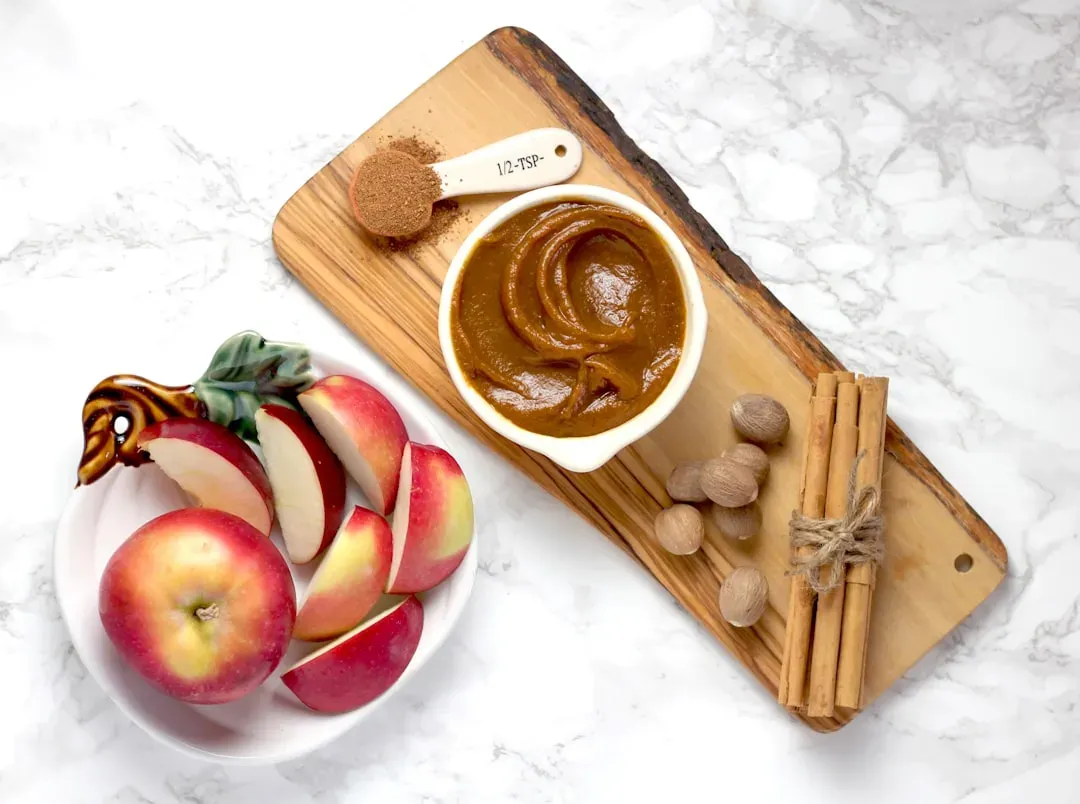
Here’s the thing about this classic pairing: it looks almost too simple to be meaningful. Yet dietitians recommend it consistently, and there is strong logic behind it. With a glycemic index of 36, apples are relatively low on the glycemic index scale compared to most fruits. They work great for snacking in between meals, are packed with fiber that will keep blood glucose levels slow and steady, and contain phytochemicals that neutralize free radicals.
Apples are naturally high in fiber and have a moderate GI. Pairing them with almond or peanut butter adds protein and healthy fats, lowering the overall glycemic response while creating a satisfying balance of sweet and savory. Think of it like adding a speed bump to the road your blood sugar was about to race down. Peanut butter has a glycemic index of only 14, making it a low glycemic food. That combination, crunchy fruit plus nutty fat and protein, is about as practical and blood-sugar-friendly as snacking gets for seniors.
6. Avocado on Whole-Grain Crackers or Toast
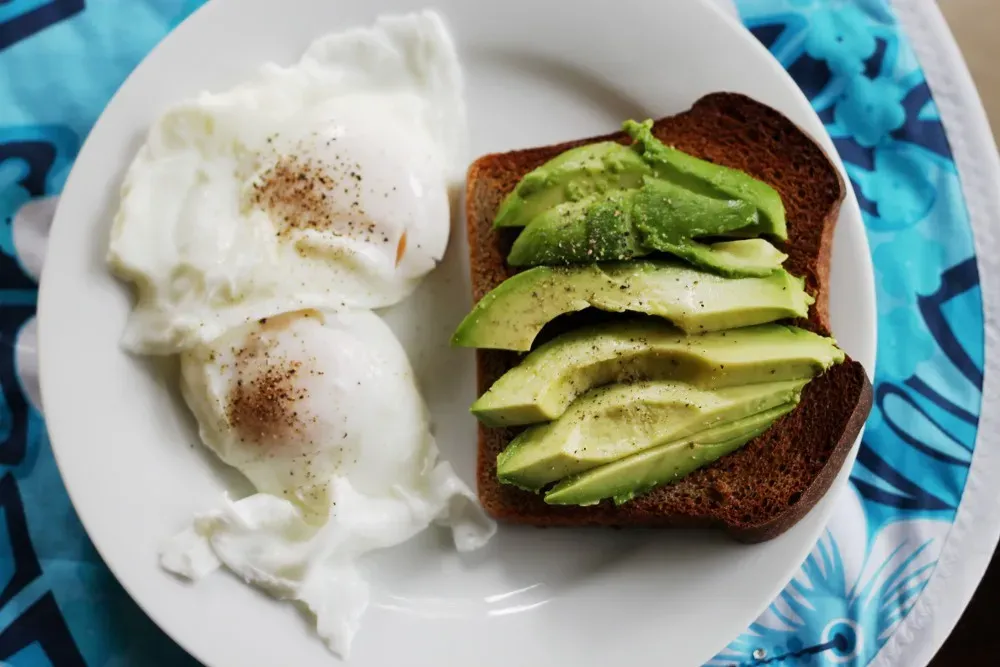
Avocado has had a major moment in nutrition circles over the past few years, and honestly, the hype is justified from a blood sugar perspective. A 2023 study involving Hispanic and Latino individuals with type 2 diabetes found that consuming avocado was associated with lower HbA1c and fasting blood sugar. Those are meaningful, measurable outcomes, not just theoretical benefits.
Avocado toast has been a popular snack for years for good reason. Avocados are a low glycemic index food and pair perfectly with whole grain bread. The fiber from the whole grain works in tandem with the healthy fats from the avocado to slow down digestion and blunt any glucose response. Half an avocado mashed on thin whole-grain toast with lemon is a smart combo that brings protein or healthy fats together with fiber, which helps curb quick sugar spikes. Simple, satisfying, and easy on the joints when preparing, which matters more than people admit at certain ages.
7. Cottage Cheese With Fresh Fruit
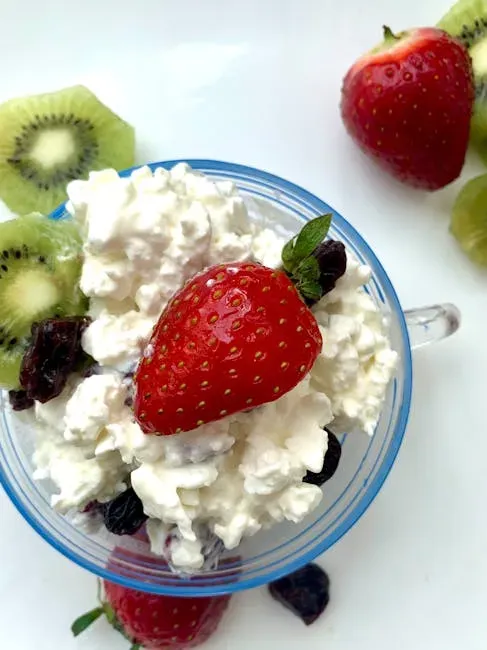
Cottage cheese is, somewhat unfairly, one of the most overlooked high-protein snacks out there. It sits quietly on the dairy shelf while Greek yogurt gets all the attention, but it deserves a proper spotlight. Low-fat types like cottage cheese, ricotta cheese, or mozzarella are high-protein choices that help keep blood sugar in check. Protein is the macronutrient that the body takes longest to break down, which means slower, steadier glucose release.
Protein provides the body with amino acids, the building blocks responsible for building and repairing tissue such as muscle. Getting enough protein is especially important for older adults, who lose up to roughly half of their muscle mass between the ages of 40 and 80. A protein-rich snack can also help you feel fuller faster and stay satisfied for longer. Pairing cottage cheese with lower-GI fruits like berries or peach slices adds fiber without causing a spike. When choosing fruits to pair with dairy, it is important to choose fruits with a lower glycemic index, like berries, apples, or pears, and pair them with protein or fat to prevent spikes in blood sugar.
8. Air-Popped Popcorn
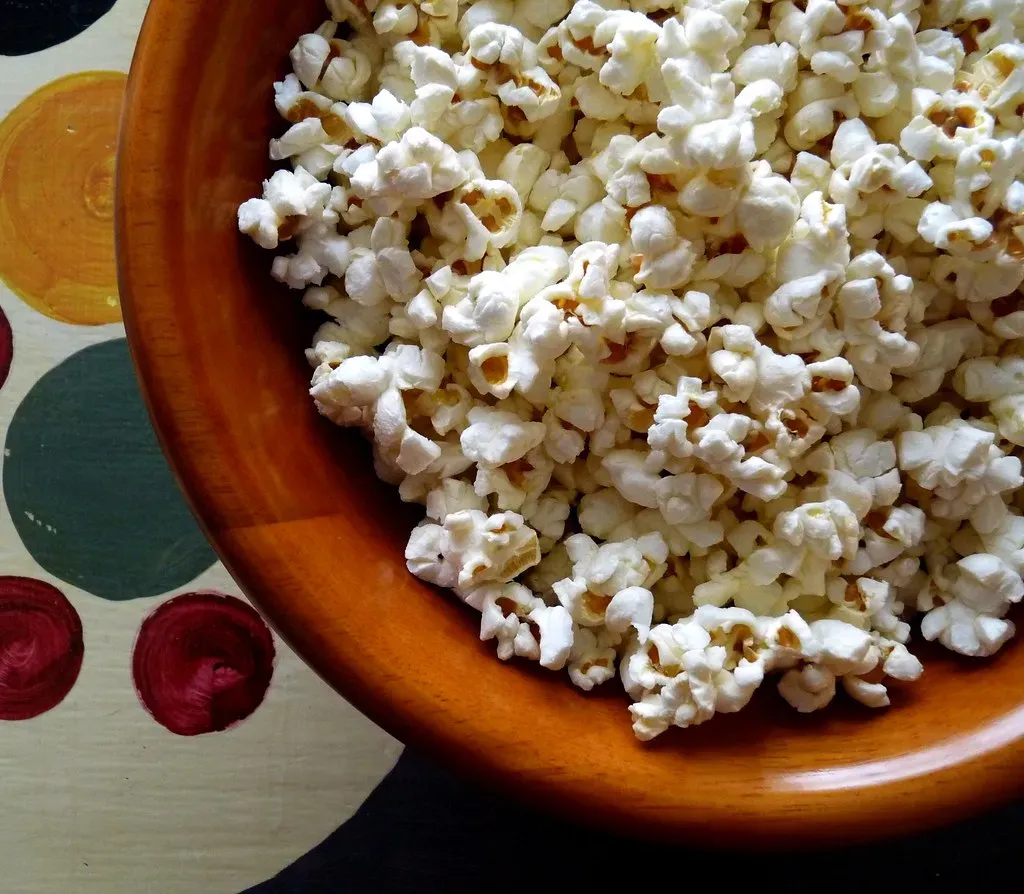
Okay, this one surprises a lot of people. Popcorn often gets lumped in with chips and salty snacks that seniors are told to avoid, but plain air-popped popcorn is genuinely different from the butter-drenched movie theater variety. Plain, air-popped popcorn is a whole-grain snack that is low in calories and high in fiber. Fiber helps stabilize blood sugar, making popcorn a satisfying option for those looking to manage blood sugar between meals.
Popcorn has more fiber than most chips and crackers, making it a great option for people with diabetes, especially when paired with a protein source. That pairing piece is key. On its own, popcorn is decent. Alongside a small portion of nuts or a piece of cheese, it becomes a properly balanced, low-glycemic mini-meal. With a GI score of 55, air-popped popcorn is among the healthiest alternatives to many salty snacks as it is high in satiety and contains polyphenols, which are antioxidants that aid digestion. Just make sure to skip the pre-packaged flavored versions and check labels carefully, since added sugars hide in the most unexpected places.
Why Snack Choices Matter More Than Most Seniors Realize

The body’s relationship with blood sugar changes in ways that most people don’t notice until a health professional points to the numbers. The ability to produce insulin naturally decreases with age, making it harder for the body to process sugar effectively. Glucose levels tend to run higher in seniors even without diabetes. During oral glucose tolerance tests, both glucose and insulin levels in older adults typically measure higher than in younger people. That’s a physiological reality, not a personal failing.
According to the latest 2025 guidance from the ADA and IDF, snacks that combine slow-digesting carbohydrates with protein and healthy fats are increasingly emphasized as part of more personalized nutrition strategies. This approach helps minimize blood sugar spikes while promoting longer-lasting satiety. As these recommendations continue to shape diabetes care in 2026, the focus on balanced, individualized snacking has become even more central to maintaining stable glucose levels. The practical takeaway is straightforward: no single food needs to be perfect, but the combination matters enormously. Carbohydrates are easy for the body to digest quickly. If you eat something that is only carbs and no protein, fat or fiber, blood sugar will go high fast and then drop low, fast. A small, deliberate snack built around fiber, protein, and healthy fat is the smartest move a senior can make between meals.
Meanwhile, the hidden sugar threat is real. Researchers at UC San Francisco found a link between following a diet rich in vitamins and minerals, especially one without much added sugar, and having a younger biological age at the cellular level. They found that the better people ate, the younger their cells looked. Even when people ate healthy diets, each gram of added sugar they consumed was associated with an increase in their epigenetic age. That study, published in 2024, is a genuinely compelling reason to look twice at every snack label.
Ultimately, choosing snacks for blood sugar stability as a senior doesn’t have to feel like punishment. It really is about finding satisfying, real-food options that just happen to be gentle on glucose. The eight snacks in this article are all practical, widely available, and backed by solid evidence. What would you swap into your afternoon routine first?