
Most of us have done it. You open the fridge, spot something a few days past its date, shrug, and eat it anyway. Sometimes nothing happens. Sometimes it does. The truth is, food expiration labels are one of the most widely misunderstood systems in the modern kitchen, and that confusion has real, sometimes serious, consequences. Knowing which labels to take seriously and which ones are more flexible could genuinely protect your health. Let’s dive in.
Table of Contents
The Confusing World of Food Labels Explained
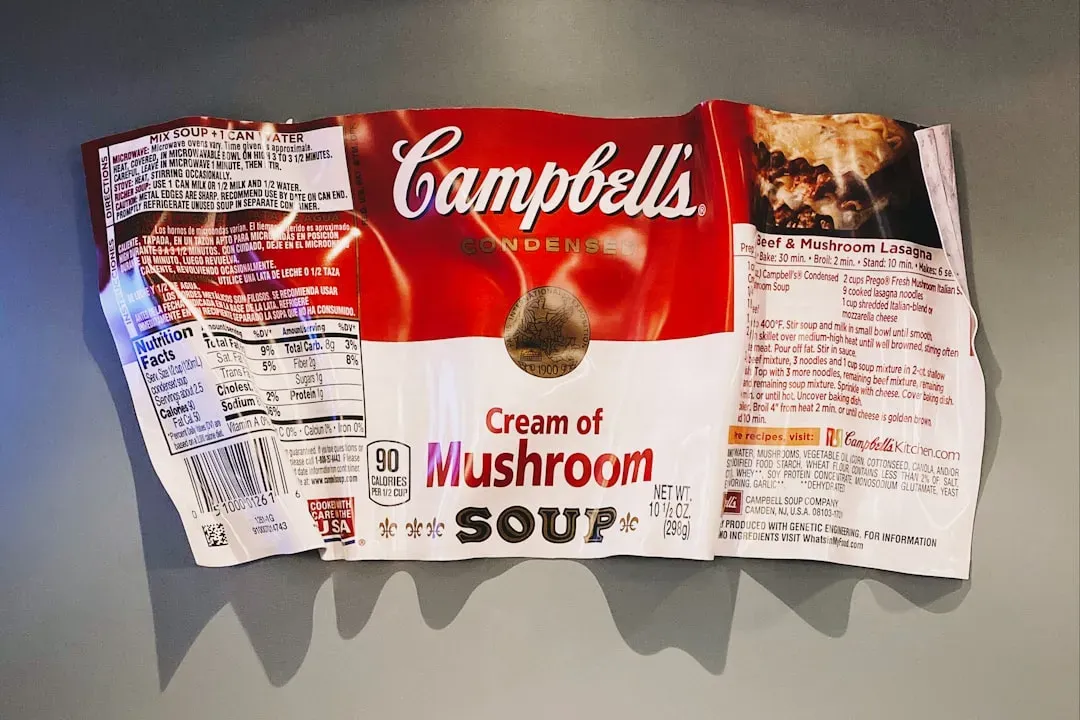
Here’s the thing most people don’t realize: date labels on food products are not regulated, except for baby food and prepackaged sandwiches, and they are set by food manufacturers primarily to keep their products moving through store shelves. That’s right, a private company decided the date on your yogurt, not a federal law. It feels oddly arbitrary when you think about it that way.
A “Best if Used By/Before” date indicates when a product will be of best flavor or quality, not a purchase or safety date. A “Sell-By” date tells the store how long to display the product for sale and is not a safety date. A “Use-By” date is the last date recommended for use while at peak quality, and it is not a safety date except when used on infant formula.
According to the Natural Resources Defense Council (NRDC), roughly nine out of ten Americans misinterpret the dates on labels and throw out food that could still be consumed or even frozen for later use. That’s not a small problem. That’s nearly everyone. Honestly, I think that statistic should be printed right on the packaging itself.
Raw Meat and Poultry: The Category You Cannot Gamble With
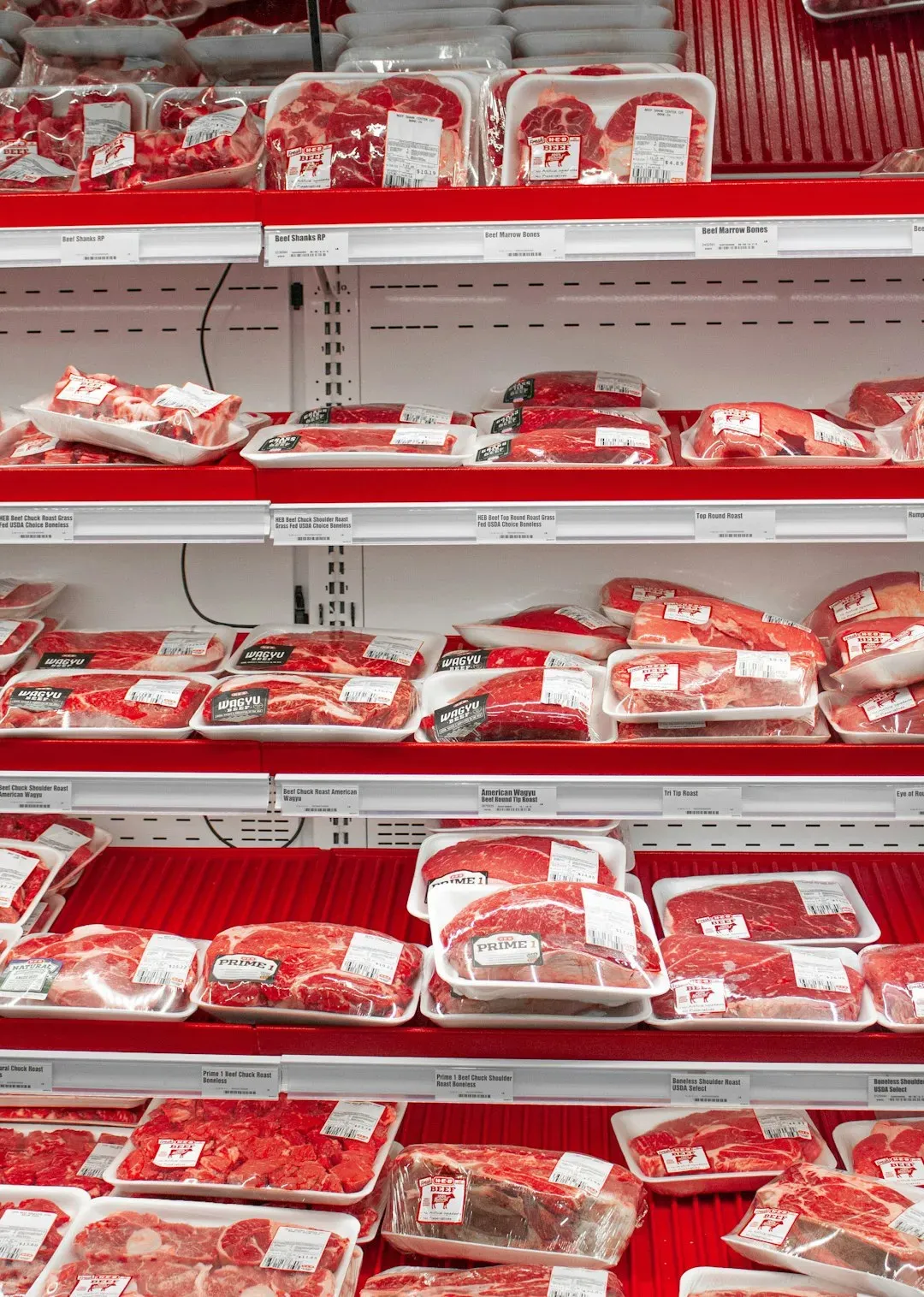
Nonperishable items like grains and dried and canned goods can still be used well past their label dates, but with meat, dairy, and eggs, it’s a different story. Although there are still no federally regulated expiration dates on those items, they obviously have shorter shelf lives. Short shelf life plus no legal requirement for date labeling is a combination that demands attention.
Sell-by and use-by dates on meat are vital to follow. Experts recommend tossing these items if they’re expired or if you’re unsure about storage conditions. Bacteria multiply quickly even under refrigeration. Think of your refrigerator not as a pause button, but more like a slow-motion setting. Things are still happening in there.
Steaks are only good for three to five days in the fridge, while fresh poultry should be used within just one to two days. Those windows are tighter than most people assume. If you bought a whole chicken on Monday and you’re still deciding on Thursday, the answer is probably already a firm no.
Deli Meats: Small Windows, Big Risks

The USDA recommends using meats sliced at the deli counter within three to five days of purchase, regardless of the “sell by” date. Pre-packaged lunch meats are good for two weeks. The moment you open that package, however, the clock accelerates significantly.
After years of being linked to Listeria monocytogenes – a bacterium with the unusual ability to grow even under refrigeration – lunch meats today are more likely to include antimicrobial ingredients designed to slow its spread. That added layer of protection helps, but it doesn’t eliminate the risk. For the safest experience, it’s still important to stick closely to recommended storage times and handling guidelines. The high-profile Boar’s Head Listeria outbreak in 2024 remains a clear, real-world reminder of how quickly things can go wrong when contamination occurs.
The multistate Listeria monocytogenes outbreak linked to Boar’s Head deli meat spread across 19 states, sickened 61 people, and hospitalized 60 of them. It is suspected in the deaths of 10 people. This wasn’t expired product in the traditional sense. It was improperly handled product that had been compromised well before any label date. Still, it illustrates exactly what expired and deteriorating deli meat can do.
Dairy Products: When “A Few Extra Days” Becomes a Problem
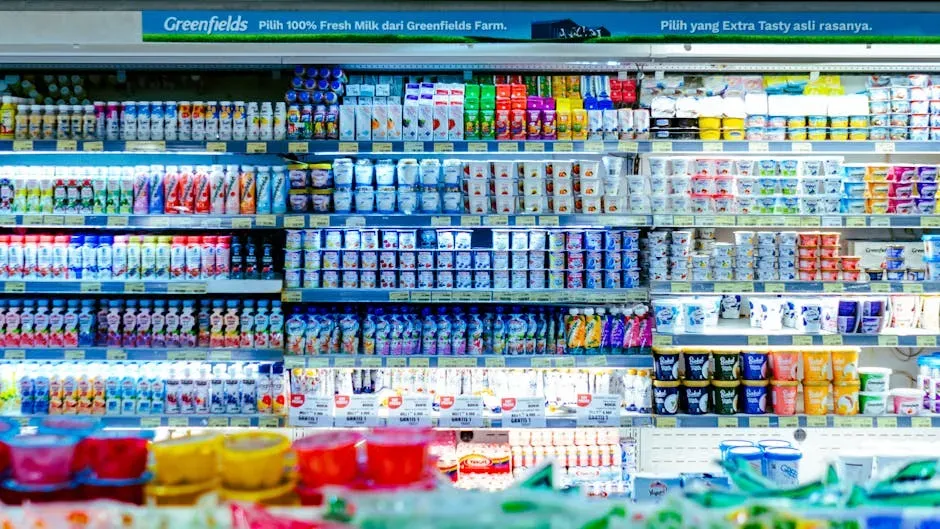
Yogurt, milk, cottage cheese and other dairy products can last a few extra days past their label date, but it’s also common for them to spoil before the date on the label. Smell and visual tests are good indicators of whether they’re still safe. The date is a suggestion. Your nose is telling you the truth.
Bacteria like Listeria thrive in warmer temperatures, so it’s important to always keep your perishables refrigerated at the proper temperature. A dairy product that sat out on the counter for an hour and then went back in the fridge has already been compromised, no matter what the label says. Temperature history is everything.
Listeria monocytogenes is often found in dairy, particularly soft cheeses. In 2024, the FDA and CDC investigated an outbreak of Listeria in queso fresco and cotija cheese that resulted in 26 identified illnesses, 23 hospitalizations, and two deaths across 11 states. Soft cheeses carry particular risk because of their high moisture content and are among the foods where you really shouldn’t push your luck beyond the label.
Eggs: The Label Is More Flexible Than You Think, With Limits
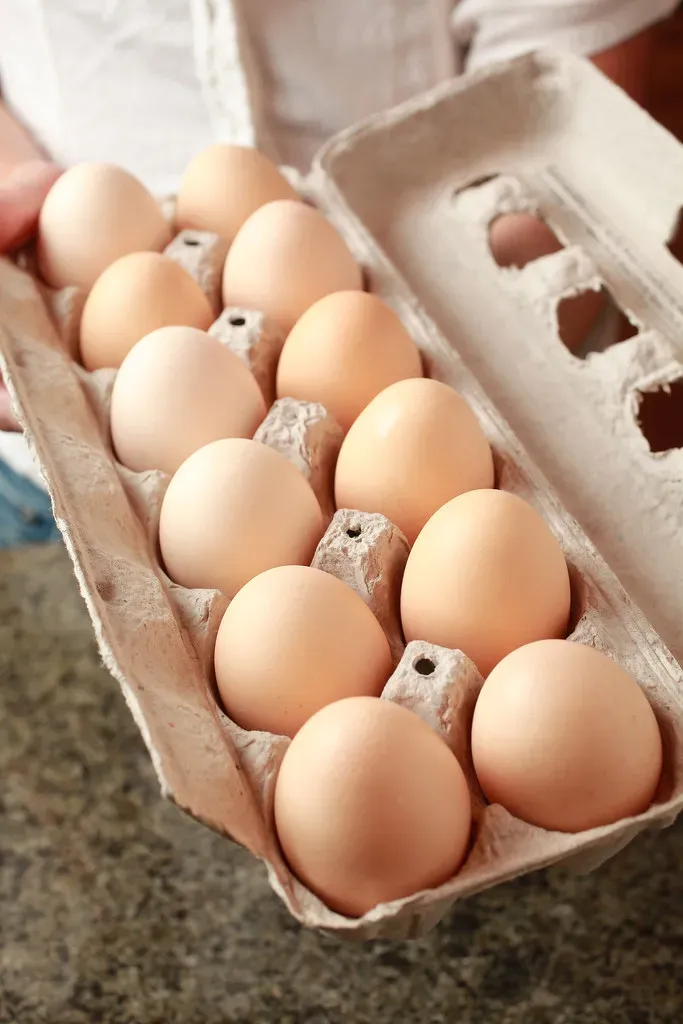
For best quality, use eggs within three to five weeks of the date you purchase them. The “sell-by” date will usually expire during that time, but the eggs are perfectly safe to use. So that carton in your fridge with a sell-by date that was last week? Probably still fine. This is one of those areas where the label is genuinely more conservative than the food itself.
Egg cartons with the USDA grade shield must display the “pack date,” showing the day eggs were washed, graded, and placed in the carton. When a “sell-by” date appears on a carton bearing the USDA grade shield, the code date may not exceed 30 days from the date of pack. There’s more information on that carton than most people bother to read.
Contamination from harmful bacteria can occur without changing how the food looks, tastes or smells. That is the part that makes eggs tricky. Salmonella contamination in particular leaves no visible trace, which is why proper handling, including cooking eggs thoroughly, matters just as much as monitoring the date on the carton.
Infant Formula: The One Label You Must Never Ignore
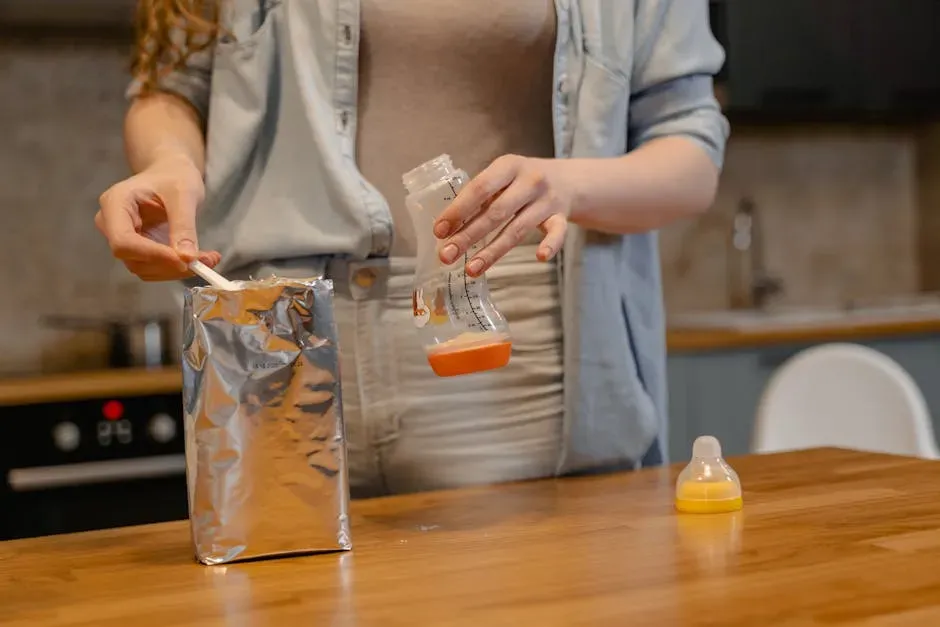
FDA rules require a “use by” date on every container of infant formula, and you should never use infant formula after this date. This is the only food category in the United States where a date label carries the full legal and safety weight most people assume all food labels carry. It is non-negotiable.
The FDA advises caregivers to be mindful of the “Use By” date on infant formula, which is the date up to which the manufacturer guarantees the nutrient content and the quality of the formula. Past that date, the nutritional integrity of the product cannot be guaranteed, which is an especially serious concern for babies who rely on formula as their sole food source.
Health officials stress that expiration dates do not override recalls. Once a product is recalled, it is unsafe to use regardless of how far away the printed date may be. This distinction is especially important for parents shopping at non-traditional retailers, where recalled or expired infant products are more likely to appear. As recently as early 2026, recalled infant formula was still being found on store shelves. The stakes here are as high as they get.
The Bigger Picture: Food Safety in 2024 Was Alarming
Contaminated food linked to specific brands sickened more people in 2024 than in 2023, with total illnesses increasing to 1,392 from 1,118. More people in the United States got sick from contaminated food outbreaks in 2024 than the year before, and the number of people who were hospitalized or died doubled. That doubling is not a small blip. It represents a serious and alarming trend.
Instances of severe illness increased dramatically in 2024, as hospitalizations more than doubled from 230 in 2023 to 487. Deaths also more than doubled, from eight in 2023 to 19, further raising concerns about the food Americans buy. These numbers are drawn from recalled products only, which means the actual scope of food-related illness across the entire population is far larger.
The CDC estimates that about one in six Americans get sick from foodborne illness each year, leading to roughly 128,000 hospitalizations and 3,000 deaths annually. Read that number again. One in six. That’s your family, your neighbors, your coworkers. Food safety is not a niche health concern. It is a daily reality that most people are quietly underestimating. The number of recalls due to Listeria, Salmonella, and E. coli increased by 41 percent in 2024, accounting for nearly four in ten of all food recalls that year. The trend is clear, and it makes checking your labels more important than ever.
Conclusion: Your Labels Are Trying to Tell You Something
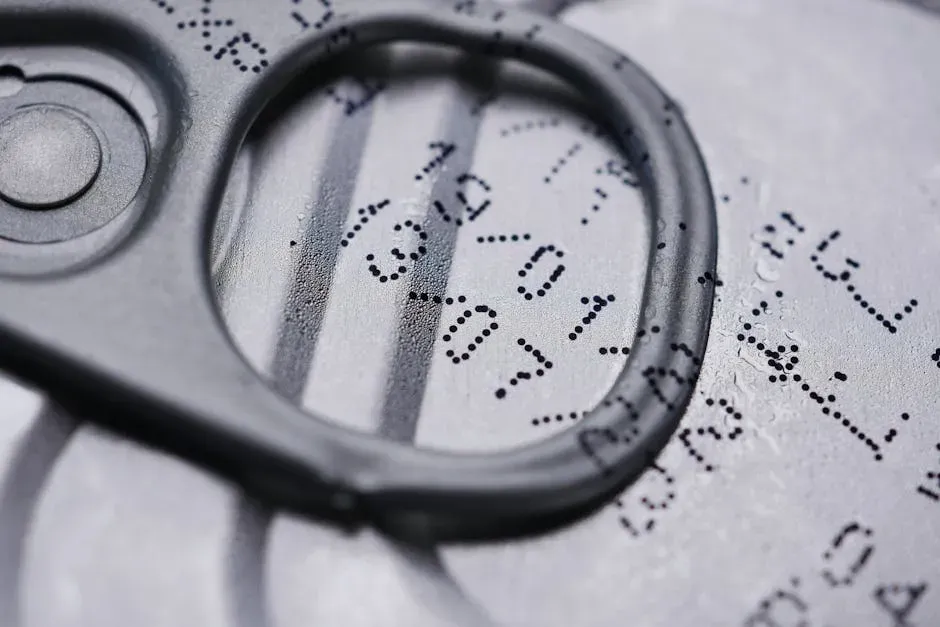
Expiration labels are imperfect, inconsistent, and often misunderstood. Most of them are about quality, not safety. A hard-and-fast rule that every label is a cliff edge is wrong. Throwing out still-good food creates massive waste. But ignoring all dates entirely, especially on raw meat, deli products, dairy, and infant formula, is a gamble you should not be taking.
The key is knowing which categories deserve serious attention and which ones offer more flexibility. Use your senses. Check storage conditions. Understand what “best by” really means versus what “use by” actually demands. When it comes to the foods with genuinely short safety windows, don’t let a casual attitude cost you a week in the hospital.
Now that you know the real difference between all those confusing labels, will you look at the dates in your fridge a little differently tonight? What did you always get wrong? Share your thoughts in the comments.