
Most of us have been there. You open the fridge, move aside a carton of juice, and discover that container of pasta from four days ago staring back at you with suspicious energy. You think, “Is that still good?” Then you throw it out and feel guilty about it for the rest of the evening.
It’s not just a personal failure. It’s actually a massive, measurable global problem. And here’s the good news: most of what ends up in the trash didn’t have to go there. There are real, practical ways to rescue your leftovers and actually enjoy them before they spoil. Be surprised by what a little planning and creativity can do for your kitchen, your wallet, and the planet.
Table of Contents
The Scale of the Problem: Why Your Leftovers Matter More Than You Think
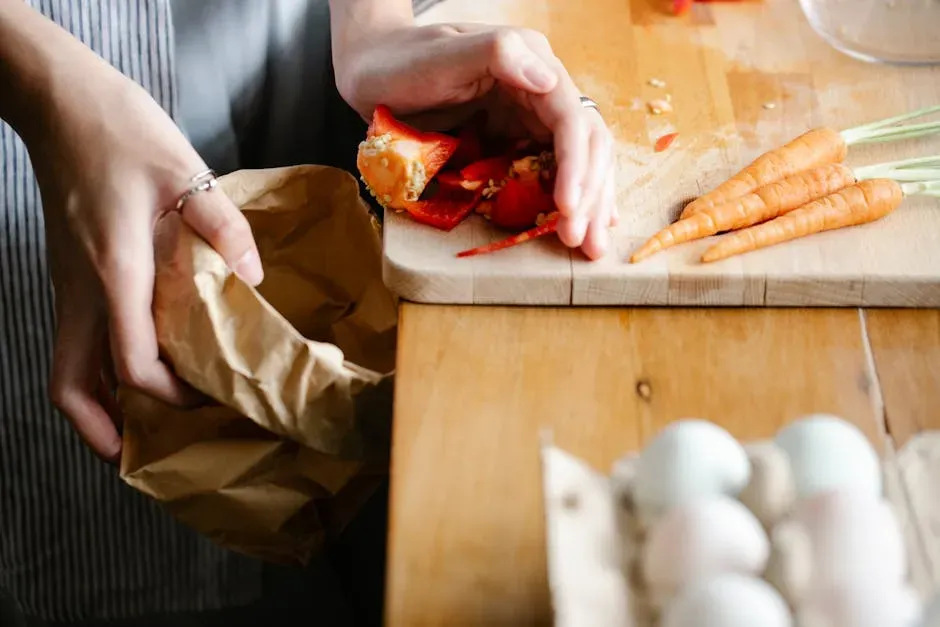
Here’s a number that should genuinely stop you in your tracks. In 2022, the world wasted 1.05 billion metric tons of food, amounting to one-fifth of all food available to consumers being wasted at the retail, food service, and household levels. That is not a typo. One billion tons, gone.
Most of the world’s food waste comes from households. Out of the total food wasted in 2022, households were responsible for 631 million metric tons, equivalent to 60 percent of all food wasted. So yes, what you do with Tuesday night’s roast chicken genuinely counts.
Wasting food hits consumers where it really hurts – their wallets – in the amount of $261 billion every year, or nearly $800 per person. Think about that the next time you scrape a plate into the bin. Since food loss and waste generates up to 10 percent of global greenhouse gas emissions, almost five times the total emissions compared to the aviation sector, reducing emissions from food waste is essential.
Know Your Deadline: How Long Do Leftovers Actually Last?
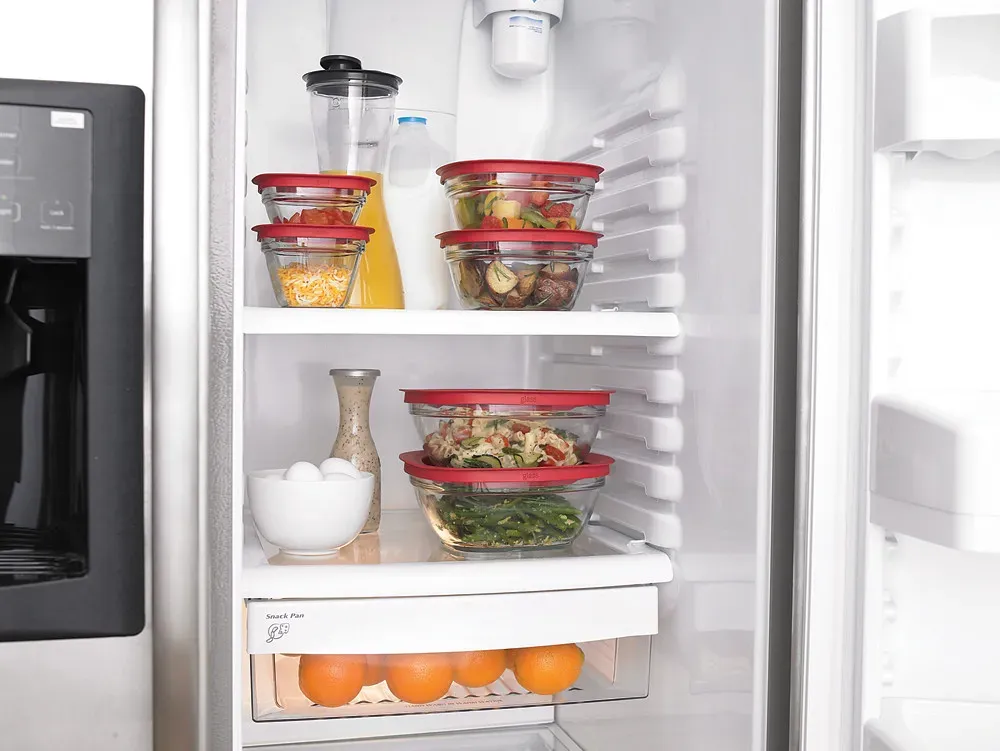
Let’s be real: most of us guess on this one. We sniff the container, shrug, and either eat it or toss it. Thankfully, there are actual science-backed guidelines to follow. According to the USDA Food Safety and Inspection Service, most cooked leftovers remain safe in the refrigerator for 3 to 4 days when properly stored, regardless of whether it’s chicken, beef, fish, pasta, or vegetables.
Bacteria grow rapidly between the temperatures of 40°F and 140°F. After food is safely cooked, leftovers must be refrigerated within 2 hours of cooking. Throw away all perishable foods that have been left at room temperature for more than 2 hours, or 1 hour if the temperature is over 90°F.
Leftovers will keep on average three to four days in the refrigerator and up to six months in the freezer. Reheat leftovers thoroughly to a safe internal temperature of 165 degrees Fahrenheit. Knowing this simple framework is honestly half the battle.
Freeze It First: The Single Best Move You Can Make Tonight
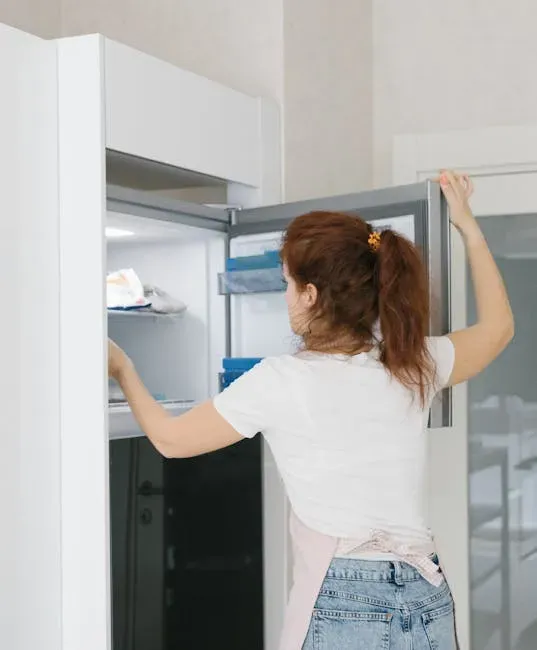
I think the freezer is one of the most underused tools in the modern kitchen. People treat it like a last resort when it should be a first instinct. Freezing keeps food safe by slowing the movement of molecules, causing microbes to enter a dormant stage. Freezing preserves food for extended periods because it prevents the growth of microorganisms that cause both food spoilage and foodborne illness.
Rather than let leftovers sit in the fridge all week, transfer them into airtight containers and pop them in the freezer the night you make the meal. Freezing leftovers in smaller containers is smart so you’re not thawing a huge batch of soup or curry for only two people.
Nearly half of Americans are buying more frozen foods because they last longer, while 64 percent say frozen foods help them manage their grocery budgets. The freezer is not giving up. It’s playing it smart. The USDA recommends freezing leftovers within 3 to 4 days of cooking them, so don’t wait until day five to suddenly remember that chicken soup is back there.
Transform, Don’t Just Reheat: Creative Ways to Reinvent Leftovers
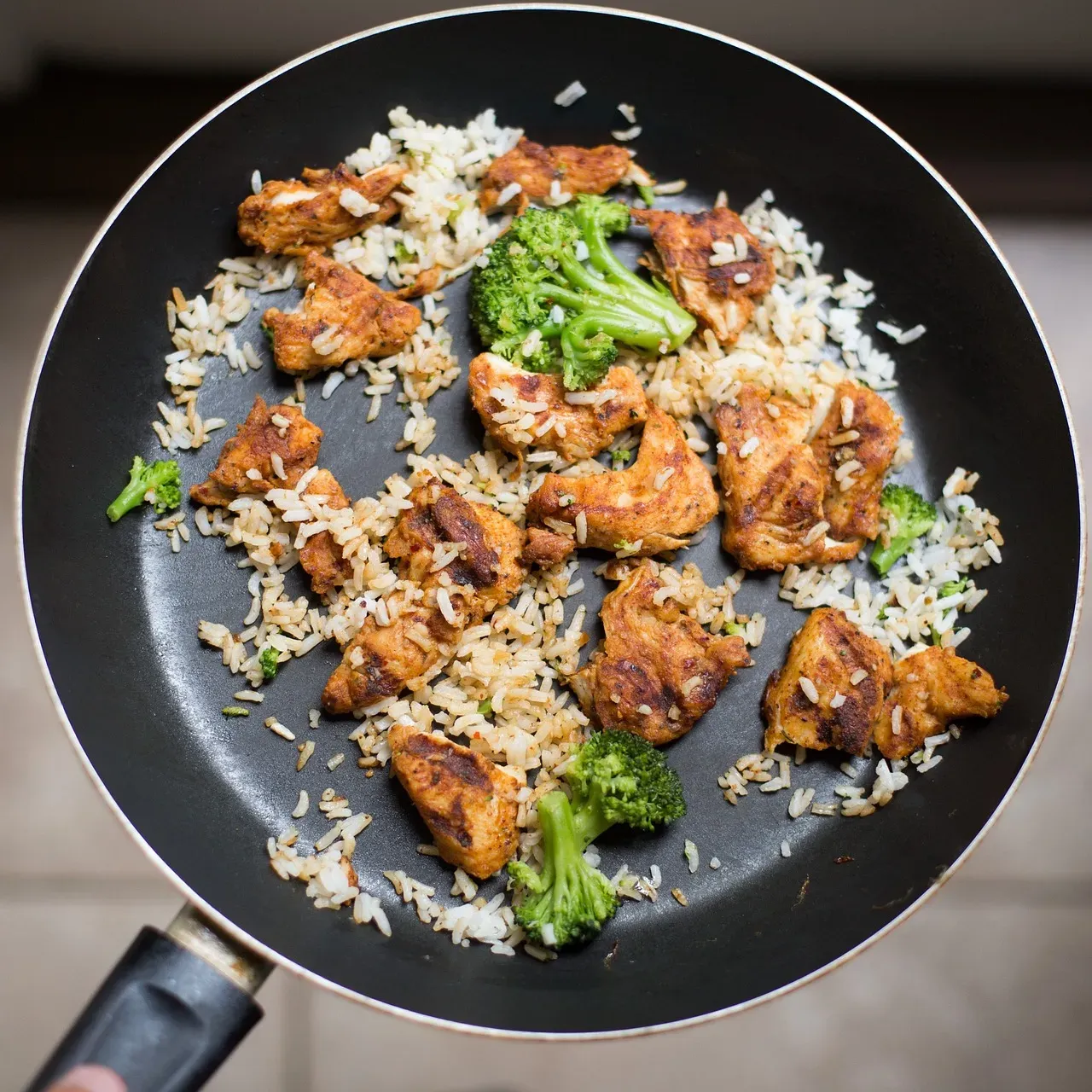
Here’s the thing about leftovers: boredom is the enemy. Nobody wants to eat the exact same plate of food three days in a row. You can reduce food waste by repurposing your leftovers into a delicious new meal by adding in different sauces, seasonings, and sides. It’s really that simple.
Make a frittata using leftover veggies, toss leftover roasted chicken into a chicken salad, add leftover steak to tacos and flatbread pizzas, and combine rice, veggies, and eggs in a wok to make fried rice from last night’s meal. Think of your leftovers as raw material, not finished food. The pasta from Monday becomes a frittata on Tuesday.
If you prepare twice the vegetables you’ll need for tonight’s dinner, you’ll have the starting point for a soup or pasta dish later in the week. Anticipate using leftover roast chicken on sandwiches; cook twice as much rice as you need and freeze the extra for later use. That mindset shift, from cooking once to planning twice, changes everything.
Soup Is Your Secret Weapon
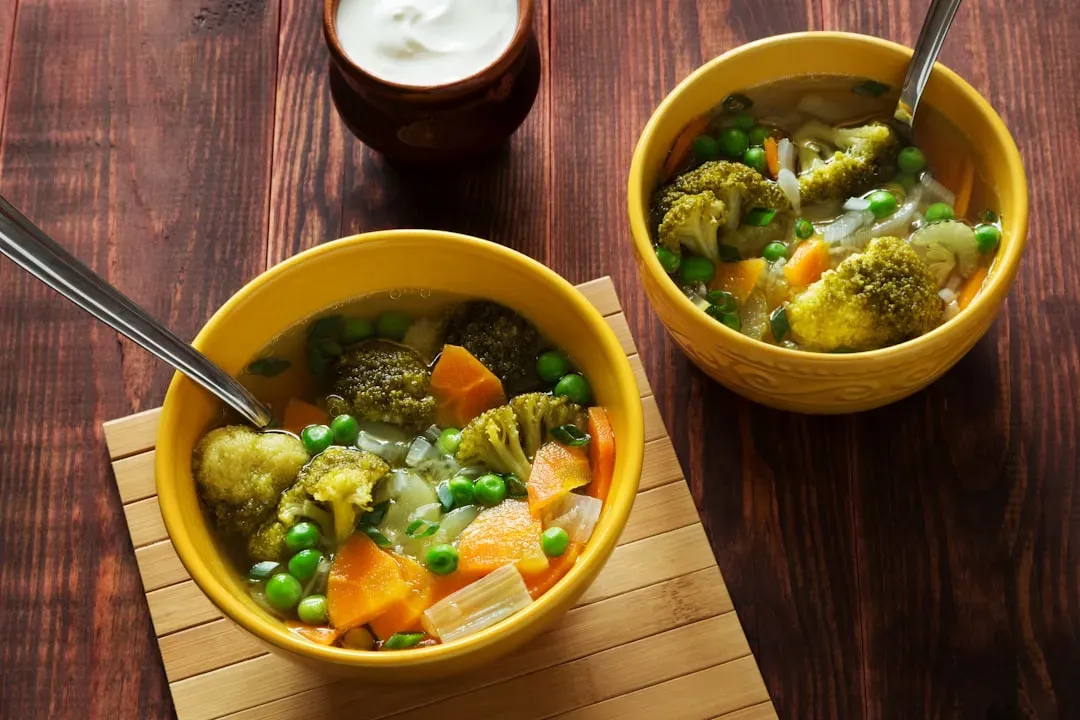
Honestly, more people need to know about this. Soup is the universal destination for leftovers that are about to go south. Almost any combination of cooked vegetables, proteins, and grains can be turned into something warming and satisfying with just a little broth and seasoning.
The steamed, roasted or grilled vegetables that you served as a side dish one night can become soup on another day. In a blender, puree the vegetables with 3 or 4 cups of vegetable or chicken broth, then warm the soup in a pot. It takes maybe 15 minutes and feels like you actually cooked something.
A lot of people are intimidated by soups, but they’re remarkably easy to make and go great with a fresh baguette, or grilled cheese sandwiches. Leftover steamed broccoli, for example, just needs a little onion, some chicken or vegetable broth, some cream and a bit of seasoning to make a delicious cream of broccoli soup. Think of soup like a safety net for every vegetable that’s been sitting in your fridge for three days looking a little tired.
Smart Storage: The Habits That Actually Keep Food Fresh Longer
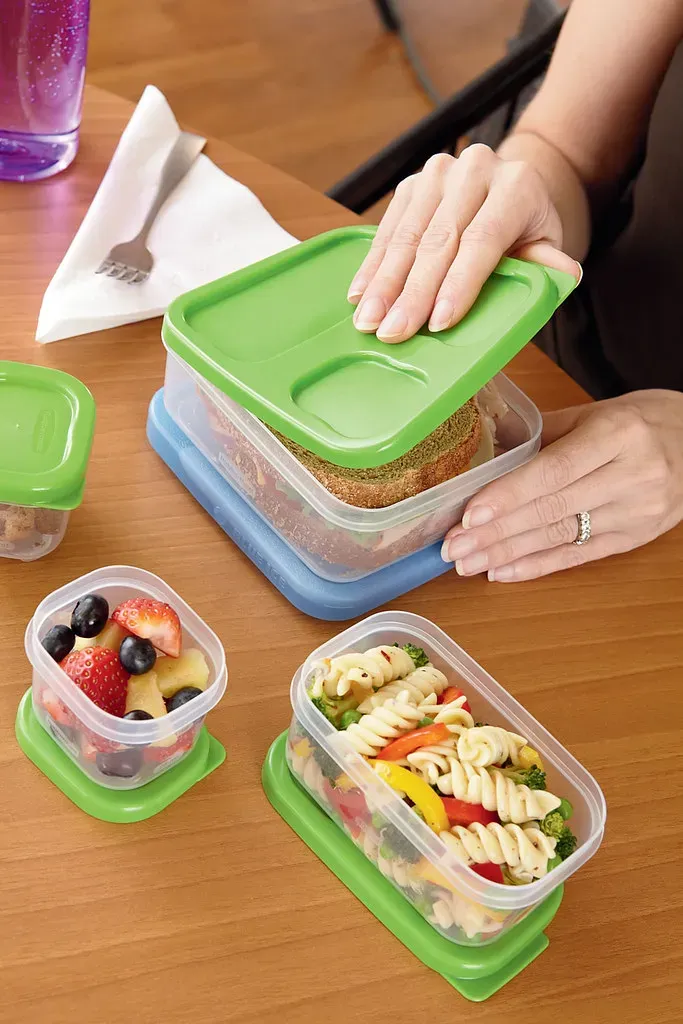
Good intentions don’t keep food fresh. Proper habits do. Cover leftovers, wrap them in airtight packaging, or seal them in storage containers. These practices help keep bacteria out, retain moisture, and prevent leftovers from picking up odors from other food in the refrigerator.
Label leftovers with dates and stack them so that you use them in the right order before they spoil. Store meats, poultry, and fish on the bottom fridge shelf, which is the coldest, and don’t store dairy in the compartment inside the door, which is the warmest spot in the fridge. Most people never think about this. The door shelf is basically the worst place to put anything temperature-sensitive.
Glass storage containers are not only reusable and sustainable, they allow you to see what’s inside. That way, you’re less likely to lose track of leftovers. Out of sight truly is out of mind in the fridge, and glass fixes that immediately. Contrary to popular myth, hot food can go directly into the refrigerator. Waiting for food to cool at room temperature is actually dangerous.
Meal Planning: The Root Fix That Prevents the Problem Entirely
According to the USDA, Americans waste between 30 and 40 percent of the food supply each year, costing the average family of four roughly $1,500 annually in wasted food. That is a staggering number for something so preventable. The fix isn’t complicated. It’s called planning.
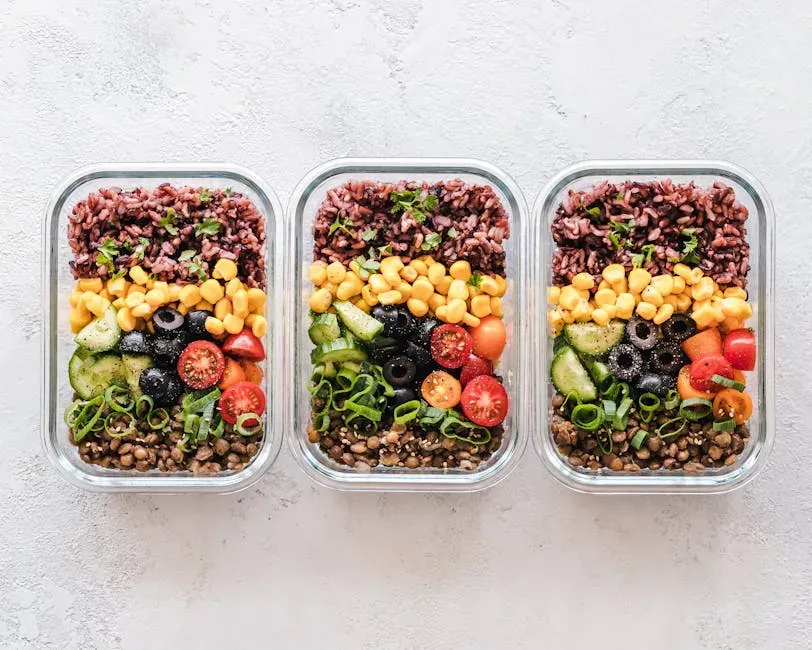
One of the most proactive and empowering food waste reduction strategies is the adoption of meal planning and preparation. This two-part method involves deciding what meals will be eaten for a set period, typically a week, and then preparing the ingredients or full dishes in advance. By creating a specific plan and shopping list, it curtails impulse buys and ensures every purchased item has a designated purpose, drastically cutting down on unused, spoiled food.
The average U.S. household spends around $900 per month on food. Cutting just 15 percent through meal planning means saving $135 monthly, which is over $1,600 a year. That’s not chump change. Planning ahead means you know when and how to use up leftovers. Yesterday’s roasted veggies can become today’s wrap filling or tomorrow’s soup base. It’s a loop that, once you get into it, practically runs itself.
The amount of perfectly good food that ends up in landfills every year is one of those facts that, once you really sit with it, is hard to shake. On average, each person wastes 79kg of food annually. The equivalent of at least one billion meals of edible food is being wasted in households worldwide every single day. This is the equivalent of 1.3 meals every day for everyone in the world impacted by hunger.
Your fridge is full of second chances. The question is whether you take them. What would you do differently starting tonight?