
There is something unsettling about sitting down with “just a slice” of pizza or ordering “only a small” fries, only to look up and realize everything is gone. You barely registered eating it. Sound familiar? You are not imagining things, and you are definitely not alone in this.
Scientific interest in “food addiction” continues to grow due to neurobiological and behavioral similarities between substance dependence and excessive food consumption. More recent research continues to highlight concerns around ultra-processed foods. A growing body of evidence, building on findings from 2024, suggests that some of these foods – including fast food – may have potentially addictive qualities, raising new questions about how they influence eating habits and long-term health. The science is building quickly, and what it reveals about certain specific menu items is honestly pretty wild. Let’s dive in.
Table of Contents
#1: Pizza – The Reigning Champion of Food Cravings

If you had to bet on which fast food item would top a scientific addiction ranking, you might guess french fries or a burger. You would be wrong. According to a study conducted by the University of Michigan, pizza ranks as the number one most addictive junk food. That finding has been replicated and discussed widely in nutrition science circles ever since.
Salty, sweet, savory, and fatty elements all harmonize on top of a delicious pie, igniting all our taste buds and the reward areas of our brains. The refined carbs often found in pizza crust also trigger cravings, just as many other processed ingredients do. Then comes the cheese, which brings its own separate biological punch.
Research from the University of Michigan published in PLOS ONE found that cheese contains compounds that activate the same brain receptors involved in drug addiction. The secret lies in a protein called casein, found abundantly in all dairy products but especially concentrated in cheese. When your body digests casein, it breaks down into smaller fragments called casomorphins, literally meaning “casein-derived morphine-like compounds,” which can cross the blood-brain barrier and attach to dopamine receptors in your brain.
A fourteen-inch Domino’s cheese pizza has 3,391 milligrams of sodium. Just one slice delivers 400 milligrams. It is in the crust and in the toppings, and there is a lot in the cheese. So salt is one of the reasons that pizza attracts us. Think about that next time you tell yourself you are “just having one slice.”
#2: French Fries – Salt, Fat, and a Brain That Cannot Say No
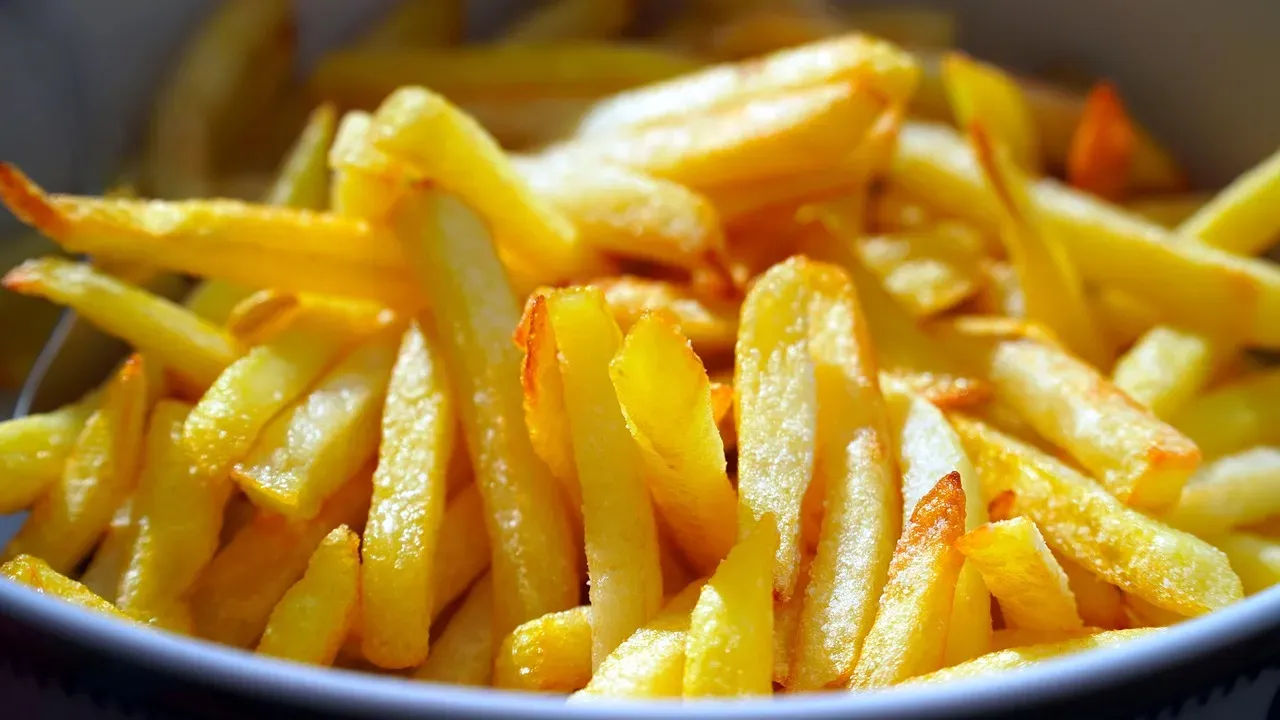
Here is the thing about french fries: they seem so simple. Potato. Oil. Salt. Three ingredients. Yet they are engineered, whether intentionally or not, into something your brain finds almost impossible to resist. Born from potatoes and fried in oil before being tossed in salt, most fast-food french fries contain hefty amounts of fat, sodium, and sugars like dextrose. Altogether and in such unnatural amounts, these ingredients activate the brain’s pleasure center and release dopamine.
Research shows that foods high in these substances trigger the same effects in our bodies that nicotine or other drugs do. McDonald’s fries are often thought of as some of the most addictive. Other options, such as the fries from Five Guys, may have the Golden Arches beat thanks to higher levels of fat and sodium.
A regular order of Five Guys fries contains 953 calories and 41 grams of fat. Compare that to 320 calories and 15 grams of fat in a medium order of McDonald’s fries. The numbers are staggering either way. A study from the University of Michigan found that highly processed foods share the same pharmacokinetic properties as drugs of abuse. Elevated concentrations of fat and refined carbohydrates in junk food are more rapidly delivered into our body’s system than natural foods rich in fiber, protein, and water.
#3: Cheeseburgers – A Multi-Front Attack on Your Willpower
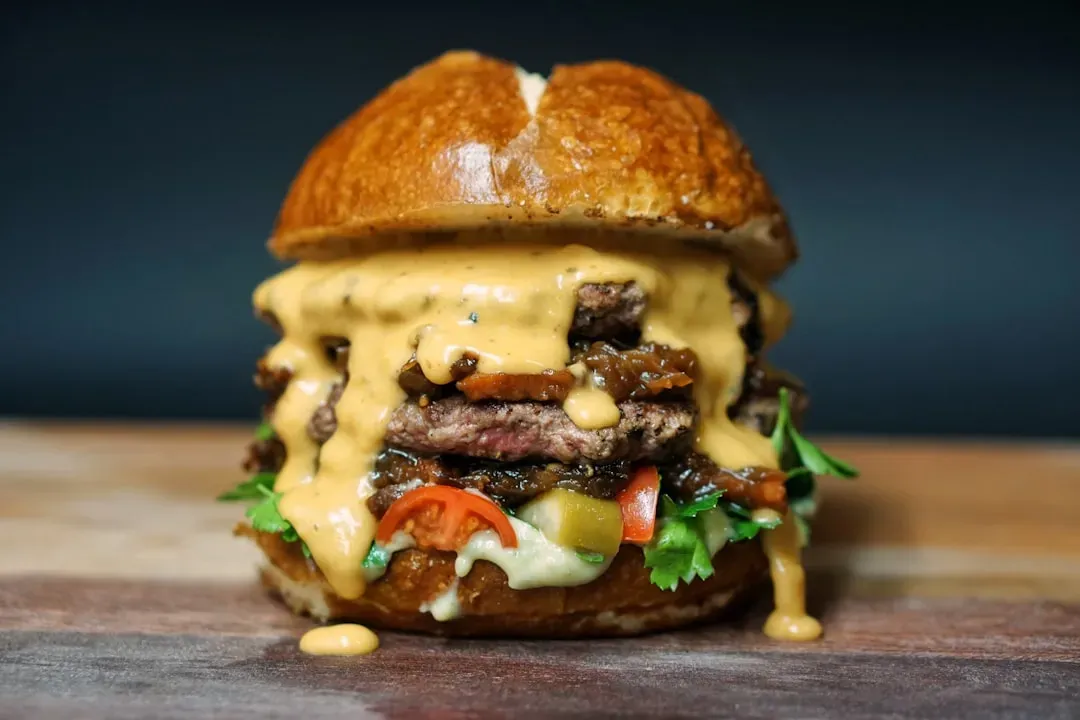
A cheeseburger is not just one addictive thing. It is several addictive things stacked on top of each other, literally. The effects of melty, gooey cheese also rear their ugly head when it comes to cheeseburgers, and that is just the start of it. Cheeseburgers are considered one of the unhealthiest fast foods, especially when multiple beef patties and a mountain of toppings are piled on. The grease from the grill and these diverse flavors are what make the iconic American grub delicious but also hard to resist and potentially harmful.
Triple burgers from chains like Burger King or Fatburger carry upwards of 1,700 calories, over 100 grams of fat, 60-70 carbs, and 2,000 milligrams of sodium – all the things that trick your brain into a positive response and urge you to repeat the habit. That is essentially an entire day’s worth of calories in a single hand-held item.
Fast food companies invest heavily in creating the perfect blend of salt, sugar, and fat. This combination triggers the brain’s reward system, releasing dopamine, a neurotransmitter associated with pleasure and addiction. Participants with symptoms of food addiction listed french fries and cheeseburgers as among the most problematic foods they encountered. Honestly, when you combine the dopamine hit from cheese casomorphins, the fat, and the sodium, it becomes less of a meal and more of a neurological event.
#4: Soda – The Liquid Addiction Nobody Talks About Enough
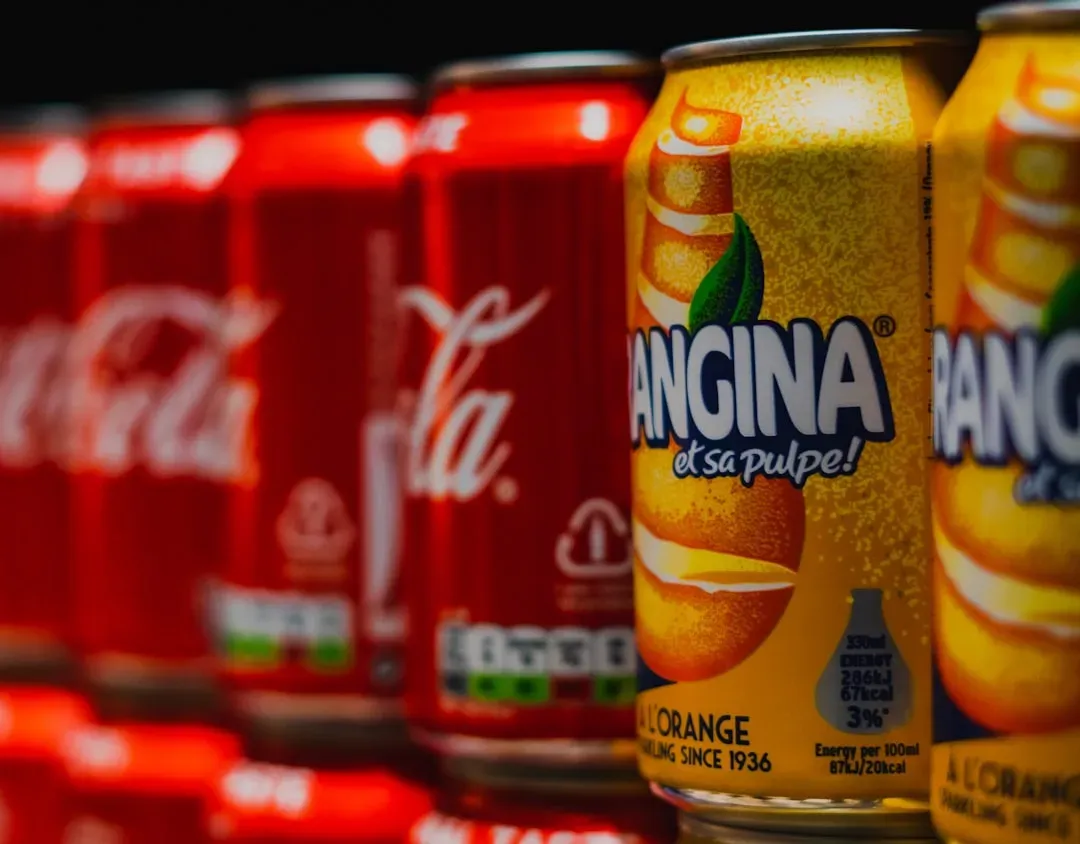
Soda tends to get discussed as a side item, almost an afterthought next to the burger and fries. That framing is misleading. There is nothing quite as refreshing as a crisp, bubbly soda from the drive-thru. There is also no other beverage that is quite as addictive. Soft drinks keep you coming back for more primarily because of their elevated sugar content, with larger sizes carrying upwards of 100 grams of sugar. That saccharine sweetness combined with a satisfying fizz creates a positive rush to the brain, causing us to want more and more.
Caffeinated beverages like soda and energy drinks can be addictive. Caffeine stimulates the central nervous system, increasing alertness and energy levels. Regular consumption can lead to dependence and withdrawal symptoms like headaches, fatigue, and irritability when you do not have your caffeine fix.
Withdrawal symptoms, a classic feature of addiction, also seem to be present in connection with ultra-processed foods. While it is unlikely that anyone experiences physical shakes from quitting soda, parents who attempt to restrict their children’s intake of sugar-sweetened drinks have reported symptoms such as headaches, irritability, and social withdrawal. Adolescents instructed to abstain from their high intake of sodas for three days complained of decreased motivation and ability to concentrate along with increased headaches. That is not just a habit. That is a dependency.
#5: Fried Chicken – The Crispy Combination That Keeps You Coming Back

Fried chicken sits in an interesting spot on this list. It is deeply craveable, widely beloved, and scientifically explainable. Fast food is often high in sugar, unhealthy fats, and salt. This combination is especially addictive because it triggers the brain’s reward system and leaves you wanting more. Examples include burgers, fries, and fried chicken.
Even the convenience of fast food plays a role in addiction. Research on the reward response reveals that pleasure is most intense when gratification is immediate, so a fast food meal is actually more satisfying because it is served within minutes of your order. Fried chicken, especially from chains that have spent decades perfecting seasoning blends and frying techniques, delivers on that immediate gratification almost completely.
The “bliss point” triggers dopamine to spike, then crash. This brings about good feelings, then bad feelings, and generates the craving to feel good once more. Food companies not only research taste, but also consumers’ responses to color, smell, and “mouth feel” of products. That crunch you love from fried chicken is not an accident. It is the result of precise food engineering. Still, compared to pizza or fries, the addictive pull lands just a little lower on the scale simply because it lacks the refined carbohydrate rush from a crust or bun when eaten alone.
#6: Fast Food Cookies – Sweet, Processed, and Surprisingly Habit-Forming
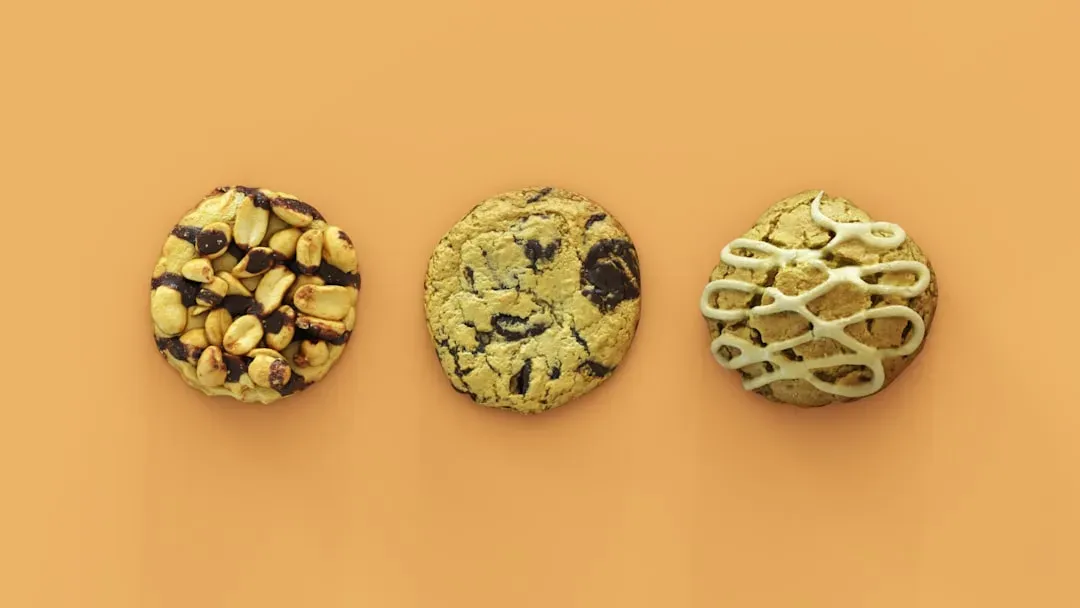
Coming in last on this list does not mean harmless. Fast food cookies, those warm, oversized treats sold at chains like Subway or McDonald’s, still work on your brain in real and measurable ways. Tacking a cookie onto the end of your order always seems like a good idea. That is because the high amounts of sugar and fat packed into the baked good release dopamine in your brain and leave you in a constant search for another dose of stimulation. This effect is why many of us consider cookies and other sweet treats comfort foods and something that provides a temporary feeling of happiness.
Ultra-processed food is addictive because of the sugar added to it, and the food industry specifically adds sugar because of its addictive properties. Added sugar is like ethanol in that it is not essential for life and is toxic in chronically high dosage. That framing is genuinely alarming when you consider that a single fast food chocolate chip cookie can pack anywhere from 20 to 40 grams of added sugar.
Dopamine is a powerful brain chemical, often called the “feel good” chemical for the role it plays in the brain’s pleasure and reward system. Substances like alcohol and street drugs become addictive because they trigger the release of dopamine. When dopamine is released, it sends a strong signal to seek out that particular event or experience again and again. Over time, the brain becomes desensitized to the release of those pleasurable chemicals, so that more and more of the trigger substance is needed to get the same feeling. Cookies rank lowest here mainly because they lack the fat-salt-carb triple-threat combination that makes items like pizza and fries so neurologically overwhelming. The most highly ranked foods that people were most likely to have problems with were those that were highly processed. Foods low in carbohydrates or those low in fat consistently ranked low. A cookie hits sugar strongly but misses the layered complexity that drives the top items on this list.
So the next time you find yourself reaching into an empty bag of fries or ordering “just one more slice,” you know now that it is not entirely your fault. Your brain was built to want these things, and the food industry has spent decades figuring out exactly how to exploit that. The real question is: now that you know, does it change anything?