
Salt is one of those things everyone thinks they understand – until they ruin a dish with it. We have all been there. You follow the recipe, shake in what seems like a reasonable amount, and suddenly the whole pot tastes like the ocean. Or the opposite: you plate something that looks beautiful and smells wonderful, only for it to land on the tongue completely flat and lifeless.
What separates a trained chef from a casual home cook often isn’t technique or expensive equipment. It’s the habit of tasting. Constantly, deliberately, and with real attention. Sounds simple. It is anything but. Let’s dive in.
Table of Contents
Salt Is Not Just About Saltiness
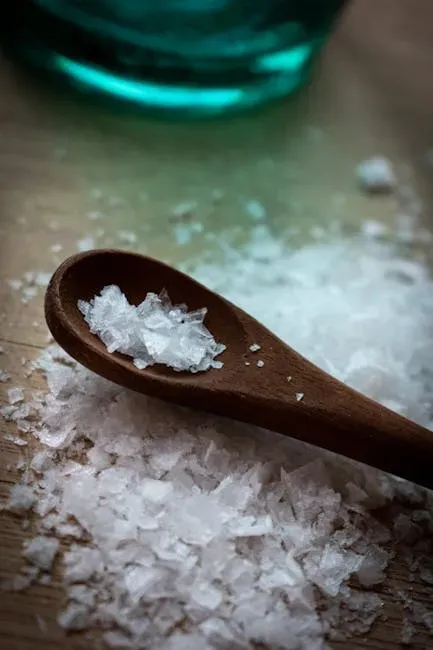
Here’s the thing most people get wrong about salt: it doesn’t just make food taste salty. That’s almost a secondary role. We salt because we want to bring out the subtle and not-so-subtle flavors of the ingredients in a dish. It is salt’s job to bring out the flavor nuances of ingredients so they can stand out and help the mixture of ingredients come together better as a dish.
Salt is used as a universal flavor improver because at low concentrations it will reduce bitterness, but increase sweet, sour and umami, which is desirable for sweet recipes. Think about that for a second. A pinch of salt in your chocolate cake batter isn’t an accident – it’s chemistry.
In work with a variety of foods like soups, rice, eggs, and potato chips, salt was found to improve the perception of product thickness, enhance sweetness, mask metallic or chemical off-notes, and round out overall flavor while improving flavor intensity. That’s a lot of work for a tiny white crystal.
The Global Salt Problem You Probably Don’t Know About
Before we get deep into technique, it’s worth understanding the broader context. The global mean intake of adults is 4310 mg per day of sodium (equivalent to 10.78 grams per day of salt), which is more than double the World Health Organization recommendation for adults of less than 2000 mg per day of sodium, equivalent to less than 5 grams per day of salt, or approximately one teaspoon.
At least 1.9 million people die each year from consuming too much sodium, more than any other diet-related cause of death. Excess sodium consumption increases the risk for heart disease, stroke, and kidney disease, and for premature disability and death. That’s a staggering number.
Excess salt intake is associated with a range of negative health outcomes and is responsible for an estimated 1.89 million deaths worldwide annually. In England, adults consume, on average, 40 percent more salt than the recommended 6 grams per day. Tasting before you add more salt is not just good cooking practice. It’s genuinely a health habit.
What Happens When Salt Meets Your Food While Cooking
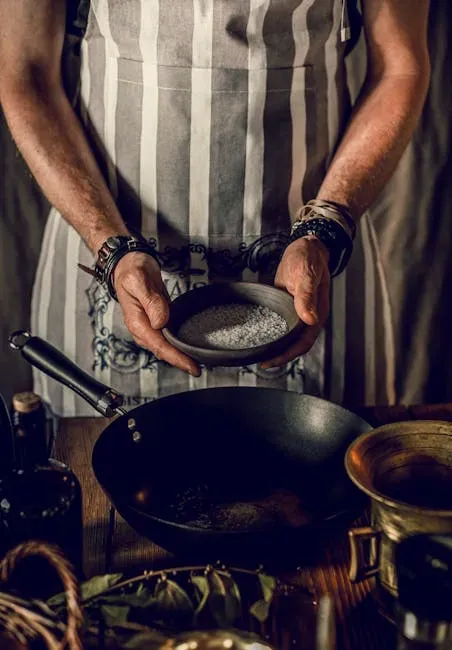
There’s real science behind why chefs insist on tasting during the cooking process, not just at the end. Water is going in and out of the ingredients during cooking. Heat is opening and unfolding things, and salt is following along, getting into every nook and cranny it can, penetrating the ingredients and floating throughout the whole dish. The concentration of the salt is spread out and mixed well into the whole dish, where it can work its flavor-forwarding magic throughout.
If you cook the same dish but add no salt while cooking, then add the same amount of salt after cooking, it will likely be very salty because the salt won’t have the opportunity to spread around as much and have its magical effect on the flavors in the dish. It’s a bit like the difference between marinating meat overnight versus dumping sauce on it right before you eat. Same ingredients, completely different result.
By adding salt to food, the salt interacts with the food molecules to make them more volatile, meaning they evaporate more quickly and reach our noses, triggering our sense of smell. Since taste and smell are intricately linked, this amplification of aroma intensifies the overall perception of flavor. This is why food can taste flat or underseasoned if it lacks enough salt – it simply hasn’t been given the opportunity to fully release its flavor profile.
The Case for Tasting in Layers
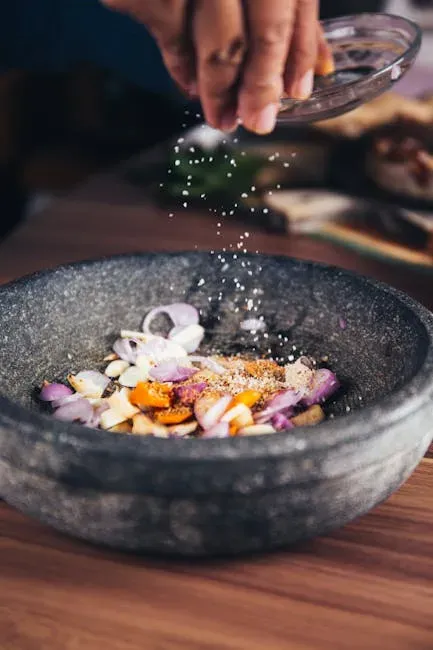
Professional chefs don’t salt once and walk away. They season in stages, with intention. Watch almost any cooking show or chef’s demonstration and you are likely to hear an admonition to season in stages – that is, you should use salt throughout the cooking process instead of just adding salt at the end. There’s a very good reason for this rhythm.
If your recipe starts by instructing you to cook onions, add a pinch of salt to help the onions actually taste like onions, so they will build a stronger foundation for the dish. Chefs describe this as building layers of flavor in a dish: just like Shrek and onions, dishes have layers. I love that analogy, honestly.
As food writer and culinary researcher J. Kenji López-Alt notes, one factor that seasoning at the end ignores is: when you cook, you generally like to taste things as you go and make adjustments as necessary. Without having at least a base level of salt in the mix, it’s difficult to detect other flavors and adjust accordingly. Tasting as you go isn’t just about salt – it’s about understanding the full picture of your dish at every stage.
Why Adding Salt at the Table Is a Different Experience
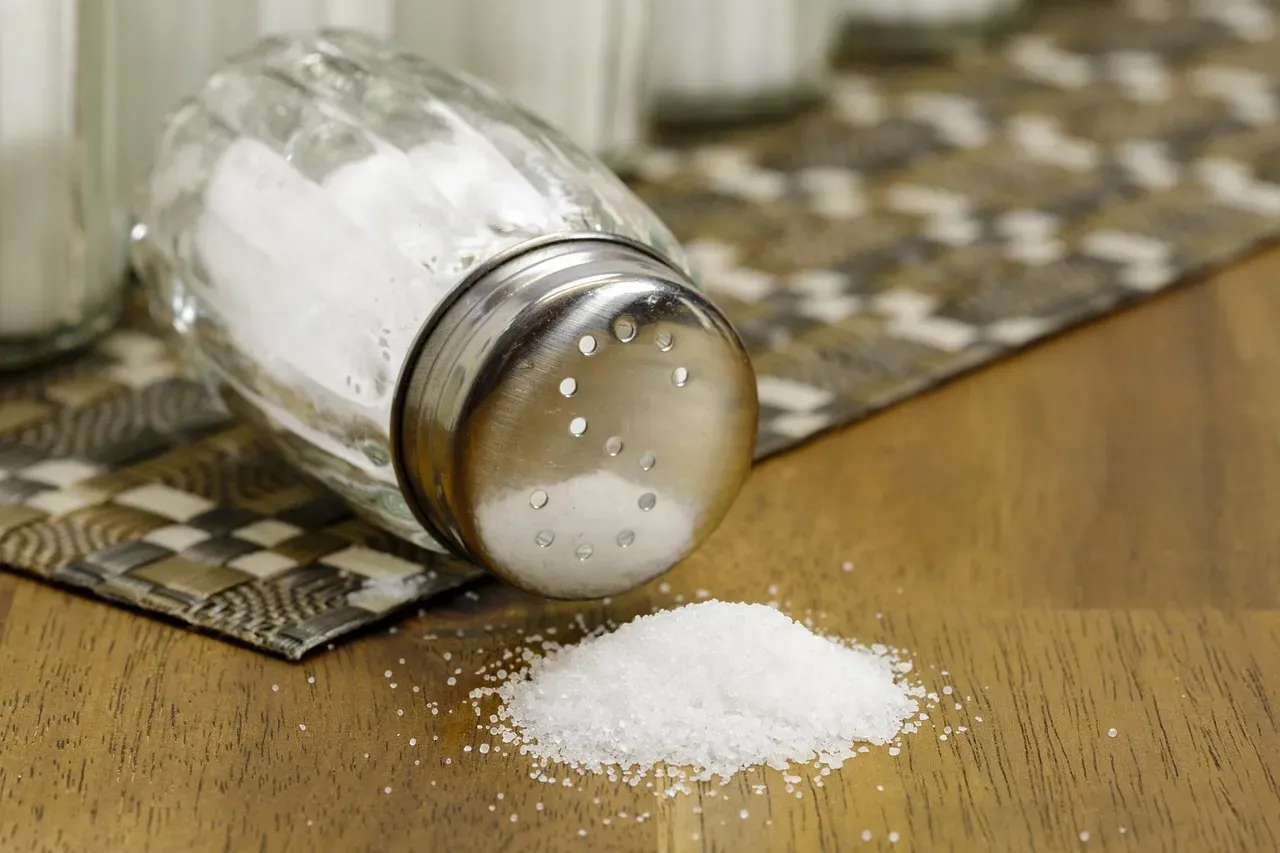
Many people shrug and reach for the salt shaker when food hits the plate. It seems like the same thing. It really isn’t. Salting a steak at the table will leave a higher concentration of salt that has not really interacted with the meat, leaving a larger hit of plain old saltiness. Salting and even peppering at the end of cooking is really only for fine adjustment. Adding the salt during the cooking is where the game-changing action happens.
Taste as you go and add small amounts incrementally – you can always add more. Match salt form to purpose: fine salt for even distribution in cooking, and coarse or flaky salt for finishing texture. That last part is something even confident home cooks often overlook. The type of salt matters too, not just the amount.
Salt is the foundation of good cooking. It enhances sweetness, tames bitterness, and brings balance to almost every dish. Reaching for the table shaker after the fact is like trying to paint a wall after you’ve already hung all the pictures. You can do it, but it’s never going to look quite right.
How Chefs Actually Taste – The Professional Method
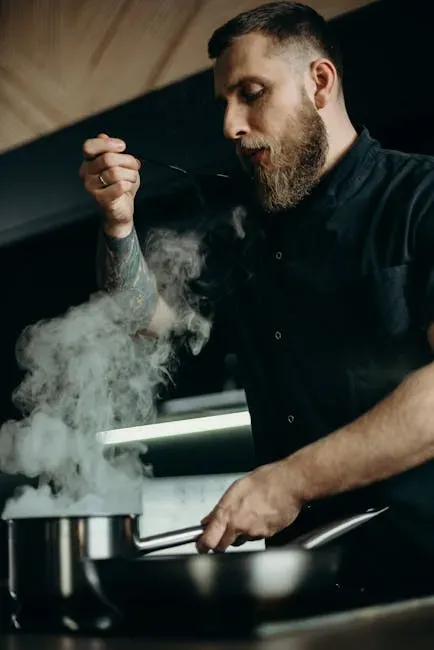
Here’s something that might surprise you: tasting like a chef is a skill in itself. It’s not just putting a spoon in your mouth. When tasting a dish, try to ignore your instinct to taste for saltiness and instead ask yourself if the flavors are flat or bright, or if the food is a touch bitter. This will help you decide if it’s properly seasoned. That reframe is everything.
A dish that is under-salted might taste flat or overly bitter. If your food tastes salty, then it’s probably over-salted. When salting, you’re looking for the sweet middle ground. So you want to salt your dish at every step, and taste as you go. The goal isn’t salty – the goal is balanced.
Samin Nosrat, chef and author of “Salt, Fat, Acid, Heat,” recommends sticking to one type of salt and getting to know its saltiness – each one has a slightly different saltiness and texture. That kind of deliberate familiarity is what transforms casual cooking into something much more confident and controlled. It’s hard to say for sure how long that takes to develop, but most chefs agree it happens naturally once you start tasting with real intention.
The Practical Takeaway: Small Habits, Big Results
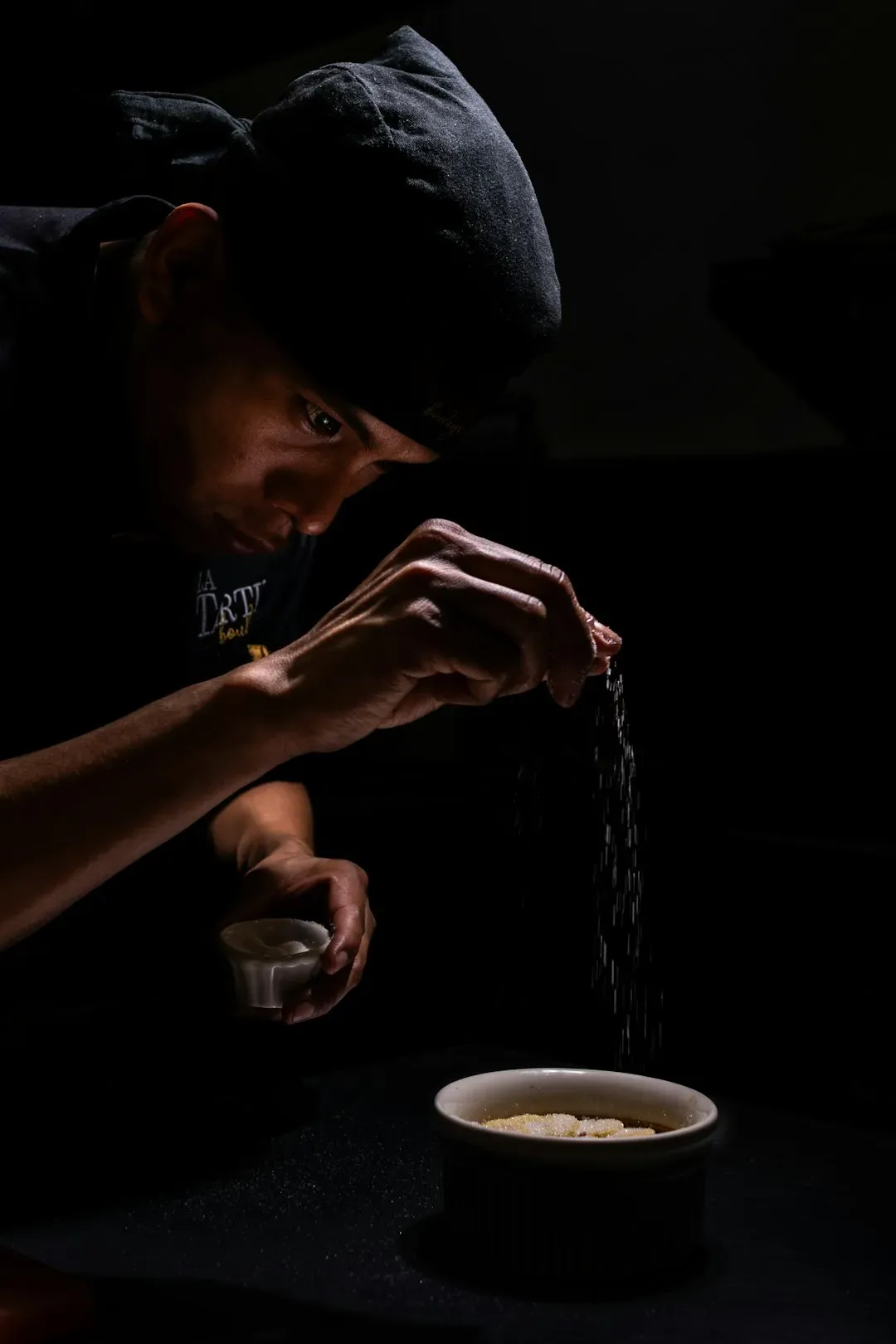
Honestly, the single most transformative thing you can do in the kitchen right now costs nothing. It doesn’t require a new pan, a fancy cookbook, or a culinary degree. Add a little, taste, and adjust. This is the rhythm of good cooking. That’s it. That loop, repeated throughout the cooking process, is what separates a memorable meal from a forgettable one.
The challenge in cooking with salt is finding the right balance. Too little salt results in bland food that lacks depth, while too much salt can overpower the other flavors and make a dish too salty to enjoy. The key is to use salt in moderation, adjusting it as needed to bring out the best in a dish. No recipe can substitute for your own palate in real time.
Seasoning is one of the simplest yet most powerful ways to transform your cooking. From a pinch of salt to a splash of acid, knowing how and when to season can turn an ordinary dish into something memorable. Like any skill, it takes practice – but with each dish you taste and tweak, you’ll get a little closer to seasoning instinctively. The shaker will still be there. Just don’t reach for it before you take a proper taste first.
What would your cooking look like if you committed to tasting at every single step this week? Tell us in the comments.