
Dining out is one of life’s genuine pleasures. The ambiance, the convenience, the fact that someone else does the dishes. Honestly, it’s worth every penny – or at least, it should be. The problem is that some items on almost every menu are quietly draining your wallet in ways that have little to do with quality or skill, and everything to do with margins and psychology.
According to the National Restaurant Association, average menu prices have risen roughly a third since February 2020. December 2024 marked the 33rd consecutive month in which restaurant prices outpaced grocery prices, which is a remarkable streak that has left millions of diners rethinking their orders. There are smarter ways to eat out without feeling robbed. Let’s dive in.
Table of Contents
1. The Fancy Pasta Dish
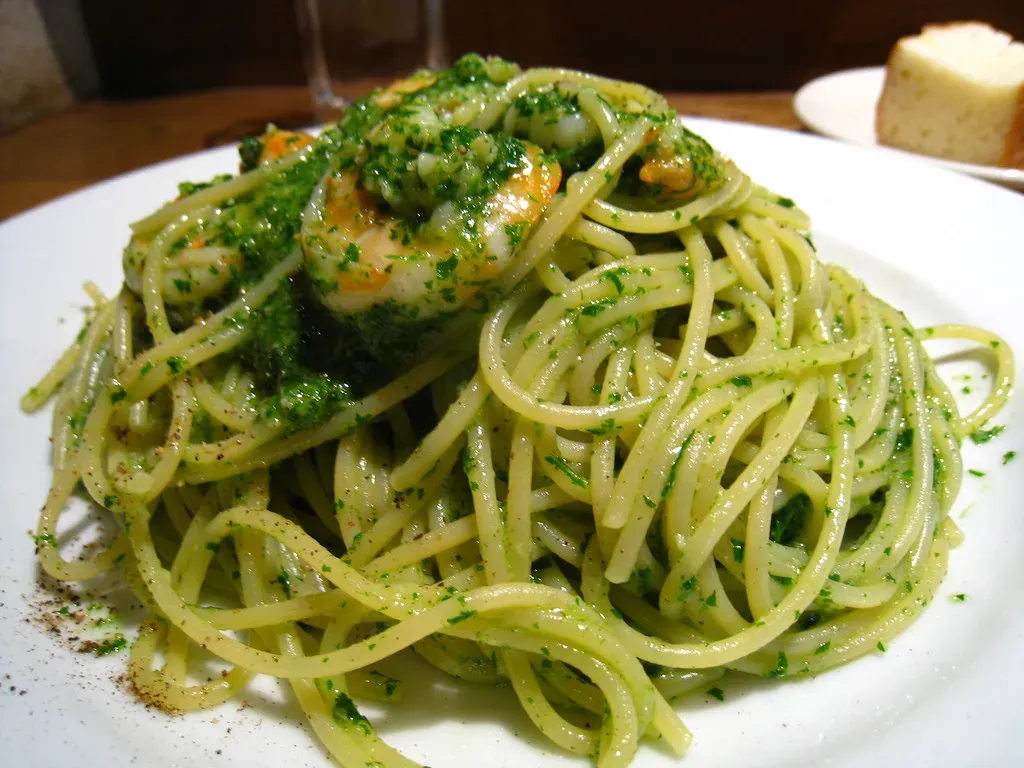
Here’s the thing about pasta: it costs almost nothing to make. The noodles themselves are essentially pennies per portion, and even the sauce is mostly pantry-level ingredients scaled up to industrial quantities. Some of the foods with the highest markups at restaurants are drinks, pasta, fried rice, and edamame. That beautiful bowl of tagliatelle with truffle oil? The kitchen is quietly celebrating every time you order it.
Most pasta dishes, such as spaghetti Bolognese, typically cost between $2 and $3.50 to make, whereas a casual Italian place might sell it for around $9 – a markup of roughly 350%. When restaurants add extras like basic sautéed mushrooms and olives, the profit margins only increase. Pasta typically increases profit margins because the cost is around 15% of the total menu price.
What to order instead: go for a protein-forward dish that uses high-cost ingredients like braised short rib or roasted chicken. These items tend to have far tighter margins because the raw ingredients are genuinely expensive, meaning the markup is more reasonable and you’re actually getting more for your money.
2. Cocktails and Alcoholic Drinks
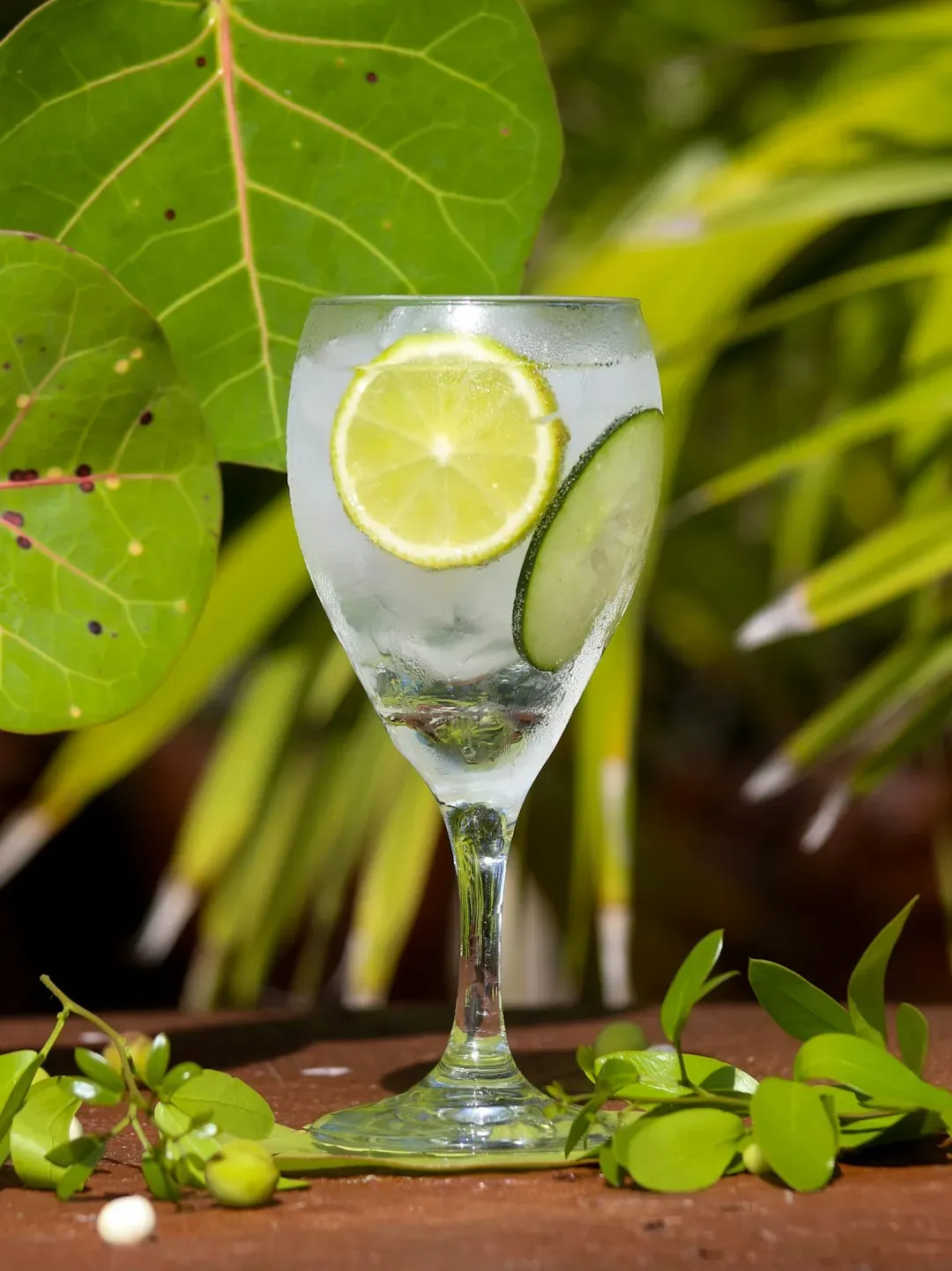
Drinks are, without any question, the single most profitable category on almost any restaurant menu. They are the restaurant’s best friend and the diner’s quiet nemesis. Whether it’s wine, cocktails or soda, this is where most restaurants consistently levy the highest markups. A $14 cocktail that contains barely two ounces of spirits and some juice? That’s a few dollars of ingredients at best.
The ingredient cost of a soda is just a few cents in syrup, CO2, cup, and ice, with typical markups of between 2,000% and 5,000% for fountain drinks and 500% to 2,000% for bottled water. Even wine by the glass is structured so that the first pour often covers the cost of the entire bottle. Still, if you enjoy a drink with dinner, that’s a perfectly reasonable indulgence. Just go in with eyes open.
What to order instead: opt for house wines by the carafe or pitcher-style cocktails if dining in a group, as the per-glass cost dramatically drops. Sparkling water from a tap is another quiet win – a jug of still or sparkling house water at many restaurants is complimentary if you simply ask for it.
3. Bottled Water at the Table

This one genuinely stings once you understand the numbers. Restaurants charge anywhere from $4 to $12 for a bottle of water, and it is one of the least defensible markups in the business. Bottled water is by far one of the most overpriced items, and according to a report from Harvard University, it is about 3,000% more expensive per gallon than tap water.
The added insult? The study from Harvard debunks the myth that bottled water is better for you, noting that “bottled water generally is no cleaner, or safer, or healthier than tap water” and that the federal government actually requires far more rigorous and frequent safety testing of municipal drinking water. You’re essentially paying a luxury price for a product that is, by federal safety standards, inferior to what comes out of the tap.
What to order instead: always ask for tap water. In most states, restaurants are legally required to provide it free of charge. If you prefer sparkling, ask whether the restaurant has a filtered sparkling water system – many upscale spots do, and the charge is usually a fraction of bottled alternatives.
4. Brunch Egg Dishes and Omelets
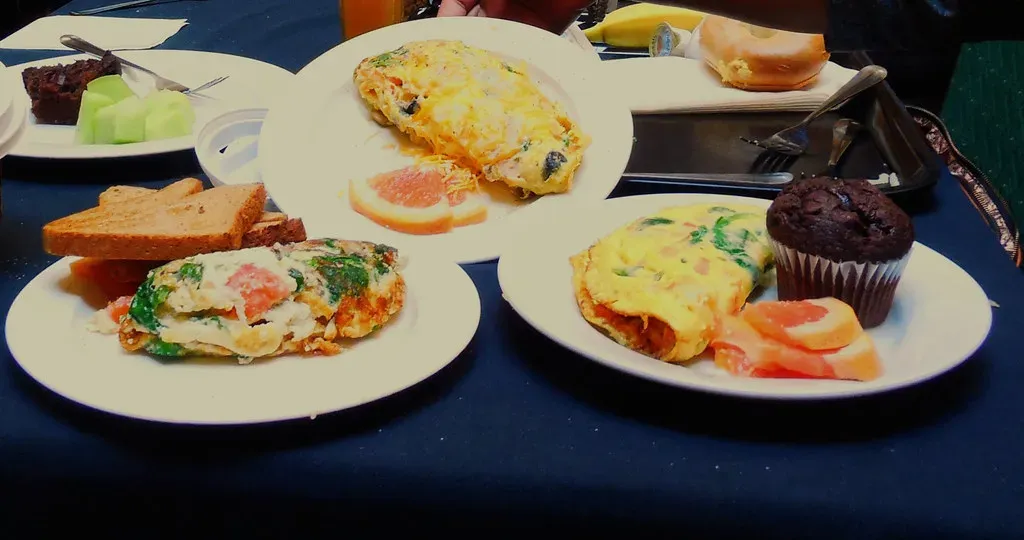
Brunch is practically its own cultural institution in America, and restaurants have figured out exactly how to monetize it. An omelet with a few fillings, some toast, and a side of potatoes can run you $17 or more in most mid-size cities. Eggs cost an average of $3.60 per dozen, putting them at about $0.30 each, but you can expect to pay far more in restaurants. The fillings – bell peppers, cheese, mushrooms – are similarly inexpensive.
The protein with the highest markup at restaurants is a good old-fashioned egg. The average profit margin for a scramble is estimated to be somewhere around 80%. Some restaurants charge $17 for a basic omelet with potatoes and toast – ingredients that probably cost them less than $4. That’s a multiplier that would make a Wall Street trader blush.
What to order instead: if you are brunching, consider dishes that actually require technique and premium ingredients – a smoked salmon Benedict with house-cured fish, or a shakshuka where the tomato and herb base takes real skill to develop. These items justify the price in a way a plain three-egg omelet simply doesn’t.
5. Simple Green Salads
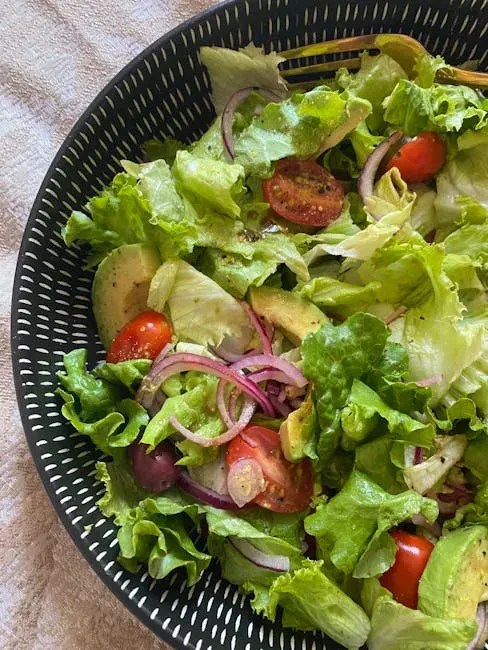
I know it sounds crazy, but a plate of lettuce, cucumber, and a drizzle of dressing is one of the most profitable items a restaurant can sell. The perception of health and freshness lets kitchens charge a premium that has essentially no relation to ingredient cost. Typical markups on basic salads range from 300% to 600%, with the key driver being the perception of health and value, which lets restaurants charge accordingly.
Salads tend to be moderately priced on a menu but play a significant role in helping restaurants meet food costs. A chicken Caesar, for example, typically costs around $10 to $12 at casual restaurants, but you can make the same salad at home with the same quality ingredients in about 20 minutes for roughly $3.12. That’s a roughly 284% savings when you do it yourself. Salads have a food cost of around 15% of the total item price, which is remarkably low.
What to order instead: look for salads with genuinely expensive components – seared scallops, shaved Wagyu, warm grains, or artisan cheeses. These justify the price tag. A bowl of iceberg with a few cherry tomatoes for $14? Skip it entirely and spend that money on a real course.
6. Side Dishes and Add-Ons
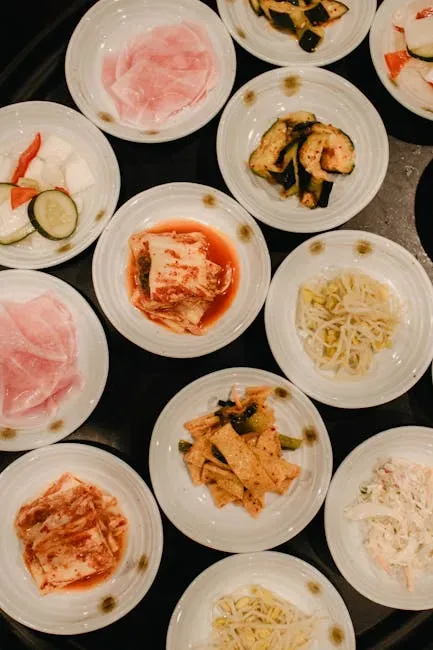
Let’s be real – the $6 side of roasted vegetables or the $5 cup of fries are where restaurants quietly pad the bill. These extras feel almost obligatory when you’re ordering an entrée, and restaurants know it. Garnishes and condiments sold separately have an ingredient cost of mere pennies, and restaurants also mark up appetizers, sides, salads, and desserts more than the actual meals because servers are trained to sell them as enhancements.
Appetizers and desserts are particularly profitable items because their costs are low and their profits are high. A small bowl of seasoned fries that costs the kitchen about 50 cents to produce gets listed at $6 or $7 because it fills a plate and it feels like a value add. It isn’t. The aggregate effect of ordering two or three sides dramatically inflates your bill in ways a single expensive entrée wouldn’t.
What to order instead: choose entrées that already come with components, or ask whether a side is included. Many restaurants will substitute or add a simple starch for free if you ask politely. Alternatively, share one or two sides between the table rather than ordering individually – you’ll eat better and spend less.
7. Restaurant Burgers at Premium Prices
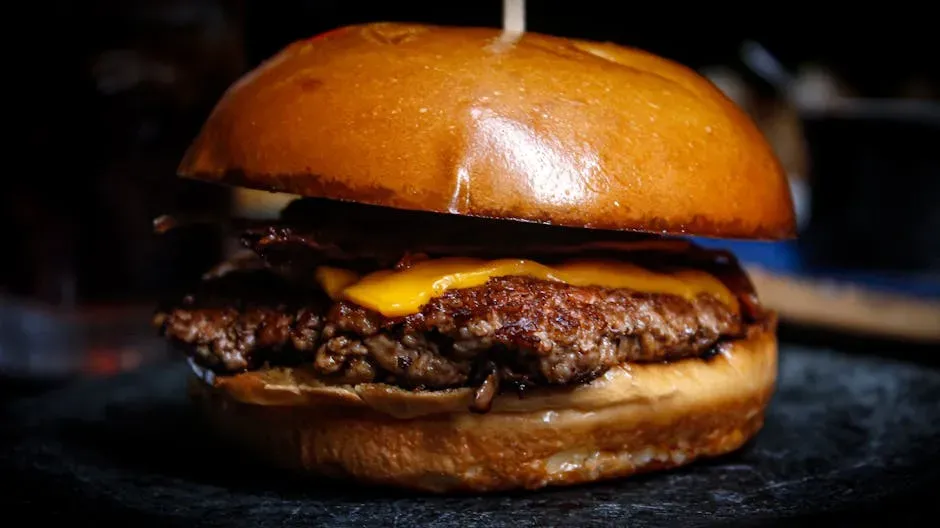
Burgers are a fascinating case study in menu psychology. The humble hamburger has been repositioned as a “premium experience” over the past decade, and prices have followed. In August 2025, the median price of a burger was $14.47, up year-over-year as prices continued to climb. That’s a significant sum for what is, at its core, seasoned ground beef between two buns.
According to Toast’s Restaurant Trends Report, burgers were among the priciest quick-service restaurant options, with sandwiches, wraps, and burgers both increasing roughly 4.6% year-over-year, costing an average of $11.26 and $11.45, respectively. Meanwhile, uncooked ground beef prices have risen sharply over the past year, so restaurants are protecting their margins by raising prices faster than their own input costs.
What to order instead: if a burger is what you want, choose restaurants where it is clearly a specialty and the sourcing is genuinely premium. Otherwise, look at the sandwich or wrap section of the same menu – often the same quality of ingredients, but positioned as a lower-tier item and priced accordingly, sometimes $3 to $5 cheaper.
8. Soups and Appetizer Portions
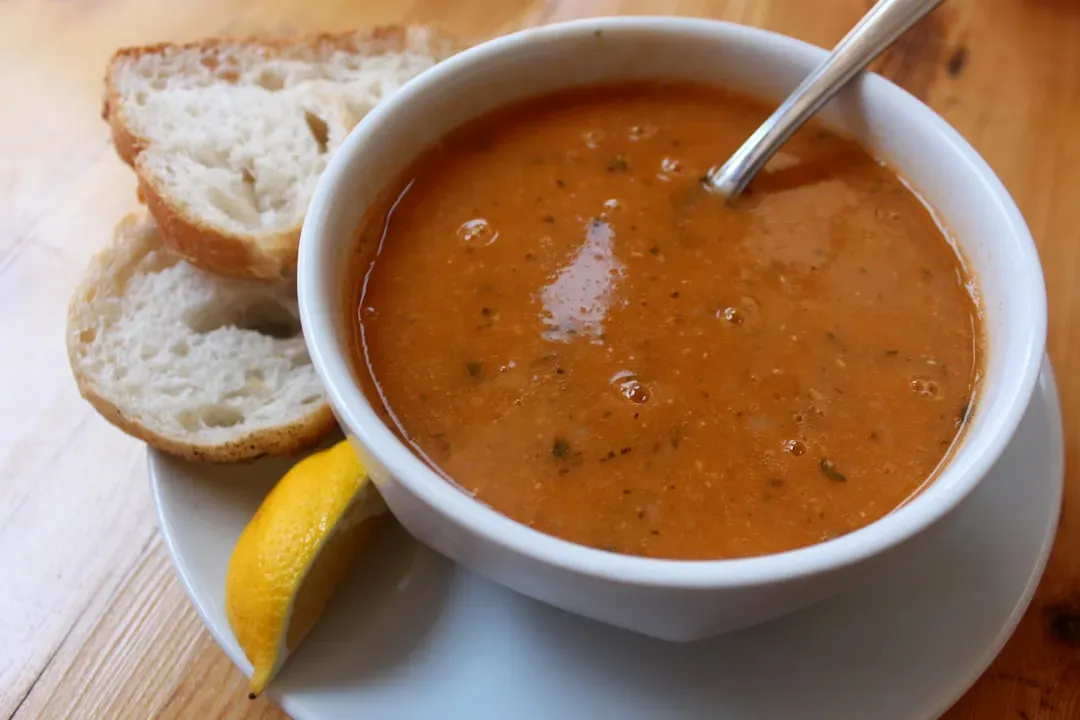
A cup of French onion soup or a bowl of tomato bisque at a restaurant can run $9 to $14. The ingredient cost? Onions, beef stock, bread, and cheese. It’s hard to imagine a dish cheaper to produce than a well-made soup, especially when made in large batches where the cost per serving drops to almost nothing. Appetizers and desserts have low food costs and high profits, and soups fall squarely in that category.
The reality is that soups often exist on menus for two reasons: they are genuinely cheap to make, and they extend the dining experience, giving the server more opportunities to sell drinks and dessert while you work through your bowl. Within the restaurant industry, it is commonly believed that markups should be around 300%, meaning if a dish costs $2 to make, it’ll be priced at $6 – but many items are priced far higher than that.
What to order instead: if you want a starter, lean toward something that requires real prep work and skilled technique – a tartare, a carpaccio, or a proper charcuterie board. These represent genuine labor and ingredient cost, and you’ll feel far less cheated by the final number on the bill.
9. Coffee and Specialty Drinks
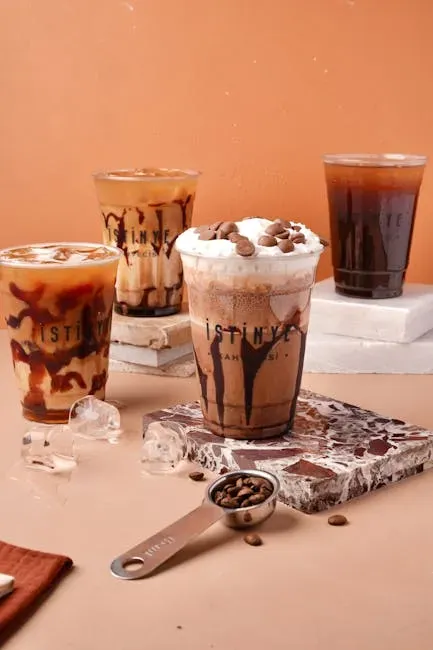
The afternoon latte after a meal, the cold brew with brunch – coffee is one of the all-time great profit generators for any food-service business. Although the exact cost of coffee beans varies, the cost-effective base combination of coffee grounds, hot water, and takeaway cups makes coffee a profit leader, and in the world of fast food restaurants, coffee is one of the kings of hidden overpriced items and a powerful driver of profit margins.
In 2025, the median price of regular restaurant coffee was $3.52, reflecting a year-over-year increase of around 2.9%. Cold brew ran even higher, with a median price of $6.47 per order. For a product that is roughly 98% water and a few grams of ground beans, these prices represent extraordinary margins, especially at full-service restaurants where the same item might be $7 or $8 per cup.
What to order instead: enjoy your coffee before or after the meal at a dedicated coffee shop, where prices are more transparent and the product is usually better. If you must order at a restaurant, stick to a classic drip or espresso rather than built-up specialty drinks where each added pump of syrup quietly inflates the cost by another dollar or two.
10. Desserts
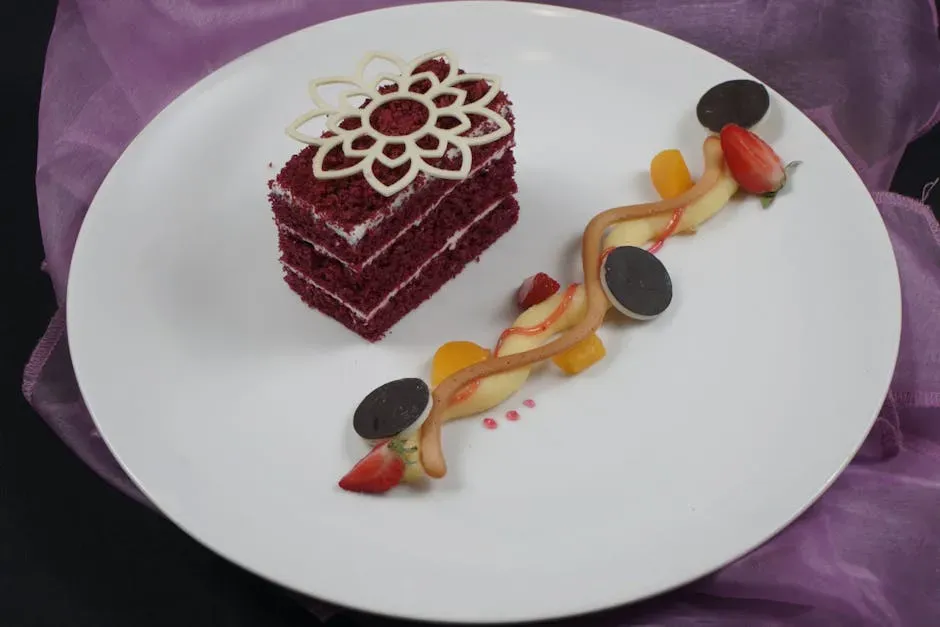
The dessert menu arrives at the exact moment when your judgment is at its most compromised – you’re full, relaxed, and in a good mood. Restaurants design it that way deliberately. If you’re at a fancy restaurant and you pay $8 for a dessert that costs $3 to make, you are receiving a dessert at a 167% markup of its production cost. The reality is that most restaurant desserts cost even less than $3 to produce, making the true markup considerably steeper at many establishments.
Appetizers and desserts are great profit items because their costs are low and their profits are high, much like alcohol, which normally has a 30% to 50% cost range. A warm chocolate lava cake, a cheesecake slice, a scoop of gelato – these are almost universally produced in advance, in batches, with extremely low per-unit costs. The theater of delivery is most of what you’re paying for.
What to order instead: if dessert is your thing, look for something with genuinely labor-intensive or high-cost ingredients – a properly made tarte tatin that requires real technique, or a dessert centered on premium seasonal fruit. Alternatively, head to a bakery or gelato shop nearby after dinner. You’ll pay a fraction of the price for something that’s often better anyway.
The Bigger Picture: How to Read a Menu Smarter
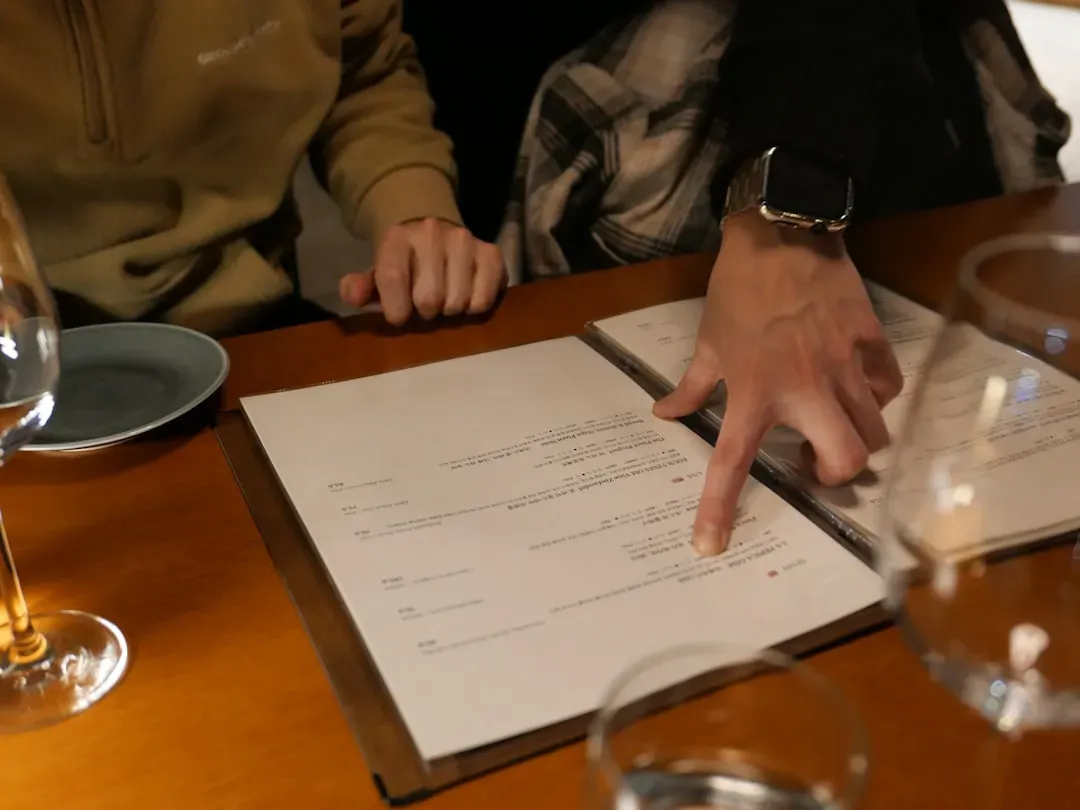
Understanding restaurant pricing isn’t about being cheap – it’s about being informed. Even though inflation has cooled slightly since 2024, most signs point to prices staying elevated into 2025 and beyond, and once menu prices go up, they rarely drop again. That structural reality means the gap between value and price will only widen over time.
This line has a practical, economic, trend-focused tone – it’s about people cutting back and changing behavior due to cost. The image should reflect restraint, decision-making, or the shift away from restaurants, not indulgence. Seven in ten Americans still eat out at least once a month, but more than a third say they are doing so less often than a year ago, with lower-income households feeling it most acutely. The smart response isn’t to stop dining out – it’s to dine out more strategically.
Focus your spending on items that reflect real skill, genuine ingredient cost, and honest labor. Avoid the items where you’re mostly paying for convenience, margin, and perception. Many guests are now leaning into bundle deals, prix-fixe menus, and loyalty rewards to stretch their dollars, while restaurants offer off-peak specials and limited-time promotions to maintain traffic without cutting margins. Use those tools. They exist precisely for you.
The next time a menu lands in your hands, take thirty seconds to think about what you’re actually buying – not just what sounds good, but what’s genuinely worth the money. That quick pause could save you $20 on every single night out. What would you have guessed costs restaurants the least to put on your table?