
Walk into almost any butcher shop and you’ll notice the same familiar faces staring back at you from the display case. Ribeye. New York strip. Filet mignon. The classics. Honestly, it’s a bit like a greatest hits album that never changes.
What you might not notice is that the truly exceptional pieces are often hidden in the back. There’s a whole category of cuts most customers never even think to ask about, and that’s precisely how butchers like it. It used to be that there were a handful of cuts on an animal that customers didn’t know to ask for, and these cuts were often called “butcher’s cuts” because the people who broke down the animal would keep them for themselves and cook them up for lunch, with none of their clients any the wiser. What are these mystery cuts? Let’s dive in.
Table of Contents
1. Hanger Steak: The Original Butcher’s Steak
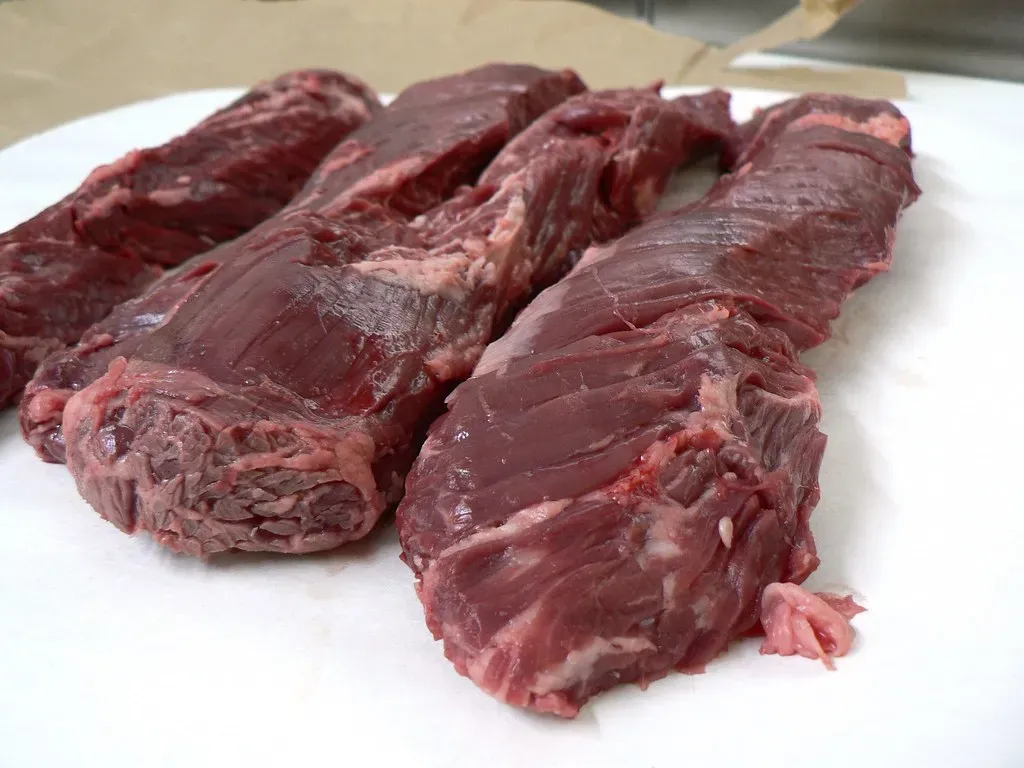
This is the one that started the whole legend. The hanger steak has been kept as a well-guarded secret for years, known as the “butcher’s steak” for its rich, beefy flavor and unique texture, and as there is only one hanger per animal, butchers were said to secretly keep this cut for themselves.
This unique cut comes from the diaphragm muscle in the plate primal section of the cow, with its French name “onglet” translating to “little tongue.” Don’t let that description put you off. The texture is slightly coarser than premium cuts like ribeye, but the intensity of beef flavor more than makes up for it, and compared to premium cuts like ribeye or New York strip, hanger steak is often more budget-friendly, offering gourmet quality at a fraction of the cost.
The biggest problem that fans of this cut have is actually finding it, since many meat markets and butcher shops don’t carry it, and the reason they can’t find it is because restaurants buy it up before consumers can get it from the butcher. Cook it medium-rare, slice against the grain, and you’ll understand immediately why no one wants to share it.
2. Flat Iron Steak: The Hidden Chuck Diamond
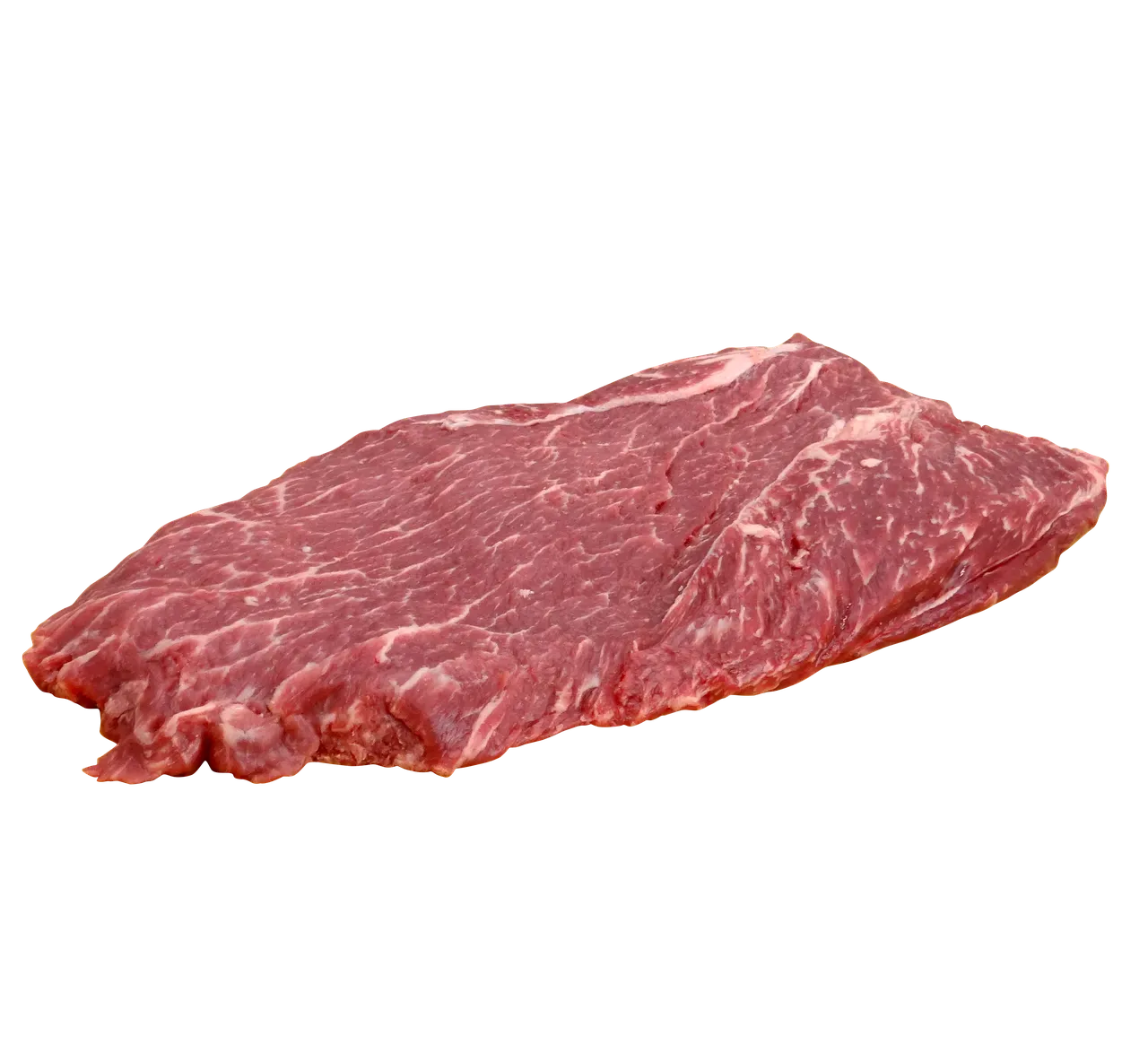
Flat iron steak may be the best-kept secret in the meat industry, with butchers and beef experts having long favored it for its incredible tenderness, and this cut comes from the shoulder area, specifically from the chuck primal, which is normally known for tougher cuts. That’s what makes this one so surprising.
Often mistaken for flank steak, the flat iron steak comes from the shoulder of the cow, cut off the blade, and flat iron steak is a lean and tender steak option that butchers like to . There are only six to eight pounds of it available per cow, which keeps it genuinely rare. With its uniform thickness, flat iron steak is incredibly versatile and you can sear it, smoke it, grill it, marinate it, use it with a dry rub, slice it up for sandwiches, or enjoy it on its own.
Here’s the thing: flat iron is the second most tender cut just after filet mignon, with no connective tissues and very fine grain, possessing rich marbling making it amazingly buttery and juicy. Second most tender on the entire animal, sitting quietly in a section most people associate with tough pot roast. That’s the kind of irony butchers quietly enjoy.
3. Spinalis Ribeye Cap: The Crown Jewel
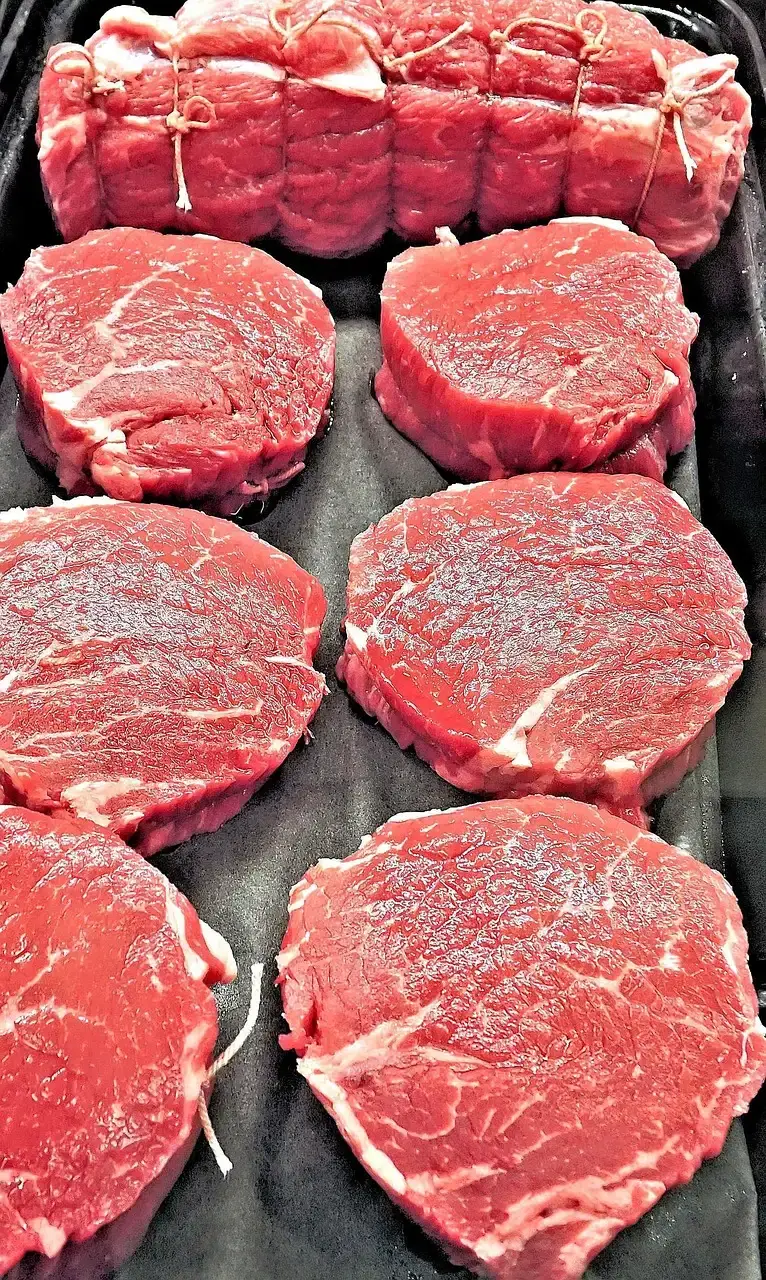
The ribeye cap, also known as spinalis dorsi, delivers exceptional marbling, exquisite flavor, and extraordinary tenderness, sitting on top of the ribeye and making that steak so special, and it is very sought after yet rare to find. If you’ve ever eaten a full ribeye and noticed one side tasted impossibly better than the other, you’ve already met this cut. That better side was the spinalis.
Most butchers know this is the crown jewel of beef, which is exactly why they often set it aside for their own dinner tables rather than putting it out for sale, and it is almost as tender as the tenderloin, but has every bit the flavor of a ribeye, meaning you’re getting the butter-soft texture of filet mignon with the rich, beefy punch of a ribeye.
The ribeye cap comes from the outer muscle of the ribeye, and while ribeye steaks are popular, the cap itself is rarely separated for sale because of its small yield, just a few ounces per rib primal. In high-end steakhouses, it often commands a premium price when served as “ribeye cap steak.” Finding it on its own at a regular butcher counter is genuinely a small victory.
4. Denver Steak: The Chuck Surprise
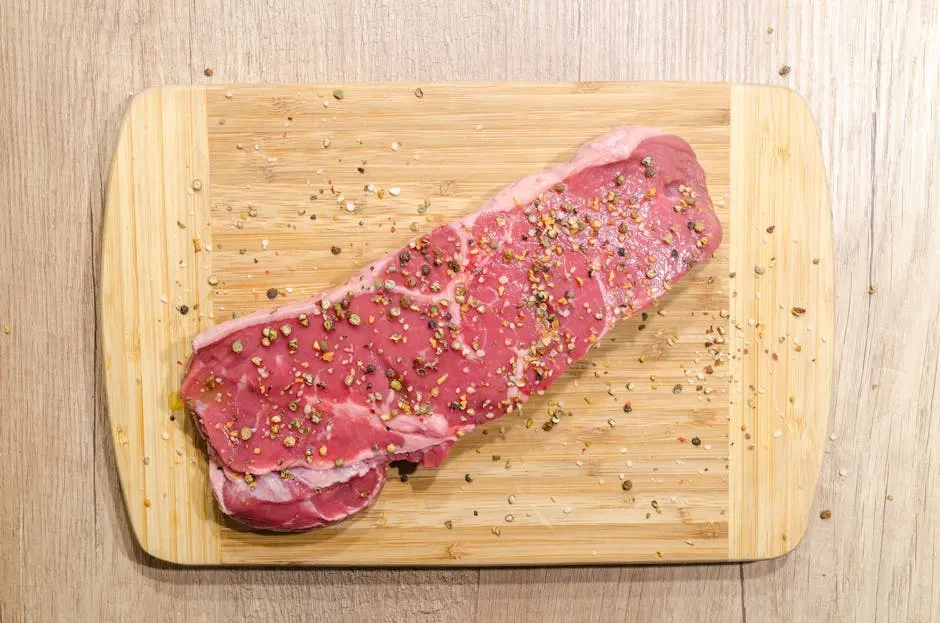
Most people hear “chuck” and mentally file it away under “slow cooker fodder.” That assumption is exactly what makes the Denver steak such a remarkable find. The gorgeous marbling catches the eye from the butcher counter, shaped like a top sirloin but displaying as much intramuscular fat as a New York strip or ribeye, and most people assume anything from the chuck will be tough, but the Denver steak breaks all the rules, with enough intramuscular fat to keep the meat juicy as it cooks.
The Denver steak is a great little steak buried in the chuck portion of the steer, and while most of the chuck is fairly tough and great for pot roasts, there are a few small muscles tucked away that are very tender and flavorful, with Denver steaks coming from under the shoulder blade as part of the serratus ventralis muscle, and it is a tough cut to get to but a skilled butcher will be able to extract it.
It is known to be the fourth most tender piece of a steer, making it juicy and exploding in flavor. The reason you don’t see the Denver steak much is because it is difficult to break down, and it is easier to use for ground beef. Only a butcher who genuinely knows their craft will bother.
5. Teres Major: The Petite Tender Nobody Talks About
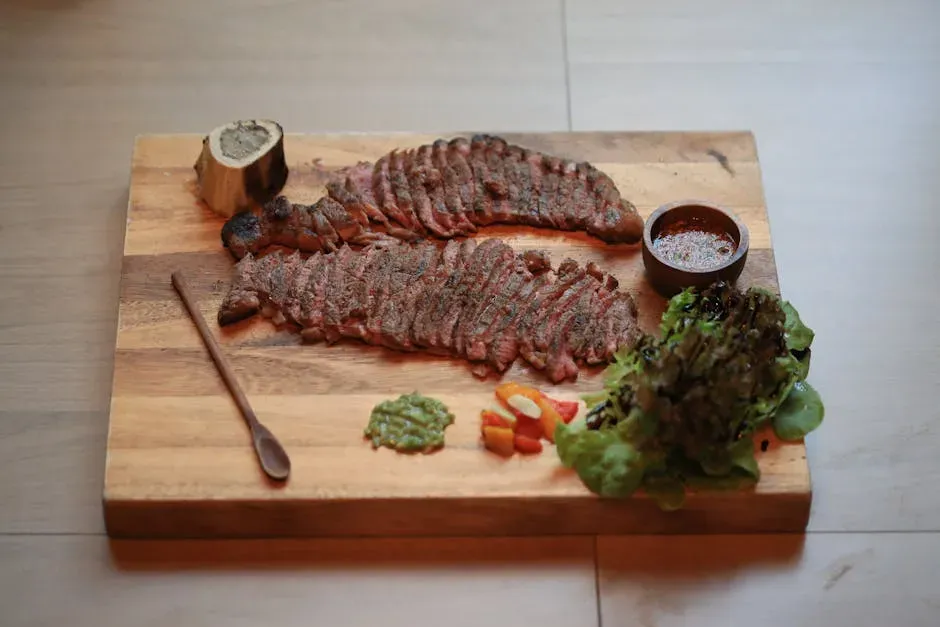
Let’s be real, the name “teres major” sounds more like an anatomy class than a dinner option. Teres major, sometimes nicknamed the “petite tender,” is a small muscle from the shoulder clod, and at just about one pound per animal, its limited yield explains its rarity in retail cases, but texture-wise it rivals filet mignon in tenderness, though it is more affordable when available.
The teres major muscle is a lean cut of beef from the chuck section of a cow, located right below the front leg and mostly known only by skilled butchers, and roughly the size of a pork tenderloin, it is the second or third most tender cut, next to tenderloin and ribeye. So you’re essentially getting near-filet-mignon tenderness from what most people would just grind up.
To retrieve the teres major requires a lot of work and superb butchering skill, with each animal only yielding two pounds, and the effort required means most commercial operations skip it entirely. According to butchers, demand from fine dining kitchens usually keeps it out of general circulation. Ask your butcher nicely. Maybe bring coffee.
6. Picanha: The Brazilian Butcher’s Pride
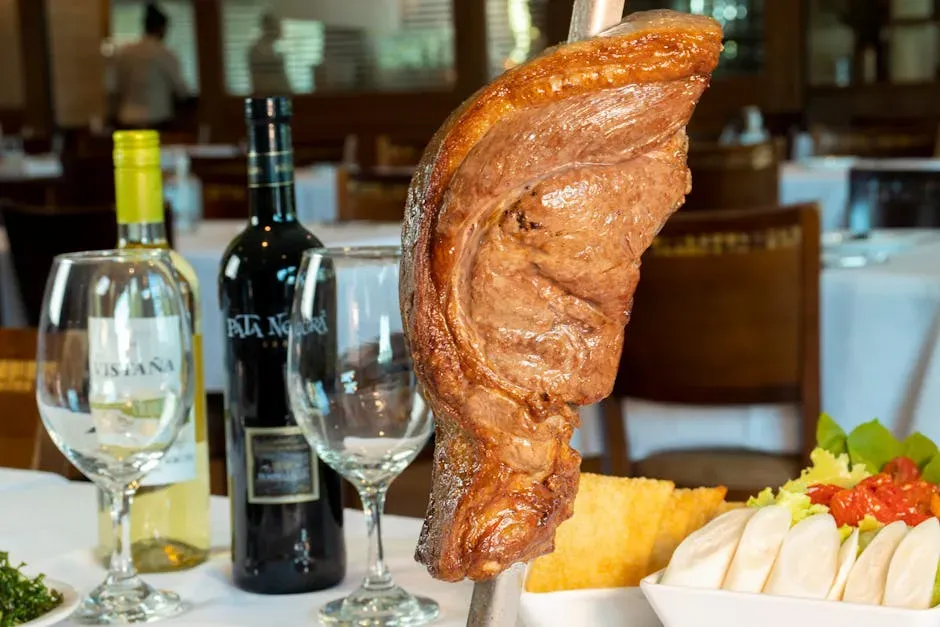
If you’ve been to a Brazilian churrascaria, you’ve tasted this and probably didn’t know what to call it. Hugely popular in Brazil, the rump cap or picanha is one of the most flavorful cuts you can find, and it is a flat, triangular, boneless cut taken from the cap of the top sirloin. The thick fat cap on top is not optional. It’s the whole point.
Picanha is a flat, triangular, boneless cut taken from the cap of the top sirloin with a distinctive thick cap of fat. The cut has surged in popularity recently, with the fat cap recognized as a source of incredible flavor and juiciness, and the rise of Brazilian steakhouses has introduced American diners to its greatness, though you won’t find this cut in most butchers in the U.S.
Picanha can be a steal, but only if you find it at a Brazilian butcher or specialty shop, though in mainstream grocery stores it’s often marked up as a premium cut, and butchers who understand this cut’s true value often keep it for themselves. It’s a cut that rewards anyone patient enough to seek it out.
7. Oyster Steak: The Hardest Cut to Get
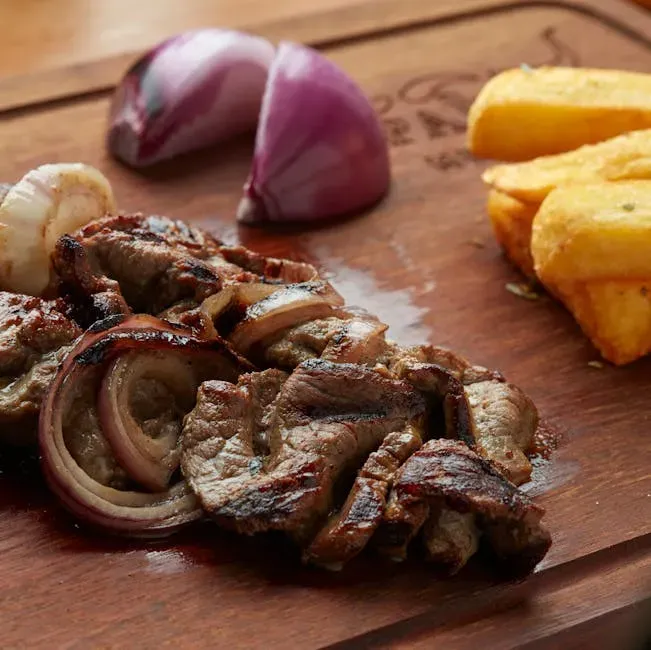
There’s a reason this one carries a dramatic name. Its name was given due to its looks: the intramuscular fat looks like a cool spider web, the overall shape resembles an oyster, and this cut is found in the inner part of the cow’s hip bone, quite rare to find but filled with awesome natural flavor and quite a bit of marbling.
There are only two oyster steaks in a cow, and each weighs about eight ounces, and it’s the hardest cut for butchers to get to, as it cannot be removed until the entire cow is de-boned, adding yet another layer to why it’s so rare to see. Honestly, that level of effort alone explains why it rarely makes it to the display case.
Butchers often keep the oyster steak aside because of its tenderness and flavor, with a marbling pattern resembling an oyster shell, and when grilled, it delivers a surprisingly juicy bite comparable to premium cuts. Cooked to a good medium-rare finish, it is one of the most interesting cuts of beef you can try, chewy but at the same time tender, comparable to a New York strip steak but with more of a beefier flavor.
8. Tri-Tip: California’s Best-Kept Secret
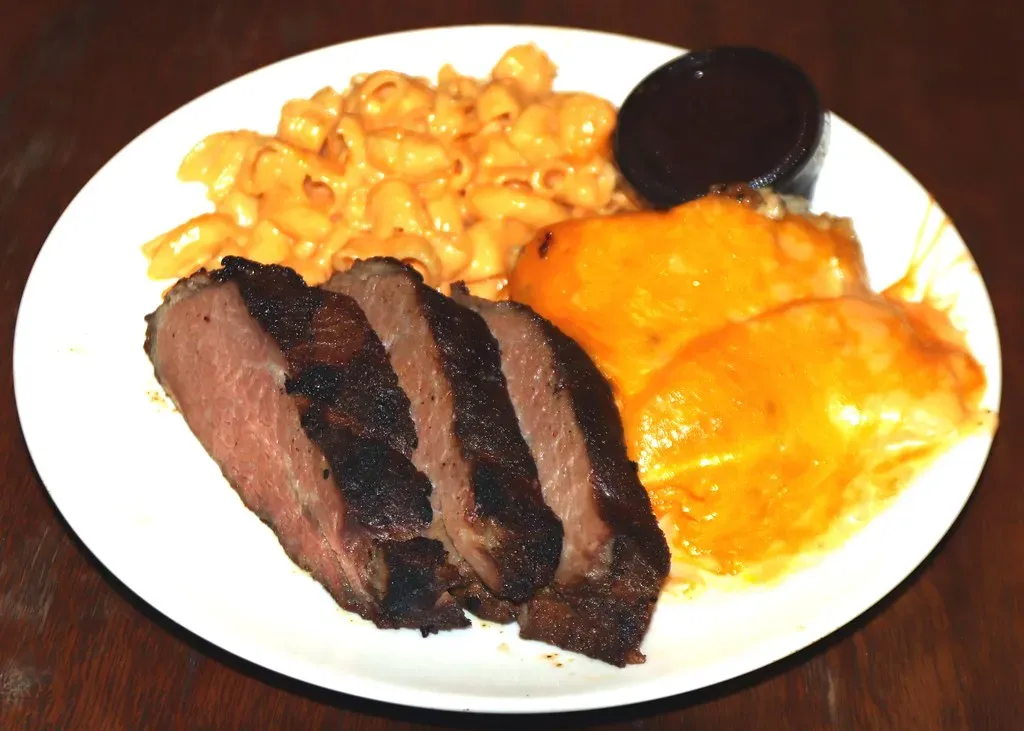
Outside of California and the American Southwest, remarkably few people have ever heard of this cut. Inside those regions, it’s practically a religion. This California cut originated in Santa Maria and it’s been a rarity at the butcher until recently, but it’s quietly gaining popularity, and it is called by many names such as a California cut, a Santa Maria steak, a Newport steak, a triangle steak, a bottom sirloin butt, and also a “poor man’s brisket” because the flavor and texture is similar to a brisket but at a fraction of the cost.
The tri-tip, a triangular cut from the bottom sirloin, was popularized in California’s Santa Maria Valley in the 1950s, weighing about one and a half to two and a half pounds per cut, and despite its rich beefy flavor and moderate marbling, it is still underrepresented outside the U.S. West Coast.
It is often referred to as a “Poor Man’s Brisket” as it grills fast like a steak but cuts like a brisket, making it a faster and cheaper alternative, and tri-tip is versatile and takes well to both wet and dry rubs, with a desirable flavor profile that makes a great roast and can also be portioned into steaks for a quick grill-up. Knowledgeable butchers appreciate this versatility and often grab these cuts for their own barbecue adventures.
9. Bavette (Sirloin Flap): The French Connection
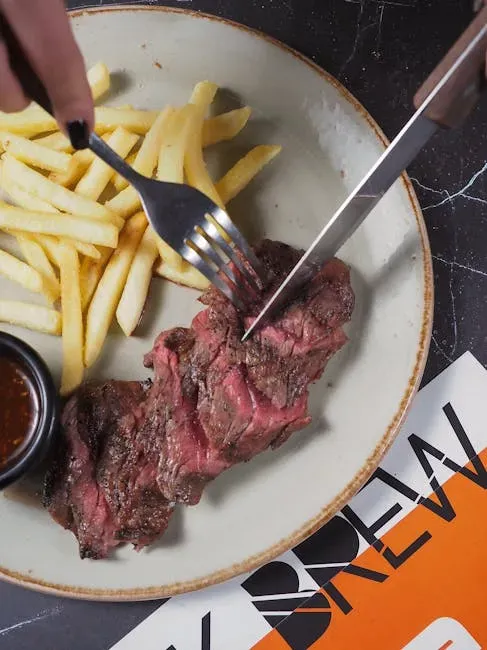
This cut, which means “bib” in French, is a crescent-shaped flap of meat from the front of the cow that when whole will run about four to five pounds, and while you will more likely see it cut into steaks, it has a rich, intense beefy flavor and wonderful toothsome chew, similar to skirt steak.
Flap meat comprises the bottom part of the sirloin, lays across the belly of the steer in the short loin section, and looks like a slightly wider and thicker skirt steak, with a wonderfully rich flavor and, when prepared correctly, a satisfying chew, making it a great alternative to hanger, skirt, and flank steaks, which sell out quickly during grilling season.
The bavette, sometimes referred to as flap meat, comes from the flank and is typically one of the most inexpensive cuts of beef available. Inexpensive and incredibly flavorful. That’s a combination butchers have quietly been taking advantage of for years, treating it like their personal weeknight steak while charging customers top dollar for less interesting options up front.
10. Chuck Eye Steak: The Poor Man’s Ribeye
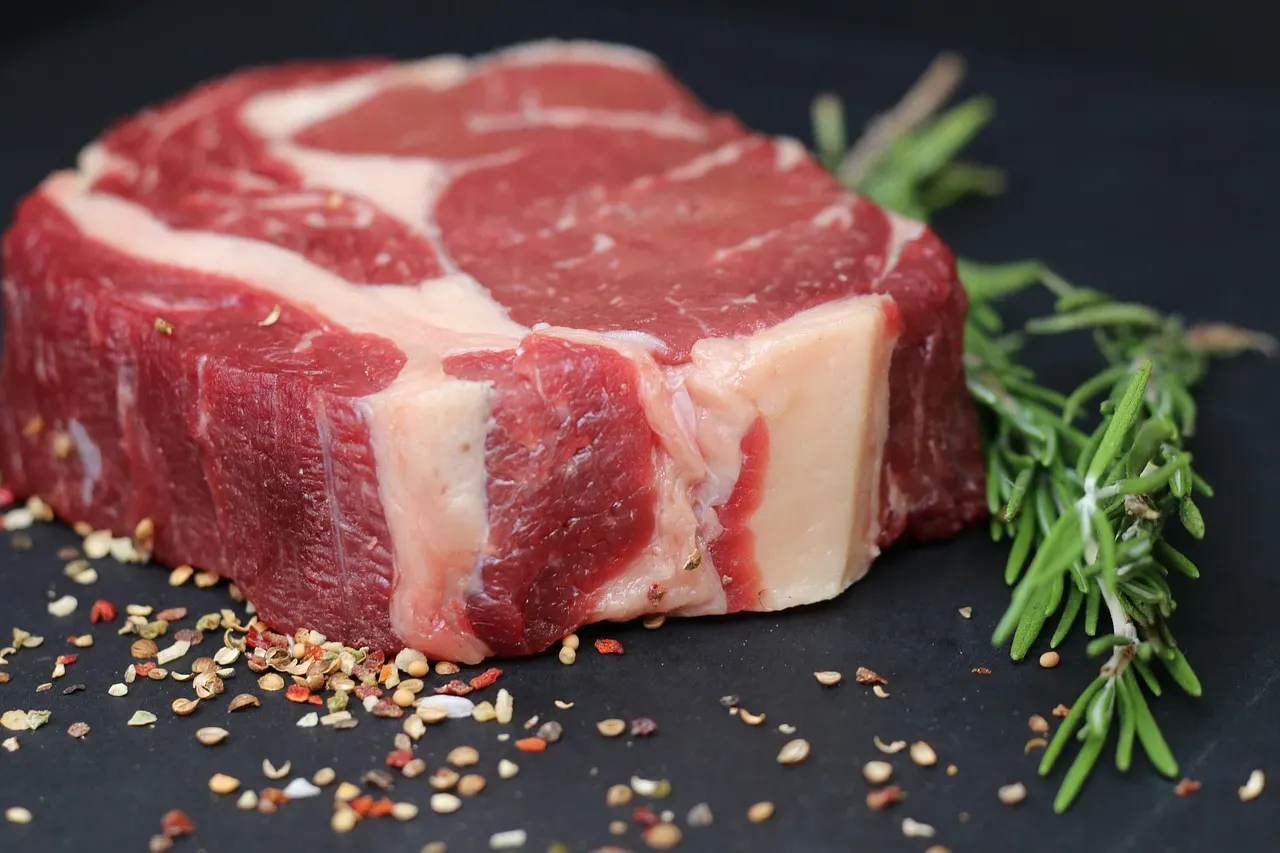
I know it sounds crazy, but there is a steak sitting right next to the ribeye on every single cow that most people have never tried. The chuck eye steak, cut from the fifth rib section of the chuck, sits adjacent to the ribeye, and because it shares many of the same muscles, it delivers a similar flavor and tenderness profile but at a significantly lower price point, with only two chuck eye steaks per side of beef, making availability scarce.
The chuck eye is known as the poor-man’s ribeye, and it is “the beginning of ribeye,” sitting so close to the ribeye family that you can actually get away with some ribeye flavor without the ribeye price point. There are technically only two chuck eye steaks per cow, and as one butcher noted on Reddit, “few butchers are going to break out an entire chuck just to cut you a few eye steaks.”
Many butchers prefer to leave it as part of roasts instead of selling it separately. Which means it quietly disappears into a Sunday pot roast when it could have been someone’s best steak dinner of the year. The missed opportunity is almost painful to think about.
11. Secreto: The Pork World’s Hidden Treasure
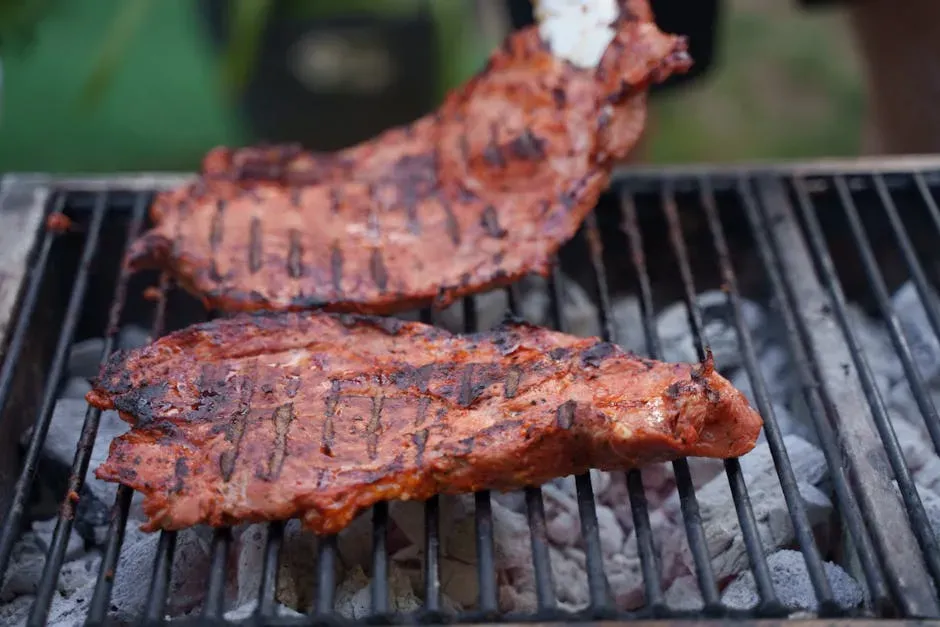
Everything about this cut, including its name, tells you it was designed to stay under the radar. The Secreto is an aptly named sneaky cut, really just the skirt steak of the pig, laying over the belly next to spare ribs, often removed before bellies are turned into bacon, and it looks just like a beef skirt steak but smaller at four to six ounces, benefiting from being tenderized and cooked as quickly as possible over high heat for one to two minutes per side.
Secreto, meaning “secret” in Spanish, comes from the thin, marbled muscle hidden between the shoulder blade and loin of Iberian pigs. The word “hidden” in that description is doing a lot of heavy lifting. This cut is genuinely tucked away inside the animal in a spot most processors never bother to isolate.
Much like the skirt steak on a cow, the secreto benefits from being tenderized and cooked as quickly as possible over high heat, about one to two minutes per side on a ripping hot pan, then sliced across the grain and thrown over a salad, tucked into fajitas or tacos, or enjoyed on its own next to some grilled vegetables. Small in size, enormous in flavor.
12. Flanken Short Ribs: The Global Insider Cut
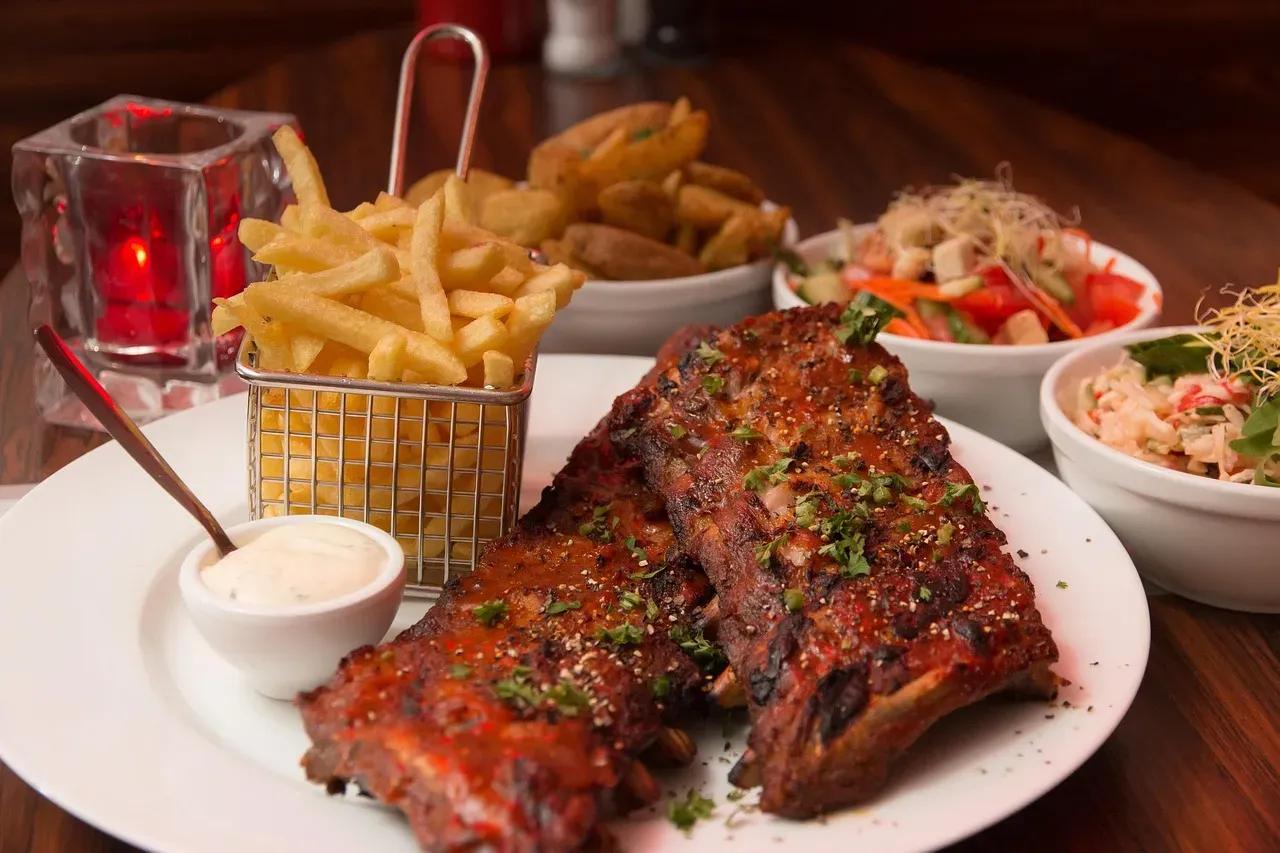
Short ribs are not exactly unknown. Flanken short ribs, however, are a completely different animal, so to speak. These ribs are not the most popular cut in the U.S. but are widely popular in countries like Argentina, Korea, and Uruguay, and they are different because they are cut across the bones and thinner, so each slice has quite a bit of bone and where there is bone there is flavor, and this cut needs to be cooked in high heat with a bit of caution as they are easy to overcook.
When tasted, this cut drips fat everywhere, and as soon as it hits your mouth you can feel drops of amazing fat, with the texture being a bit chewy due to the amount of bone around it, which makes it quickly become a favorite. The bone-to-meat ratio here works in your favor in a way that most American cuts simply don’t offer.
Craft cuts, also known as butcher cuts, are commonly used for ground meat or are just not harvested at all because it’s too labor intensive and too hard to get to, making them unprofitable for big industrial slaughterhouses, but butchers that still break down whole animals by themselves know just where some of the tastiest meat is on every cow and traditionally keep these cuts to themselves. Flanken ribs are a perfect example of a cut that rewards anyone willing to look beyond what’s on display.
Conclusion
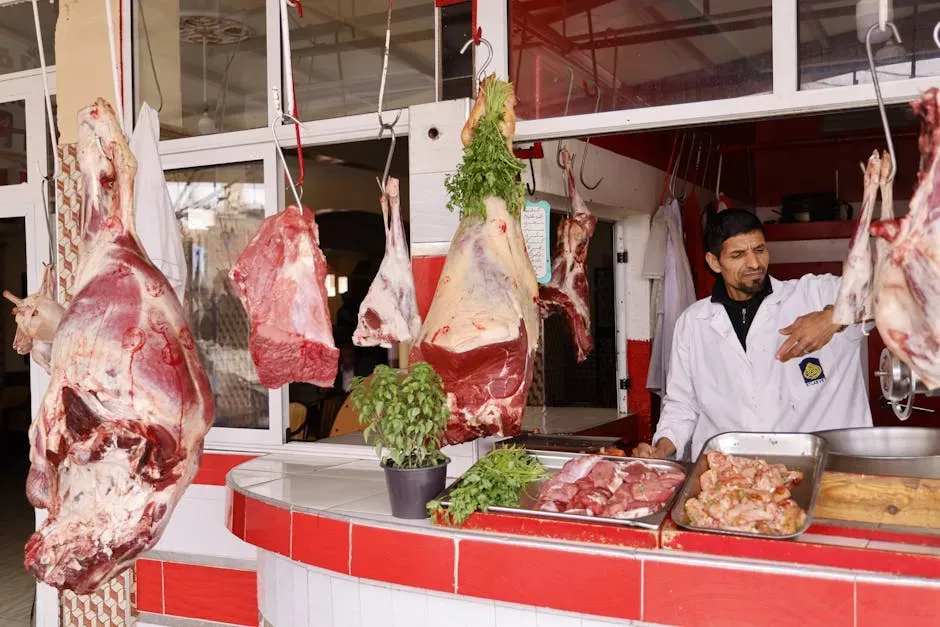
Here’s what all twelve of these cuts have in common: they require knowledge, skill, and a butcher who actually cares. Butcher’s cuts are like the secret handshake of the steak world, a way to unlock delicious, flavorful, and potentially affordable steaks you might not have known about, and they may require a little extra knowledge about cooking methods or a friendly chat with your butcher, but the payoff is a truly unique steak experience.
According to data from the National Cattlemen’s Beef Association, the U.S. beef carcass can be broken down into more than 60 individual retail cuts, but only a fraction typically make it to mainstream markets. That leaves a staggering number of genuinely spectacular cuts sitting quietly in the back room, destined for ground beef or the butcher’s own dinner table.
The next time you’re standing at the counter ordering your usual ribeye, maybe glance toward the back and ask what else they’ve got. You might be surprised what a butcher suddenly “remembers” they have when you know the right names to ask for. What do you think – did any of these cuts surprise you? Drop your thoughts in the comments.