
Every week, millions of Americans walk into a grocery store with the best of intentions and walk out having spent far more than they planned. It is not just inflation doing the damage, though that is certainly real. Food prices are up roughly a third since 2019, and that pressure is relentless. Still, a surprising slice of what households lose at the checkout has nothing to do with the price tag and everything to do with habits.
The mistakes are quiet, almost invisible. A forgotten list here, an eye-level brand there. A rotisserie chicken grabbed on the way out. None of it feels like a crisis in the moment, but the numbers tell a different story. Let’s dive in.
Table of Contents
1. Tossing Food You Already Paid For
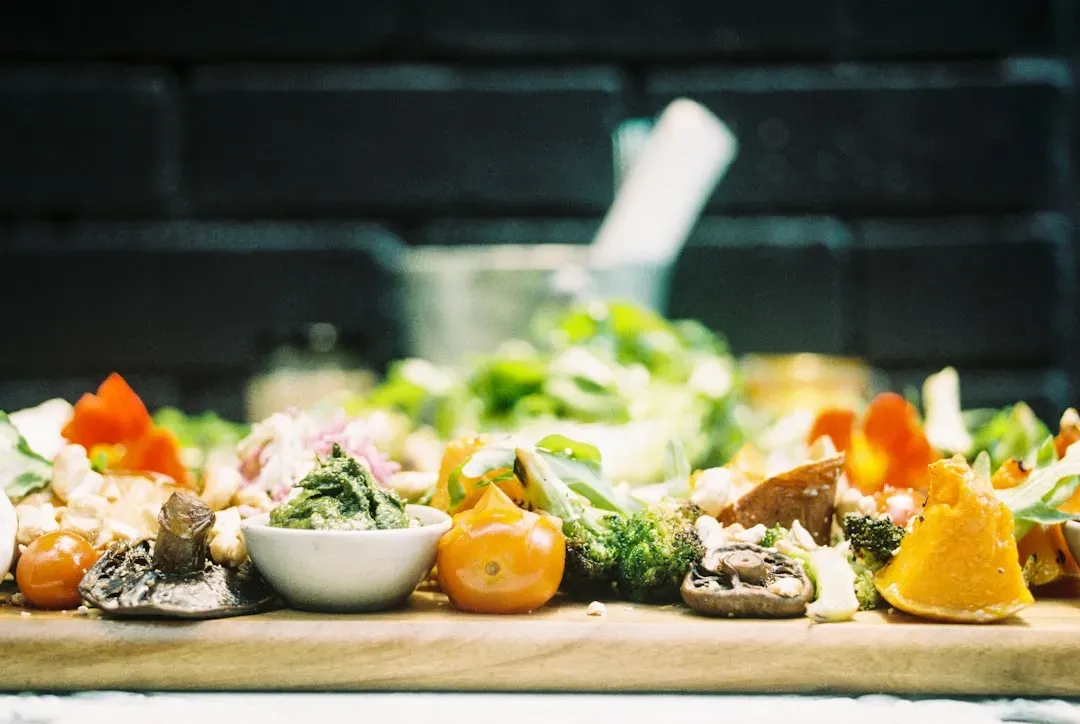
Here’s the thing: throwing away food is not just an environmental problem. It is a direct drain on your wallet, and the numbers are genuinely shocking. A report from the U.S. Environmental Protection Agency estimates the cost of food waste to each U.S. consumer at $728 per year, roughly $14 per week. For a family of four, that figure climbs dramatically.
The EPA finds the cost of food waste to each U.S. consumer to be $728 per year, and for a household of four, the annual cost reaches $2,913, with an average weekly cost of $56. That is not a rounding error. That is nearly three thousand dollars literally going in the bin.
Nearly one-third of food in the U.S. is lost or wasted, according to research from U.S.-based nonprofit ReFED. Think about that the next time you toss a bag of wilted spinach. The fix is simple in theory but requires discipline: shop with meals in mind, freeze before things expire, and use what you buy before buying more.
2. Shopping Without a List or a Plan
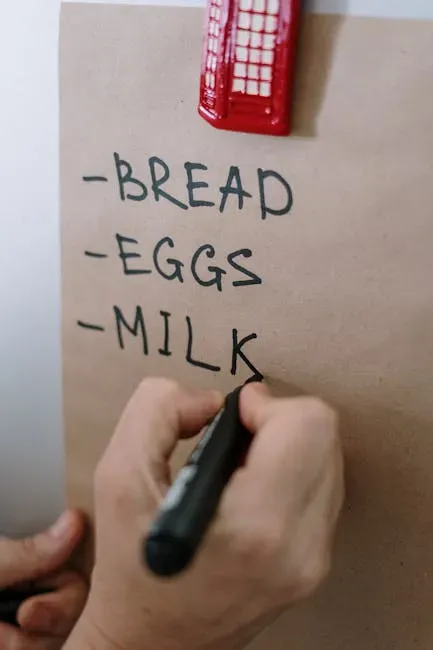
Grocery stores are not designed for casual browsing. They are engineered environments built to maximize how much you spend. Walking in without a list is essentially handing the store permission to spend your money for you. A Progressive Grocer consumer study from 2025 found that roughly a third of shoppers enter the store with no plan at all.
Impulse buying accounts for up to 62 percent of grocery sales revenue, and up to 80 percent in some product categories. That statistic is staggering when you sit with it. Even shoppers who do bring a list are not immune. Products placed at eye level, end-of-aisle displays, and the intoxicating smell of fresh bread near the entrance are all deliberate tactics.
Grocery shopping after work when hungry is the highest-impulse state for most people, and the grocery industry knows this, which is why checkout areas are designed to maximize impulse purchases from exhausted, hungry shoppers. The practical takeaway: write your list before you leave home, eat something first, and do not deviate from the plan once you are inside.
3. Paying Name-Brand Prices for Identical Products
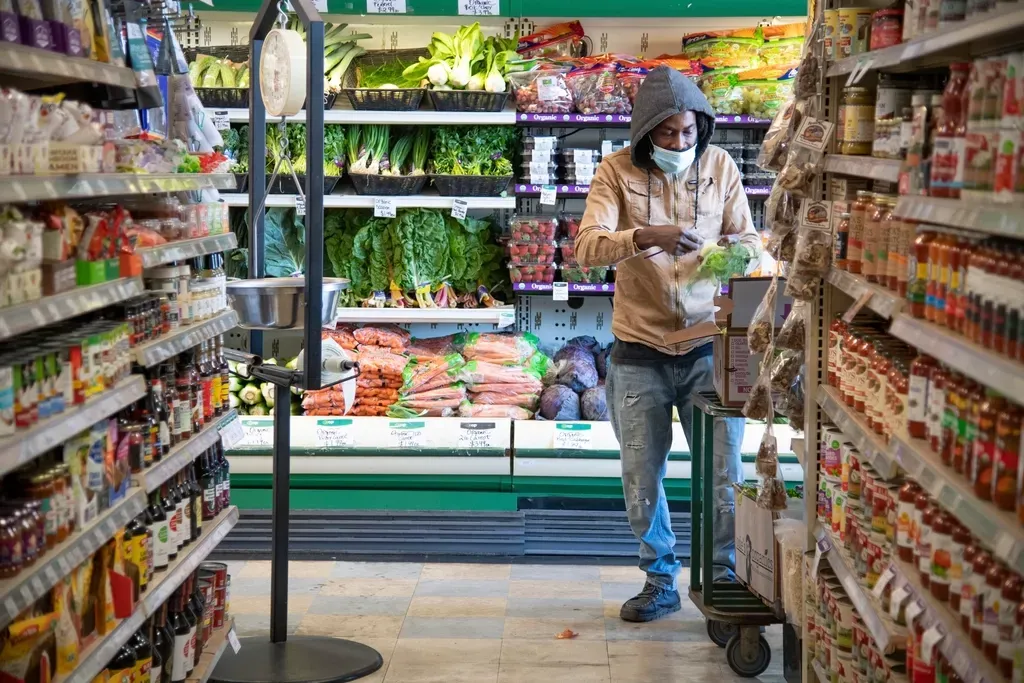
This is a costly habit that is easier to break than most people think. The assumption that a name-brand product is automatically better is largely a marketing fiction. Many generic products are made by your favorite national brand, in the same plant and from the same farm or manufacturer, but are packaged in a less flashy way.
Making the swap to generic brand items could reduce your grocery spending by a significant amount, as most generic products are about 40 percent cheaper on average than their name-brand counterparts, with some estimates placing savings at around $500 a year on dinner ingredient shopping alone. That is real money sitting on the shelf next to the branded version.
In 2025, total sales of store brands reached $282.8 billion, an increase of $9 billion year-over-year and a new record across brick-and-mortar and online supermarkets. Millions of shoppers have already made the switch. Using average cost per unit, in a store-wide price comparison between store brands and national brands, it is estimated that U.S. consumers save more than $40 billion a year on grocery and household purchases by opting for the store brand. The smart money is clearly moving.
4. Making Too Many Trips to the Store

More trips almost always means more spending. Every time you walk through those doors, you are exposed to thousands of products competing for your attention and your dollars. The average American consumer visits the grocery store once every 4.7 days and spends 46 minutes shopping. That frequency adds up fast.
Nearly half of survey respondents reported shopping weekly, while roughly 30 percent make two to three trips per week. Each extra trip is another lap through a space meticulously designed to extract spending. You go in for eggs, you come out with eggs, two types of chips, and something “on sale” that you did not need.
I think the most underrated grocery habit change anyone can make is simply consolidating their trips to once a week, max. Batch your meals, batch your shopping, and you immediately reduce your exposure to impulse zones. It sounds almost too boring to work, but the savings are surprisingly real.
5. Ignoring the Hidden Cost of Grocery Delivery
Delivery feels like a luxury that saves time, but what it is actually doing is costing you more than almost any other grocery habit on this list. Spending on grocery delivery topped $100 billion for the first time in 2024, fueled by demand for convenience, meal kits, prepared food services, and online grocery platforms. That is a colossal industry built on one thing: the willingness to pay a premium for not going to the store yourself.
Consumers who order groceries for delivery are projected to spend $2,310 in 2026, and that figure does not fully account for delivery fees, service charges, and tips that stack up silently on every order. Home cooking costs roughly four to six dollars per serving, while a delivery order runs fifteen to twenty-five dollars or more after fees and tip. Replacing just two delivery orders a week with home-cooked meals could save $1,456 a year.
Honestly, delivery does have its place for genuinely time-constrained moments. The problem is when it becomes the default, not the exception. The use of grocery delivery services in 2024 rose dramatically compared to 2022, with what began as a pandemic safety measure becoming a default that drains budgets. Convenience is wonderful until you see the annual total.
6. Falling for Shrinkflation Without Noticing
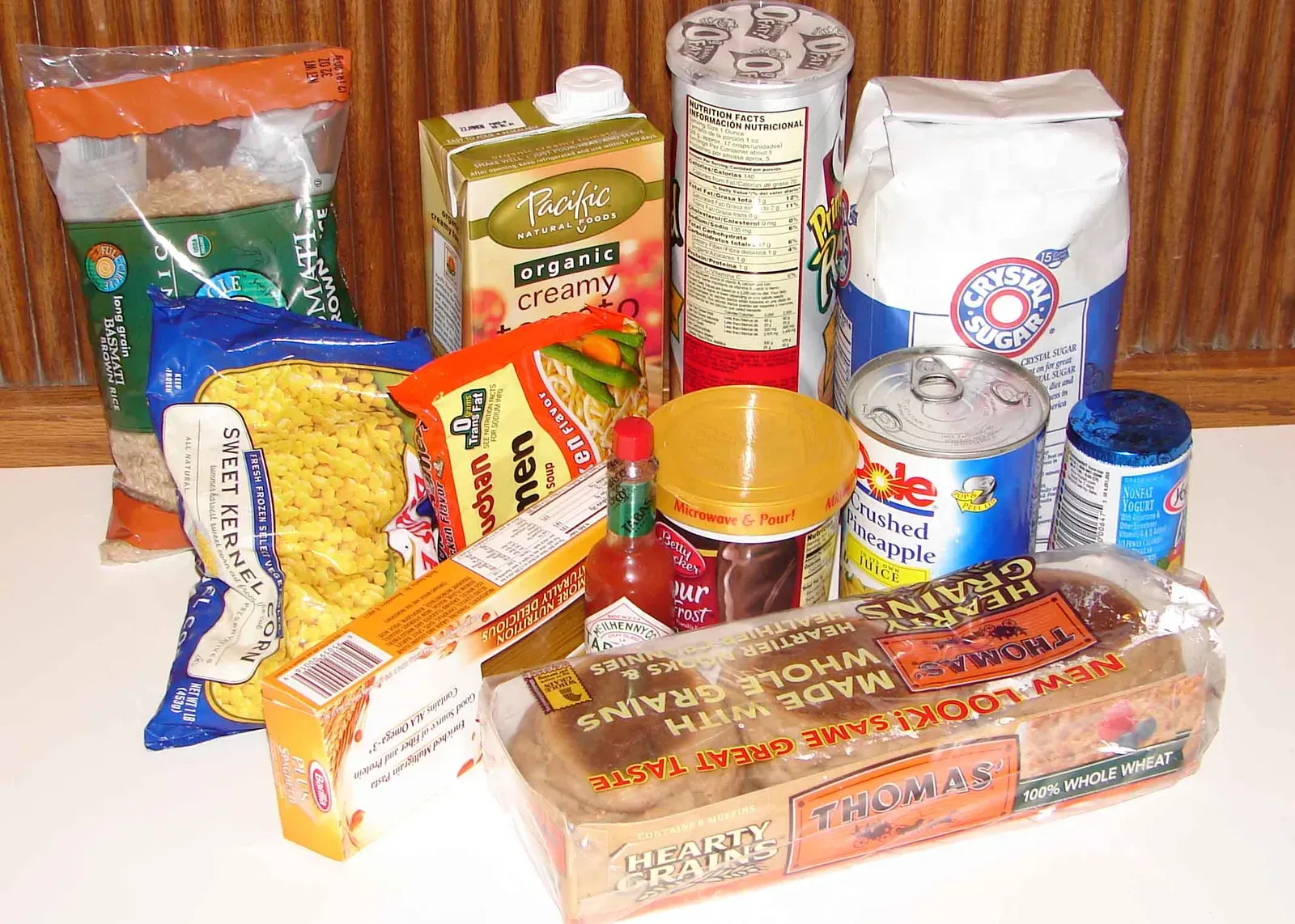
Prices are not the only thing that has changed since 2019. The amount of product you get for the same price has quietly shrunk too, and most shoppers never notice. This is known as shrinkflation, and it is one of the most effective ways food companies pass cost increases to consumers without triggering outrage at the register.
According to the Consumer Price Index 2024 review, food prices increased 2.5 percent, with a 1.8 percent rise in costs for food at home. Furthermore, the Federal Reserve Bank of St. Louis noted food prices have jumped nearly 30 percent since 2019. Some of that jump is visible in shelf prices. Some of it is hiding inside smaller packages with the same price tag.
The defense against shrinkflation is simple: check unit prices, not total prices. Most grocery shelves list a price per ounce or per unit alongside the item price. About 15.6 percent of shoppers always compare retailer prices, and another roughly quarter often do the same. That still leaves the vast majority of shoppers vulnerable. Train yourself to look at the small print, not just the big number.
7. Skipping Loyalty Programs and Coupons

Not using a store’s loyalty program in 2026 is roughly equivalent to leaving cash on the counter at checkout. These programs have become significantly more sophisticated, and the rewards are real. Data from retail analytics company 84.51° shows that roughly seven in ten consumers in November 2024 reported looking for sales, deals, and coupons more often than they had earlier in the year.
Discounts and deals reign supreme among cost-conscious shoppers, with roughly two thirds shopping during sales and nearly six in ten using coupons to save money. Those who skip these options are simply subsidizing the savings of shoppers who do not. It requires a little planning but almost zero effort once you are in the habit.
The best credit cards for groceries offer generous rewards, typically between 1.5 and 6 percent back on supermarket purchases, and for the average household, that could mean saving hundreds of dollars each year on everyday essentials. Stack a cashback card on top of a loyalty program, and your weekly shop starts working for you instead of just against your bank balance.
8. Buying Pre-Cut and Pre-Packaged Convenience Produce
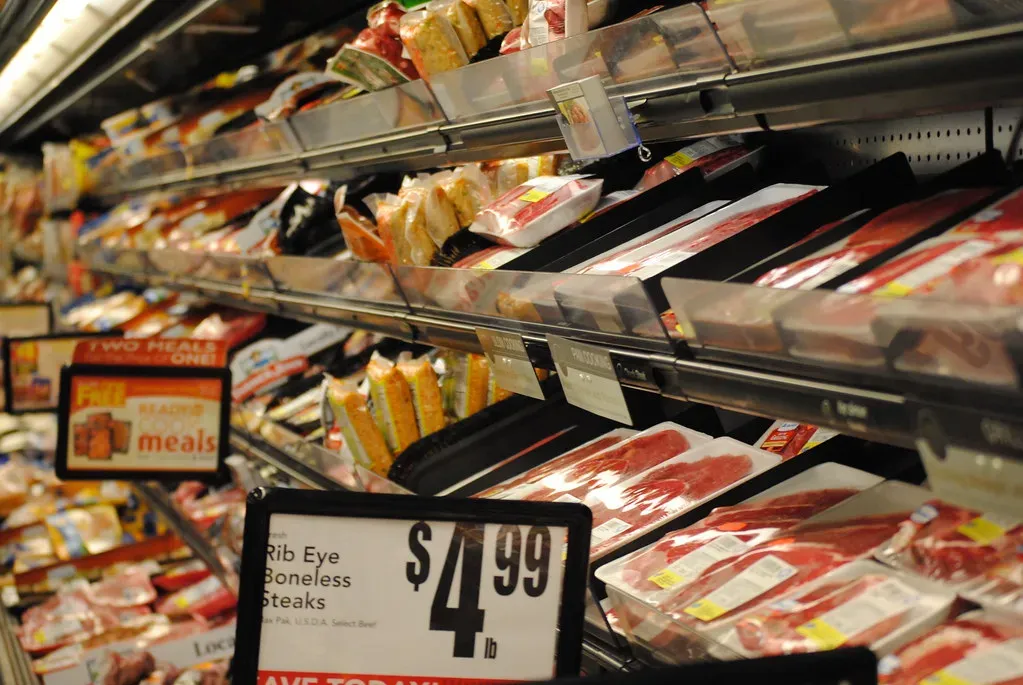
Pre-cut vegetables and pre-washed salad kits are one of the grocery industry’s most profitable product categories. They are genuinely convenient, especially on a busy weeknight. The price premium you pay for that convenience, though, is enormous relative to what you are getting.
A whole broccoli head typically costs a fraction of pre-cut florets sold in a bag. A block of cheddar costs considerably less per ounce than shredded cheddar in a resealable pouch. Food-at-home prices are predicted to increase 3.2 percent in 2025, compared to a 1.2 percent rise in 2024, which means the baseline cost of groceries is already climbing. Paying a convenience surcharge on top of that only compounds the damage.
The workaround is batch prep. Spend thirty minutes once a week chopping what you need. Store it properly, and you have the convenience of pre-cut without the markup. It sounds unglamorous, but your grocery budget will feel the difference almost immediately. Small shifts in how you buy produce can easily recoup a hundred dollars or more over the course of a year.
9. Buying Only at One Store Without Price Comparing

Loyalty to a single grocery store feels efficient, but it can quietly cost you a significant amount every year. Different stores genuinely do price the same items very differently. An overwhelming 75 percent of survey respondents said the primary reason for choosing one store over another is simple: it offers the best prices. Yet most shoppers stick to one store out of habit rather than strategy.
Aldi tops the list of most affordable grocery stores, with prices nearly 60 percent lower than some competitors for popular grocery items like milk, bread, eggs, and chicken breast. That is not a marginal difference. Over a full year of shopping, choosing the wrong store for the bulk of your basket could mean hundreds of dollars in unnecessary spending.
Half of respondents in a 2025 inflation survey reported shopping at two different stores each month, while about a quarter visit three or more – specifically to chase the best deals across categories. Meat might be cheapest at one store, produce at another, and pantry staples somewhere else. That behavior has only become more common in 2026. Strategic store-switching is now a core money-saving tactic, allowing shoppers to stretch their budgets further without adding much extra time – just a bit more planning.
10. Not Accounting for Cumulative Food Price Inflation
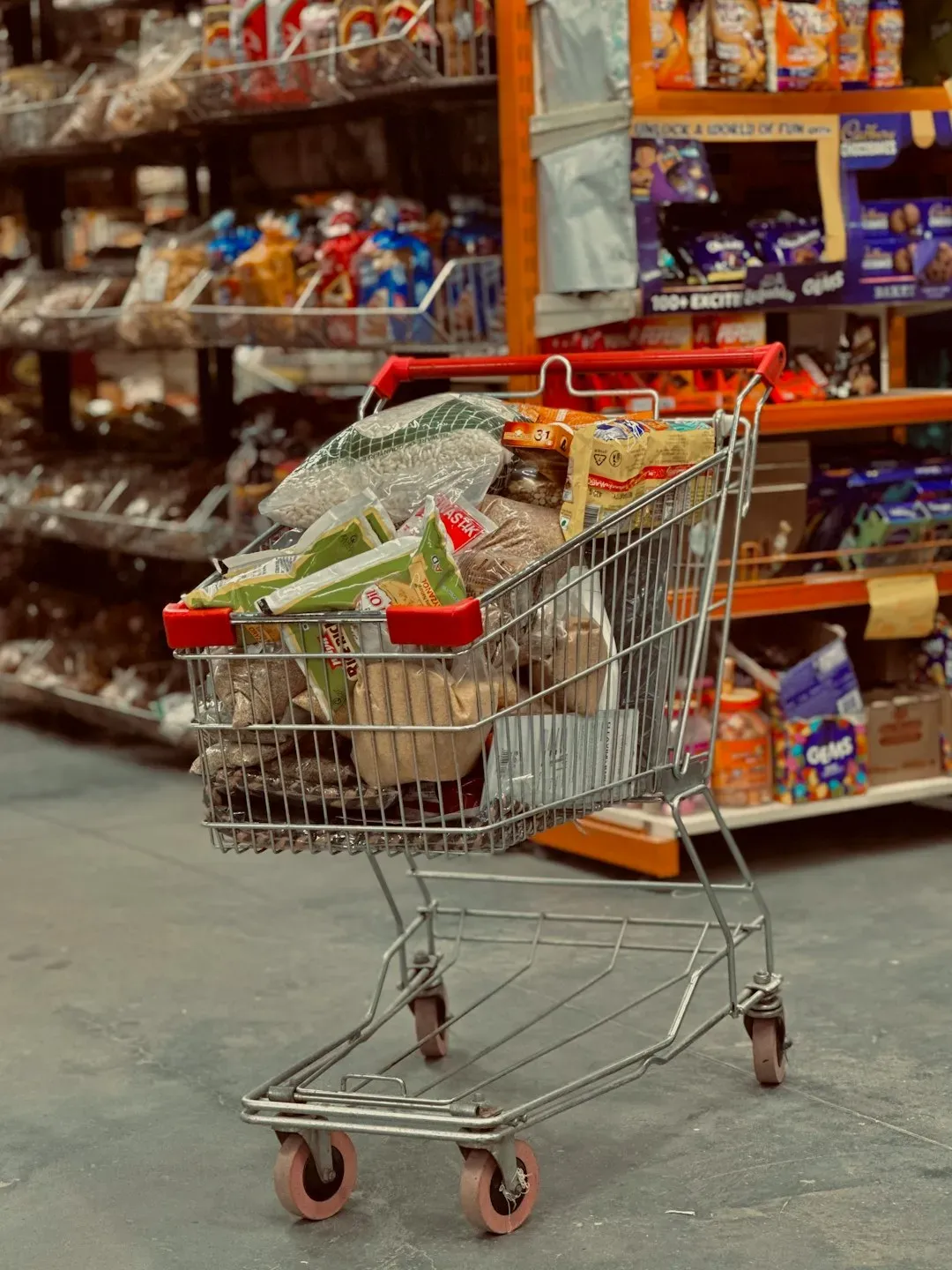
Perhaps the most insidious grocery mistake is not adapting your budget and shopping habits to reflect how dramatically the cost of food has changed in recent years. The average American spends over five hundred dollars on groceries per month, and grocery costs jumped more than 56 percent between 2014 and 2024. That is a staggering shift over a single decade.
Roughly half of U.S. shoppers who participated in a 2025 survey said they are spending more or much more on groceries than they did in 2024, while only about a third said their outlays were in line with the previous year. Yet most households have not meaningfully restructured how they plan, shop, or cook to account for this reality.
A remarkable 82 percent of Americans changed how they buy groceries in 2025. Only 5 percent plan to keep those changes long-term. That gap is telling. Most people tighten up when things feel painful, then drift back to old habits when the immediate pressure eases. The shoppers who consistently save money are the ones who treat frugal grocery habits not as a crisis response but as a permanent part of how they live. That shift in mindset is, honestly, the most valuable thing anyone can take away from all of this.
Conclusion
None of these ten mistakes require extraordinary willpower or a dramatic lifestyle overhaul to fix. They require awareness. Most households are losing meaningful money at the grocery store not because food is expensive, though it certainly is, but because of repeatable, fixable habits running quietly in the background every week.
A list, a plan, a willingness to pick up the store-brand oats instead of the famous tin: these things are small. Over a year, they compound into hundreds of dollars staying in your pocket instead of disappearing into the aisles. The grocery store is not going to remind you of any of this. That is entirely the point.
What’s the one grocery habit you know you’re guilty of but keep doing anyway?