
You walk into the grocery store, grab a cart, and head straight for the produce aisle. Everything looks vivid, glistening, perfectly arranged. The fish counter smells, well, a little more than you’d hope. The bread looks freshly baked. The apples shine like they just came off the tree. But here’s the thing – so much of what looks fresh in a modern supermarket has a longer, stranger history than you’d ever guess.
The gap between “looks fresh” and “actually is fresh” turns out to be enormous. From year-old apples to fish that’s been frozen, thawed, and relabeled, the supply chain behind your weekly shop is far more complex than the packaging suggests. Let’s dive in.
Table of Contents
1. Apples
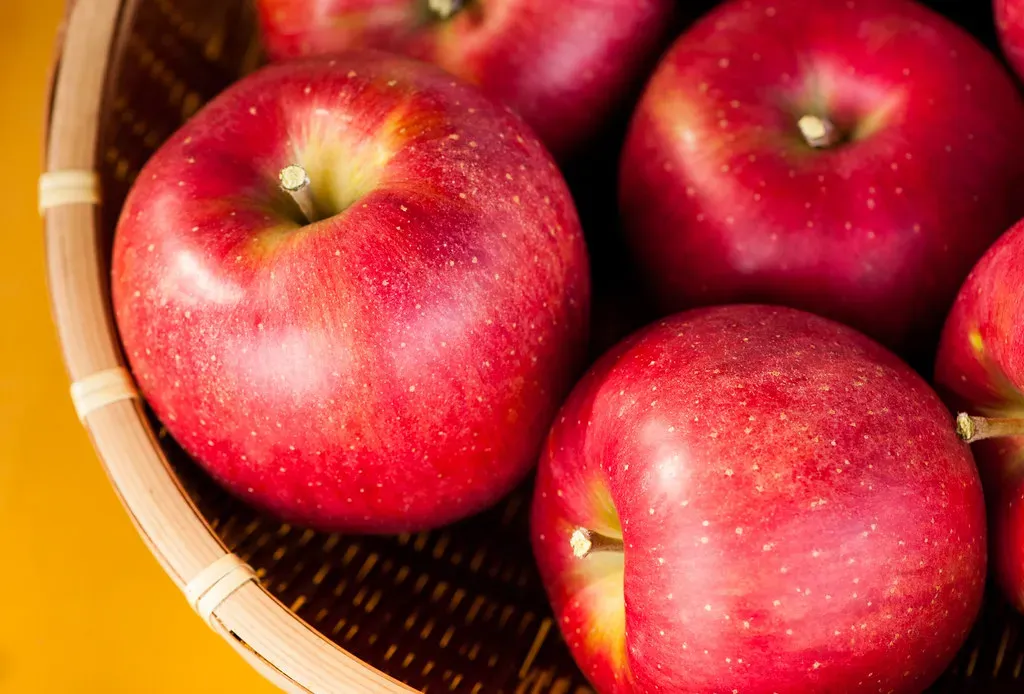
This one genuinely shocked me the first time I read about it. The apple you casually toss into your bag on a Tuesday in March might have been picked last autumn – or even the autumn before that. Controlled atmosphere storage, what some farmers actually call “putting the apples to sleep,” is used to keep fruit fresh until it’s ready to be sold. By regulating the oxygen, carbon dioxide, and nitrogen levels, along with temperature and humidity, the apples can remain in storage for up to a year.
Since apples are only harvested once a year in the U.S., chances are good that if you’re buying them year-round, at some point you’re biting into a several-month-old piece of fruit, minimum. Growers argue that there’s almost no loss of taste using these methods, and the science largely backs them up. Still, there’s something deeply odd about calling something “fresh” when it spent the better part of a year in a scientifically regulated sleeping chamber.
2. Fish at the Counter
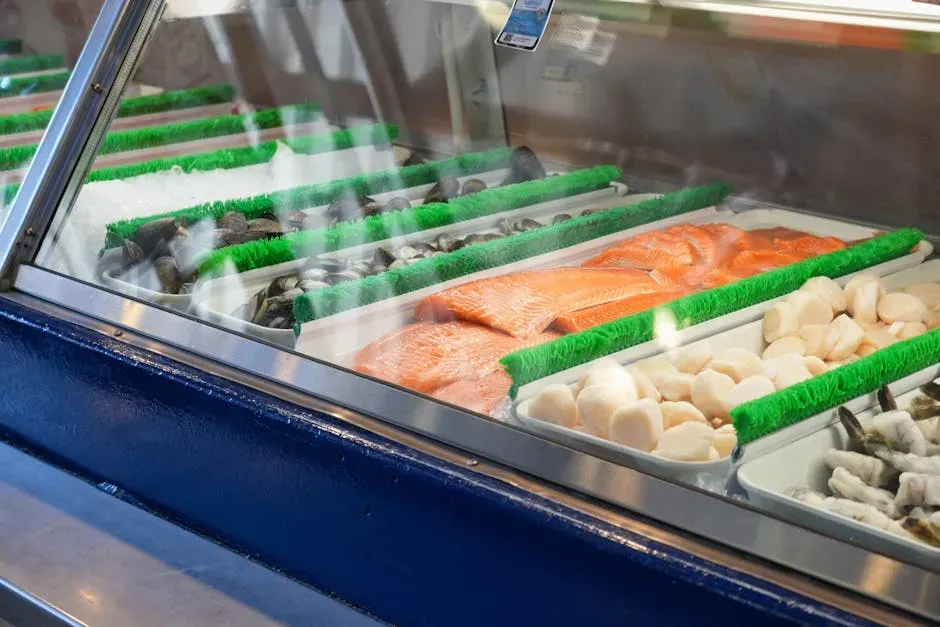
That beautiful fillet resting on ice at the fish counter may look like it came straight from the sea this morning. The reality? Ever wonder why grocery store fish counters smell distinctly fishy? It’s because of a molecule called TMAO. When fish die and are exposed to air, like in a fish counter display, this molecule begins to break down and create that unique stink. That smell is actually your first clue that something has been sitting out for a while.
Grocery stores import over 90% of the seafood they sell. Of the rest, most is farmed. That means true wild-caught American seafood, from well-regulated U.S. waters, is very rare – especially when it comes to salmon. A recent 2026 report from Inside Climate News made the situation even starker. Fraud in seafood ranges from fake shrimp made out of moulded starch-based compounds to frozen-then-thawed whitefish sold as fresh. So that “fresh” label on the counter? It deserves some healthy skepticism.
3. Salmon Labeled “Wild-Caught”
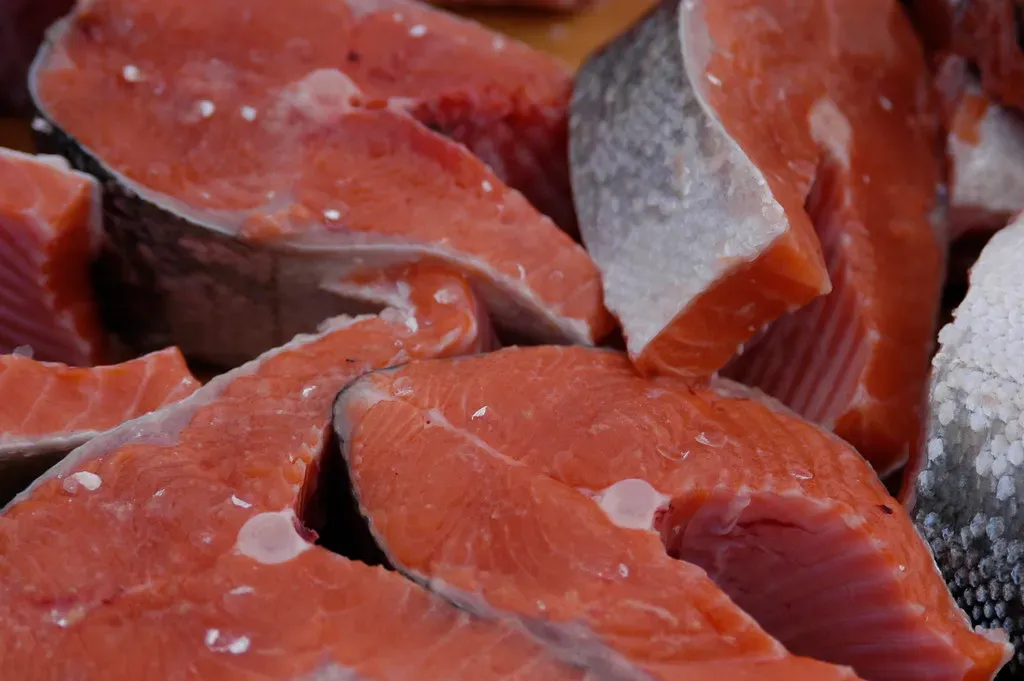
If you’ve been paying a premium for wild-caught salmon, this section is going to sting a little. The mislabeling of salmon is, frankly, a documented, widespread problem with serious consequences. In a report from the conservation group Oceana, researchers collected 82 samples of salmon labeled “wild” from restaurants and grocery stores in Chicago, New York, Washington D.C., and Virginia. The wild salmon from grocery stores was either fresh or previously frozen, and researchers gathered samples during the off-season and verified the fish using DNA analysis.
Almost half the salmon – 43% – was mislabeled, and 69% of that mislabeling was farmed Atlantic salmon being sold as wild. Another type of fraud involved labeling a cheaper species of salmon with a more expensive type, like pricey Chinook. A 2024 peer-reviewed study published in PLOS ONE went further, finding that farmed Atlantic salmon sold as wild-caught Pacific salmon carries a $10 per kilogram premium in North America. The financial incentive is enormous – and clearly, some sellers can’t resist it.
4. Tomatoes
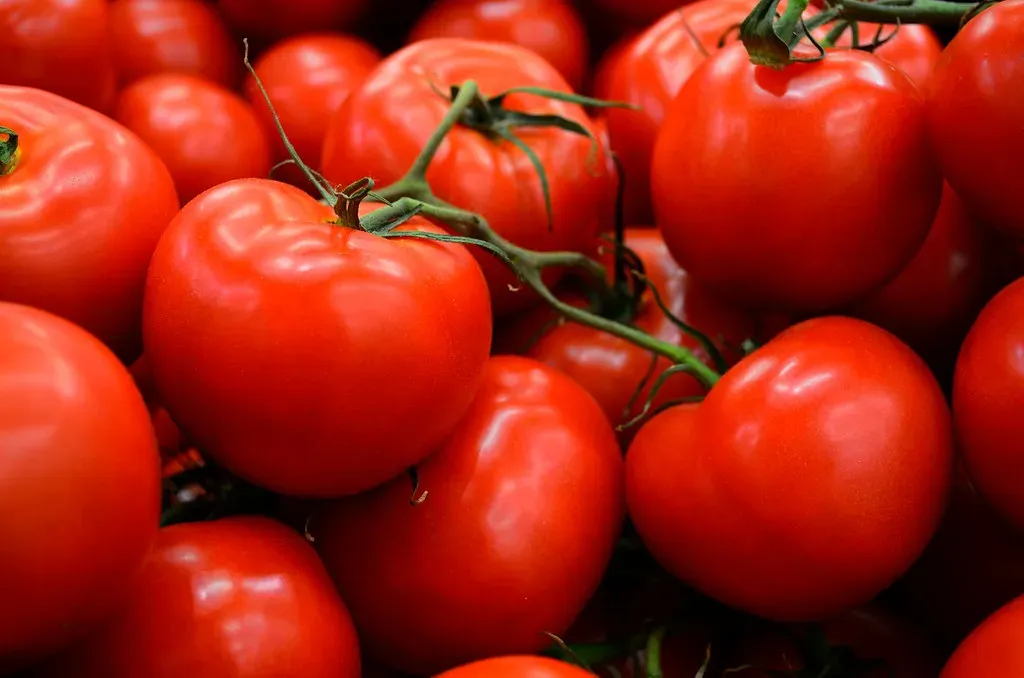
Let’s be real: everyone knows grocery store tomatoes rarely taste as good as the ones from the garden. Now we know a big reason why. Tomatoes can be stored for up to six weeks in a low oxygen, high nitrogen environment – a far cry from the fresh-off-the-vine fruit you dream about. Six weeks is a long time for any piece of produce to be in a modified-atmosphere chamber before landing in your salad bowl.
The process is designed to halt ripening during transit and storage, which means that tomato on your counter was likely picked while still underripe and never had the chance to develop full flavor naturally on the vine. Think of it like waking someone up before they’ve finished sleeping – the result just isn’t quite right. The color may be convincingly red, but the taste tells a different story.
5. Bananas
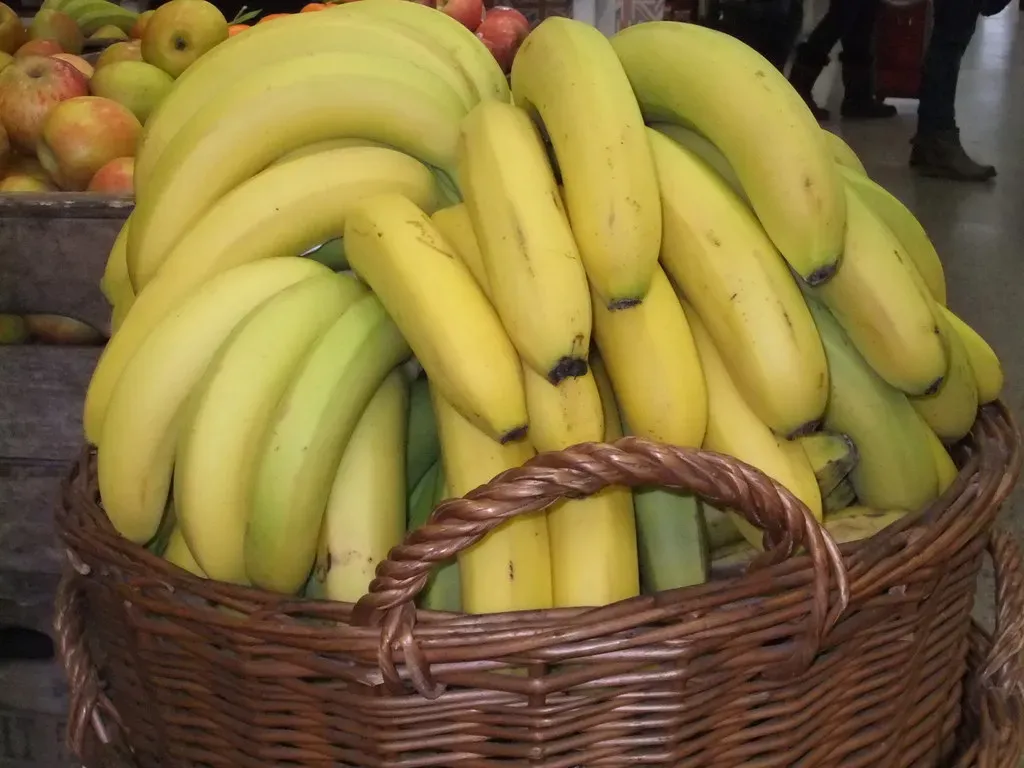
Bananas are one of the most dramatic examples of human intervention in the “freshness” of produce. Bananas can be manipulated to control ripening and are cooled after being picked to stop the process entirely. After two weeks, to kick-start the ripening process again, they’re treated with ethylene gas. Yes – the yellow banana you grabbed for your morning smoothie was essentially paused, then restarted on command, like hitting play on a video.
This process is industrially efficient and entirely legal, but it means the banana in your bowl has gone through a controlled artificial journey from green to yellow. The ethylene gas treatment mimics what naturally happens as bananas ripen on their own, so the end result is broadly similar. It’s just not quite the natural ripening story the word “fresh” tends to imply.
6. Carrots and Potatoes
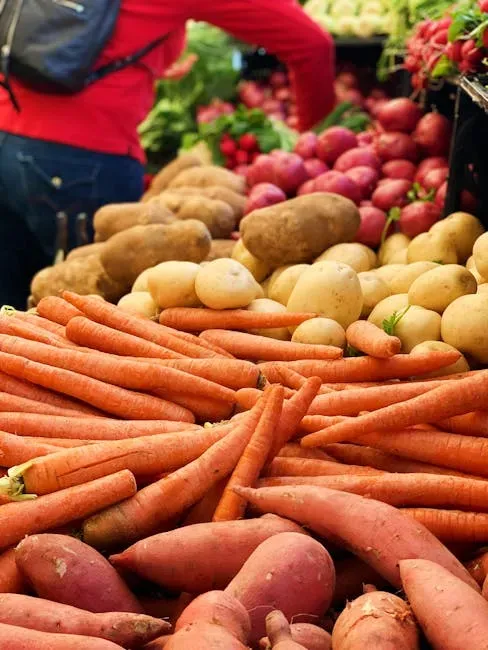
Vegetables like carrots and potatoes are hidden champions of long-haul storage – and most shoppers have absolutely no idea. Just like apples, potatoes can be stored for up to a year in a temperature-controlled environment. As for carrots, they’re stored in a zero-degree, high humidity environment to prevent decay, and after nine months get a chlorine wash before making their way to your grocery store’s produce department.
Nine months in cold storage, followed by a chlorine wash. That’s the journey many grocery store carrots have made before ending up in the “fresh produce” section. To be fair, this doesn’t necessarily make them harmful or significantly less nutritious – cold storage technology has improved enormously. But “nine months old with a chemical wash” is a fairly creative definition of the word fresh.
7. Olive Oil Labeled “Extra Virgin”
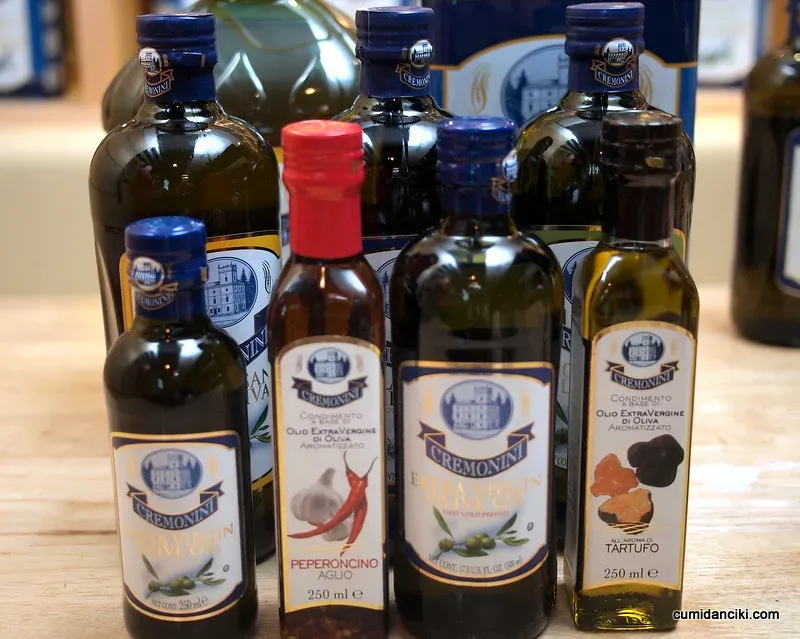
Olive oil fraud is one of the worst-kept secrets in the food industry – and it’s been going on for decades. There have been allegations, particularly in Italy and Spain, that regulation can sometimes be lax and corrupt. Major shippers are claimed to routinely adulterate olive oil so that only about 40% of olive oil sold as “extra virgin” in Italy actually meets the specification. In some cases, colza oil extracted from rapeseed with added color and flavor has been labeled and sold as olive oil.
According to journalist Tom Mueller, over 50% of olive oil sold in Italy is adulterated, as is roughly 75 to 80% of that sold in the U.S. Three samples of “extra virgin olive oil” bought in a U.S. supermarket were tested; two of the three did not meet the required standard. So that beautiful green bottle you paid a premium for might not be what it claims. Honestly, checking for a harvest date on the label is one of the most useful things you can do – genuine extra virgin olive oil is best used within two years of harvest, and many bottles on shelves don’t even list this information.
8. “Fresh” Supermarket Fish That Was Previously Frozen
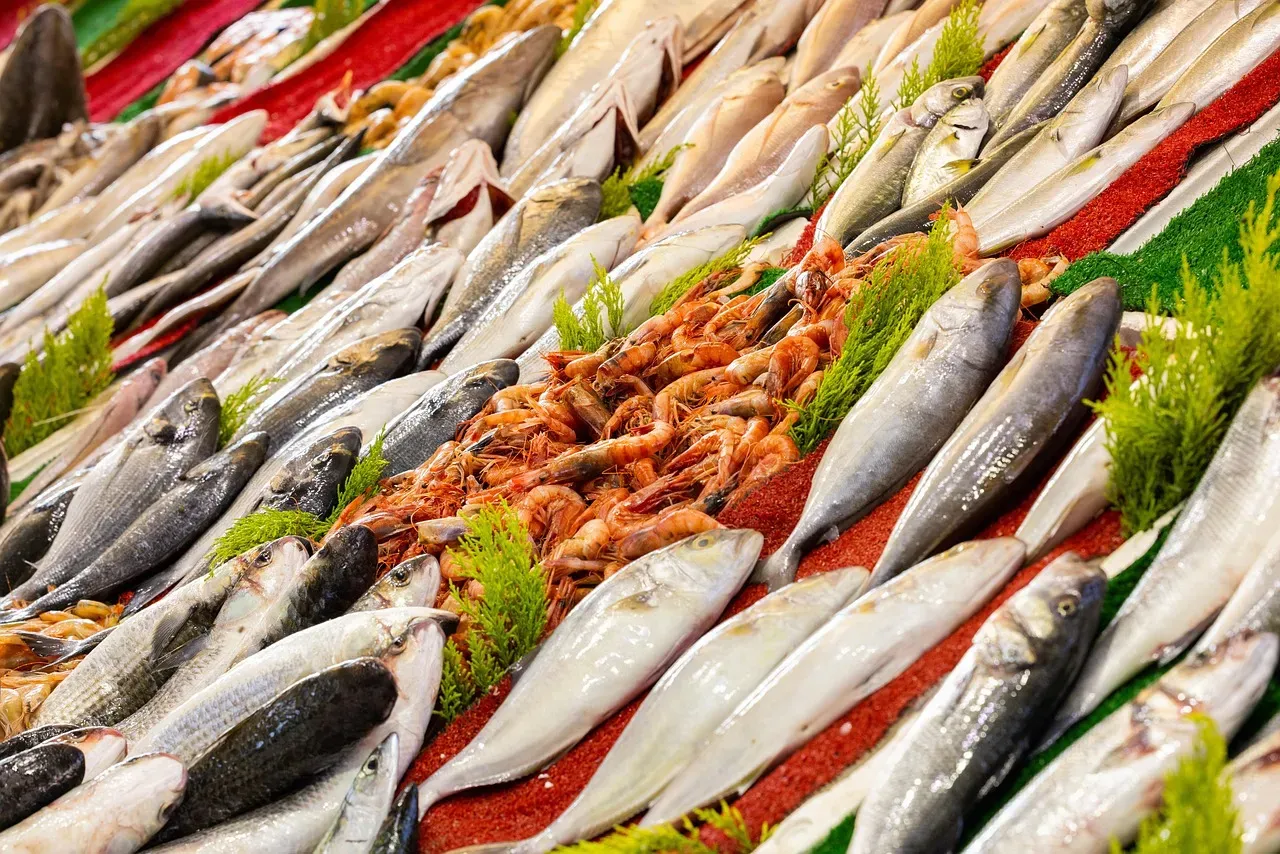
Here’s a twist that surprises a lot of people. Much of the fish sitting in the “fresh” section of a grocery store was actually frozen at some point. Fraud in seafood includes frozen-then-thawed whitefish being sold as fresh. And a broader 2026 report from Inside Climate News found that as much as a third of goods sold in the U.S. might be mislabelled, yet less than one percent of imports are ever tested.
Seafood like salmon, trout, or halibut will last for three days from purchase if stored correctly in a fridge at home. However, pre-packaged fillets with extended expiry dates might not be as fresh even within these guidelines, so extra attention must always be considered while purchasing them. The word “fresh” in the seafood context is doing a lot of heavy lifting – and not always honestly.
9. “Uncured” Deli Meats
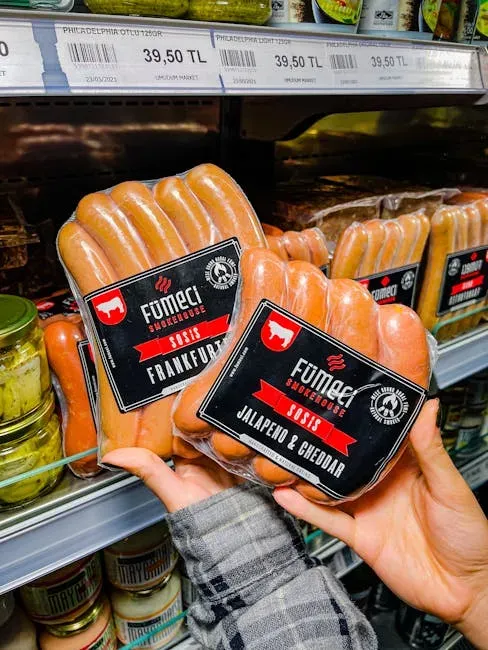
Walk through the deli section and you’ll see all kinds of packaging touting terms like “uncured,” “natural,” or “no nitrates added.” It sounds cleaner, safer, and frankly more premium. Cured deli meats and hot dogs are preserved with synthetic nitrates and nitrites, which may raise the risk of some cancers. But all “uncured” means is that the meat is preserved with celery seed powder or another natural source of nitrates and nitrites. Uncured meats aren’t better for you because synthetic and natural nitrates and nitrites have the same effects on the body.
In other words, the “uncured” label is largely a marketing maneuver. The product may still contain the same compounds your body processes in exactly the same way. Some of the terms on the front of food packages aren’t regulated by the FDA, which oversees nutrition and health labels and claims. Manufacturers use colorful images, product names, and claims that give the food a “health halo.” In some cases, the claims are factually true, but still can be quite misleading. That’s a pretty honest summary of how this whole game works.
10. Pre-Packaged “Fresh” Bread
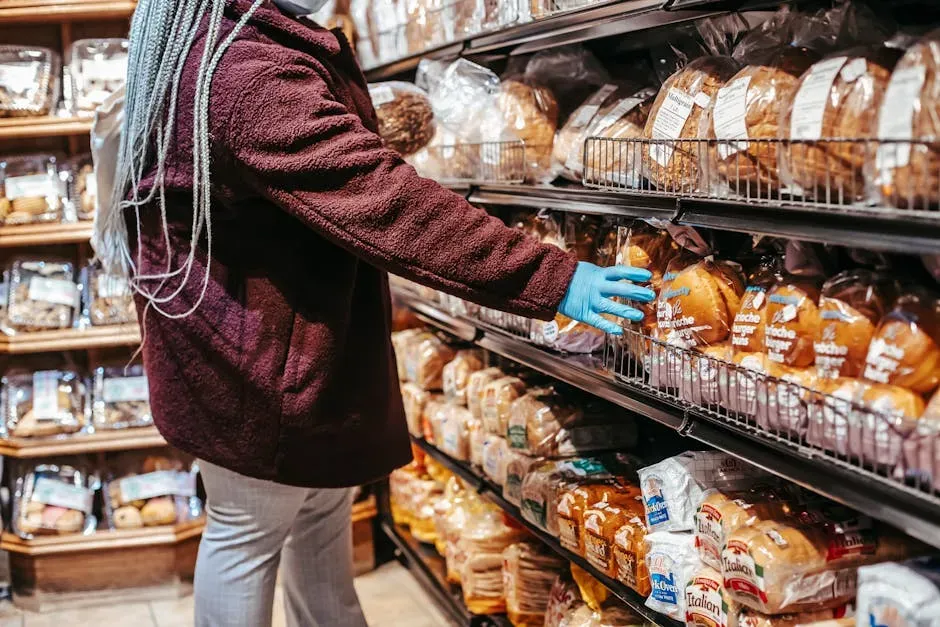
That loaf sitting on the shelf wrapped in plastic, labeled “baked fresh daily,” may have more to it than the cheerful packaging suggests. “Sell by” dates on bread tell the store how long to display the product for sale. Although the store should pull a product after the “sell by” date has passed, it is legal to sell the food after this date. It is also legal for the retailer to change a date on wholesome fresh meat that has been cut up and wrapped in the store’s meat department. Similar flexibility applies to baked goods depending on state rules.
There is no uniform or universally accepted system used for food dating in the United States. Depending on which food you are buying, the date on the package could be a recommendation on when it should be sold by or when it should be eaten by. Most large-scale supermarket bread is also loaded with preservatives specifically to extend shelf life, meaning that the “freshly baked” claim is often more about the last finishing step in-store rather than the full production story. Think of it like heating up something made days ago and calling it fresh out of the oven.
11. Foods Labeled “Made with Real Fruit” or “Natural”
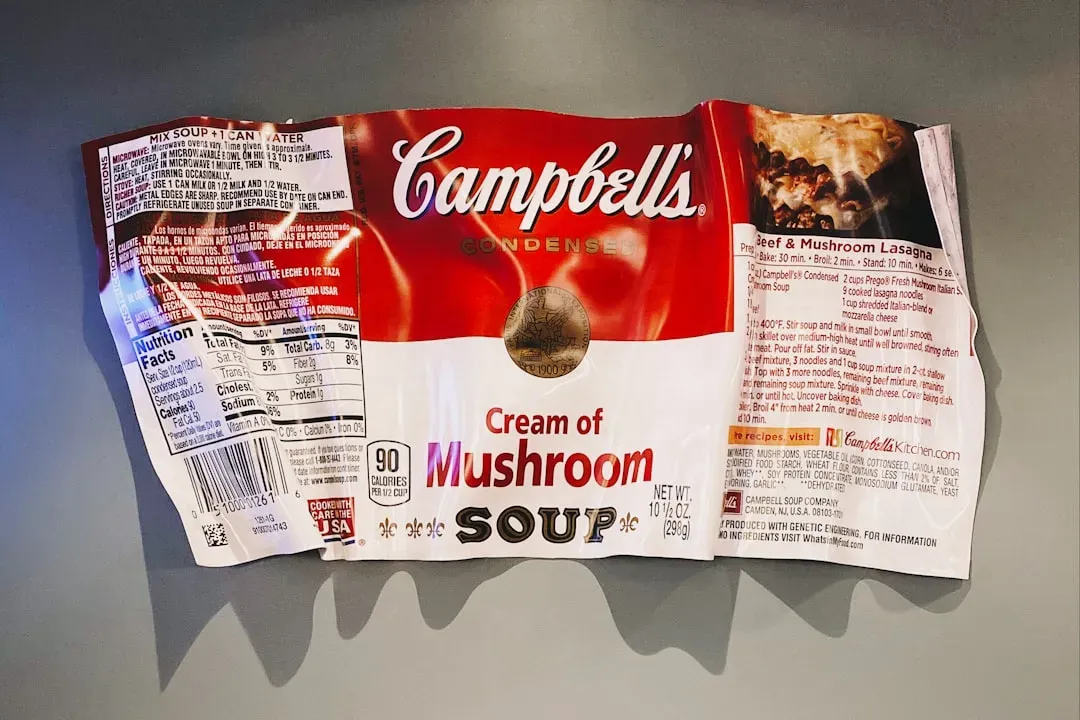
This is one that catches shoppers out constantly – and it’s completely legal. A product labeled “made with real fruit” might technically contain a microscopic amount of actual fruit amid a sea of sugar, artificial flavoring, and additives. Variations on this theme include “Made With Real Fruit,” which often requires a microscope to find the fruit. The label is technically accurate in the loosest possible sense of the word.
Similarly, the term “natural” on food packaging has no standardized legal definition from the FDA, which means manufacturers can use it broadly. Food labels are misleading because manufacturers often use well-crafted language and sometimes downright false claims to attract consumers as part of their sales strategies. Companies saw an opportunity to overstate their products’ benefits with the rise of health-conscious individuals. The solution? When deciding whether to purchase an item, flip the product over and take a look at the ingredients list and nutrient information. Check for excessive amounts of added sugar, cholesterol, or sodium. The first few ingredients make up the bulk of the food item, as ingredients are listed in descending order. Products that have whole foods listed as the first few ingredients are likely healthier than those that list refined grains or sugars first.
The Takeaway
It’s easy to feel tricked by all of this – and honestly, some of it is a little deceiving. Not everything on this list represents danger, but much of it represents a gap between what the packaging implies and what the product actually is. Dishonest food labelling carries severe repercussions that extend beyond immediate consumer deception. Understanding these consequences is essential for food and drink companies to appreciate the gravity of maintaining honest and accurate labelling practices.
The good news is that knowledge is your best tool here. Check harvest dates on olive oil. Look for where your fish was caught. Dig to the bottom of the produce pile. Flip the package over and read the real ingredients. And the next time something in the supermarket looks suspiciously perfect – it probably is. What grocery item surprised you most on this list? Tell us in the comments.