
We all think we’re pretty smart shoppers. We wait for sales, sign up for loyalty programs, buy in bulk, and pride ourselves on “getting a good deal.” But here’s the uncomfortable truth: many of the habits we believe are saving us money are quietly doing the exact opposite. The way modern retail is designed, from store layouts to app notifications to subscription models, is engineered to work against your wallet in ways that are almost invisible.
The numbers are startling. The damage done by everyday shopping habits is far more significant than most people realize, and it’s happening across all demographics and income levels. So if you’ve ever wondered where your money really goes, buckle up. Let’s dive in.
Table of Contents
1. Impulse Buying: The Habit That Costs You Thousands Per Year

Let’s be real: that random item you tossed into your cart without planning? It’s not a one-time thing. The average consumer in the U.S. spent an estimated $282 per month on impulse buys in 2024, totaling roughly $3,381 for the year, making an estimated 9.75 impulse purchases per month at an average of $28.90 each. That’s not pocket change. Over a decade, that habit quietly drains tens of thousands of dollars from your finances.
In 2024, roughly 84% of people admitted to making impulse purchases. Impulse buying isn’t some rare lapse in judgment – it’s deeply embedded in our daily routines. It is most common when shopping for clothes, with more than half of consumers impulse buying in that category, followed closely by groceries and household items. Think of it like a leaky faucet: each drip seems harmless, but the damage compounds fast.
Online shopping has made spontaneous purchasing easier than ever, with one-click checkout, saved payment information, and personalized recommendations engineered to capitalize on impulse buying tendencies. The digital environment has essentially turned your bedroom into a 24-hour shopping mall. One survey found that a remarkable 96% of respondents confess to impulse buying, even as 88% say they feel stressed about money – a tension that many people simply never resolve.
2. Social Media Shopping: Scrolling Straight Into Overspending

Honestly, social media might be one of the most underrated financial threats of our generation. Nearly half of all social media users have impulsively bought an item they first saw on a social media feed, and a staggering 55% of TikTok users make impulse buys on that platform alone. That’s not marketing – that’s a trap, and it works remarkably well.
The mean annual spending on social media impulse buys reaches $754 per person. When you factor in that this happens across multiple platforms, the numbers spiral quickly. Research shows that roughly 61% of consumers trust social media influencers’ recommendations, which means an influencer promoting a product is one of the most powerful purchasing triggers in modern retail. The line between content and advertisement has been blurred almost entirely.
Around 61% of millennials have impulsively bought an item they first saw on social media, and social media ads have driven roughly 60% of Gen Z consumers to make impulsive purchases. Younger generations are particularly vulnerable to this pattern. These buying habits are fueled by smartphone use, algorithmic suggestions, and immersive interfaces, with digital platforms blurring the distinction between browsing and purchasing, and desire and decision-making.
3. Bulk Buying: The “Smart” Habit That Often Backfires

Buying in bulk feels virtuous. It feels organized. It feels like something a financially savvy adult would do. Here’s the thing, though: just 24% of bulk shoppers say they never waste food or products, while 38% admit they often or occasionally throw away bulk purchases – a figure that rises to 51% among Gen Zers and parents with young children. So that jumbo pack of spinach? It’s probably in the trash.
In 2024, the average American spent $762 on food that went uneaten, with consumer food waste accounting for over 45% of surplus food in the U.S. That’s almost $800 tossed directly into the bin every year – money many households don’t even realize they’re losing. Promotional offers such as “buy one, get one free” frequently encourage consumers to purchase more than they need, leading directly to waste.
Consumer habits such as overbuying, improper storage, and discarding leftovers play a significant role in food waste, with lack of meal planning, impulse buying, and changing lifestyles resulting in food being wasted at the household level. Bulk buying is only genuinely smart when you have the storage, the plan, and the appetite to match what you’re buying. Without those three things, the “deal” evaporates fast.
4. Loyalty Programs: Designed to Make You Spend More, Not Save More
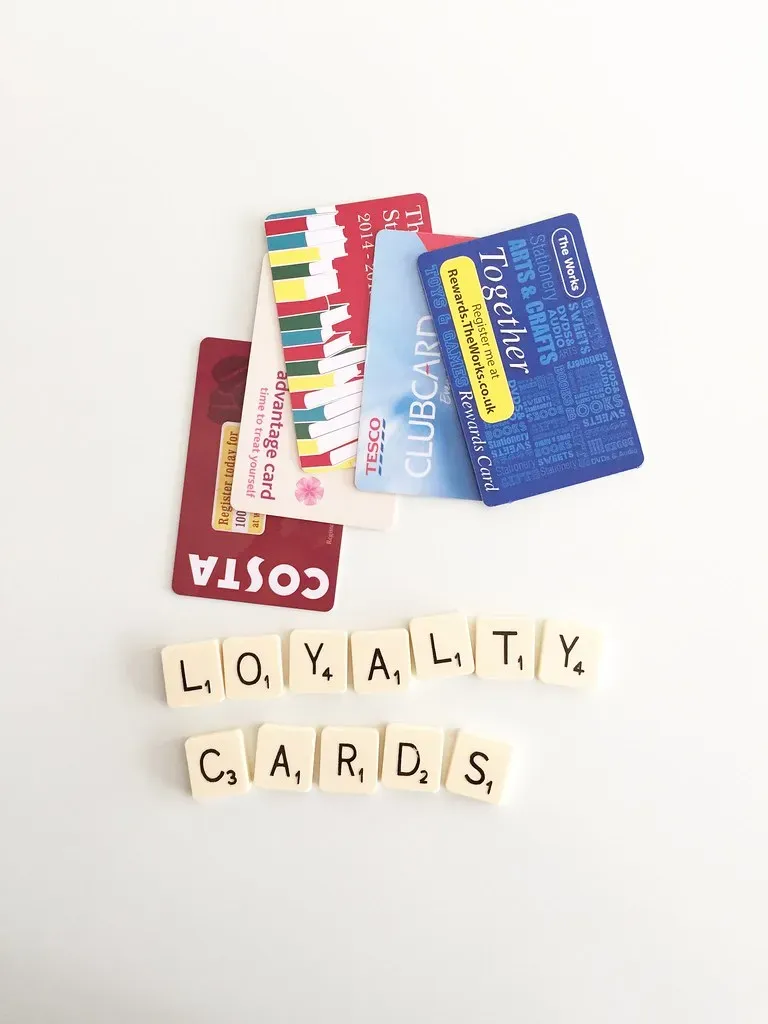
American consumers held over 1.265 billion active loyalty program memberships in 2024, with the average consumer carrying 9.3 active loyalty program accounts, and as many as 19 memberships including inactive ones. That’s almost 20 programs per person. I know it sounds crazy, but most of those memberships are working against the consumer, not for them.
Here’s how the psychology works: 76% of consumers report spending more on a brand when they belong to its loyalty program, and in one survey, 52% of respondents reported spending more as a direct result of a customer loyalty membership. The program doesn’t reward your existing loyalty – it manufactures new spending behavior. Research from Deloitte found that 70% of consumers spend more with brands that have loyalty programs. That’s precisely why retailers invest in them so heavily.
According to McKinsey, 50% of cancellations in paid loyalty programs occur within the first year of membership, with the primary reason being that consumers didn’t use the benefits enough to justify the cost. So not only do programs nudge you to spend more, they often charge a membership fee that most people never fully recoup. Research also shows that 85% of consumers belong to between one and six apparel loyalty programs, but 54% of those consumers use only half of their memberships or less per month.
5. Subscription Traps: The Silent Budget Drain You Forget Every Month
Subscriptions have become the financial equivalent of a slow leak – you don’t notice the damage until there’s already water on the floor. According to Motley Fool Money’s Subscription Sanity survey, a majority of consumers say they’re overpaying for their subscriptions, with many also admitting they’re signed up for more services than they actually use. That sense of “subscription fatigue” has only grown into 2026, especially among Gen Z and millennials. And yet, month after month, those charges keep slipping through – quiet, automatic, and easy to ignore.
One in four consumers surveyed reported unexpected charges with their subscriptions, while one in three cancelled subscription services in the last year due to billing frustrations. The frustration is real and widely shared. Aggressive optimization for retention has led companies to employ questionable practices such as hidden fees, complicated cancellation processes, and free trial traps that automatically roll into paid subscriptions.
Americans spend billions of dollars on credit card interest and fees each year, and in 2024 alone the total reached a staggering $254 billion – while the annual average over the past decade was $154 billion. Forgotten subscriptions piling onto credit card balances only accelerate that burden. Streaming subscriptions are among the easiest things to overspend on because it is easy to forget them, and if you barely use these services, you are essentially throwing money away. It is worth auditing your monthly charges more often than you probably do.
6. Doom Spending and Emotional Shopping: When Feelings Drive Financial Decisions

Shopping to feel better is far more common than most people admit. Research from Clever Real Estate found that nearly one in three Americans (29%) engage in “doom spending,” which means overspending to cope with stress, and roughly 84% justify unnecessary purchases with phrases such as “I deserve it” or “I’ll treat myself.” It’s a deeply human response, but an expensive one.
Nearly two in five Americans exceed their monthly budget every single month, while around one in six do so on a weekly basis, and 78% of Americans make purchases they immediately regret. That cycle of spending, regretting, and spending again is one of the most financially damaging loops a consumer can fall into. Nearly three-quarters of Americans say they have an overspending problem, while one in three revealed they have made a purchase in the past year that they knew they could not afford.
The current cost-of-living crisis has caused 55% of people to shift toward spending methods that allow them to track spending more accurately, with consumers streamlining their budgets, re-evaluating their habits, and seeking deals and discounts. The awareness is growing, which is a good sign. Still, almost half of Americans (45%) have cried over their spending habits, and 1 in 6 Americans say their spending has ruined their life – a sobering reminder of how emotionally loaded our relationship with money truly is.
The Takeaway: Awareness Is the First Step

None of these habits make you a bad person or a reckless shopper. They make you human. Retail environments, apps, and algorithms are specifically designed to exploit the natural quirks in how we think, feel, and decide. The challenge isn’t willpower alone – it’s recognizing the systems working against you.
The most powerful thing you can do is pause. Whether it’s waiting 24 hours before clicking “buy,” auditing your subscriptions monthly, or planning meals before a grocery run, small intentional changes can add up to thousands of dollars saved over a year. The data is clear: our habits have a much bigger price tag than we usually admit to ourselves.
So here’s the question worth sitting with: how many of these six habits do you recognize in your own life? What would you do with the money if you got it back?