
There’s something quietly fascinating happening every time you walk into a restaurant for the first time. Before you’ve even touched the menu, before the bread basket arrives, a seasoned server has already begun to read you like a book. They’re not judging, exactly. It’s just pattern recognition honed over thousands of shifts and tens of thousands of tables.
Honestly, most diners have no idea how transparent they actually are. The way you hold the menu, where you look when the server approaches, how you handle the first few minutes of settling in – all of it is communicating something loud and clear. Curious what gives you away? Let’s dive in.
Table of Contents
1. You Pick Up the Menu and Immediately Look Lost
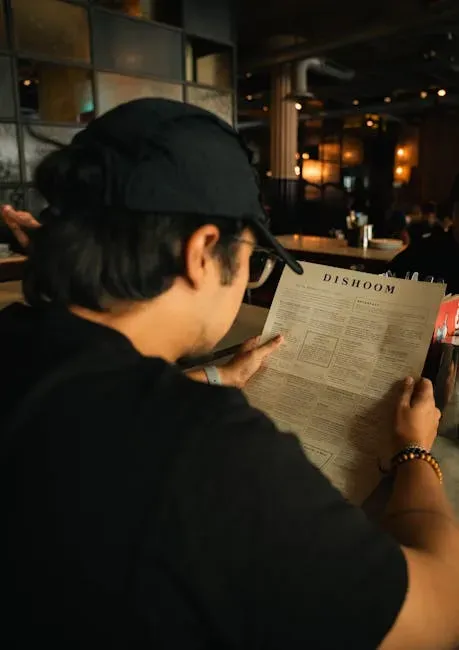
Servers are absolutely watching how you interact with the menu from the second it hits your hands. The people who immediately flip it open and scan it like they’re speed-reading a contract tend to know what they want and won’t waste anyone’s time – servers quietly love them. First-timers, on the other hand, have a very different energy. They linger on every page, flip back and forth, and sometimes look up with a slightly overwhelmed expression that’s nearly impossible to hide.
There’s nothing wrong with taking your time, of course. But experienced diners at a familiar spot have usually done their homework beforehand. According to restaurant industry statistics, a massive eighty-five percent of diners look at a restaurant’s online menu before visiting a new spot. First-timers often skip that step entirely and arrive completely cold, which the menu-handling instantly gives away.
2. You Snap Your Fingers or Wave Your Arms to Get Attention
Let’s be real – this one is a classic giveaway. At least eight in ten Americans say it is unacceptable for diners to snap their fingers to get a waiter’s attention. Yet it still happens constantly, almost always from someone who isn’t quite sure of the social rhythm of the room yet.
Regulars understand that restaurants have a flow. They make brief eye contact, they wait for a natural moment, and they trust that their server is coming. Restaurant staff talk to each other constantly, and if you were impatient or demanding at the host stand, your server already knows before they even introduce themselves. A first-timer who snaps or waves signals something deeper: they don’t yet trust the system, and that nervousness comes through in small but very visible ways.
3. You Show Visible Impatience in the First Five Minutes

How you handle the natural wait time before your server arrives reveals your patience threshold for the entire meal. Research published in the Cornell Hospitality Quarterly in 2024 found that customers who display impatience in the first five minutes – looking around repeatedly, sighing, or trying to flag down staff – are significantly more likely to express dissatisfaction throughout their visit regardless of actual service quality.
First-timers often arrive expecting an immediate greeting, not realizing that even in excellent restaurants, a moment or two of settling-in is entirely normal. Servers immediately clock guests who can’t tolerate brief waits versus those who comfortably settle in and understand restaurants have rhythms. The reality is that servers are managing multiple tables, and even in perfectly run establishments, you might wait a few minutes before someone greets you. Patience, it turns out, is one of the clearest signals of dining experience.
4. You Avoid Eye Contact When Ordering
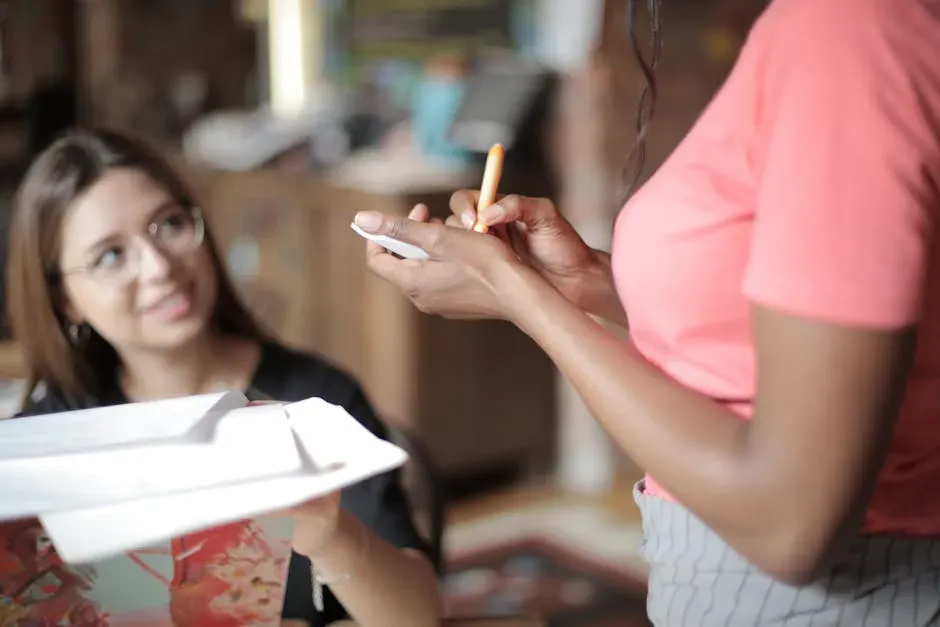
Whether you make eye contact with your server when they speak, when you order, and when they deliver food tells them immediately how you view service workers. A 2024 study from the Society for Hospitality and Foodservice Management found that servers consistently report feeling more valued and respected by customers who maintain appropriate eye contact during interactions, which correlates with better service quality and more positive experiences for both parties.
First-time diners are often looking down at their menus while ordering, nervous about mispronouncing something or unsure of exactly what they want. Guests who never look up from conversations or devices while ordering make servers feel invisible and undervalued. This isn’t about staring contests or awkward prolonged gazes – just basic acknowledgment that another human is addressing you. It’s a small thing, but servers notice it within seconds.
5. You Struggle With the Unspoken Seating and Table Etiquette
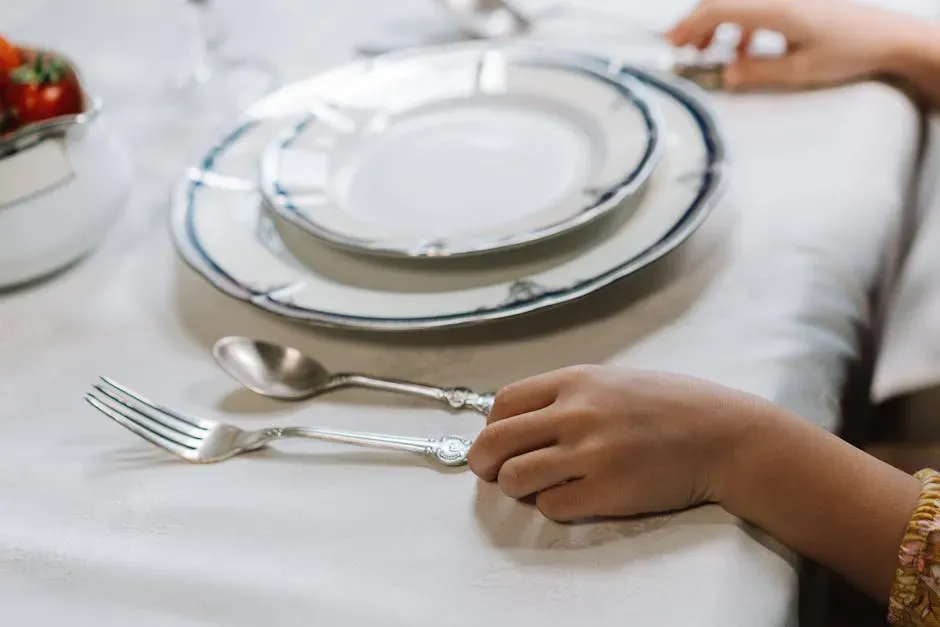
Here’s the thing – there’s a whole invisible choreography to dining out that regulars have absorbed without ever being taught. Where to place your napkin the moment you sit, what to do when you need a refill versus when you’re still deciding. First-timers tend to sit down and immediately look around, checking what other tables are doing.
That uneasy feeling when faced with a new dining environment for the first time is more common than many like to admit. This is because restaurants often come with a code of dos and don’ts, etiquette rules that are rarely said out loud, much less explained. Things like folding your napkin over your lap, or knowing that a napkin placed on the seat means you’ll be right back – these are second nature to frequent diners but completely invisible to newcomers.
6. You Hold the Wine Glass by the Bowl, Not the Stem
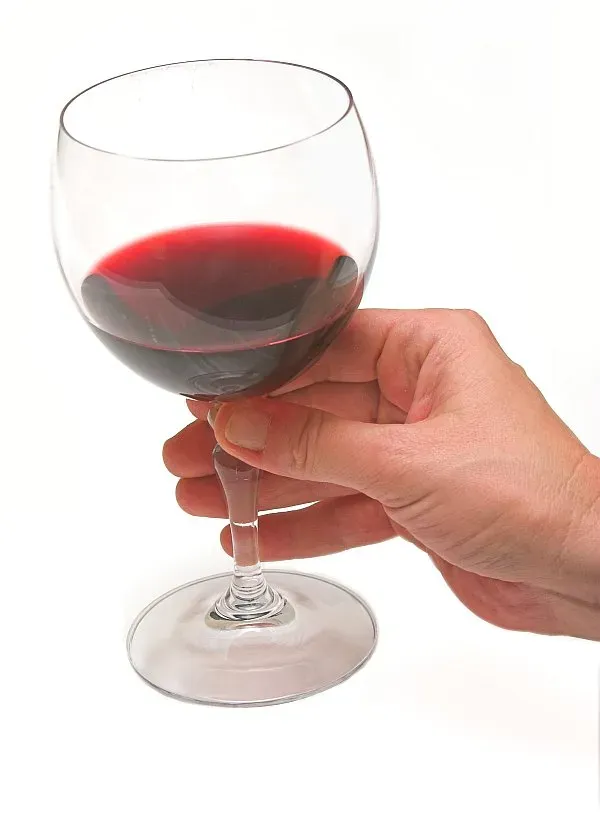
This one is specific, but it is genuinely one of the most reliable tells in a fine dining setting. Holding a wine glass incorrectly is among the most common wine tasting mistakes, according to experts. The right approach? The rules of fine dining dictate that wine glasses are to be held solely by the stem, never by cupping the bowl.
The basis for this rule comes down to temperature and aesthetics. Any good sommelier will tell you, wines are meant to stay cool, so the body heat generated from your hand makes any pressure from your palm an unwelcome interference. I know it sounds like a small, almost silly thing to worry about. But in the eyes of experienced servers, that bowl-cupping grip is a near-instant sign that someone is navigating this territory for the very first time.
7. You Misunderstand How Tipping Works

Tipping confusion is genuinely one of the most revealing habits of a first-timer. Toast Q3 2024 data shows total tips averaged roughly eighteen point eight percent overall, while full-service restaurant tips sat at around nineteen point three percent. Yet many first-time diners either dramatically overtip out of anxiety, undertip out of genuine ignorance, or fumble visibly with the math.
Full-service dining tipping norms in 2026 generally range from about 20% to 25% for excellent service, while roughly 15% remains the baseline for satisfactory service. Despite rising menu prices and ongoing debates around tipping culture, these ranges have held relatively steady, with many diners still using them as a guideline when evaluating service quality. Experienced diners handle this smoothly and quietly. Making a show of your tip – whether generous or stingy – is considered tacky by regulars. Good tippers don’t announce it. They don’t use tips as leverage for special treatment. First-timers often do the opposite, sometimes audibly discussing the math or visibly agonizing over the tip screen in a way that experienced restaurant-goers never do.
8. You Loudly Debate Menu Prices With Your Table or the Staff
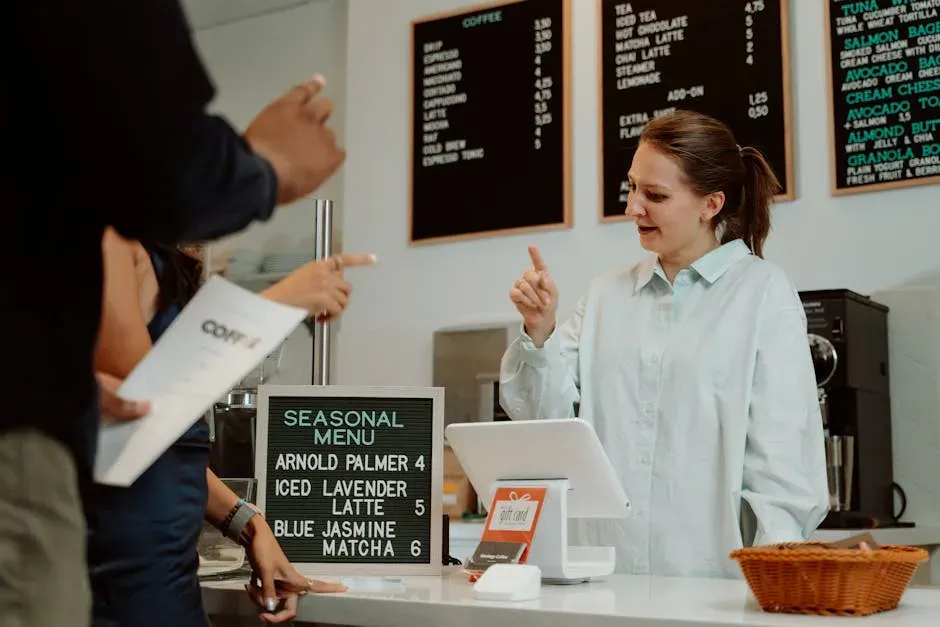
At least eight in ten Americans say it is unacceptable for diners to debate menu prices with the staff. Still, it happens, and it almost always marks someone who hasn’t quite internalized the social norms of dining out. Experienced diners either know what they’re getting into before they sit down, or they simply make their choices and move on without comment.
There’s a useful comparison here: think of it like showing up to a movie theater and arguing about ticket prices with the person behind the counter. It’s simply not the arena for that conversation. When asked what matters most in choosing where to eat, roughly two thirds of diners ranked food quality as their top priority, with price trailing far behind. First-time diners who zero in on price comparisons mid-meal are, in a sense, broadcasting that they came for the wrong reasons – or at the very least, didn’t prepare well.
9. You’re Uncertain About What’s “Acceptable” to Ask For
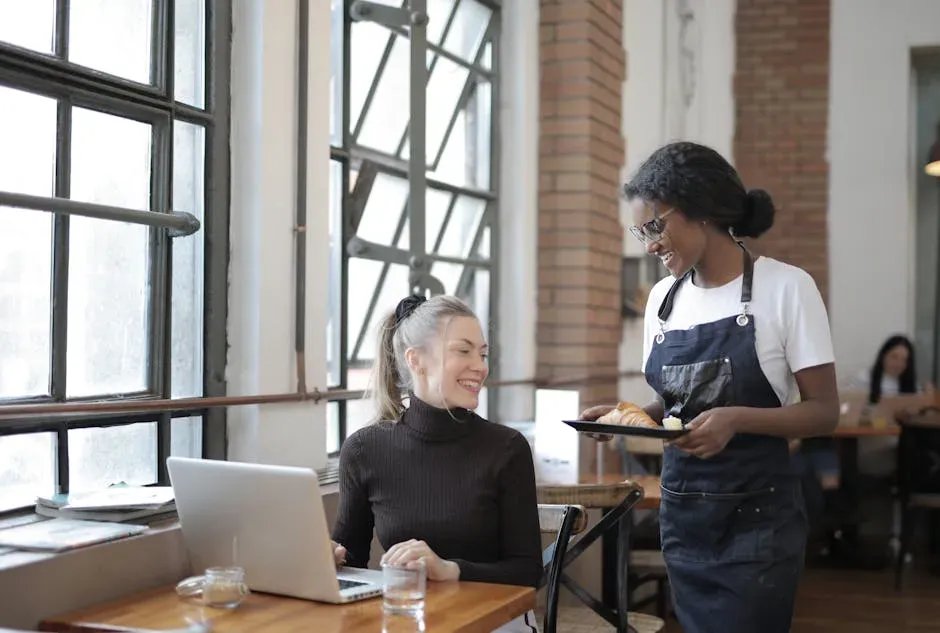
According to a 2024 study published in the Cornell Hospitality Quarterly, experienced servers can predict customer behavior and potential tip percentages with roughly seventy percent accuracy within the first minute of interaction. Part of that prediction comes from how confidently a diner makes requests. First-timers often either over-apologize for basic requests like extra napkins or a lemon wedge, or they swing to the opposite extreme and demand modifications that are genuinely unreasonable.
More than half of Americans say it’s perfectly acceptable to ask for a to-go container, send back a dish that wasn’t made as specified, or ask to split the bill among a large party. The tricky part is that first-timers rarely know where those lines are. Some of the most divisive customer behaviors include asking for multiple modifications to a menu item – and first-timers are far more likely to pile on requests without realizing how that reads from the server’s side of the table. Regulars have learned, often through small embarrassments, exactly what’s fair to ask and what isn’t.
The truth is, every regular was once a first-timer. Every seasoned diner has had that moment of not knowing which fork to use or accidentally waving too eagerly at someone else’s server. What gives you away isn’t ignorance – it’s just inexperience, and there’s nothing wrong with that. The only real way to stop being a first-timer is to keep going back. What habit surprised you most on this list?