
You walk into the grocery store with a list, maybe a plan, and probably the quiet confidence that you know what you’re doing. Most of us do. We’ve been grocery shopping for years, after all. Yet most shoppers are leaving real money on the table – and missing tricks that store employees notice every single day.
From pricing psychology and loyalty card traps to the surprisingly savvy world of store brands, grocery stores are far more strategically designed than they look. What you don’t know really can cost you. So let’s get into it.
The Loss Leader Trap Is Real – and It Works on Almost Everyone
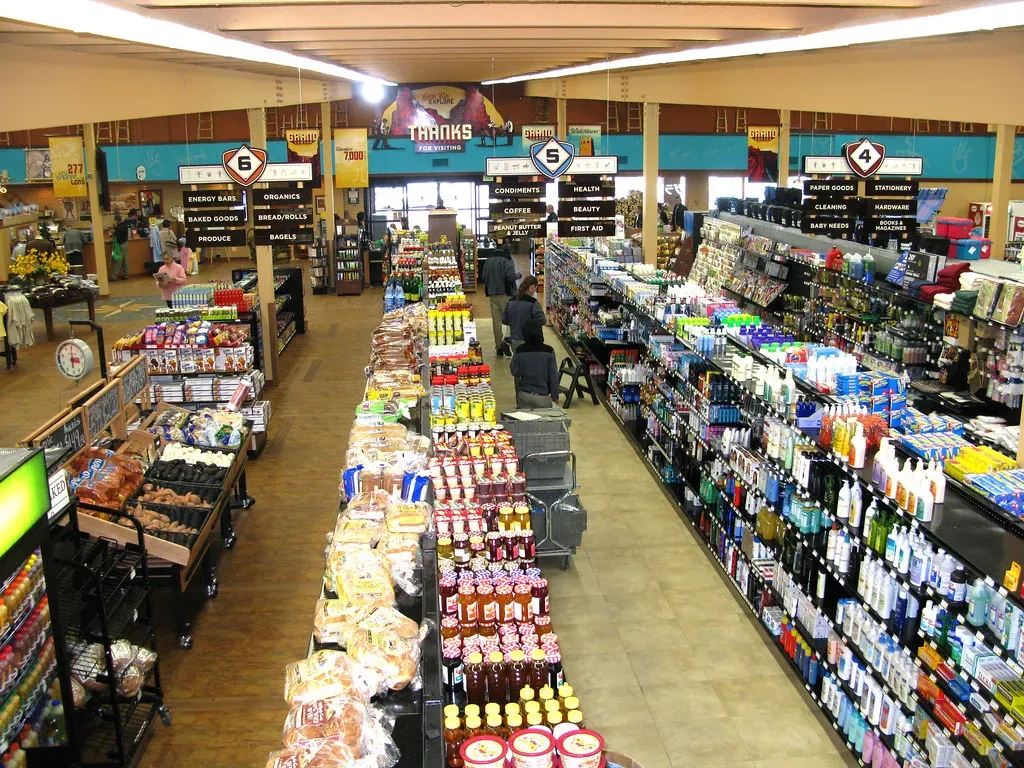
Walk into any major grocery store and you’ll usually spot insanely cheap eggs, bananas, or milk near the entrance. That’s no accident. Some of the most effective grocers use loss leaders – everyday staples like milk, bananas, or eggs sold at a low price point – to bring customers through the door. The strategy isn’t to profit off those items, but to encourage shoppers to pick up higher-margin products while they’re in the store.
Aldi is a great example of this strategy in action. They consistently offer low prices on items like eggs or bananas to get people in the door, but nearby, you’ll often find specialty cheeses or snacks that carry much better margins. Think of it like a casino putting the slots near the entrance. You came for one thing. You left with a cart full of others. Stores bank on this, literally.
Store Brands Are No Longer the “Cheap Option” – They’ve Quietly Become Excellent
In 2025, total sales of store brands reached $282.8 billion – an increase of $9 billion year-over-year and a new record – across brick and mortar and online supermarkets, drug chains, and mass merchandisers. That’s not a niche trend. That is a full-blown shift in how Americans shop.
Grocery inflation – which peaked at over eleven percent year-over-year in 2022 – drove many cost-conscious consumers to trade down to private labels. Those shoppers liked what they found; a large share of around four in five say store brands are “just as good or better than” name brands, per an Ipsos survey. Honestly, I think a lot of people still avoid the store brand out of habit, not actual experience. Studies consistently demonstrate that shoppers save one-third or more on grocery and household items by selecting store brands over national brands. That adds up fast.
Your Loyalty Card Is Collecting Far More Data Than You Realize

A Consumer Reports investigation uncovered that Kroger grocery stores collect extensive customer data and use it to make detailed inferences, such as by using an “income predictor” – an estimate about a customer’s income level. Personal data is also used to determine whether the shopper is deemed a truly loyal Kroger shopper and predicted to purchase premium brands. That’s not loyalty rewards. That’s a profile.
Kroger, one of the nation’s largest grocery chains, is one of the most advanced when it comes to tracking shoppers’ purchases and behavior through analytics on its roughly 63 million customers. More than ninety-five percent of customer transactions are tied to a Kroger loyalty card. Kroger’s “precision marketing” arm generated an estimated $527 million in a single recent year, and the company’s so-called “alternative profit” ventures now make up more than thirty-five percent of its net income. You are not just a shopper. You are a data point being monetized.
Dynamic Pricing and Digital Shelf Tags Are Changing Prices While You Shop
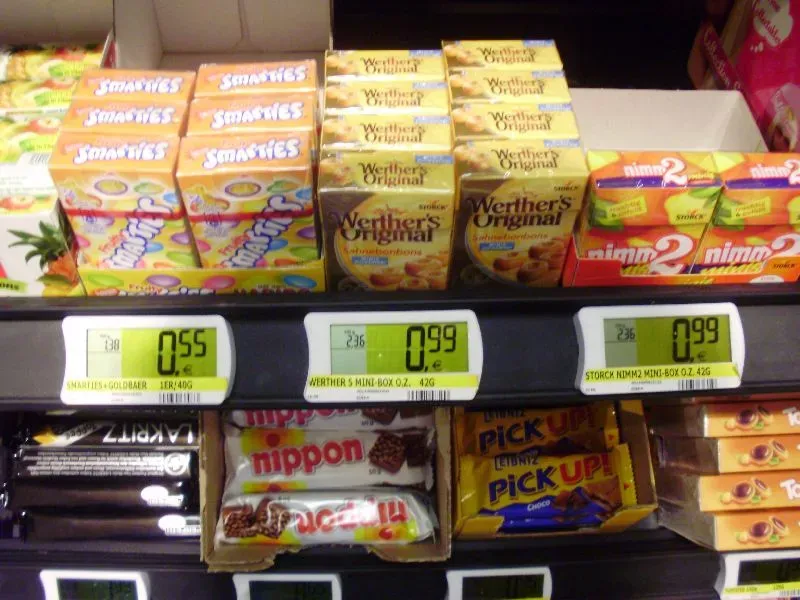
Walmart announced in 2024 that it will add digital shelf labels to 2,300 stores by 2026. The company said the electronic price tags make it easier to update prices and manage inventory. Sounds convenient. Here’s the thing though: Kroger has used similar digital labeling technology since 2018 and has expanded it to 500 stores nationwide.
Digital shelf pricing means the price on the tag can be updated quickly and is the same for everyone in the store. The second form is personalized pricing, where the amount a shopper pays can vary based on information gathered through loyalty cards, store apps or browsing history. If a shopper buys the same cereal every week, an algorithm might recognize that pattern and quietly raise the price for that customer alone to increase profit. Let that sink in for a moment.
Impulse Buying Is Deliberately Engineered Into Every Aisle
Approximately half of all general merchandise purchases are made on impulse, and strategically positioned seasonal products can further encourage this behavior. When grocery stores plan ahead and incorporate visually attractive displays, they can capture the attention of customers and inspire them to buy items they hadn’t planned to purchase.
Shoppers who enter a grocery store are more open to unplanned purchases than just a few years ago. Nearly a third of shoppers go into the store with only a loose plan for what to buy, or no plan at all, according to Ibotta, up from about one in four in 2023. Grocers also benefit from creating a sense of urgency around seasonal merchandise. Products like patio furniture, grilling accessories, and holiday-themed décor are often perceived as limited-time offerings, prompting customers to buy before they miss out. Scarcity is a sales tool. Always has been.
In-Store Demos Are One of the Most Effective Selling Tools You Never Think About
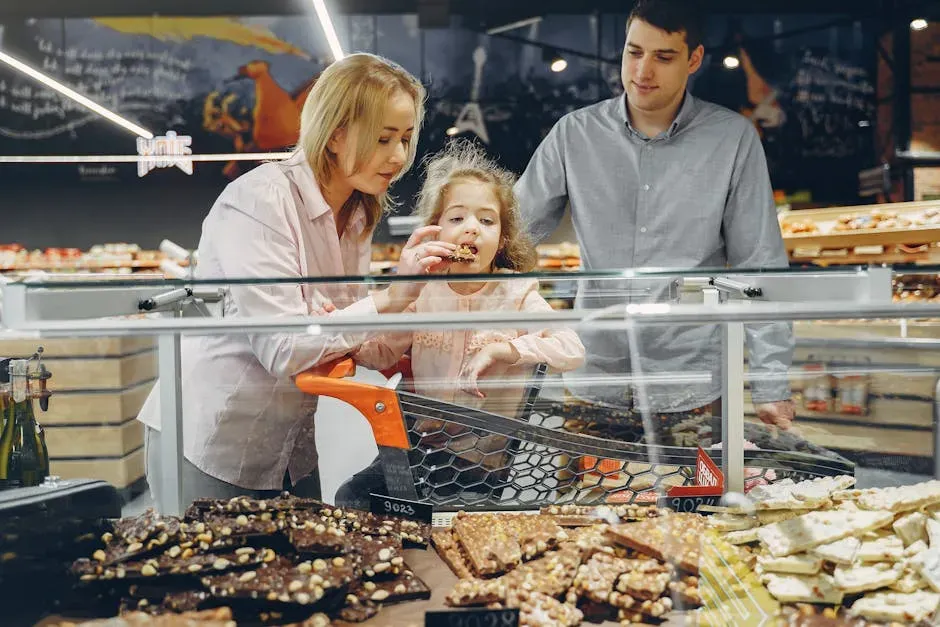
In-store demonstrations proved highly influential for grocery shoppers. More than half of shoppers who purchased a new or unfamiliar product in the last month did so after an in-store sample or product demo. That little cheese cube or chip sample is not just friendly service. It is a marketing strategy with real conversion numbers behind it.
Think about it: you’re unlikely to buy a product you’ve never tried. But once it’s already in your mouth and it tastes good, putting it in your cart feels almost logical. Stores know this. Around two-thirds of those who purchased a new brand or product in the previous month did so because of a discount or cash-back offer, according to Ibotta. Combine a demo with a discount, and it’s nearly impossible to resist.
Most Shoppers Are Already Comparing Prices – But Not Doing It Right
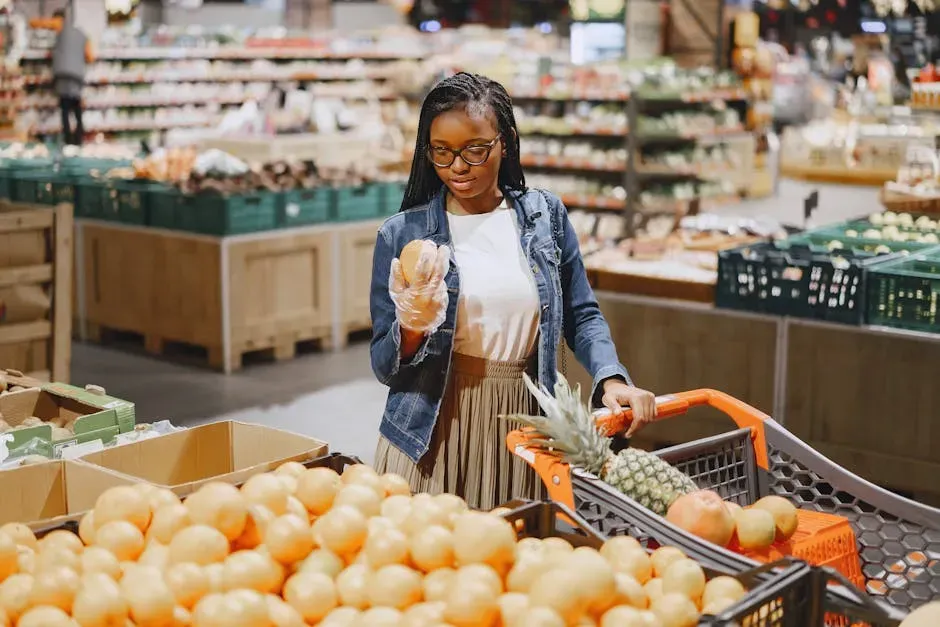
Around four in five grocery shoppers compare prices across multiple stores today. This practice extends beyond brick-and-mortar locations to online grocery platforms. Known as “split-basket” shopping, this behavior is becoming the norm as consumers diversify their spending to get the most for their dollar.
However, many shoppers compare front-of-pack prices without checking unit pricing – and that’s exactly where stores hide the difference. A larger pack looks like a deal until you break it down by ounce or gram. Data from 84.51° shows nearly seven in ten consumers in November 2024 reported looking for sales, deals, and coupons more often, which is up from around six in ten in January of the same year. Awareness is rising. Execution, not so much.
The Best Discounts Through Loyalty Apps Are Not Automatic – You Have to Clip Them
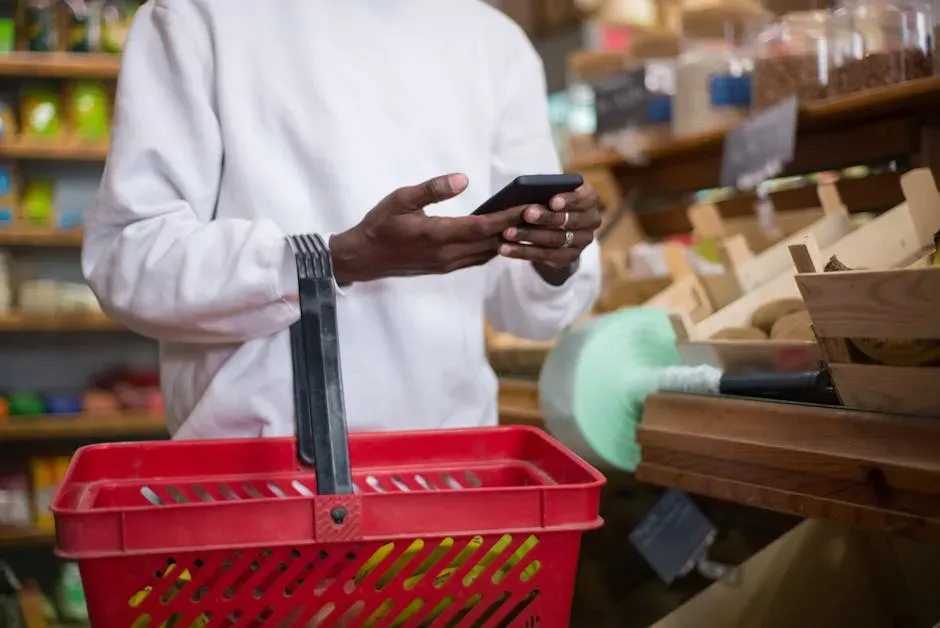
Loyalty members spend more and shop more often than non-members. In a recent survey, roughly half of shoppers said they’re using their preferred grocery retailer’s loyalty program more – and plan to keep doing so. Still, most people don’t realize that the biggest savings are tucked behind a digital wall that requires action.
Grocers design their apps so the best coupons must be manually “clipped” or activated. If you don’t open the app before shopping, those deals simply don’t apply at checkout. A shopper deemed to have less education or with a lower income, for example, could end up getting fewer of Kroger’s best discounts – meaning how you’re profiled in the system can actually affect which deals you even see. It’s worth knowing that and acting accordingly.
Produce Freshness Depends on When You Shop – Not Just What You Buy
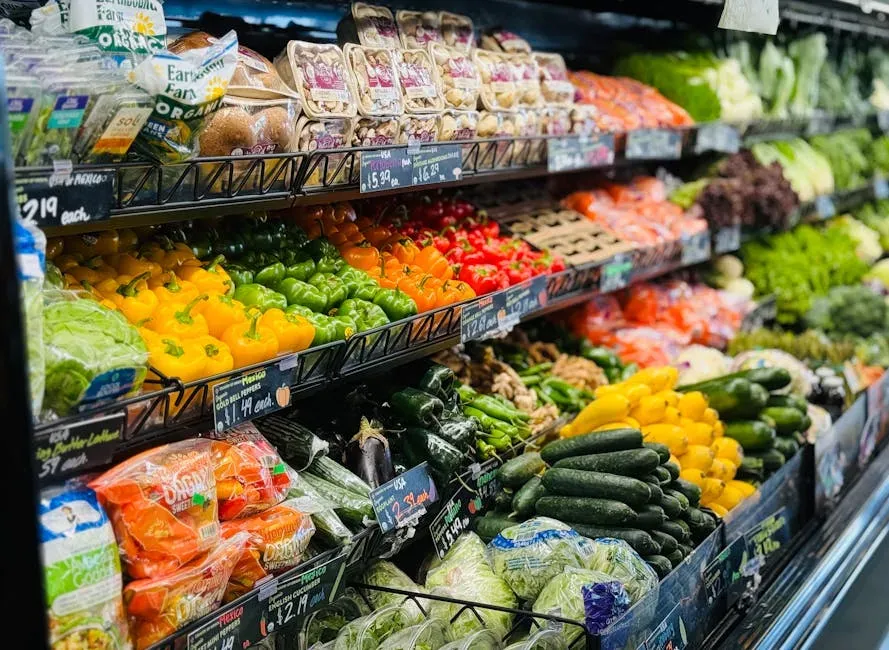
Here’s something store employees know that most shoppers never think about: produce delivery schedules vary by store, and the day you shop makes a real difference. Most large grocery chains receive fresh produce multiple times per week, with certain days being peak restocking days. Shopping earlier in the week or right after a delivery cycle often means fresher options at the same price.
Like in previous years, dairy tops the list of edible categories that consumers purchased most often at grocery stores in the past month, including milk, eggs, and cheese, although fresh produce is tied for the number one spot. Bread and bakery items, salty snacks, and fresh meat and seafood also remain top-shopped categories. Given how much shoppers rely on fresh produce, timing your trip isn’t trivial. It’s the kind of thing the person stocking the shelves knows instinctively – and rarely gets asked about.
The Perception of National Brands Is Fading – And That Shift Benefits Shoppers
The percent of grocery shoppers who agree that brand names are better than store brands dropped from around forty-four percent in 2024 to thirty-eight percent in 2025. That’s a meaningful shift in a single year, and it suggests the old “brand name equals quality” belief is quietly losing its grip.
The Private Label Manufacturers Association projects private label sales in the United States to hit a record $280 billion by the end of 2025 – and that momentum is carrying straight into 2026. Private label now accounts for roughly 21% of the total U.S. food and grocery market, continuing to grow at a pace that outstrips the overall category by a wide margin. What’s changed isn’t just price – it’s perception. Private-label brands have now outpaced national brands in both dollar and unit sales growth for multiple consecutive years, and they’re doing it with better packaging, stronger quality, and more innovation than ever before. Retailers aren’t just competing on value anymore – they’re competing on brand identity. The smart shopper has already caught on. The rest are still paying extra for the logo.
The grocery store is not a neutral space. Every shelf height, every demo station, every loyalty app notification is engineered with a purpose. Knowing these secrets doesn’t mean you stop shopping – it means you shop smarter, spend less, and leave with what you actually came for. What would you have guessed was the biggest money-saver of them all? Tell us in the comments.