
There is a particular kind of disappointment that only travel can deliver. You plan for months, you arrive full of excitement, you sit down at a famous restaurant – and then comes the bill. Or worse, the food. Or both. Millions of travelers each year walk away from some of the world’s most hyped dining spots feeling cheated, bored, and honestly a little embarrassed they fell for it.
Nearly 90% of Americans have been victims of a tourist trap at least once in the past two years, according to a 2024 survey by PhotoAid. According to the same study, the top three criteria that make a place a tourist trap are above-average pricing, amenities tailored for tourists, and a lack of cultural authenticity. So which restaurants keep showing up on the “do not go” list? Let’s find out.
1. Restaurants Around Times Square, New York City – Neon Lights, Limp Food
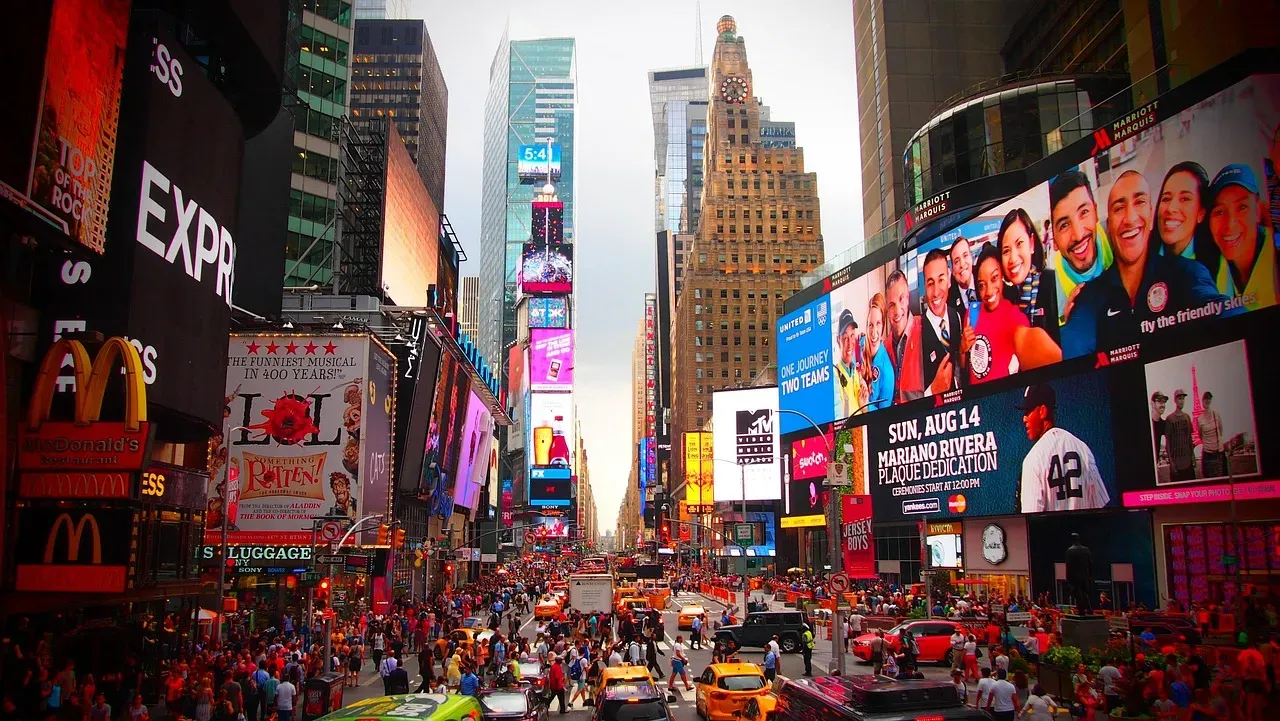
Times Square is one of those places that looks incredible in movies and feels utterly exhausting in real life. Times Square has earned the title of the world’s most stressful tourist trap, with a staggering 1,761 reviews calling it “overrated” or “underwhelming,” according to research. The restaurants packed into that district are a huge part of why.
All spectacle and no substance best describes this central commercial hub in midtown Manhattan. Oversized billboards, overpriced chain restaurants, aggressive crowds, and enterprising street performers looking for tips make Times Square the ultimate tourist trap. You’re essentially paying a location premium for food you could get anywhere in America for half the price.
Restaurants near iconic landmarks like Times Square in New York City became known for their exorbitant prices, poor quality meals, and lackluster service. These venues capitalized on their prime locations, knowing that many tourists were willing to pay a premium for the convenience. Honestly, walk a dozen blocks in any direction and the whole dining experience transforms.
2. Fisherman’s Wharf Restaurants, San Francisco – The World’s Most Mentioned Tourist Trap
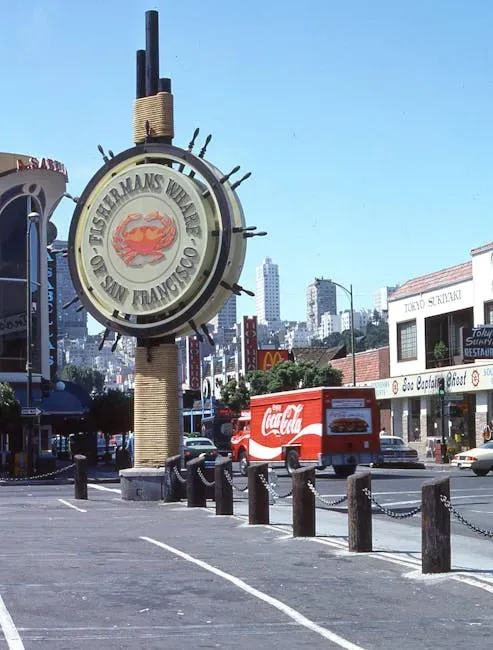
This is the granddaddy of all tourist traps, at least when it comes to data. Fisherman’s Wharf in San Francisco counts more “tourist trap” mentions, specifically 1,049, than any other attraction in the world. Situated on the northern waterfront of the city, the neighborhood is home to souvenir shops, restaurants, and attractions, receiving around 12 million visitors annually.
Not only do locals steer clear, with SFGate calling it “the most universally derided neighborhood in all of San Francisco,” it also attracts the ire of tourists online. The seafood looks appealing from a distance, but most visitors report that the quality rarely justifies the cost.
The “world-class dining, shopping, hotels and endless entertainment opportunities” touted by the city’s tourism board aren’t quite what they’re cracked up to be, according to TripAdvisor reviewers. If you want genuinely good San Francisco seafood, the locals will point you somewhere far from the waterfront crowds.
3. Bubba Gump Shrimp Co. – A Movie Souvenir Masquerading as a Meal
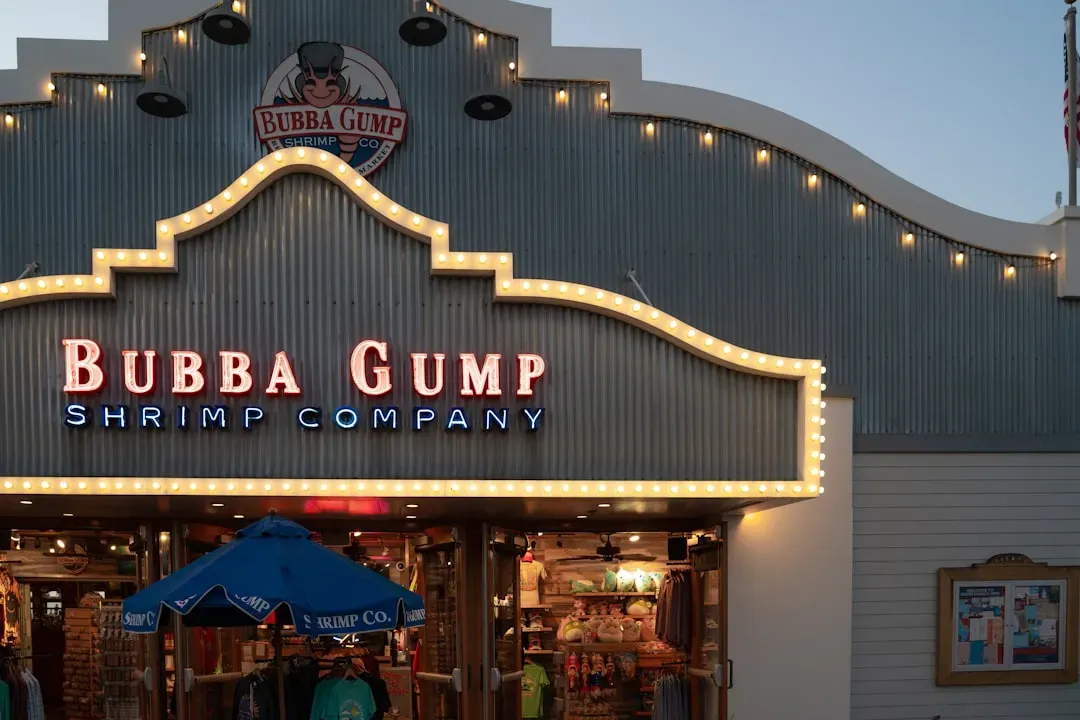
Bubba Gump Shrimp Co. is a fictional business created by the titular book and film character Forrest Gump. In the movie, Forrest creates the business in honor of his shrimp-obsessed war pal Bubba after Bubba dies in battle. “Forrest Gump” is one of the most famous films of all time, and it was so impactful that restaurateur Anthony Zolezzi acquired the rights for the company name, turning the fictional shrimping business into a kitschy chain seafood restaurant.
Bubba Gump Shrimp Co. has a reputation for attracting fans of the film with movie-inspired decor while skimping out on food quality. The chain is home to tasteless, mushy shrimp and prawn tempura that’s all batter and minimal prawn. Even Bubba Gump Shrimp Co.’s fans aren’t fond of the fried shrimp, which should be one of the restaurant’s major draws. Fish filets here are said to be paper-thin, and fried calamari is hard.
Let’s be real: the entire concept is built on nostalgia for a film, not on culinary craft. Times Square locations of Bubba Gump stand out for all the wrong reasons. Overpriced seafood and aggressive merchandise sales dominate the experience, and countless reviews warn there’s better food just a short walk away.
4. Restaurants at St. Mark’s Square, Venice – Paying a Fortune for a Pigeon’s View
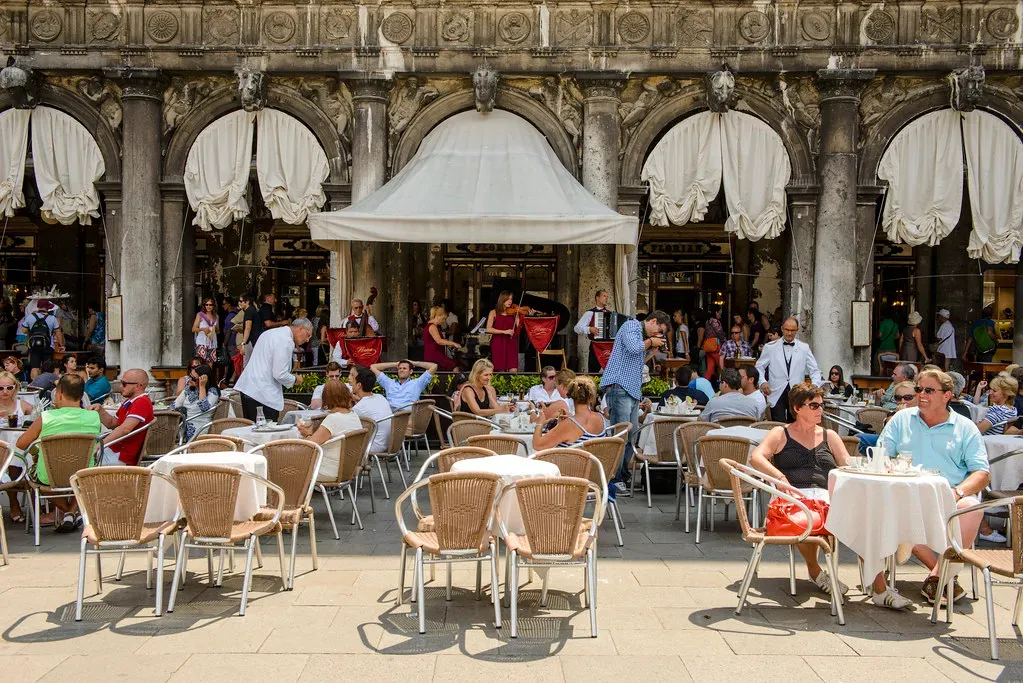
Venice is breathtaking. The restaurants around St. Mark’s Square, on the other hand, have become something of a cautionary tale. The square can see up to 50,000 visitors on peak days. This crowd makes it hard to enjoy the square’s stunning architecture, which mixes Byzantine, Gothic, and Renaissance styles. Prices are also high, with a simple coffee costing €15 to €20, making the visit less enjoyable. That is not a typo. A single coffee.
Shockingly high drink prices and repeated warnings from past customers make it clear why several travelers place this café zone high on Venice’s “avoid” list. The prime St. Mark’s Square seating drives the premiums. The bill reflects prestige rather than value. Extra charges for music and views push prices well beyond what most expect, and even simple orders become costly. This ensures its place among the most criticized tourist-focused cafés in Venice.
Venice is undeniably magical, but its tourist traps are among the most infamous in Europe. Wander into the narrow alleyways behind the square and you’ll find the same espresso for a fraction of the price, served by locals who actually care what’s in your cup.
5. Nusr-Et (Salt Bae’s Steakhouse) – Gold Leaf, Thin Wallet
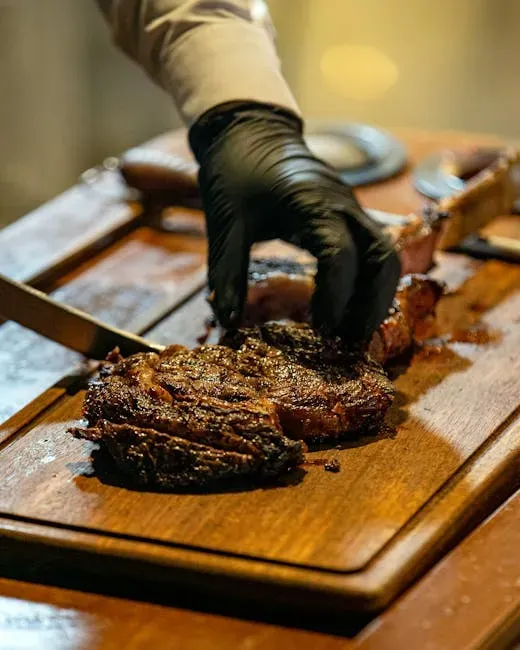
Few restaurants have built their entire brand on a single viral moment, and Nusr-Et is the poster child of that phenomenon. Gold-leaf steaks and celebrity theatrics define the experience at Nusr-Et. Mixed reviews and an emphasis on social media spectacle leave most feeling shortchanged. For critics, the hype eclipses the food, and for many, this is one of London’s most overhyped dining spots.
The restaurant from internet sensation chef Salt Bae has overpriced steak and entertainment value. Almost all the buzz about Nusr-Et has been negative. Think of it this way: you are not paying for the steak. You are paying for the Instagram post. The steak is essentially a prop.
They don’t care about the food; they just want people to take pictures or videos and post them on social media for attention. That perfectly describes a restaurant model that has left diners around the world feeling like they funded a content shoot rather than enjoyed a proper meal.
6. Restaurants Near the Leaning Tower of Pisa, Italy – Fast Selfies, Slow Overcharging
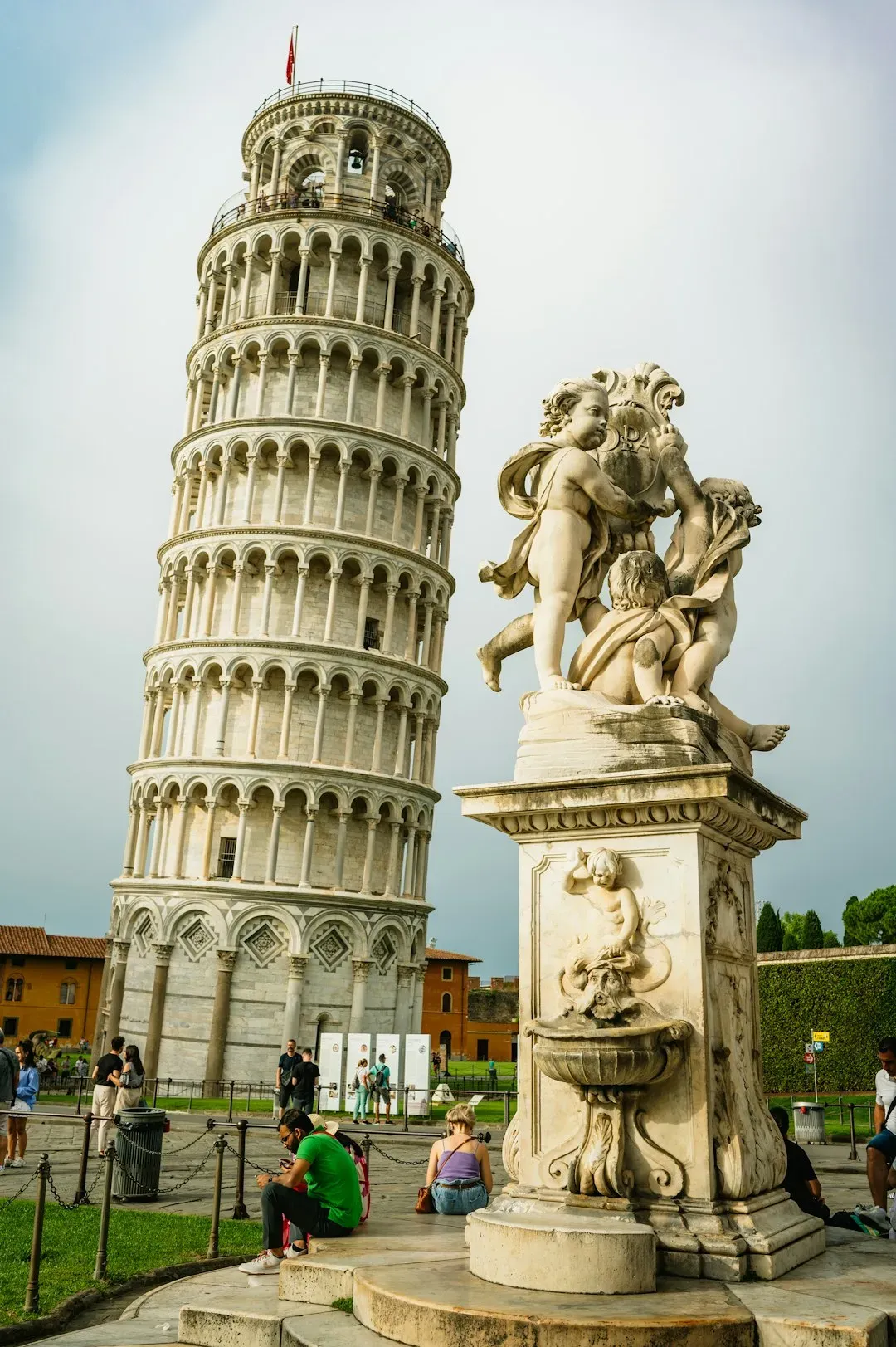
The Leaning Tower of Pisa experience is notoriously brief, and the restaurants that circle the area know it. The entire town feels like a tourist trap designed to extract money from people who traveled far to see an architectural mistake. Restaurants near the tower charge outrageous prices for mediocre food, and the whole experience can be wrapped up in about five minutes, leaving you wondering why you bothered.
The Leaning Tower of Pisa has to be one of the most overrated destinations on the entire planet, serving essentially as just a selfie spot. You’ll find crowds of people looking to take the same photo you have seen hundreds of times online, with the famous tower being much smaller than you might expect and long lines to wait for your turn.
Here’s the thing: when you combine a five-minute attraction with an army of restaurants that know you’re captive and hungry, the math is never in your favor. Eat before you arrive, or linger in a town further from the tower where actual Italians actually eat.
7. Bourbon Street Restaurants, New Orleans – Great Vibe, Terrible Value
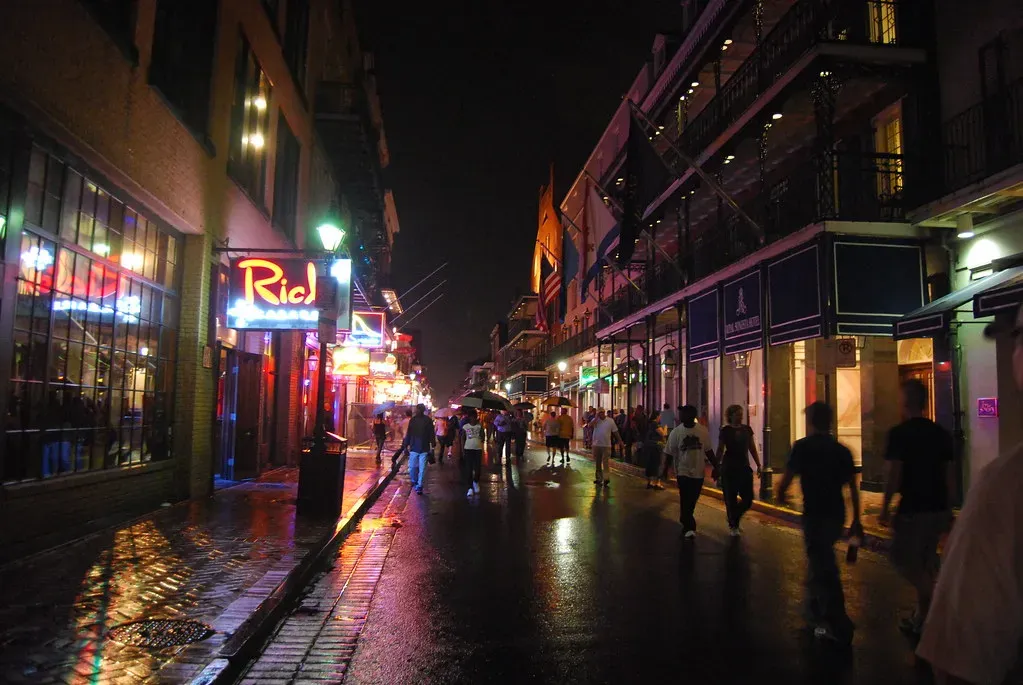
Nobody questions that Bourbon Street has energy. It vibrates with noise, history, and a certain chaotic magic. The food, though, is another story entirely. Primarily a pedestrian-only thoroughfare, Bourbon Street hosts vehicles at certain times to maximize foot traffic to its 60-some-odd bars and restaurants. To avoid overpriced drinks, expensive meals, and tacky gift shops, visitors should venture outside this 13-block stretch to discover the real New Orleans.
Tourist-heavy zones often hike up food prices while skimping on quality. Restaurants cater to one-time visitors rather than loyal customers, so there’s less incentive to impress. Duval Street in Key West and Bourbon Street in New Orleans are fun for atmosphere but reviewers often mention overpriced, mediocre meals.
New Orleans has one of the most extraordinary culinary cultures on the planet, which makes eating badly there almost unforgivable. The city’s real food scene starts the moment you leave the tourist corridor. Walk two blocks off Bourbon and you’ll find gumbo that will change your life, for a fraction of the price.
8. Restaurants on Las Ramblas, Barcelona – Europe’s Most Expensive Stroll
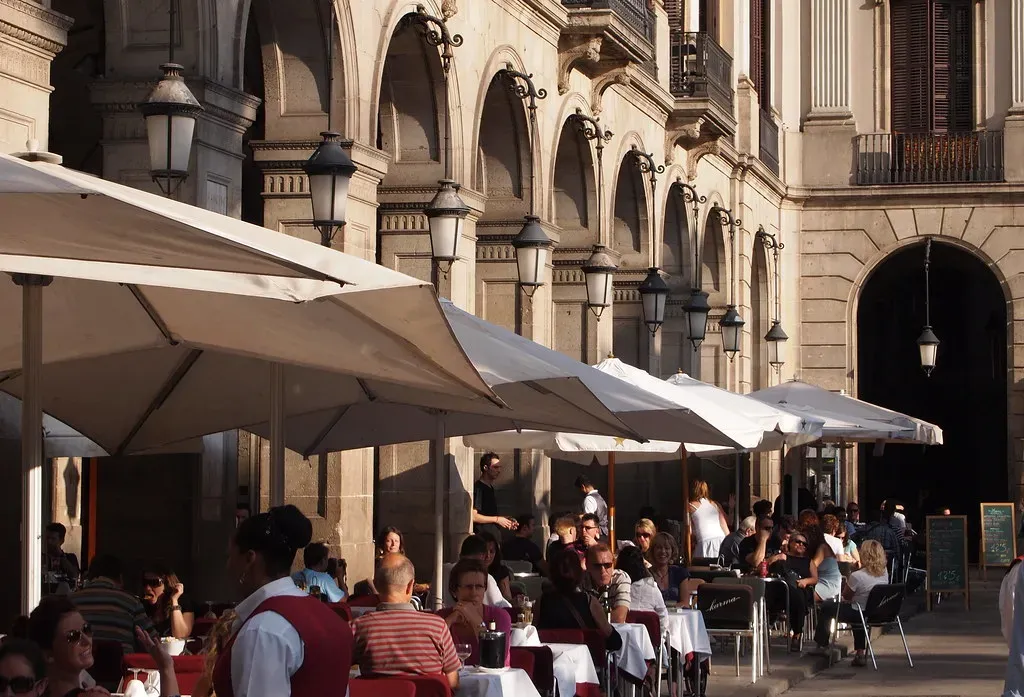
Barcelona is a dream destination, but its main thoroughfare, La Rambla, remains a hub for tourist traps. Vendors will still try to sell you just about anything nonstop, from souvenirs to overpriced beers. Reports and travel advisories through 2025 and into 2026 continue to flag the area as one of Europe’s most active pickpocketing hotspots. Sitting down at one of the terrace restaurants lining the boulevard often compounds the problem, with inflated prices and a higher risk of petty theft.
Among the many money mistakes travelers make is opting for overpriced meals in tourist-heavy areas, often at the expense of authentic local experiences. Spain welcomed 94 million visitors in 2024, according to EuroNews, and a significant portion of those tourists still end up dining on La Rambla simply because it’s convenient and highly visible. Even in 2026, this pattern persists, making it easy to fall into the tourist-trap trap if you’re not careful.
For a more authentic experience, venture into the Poble Sec neighborhood. This area is known for its excellent tapas bars and affordable dining options. That is where the real Barcelona food scene breathes, lives, and doesn’t try to upsell you a sangria at triple the price.
9. Lower Broadway Restaurants, Nashville – Country Music Markup
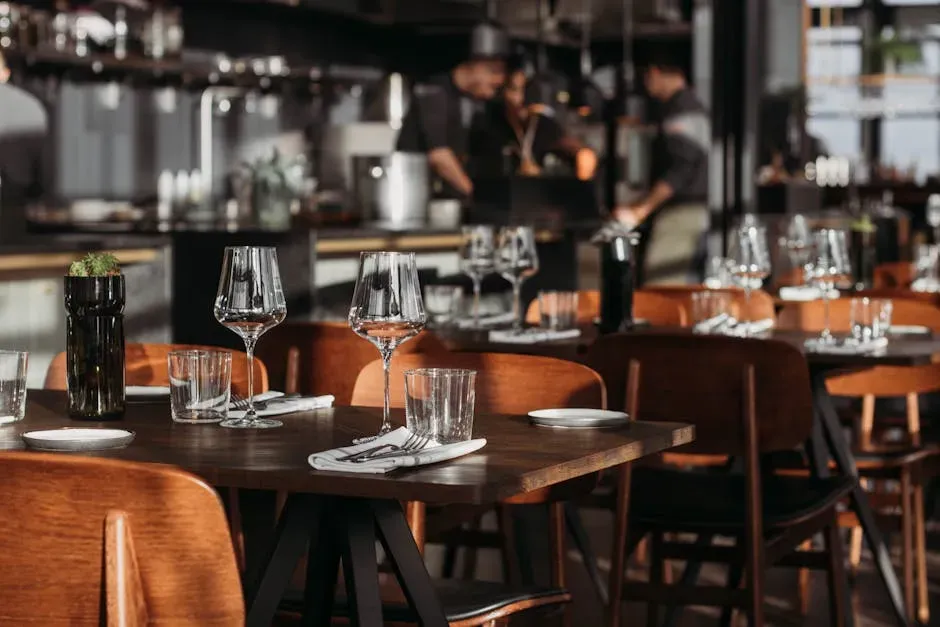
Nashville has exploded as a tourist destination, and Lower Broadway is its beating commercial heart. You’ll also find premium-priced restaurants, museums, and live music venues like the famous Ryman Auditorium here, making Lower Broadway a quintessential tourist trap. Visitors should be prepared to shell out top dollar for food and drink.
Tourist-heavy zones often hike up food prices while skimping on quality. Restaurants cater to one-time visitors rather than loyal customers, so there’s less incentive to impress. Nowhere is this more visible than on Nashville’s strip, where a burger and a beer can cost what a full local meal would elsewhere in Tennessee.
I think what makes it particularly frustrating is that Nashville genuinely has incredible food, from hot chicken to meat-and-three diners that have been feeding locals for decades. The Lower Broadway strip largely ignores all of that in favor of predictable, tourist-friendly menus priced for people who aren’t coming back.
10. Restaurants Near the Pyramids of Giza, Egypt – Ancient Wonder, Modern Rip-Off
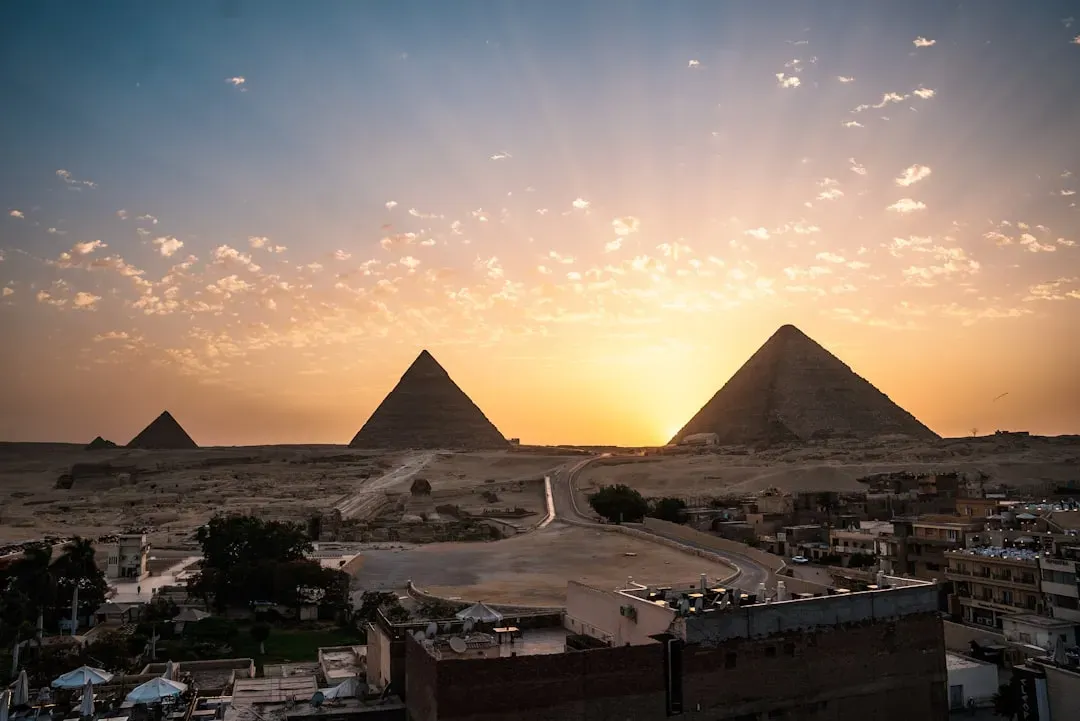
The Great Pyramids of Giza remain among humanity’s most staggering achievements. The dining options around them, less so. The Giza Necropolis welcomed over 17.5 million tourists in 2024 alone – an almost unimaginable number of people trying to appreciate the same ancient stones at once. By 2026, reports continue to highlight the challenges of visiting the site: pushy vendors and unofficial guides remain a major nuisance, often making the area feel more like a bustling marketplace than a historic landmark.
Egypt is known for aggressive sellers, and the restaurants immediately surrounding the pyramids have absorbed that reputation entirely. Inflated menus printed in multiple languages, hard-sell tactics at the entrance, and food that doesn’t represent Egyptian cuisine at its finest make for a genuinely underwhelming pairing with one of the world’s greatest landmarks.
It’s hard to say for sure, but it sometimes seems like these establishments have calculated exactly how little they need to offer before visitors simply stop caring because they’re too distracted by what’s outside the window. Skip the tourist circle restaurants and head into Cairo proper for a meal worth remembering.
11. Caffè Greco and Similar Historic Cafés in Rome – Paying for a Plaque on the Wall
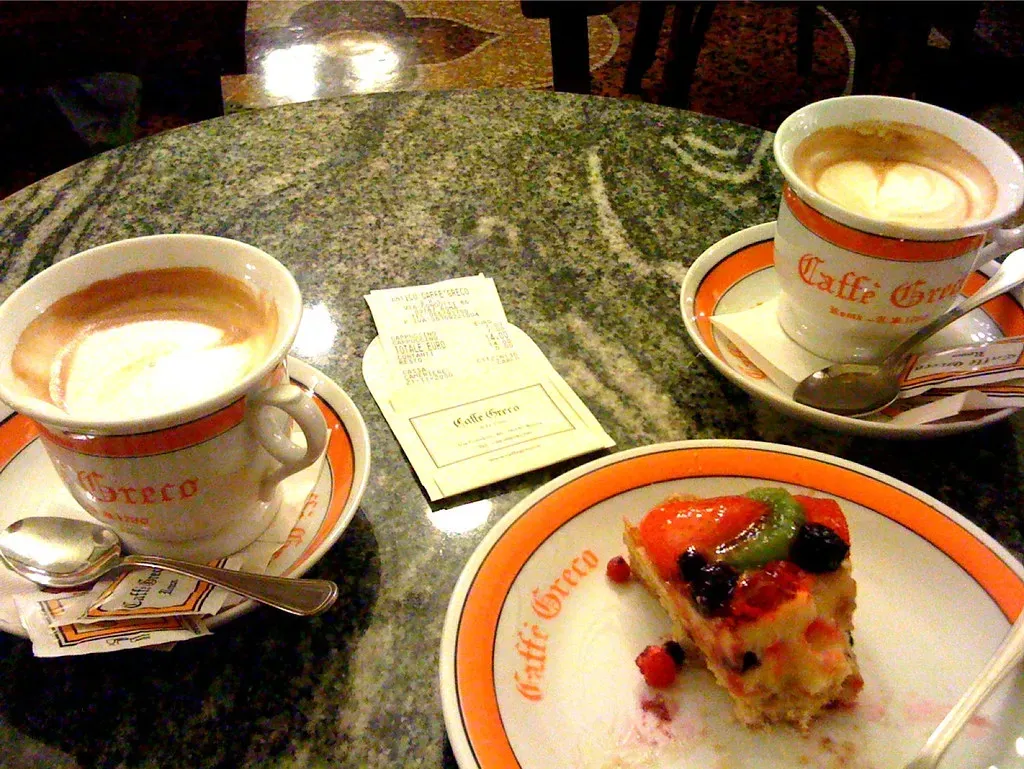
Rome has an extraordinary café culture, but some of its most famous establishments have let reputation do the heavy lifting for decades. Caffè Greco’s literary history can’t distract from steep prices and service complaints. Visitors regularly name it a top rip-off in Rome, and mixed reviews suggest that the café’s reputation benefits more from its age than from the experience it offers.
Some spots near Castel Sant’Angelo are infamous for inflated bills and hefty service charges. Visitors have repeatedly called out non-transparent pricing, and the steady stream of complaints has cemented their place among Rome’s worst tourist dining experiences. There’s something almost theatrical about being handed a receipt that bears no resemblance to what you thought you ordered.
The traditional appeal of tourist traps, often characterized by easily accessible, heavily marketed attractions with high prices and standardized experiences, has waned in recent years. Modern travelers are increasingly seeking authenticity and immersion, favoring genuine connections with local culture and experiences rather than conventional tourist offerings. Rome’s side-street trattorie are waiting, and they’re magnificent.
12. Cancún Hotel Zone Restaurants, Mexico – All-Inclusive at All-Exclusive Prices
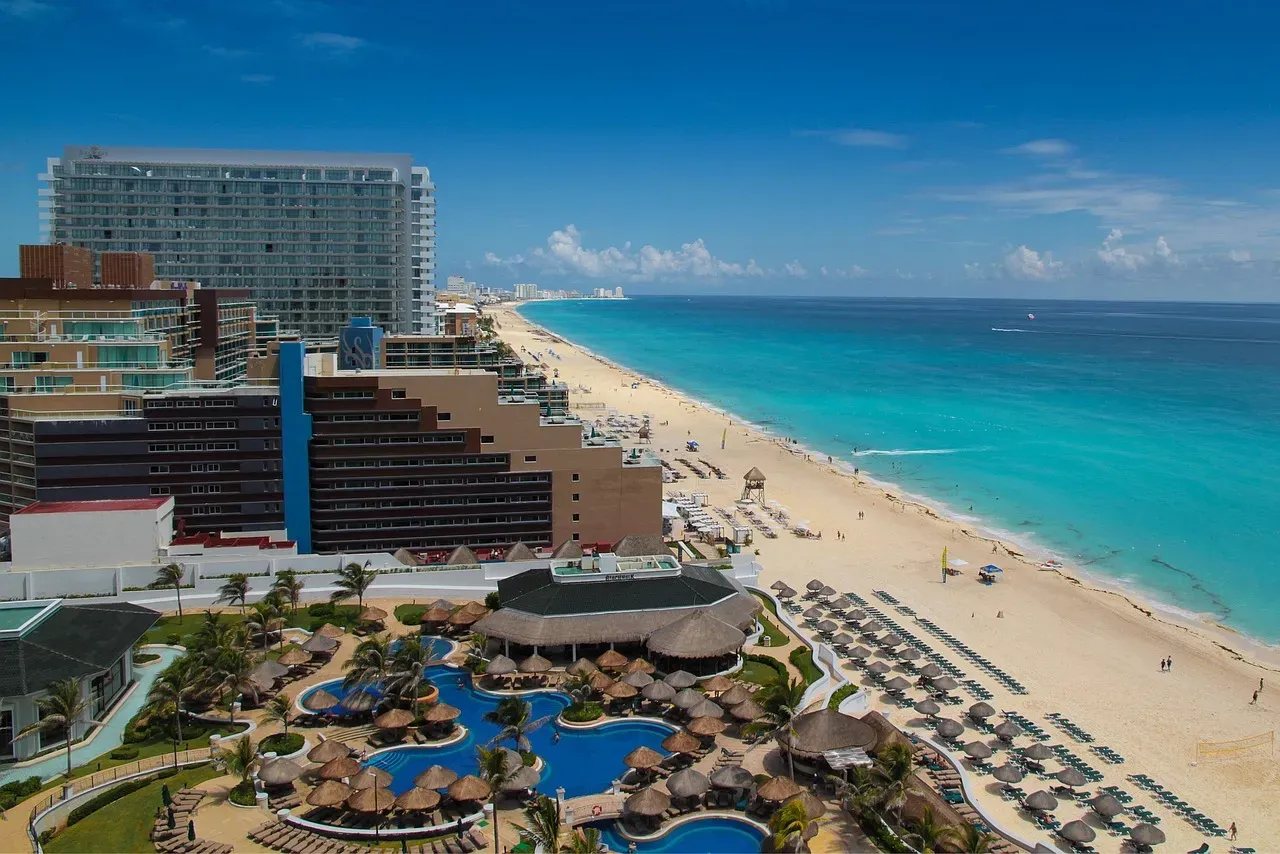
Cancún draws enormous crowds, and the restaurant ecosystem inside the Hotel Zone has evolved to extract maximum spend from every single one of them. The most common charges against Cancún were its marked-up prices, relentless souvenir hawkers, and a superficial, tourist-centric feel. Endless rows of all-inclusive resorts have made the area feel less like Mexico and more like a corporate playground, and many travelers say they barely tasted genuine local cuisine, as hotel buffets dominated the scene.
According to SECTUR data, there were over 9.7 million international arrivals in Cancún in 2024 alone, which creates a constant flow of first-time visitors who haven’t yet learned where not to eat. Restaurants inside the Hotel Zone operate with that knowledge baked into their pricing strategy.
Environmental worries are mounting as well, with snorkelers noticing bleached coral and a declining fish population, making the underwater experience far less magical than advertised. So not only is the food in the tourist zone overpriced and inauthentic, the natural backdrop that makes the destination appealing is under serious pressure too. The real Mexico, including the food, is just a bus ride away from the resort strip.
Conclusion: Your Wallet Will Thank You for Walking a Little Further
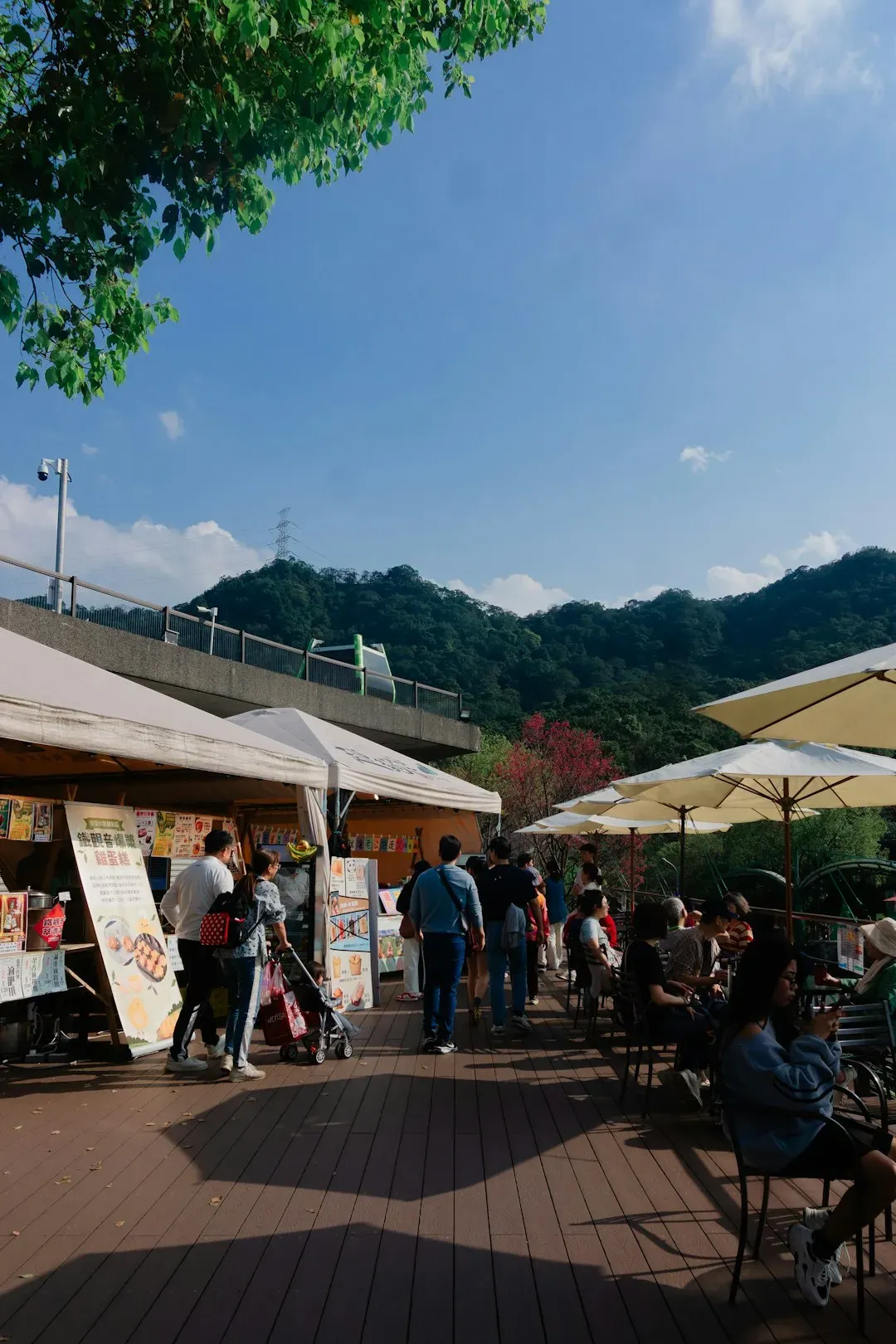
Nearly 70% of travelers felt their trip enjoyment diminished after being in a tourist trap, which is a striking number when you think about it. A single bad meal at an overpriced restaurant can genuinely color how you remember an entire trip.
Modern travelers are increasingly seeking authenticity and immersion, favoring genuine connections with local culture and experiences rather than conventional tourist offerings. This shift has led to a growing demand for unique and meaningful experiences that go beyond the superficial allure of traditional tourist traps. Rather than flocking to the most popular attractions, they are more inclined to explore local neighborhoods, dine at lesser-known eateries, and participate in cultural activities that provide a more genuine understanding of the place they are visiting.
The pattern across all twelve of these restaurant zones is almost identical: a landmark, a captive audience, and a menu designed for people who aren’t going to come back. The solution is surprisingly simple. Walk further. Ask a local. Sit somewhere that has no English signage out front. The best meal of your trip is almost never the most obvious one. Did any of these spots surprise you?