
Every few years, a grocery store that once felt like an everyday fixture simply stops being there. No dramatic announcement, no farewell sale, no moment that marks its passing. You just reach for your car keys one day and realize the parking lot where you used to grab your weekly groceries is now a gym or a vacant shell.
The grocery industry is a brutal one, built on razor-thin margins and fierce competition. On a corporate and commercial level, supermarkets operate in a cutthroat industry, made all the more challenging by razor-thin profit margins, with labor costs and fluctuating food trends keeping the sector in constant flux. Some of the biggest names went quietly. Others barely got a goodbye. Let’s dive in.
1. A&P (The Great Atlantic & Pacific Tea Company)
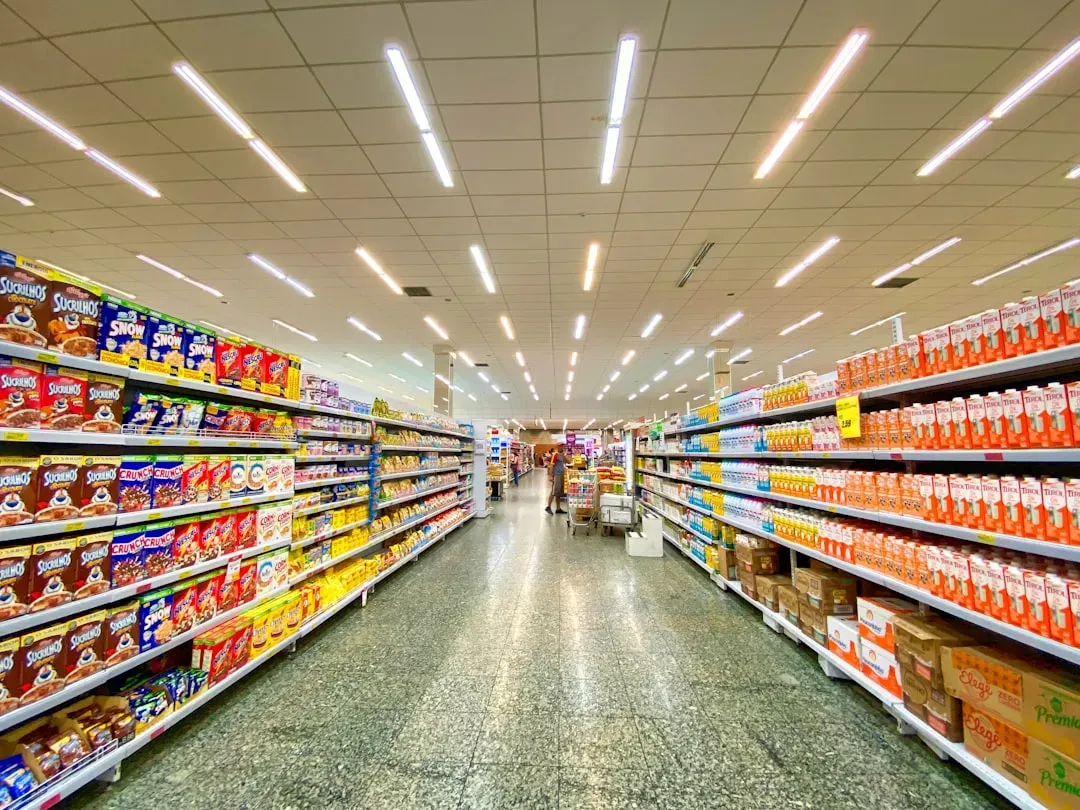
Here’s a name that deserves far more mourning than it got. Starting as a tea business in the 1800s, A&P pivoted when it opened its first grocery store in 1912. With a revolutionary business model offering customers a wide variety of food products at lower costs, it quickly became the largest grocery store chain in the United States, operating nearly 16,000 locations at its peak. That’s not a typo. Sixteen thousand stores.
By 2012, that store count had dwindled to just 320. A&P filed for bankruptcy in 2015, and by 2018, all of the company’s stores had been closed and their locations sold. Honestly, the fall of A&P might be one of the greatest collapses in American retail history, and most people barely noticed it happen.
2. BI-LO
If you lived in the Southeast, you probably shopped at BI-LO at some point. BI-LO was part of an American supermarket portfolio headquartered in Jacksonville, Florida, created under parent company Southeastern Grocers alongside Harveys and Winn-Dixie. The chain had real regional loyalty, especially in the Carolinas and Georgia.
BI-LO filed for Chapter 11 bankruptcy as early as 2009, before receiving a cash infusion that helped it emerge from bankruptcy in May 2010. The recovery was short-lived. In 2020, Southeastern Grocers announced it would officially discontinue the BI-LO brand, and just like that, a store that millions of Southeastern shoppers had grown up with was gone for good.
3. Foxtrot Market and Dom’s Kitchen & Market
This one stings a little differently, because Foxtrot and Dom’s weren’t struggling relics from a past era. They were modern, well-funded, and genuinely exciting. Founded as an app-based delivery business, Foxtrot ultimately grew to 33 physical locations in upscale neighborhoods across Chicago, Washington D.C., Dallas, and Austin, marketed as a modern marketplace combining on-demand delivery with specialty grocery.
Both Chicago-based grocery chains, Dom’s Kitchen & Market and Foxtrot Market, abruptly closed their stores in April 2024 – just six months after announcing a merger. The shutdown came as a shock, given that the Chicago-born chain had secured a $100 million Series C investment in 2022 and had raised at least $160 million in total funding since its founding. On May 15, 2024, both Foxtrot and Dom’s Kitchen filed for Chapter 7 bankruptcy liquidation, marking a dramatic end to their rapid expansion.
4. Genuardi’s Family Markets
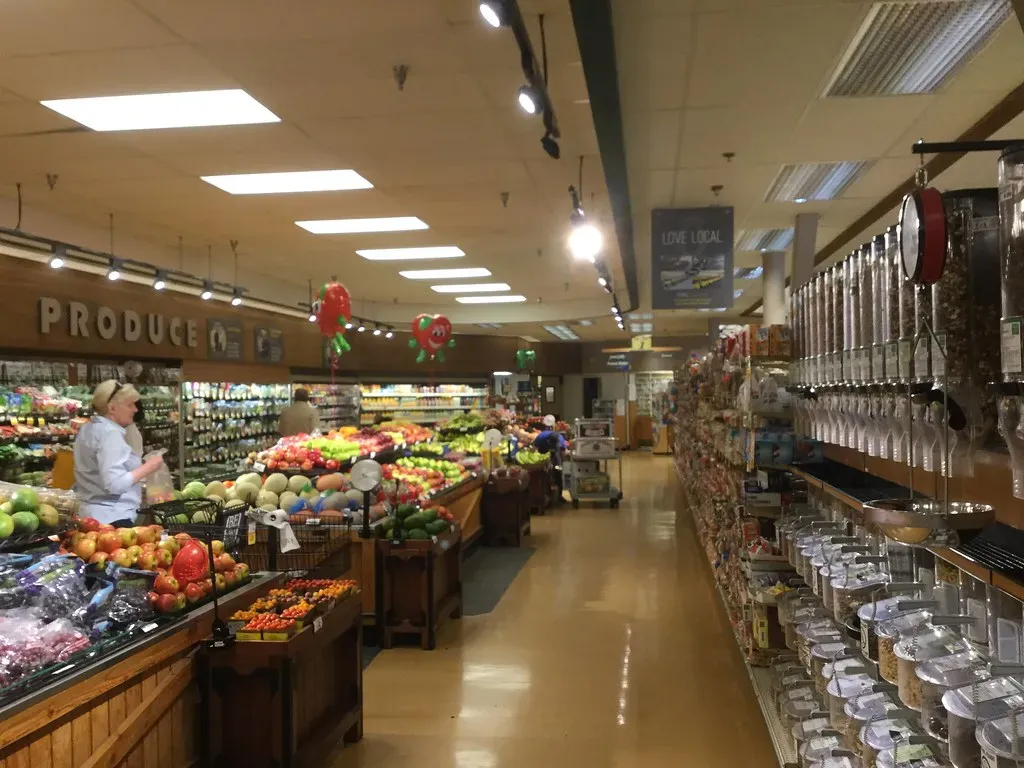
Genuardi’s was a genuine community institution in the Northeast, and its disappearance is a textbook story of what happens when a beloved family brand falls into corporate hands. The grocery stores went through three generations of Genuardi family management until Safeway acquired it in 2001, after which the reputation promptly declined and stores began shutting down one by one until the last remaining locations closed in 2015.
Previously, Genuardi’s was known for its healthy produce and food options, including plenty of vegetarian-friendly choices. For people who loved fresh produce that was good for both their wallet and their health, Genuardi’s was a dream. After the acquisition, customers complained that Safeway hiked prices, and the public clearly preferred the personal touch the family had provided. It’s a story as old as grocery retail itself: the corporate machine swallows what made something special.
5. Dominick’s Finer Foods
Chicago had a deep love for Dominick’s, a chain that went all the way back to 1918. Dominick’s Finer Foods was a Chicago-area institution, opening in 1918 inside a modest 1,000-square-foot space on the Northwest side of the city. For generations of Midwestern families, Dominick’s wasn’t just a store. It was part of the neighborhood fabric.
Dominick’s was purchased by Safeway in 1998 but never quite meshed with the corporate model. After years of declining sales and a growing disconnect with local shoppers, Safeway closed all Dominick’s stores in 2013. Much like Genuardi’s, this is a story about a brand that lost its soul the moment a bigger company took over. I think there’s a genuine lesson here that most grocery executives still haven’t learned.
6. Waldbaum’s
This one is for anyone who grew up in the New York tri-state area. Waldbaum’s was a familiar name especially on Long Island, established as a family-run business by two Jewish-Ukrainian immigrant brothers back in 1904. The Waldbaums eventually sold their business to A&P in 1986.
That meant that when A&P declared bankruptcy, Waldbaum’s fate was tied to it, and all stores shuttered. In a cruel twist of corporate fate, a brand with over a century of history was simply caught in the undertow of a bigger collapse. Waldbaum’s had actually been one of the most progressive supermarkets of its era when it came to hiring practices, employing Black workers as checkout staff as early as 1938, a remarkable step during a time of widespread segregation.
7. Alpha Beta
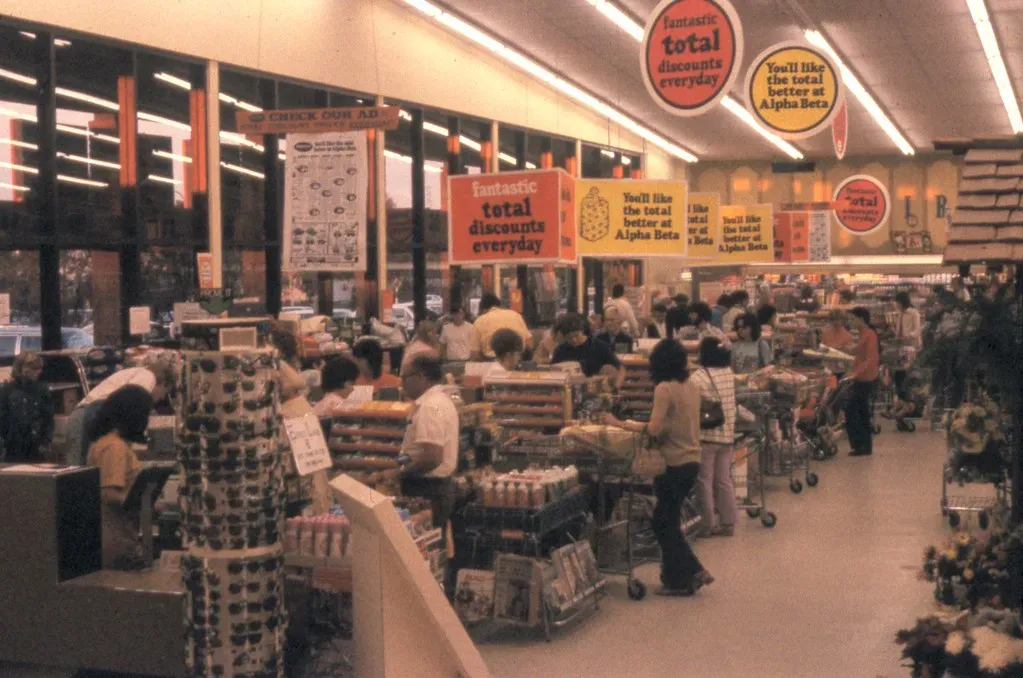
West Coast shoppers from the 1970s and 1980s will remember this one fondly. Alpha Beta was a quirky California-based chain known for its alphabetically organized aisles. Founded in the early 20th century, it became a popular West Coast staple before being acquired by American Stores in the late 1980s. The brand was later phased out in favor of Lucky and Albertsons, effectively erasing Alpha Beta from the map.
Part of what made Alpha Beta special was its emphasis on community, having started in the suburbs and giving it a particular place as a community touchstone for suburban consumers. Unfortunately, after a hostile takeover in 1979, the company’s popularity with customers started to decline. For many West Coasters, shopping at Alpha Beta was a childhood tradition that disappeared without much fanfare.
8. FreshDirect
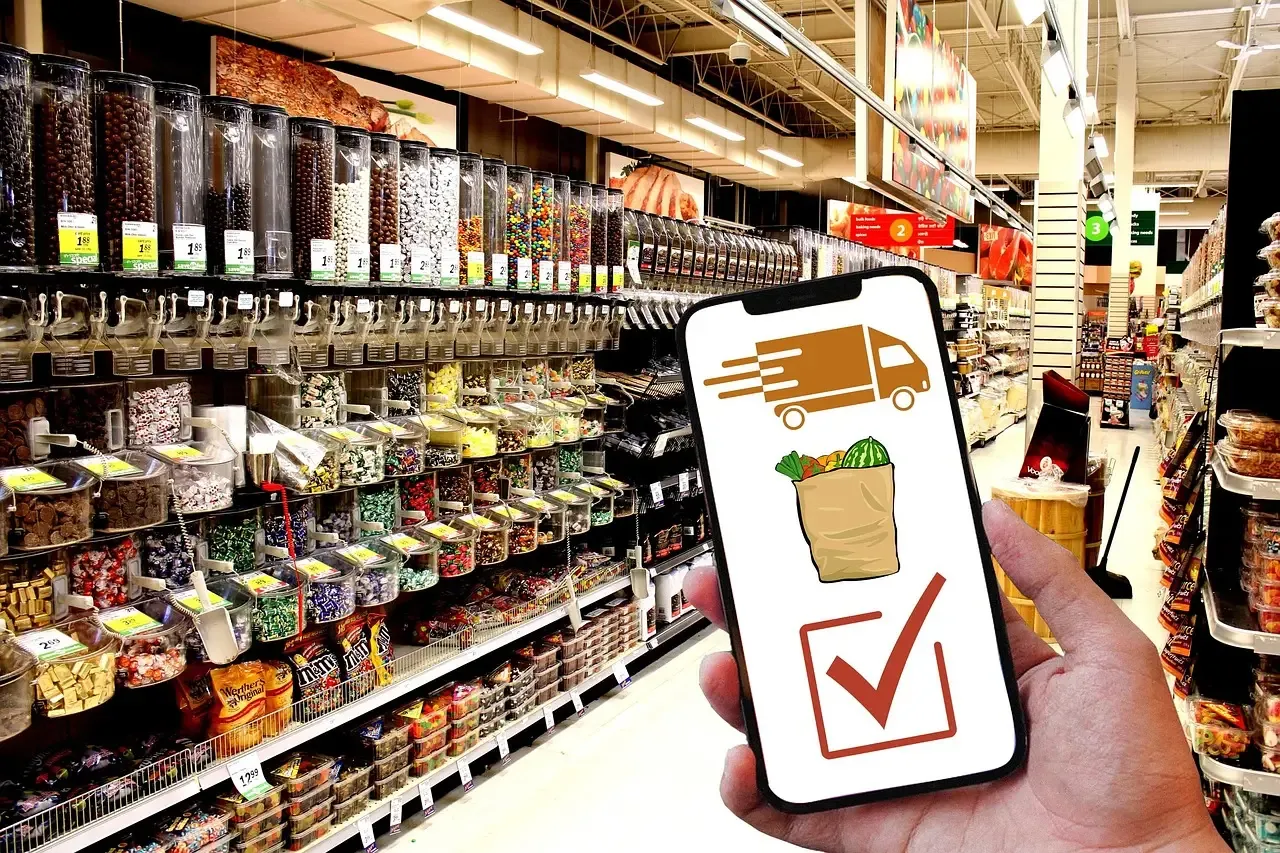
FreshDirect wasn’t a bricks-and-mortar chain in the traditional sense, but for millions of urban grocery shoppers in New York and nearby cities, it was the grocery brand. It pioneered online grocery delivery long before it became mainstream and built a fiercely loyal following.
A report on the final quarter of 2024 detailed how sales were negatively impacted for Ahold Delhaize’s U.S. operations, pointing to the divestment of the online grocery platform FreshDirect and the closure of 32 Stop & Shop locations before the end of 2024 – moves that continued to shape performance trends heading into 2026. The quiet offloading of FreshDirect went largely unnoticed in broader media, yet it marked the end of a brand that had genuinely changed how a whole generation thought about buying groceries. Over the last few years, grocery chains have had to battle a perfect storm of post-pandemic changes in customer behavior, rising prices from the cost of living crisis, and advances in technology that have left physical and online stores increasingly vulnerable.
The Bigger Picture: Why Grocery Brands Keep Vanishing
It’s worth stepping back and asking the obvious question: why does this keep happening? According to Coresight Research, 7,327 retail stores closed their doors in 2024 alone, a figure that was nearly 58% higher than in 2023. Discount stores, drugstores, and grocery chains made up the majority of those closures. That’s a staggering number, and grocery brands are far from immune.
Most chains have struggled to keep up with changing consumer behaviors, persistent inflationary pressures, and lingering post-pandemic impacts. The brands that survive tend to be the ones that either go aggressively cheap, like Aldi, or go deeply local. A lot of acquisitions and mergers have led the supermarket arena to become increasingly consolidated, and a growing number of the grocery names people grew up with in the 1980s and 1990s are simply no longer around.
Every single brand on this list had loyal customers. Every one of them had history. Some had over a century of it. The grocery store you shop at today might feel permanent. It isn’t. What grocery brand from your childhood do you still find yourself missing? Let us know in the comments.