
There was a time when heading out to a chain restaurant felt like a genuine treat. A familiar menu, a reliably decent meal, and a reasonable bill at the end. Somewhere along the way, that bargain quietly fell apart. Prices crept up, portions shrank, and the experience that once felt dependable started feeling like a gamble.
Some chains are quietly shrinking while others are rolling out sweeping ownership changes, untested business strategies, and cost-cutting measures that directly affect the dining experience. When customer complaints start sounding the same across dozens of cities, and when those complaints revolve around quality declines, understaffed locations, or corporate overhauls, it becomes harder to ignore the warning signs. This is that list. Ten chains diners are increasingly choosing to skip, backed by real data and real frustration. Let’s dive in.
1. McDonald’s – The Giant With a Trust Problem
Honestly, it feels almost strange putting McDonald’s on a no-go list. It’s the most recognized fast food brand on the planet. Yet the numbers don’t lie, and lately, the numbers have been ugly. McDonald’s finished last place in the ACSI Restaurant and Food Delivery Study 2025, with the brand scoring just 70 points, a decrease of 1%.
McDonald’s is struggling, with U.S. same-store sales recently falling 3.6%, the largest three-month drop since Q2 2020, when they dropped 8.7%. That kind of decline, compared to a pandemic-era low, is genuinely alarming. Price hikes have pushed customers away faster than any new menu item can pull them back.
McDonald’s has dealt with rare drops in sales and a wave of consumer backlash over its prices in 2024. The fast food giant built its empire on value. Now that value proposition feels increasingly hollow for many diners who feel they are paying sit-down prices for a drive-through bag.
2. KFC – The Colonel’s Recipe for Disappointment
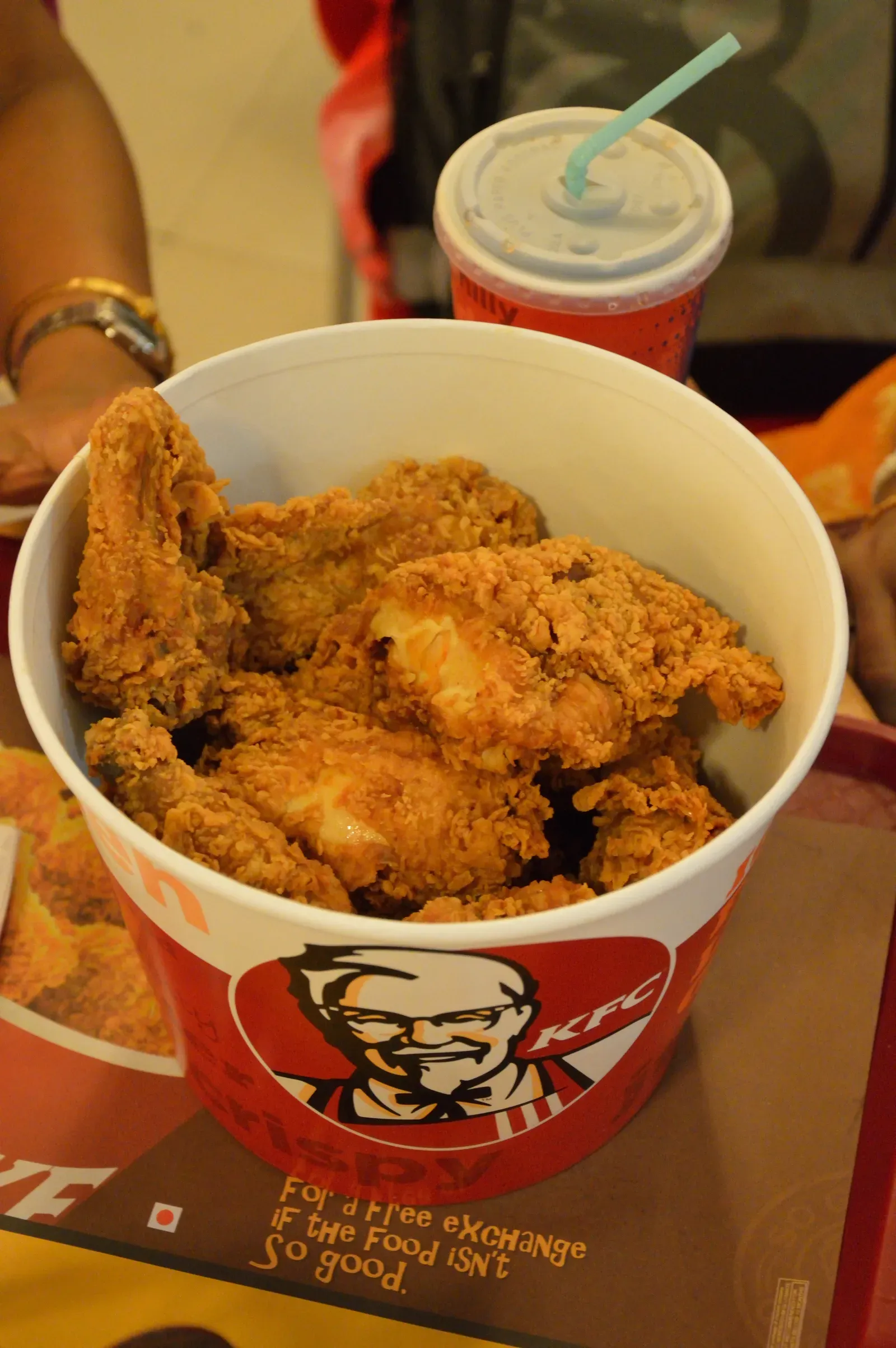
Here is a brand that was once synonymous with irresistible fried chicken. KFC practically invented the game. So what happened? The owner of the dubious distinction of the American Consumer Satisfaction Index’s largest drop from 2024 to 2025 is KFC, which fell from a score of 81 to 77 out of 100. That is a steep fall for a brand that used to hold real authority in the chicken category.
Customers who say the chain has declined most often talk about its budding inconsistency, including chicken that is not as crisp, flavor differences compared to long-held recipes, longer hold times, and sides that feel hit-or-miss. Think of it like a beloved band that keeps releasing albums, but something in the sound is clearly off. The brand is recognizable, but the magic feels gone.
The famed fried chicken franchise saw its sales in 2024 drop even as other poultry chains like Chick-fil-A, Popeyes, Raising Cane’s, and Wingstop increased their revenue. KFC fell behind all of those competing restaurants in total consumer spending, placing the once-dominant Colonel Sanders in fifth place among fast food chicken spots.
3. Red Lobster – A Seafood Story Gone Wrong
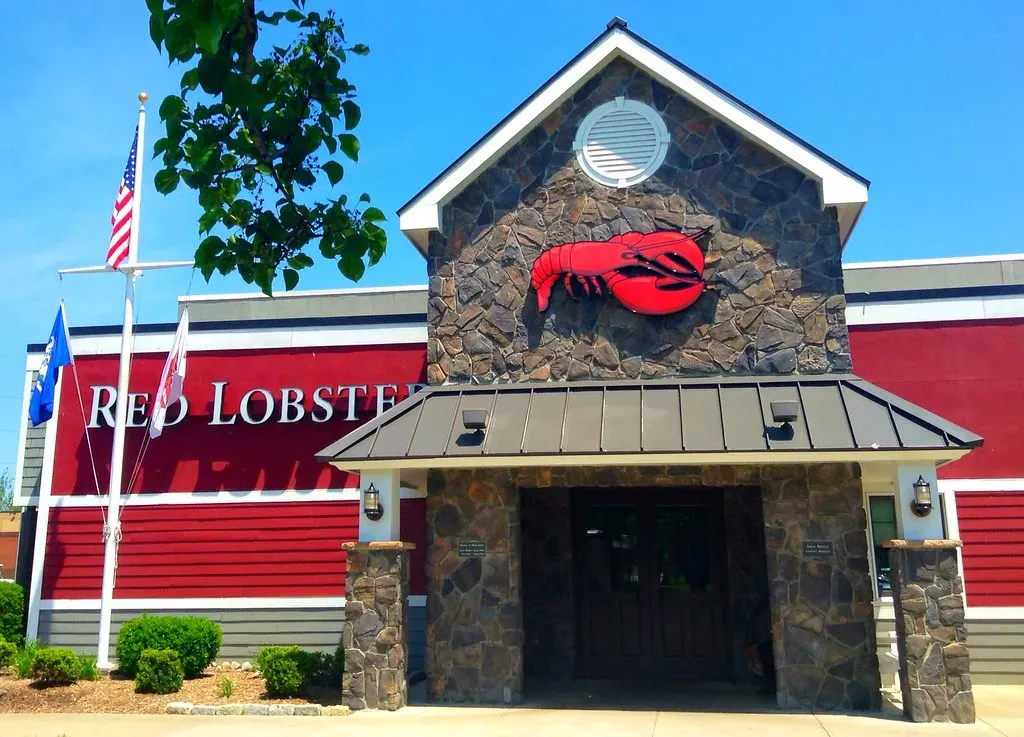
Few restaurant collapses in recent memory have been as dramatic, and as public, as Red Lobster’s. Red Lobster was driven into bankruptcy by mismanagement under a former owner, global shrimp supplier Thai Union. Thai Union cut Red Lobster’s longstanding suppliers, pushed out veteran employees, and infamously made $20 endless shrimp a permanent menu item for the first time, hurting its profit margins.
Red Lobster permanently shuttered more than 120 restaurants in 2024. The seafood chain closed roughly 100 locations before it filed for Chapter 11 bankruptcy protection in May. For a brand that once had over 700 locations globally, that is a staggering contraction in a very short time.
Customers complain that the prices, specifically the upcharges, are getting out of control. Combine that with the fact that the quality of the food seems to have declined precipitously, and it’s no wonder why patrons are no longer excited about the meals that they’re being served at the behemoth seafood chain. Lobster night used to feel celebratory. Now, many diners feel they are paying celebration prices for everyday disappointment.
4. TGI Fridays – Thank Goodness It’s… Closed?

TGI Fridays built its entire identity around the idea of a fun, reliable place to unwind. Cheesy appetizers, loaded cocktails, and that unmistakable red-and-white striped aesthetic. Somewhere between cost-cutting and bad strategy, that identity collapsed. This past few years have been a particularly tough one for TGI Fridays. It shuttered roughly 50 restaurants in 2024 after years of struggles with sales growth and closures.
In November, TGI Fridays joined the slew of restaurant companies that filed for bankruptcy protection. Before it filed for Chapter 11, it shuttered 86 restaurants, starting with 36 closures in January and another 50 in late October. That is an enormous number of shuttered doors in a single calendar year.
The last round of closures took the chain’s footprint down to roughly 160 open locations worldwide. The count could dwindle more. A bankruptcy court in Texas will determine TGI Fridays’ future, which could mean closures for the chain. It’s hard to say for sure, but the brand’s future looks genuinely uncertain heading into the rest of 2026.
5. Denny’s – The All-Night Diner Running Out of Steam
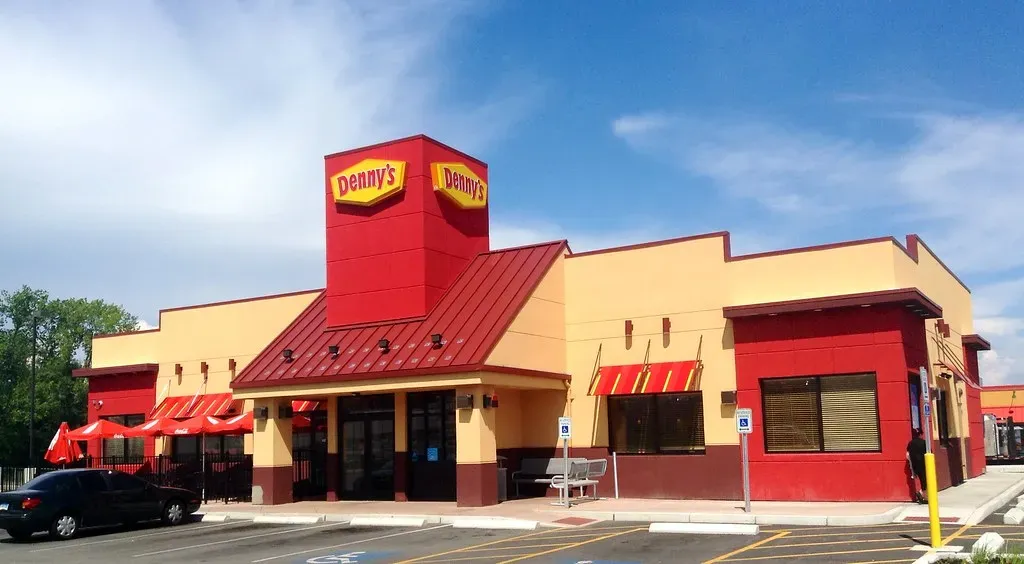
Denny’s has been feeding late-night road trippers and Sunday morning families since the 1950s. That kind of heritage should count for something. According to the American Consumer Satisfaction Index, Denny’s is the worst-rated full-service restaurant chain in 2025, with a rating of 75 out of 100. Its customer satisfaction score has gone down since 2024, which begs the question: What is going wrong at Denny’s?
Customers take issue with the long wait times and inconsistent service quality. Some customers note that it took more than an hour to be seated, while others claim their waitress all but ignored them, despite the restaurant not being all that busy. An hour wait at a casual diner is not just inconvenient, it’s a reason never to return.
Consistently declining sales have prompted Denny’s execs to announce the closure of 150 underperforming locations across the U.S., which accounts for 10% of its restaurants. After the October 2024 announcement, Denny’s stock fell 17% to $5.47 a share. Investors clearly saw the writing on the wall just as clearly as the customers did.
6. Outback Steakhouse – The Bloomin’ Onion Wilts
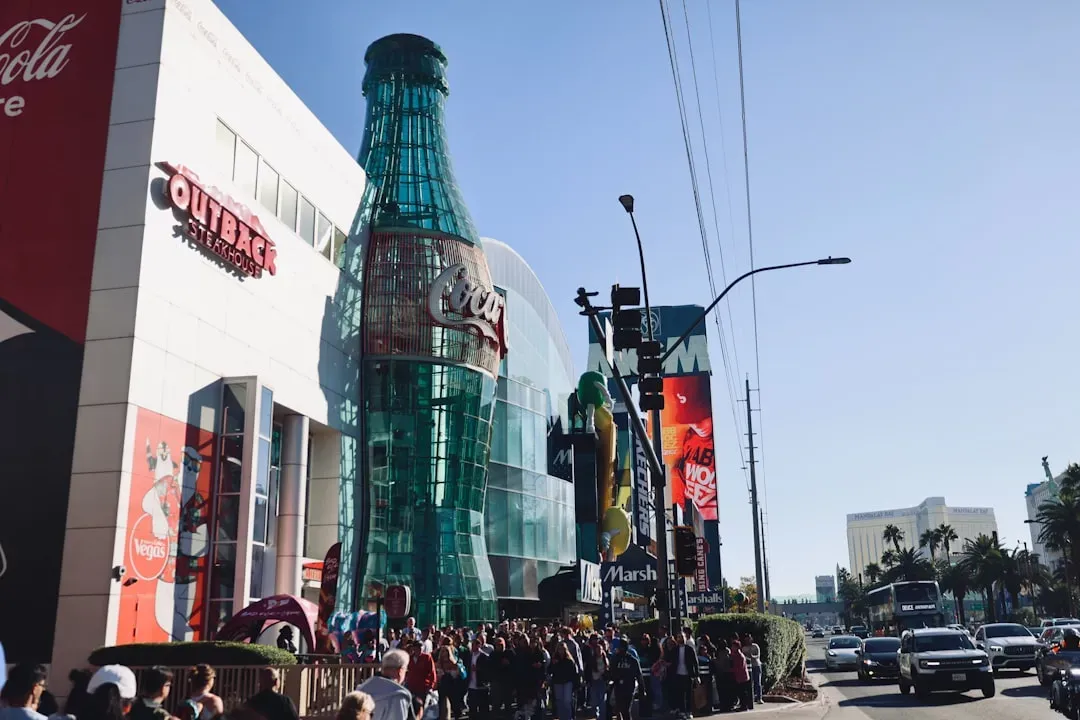
There is something genuinely sad about watching a once-beloved brand fade this way. Outback built its appeal on hearty steaks, that iconic Bloomin’ Onion, and an approachable price point for a steak dinner. That equation is no longer working. Outback Steakhouse has posted four consecutive quarters of same-store sales declines, and the parent company is focusing on ways to boost customer experience, menu, and advertising to improve results.
When it comes to the financial outlook of Outback’s parent company, 2024 was not a great year. Earnings were down by 30%, while Bloomin’ Brands withdrew over $600 million from a $1.2 billion line of credit. Those are not numbers that suggest a chain confidently coasting along.
Outback has been struggling for the past two years and hasn’t posted same-store sales growth until recently, when sales rose a meager 0.4%. Meanwhile, Darden-owned LongHorn Steakhouse posted a 5.5% rise and Texas Roadhouse generated a 5.8% jump in sales in their most recent earnings reports. When your direct competitors are lapping you by that kind of margin, the gap is not a blip. It’s a signal.
7. Sonic – Drive-In Dreams Derailed
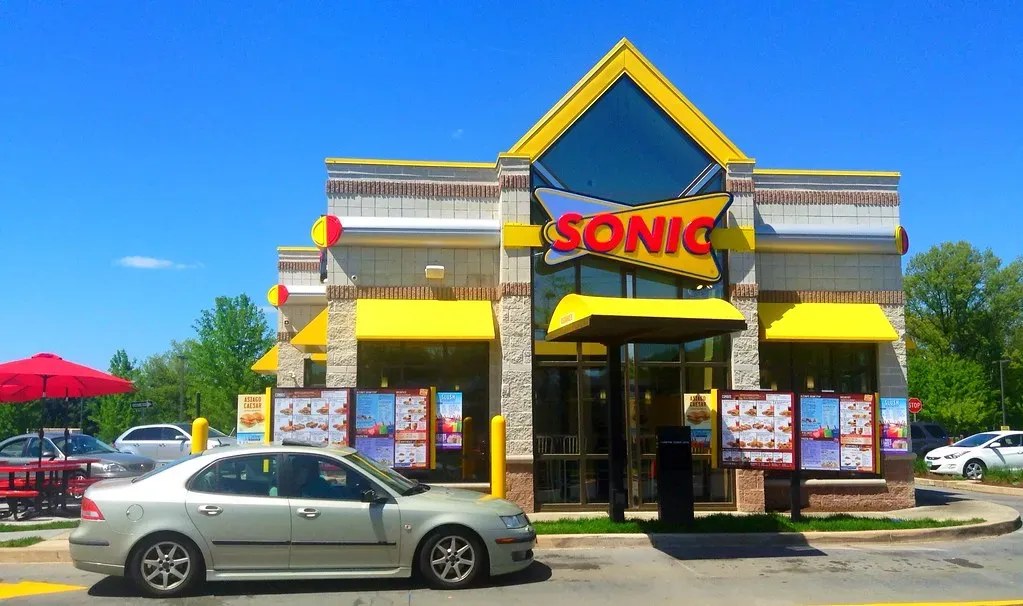
Sonic’s entire appeal rests on one thing: the nostalgic, uniquely American drive-in experience. Carhops, slushies, and ice cream at any hour. It was a specific kind of charm that was hard to replicate anywhere else. The problem is that charm has been quietly dismantling itself. Since the pandemic, many people have reported that their local Sonic locations have dropped the drive-in stall feature altogether and now require customers to use the drive-through instead.
Sonic scored a disappointing 73 in 2025, falling well short of the 79-point average for quick-service restaurants. Even more concerning, it has fallen considerably from last year’s score of 76, suggesting things are heading downhill fast for Sonic. A four-point drop in a single year is not typical variation. That reflects real and growing frustration.
On Trustpilot, Sonic’s reputation takes an even harder hit with a dismal 1.5-star rating. It seems like every problem under the sun is plaguing this chain. Customers report dealing with rude staff, shakes that arrive runny instead of thick, and an ordering system and app that is often not working. Let’s be real, when your shakes are no longer thick and your app is broken, your two best selling points are gone.
8. Subway – Too Many Locations, Not Enough Reasons to Visit
For decades, Subway was everywhere. It was almost inescapable. At its peak, there were more Subway locations in the U.S. than McDonald’s. That aggressive expansion strategy has aged badly. Subway lost a net of 631 U.S. restaurants in 2024, continuing a years-long slide. The sandwich chain finished the year with 19,502 domestic units, marking the first time the brand has been below 20,000 in about 20 years.
Some customers filed a lawsuit against the sandwich chain in October 2024, accusing it of misleading customers over how much meat it packs into a Steak and Cheese sub. With photo evidence, the suit claimed that Subway deceives customers with advertising that doesn’t match the actual portions sold to customers. That kind of headline is not easy to recover from.
In the most recent American Customer Satisfaction Index survey of limited-service restaurants, Subway tied for second-to-last place with a score of 75 out of 100, ahead of only McDonald’s. Rival sandwich chains like Panera Bread and Jersey Mike’s handily outperformed Subway. Meanwhile, Subway was replaced as an NFL sponsor by Jersey Mike’s beginning with the 2025 season. Even their marketing muscle is slipping.
9. Buffalo Wild Wings – Wings, Without the Win
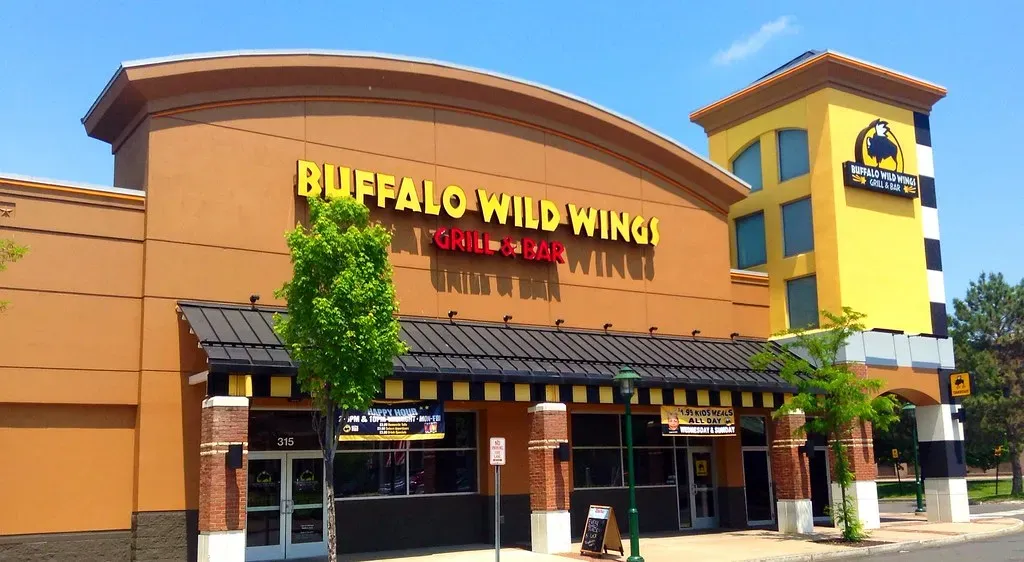
Buffalo Wild Wings was supposed to be the ultimate sports bar. Cold beer, endless wings, and a wall of screens. It was a solid formula. At the bottom end of the full-service industry, Buffalo Wild Wings sinks 4% to 76 in its ACSI customer satisfaction score. That puts it among the worst-performing full-service chains in the country according to the latest satisfaction data.
The pricing situation has become a real point of contention. Wings are not cheap ingredients right now, and customers feel those costs directly on the bill. Buffalo Wild Wings and Wingstop have undercut each other on wing prices, and the broader category has become fiercely competitive. When a more affordable competitor offers a similar experience, loyalty evaporates quickly.
Twenty companies filed for Chapter 11 bankruptcy protection in 2024, the most since 2020 during the height of the pandemic. With few exceptions, casual-dining chains in particular struggled to attract customers, adding to the segment’s challenges that have mounted since the Great Recession. Buffalo Wild Wings has not filed for bankruptcy, but it is operating in a sector-wide storm that shows no signs of letting up.
10. Benihana – The Show Is Over
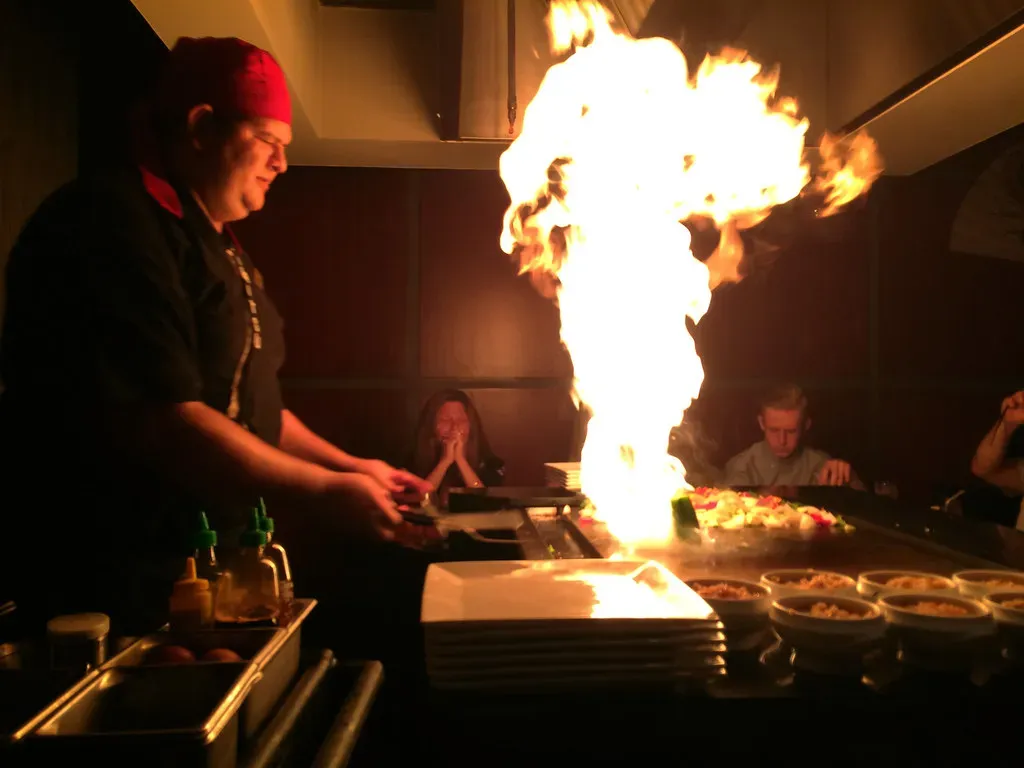
Going to Benihana was never just about the food. It was theater. Teppanyaki chefs flipping shrimp tails into their hats, flames erupting from onion volcanoes, the whole performance. People paid for the experience, not just the meal. That experience is now in serious jeopardy. Ever since it was acquired by One Group in 2024, the chain has seen an escalating wave of criticism from both diners and its own staff. Unlike older grievances from years ago, the most troubling complaints are recent, widespread, and consistent.
Customers report that the chain’s experience no longer feels like it used to, with horrible service, including not taking food allergies seriously. Others describe uneven cooking, long waits despite reservations, and dining rooms that feel less cared for than they once were. For a concept that charges a premium precisely because of its atmosphere, these are devastating complaints.
Employees have also publicly voiced dissatisfaction, citing concerns about management changes, staffing shortages, and increased pressure to hit service quotas. When the staff themselves are unhappy, the energy at the table suffers. The “show” depends on people who genuinely want to perform it, and right now, that motivation seems to be fading fast under the new ownership structure.
A Dining Landscape at a Crossroads
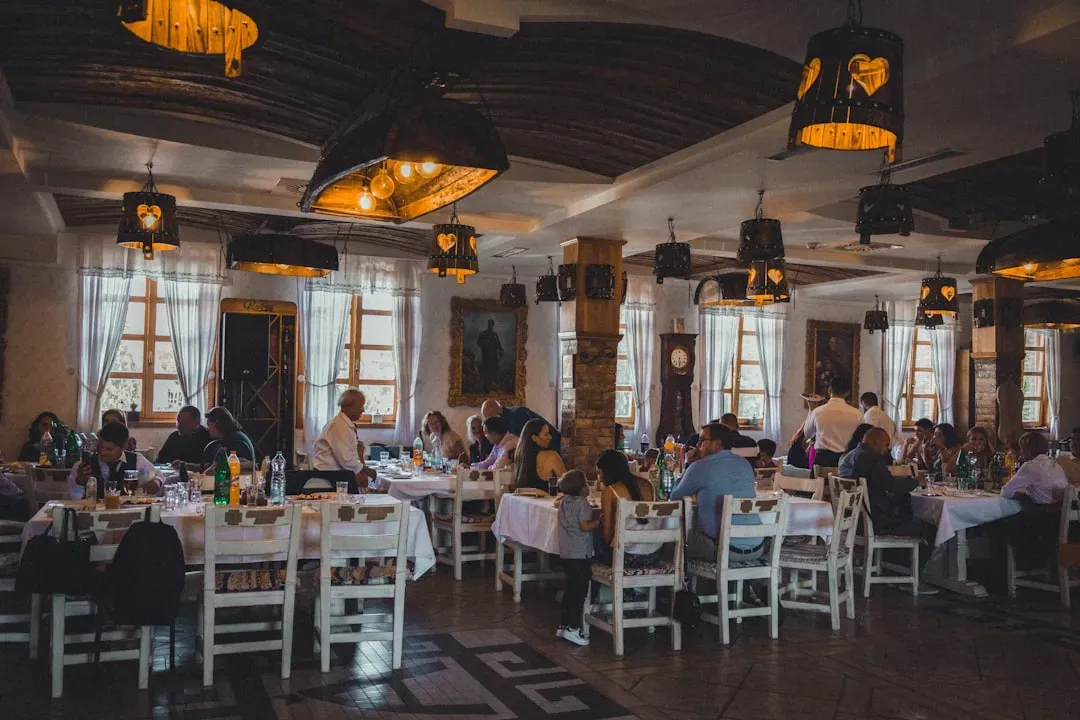
This list is not about piling on struggling businesses. It’s about something bigger. Since 2019, restaurant prices have increased 34%, outpacing the overall growth of inflation during that same period, according to Bureau of Labor Statistics data. Diners have absorbed a lot of that pain quietly. But patience runs out.
The ACSI warned that consumer price sensitivity will make this year hazardous for many brands. With households increasingly treating dining out as a luxury, every menu item and service interaction becomes a potential make-or-break moment. That is a sobering statement. There is no longer room for mediocrity at inflated prices.
Inflation-weary consumers pulled back their restaurant spending in 2024 and instead sought value and discounts when they did choose to dine outside their homes. The chains that survive and thrive will be the ones that remember why diners showed up in the first place: honest food, fair prices, and a staff that actually seems glad you came. The ones on this list have a lot of ground to make up. What do you think – are any of these chains worth a second chance?