
Not all cooking oils are created equal. Some earn a permanent spot in the kitchens of nutritionists worldwide, while others deserve a much more cautious approach. Walk down any grocery store aisle and you’ll see dozens of bottles making bold health claims – “heart-healthy,” “cold-pressed,” “natural” – and honestly, it can feel overwhelming. The truth is, the difference between a genuinely beneficial oil and a mediocre one can be significant when it comes to your long-term health.
So what actually separates a good oil from a great one? Fat profile, antioxidant content, how it’s processed, and how it behaves under heat all matter enormously. Let’s dive in – and some of the rankings here might genuinely surprise you.
Table of Contents
6. Seed Oils (Canola, Soybean, Sunflower): The Misunderstood Middle Ground

Let’s be real – few topics in the nutrition world have created as much drama in recent years as seed oils. Seed oils such as canola, corn, cottonseed, grapeseed, soy, rice bran, sunflower, and safflower have been dubbed the “hateful eight” by some media personalities and vilified as “toxic.” Here’s the thing though: the actual science tells a more nuanced story.
Fatty acids typical in seed oils, like linoleic acid, are associated with a lower risk of chronic diseases such as cardiovascular disease, heart attack, strokes, and diabetes. A large biomarker study published in 2024 that analyzed data from over 250,000 individuals in the UK Biobank found that higher plasma linoleic acid was associated with a 17% lower risk of total mortality, a 13% lower risk of cardiovascular disease-related death, and a 19% lower risk of death from cancer.
Much of the recent criticism of seed oils centers on their omega-6 fatty acid content, with claims that these fatty acids promote inflammation – but researchers at Stanford say this idea is not backed up by science. Still, seed oils rank lower here because they tend to lack the protective antioxidants found in better oils, and canola oil and other seed oils have poor oxidative stability and virtually zero antioxidants, which means they can break down more easily under heat, producing unwanted byproducts.
One thing to keep in mind when using vegetable oils is that you should avoid repeatedly reheating the same oil at high temperatures, like you might do with a deep fryer, because over time that can lead to changes in the oil that can promote inflammation in the body. Used wisely and in moderation, seed oils are a perfectly acceptable option – just not the optimal one.
5. Coconut Oil: Hyped, Controversial, and Complicated
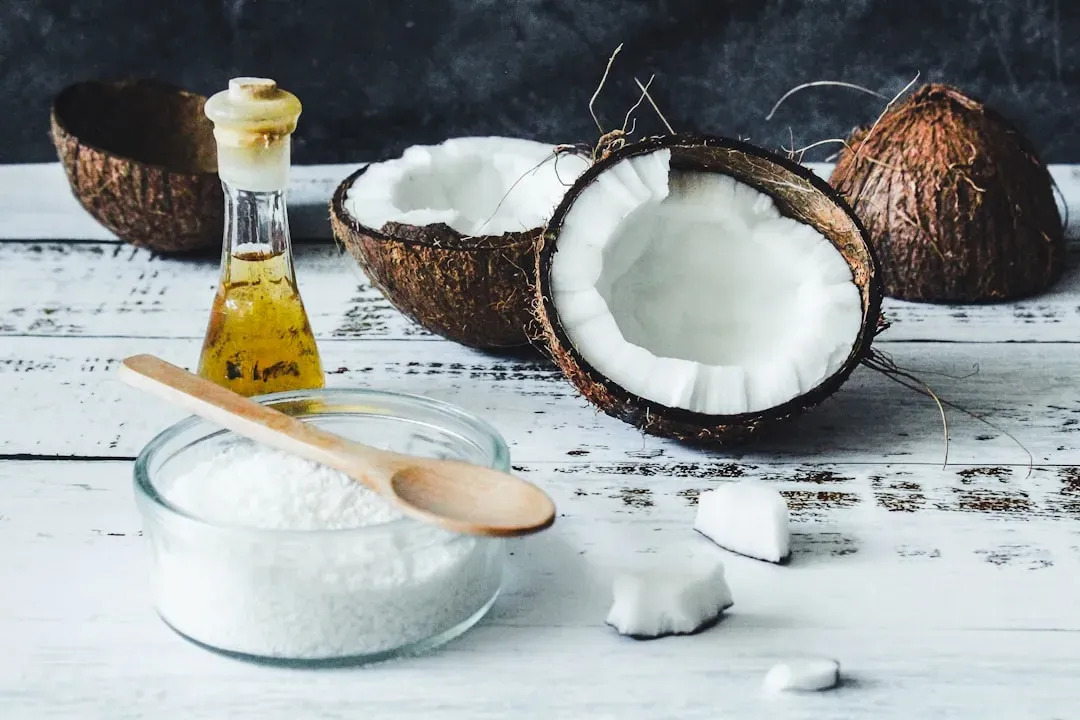
Coconut oil has developed a devoted following over the last decade or so, and I honestly get the appeal. It smells incredible, it handles heat reasonably well, and it lends a wonderful flavor to baked goods. While it’s natural and smells great, it also contains around 90% saturated fat – and saturated fat has been linked to increases in LDL cholesterol, which isn’t great for heart health.
Coconut oil’s unique fatty acid profile is high in saturated fats, but these are mostly medium-chain triglycerides (MCTs), which are metabolized differently than the saturated fats in animal products. The saturated fat in coconut oil has been found to raise HDL “good” cholesterol, and MCTs are also quickly metabolized and turned into energy, which means less stored fat. These are genuinely interesting properties – the problem is the research behind them isn’t rock solid yet.
A recent review analyzed 16 studies and found that eating coconut oil significantly increases LDL “bad” cholesterol, a major risk factor in heart disease, compared with nontropical vegetable and seed oils. The American Heart Association has been clear on this: recent research shows coconut oil’s high saturated fat content may raise LDL cholesterol more than previously thought, and the American Heart Association recommends limiting it in favor of oils higher in unsaturated fats for regular cooking.
Coconut oil actually scored the highest for oxidative stability thanks to its high saturated fat content, and peanut oil and extra virgin olive oil also scored well. So it’s not all bad news – it’s a decent option for very high-heat cooking in small amounts. Use it occasionally, not daily.
4. Flaxseed Oil: A Fragile Omega-3 Powerhouse
Flaxseed oil is genuinely fascinating from a nutritional standpoint – it’s one of the richest plant-based sources of omega-3 fatty acids on the planet. Flaxseed oil is well recognized for its health benefits attributed to its unique chemical composition, presenting one of the richest sources of polyunsaturated omega-3 fatty acids from plant sources, rich particularly in linoleic and alpha-linolenic fatty acids. Think of it as a concentrated omega-3 supplement in oil form.
Flaxseed oil contains alpha-linolenic acid (ALA), a plant-based omega-3. Other foods like walnuts and oils like canola also contain ALA, but at about 7 grams per tablespoon, flaxseed oil is by far the richest source. It has been shown to have several health benefits, such as reduced blood pressure and improved regularity.
Here’s where things get tricky, though. The main problem with ALA is that to have the good effects attributed to omega-3s, it must be converted by a limited supply of enzymes into EPA and DHA – and only a small fraction of it, around 10 to 15%, accomplishes this conversion. This is a significant limitation that keeps flaxseed oil from ranking higher. You also shouldn’t cook with it, as it can break down under heat, which dramatically reduces its health benefits.
Flaxseed oil is the richest source of ALA, but some people don’t enjoy the flavor and it can oxidize, meaning go rancid, more quickly than other oils. It also has an especially low smoke point of around 225 degrees Fahrenheit, which is why it’s used mainly as a dressing. Best reserved for drizzling over salads, mixing into smoothies, or adding to yogurt – never the frying pan.
3. Walnut Oil: The Underrated Gem Nobody Talks About
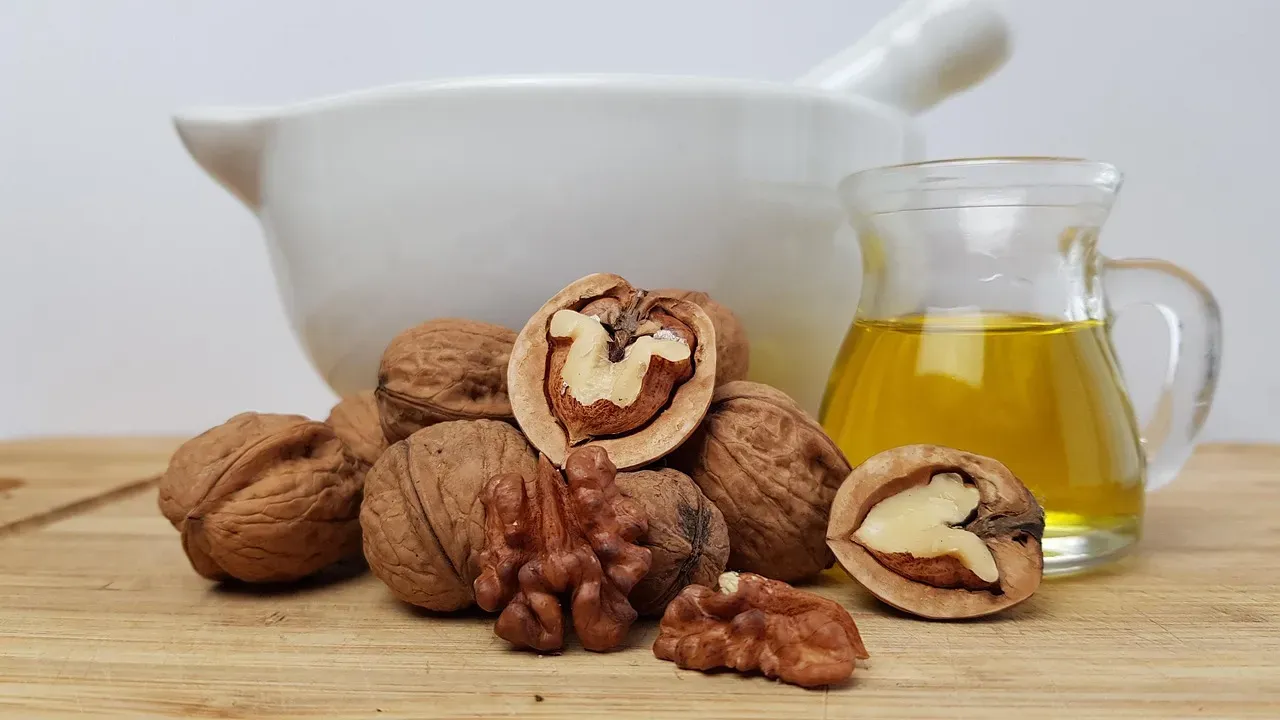
Honestly, walnut oil doesn’t get nearly enough attention. People reach for olive oil or avocado oil almost automatically, but walnut oil has a genuinely impressive nutritional profile that deserves far more recognition. Walnut oil has an especially high polyunsaturated fat content compared to other oils – most oils have a higher monounsaturated fat content than PUFA, but with walnut oil, the PUFA content outweighs its MUFA content.
The majority of the fat content found in walnut oil is omega-3, specifically the fatty acid alpha-linolenic acid. One tablespoon of walnut oil contains 1.41 grams of ALA, an essential fatty acid that can only be obtained through diet. ALA has a long-standing link to lowering the risk of coronary heart disease, and research has found that eating 2 to 3 grams of ALA per day can prevent and reduce the incidence of coronary heart disease.
Nutty flaxseed and walnut oils are both excellent choices for a no-cook oil, and both are packed with alpha-linolenic acids, plant-based omega-3 fatty acids that can protect heart health, thwart inflammation, and even support cognitive health. Research has found that including walnuts and walnut oil in the diet lowered both resting blood pressure and blood pressure responses to stress. Walnuts are a rich source of fiber, antioxidants, and unsaturated fatty acids, particularly alpha-linolenic acid, and these compounds could be responsible for the beneficial effects on blood pressure.
Like flaxseed oil, walnut oil doesn’t tolerate high heat well. Its delicate polyunsaturated fats are best preserved in cold applications, like salad dressings, light drizzles, or finishing sauces. It’s a rich, slightly nutty tasting oil that pairs beautifully with roasted vegetables, grain bowls, and even pasta – think of it as liquid walnuts in a bottle.
2. Avocado Oil: The High-Heat Hero

If extra virgin olive oil is the king of everyday cooking oils, avocado oil is arguably the best option when serious heat is involved. Avocado oil has emerged as a versatile healthy option with one of the highest smoke points among heart-healthy oils. It’s the kind of oil you can confidently use for searing a steak or roasting vegetables at high temperatures without the concern of it breaking down into harmful compounds.
Research from the National Library of Medicine shows that avocado oil’s healthy fats and antioxidants help keep your heart strong, reduce cell damage, and enhance nutrient absorption. Its nutrient profile is impressive – monounsaturated fats dominate, and it’s rich in vitamins E and K, both crucial for skin and bone health. Recent 2024 research highlighted that avocado oil can help lower LDL bad cholesterol and raise HDL good cholesterol.
Monounsaturated fats, abundant in olive oil and avocado oil, are particularly favorable because they’re both heart-healthy and stable when heated. This dual quality is what sets avocado oil apart from most other options on this list. It’s the rare oil that delivers health benefits while also performing brilliantly in the kitchen at high temperatures.
It’s worth noting that avocado oil, while incredibly healthy, has one limitation compared to olive oil: it doesn’t carry the same deep body of long-term research. Avocado oil has theoretical benefits based on its fatty acid profile but lacks the long-term intervention studies that olive oil has accumulated. Strong, but not quite at the top.
1. Extra Virgin Olive Oil: The Undisputed Champion
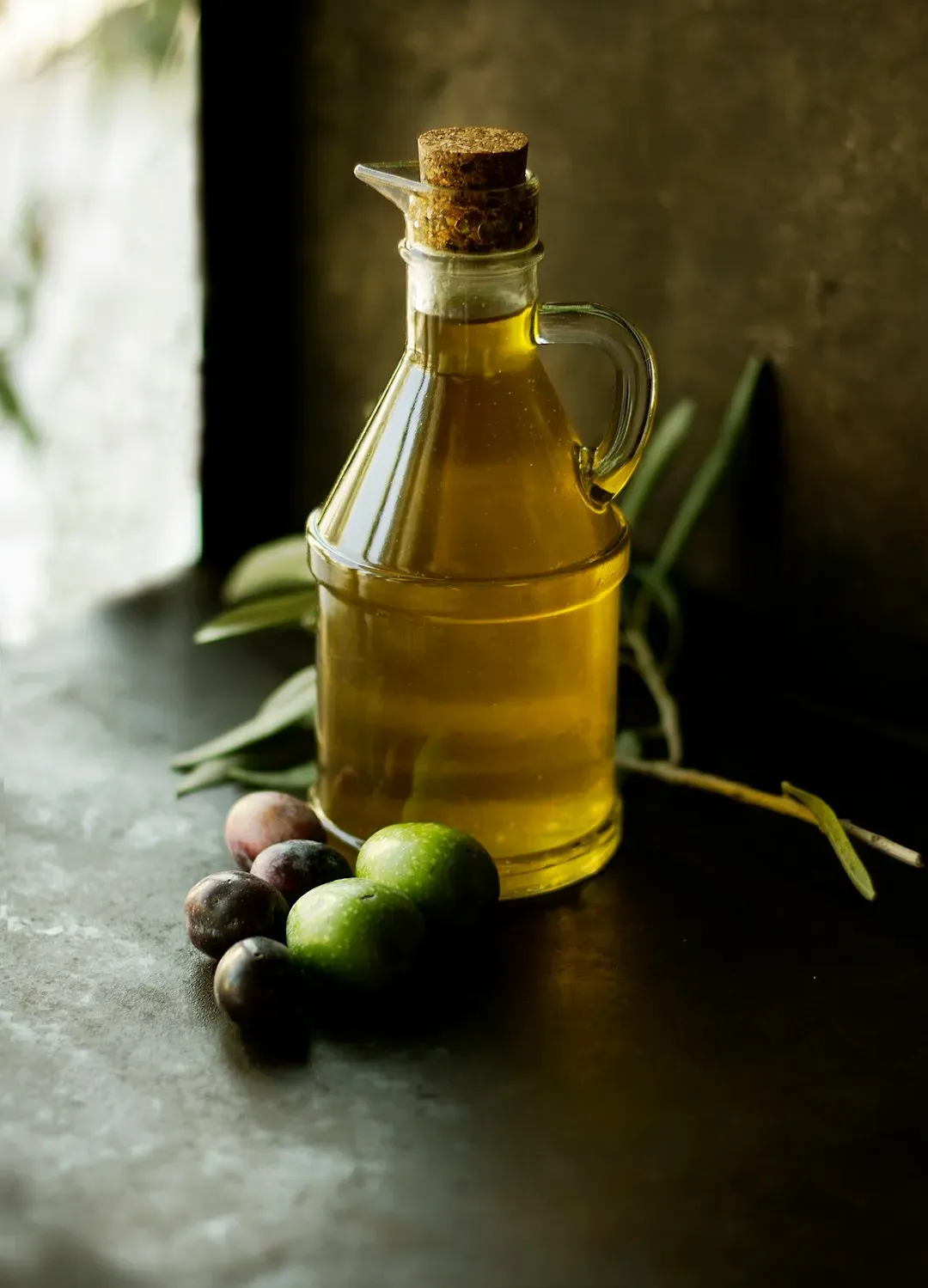
There really is no contest here. Extra virgin olive oil sits firmly at the top, and it has been earning that position for decades. Extra virgin olive oil ranks at the top because it’s cold-pressed, unrefined, and loaded with powerful antioxidants that many other oils lose during heavy processing – including polyphenols like oleocanthal, which have been shown to reduce inflammation in the body and support long-term heart health.
The landmark PREDIMED trial, involving over 7,000 participants, found that a Mediterranean diet supplemented with extra virgin olive oil reduced cardiovascular events by approximately 30% compared to a reduced-fat diet. That is a remarkable finding, and it represents just one of many large-scale studies pointing in the same direction. Olive oil is about 75% monounsaturated fat – the highest amount of any plant oil – and it is rich in vitamin E and antioxidants including polyphenols, which have been shown to decrease inflammation and improve heart health.
The De Alzaa study found that extra virgin olive oil contained 18 times more antioxidants than canola oil and 700 times more than coconut oil. That number is staggering. It helps explain why extra virgin olive oil has the lowest oxidation rate of any cooking oil, meaning it’s less prone to promoting free radicals – highly reactive chemicals that can damage cells – and oxidative stress caused by free radicals can lead to cancer and other diseases.
A 2020 study in the Journal of Agricultural and Food Chemistry confirmed EVOO’s stability during typical home cooking methods, retaining more antioxidants than refined oils. So the old myth that you shouldn’t cook with olive oil? It’s largely been debunked. Experts recommend opting for “extra virgin olive oil” as this is the least processed and typically has the most nutrients. Keep a good bottle of it on your counter and use it freely – your heart will genuinely thank you.
A Final Thought on Choosing Wisely

The oil you cook with every single day isn’t a minor decision – it adds up over months and years into something that significantly shapes your health. The good news is that the best oils are also among the most widely available and increasingly affordable. Prioritizing extra virgin olive oil for everyday use, reaching for avocado oil when high heat is needed, and keeping walnut or flaxseed oil on hand for cold dressings covers almost every culinary scenario you’ll encounter.
When shopping for healthy oils, choose those with less than 4 grams of saturated fat per tablespoon, and no partially hydrogenated oils or trans fats. Store your oils in a cool, dark place like a cabinet to keep them from oxidizing, and opt for oils packaged in dark glass bottles over clear plastic containers. These small habits make a real difference in preserving the quality of what you buy.
It’s hard to say for sure that any single oil will transform your health overnight. But the consistent message from research across decades is this: the quality of the fat you consume matters enormously. The general rule is to choose minimally processed oils that are high in monounsaturated or polyunsaturated fats and use them in moderation to support overall health. Which of these oils are already in your kitchen – and which one might you add next?