
Most people go fruit shopping and grab the same three things every time – a banana, an apple, maybe some grapes. Totally understandable. But here’s the thing: not all fruits are created equal when it comes to trimming down and keeping your energy levels steady throughout the day. Some are genuinely powerful tools for weight management. Others, well, they’re better enjoyed in moderation.
The world of fruit nutrition has grown surprisingly detailed in recent years, with research from 2025 and early 2026 showing just how much variety matters. If you’ve been treating fruit as a generic ‘healthy snack,’ you could be missing out on some serious benefits. Let’s dive in.
Table of Contents
Berries: The Undisputed Champions of Weight Loss Fruit
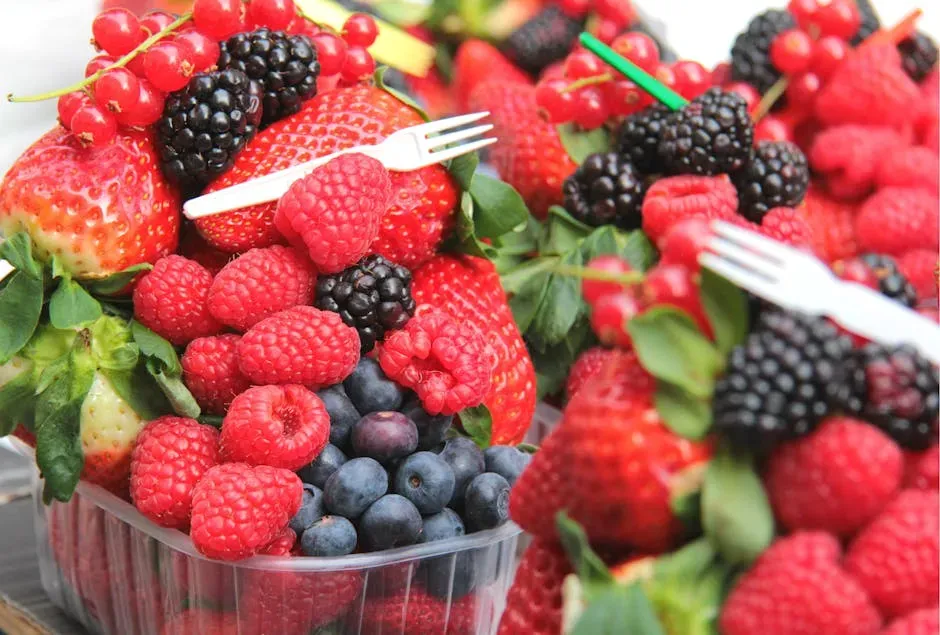
Honestly, if there’s one category of fruit that earns a standing ovation from nutritionists and researchers alike, it’s berries. Berries are low in calories, high in fiber, and have a high water content, which helps you feel full longer, stabilizes blood sugar levels, and supports digestion, making them an excellent addition to a weight-loss diet. Think of them as the perfectly engineered snack – satisfying, nutrient-dense, and gentle on your calorie budget.
Berries are incredibly low in calories but exceptionally high in fiber. A whole cup of raspberries, for instance, has about 8 grams of fiber but only 64 calories. That ratio is exactly what you want when you’re trying to feel full without overshooting your daily calorie goals.
Berries are rich in antioxidants called anthocyanins. Some research suggests that these compounds may help improve insulin sensitivity, which essentially helps your body move sugar out of your bloodstream and into your cells to be used for energy rather than stored as fat. A 2025 modeling study published in the Annals of Medicine also found that replacing one serving of commonly eaten fruit with a serving of berries led to notable improvements in nutrient density.
Apples: A Classic That Still Holds Up
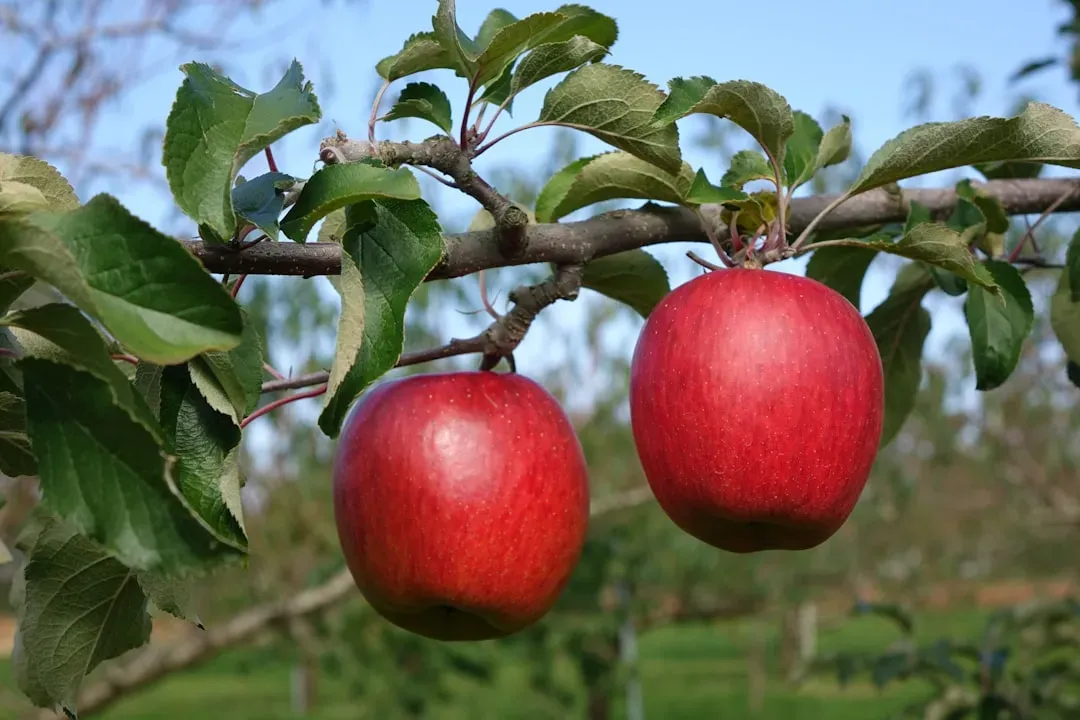
Eating just one apple a day, with the skin on, gives the body an average of 4.4 grams of fiber. Apples are a rich source of a powerful fiber called pectin. Pectin is a type of soluble fiber that slows digestion in a way that actually keeps hunger at bay for hours. Think of it like a slow-release valve on your appetite.
Eating apples or pears before meals resulted in significant weight loss according to a study published in Nutrition Journal. A clinical trial published in a peer-reviewed journal further confirmed this, showing that after 12 weeks of follow-up, the fruit group lost 1.22 kg, whereas the oat group had a non-significant weight loss of 0.88 kg. Not bad for just adding more fruit to your plate.
Apples are known as a major source of polyphenols, dietary fiber, carotenoids, and other nutrients. There are many studies that show fruit polyphenols likely promote anti-obesity effects and exert their beneficial effects via scavenging free radicals and altering signal transduction in target cells and tissues, especially fat tissues. So it’s not just the fiber doing the work here. The full picture is genuinely impressive.
Grapefruit: The Science Behind the Hype
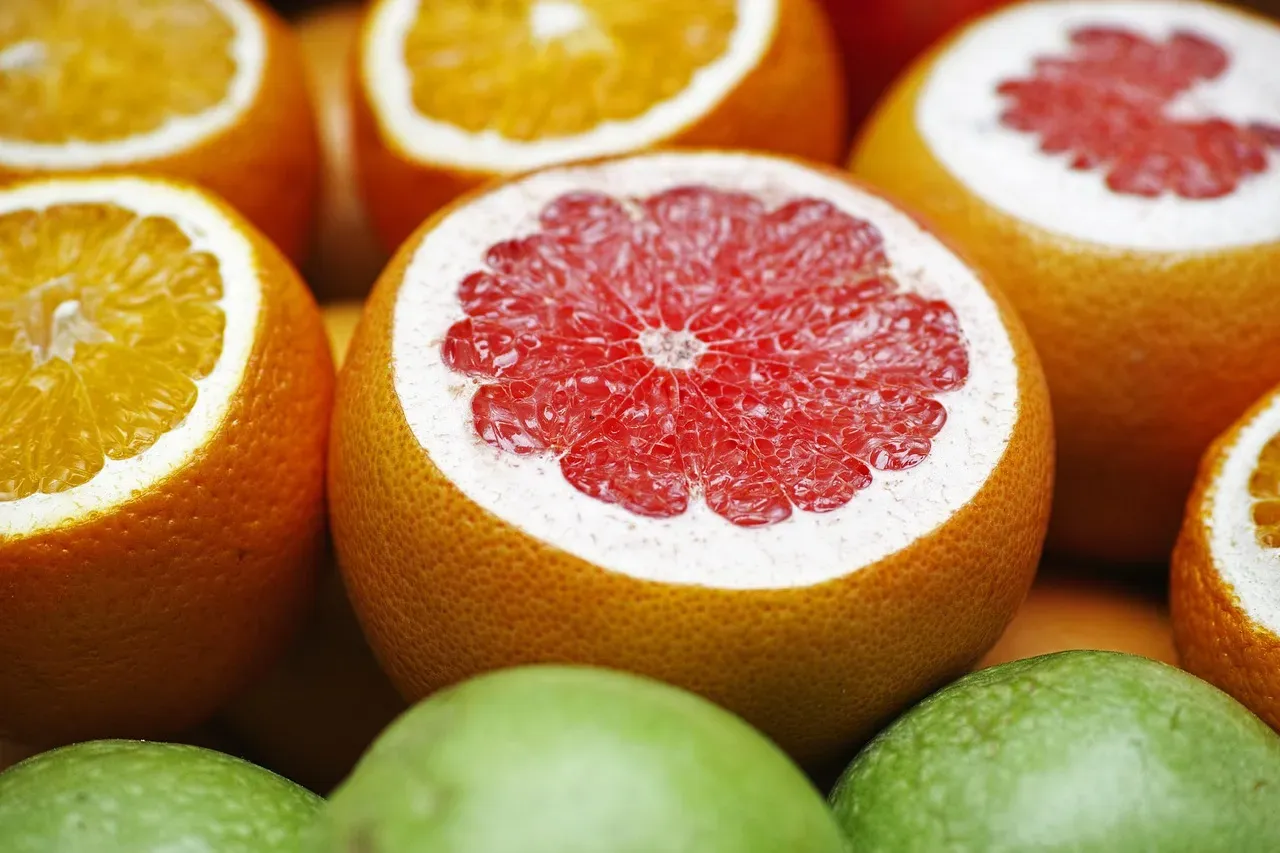
The grapefruit diet might sound like a relic from another era, but there’s actually real science standing behind this citrus fruit. Grapefruit is low in sugar and high in fiber, which means it has a low glycemic index. One whole grapefruit provides about 80 calories, nearly all of your daily value of vitamin C, and 3 grams of fiber. Research suggests that eating just half of a fresh grapefruit before meals is linked with weight loss and better insulin sensitivity.
Research from 2006 suggests that eating half a grapefruit before a meal resulted in significant weight loss. Another study found that grapefruit consumption was associated with lower body weight, BMI, and waist measurements. That’s a pattern across multiple studies, which makes it more than just a coincidence.
One important caveat: grapefruit can interact with certain medications, for example some statins and blood pressure medicines. If you take prescriptions, check with your pharmacist or clinician before adding grapefruit. This fruit is powerful, and powerful things sometimes come with conditions.
Pears: The Fiber Powerhouse You’re Probably Overlooking
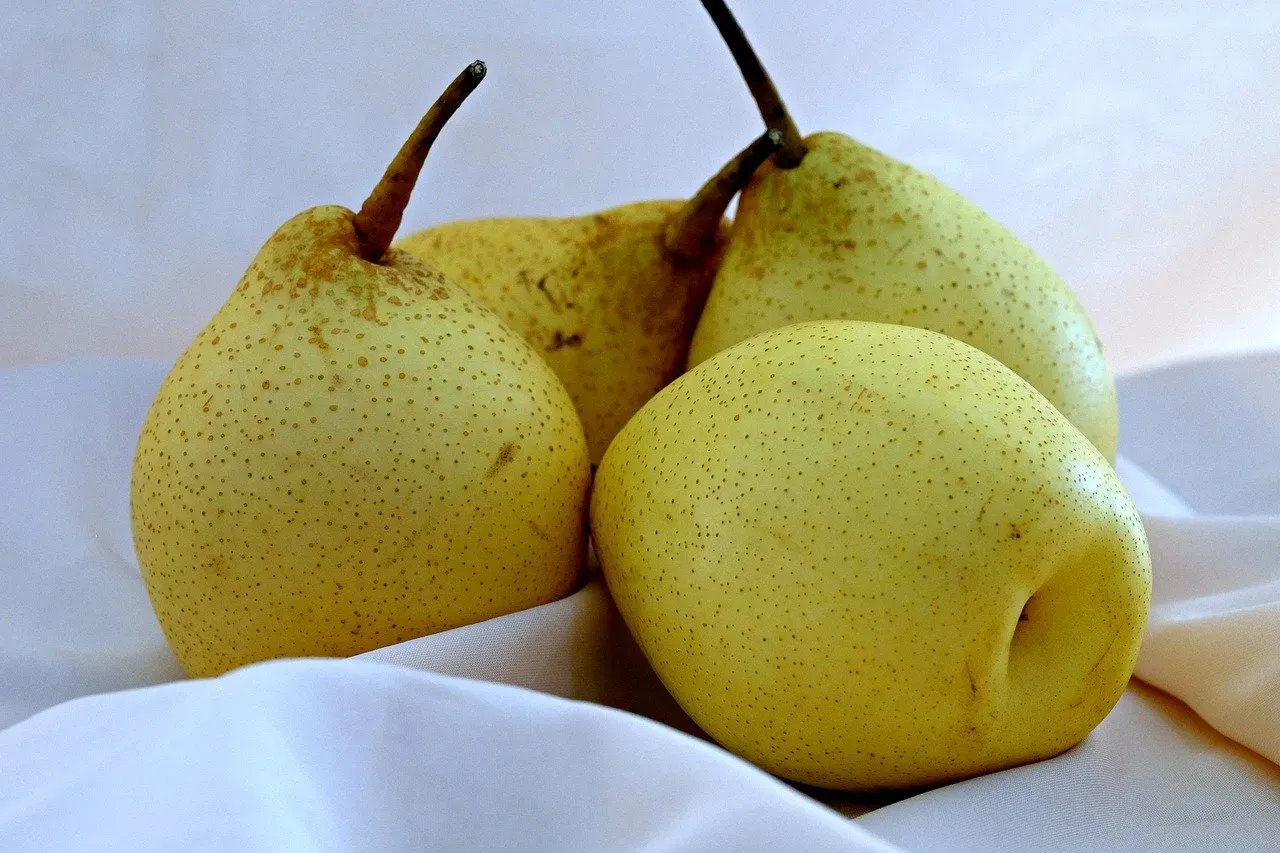
Pears rarely get the same attention as apples or berries, which I think is a genuine nutritional oversight. Pears are among the highest-fiber fruits, offering 7 grams – or a quarter of your daily value – per large pear. Their high fiber content deems them low-glycemic and safe for people with diabetes to consume. That’s a lot of satiety packed into one fruit.
Much of the nearly 6 grams of fiber in pears is the soluble kind, which has been shown to help you feel fuller, eat less, and promote weight loss. Plus, a 12-week study found that eating two pears a day led to significantly lower waist measurements at the end of the study. Smaller waist measurements from eating fruit – honestly, it doesn’t get more straightforward than that.
Pears are high-fiber fruits for weight loss and are slow to digest. They’re excellent for controlling your appetite. They help you stay full longer and reduce mindless snacking. If late-afternoon snacking is your biggest diet obstacle, pears deserve a spot on your counter right now.
Watermelon: High Volume, Low Calories, Zero Guilt
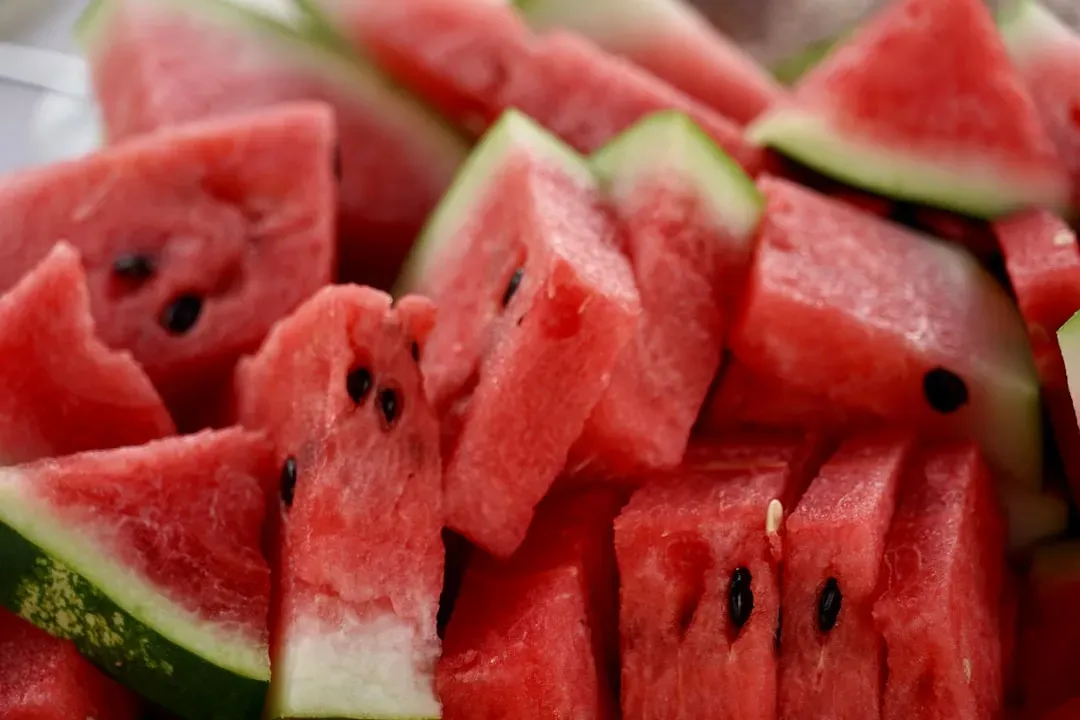
Here’s a fruit that feels almost indulgent. You can eat an enormous bowl of watermelon and barely dent your calorie count for the day. If you love to eat large portions, watermelon is your best friend. As the name suggests, it’s about 92% water. Nutritionists call this “volume eating,” and it’s a genuinely effective strategy for managing hunger.
Watermelon may make it easier to fill up and lose weight. Compared to a cookie snack, daily watermelon eaters reported less hunger, greater fullness, and a reduced desire to eat during the day, and they also lost significantly more weight than the cookie eaters, despite both snacks having the same number of calories. Same calories, better results. That’s the power of low energy density foods at work.
Watermelon is widely recognized for its high water content and low-calorie count, making it an excellent fruit for weight loss. Its hydration helps with satiety, and its natural sweetness can help curb sugar cravings without adding excess calories. It’s essentially nature’s answer to the ice cream craving on a summer afternoon.
Avocado: The Counterintuitive Fat-Burning Fruit
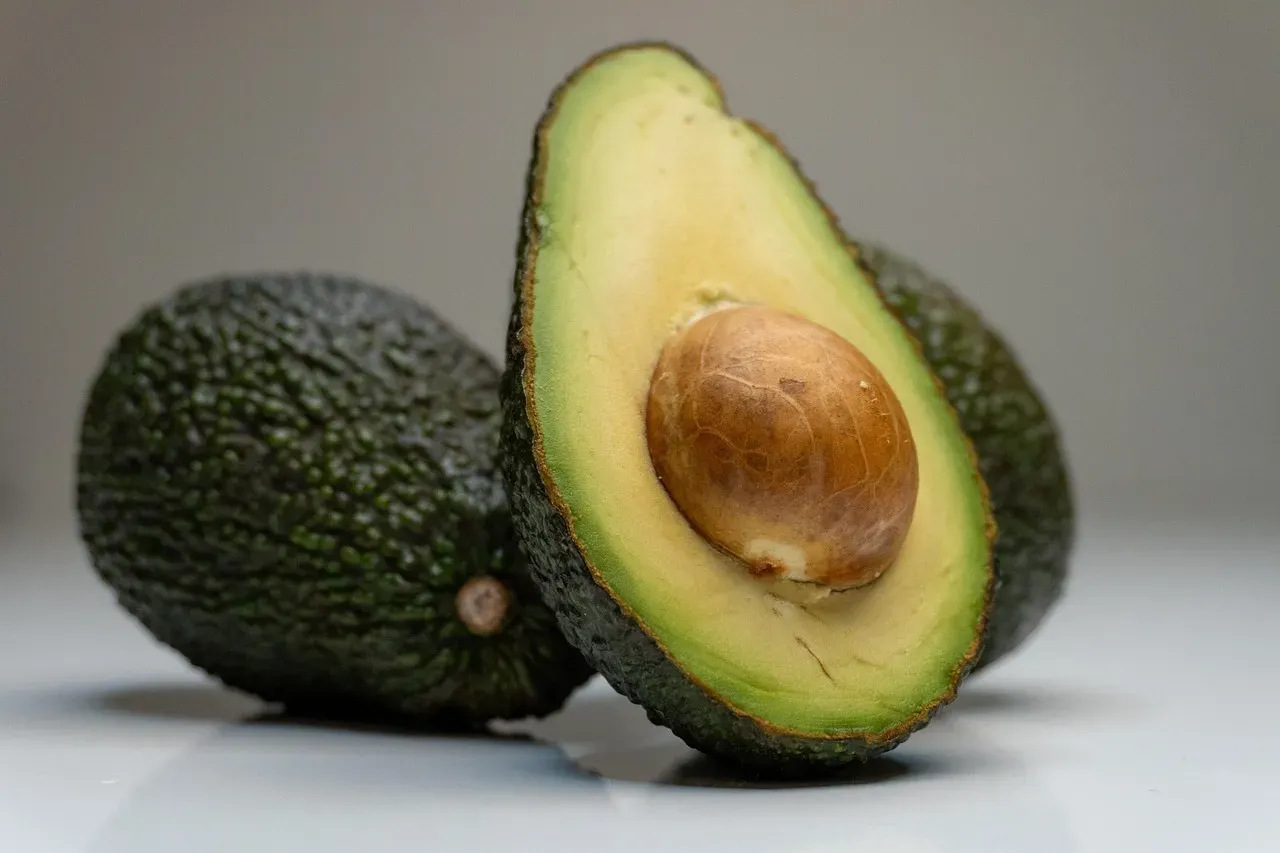
Yes, avocado is technically a fruit. Yes, it’s high in fat. No, that doesn’t mean you should avoid it. Fat-filled avocados are technically a fruit, and while it may be counterintuitive that a high-fat food can help with weight loss, there’s evidence that avocado eaters gain less weight over time. It’s one of those nutrition paradoxes that keeps things interesting.
A 2013 study found that adding half an avocado to lunch boosted satiety and decreased the desire to eat by 28% over the next five hours compared to a meal that lacked avocados, suggesting that avocados may help you eat less and lose weight. A 28% reduction in desire to eat is not a small effect. That’s the kind of number that should shift how you think about fats and fullness.
Rich and creamy avocados are a prime source of healthy fats, which are known to promote fullness and support cardiovascular health. Avocados pack nearly 20 vitamins and minerals, one of them being fiber – just a third of the fruit has 4.5 grams of fiber and less than 1 gram of sugar. The moderation message still applies here, but it’s a fruit genuinely worth including in a weight-loss plan.
Kiwi: The Small Fruit With a Big Resume
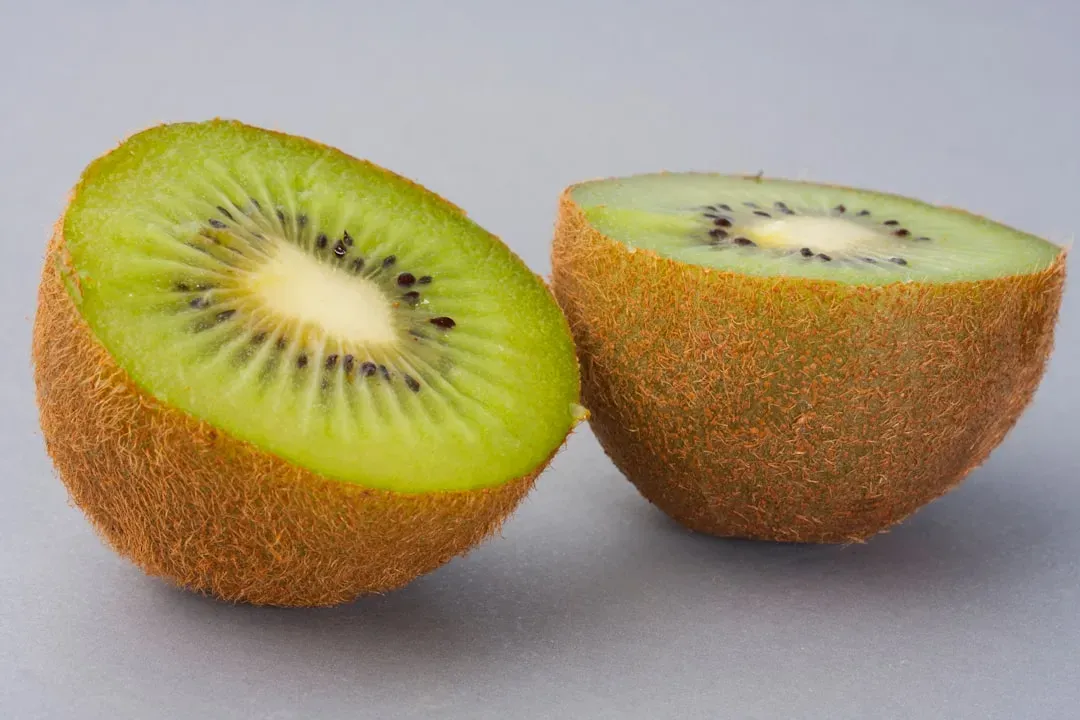
Kiwi is one of those fruits that gets underestimated, possibly because of its fuzzy exterior or its small size. But the research behind it is surprisingly robust. Kiwi is an underrated nutritional gem. It’s packed with vitamin C, but its real weight loss benefit comes from its fiber content – specifically, a mix of soluble and insoluble fiber. Kiwi also contains an enzyme called actinidin, which helps your body digest protein more efficiently. Better digestion means less bloating and a smoother-running metabolism.
A couple of kiwis before bedtime has been shown to improve sleep quality, reduce the time it takes to fall asleep, and increase sleep time by 13%. That’s more than 45 extra minutes if you’re already sleeping six hours a night. Those extra hours of sleep might make it easier to lose weight. Sleep quality and weight loss are deeply connected – most people just don’t know that kiwi can influence both.
A six-week study found that eating two kiwis per day resulted in significantly less body fat among overweight and obese young adults at the end of the study. It’s hard to say for sure whether everyone will see the same results, but the consistent direction of the evidence is encouraging. Kiwi earns its place on this list without question.
Bananas: The Pre-Workout Energy Fruit
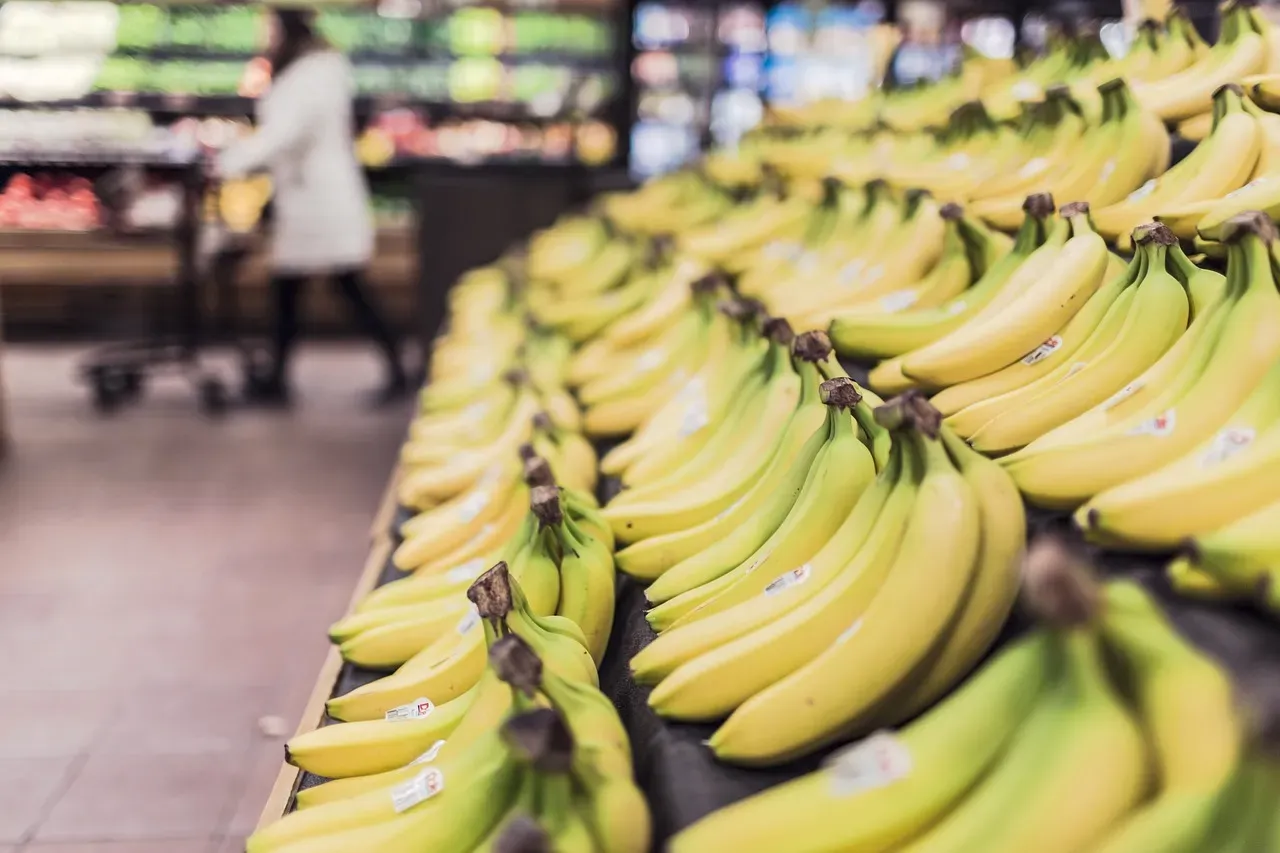
Bananas have been unfairly demonized in diet culture for years. They’re “too sugary,” people say. Let’s clear that up. A medium banana has about 100 calories and 3 grams of fiber, so you’re much better off eating a banana in place of other sweets you might be having. Compared to a candy bar or even a so-called “healthy” granola bar, a banana wins every time.
Considered the perfect pre- or post-workout snack, bananas are healthier than most energy bars, which often contain lots of sugar and chemicals. Although the average banana contains 27 grams of carbs, the fruit can help stop weight gain because it has only 105 calories and three grams of filling fiber. The carbohydrates in bananas are the kind your muscles actually want during and after exercise.
When resistant starch reaches the colon, it ferments and produces beneficial compounds that your body can use for energy. This process also supports gut health by feeding beneficial bacteria, which research suggests may play a role in weight regulation. The gut-weight connection is one of the most exciting areas in nutrition science right now, and bananas are quietly contributing to it.
Pineapple: Digestion, Energy, and Honest Claims
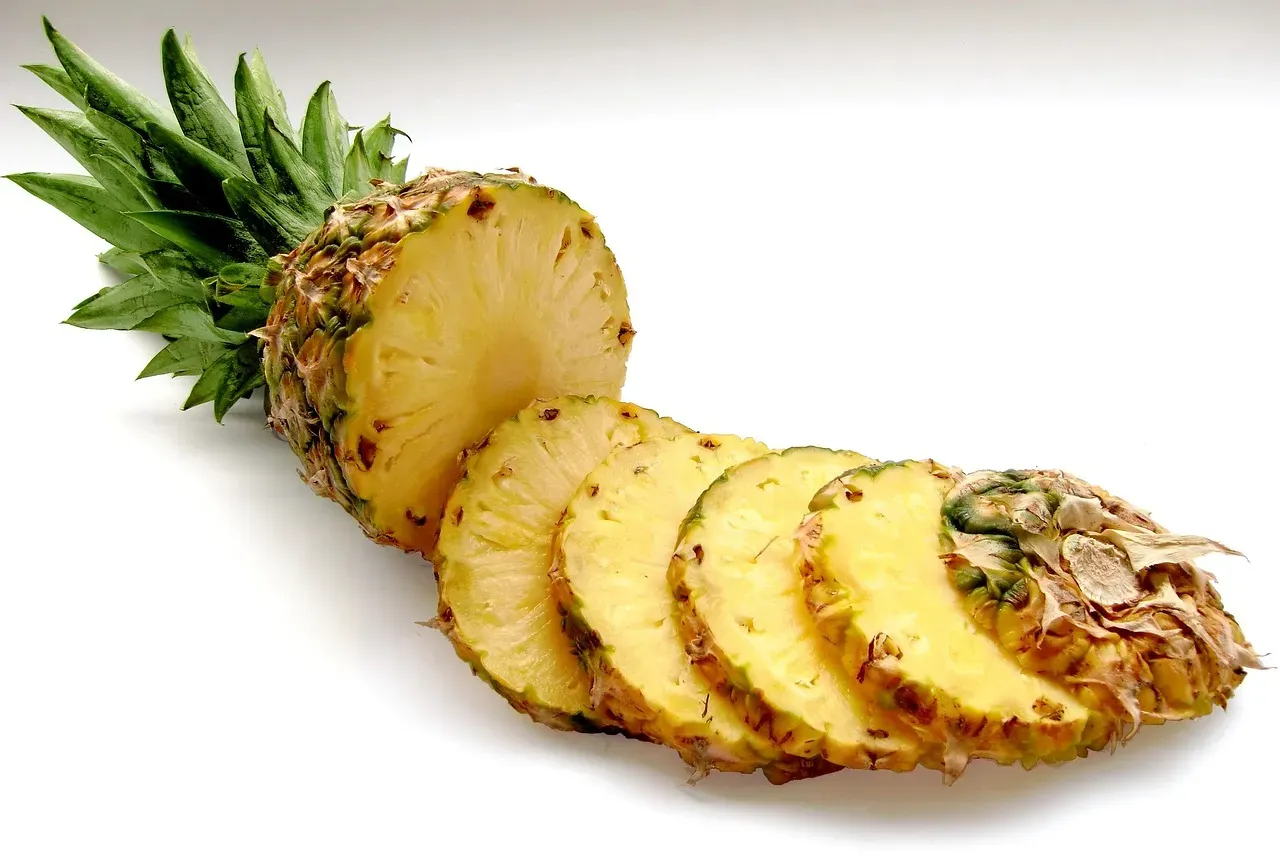
Pineapple is surrounded by a lot of enthusiastic claims online – some accurate, some wildly overstated. Let’s be real about what the evidence actually says. Pineapple is a low-energy-density food because it is low in calories relative to its volume. This means it takes up a lot of space and helps people feel full without consuming a lot of calories. Eating a large volume of low-energy-density foods can help people consume fewer calories throughout the day, which may lead to weight loss.
Bromelain, a group of enzymes found in pineapple, may help to lower inflammation in the body, which is linked to overweight and obesity. A 2025 review in the International Journal of Molecular Sciences examined this further, and while bromelain shows potential effects on fat cell formation and fat breakdown in lab settings, there is a lack of clinical trials in humans related to its weight loss effect. So the anti-inflammatory benefits are real; the “fat-burning enzyme” narrative needs a lot more research.
Pineapple contains manganese, which plays a key role in carbohydrate and fat metabolism, plus B vitamins essential for converting food into energy. For sustained energy throughout the day, those B vitamins are genuinely important. Pineapple can be a smart addition to your morning routine, especially before a workout.
Oranges and Citrus: Vitamin C, Metabolism, and Smart Snacking

Oranges are so common that people forget to appreciate them. Yet the nutritional profile is genuinely strong. Oranges are a vitamin C powerhouse, with one fruit offering a significant portion of your daily value for just about 60 calories. This citrus fruit is also relatively low in sugar, with 12 grams per fruit plus 3 grams of satiating fiber. It scores a low 35 on the glycemic index. A low glycemic index means steadier blood sugar, which means steadier energy and fewer cravings.
Oranges are a delightful and low-calorie fruit that can keep you feeling full and energized, while helping you reduce excess fat. The high vitamin C in oranges helps speed up your metabolism and enhances fat burning during your workouts. That’s not just marketing language – vitamin C plays a genuine role in the synthesis of carnitine, a compound your body needs to convert fat into energy.
One crucial tip that applies across the entire citrus family: if fat loss is your goal, opt for eating oranges whole rather than sipping on juice. Unlike whole fruit, fruit juice is devoid of any fiber, which is a key nutrient for satiety and curbing cravings later in the day. A 2024 analysis confirmed this, finding that drinking more than one glass of juice per day was linked to a slight increase in weight. Whole fruit, every time.
The Bigger Picture: How to Use Fruit for Real Results
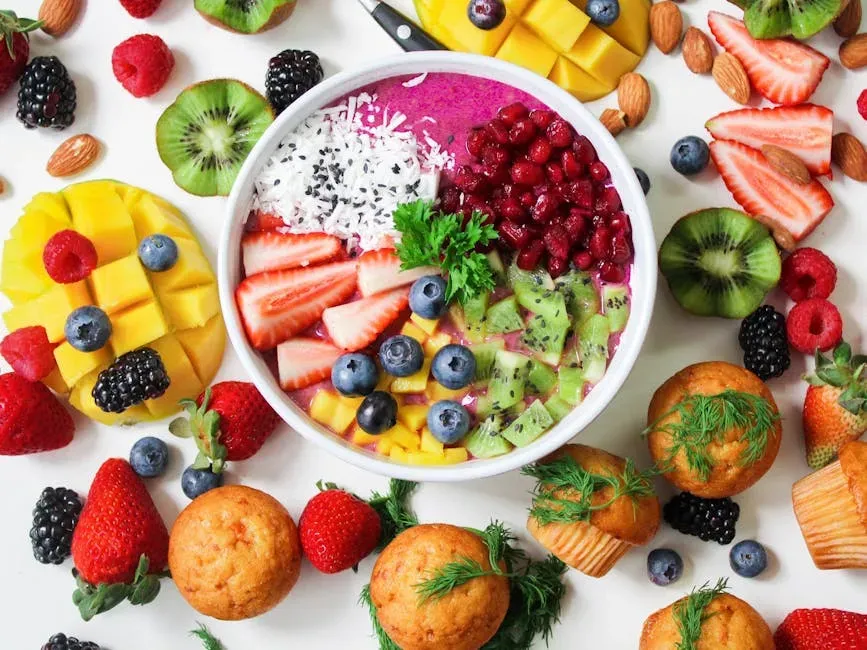
Here’s something worth understanding before you go rearrange your kitchen. The Dietary Guidelines for Americans recommend that people consume 2 cups of fruit per day as part of a balanced diet. Research also suggests that eating fruit can help reach and maintain a moderate weight. Two cups. Most people aren’t even hitting that consistently.
Even though fruit contains natural sugars and carbohydrates, research consistently supports its role in maintaining a healthy weight. One reason is that fruit is packed with fiber and water, which can help keep you full for longer. Feeling satisfied after eating may naturally lead to consuming fewer calories, supporting weight loss efforts. Fullness is one of the most undervalued levers in any weight management plan.
Timing definitely affects how your body uses fruit sugars. The best time to eat fruits for weight loss is in the morning, mid-morning, or pre-workout. At these times, fruits provide energy that your body actively uses instead of storing. Think of fruit timing the way you’d think about fueling a car – fill up before the drive, not after you’ve parked for the night. The variety, the timing, the whole-fruit-over-juice principle: put it all together, and you have a genuinely powerful, evidence-based approach to eating smarter every single day.
What would you have guessed was the most research-backed fruit for weight loss – was it the one you eat most often? Tell us in the comments below.