
Snacking gets a bad reputation. People assume that eating between meals is the enemy of weight loss, but honestly, that’s a bit of an oversimplification. The truth is far more nuanced, and more interesting. What you put in your mouth between breakfast and dinner can either quietly work for you or slowly work against you.
Snacks have been associated with both weight gain and maintaining weight, as well as with a lower or higher diet quality. Although snacks can be a regular and important part of a healthy diet, they can also lead to health problems. What separates the two scenarios is your actual snacking behavior – what you eat, why you eat it, and how it fits into your overall eating plan. That’s the whole ballgame right there.
So before you grab something out of habit, let’s look at what the research actually says. The good snacks might surprise you, and the ones to limit might be exactly what you’re reaching for every afternoon. Let’s dive in.
Table of Contents
Smart Snack #1: Greek Yogurt
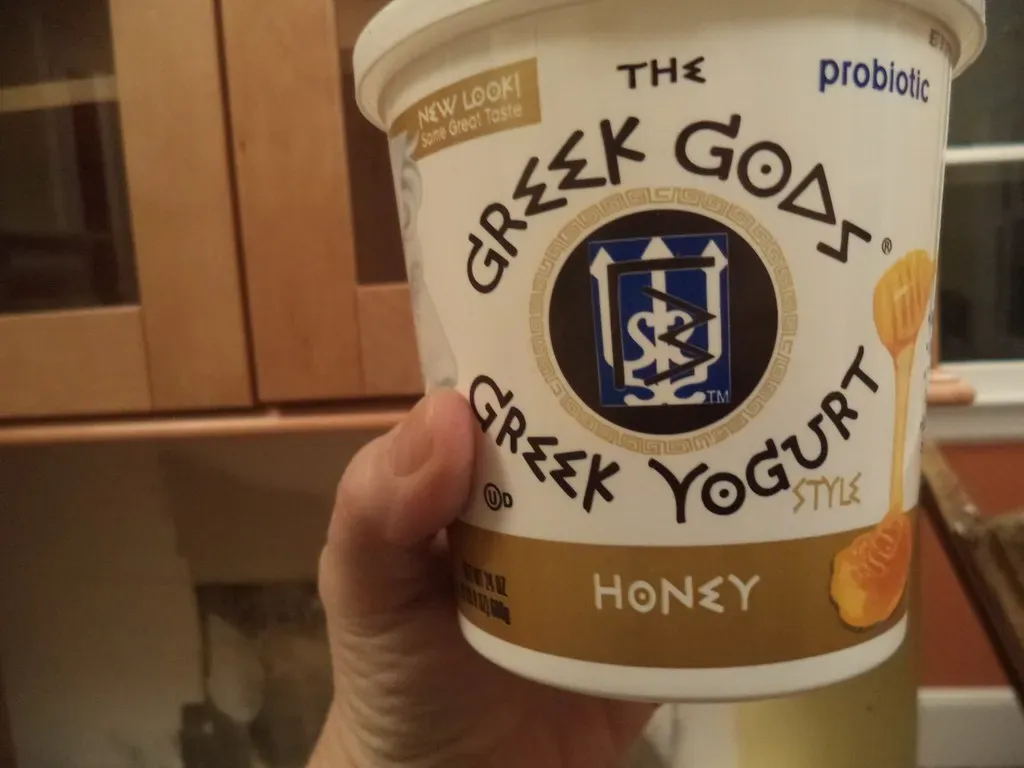
Greek yogurt is packed with protein. That thick, creamy texture is a real indicator – it is significantly higher in protein than regular yogurt. A single six-ounce serving of plain, nonfat Greek yogurt can contain 15 to 20 grams of protein, about double the amount you’d find in regular yogurt. That is a serious amount of filling power for a small snack.
Greek yogurt is protein-rich, so it may help people feel fuller for longer. Research suggests that people may eat less throughout the day after a high-protein meal. A further study found that increasing dietary protein led people to consume fewer calories overall, which contributed to greater weight loss.
Greek yogurt may enhance satiety and has the potential to positively influence body weight in individuals with overweight or obesity, though further research is required to fully understand the appetite control mechanisms involved. The science is promising, but it is not magic. Stick to plain, low-fat versions. Flavored Greek yogurts often contain 12 to 20 grams of added sugar per serving – sometimes more than a candy bar – and that sugar adds empty calories and can trigger blood sugar swings that leave you hungrier.
Smart Snack #2: A Small Handful of Nuts
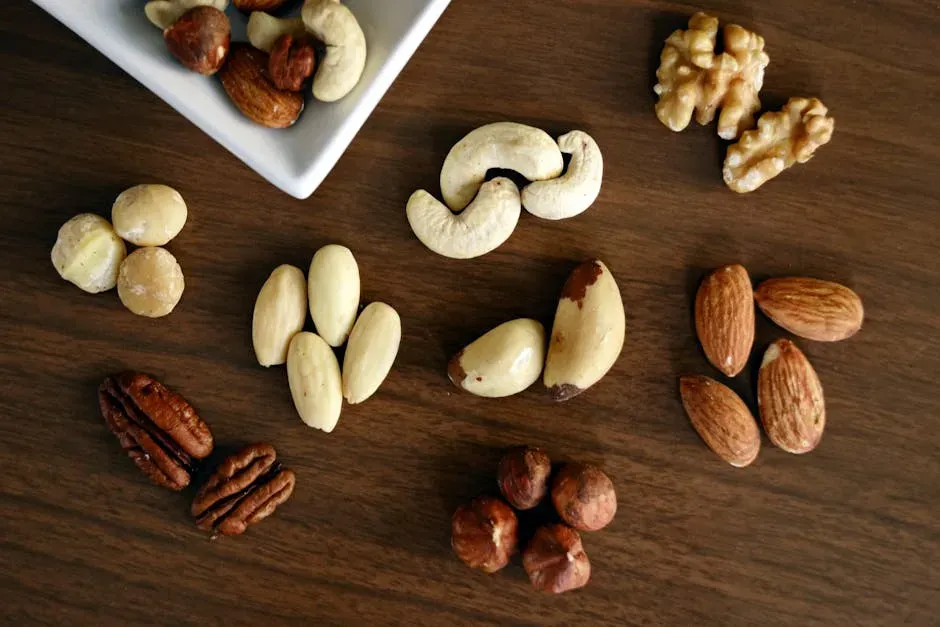
I think nuts are one of the most underestimated snacks out there. People shy away from them because of the fat content, but here’s the thing – not all fat is the enemy.
Nuts and seeds are energy-dense, but they contain fat, protein, and fiber. That combination helps explain why they tend to be filling despite their calorie content. Research shows that nuts do not cause weight gain and may even help regulate appetite when portions remain reasonable.
Research has shown that nuts don’t generally contribute to increased calorie intake or weight gain when eaten in moderation, in part because you feel satisfied after eating them. Nuts have also been associated with a decreased risk of heart disease and overall mortality. Thirteen almonds, for example, provide a 100-calorie snack with 7.8 grams of healthy fats. That’s real nutrition packed into a tiny portion. The trick, of course, is portion control. The serving size for nuts is small, so if you snack straight from the bag, it is very easy to eat too many calories. Pre-portion them into a small container before you start snacking – it sounds obvious, but it genuinely changes how much you eat.
Smart Snack #3: Veggies and Hummus
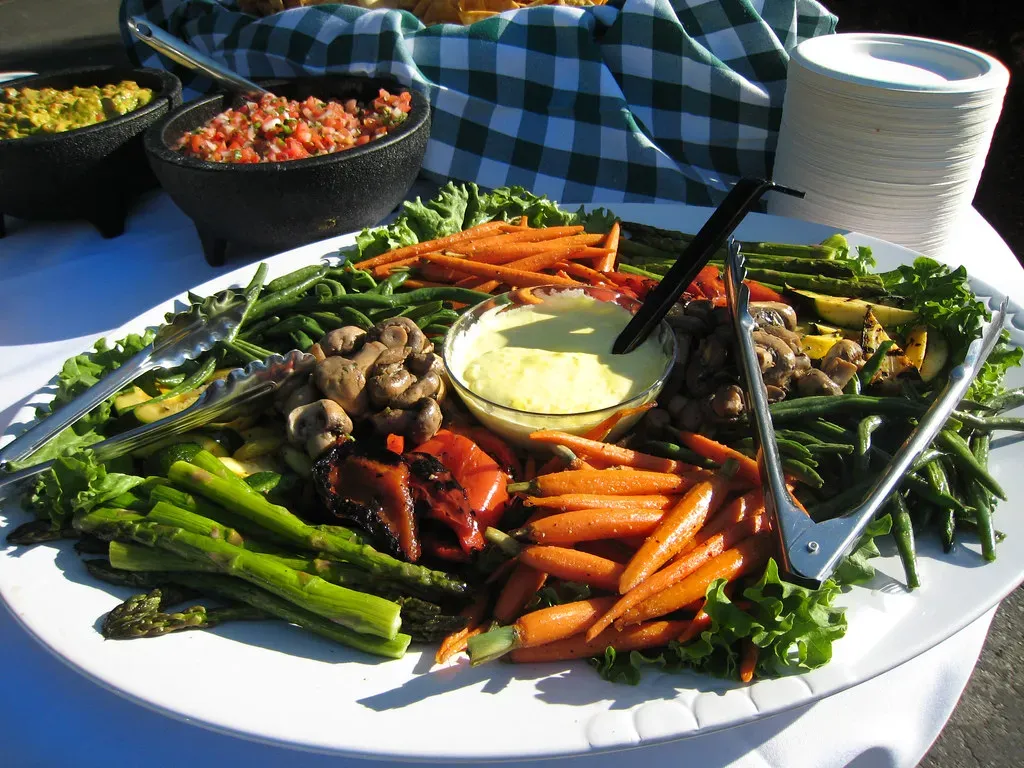
If you’re looking for a snack that checks nearly every box, this combo is hard to beat. It is crunchy, savory, genuinely satisfying, and loaded with the right nutrients.
Rich in protein and fiber, hummus is an excellent dip for raw vegetables like carrots, cucumbers, and bell peppers. Vegetables are high in water and fiber, making them ideal snacks that keep you full without adding excess calories. Think of fiber as a slow-release fuel – it is almost like your stomach is getting a gentle long-burning fire rather than a quick flash of kindling.
Hummus is made primarily from chickpeas, a small amount of ground sesame seeds, and olive oil. It is a good source of protein, and although it contains fats, they are mostly healthy polyunsaturated and monounsaturated fats. Two tablespoons of hummus has just 50 calories and 2.8 grams of fat. Pair that with a cup of raw veggies and you have a snack that costs you very little calorically but gives a lot back in terms of fullness.
Smart Snack #4: Apples with Nut Butter
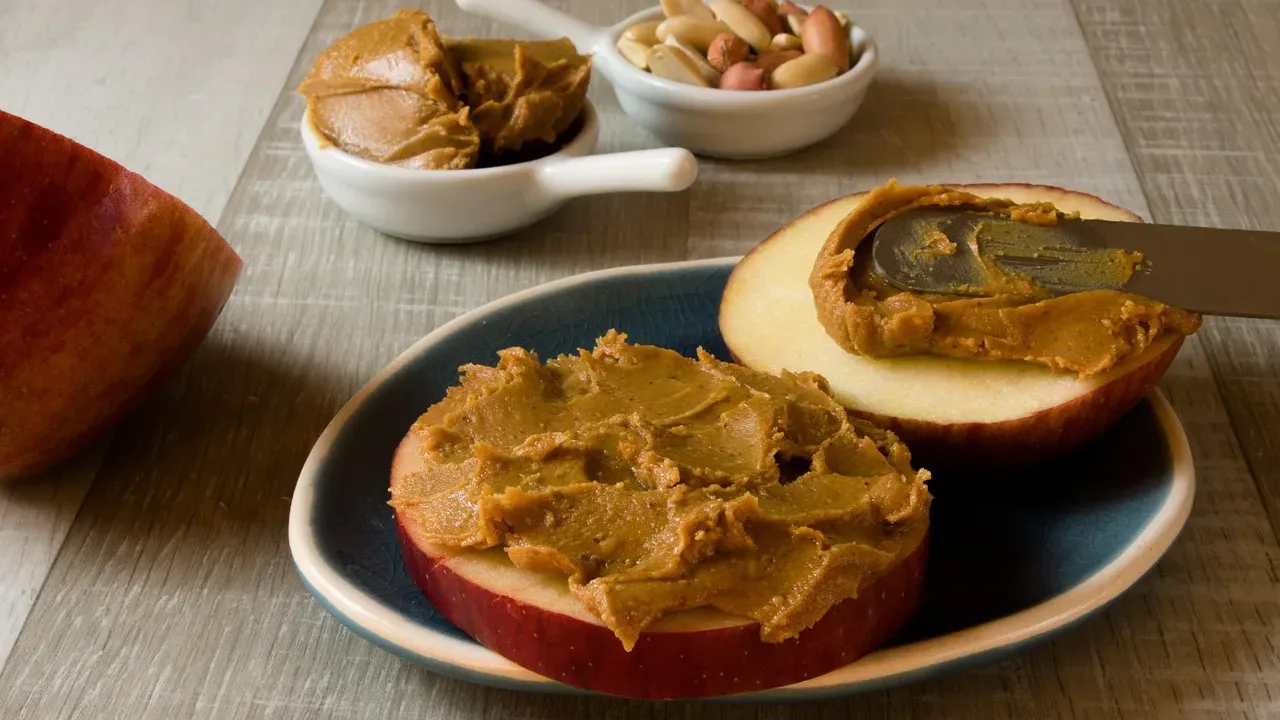
This one has been around forever for a reason. There is nothing flashy about apples and peanut butter, but the research keeps backing it up as one of the most effective weight-loss-friendly snacks available.
Apples are a great source of fiber – about 3 grams per apple depending on the variety. Pairing one with natural peanut butter gives you a boost of good fats and protein. That combination is essentially a miniature balanced meal. The fiber-rich apple and protein-packed peanut butter together make a satisfying snack that keeps hunger at bay.
Fiber can also help keep you full longer and make snacks more satisfying. On top of that, fiber helps balance blood sugar and is essential for a healthy gut. When blood sugar stays steady, you are far less likely to get that sharp mid-afternoon energy crash that sends you hunting for something sweet and fast. Keep the peanut butter to roughly two tablespoons to avoid turning this smart snack into a calorie overload.
Snack to Limit #1: Chips and Packaged Salty Snacks
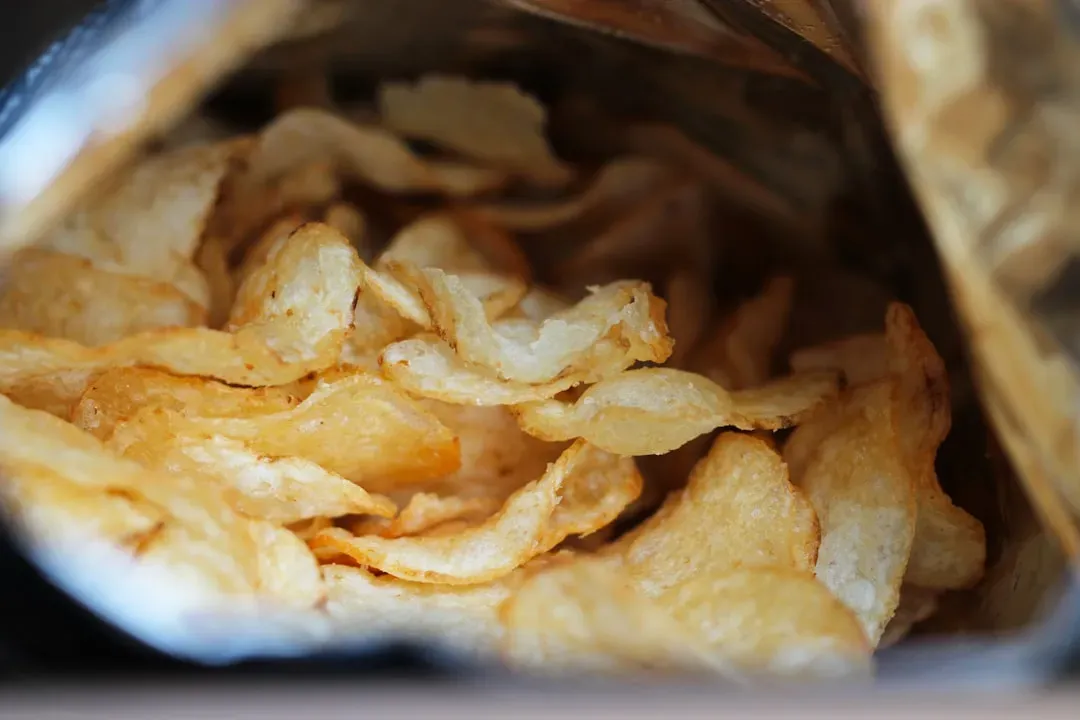
Let’s be real – this one stings a little. Chips are everywhere. They are convenient, deeply satisfying, and almost impossible to eat just one of. That last part, it turns out, is not a coincidence.
Scientists working on formulations for highly processed foods are very good at their jobs. They formulate the taste to reach what is known as the “bliss point” – the precise combination of sugar, salt, and fat that maximizes palatability and encourages overconsumption. You are essentially being engineered to overeat. Products like Pringles Sour Cream and Onion, for example, are high in unhealthy fats and sodium. The lack of fiber and protein means they do little to keep you full or satisfied.
Ultra-processed snacks like chips are energy-dense, high in fat, sugars, or salt, and low in fiber, protein, vitamins, and minerals. That combination is almost a perfect recipe for overeating. You consume a lot of calories and feel hungry again quickly. The absence of meaningful protein or fiber means your body gets very little useful signal to stop eating.
Snack to Limit #2: Sugary Drinks and Sweetened Beverages
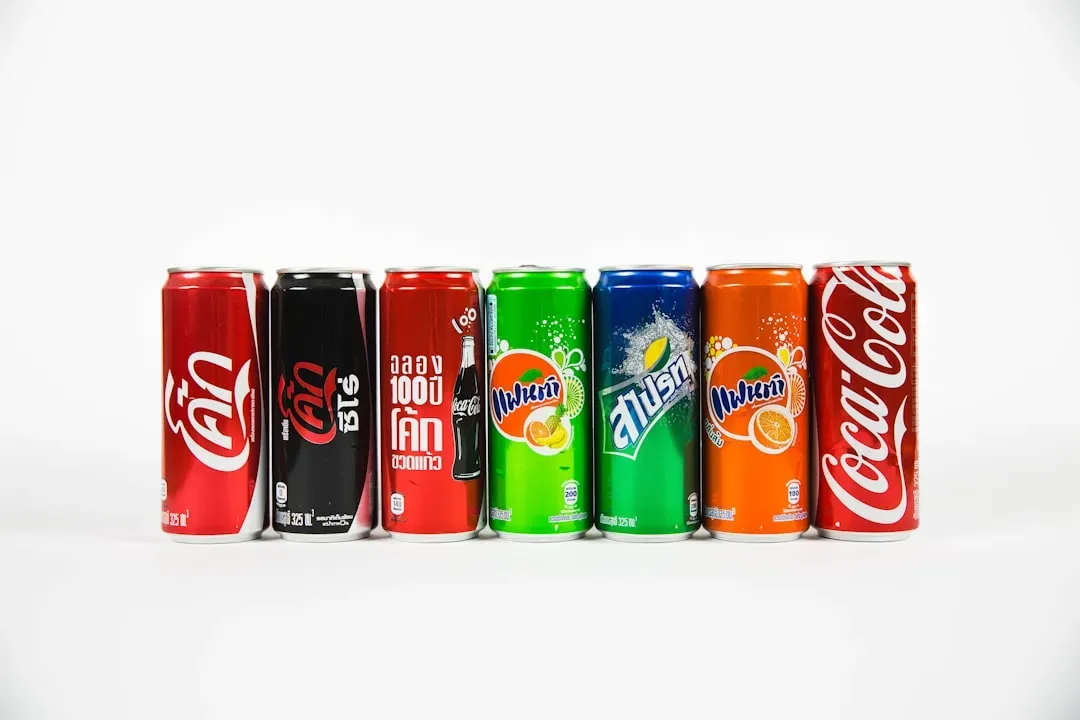
A lot of people track their food carefully but completely overlook what they drink between meals. Sugary beverages are a major hidden source of calories that can quietly undermine an otherwise solid weight-loss effort.
Research showed that among all ultra-processed foods, sugar-sweetened beverages were associated with some of the highest risk for heart disease. That is a significant finding, and it goes beyond just weight gain. A study tracking young adults over four years found that a ten percent increase in ultra-processed food consumption – including sugary drinks – was associated with a 64 percent higher risk for prediabetes and a 56 percent higher risk for problems with glucose regulation.
Snacks high in added sugars and refined carbohydrates can cause blood sugar spikes, leading to energy crashes and increased hunger, making it more challenging to stick to a weight-loss plan. Swapping a sweetened soda or flavored juice drink for water, sparkling water, or unsweetened herbal tea is one of the simplest yet most powerful changes you can make. It is hard to say for sure what the exact calorie difference is in every case, but the evidence consistently points in one direction.
Snack to Limit #3: Granola Bars and Cereal Bars
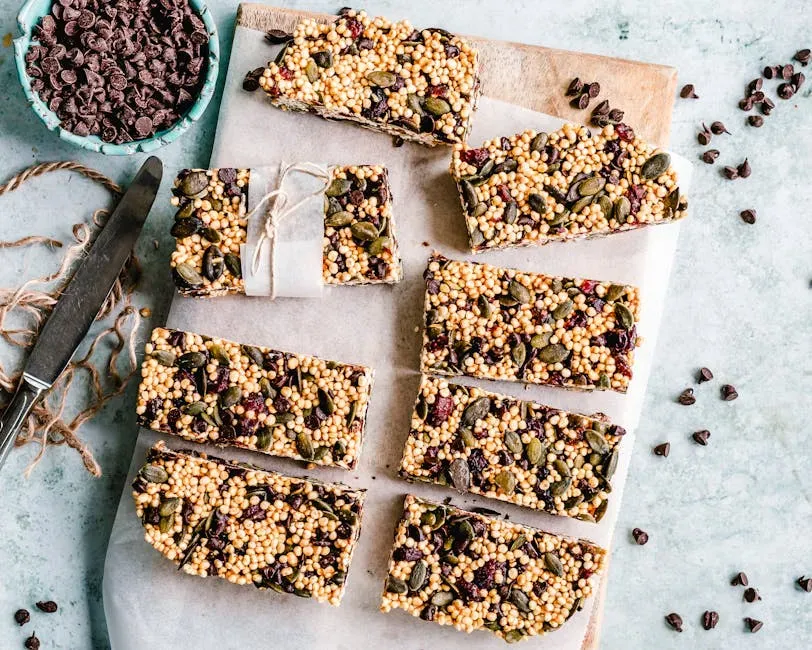
This one is sneaky. Granola bars and cereal bars look healthy. They come in cheerful packaging with words like “natural,” “wholesome,” and “nutritious” printed all over them. Do not be fooled.
While marketed as healthy, wholesome snacks, most granola and cereal bars are loaded with added sugars and unhealthy fats. It is essentially candy dressed up in hiking gear. Some products that are often marketed and perceived as healthy – such as granola bars, low-fat yogurt, and low-energy frozen dinners – are actually ultra-processed foods. The label matters more than the branding.
Always check the nutrition label and avoid snacks that list sugar as one of the first few ingredients. If you do love the convenience of a bar-style snack, look for options where the first ingredients are whole oats, nuts, or seeds – not sugar, corn syrup, or glucose-fructose. The key to choosing healthy snacks for weight loss is focusing on ones that provide protein, fiber, and healthy fats, while keeping portions in check. A granola bar with 20 grams of added sugar does not meet that bar, no matter how many whole grains the packaging claims to contain.
The Bigger Picture: Snacking Is About Strategy, Not Willpower
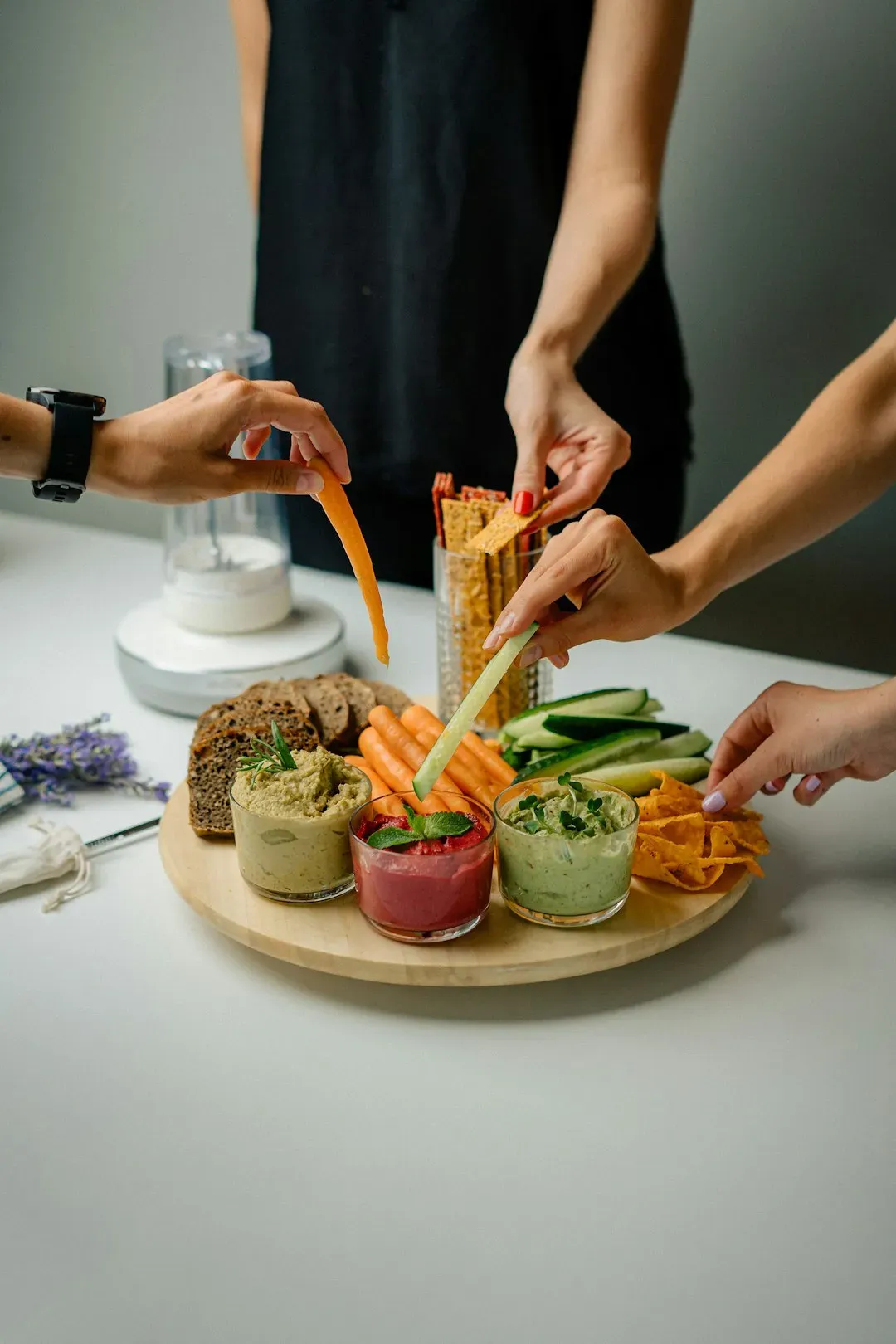
Here is something worth sitting with. The popular idea that poor snacking habits come down to a lack of willpower is not really accurate – and honestly, I find that framing a little unfair.
In today’s society, snacking contributes close to one third of daily energy intake, with many snacks consisting of energy-dense and nutrient-poor foods. Choices made with regard to snacking are affected by a multitude of factors on individual, social, and environmental levels. Your environment shapes your choices far more than your discipline does. Studies consistently show that nutrient-dense snack foods are associated with weight loss or weight maintenance, whereas energy-dense snack foods are associated with weight gain or no effects on body weight.
Not all snacks affect hunger the same way. Research on fullness consistently points to two nutrients that matter most: protein and dietary fiber. Protein takes longer to digest and supports satiety signals. Fiber adds volume and slows how quickly food moves through the digestive system. Snacks that include one or both tend to keep hunger quieter than snacks made mostly of refined carbohydrates. Build your snack drawer around those two nutrients and most of the heavy lifting is already done.
Snacking is not the problem. The problem is what we have been conditioned to reach for. Start with one swap – maybe replace afternoon chips with a handful of almonds and some apple slices – and see how your hunger and energy shift over the following week. Small changes, repeated daily, are how real weight management actually works. What snack on this list surprised you the most?