
Heart disease remains one of the leading causes of death worldwide, and high cholesterol is one of its most stubborn risk factors. The good news? What ends up on your plate can genuinely move the needle. According to research published in a 2023 issue of Circulation, increasing your vegetable intake by following a plant-based diet can dramatically reduce your risk of heart disease. That’s not just a vague health tip – it’s backed by some pretty compelling science.
Proposed mechanisms suggest that fruit and vegetable consumption may decrease cardiovascular disease risk due to their rich content of beneficial nutrients, such as dietary fiber, plant proteins, vitamin C, minerals, polyphenols, phytoestrogens, and carotenoids, all of which are known to aid in cardiovascular disease prevention. Six vegetables in particular stand out from the research. Let’s dive in.
Table of Contents
1. Spinach: The Leafy Green With Real Cardiovascular Muscle
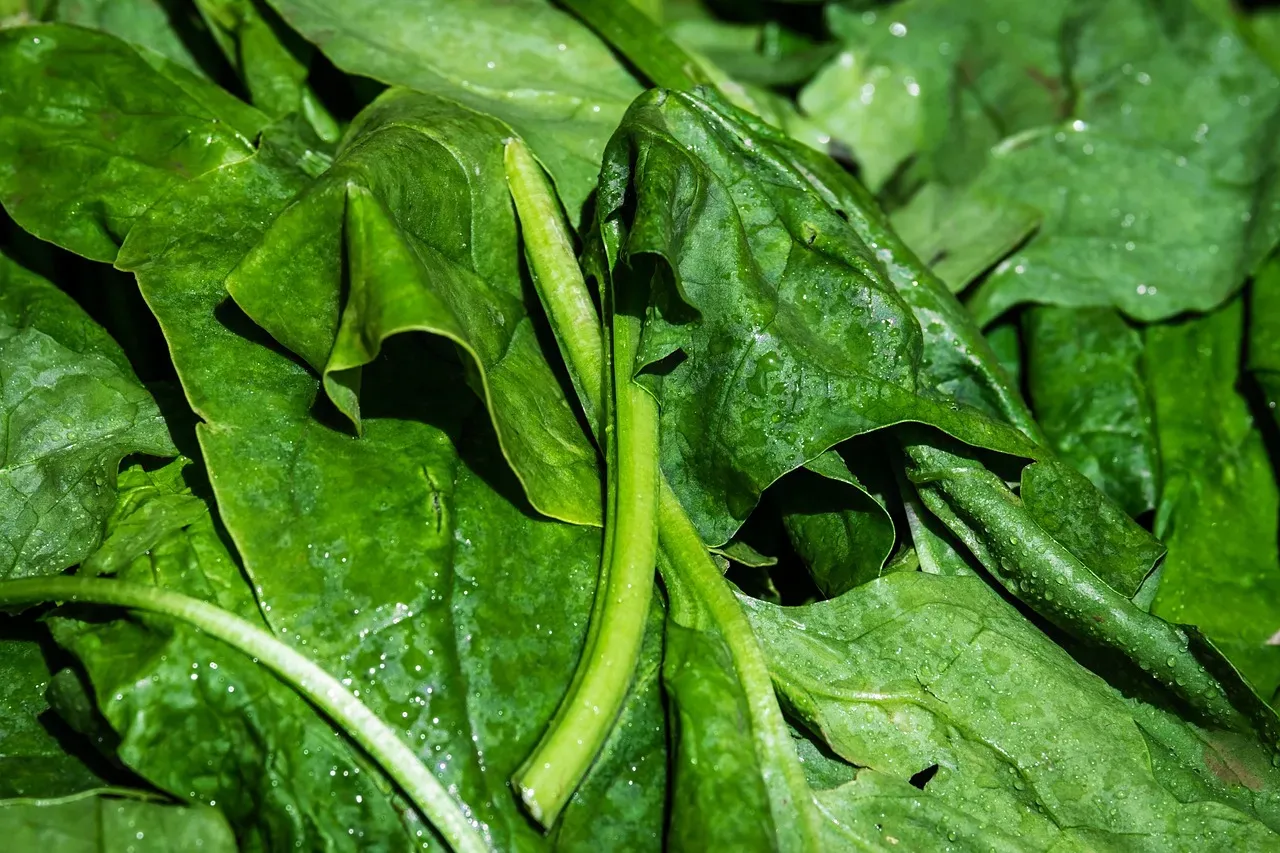
Here’s a surprising thought: one of the most powerful things you can do for your arteries might be sitting in the salad aisle. Spinach is more than just iron and Popeye folklore. Spinach contains high amounts of nitrates, which have been shown to help moderate blood pressure levels and decrease the risk of heart disease.
Researchers found that people who ate the most nitrate-rich vegetables – especially leafy greens such as spinach and lettuce – had a roughly 12% to 26% lower risk of cardiovascular disease over the course of a large-scale study. That’s not a trivial number. Eating one cup of leafy green vegetables a day may help lower heart disease risk, largely because leafy greens are rich in nitrates, which the body converts to nitric oxide – a compound that helps reduce blood pressure.
Spinach is an excellent source of dietary fiber, which plays a crucial role in reducing cholesterol levels – the fiber in spinach binds to cholesterol in the digestive system, preventing its absorption into the bloodstream, which helps to lower overall cholesterol levels. In addition to fiber, spinach is rich in antioxidants, including lutein and zeaxanthin. These antioxidants help to prevent the oxidation of cholesterol, which is a key step in the development of plaque in the arteries, meaning spinach can help to keep arteries clearer and reduce the risk of heart disease.
A recent animal study showed that high spinach intake significantly reduces the adverse effects of a high-fat diet on the gut microbiome, blood glucose, lipid profile, and cholesterol accumulation in the liver. Honestly, for such an accessible and affordable food, spinach punches well above its weight when it comes to cardiovascular protection.
2. Kale: The Cholesterol-Fighting Cruciferous Powerhouse
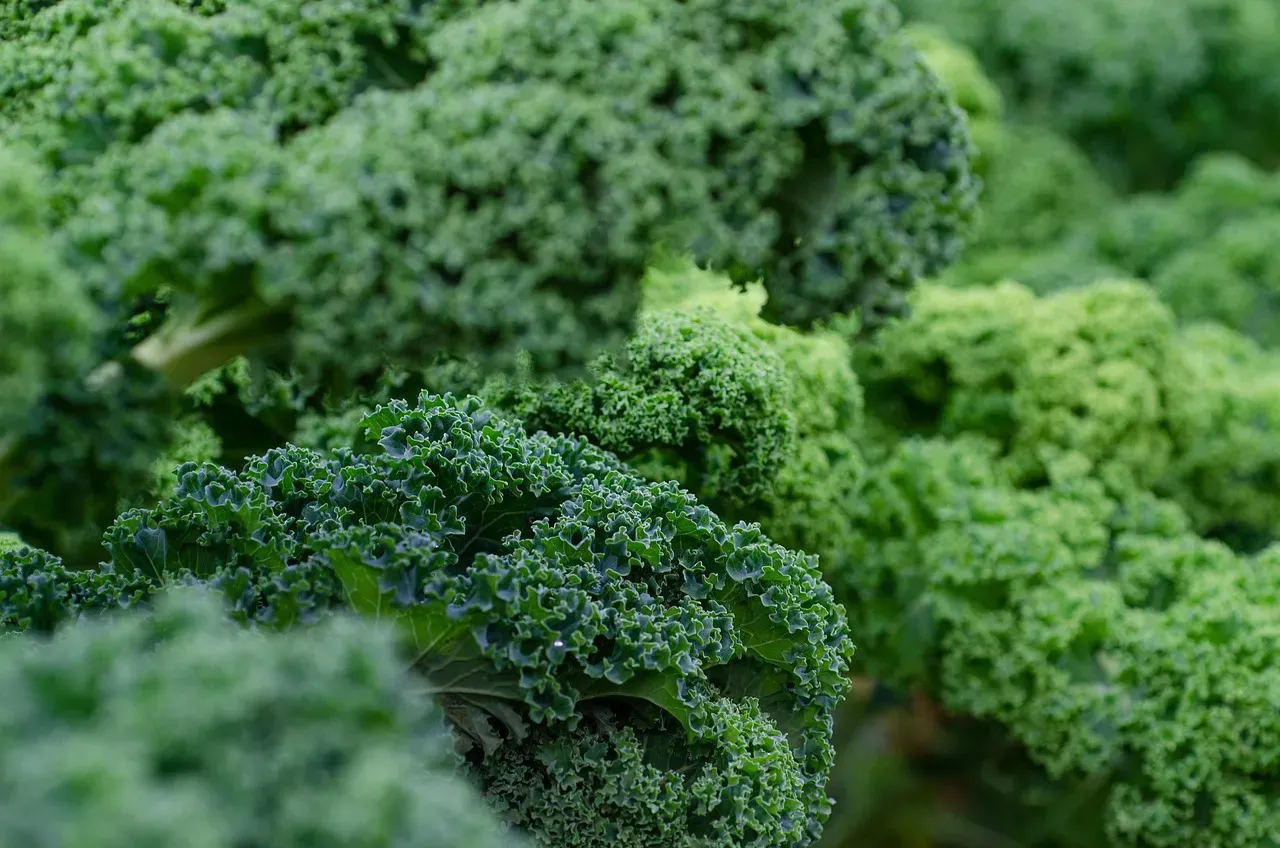
Kale has earned its superfood status, and the evidence is more solid than most people realize. A 2016 meta-analysis of eight studies that included over half a million participants found that eating leafy greens, especially cruciferous ones like kale, can reduce the risk of cardiovascular disease by over 15%. That kind of population-level impact is hard to ignore.
In a clinical study involving men with high cholesterol, consuming kale juice daily for a 12-week period resulted in serum concentrations of HDL cholesterol increasing by 27%, while LDL cholesterol concentration and the atherogenic index were significantly reduced by 10% and 24.2% respectively. These are meaningful changes for a dietary intervention alone. Regular meal supplementation with kale juice can favorably influence serum lipid profiles and antioxidant systems, and hence contribute to reducing the risks of coronary artery disease in subjects with hyperlipidemia.
In a separate study, kale supplementation lowered serum triglycerides and LDL cholesterol and prevented diet-induced increases in systemic inflammation. The mechanism is well understood too. Kale contains bile acid sequestrants, which prevent bile acid recirculation, resulting in reduced fat absorption and cholesterol utilization to synthesize more bile acids. Think of it like a natural sponge in your gut, quietly sweeping away excess cholesterol before it gets the chance to cause trouble.
A 2016 study in 149 people with metabolic syndrome found that consuming 14 g of kale powder every day for 8 weeks significantly reduced levels of LDL cholesterol, along with blood pressure, belly fat, and fasting blood sugar levels. That kind of broad metabolic benefit from a single food is genuinely impressive.
3. Brussels Sprouts: The Most Underrated Vegetable for Your Heart
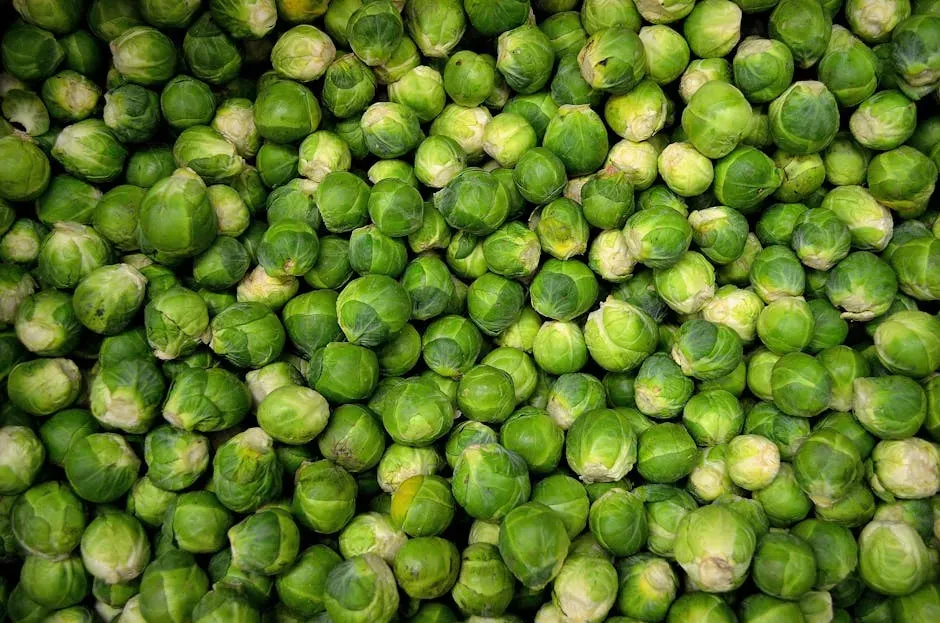
Let’s be real – Brussels sprouts have a reputation problem. Most people avoid them, and roughly half of humans have a gene that makes them taste bitter. Yet the science is remarkably clear. Brussels sprouts have the power to reduce cholesterol, according to a 2022 review published in Phytotherapy Research.
A 2021 study from the British Journal of Nutrition found that eating more cruciferous vegetables like Brussels sprouts lowered the risk of atherosclerosis. In that study, older women who had the highest intake of these vegetables had 46% lower odds of having a specific marker for atherosclerosis compared to those eating the lowest amounts. That is a striking difference. Researchers think certain bioactive compounds – flavonols, pectin, and vitamin K – in cruciferous vegetables may help lessen oxidative stress and inflammation and prevent the calcification of arteries.
A half-cup of Brussels sprouts provides 4 grams of total fiber, 2 grams of which are soluble fiber. According to the National Lipid Association, adding just 5 to 10 grams of soluble fiber per day from foods like vegetables could lower total and LDL cholesterol by at least 5 to 11 points. When you eat fiber, it binds to bile acids and eliminates them through digestion. That requires your body to use more cholesterol to make more bile acids, which results in lower cholesterol levels in your blood.
4. Garlic: A Tiny Clove With Outsized Cardiovascular Benefits
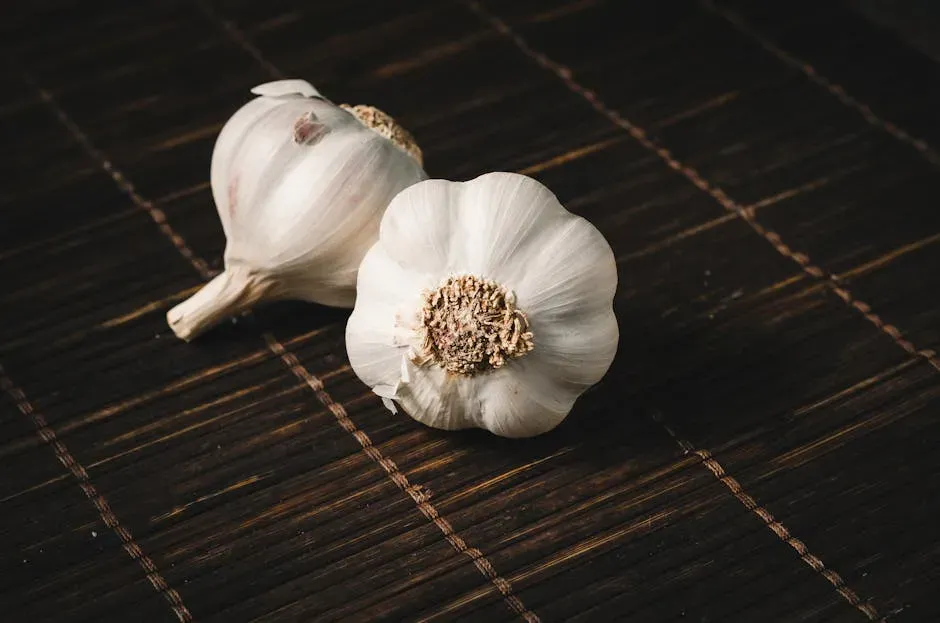
Garlic might not be the first thing that comes to mind when you think of “vegetables,” but technically it qualifies – and it’s one of the most researched foods in the entire cardiovascular literature. Researchers have found that garlic helps to reduce LDL cholesterol, combats hypertension by reducing blood pressure, and inhibits platelet aggregation, all of which reduce the risk of cardiovascular disease.
A comprehensive meta-analysis found garlic to be effective in reducing total serum cholesterol by 17 mg/dL and LDL cholesterol by 9 mg/dL in individuals with elevated total cholesterol levels above 200 mg/dL, provided garlic is used for longer than 2 months. An 8% reduction in total serum cholesterol is of clinical relevance and is associated with a 38% reduction in risk of coronary events at 50 years of age. Those numbers are remarkable for something you can add to almost any meal.
A 2024 systematic review and meta-analysis found that aged garlic consumption significantly reduced systolic blood pressure and LDL cholesterol across 19 included trials. Separately, one study showed that eating between half and one full clove of garlic per day may reduce cholesterol levels by around 10%. That means even a modest daily habit – tossing a clove into a stir fry or pasta sauce – could translate into real cardiovascular protection over time.
5. Okra: The Viscous Fiber Specialist
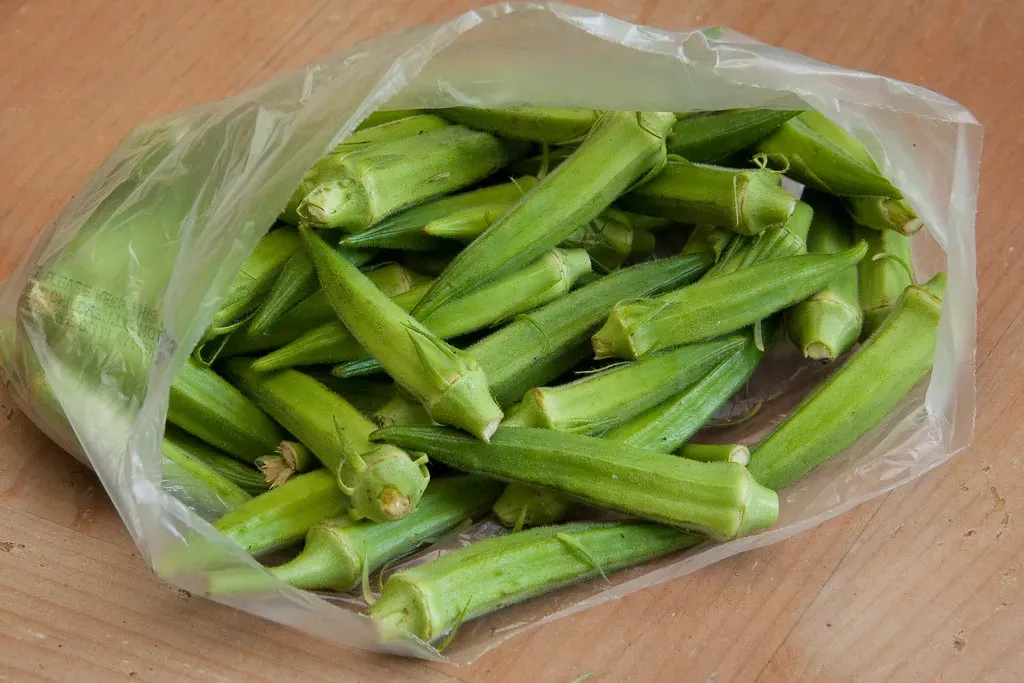
Okra is a vegetable that doesn’t get nearly enough credit in Western diets, but it has a uniquely powerful mechanism for cholesterol reduction. Viscous fiber is a type of soluble fiber that forms a gel in your gut and binds to cholesterol so your body doesn’t absorb it. Food sources of viscous fiber include oats, barley, eggplant, okra, berries, and citrus fruit. Okra, though, is particularly loaded with this type of fiber.
In laboratory testing comparing multiple vegetables for their ability to bind bile acids – a key mechanism for reducing cholesterol – bile acid binding for okra was significantly higher than for all other vegetables tested. This is the core mechanism by which it drives down LDL. According to research, these kinds of viscous fibers from okra can help reduce total cholesterol levels by roughly 3% to 7%, and studies have found that both the seed and skin of okra may help fight cholesterol.
Okra is specifically cited by health experts as a meaningful source of viscous fiber – found alongside eggplant – that supports cholesterol reduction as part of a heart-healthy dietary portfolio. Major dietary frameworks for cholesterol management specifically include okra alongside Brussels sprouts, broccoli, carrots, spinach, and eggplant as core vegetables with heart-protective properties. It works quietly, gently, and consistently – much like a slow tide pulling cholesterol away from the bloodstream.
6. Broccoli: The All-Around Cardiovascular Defender
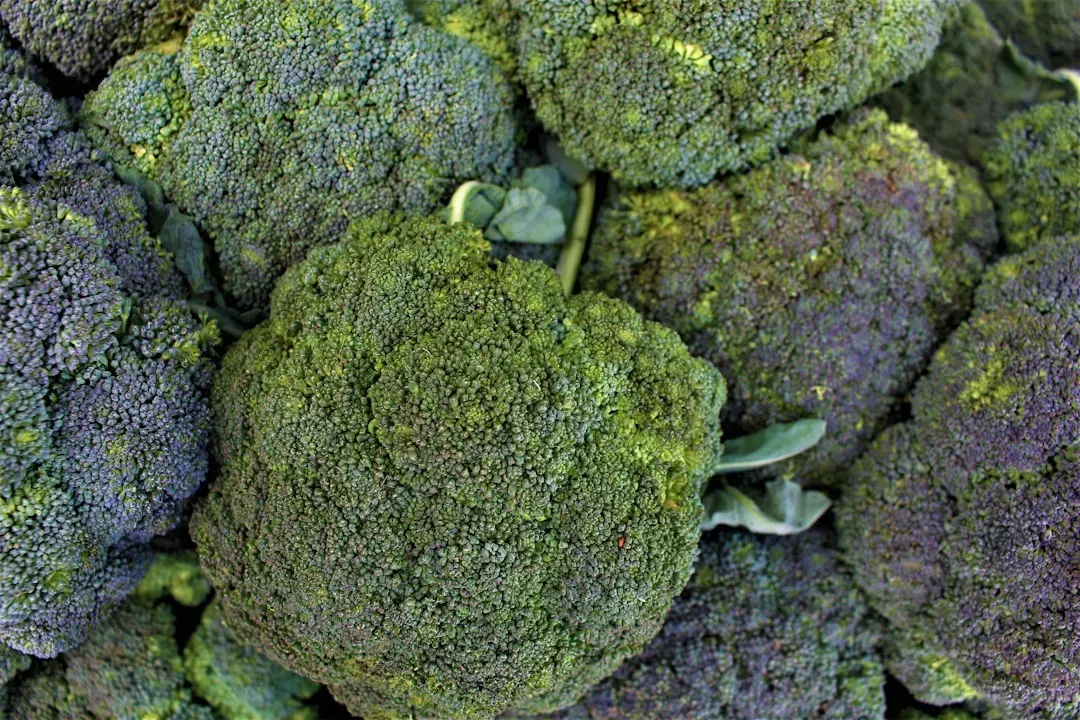
Broccoli is probably the most universally recognized “healthy vegetable,” and when it comes to heart health specifically, that reputation is well earned. Broccoli, Brussels sprouts, and other cruciferous vegetables are associated with fewer calcified fatty plaques in the aorta – which is one of the most serious markers of advanced cardiovascular disease.
Dietary fiber, such as that found in broccoli, can regulate the gut microbiota, enhancing the production of short-chain fatty acids that contribute to cardiovascular health by lowering systemic inflammation and inhibiting platelet aggregation. Additionally, the antioxidants found in broccoli, particularly vitamin C, are associated with lower incidences of cardiovascular disease including hypertension, coronary heart disease, heart failure, and stroke. Vitamin C’s antioxidant properties are thought to protect blood vessels by reducing oxidative stress, a key factor in the development of atherosclerosis.
Broccoli ranks among the healthiest vegetables you can eat because it reduces LDL cholesterol and provides an abundance of vitamins. Broccoli, Brussels sprouts, and similar vegetables such as kale and bok choy are packed with vitamin K and antioxidants that protect blood vessels. What makes broccoli especially appealing is its versatility – it can be steamed, roasted, eaten raw, or tossed into almost any dish without losing its nutritional identity.
Major health organizations now consistently support dietary patterns that reduce cardiovascular risk – including those that emphasize high fiber intake and minimally processed foods, with core recommendations specifically including increasing consumption of fiber-rich foods such as vegetables, fruits, legumes, whole grains, nuts, and seeds. Broccoli checks nearly every one of those boxes in a single, humble floret.
The Bigger Picture: Why These Six Vegetables Matter Together
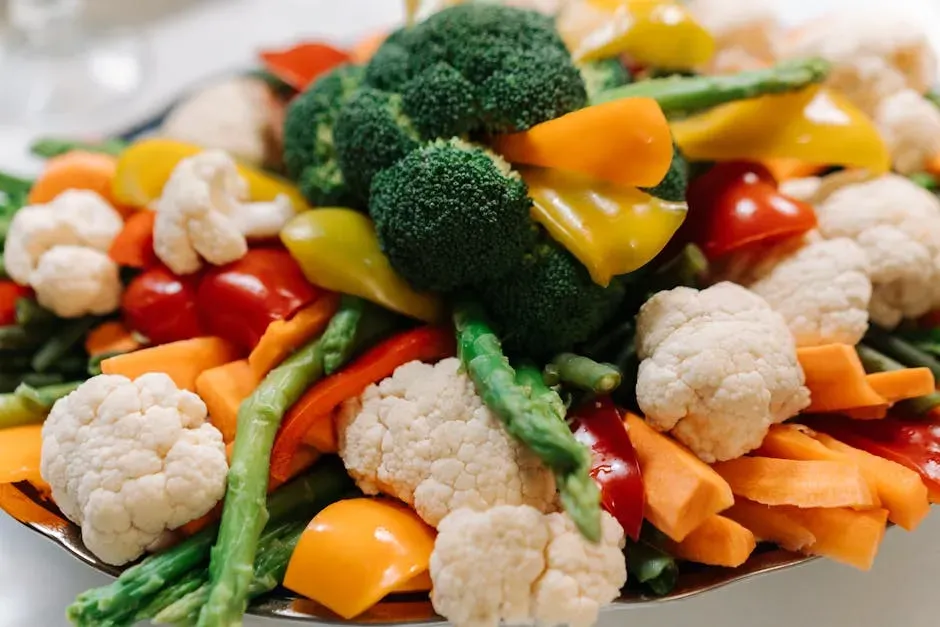
Fiber, which is only found in plant foods, reduces the absorption of cholesterol from the gut, increases the amount of cholesterol excreted in the stool, and can reduce the amount of LDL cholesterol in the blood. Good sources of fiber include fruits, vegetables, legumes, and whole grains. The six vegetables highlighted in this article all contribute to this process – though through slightly different mechanisms and compounds.
A study of nearly 15,000 adults, published in a 2025 issue of BMC Medicine, found that those with greater adherence to a plant-rich dietary pattern had a 16% lower risk of dying from cardiovascular disease and a 14% reduced risk of dying prematurely from any cause over a 22-year period. Long-term consistency really does seem to be the key. Fiber plays a crucial role in supporting digestive health and reducing cholesterol levels, with sources ranging from grains, cereals, and legumes to fruits and vegetables.
Professional guidance from major organizations, including the American College of Cardiology, the American Heart Association, and the Dietary Guidelines for Americans, consistently supports dietary patterns that reduce cardiovascular risk. The six vegetables featured here – spinach, kale, Brussels sprouts, garlic, okra, and broccoli – are not trendy wellness buzzwords. They are backed by decades of research, clinical trials, and large population studies. The evidence points in one direction: eat more of them, and your heart will likely thank you for it. What’s your favorite way to cook them? Tell us in the comments.